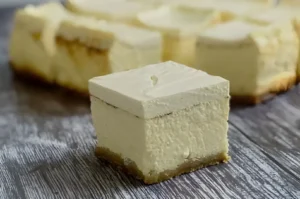
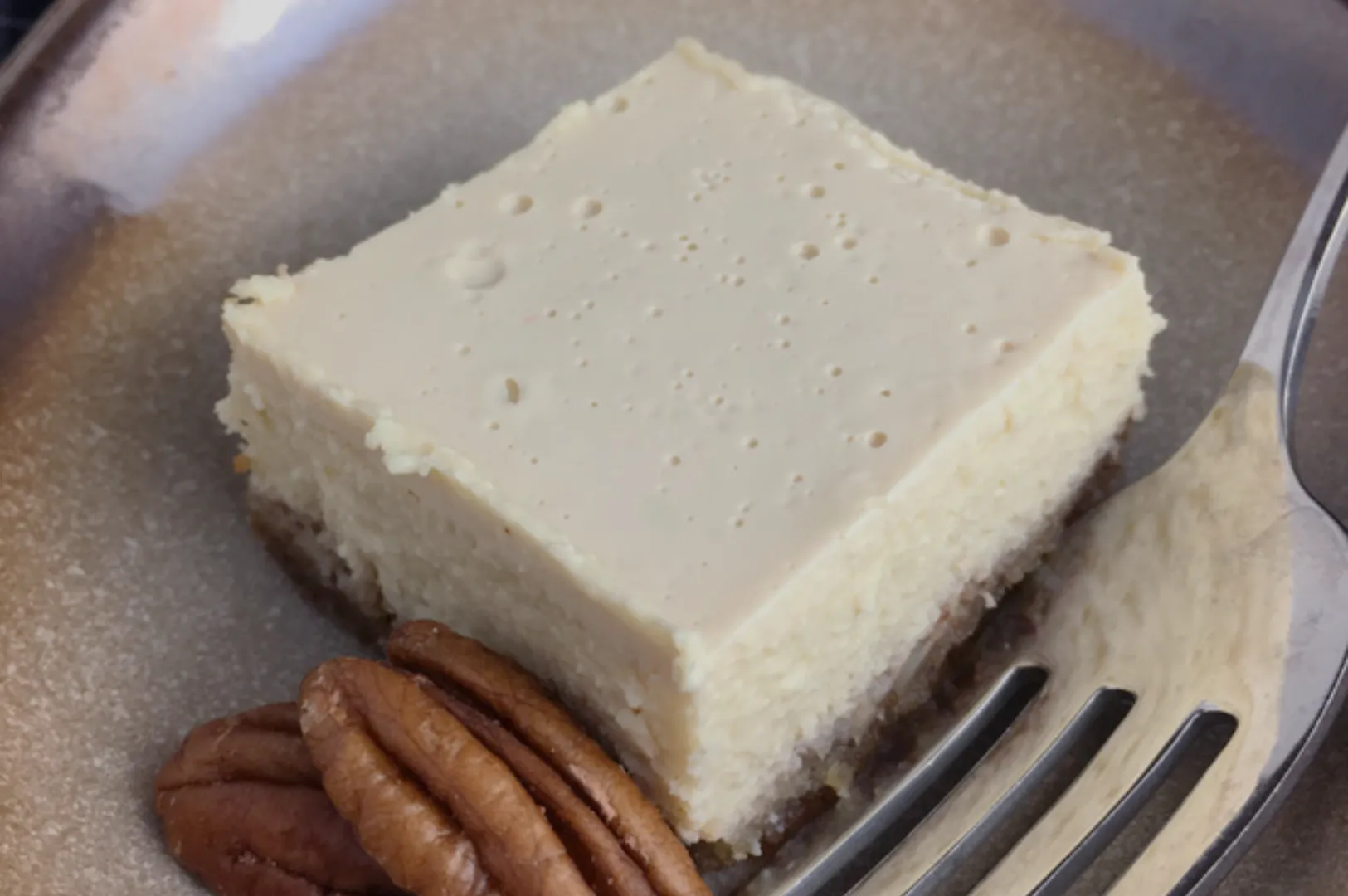
The behavior of a pastry under the clean edge of a fork reveals its structural integrity long before it touches the tongue. A dessert that requires structural force to cut, or conversely, collapses into an amorphous pool, signals an imbalance in its core formulation. Premium pastry engineering relies on subtle indicators of quality that do not require dramatic visual embellishments or high concentrations of sugar to command attention. These understated details serve as the quiet signals of a premium dessert.
When a dessert moves away from loud visual marketing, the technical precision of its internal structure becomes its primary statement. The primary keyword and benchmark of excellence shift to how well the emulsion holds, how evenly the crumb is distributed, and how cleanly the composition dissolves. By examining the physical attributes of high tier confectionery, we can identify specific markers that separate transient food trends from enduring culinary benchmarks.
How Structural Stability Signals Technical Mastery Without Artificial Additives
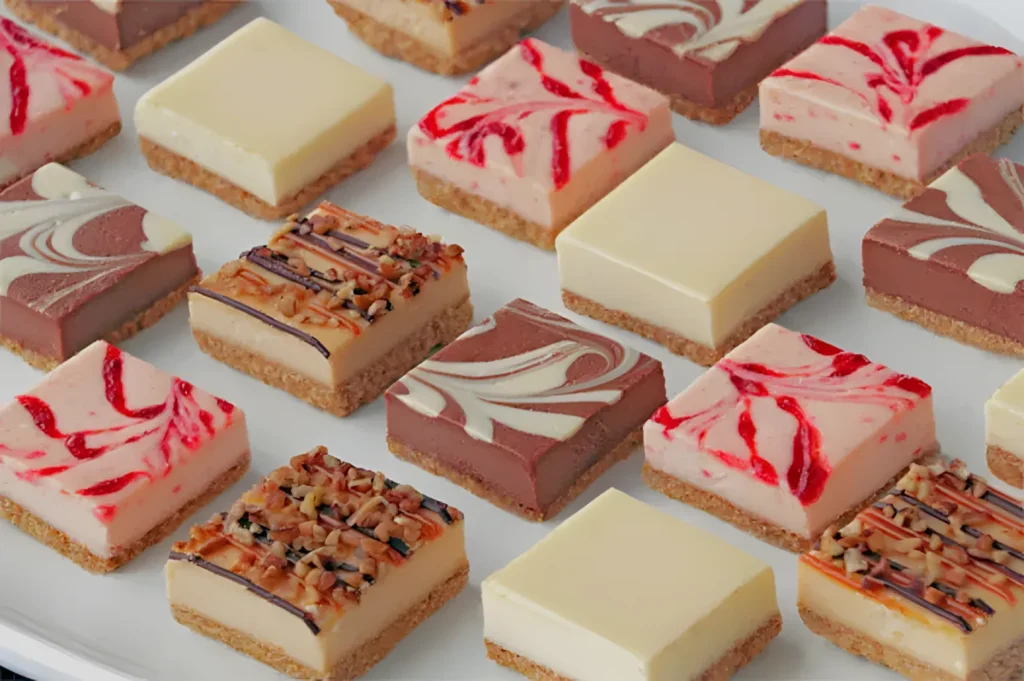
The capacity of a delicate slice to support its own geometric weight at room temperature is an immediate indicator of a well structured recipe. In mass production, structural permanence is often achieved through a heavy reliance on industrial starches and gums. While these additives prevent the product from deflating, they introduce an unnatural elasticity that compromises the purity of the bite.
A premium creation relies exclusively on the natural coagulation properties of its core proteins. Whether working with dairy components or alternative plant bases, the master artisan establishes a precise network that traps moisture seamlessly. This disciplined manipulation of temperature and time ensures the cake retains its form cleanly on the plate while preserving an unadulterated foundation.
The Uniformity of the Slice as a Diagnostic Check
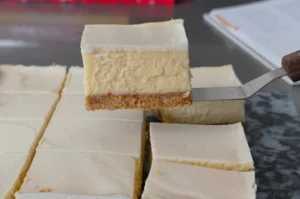
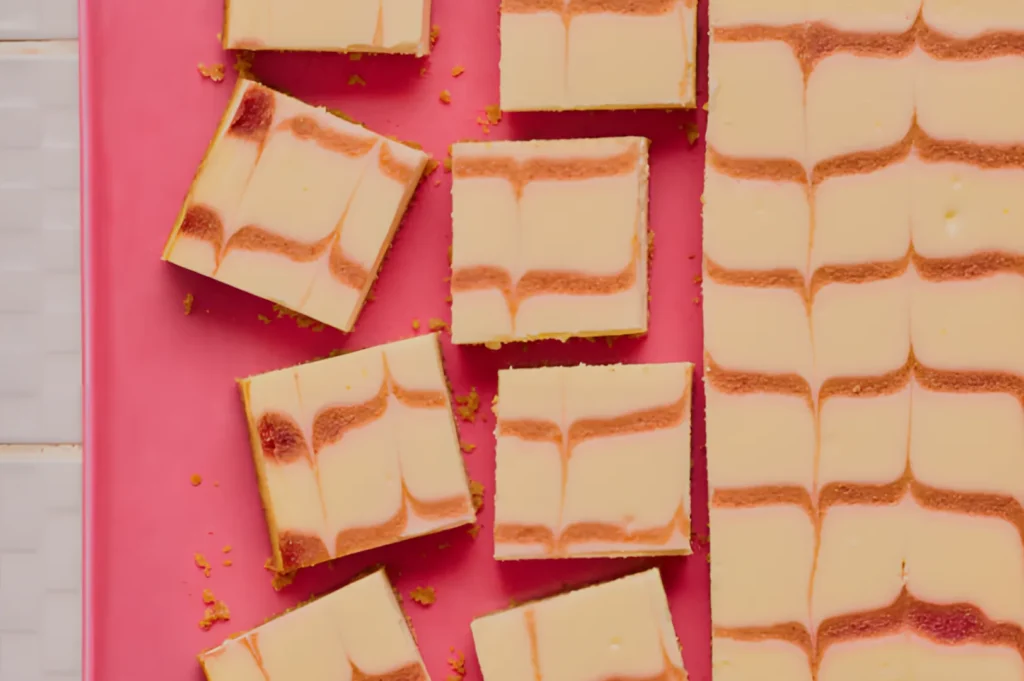
A clean vertical profile when sliced serves as a physical diagnostic check of a dessert batter. If the knife blade drags loose crumbs or leaves oily streaks along the cut surface, the fat emulsion has failed to stabilize during the thermal cycle. A uniform surface indicates that the moisture and fat phases are perfectly bound.
This level of uniformity guarantees that the density profile remains identical across every portion. It eliminates the risk of encountering pockets of dense fat or watery layers that disrupt the cadence of consumption. The presence of a smooth, mathematically precise edge is an unmistakable, quiet sign of disciplined execution.
The Physics of Minimalist Aesthetic Design
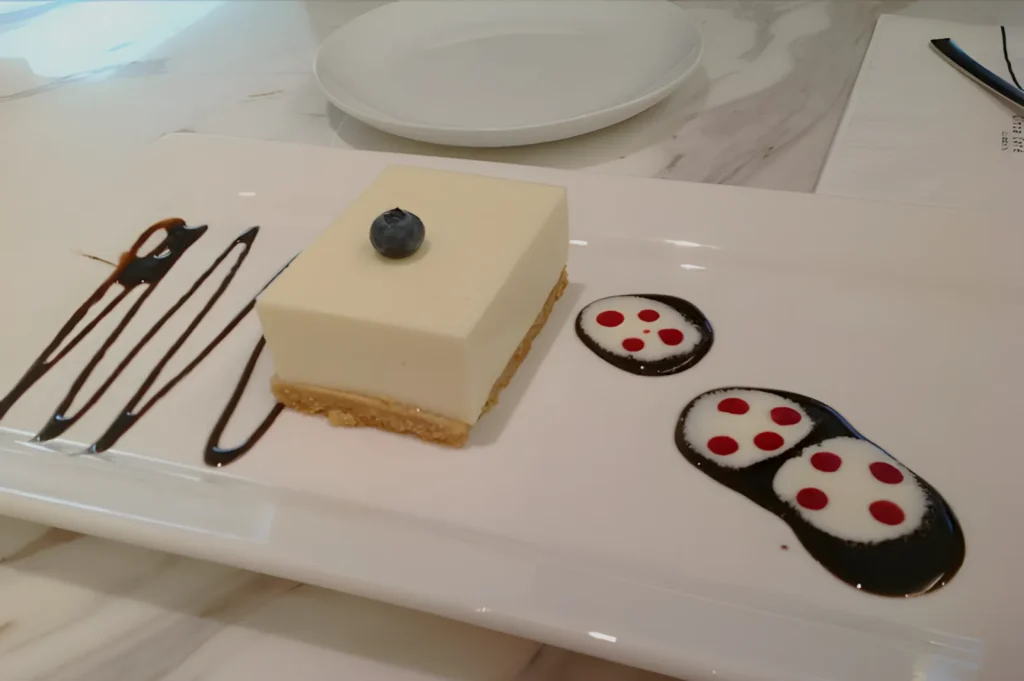
Restraint in surface decoration is another silent indicator of technical transparency. When a cake is not covered in heavy glazes, piped creams, or decorative dustings, the underlying crumb is completely exposed to scrutiny. This lack of concealment demands absolute perfection during the baking process.
Every slight variation in color or tiny surface fissure becomes instantly visible. Choosing to present a dessert in its unadorned state is a declaration that the internal matrix is flawless. It shifts the consumer’s focus entirely to the performance of the core textures, establishing a refined visual vocabulary based on subtraction rather than addition.
What the Rate of Dissolution Reveals About Ingredient Purity
The speed at which a dessert breakdown happens inside the mouth provides direct insight into the melting points of the lipids utilized. Inferior fats or poorly managed emulsions tend to linger on the tongue, creating a persistent film that dulls the taste buds. This lingering sensation is a primary contributor to early satiety and richness fatigue.
A composed texture dissolves in a steady, linear progression when exposed to human body temperature. The matrix yields smoothly to the compression of the palate without requiring active chewing. This rapid, clean dissolution ensures that the volatile flavor molecules are liberated instantly, creating a vibrant sensory impact that clears the palate promptly.
Evaluating Palate Weight for Sensory Longevity
Palate weight is the perceived physical burden of a dessert during consumption. High palate weight often stems from an over saturation of animal fats and processed sweeteners, which leaves a heavy impression. A premium dessert prioritizes a lighter interpretation that respects the biological system of the diner.
Controlling this weight involves a meticulous balance of solids and liquids within the batter. By reducing the reliance on heavy dairy solids and incorporating refined plant materials, the overall burden on the tongue is lessened. This technical modification allows the dessert to satisfy the appetite while ensuring the sensory experience remains fresh through multiple courses.
The Significance of a Brief and Balanced Finish
The final sensory impression of a pastry is defined by its finish on the palate. An exceptional creation finishes with a brief, crisp note that clears the tongue naturally. This clean break prevents the overlapping of flavors that can distort the transition to a subsequent beverage or course.
Achieving this balanced finish requires the complete absence of heavy residues. When the fat profile is clean, the natural profile of the primary ingredients emerges unmasked. The taster is left with a memories of delicate acidity and subtle grain undertones, rather than a heavy layer of sweetness.
Why Textural Consistency Across Varying Temperatures Validates Quality
A common failure in delicate desserts is their volatility when exposed to slight ambient temperature shifts. A cake that is perfectly set inside a cold refrigeration unit may weep or lose its structural integrity within moments of being served in a warm climate. True textural consistency requires a structure that remains resilient during service.
This resilience is built during the slow emulsification and baking stages, where the protein bonds are given sufficient time to organize into a stable matrix. A premium cake maintains its clean bite and uniform density throughout the duration of a meal. This stability ensures that the final bite delivers the exact same mouthfeel as the first, demonstrating complete control over the physical state of the materials.
The Interplay of Aeration and Resistance
The ideal mouthfeel is a sophisticated interplay between initial resistance and subsequent lightness. If a cake offers no resistance to the fork, it lacks substance. If it requires effort to compress on the tongue, it lacks refinement.
Premium execution creates an aerated network that possesses an inherent tension. The air cells are distributed with extreme uniformity, preventing large pockets that cause the structure to crumble unevenly. This meticulous air management yields a mouthfeel that feels substantial yet weightless, a dual characteristic that defines advanced pastry craft.
The Role of Reduced Sugar in Highlighting Base Integrity
Sugar is a powerful masking agent that can easily hide defects in ingredient quality or technical execution. When a recipe uses sugar with absolute restraint, the primary elements are forced to stand on their own merits. This lack of sweetness exposure makes any imbalance in the base components immediately apparent.
Lowering the sugar level allows the authentic flavors of the ferment, the grain, or the bean to communicate clearly. The sweetness transforms into an understated structural component that enhances the natural elements rather than dominating them. This clarity of flavor is the ultimate indicator of a premium dessert designed for an educated palate.
How the Daizu by Ki-setsu Standard Embodies the Quiet Signals of a Premium Dessert
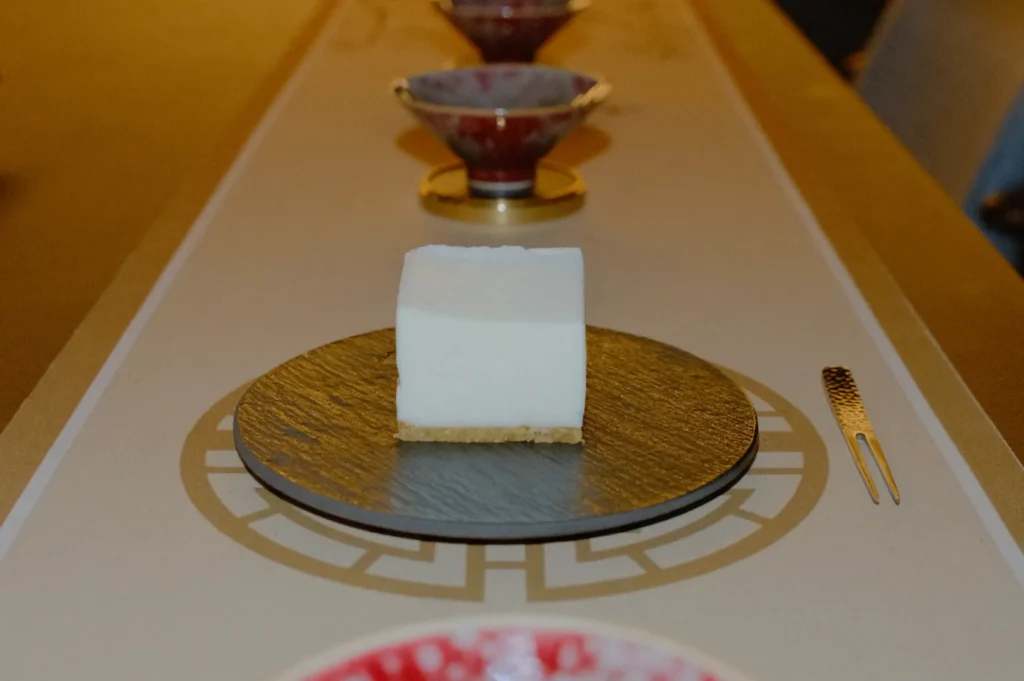
The evaluation of high tier pastry ultimately moves beyond the realm of simple indulgence and enters the domain of technical refinement. A truly well-structured dessert communicates its value through quiet signals of a premium dessert, such as an even density profile, a composed texture, and a remarkably clean break on the tongue. By discarding the loud conventions of traditional heavy baking, contemporary creators can establish an elevated benchmark that prioritizes sensory clarity and structural intelligence.
This disciplined approach ensures that every physical characteristic of the dessert serves an intentional purpose. It moves pastry design closer to a science, where materials are chosen for their specific behavioral characteristics under heat and pressure. The resulting equilibrium represents the peak of modern confectionery development.
At Daizu by Ki-setsu, we build our entire concept upon these silent markers of distinction. We offer a refined alternative to conventional heavy desserts by focusing on a lighter interpretation that highlights the pure qualities of our ingredients. Our soy-integrated formulations are carefully engineered to achieve an impeccable structural integrity and a balanced finish without relying on artificial thickeners or excessive fats.