A slight wobble in the center of a cheesecake often causes unnecessary alarm for the home baker. Many assume this movement indicates an undercooked product. In professional pastry, however, this visible quiver is frequently the target. It signals that the protein network is perfectly coagulated, yet retains enough residual moisture to avoid a dry or crumbly texture. Determining when a cheesecake is “done” is a technical assessment of thermal transition rather than a simple matter of time.
The definition of “set” versus “soft” varies significantly across global pastry traditions. These distinctions are rooted in the desired palate weight and the intended structural integrity of the final product. A cheesecake destined for a clean slice requires a higher degree of firmness. A dessert designed to offer a more fluid mouthfeel relies on a delicate, soft internal state. Understanding these parameters is essential for mastering the textural consistency of the finished cake, a balance that we explore through the refined lens of Daizu by Ki-Setsu.
Why Thermal Thresholds Dictate Final Texture
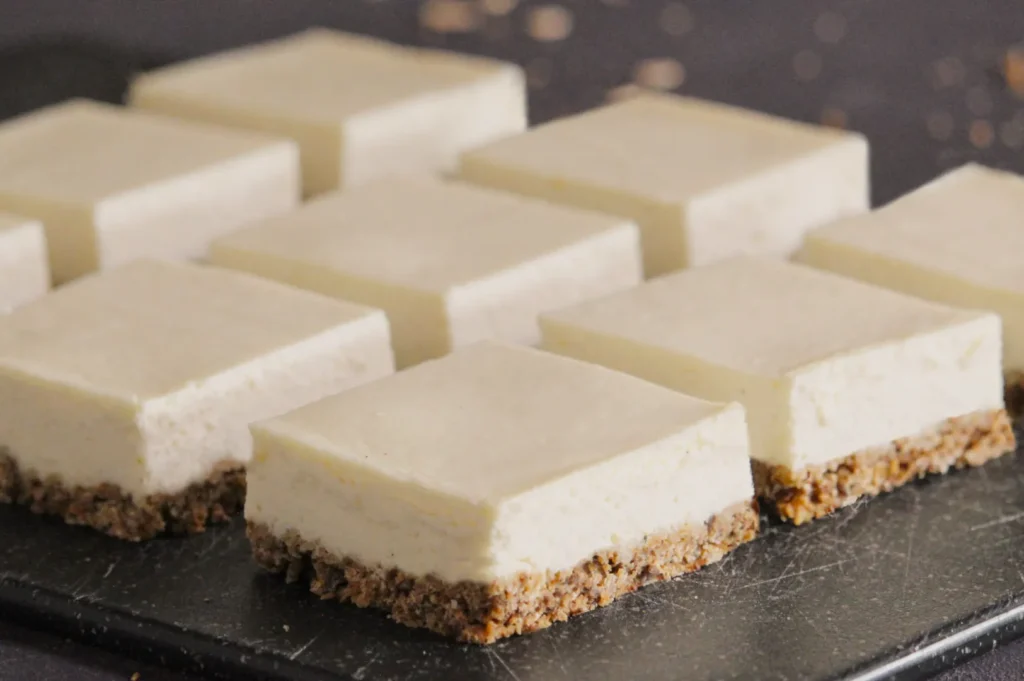
Cheesecake is a protein-based structure, primarily reliant on eggs and dairy to hold its form. These proteins coagulate at specific temperatures. If the internal heat rises too high, the protein bonds tighten excessively. This causes the cake to become firm and potentially grainy. If the heat is too low, the structure will not hold.
The goal is to stop the cooking process at the precise moment the protein lattice stabilizes. This usually happens while the center of the cake still exhibits a slight movement when the pan is nudged. As the cake cools, the residual heat continues to firm up the internal structure. This carryover cooking is why pulling a cheesecake from the oven while it still appears soft is a technical necessity, not an error.
Measuring Set Points Through Visual and Physical Cues
Professional kitchens rarely rely on a timer alone to determine when a cake is finished. Instead, they observe the physical behavior of the batter. A properly set cheesecake will show a slight rise at the edges, while the center remains slightly lower and visibly more fluid.
Physical tests, such as a gentle nudge of the tin, provide a more accurate assessment than a probe thermometer. A well-structured cake should move as a single unit. If the center ripples like liquid, it requires more time. If the movement is a slow, rhythmic wave across the entire surface, the cake is ready to cool.
The Role of Cooling in Structural Development
The cooling phase is the second half of the baking process. Once the cake leaves the oven, the fats and proteins continue to settle into their final arrangement. Allowing the cake to cool slowly at room temperature prevents thermal shock.
Sudden exposure to cold air can cause the surface to crack or the internal structure to collapse. A gradual transition to the refrigerator ensures that the cake develops a consistent density profile. This slow cooling is what transforms a soft, fragile batter into a composed,
How Different Traditions Define the "Done" State
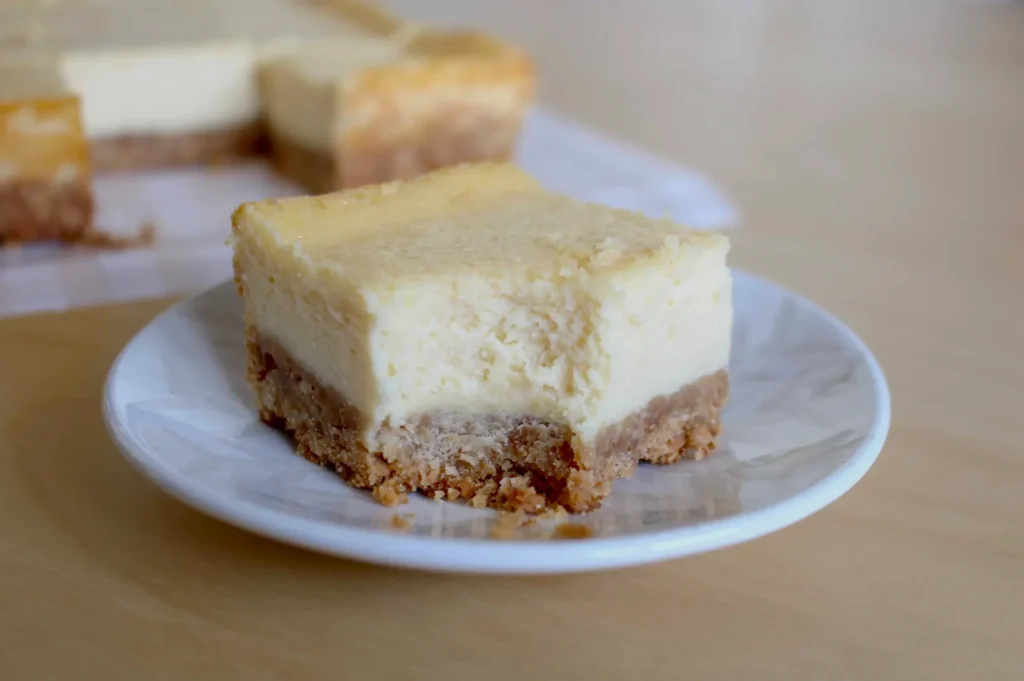
The standard for a “done” cheesecake is entirely dependent on the specific tradition being followed. Some styles prioritize a dense, compact finish. Others emphasize a light, aerated internal structure. These objectives necessitate different approaches to the setting process.
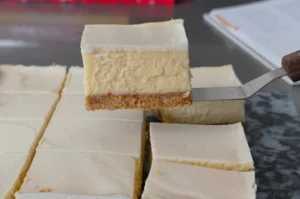
A denser style requires a longer bake to reach a firmer set. This produces a cake that can be sliced cleanly into sharp geometric shapes. A softer style, however, is removed from the oven at a much earlier stage. This creates a texture that is closer to a custard or a mousse, where the focus is on a smooth mouthfeel rather than structural stability.
Balancing Structural Integrity with Palate Weight
There is a natural tension between structural integrity and palate weight. A cake designed for maximum structural integrity—meaning it holds its shape perfectly when standing for long periods—will inherently feel heavier on the palate. It has less moisture and more protein bonds.
A cake designed for a lighter palate weight must sacrifice some of that rigidity. The result is a more delicate mouthfeel that dissolves more quickly on the tongue. Both are valid approaches to dessert making. The choice depends on whether the maker prioritizes the architectural form of the slice or the immediate sensation of the bite.
Adjusting for Different Ingredient Bases
The composition of the batter fundamentally changes how a cake sets. A recipe high in dairy fat will set differently than one based on plant-based proteins. Dairy fats firm up significantly when cold, which allows for a softer set during the baking process.
Alternative proteins, such as those derived from soybeans, respond differently to heat. They may require a lower temperature and a longer, more controlled cooling period to achieve the same textural consistency. The “done” state must be recalibrated based on these material realities, which is also a key to understanding Why Basque Cheesecake Has a Burnt Top (And Why That’s Intentional).
Defining the Professional Standard for a Well-Structured Dessert
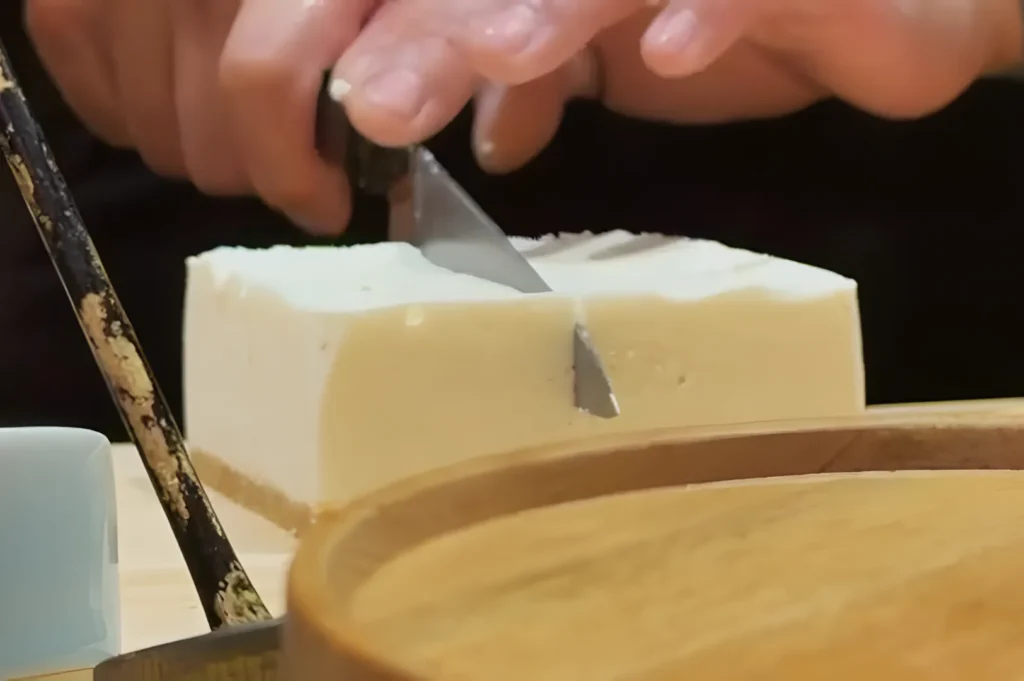
The distinction between set and soft is a matter of technical intent. A cheesecake is not “undercooked” simply because it is soft. It is soft because the desired finish on the palate demands that specific level of moisture and structural fluidity. The professional standard is not firmness, but rather the perfect realization of the intended texture.
Achieving this consistency requires a deep understanding of how thermal energy impacts the specific ingredients used. It demands the discipline to stop the process at the exact right moment, trusting in the chemistry of the carryover set. When these standards are met, the result is a product that feels intentional, cohesive, and refined.
We approach the “done” state through a lens of controlled precision. We seek a lighter interpretation of the cheesecake, which necessitates a more delicate setting point than traditional dairy-heavy versions. Our goal is to achieve a composed texture that remains firm enough to serve, yet soft enough to offer a refined, airy mouthfeel. By carefully monitoring the thermal transition of our soy-based recipes, we ensure that every cake is removed from the oven at the precise moment it achieves its ideal structural integrity, offering a balanced finish that is distinctly light on the palate.