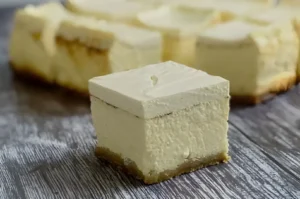

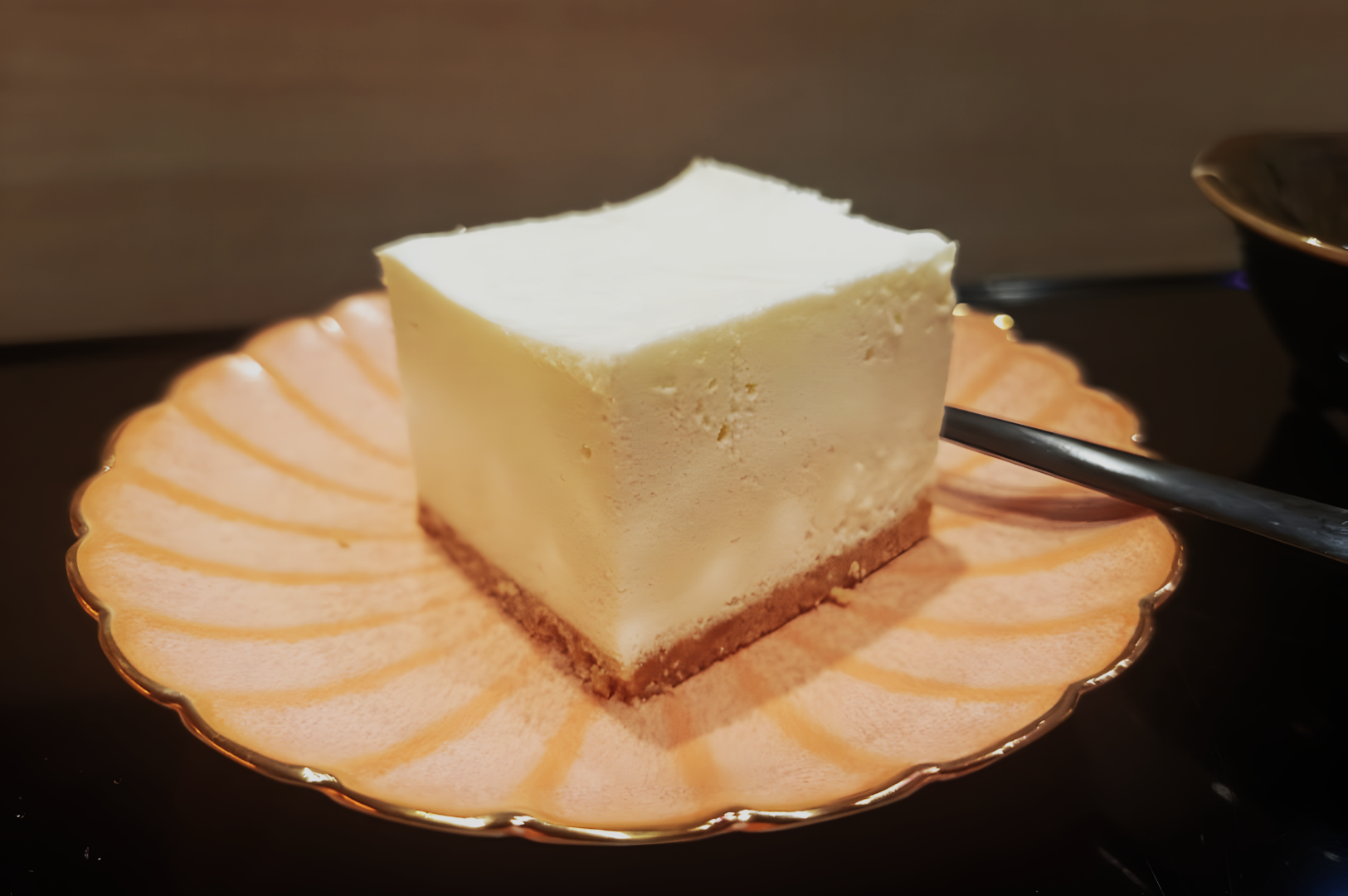
Most people reach for dessert without thinking much about what it is made from. But the base ingredient matters, both for how a dessert behaves on the palate and what it contributes nutritionally. Soybean-based desserts occupy a quietly compelling position in this conversation. They deliver structure, high quality protein, and a composed finish, without the heaviness that often follows dairy-forward alternatives.
In the city’s growing landscape of considered eating, the search for the best cheesecake in Singapore has begun to include questions about ingredients, not just flavour. Soybean desserts, including the soy cheesecake category, answer both.
Here is a structured look at five health benefits of soybean desserts, grounded in nutritional evidence.
1. Soy Protein Content Meets Serious Protein Requirements
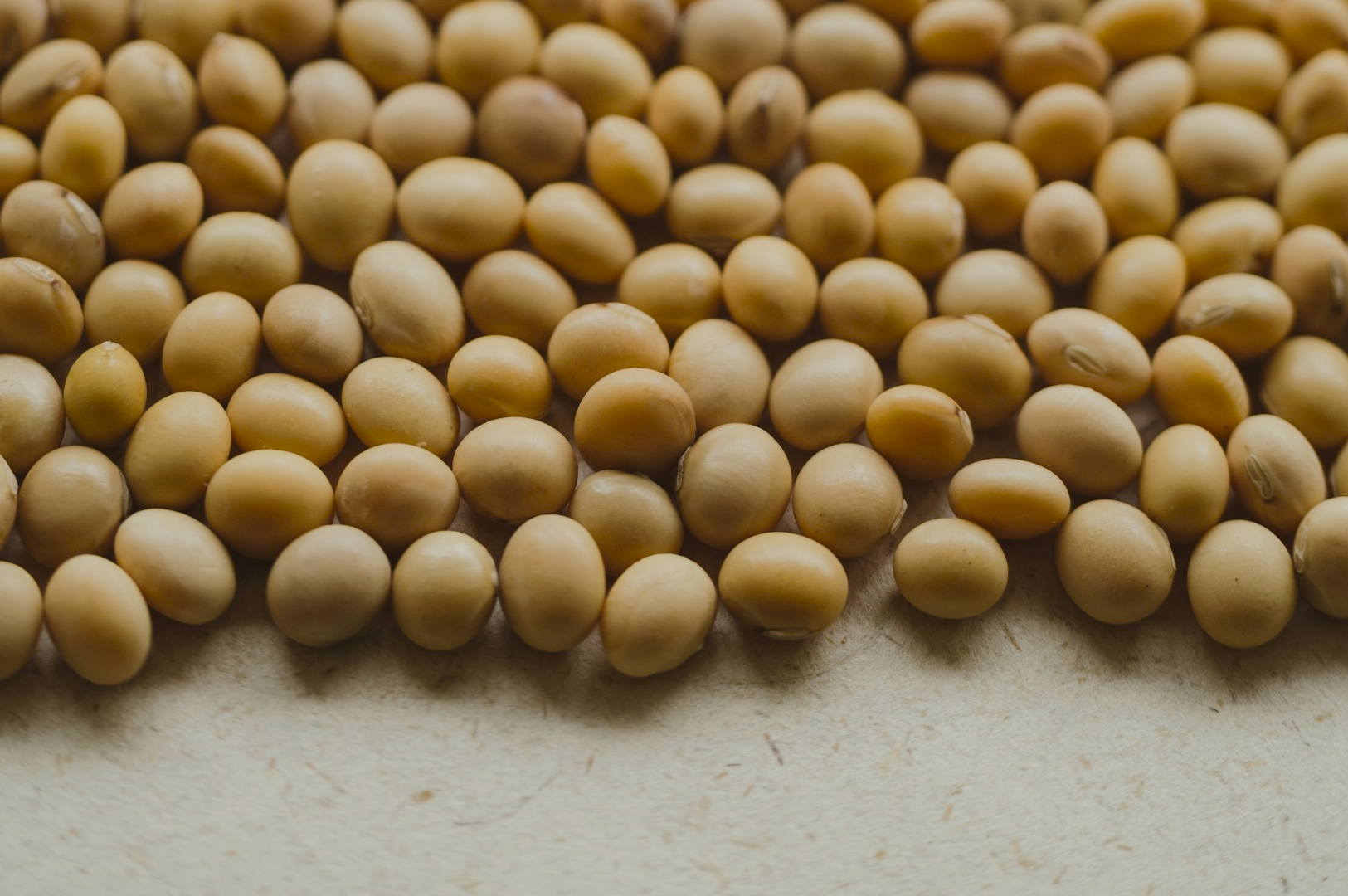
Soybeans are one of the few plant-based sources that qualify as a complete protein. That means they contain all nine essential amino acids the body cannot synthesise on its own.
For context, protein requirements vary by individual, but the average adult requires roughly 0.8 grams of protein per kilogram of body weight daily. Soy foods, including soy milk, tofu, and soy flour used in baking, consistently contribute meaningful amounts toward that threshold.
It is worth noting where this protein originates. Soybean seeds are the starting point for nearly every soy-derived ingredient in the food supply. Whether processed into soy milk, pressed into tofu, or milled into soybean flours for baking, the seed’s foundational protein structure carries through each transformation.
High Protein Content and Muscle Building
The high protein content of soybeans makes them relevant beyond general nutrition. For individuals focused on muscle building, soy protein has been studied as a functional alternative to whey, with comparable outcomes in muscle protein synthesis when consumed in sufficient quantities.
This matters in a dessert context because it shifts the role of the dish. A soybean cake built on a soy-rich base is not neutral in nutritional terms. It contributes to daily protein intake in a way that a conventional cream cheese dessert does not.
How This Applies to Soybean Desserts
When soy protein is incorporated into a dessert base, rather than refined carbohydrates or excessive sugar, the nutritional value shifts. The dessert contributes to satiety and muscle maintenance rather than functioning purely as empty calories.
This is not a marginal benefit. It changes how the dessert is metabolised and how satisfied a person feels after eating it.
2. The Nutritional Value of Soy Foods Extends Beyond Protein
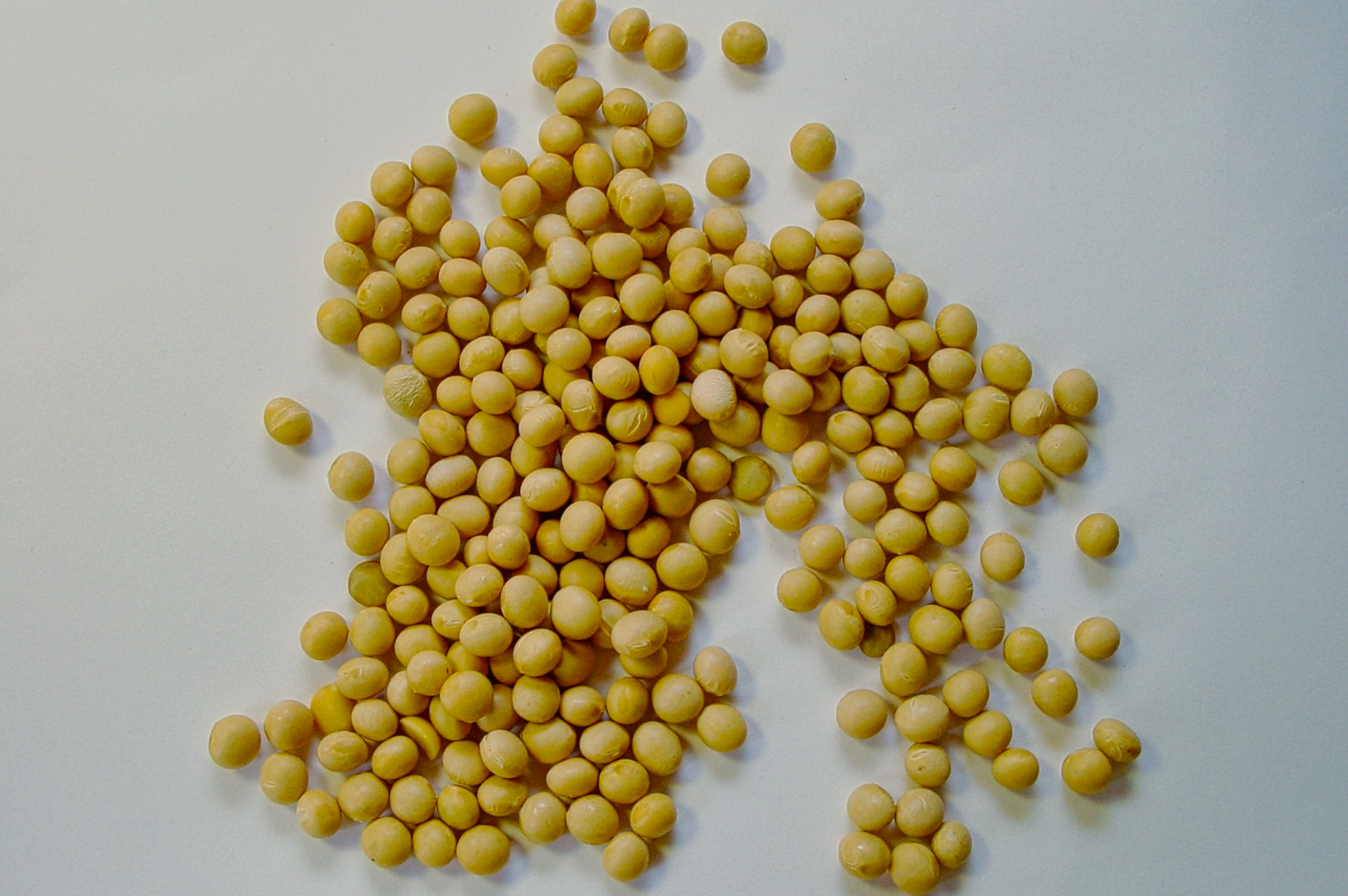
Soy foods carry a broader nutritional profile than protein alone.
Whole soybeans and products derived from them, including defatted soy flour and soy milk, contain calcium, iron, potassium, and B vitamins. These minerals support bone density, oxygen transport, and cellular function.
Young soybeans, commonly known as edamame, illustrate this point clearly. Harvested before full maturity, they retain a higher moisture content and a softer texture, but their amino acid profile and mineral density remain comparable to mature soybeans. They represent the same seed at a different stage, with the same underlying nutritional architecture.
Isoflavones and Their Documented Role
Soybeans are a primary dietary source of isoflavones, a class of phytoestrogens with antioxidant properties. Research has associated regular consumption of soy with reduced risk of cardiovascular disease and, in some studies, modest relief from menopausal symptoms.
The fatty acids present in soy oil and whole soybeans also lean toward unsaturated profiles. Compared with saturated fat sources common in traditional dairy-heavy desserts, this represents a meaningful structural difference in how the ingredient interacts with cholesterol levels.
Soybean desserts that use soy milk or soy flour as a primary base naturally carry this nutritional profile into each serving.
3. Health Benefits Linked to Fermented Soy and Digestive Health
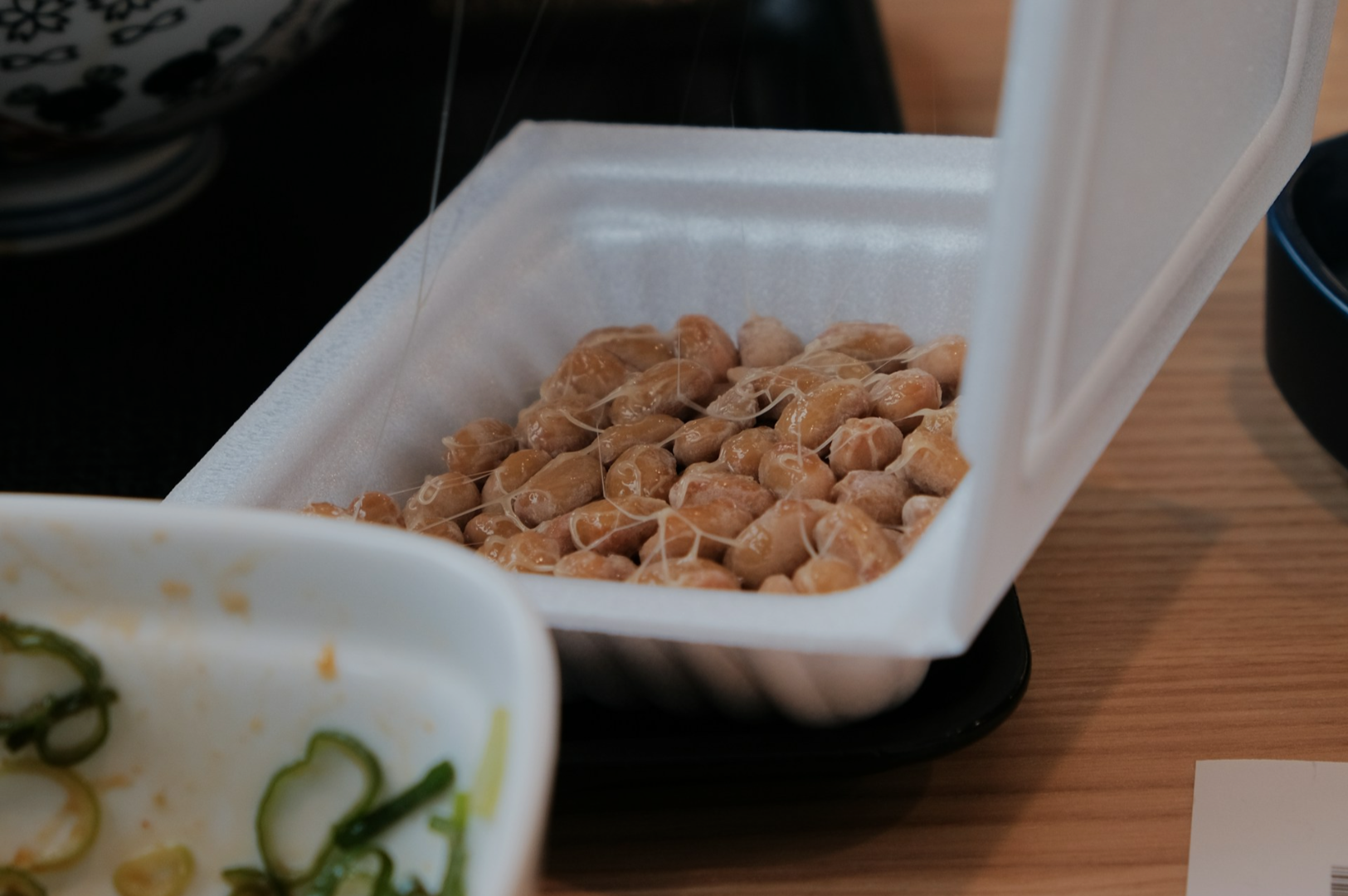
Not all soy is consumed in the same form. Fermented soybeans, used in traditional Japanese food preparations like miso and natto, present a different nutritional character from unfermented soy products.
Soybeans are processed through various methods across different food traditions. Fermentation is one of the oldest and most nutritionally significant. It increases the bioavailability of nutrients and introduces beneficial bacteria that support the digestive system. Fermented foods as a category have been studied extensively for their effects on gut microbiota diversity.
What This Means for a Soybean-Based Dessert
Desserts that incorporate fermented soy components, even indirectly through ingredients common in Japanese cuisine, carry some of these digestive health advantages. The effect is not identical to consuming a bowl of miso, but the foundational ingredient brings characteristics that refined sugar and bleached flour do not.
This is particularly relevant for individuals who are lactose intolerant. Soy milk and soya milk are naturally lactose free, functioning as dairy alternatives without the digestive complications that cow’s milk can cause. For those whose digestive systems respond poorly to conventional dairy, soy-based desserts offer a structurally similar experience without the discomfort.
4. Bone Health and the Role of Calcium in Soy Products
Bone health is often discussed in relation to dairy milk. The reasoning is straightforward: dairy is high in calcium, and calcium is essential for bone density.
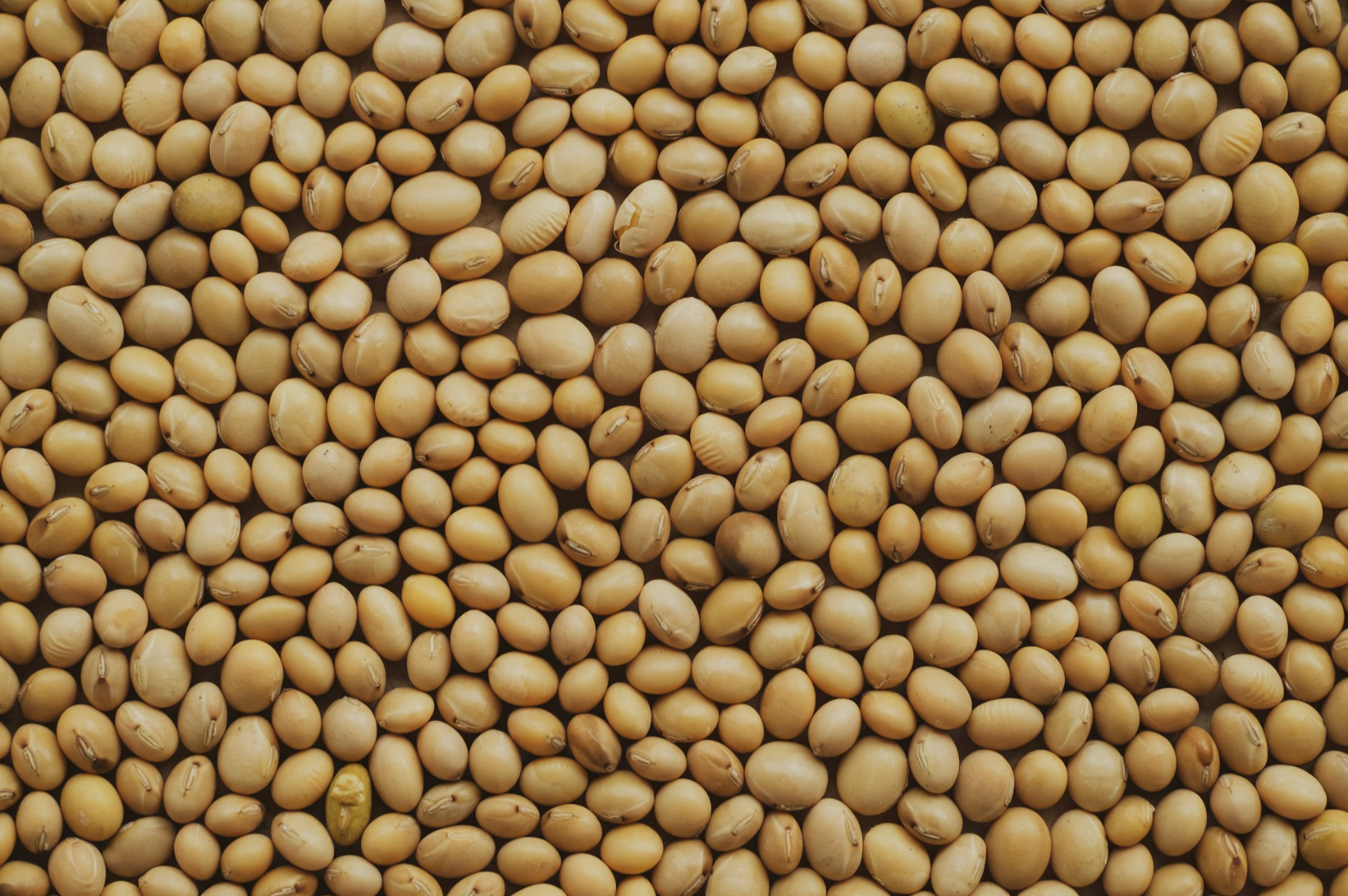
What is less commonly discussed is that soy milk, and by extension many soy products, can be fortified to deliver comparable calcium levels. Even without fortification, whole soybeans contain meaningful amounts of calcium and magnesium, both of which contribute to skeletal strength.
Why Soy Milk Deserves Specific Attention
Soy milk is the most widely consumed liquid derivative of the soybean, and its nutritional behaviour warrants a closer look.
A standard serving of unsweetened soy milk contains approximately 7 to 8 grams of protein, placing it closer to cow’s milk than any other plant-based alternative. It contains no cholesterol and delivers polyunsaturated fatty acids rather than the saturated fat profile associated with full-fat dairy.
Beyond protein, soy milk carries naturally occurring isoflavones, which are largely absent in oat, almond, or rice milk. This makes it nutritionally distinct from other dairy alternatives, not merely equivalent.
In the context of dessert-making, soy milk affects both texture and nutritional outcome. Its taste profile is mild and clean, which allows other flavours in the recipe to come through without interference. It creates a lighter, less dense base than heavy cream while maintaining enough structure to support a stable set. For a soy cheesecake, this is not a workaround. It is a deliberate compositional choice that produces a different but coherent result: a composed texture with less palate weight and a cleaner finish.
Comparing Dairy and Soy on Bone Support
The comparison between dairy and soy on bone health is not binary. Both can support adequate calcium intake when consumed regularly. The distinction lies in what else accompanies the calcium.
Dairy-heavy desserts often carry elevated levels of saturated fat and cholesterol. Soy-based desserts, when formulated with care, can deliver similar mineral content with a different fat profile. For individuals managing cholesterol or cardiovascular disease risk, this matters.
5. Amino Acids, Lean Fat Profiles, and the Broader Diet Picture
The phrase “good fats” is used loosely in popular nutrition writing. In the context of soy foods, it has a more specific meaning.
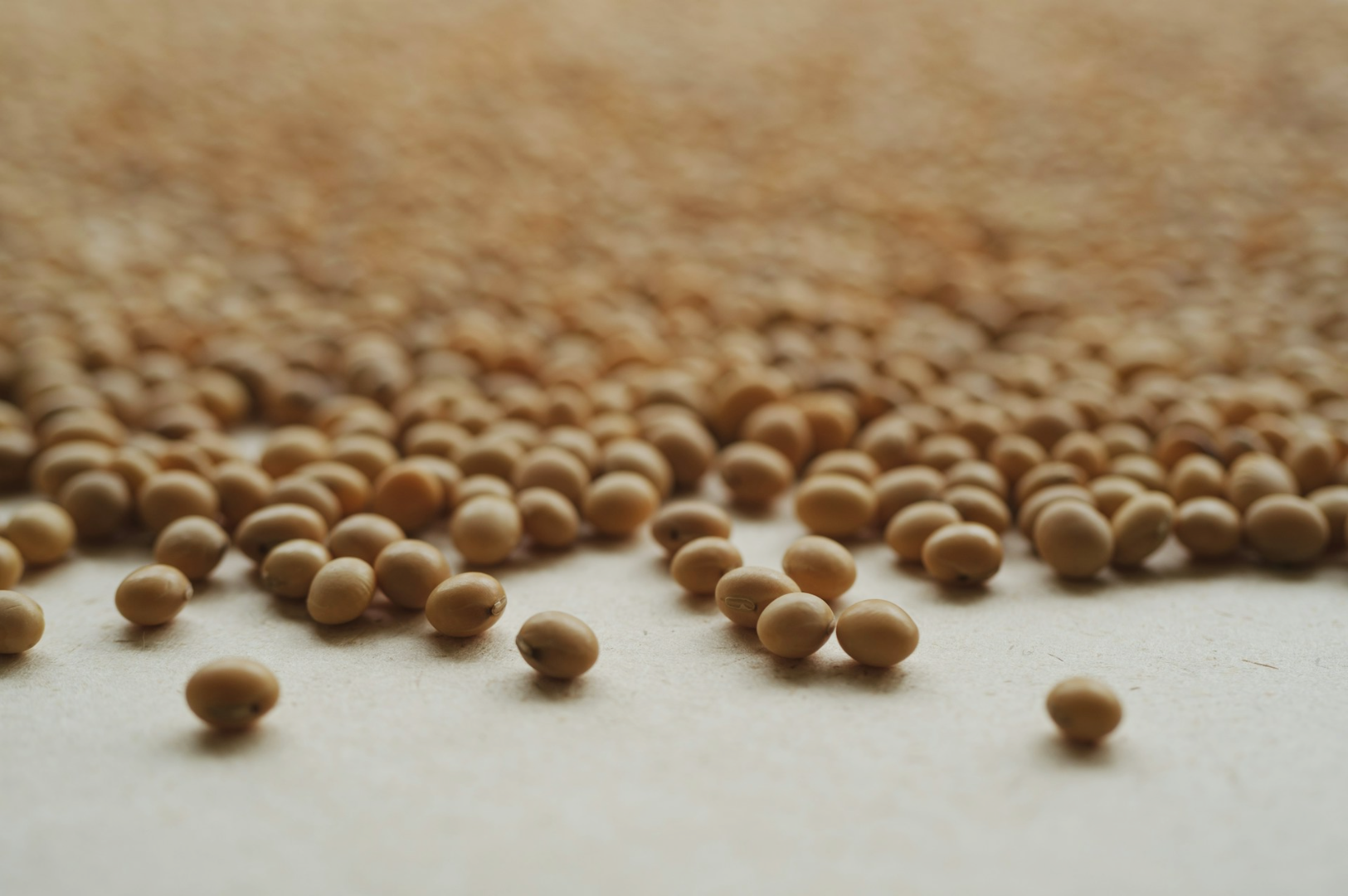
Soybeans contain polyunsaturated fatty acids, including linoleic acid, which the body requires but cannot produce independently. These fatty acids support cell membrane function and have been linked to reduced risk of coronary heart disease when substituted for saturated fat sources in the daily diet.
Where Soybean Desserts Fit in Daily Life
In daily life, most people do not calculate macronutrients before choosing a dessert. But the cumulative effect of ingredient choices over time does influence overall health. A soybean dessert is not a health food in the same category as green soybeans eaten plain, or soy protein powder mixed into a post-training drink. It is still a dessert.
What separates a well-made soybean cake from a conventional option is not a dramatic nutritional difference in any single sitting. It is the composition of the base. The taste is quieter, the finish is cleaner, and the ingredient doing the structural work is one that carries genuine nutritional utility.
The amino acids remain present. The dietary fiber from soybean flours contributes modestly to digestive regularity. The protein content affects satiety. These are not incidental. They are outcomes of choosing a base ingredient with genuine nutritional structure.
How the Benefits of Soybean Desserts Translate into a Considered Choice
The areas covered above, protein and muscle support, broad nutrient density, digestive considerations, bone support, and fatty acid profiles, together explain why soybean desserts represent a structurally different category. Not a compromise. A considered alternative.
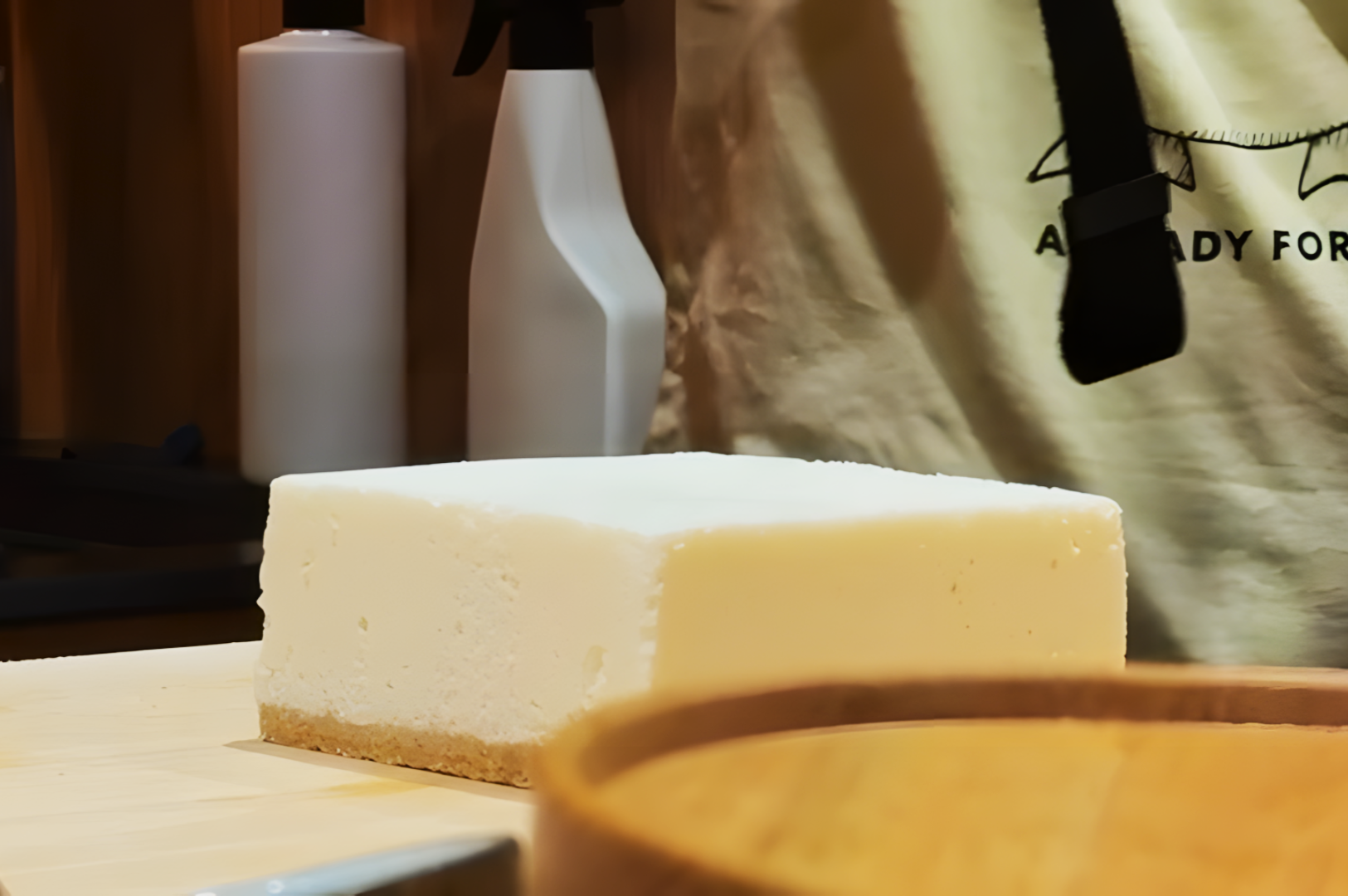
At Daizu by Ki-setsu, our soy cheesecake is built on this foundation. We use soy as a primary ingredient not as a trend, but because of what it contributes: a lighter texture, a quieter finish on the palate, and a nutritional profile that supports a guilt-free experience without sacrificing the composed mouthfeel a well-structured soybean cake demands.
We do not position this as medicine. We position it as a more balanced approach to dessert, for those who want to eat thoughtfully without eating less enjoyably.