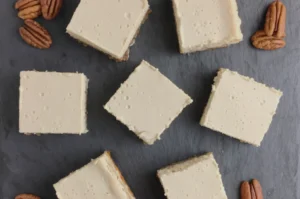
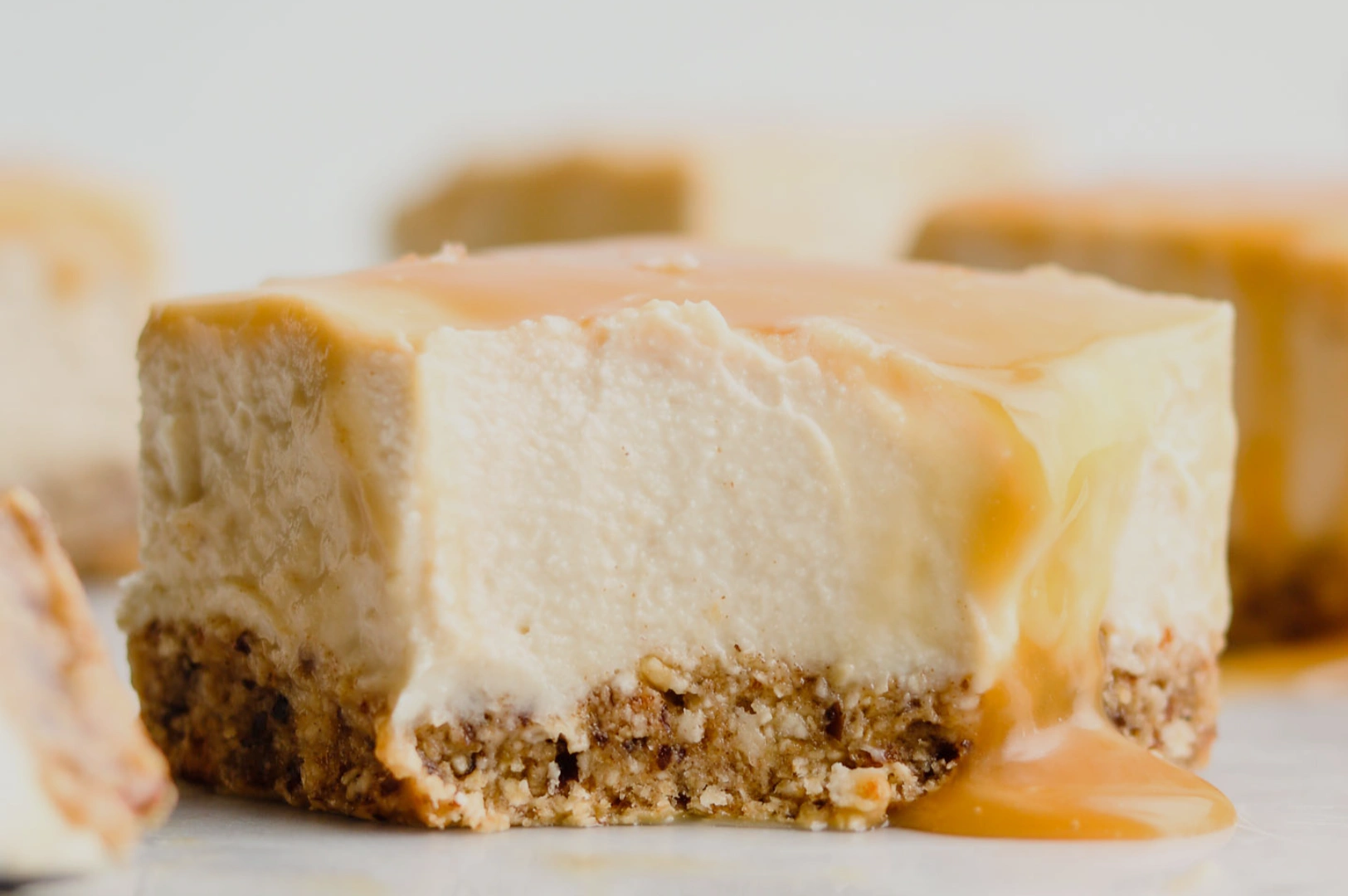
A plate arrives with a single spoonful of something pale, a scattering of crumb, and not much else. The first instinct is to wonder what got left off. The second, quieter instinct is to notice that nothing actually feels missing.
That shift, from expecting more to trusting less, is what’s driving the rise of understated plating across menus right now. It isn’t a trend borrowed from fine dining theatrics. It’s closer to a correction, a pulling back from years of desserts that were styled to be photographed before they were designed to be eaten.
It’s worth sitting with why that correction feels overdue. Dessert menus spent a long stretch competing for attention on a screen before they competed for attention on a fork. A plate had to survive a feed before it survived a bite, and that pressure shaped a lot of what ended up on the table.
What Changed on the Plate
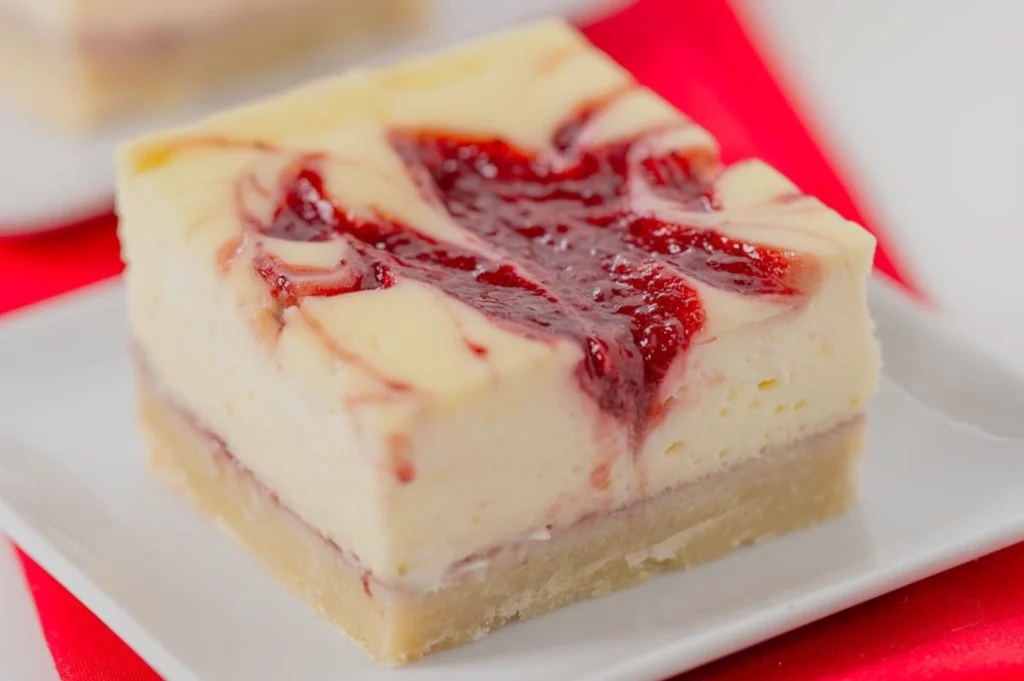
For a while, dessert plating followed a fairly predictable formula. A swoosh of sauce, a dusting of something, a garnish that had little to do with flavour and everything to do with filling visual space. It worked, until it started to feel formulaic.
Kitchens have started asking a more useful question. Does this element earn its place, or is it there because a bare plate felt like an unfinished one? That question alone has quietly reshaped how desserts get built.
From Decoration to Decision
The easiest way to spot the change is to watch how a kitchen talks about a dish before it talks about how the dish looks. Older menus tended to lead with visual language, layered, drizzled, dusted. Newer ones lead with what’s actually happening in the mix, fermented, set, aged.
That’s not a small distinction. It signals a kitchen has stopped treating the plate as a canvas and started treating it as a place where every choice has to answer for itself.
Empty Space Is Not the Same as an Empty Idea
There’s a common assumption that minimal plating means less effort. Usually it means the opposite. A dish with fewer components has fewer places to hide an imbalance in sweetness, texture, or temperature.
Think of it like a sentence with no filler words. Every word has to do real work, or the sentence falls apart. A dessert plated with restraint operates the same way. Each element on the plate has to justify itself, because there’s nothing else around it to distract from a weak one.
| Approach | What It Relies On | What Goes Wrong If Rushed |
|---|---|---|
| Maximalist plating | Visual layering, multiple textures, garnish density | Flavour gets muddled, sweetness stacks unchecked |
| Minimal plating | Precision in the core components | Any flaw in balance becomes obvious immediately |
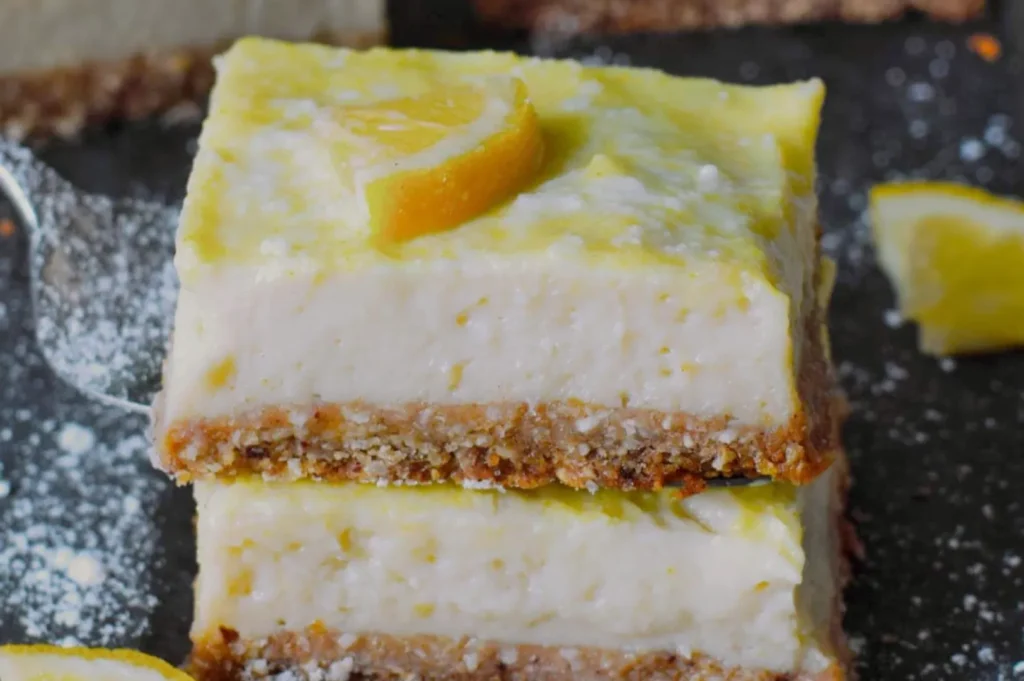
Singapore’s dessert scene has always had an appetite for the elaborate, layered cakes, multi-textured tarts, plates built for a camera. So the pivot toward restraint says something specific about where diners’ attention has moved.
A few things seem to be feeding it at once.
- Fatigue with over-styling. After enough desserts built primarily for a photo, a plainer plate starts to read as more honest, not less exciting.
- Ingredient-first thinking. When a dessert is built around one or two components done well, there’s nowhere for a mediocre one to hide behind decoration.
- A shift in what feels premium. Restraint now reads as confidence. A kitchen that doesn’t need six elements to make a point is telling diners it trusts the one or two it kept.
None of this means garnish or texture contrast is going away. It means those choices are being made with more intention, and fewer of them are landing on the plate by default.
There’s also a practical side to this that doesn’t get talked about as much. Singapore’s dining scene moves fast, and diners here tend to eat out often enough to notice repetition quickly.
A city with this much choice develops a low tolerance for dishes that look impressive once and forgettable the second time. Restraint tends to age better under that kind of scrutiny, because there’s less on the plate to grow tired of.
How to Tell If a Minimal Plate Is Doing Its Job
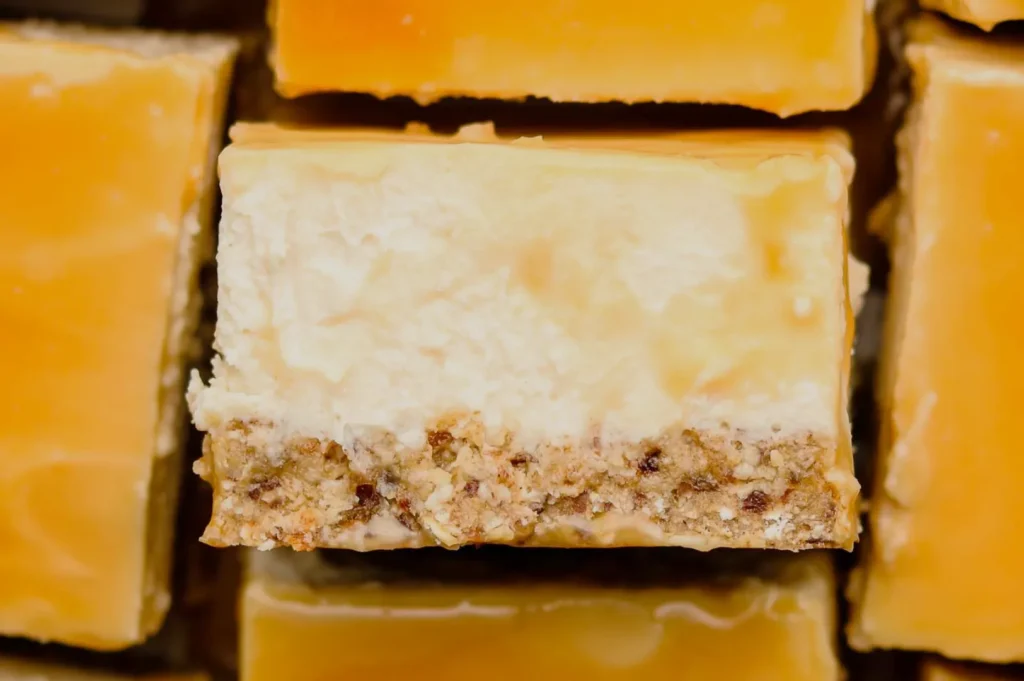
Not every stripped-back dessert earns the restraint it’s aiming for. Some are genuinely considered. Others are just smaller versions of a dish that used to have more filler, with the filler removed and nothing added in its place.
There’s a simple way to tell the difference while sitting at the table.
- Taste the core component on its own first. If it’s interesting without anything else on the plate, the restraint is doing real work.
- Check whether the texture changes as it’s eaten. A single well-made element often shifts slightly from edge to center. A lazy one tastes the same the whole way through.
- Notice if anything feels like it’s missing after the first bite, not before it. A first glance of surprise is normal. A lingering sense that something should be there is a sign the dish was cut down rather than designed down.
What Restraint Actually Requires From a Kitchen
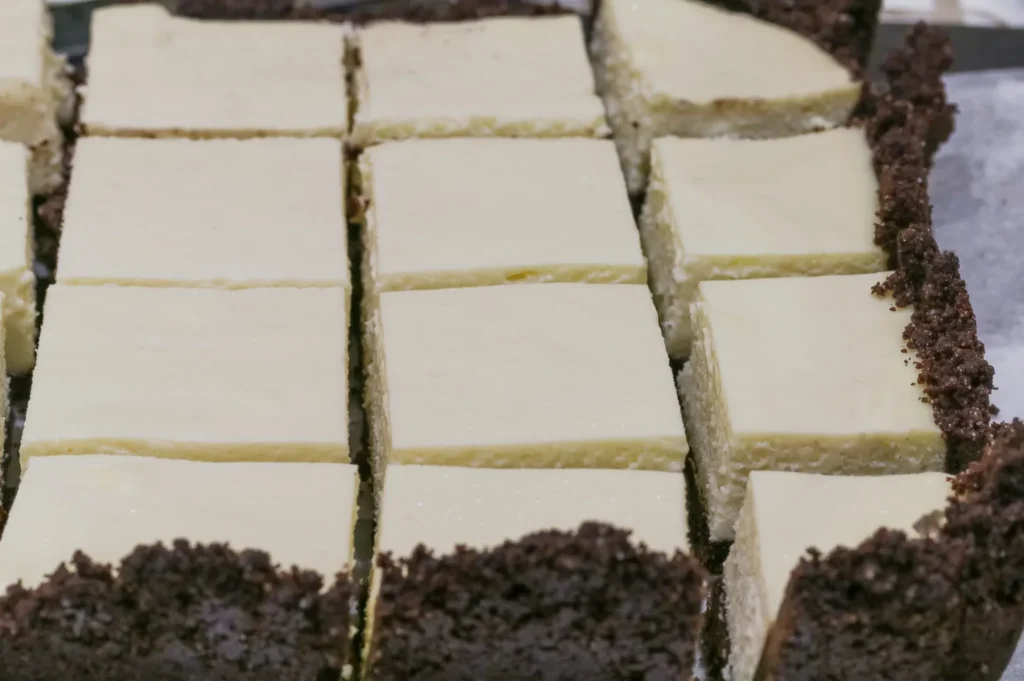
Cutting elements down sounds simple. Making the remaining ones carry the whole dish is not. A minimal dessert has to get its acidity, sweetness, and texture right in far fewer moves, which means less room for adjustment later.
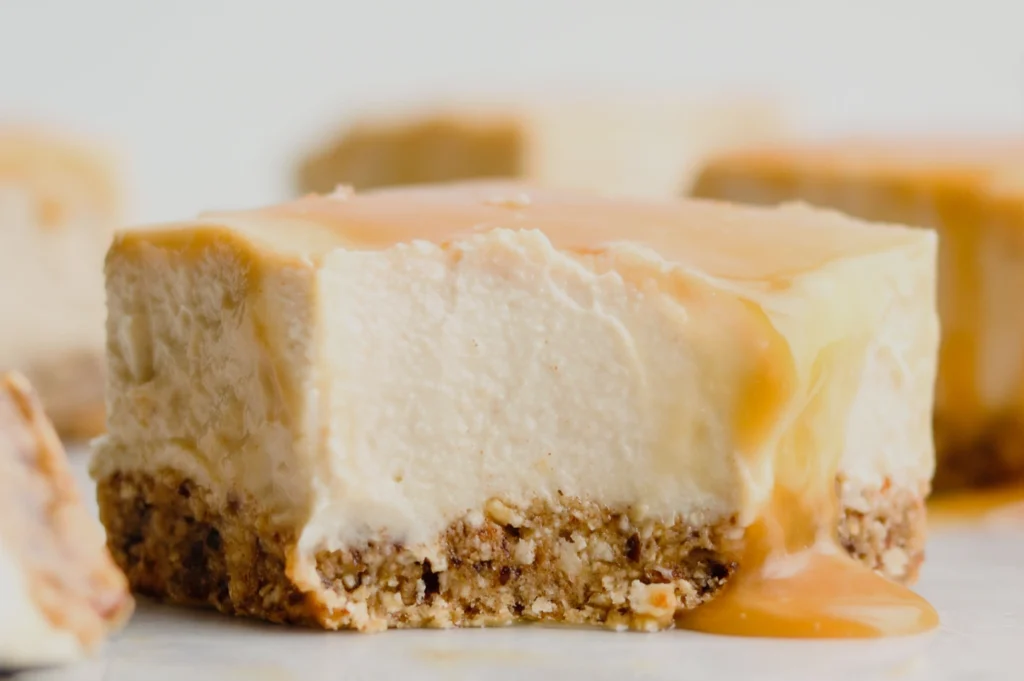
This is partly why understated plating tends to show up more often in kitchens that already have a strong grip on their base ingredients. A soft cheesecake, a well-set custard, a clean-tasting mousse. When the foundation is solid, there’s less need to dress around it.
It also changes how a kitchen spends its time. Instead of hours spent on garnish work that a diner might glance at once, more time goes into getting the actual base right, the set of a custard, the balance of sweetness against acidity, the temperature a dessert is served at.
Those are the details a plate can’t hide behind decoration, and they’re also the details that decide whether a dessert is actually good or just looks the part.
So What Does an Understated Dessert Actually Look Like Now
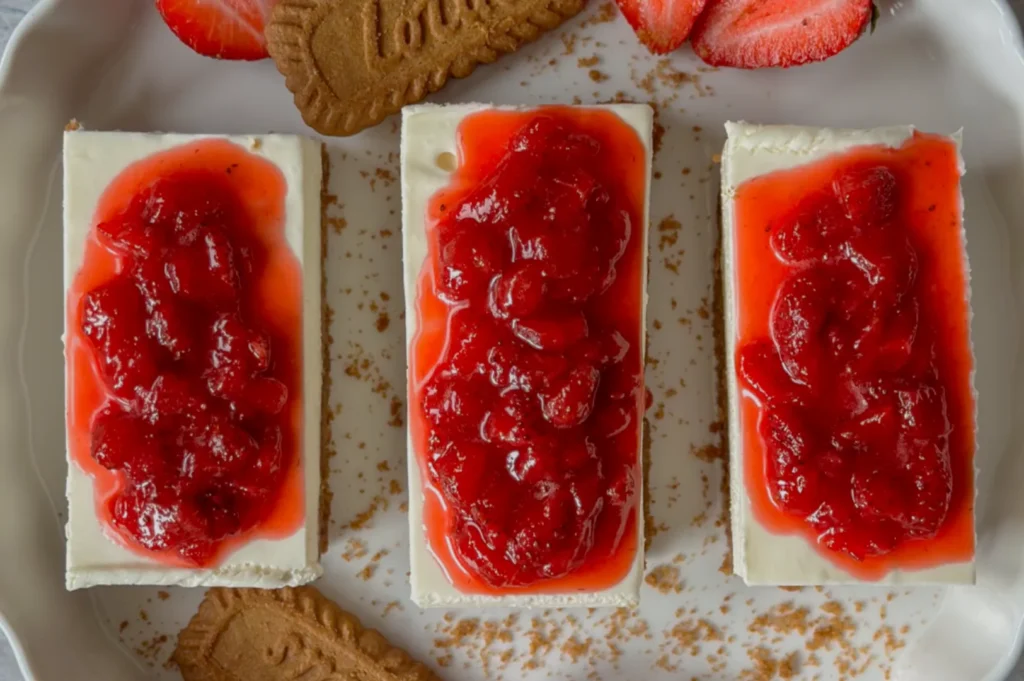
It looks like a plate that trusts the eater to notice quality without being told to. Clean lines instead of stacked layers. One texture done precisely instead of four done adequately. A garnish that means something, or no garnish at all.
This is less about a specific look and more about a specific standard. Fewer elements, held to a higher bar. That’s the actual shift, not a style choice but a change in what kitchens are willing to let a dessert lean on.
It also changes what diners come to expect. Once someone has eaten a dessert that earns its simplicity, a busier plate starts to raise questions instead of answering them. Why is there a sauce here? Does this crumble add anything, or is it just texture for texture’s sake? That’s a harder standard for a kitchen to meet, but it tends to produce better desserts, not just quieter ones.
It’s a standard Daizu by Ki-setsu has been quietly built around from the start. The soy cheesecakes rely on a short, deliberate list of ingredients rather than layers of decoration, which leaves very little room for anything to feel unnecessary on the plate.