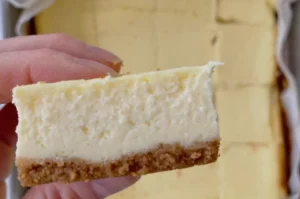
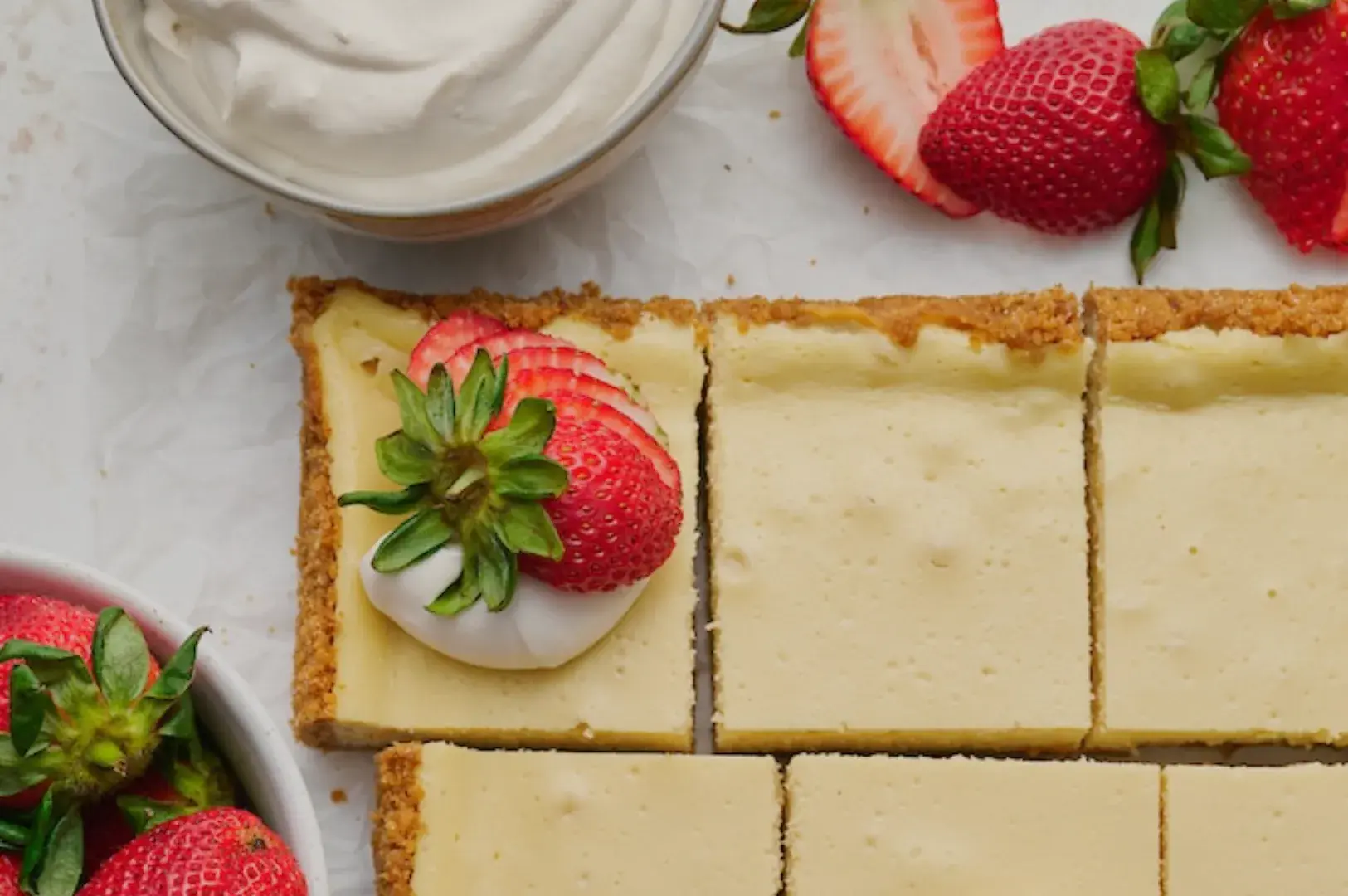
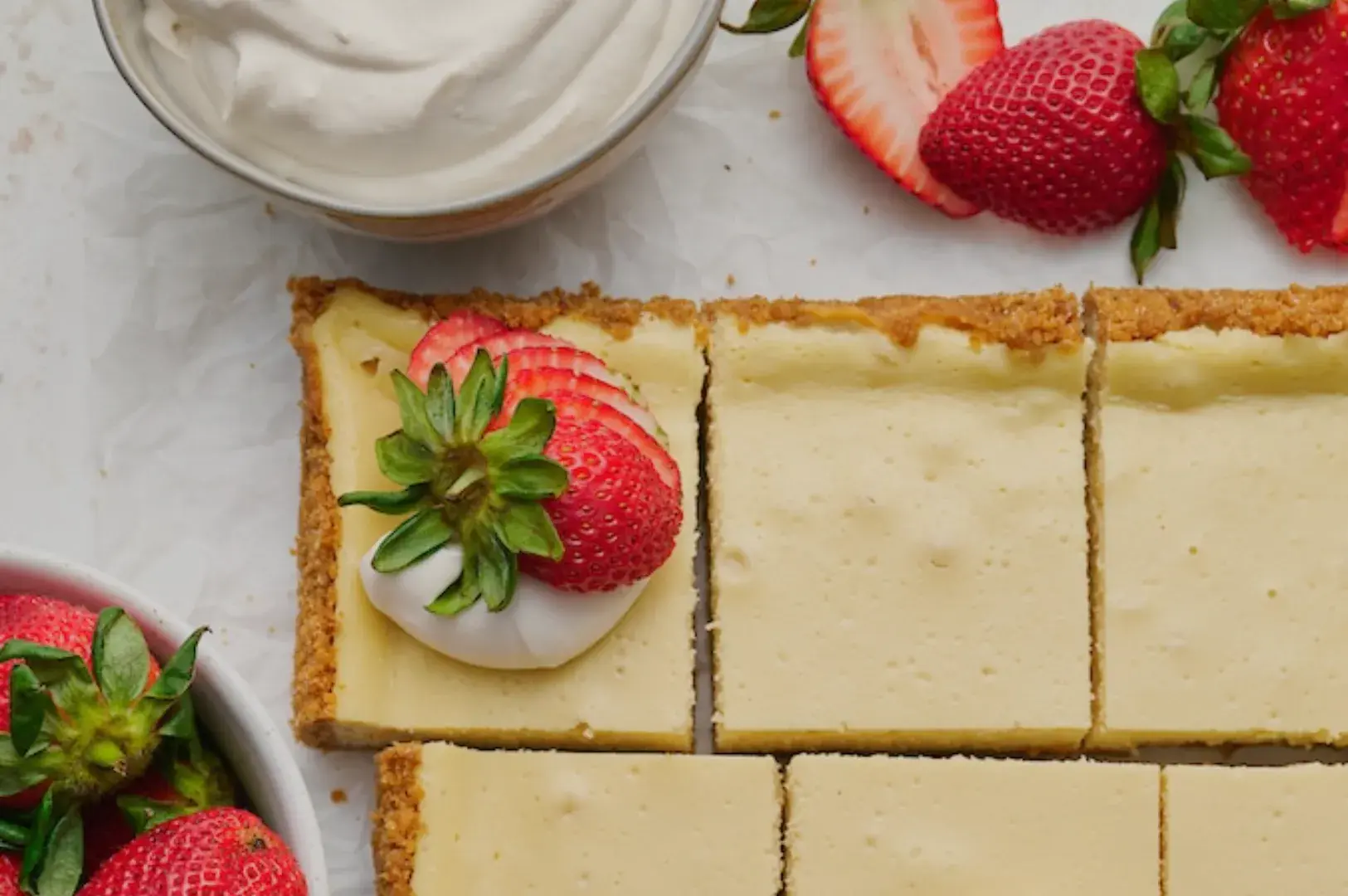
One sliced strawberry, positioned off to the side on a white plate, doesn’t make much of an impact on its own. No swirl of sauce, no dusting of cocoa, no little forest of mint. The first reaction is usually surprise. Then the fork goes in and the doubt disappears. That gap between what the eyes expect and what the tongue confirms is why minimal plating dessert has become such a satisfying trend, appearing as often on a search for the best cheesecake Singapore as on a tasting menu.
Most people associate dessert with more: more layers, more color, more happening on the plate. So when a minimal plating dessert shows up looking almost bare, it reads like a twist in the story. The payoff usually lands harder because there is nowhere for taste or texture to hide, and the sweetness of a single good ingredient gets to speak for itself instead of competing with a crowd.
This article highlights that shift, and why so many chefs treat a bare plate as the more ambitious choice, not the lazy one.
What Minimalist Dessert Plating Is Actually Doing
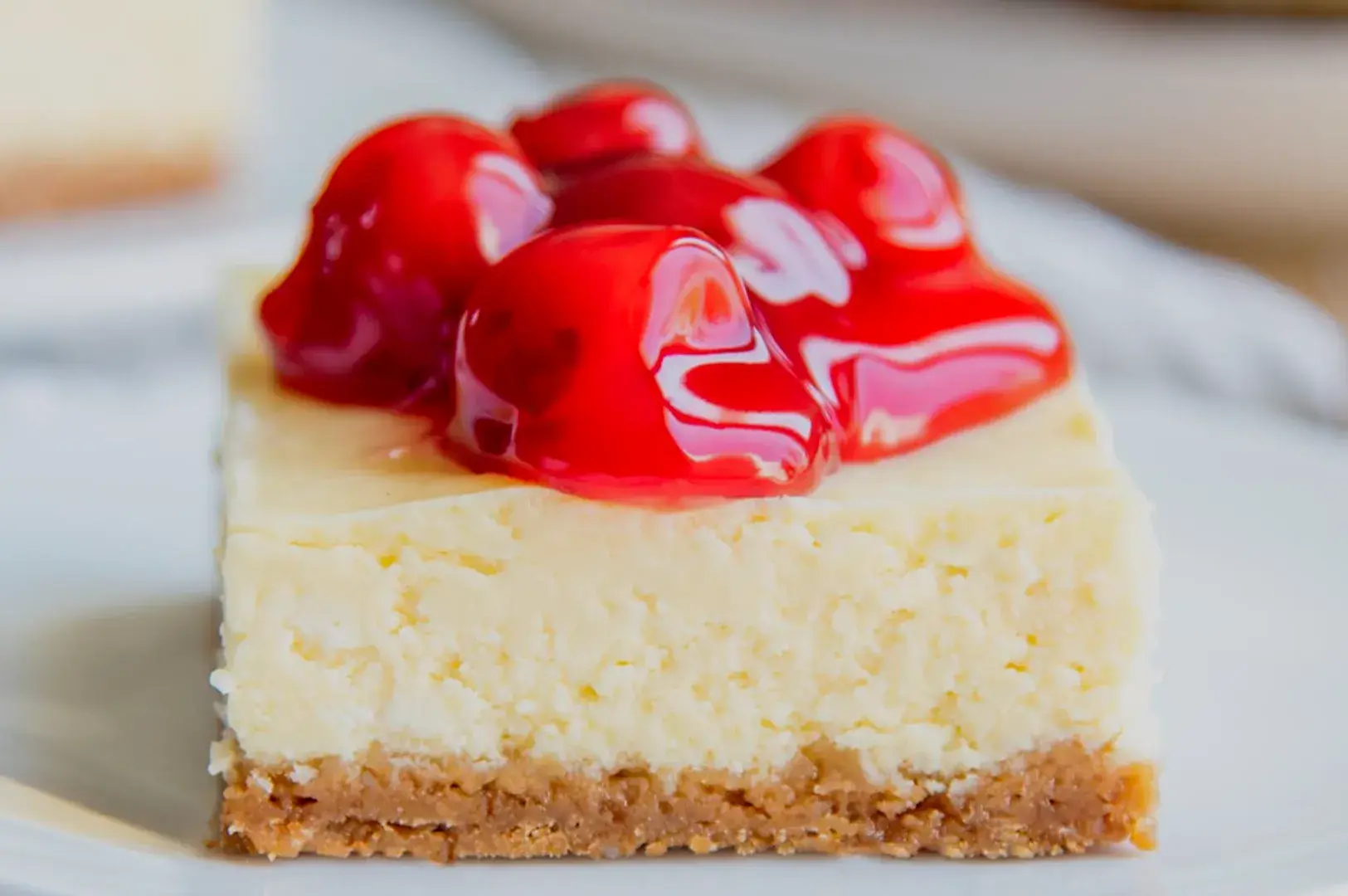
Minimalist dessert plating is not about doing less work. It is about deciding what deserves attention and cutting everything else.
Every element left on the plate has to earn its spot, whether the dish is a cake slice, a bowl of cream, or a single piece of pastry resting on its own. This is where the plot twist lives. A crowded plate gives the eye a dozen places to land, and the brain skips around trying to take it all in. A sparse plate gives the eye exactly one place to go, so the first bite feels inevitable, a small kind of harmony achieved by taking things away instead of adding them.
There is also a practical side. Fewer elements means less room for flavors to clash, faster plating across multiple courses in a meal, and ingredients that have to be genuinely good since nothing else can distract from a mediocre one. A business that chooses to plate desserts this way is betting on the strength of what it cooks, not on decoration.
Finding the Focal Point Before Anything Else Goes on the Plate
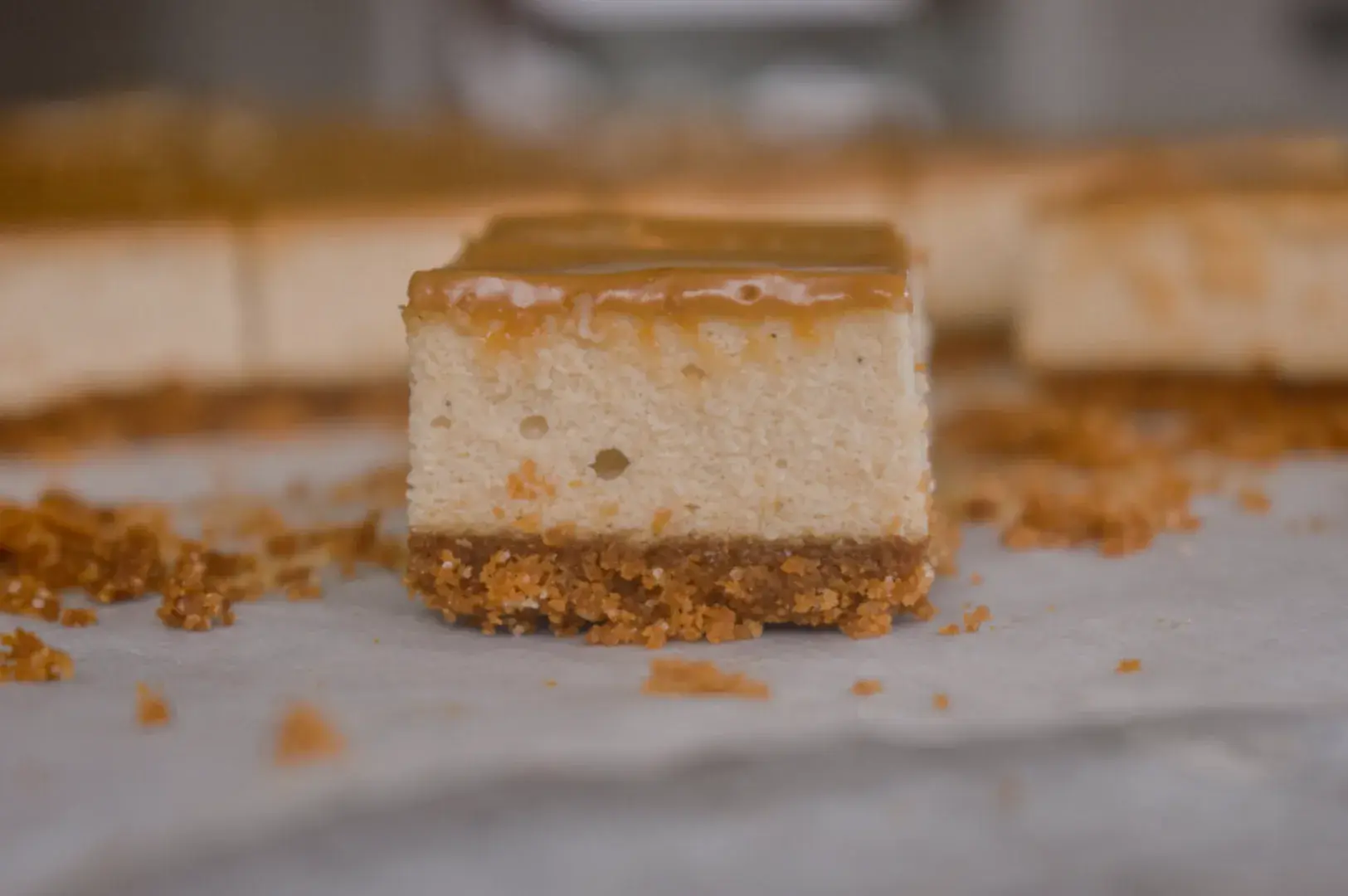
Every strong minimal plate starts with a decision about the focal point, a quenelle of cream, a single piece of pastry, a pool of chocolate with one clean line drawn through it. Whatever it is, it gets decided first because everything else exists only to support it.
Chefs ask a simple question before touching a single ingredient: What does someone look at first? If the answer is unclear, the plate has too much going on. A whole peach, barely touched, can hold a plate together better than five separate garnishes fighting for attention, an easy idea in theory, though it takes a bit of restraint to follow through on at the table.
Geometric Shapes and Why They Feel So Deliberate
There is a reason minimal plates lean on geometric shapes. Circles, dots, and clean lines read as intentional in a way a scattered garnish never quite does. A single dot of coulis feels placed. A smear across the plate feels accidental, even when it isn’t.
Pastry chefs use this instinct constantly, a row of dots along one edge, a triangle of shortbread balanced against a round scoop, a straight line of sauce drawn with one confident motion. These shapes give the eye a path to follow, a form of composition borrowed more from art than from cooking, turning forms as simple as a circle or a dot into the key structure of the whole dish.
Shape | Common Use |
|---|---|
Circle | Quenelles, cream dollops |
Line | Sauce drizzles, chocolate strokes |
Dots | Fruit coulis, ganache |
Contrasting Do the Work That Clutter Used to Do
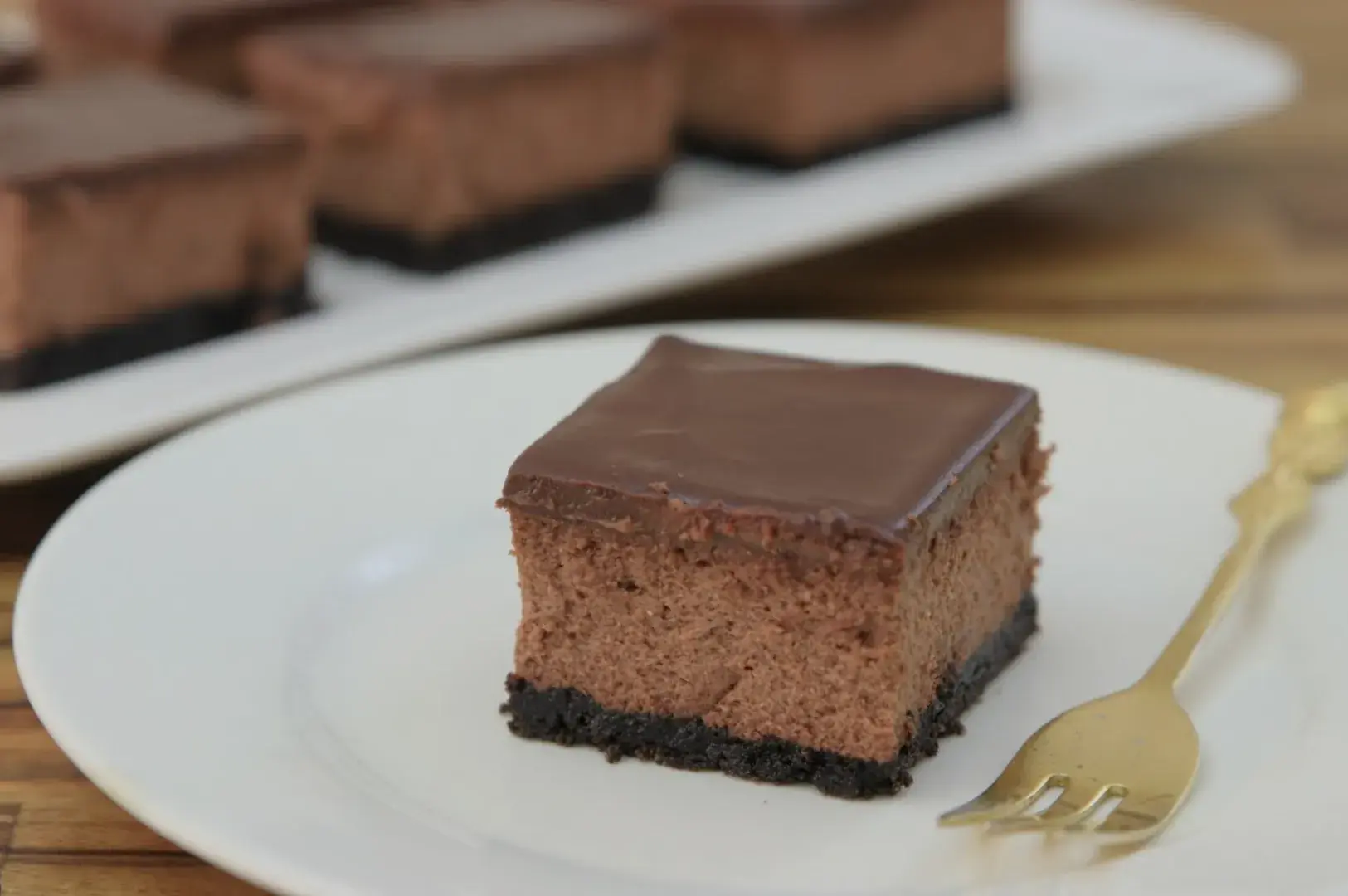
Take away the extra garnish and color has to work harder. This is why minimal plates lean heavily on contrasting colors rather than variety for its own sake, a dark chocolate base against a pale cream, a bright peach against a matte white bowl, or a few strawberries left whole in a row of small bowls. One strong contrast reads more clearly than five muted tones layered together, often enough to impress a table of guests without a single extra ingredient.
Temperature contrast often gets paired with this too. A cool scoop resting against something still warm from the oven adds a second kind of tension, one the eye cannot see but the mouth notices immediately. Hot and cool on the same plate, straight from the baking sheet, keeps a simple dessert from feeling static, a reminder that presentation is not only visual, and choosing which temperature reaches the table first is its own creative decision.
Texture Becomes the Real Storyteller
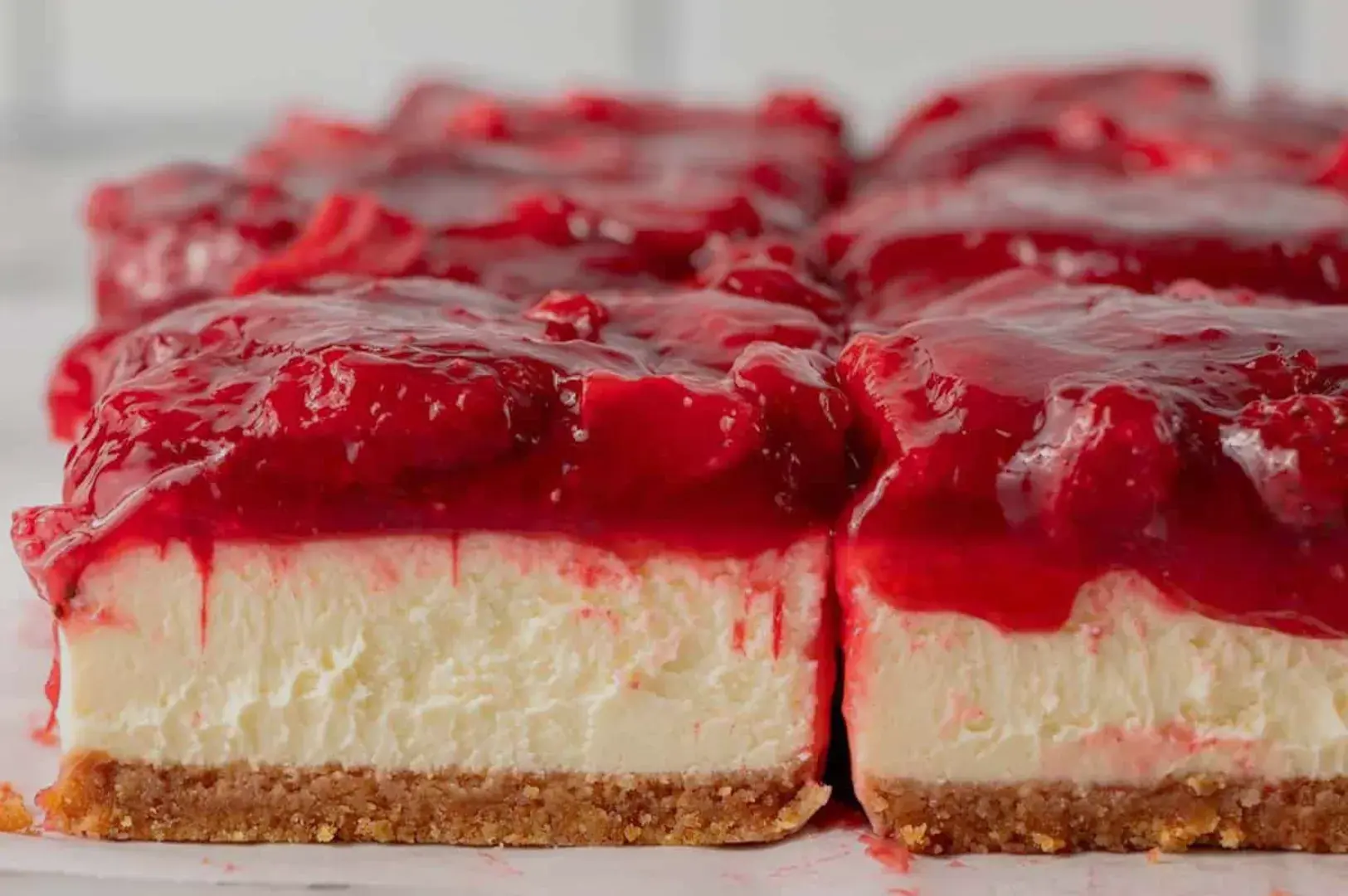
Once color and shape settle, texture keeps a minimal plate from feeling flat. Contrasting elements like crisp tuile and smooth cream add depth. With fewer components, each texture must stand out, creating a focused, attentive experience. True skill shows in creams holding shape without stabilizers and shortbreads that shatter cleanly. Structural integrity is essential for plating and delivery. Minimal plating reveals execution quality, unlike busy plates that can hide flaws.
Building a Minimal Plate, Step by Step
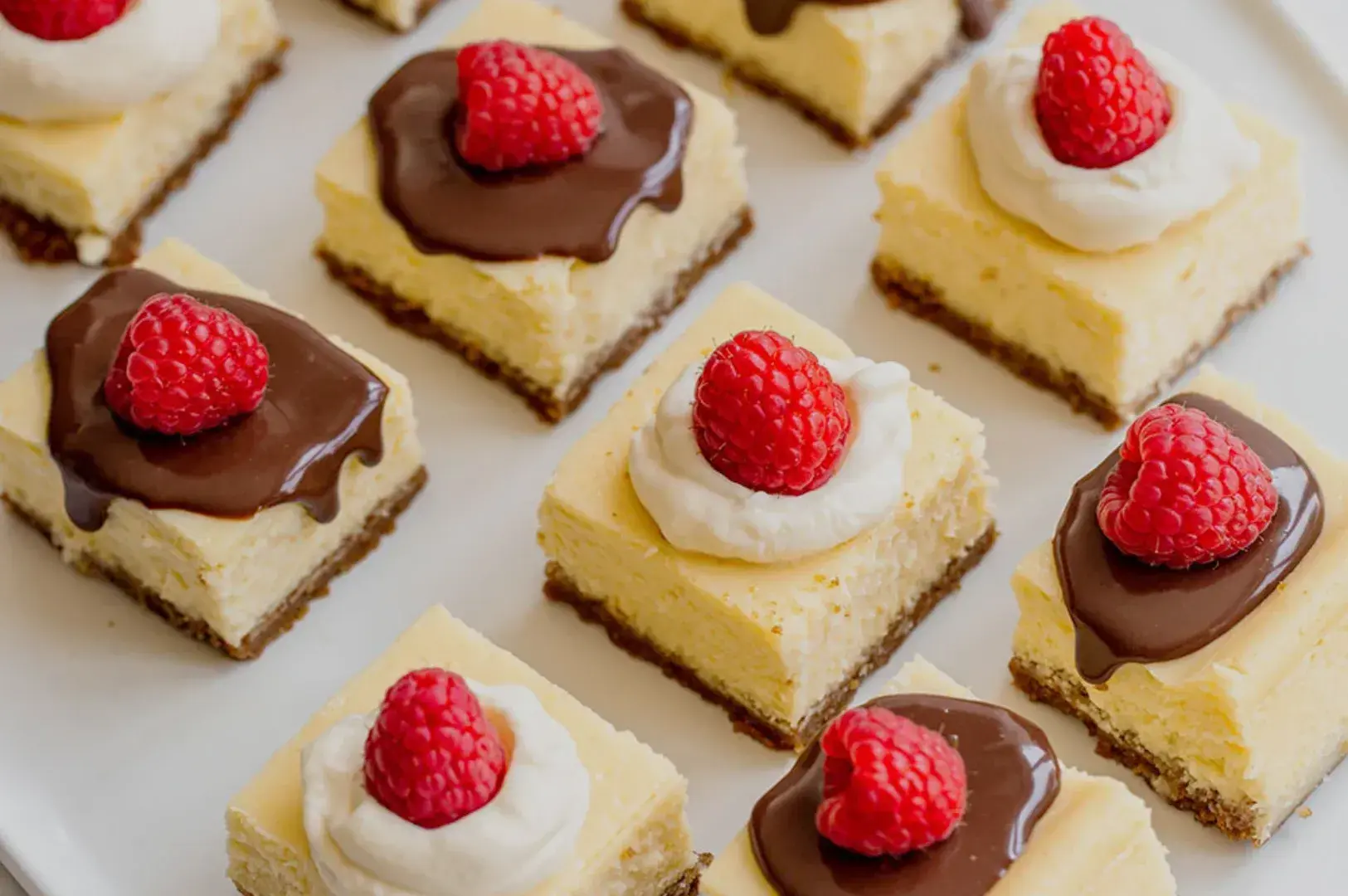
For anyone experimenting at home, looking for ideas or a little inspiration before the next dinner or meal, the process follows a consistent order:
Decide on the focal point first, before anything else touches the plate
Choose one supporting element that adds contrast in color, temperature, or texture
Add height or shape with something structural, like a shard of pastry
Finish with restraint, if a garnish does not add function, leave it off and let the plate fall into place
This process rewards patience more than fancy equipment, and most recipes built around this style are, at their core, an exercise in imagination applied to very few ingredients.
Why This Style Rewards Confidence Over Decoration
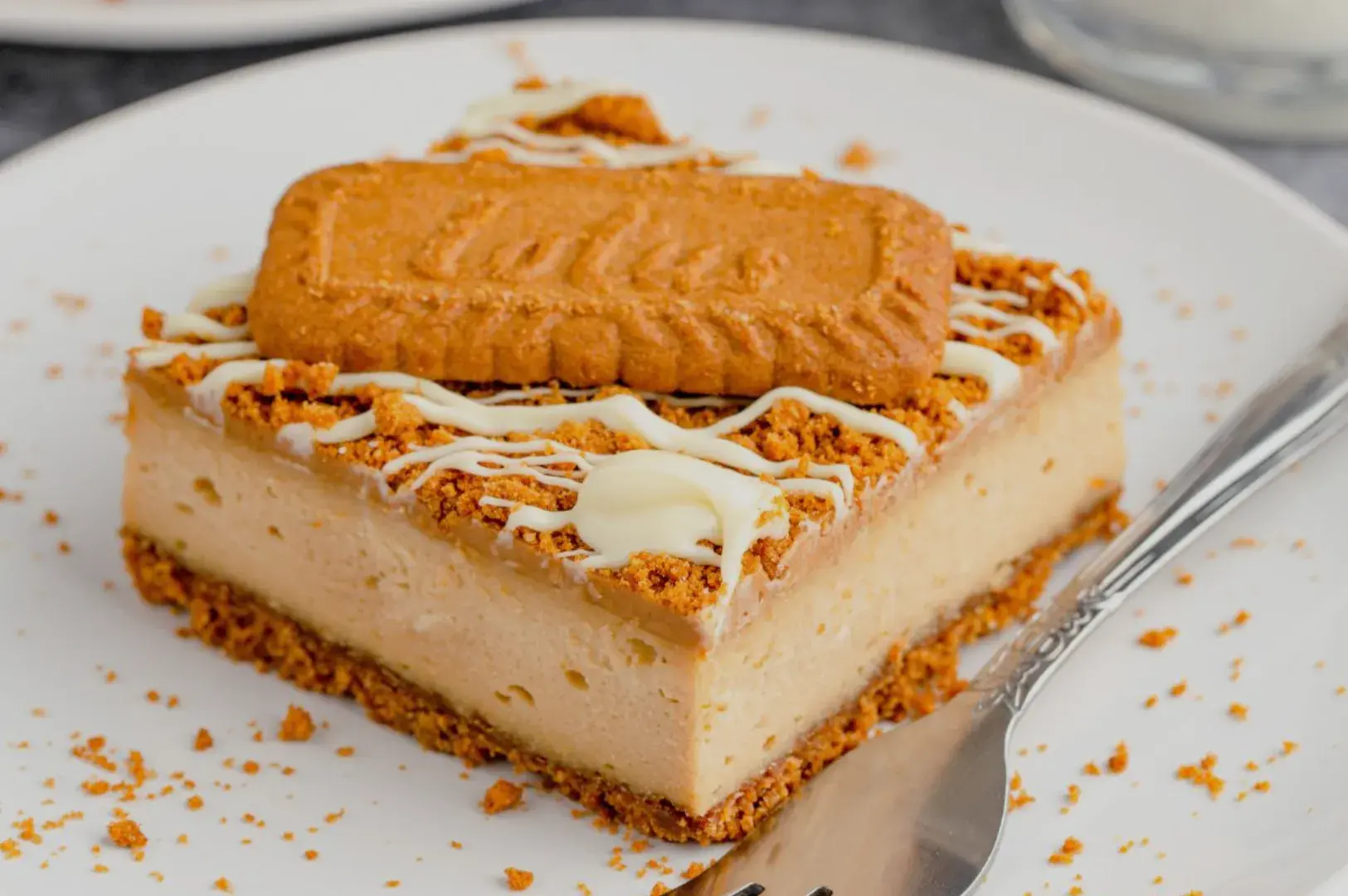
There is a kind of confidence required to serve a dessert with almost nothing on it. It says the taste is strong enough to stand alone, and that whoever made it trusts the ingredients enough not to dress them up with unnecessary decoration. That confidence is part of why minimal plating dessert has become such a recognizable trend, and part of why it works so well for entertaining guests at home or during a meal.
A composed, minimalist plate conveys intention with an almost architectural elegance, showcasing a distinct beauty in its simplicity. It also allows for more consistent plating across multiple servings, an important factor when dessert is the final course and diners are already satiated from eating.
The Small Details That Separate Restrained from Empty
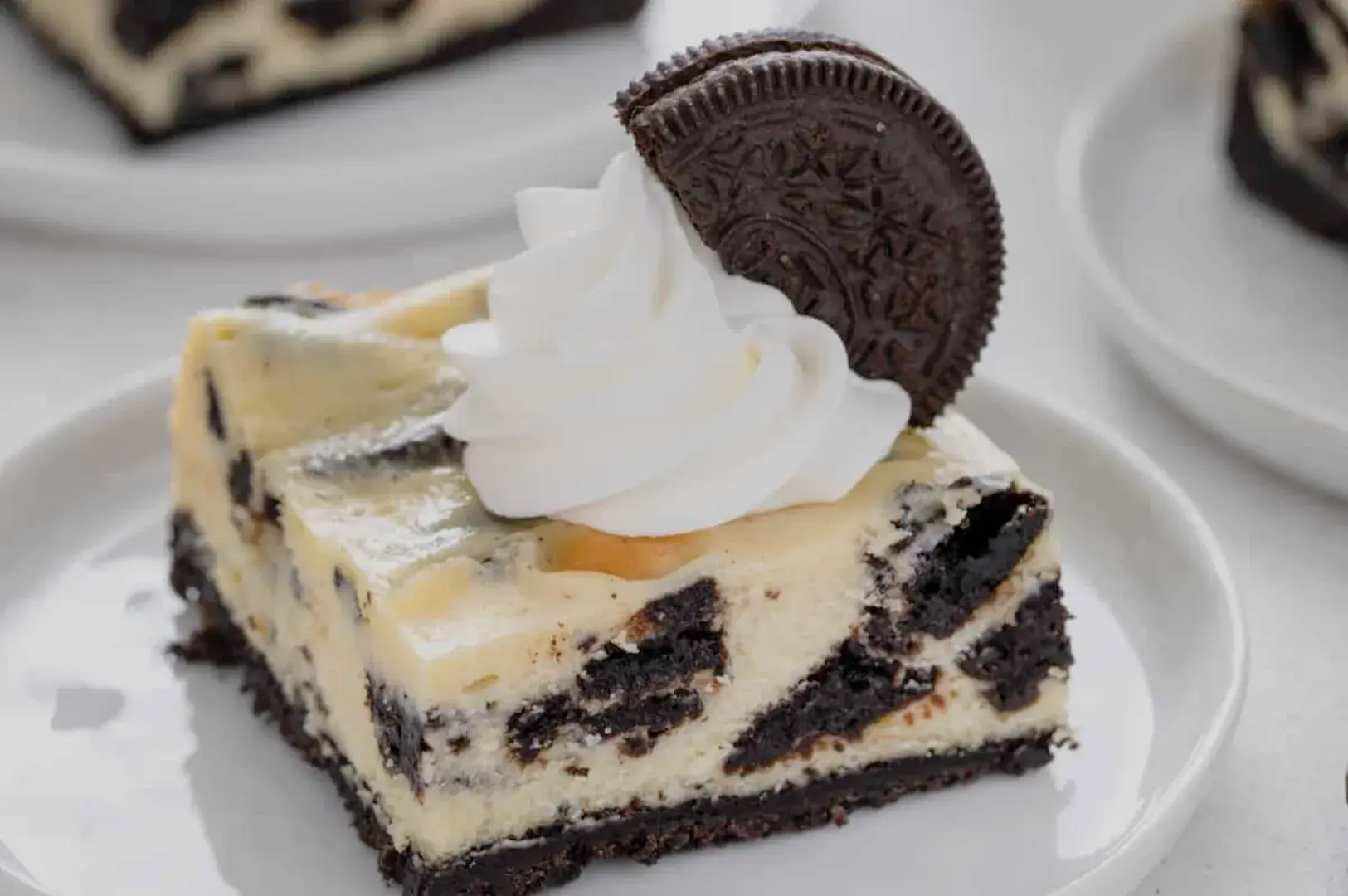
Not every empty-looking plate is a minimal one done well. The line between a plate that feels edited and one that feels forgotten comes down to a handful of small details, the kind that come from actual skill rather than a desire to look trendy. A slightly off-center placement instead of dead center, a single smear instead of a symmetrical swirl, a garnish trimmed with care instead of tossed on. These details are small enough to miss individually, but together they separate a plate that looks composed from one that looks unfinished, which is where the real creativity lives.
So Is Minimal Plating Dessert Really a Plot Twist, or Just Good Editing
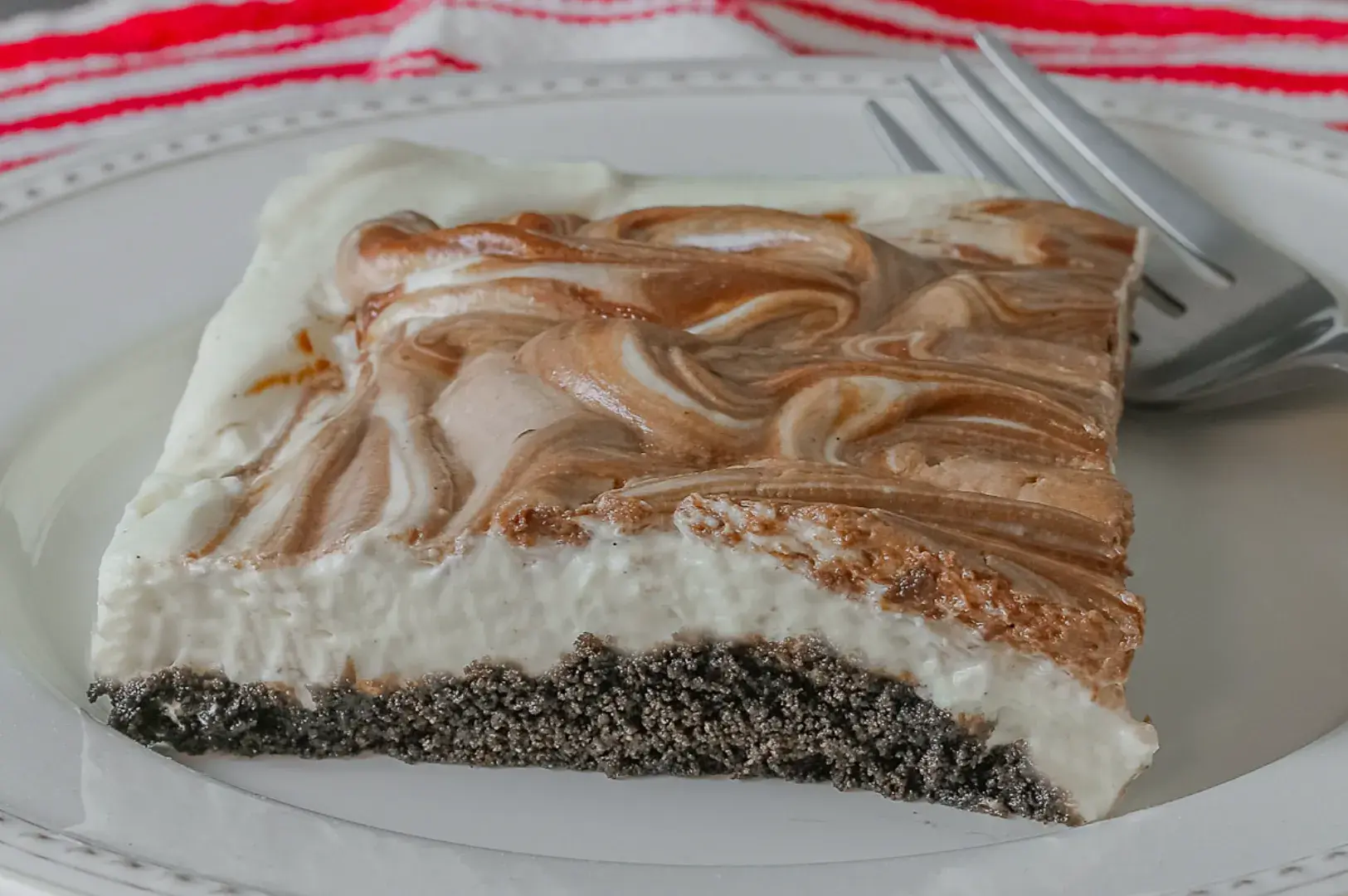
Calling it a plot twist is a little dramatic, but it captures something true. The surprise is not that the dessert works with so little on the plate but realizing how much was unnecessary all along. A crowded plate can start to look less like abundance and more like noise, and minimalism starts to look less like a limitation and more like a genuine style of cooking.
Minimal plating rewards the art of editing, the same instinct a good writer uses when cutting a sentence to its sharpest version, nothing extra, nothing borrowed just to fill space, every element doing one clear job. It is a small kind of play, testing how far one good idea can carry an entire dessert, and the goal was never emptiness for its own sake but focus.
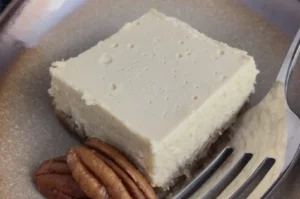
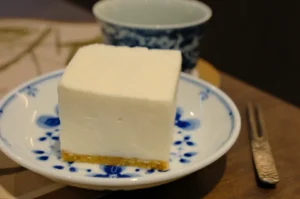
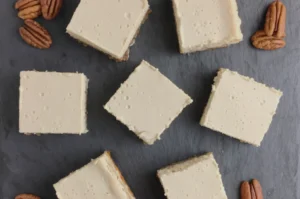
That same instinct for restraint shows up in how Daizu by Ki-setsu approaches its soy cheesecakes, letting the texture and flavor of the cake speak without needing a crowded plate to make the point. A quiet dessert, served simply, still manages to be beautiful and to create an impression, which is the whole idea behind minimal plating in the first place. Even a sweet, familiar slice of cake can feel inspired again when allowed to rest at the center of its own plate, right up to the end.