A chestnut turns up on a dessert menu in October and nobody blinks. The same chestnut in April would raise a few eyebrows. Somewhere along the way, most people absorbed a quiet rule about what belongs in which month, even if they couldn’t say where it came from.
In Japanese food culture, that rule is hardly quiet. It’s built into how menus get written, and it’s the idea behind a name like Ki-setsu. The word means “season,” and a seasonal menu is what happens when a kitchen takes that word seriously.
So What Does Ki-setsu Actually Mean?
Ki-setsu (季節) is the Japanese word for season. It’s an everyday word, the kind that comes up when talking about the weather, clothes or what’s for dinner.
In food, it sits close to another word, shun. Shun is the short window when an ingredient is at its peak: most flavourful, most abundant, usually at its best price too. A strawberry in its shun tastes like it’s trying. One picked out of season tastes like it’s apologising.
Japanese cooking has organised itself around those windows for centuries. Menus in traditional restaurants shift not just by season but by the smaller stretches within a season. The calendar isn’t a backdrop. It’s part of the recipe.
Why a Seasonal Menu Is More Than a Rotating Flavour List
It’s easy to assume a seasonal menu just means swapping flavours every few months to keep things fresh. That’s the marketing version. The working version is closer to the opposite.
A rotating menu starts with an idea and finds ingredients to fit it. A seasonal one starts with what’s good right now and builds from there. The ingredient leads. The dish follows.
That changes what ends up on the plate. Some things only appear for a few weeks. Others never make it onto the menu at all, because they weren’t good enough this year. A seasonal menu has to be comfortable with saying no, which is harder than it sounds.
Spring, Summer, Autumn, Winter: What Each Season Brings
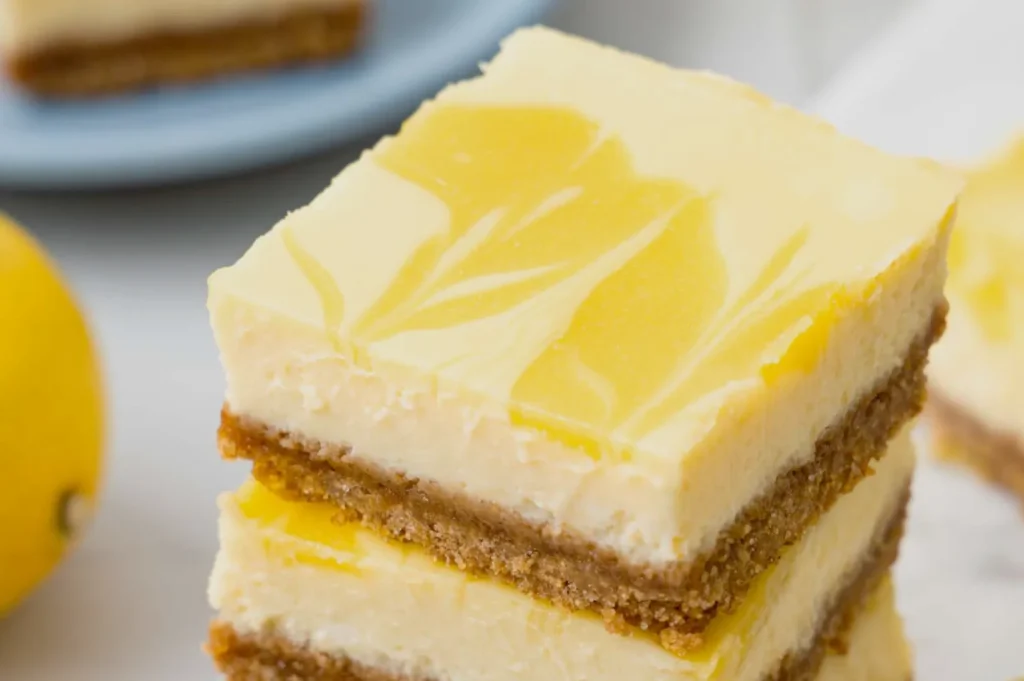
Every season has its own cast of flavours, and Japanese desserts have leaned on them for a long time.
Spring
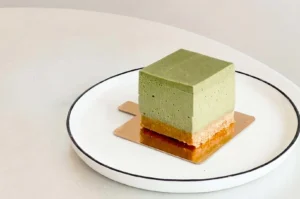
Spring is cherry blossom season, and sakura is the flavour most people associate with it. It’s floral, a little salty and quite delicate. This is also when fresh green tea harvests begin, so matcha tends to taste brighter and grassier than it does later in the year.
Summer
Summer calls for things that feel cool. Citrus, melon, peach and anything that works well chilled. Even soy has a summer form. Edamame are soybeans picked young and green, before they’ve had time to mature.
Autumn
Autumn is where things get richer. Chestnuts, sweet potato and roasted nuts all show up, along with deeper, toastier flavours. It’s also when soybeans reach full maturity, which is the version that gets turned into tofu, soy milk and kinako, the roasted soybean flour used in a lot of Japanese sweets.
Winter
Winter belongs to yuzu, a Japanese citrus that’s sharp, fragrant and somewhere between a lemon and a mandarin. It cuts through heavier food well. Black sesame and hojicha, a roasted green tea, also feel right when the weather turns cold.
What Happens in a Place Without Four Seasons?
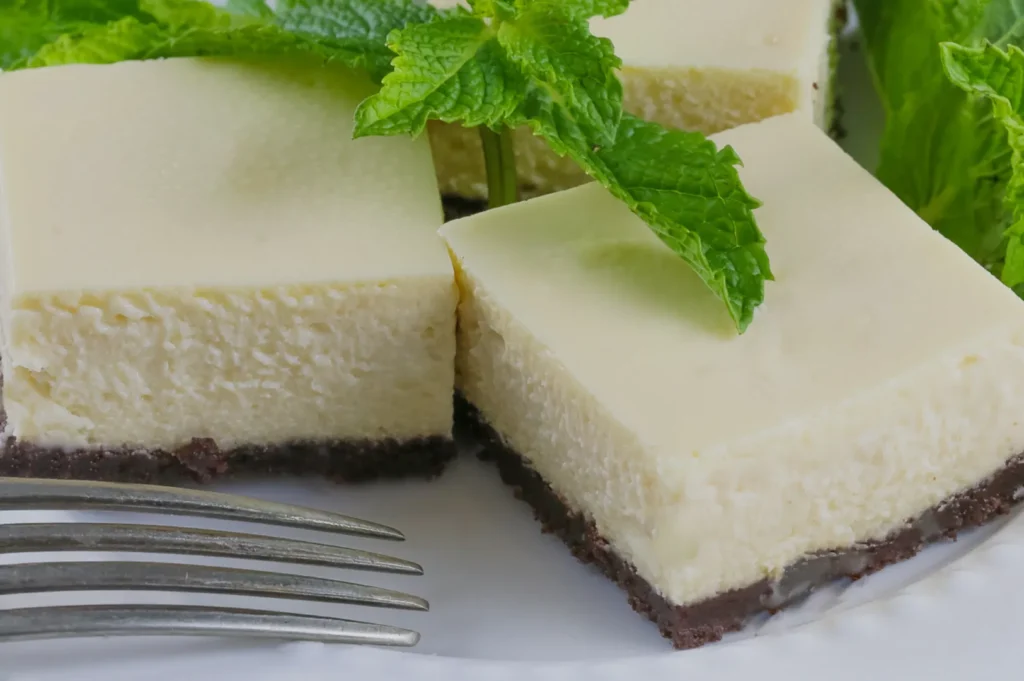
Singapore has a fair question to ask here. The weather stays warm and humid year round, so the seasons aren’t something anyone feels while walking to lunch.
That’s where the calendar takes over from the weather. Ingredients still have their peaks, wherever they’re grown. A menu that follows them gives people a reason to notice the months passing, which is something a tropical climate doesn’t always do on its own.
It also gives regulars something to look forward to. A flavour that’s only around for a short stretch is easy to put off, and easy to regret putting off.
The Trade-Off Nobody Mentions
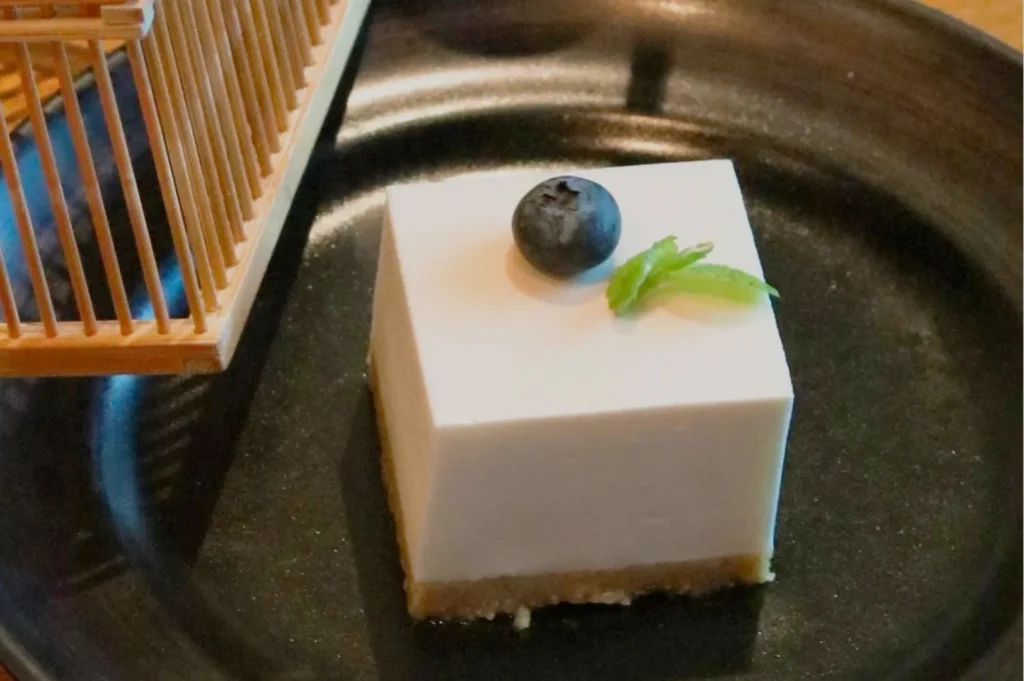
A seasonal menu comes with a cost. Favourites disappear. Someone who loved a particular flavour last quarter might come back and find it gone.
That’s part of the deal, and it’s also part of the appeal. When something isn’t permanent, it gets paid attention. People taste it more carefully, because they know it won’t be there forever. Plenty of restaurants in Japan run entirely on that logic, and customers wouldn’t have it any other way.
There’s a practical side too. Cooking with ingredients at their peak means less needs to be done to them. A good chestnut doesn’t need much help. A good yuzu certainly doesn’t. The menu gets simpler because the ingredients are doing more of the work.
What a Season Does to a Menu
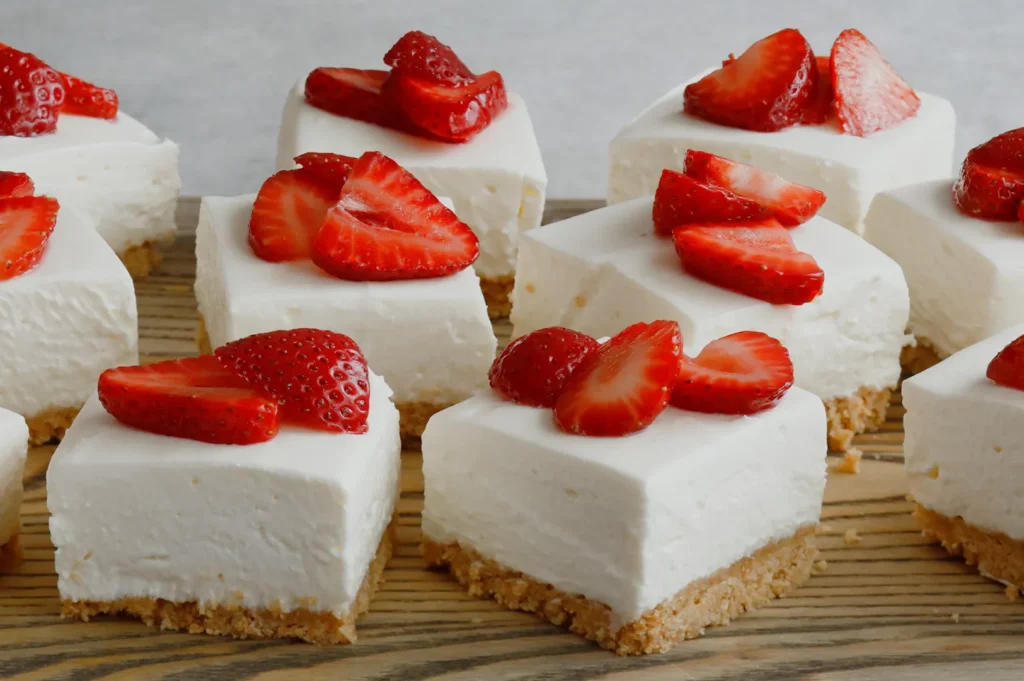
Put simply, a season gives a menu a point of view. Instead of offering everything all the time, it commits to what’s good right now and lets the rest wait its turn.
It slows things down, too. Flavours get a start and an end date, ingredients get treated with more care, and the menu starts to feel like a record of the year rather than a fixed list.
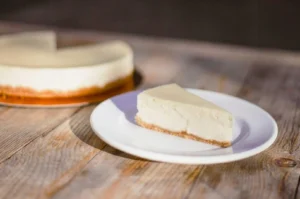
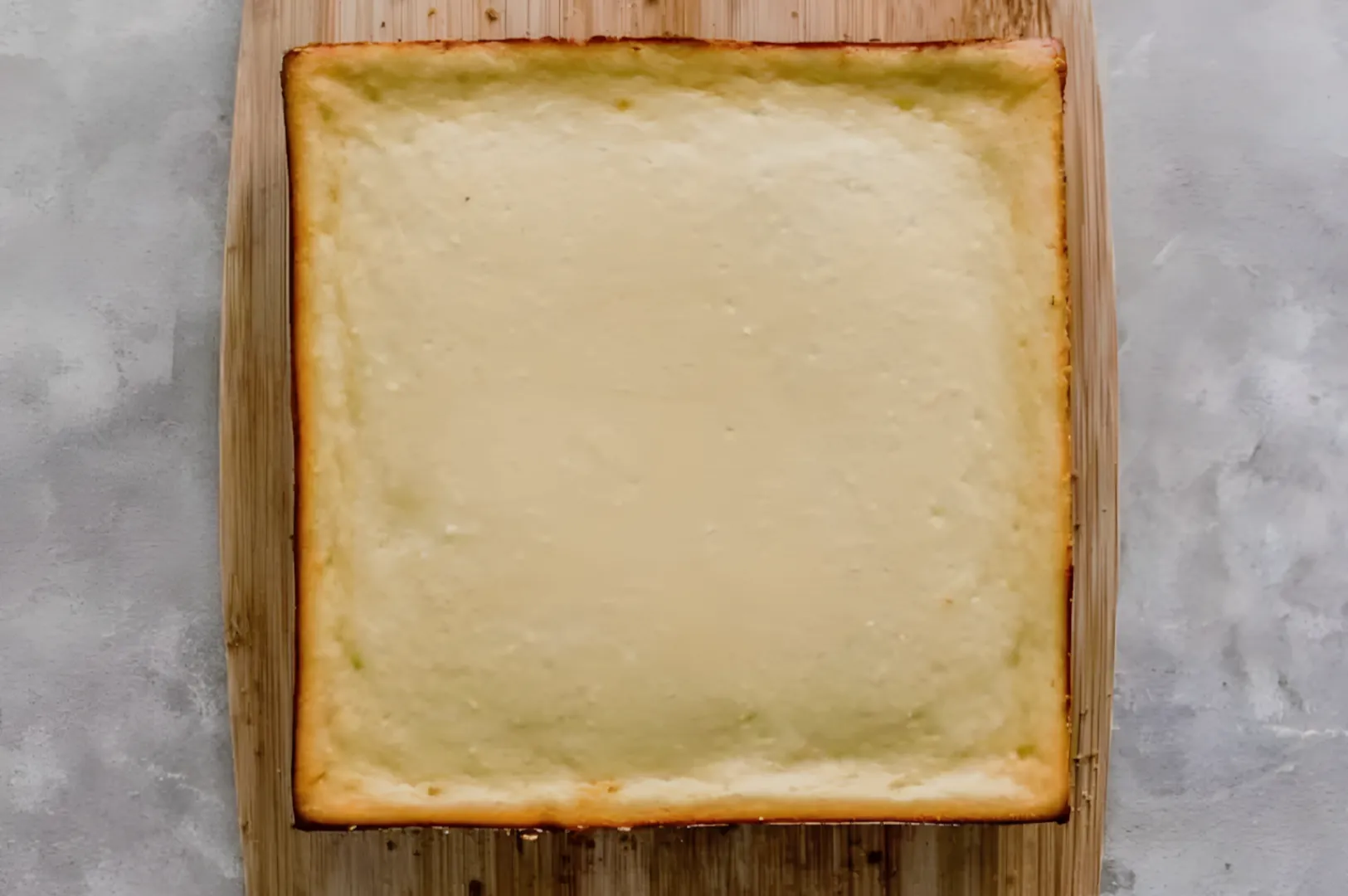
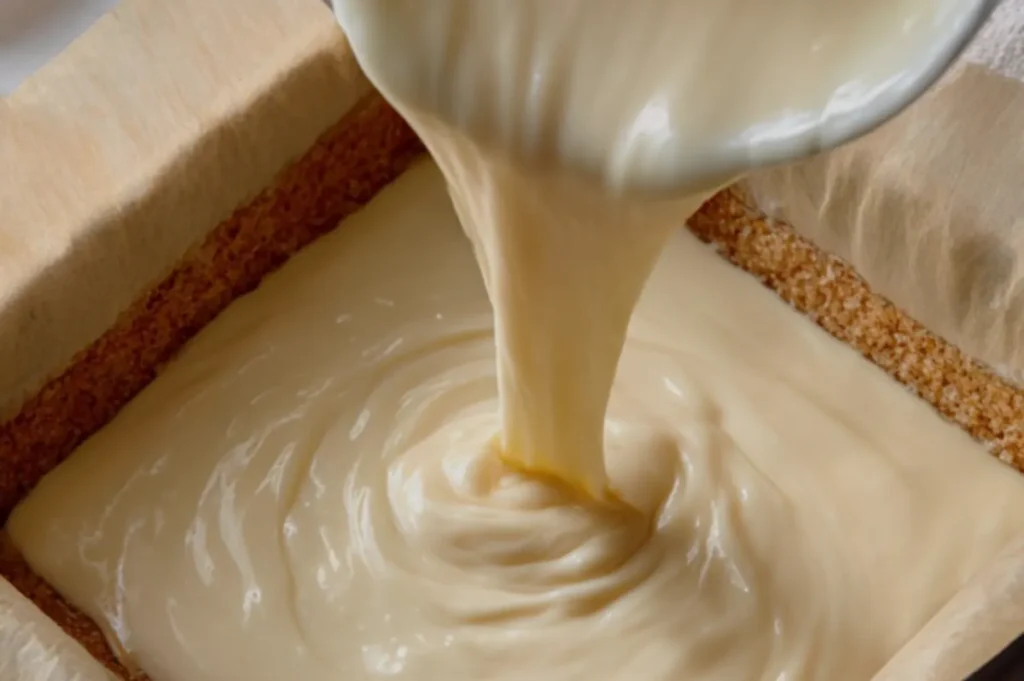
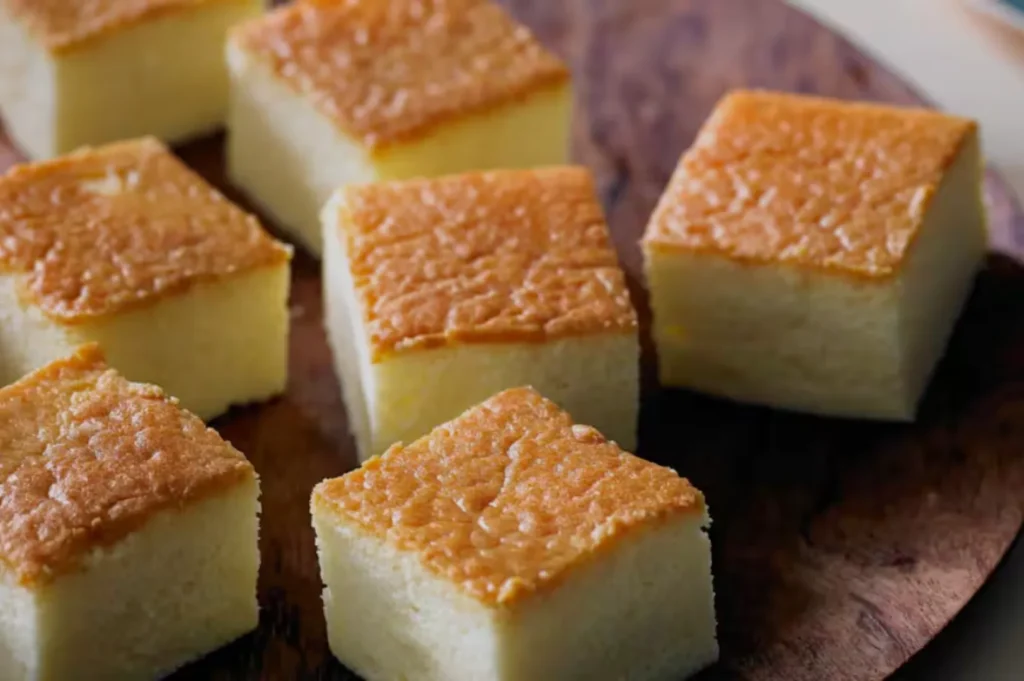
For Daizu by Ki-setsu, that idea sits behind the name. Soy cheesecake is a mild, creamy base that takes well to whatever the calendar offers, whether that’s the floral lightness of spring or the toasted depth of autumn. A seasonal menu suits it, and we’d rather let the ingredients decide what comes next than the other way around.