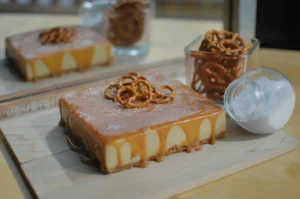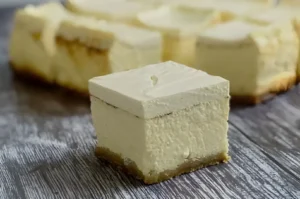
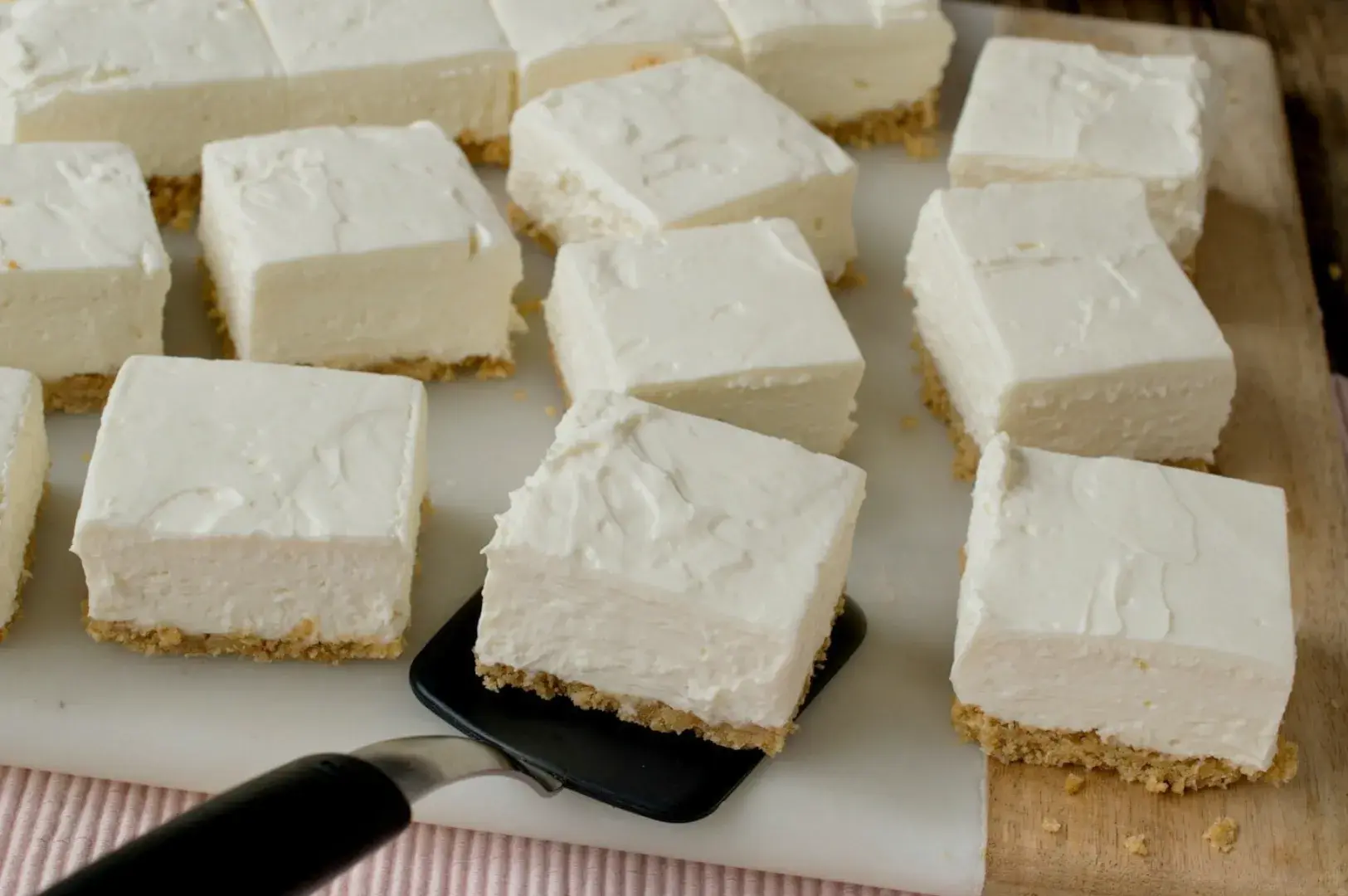
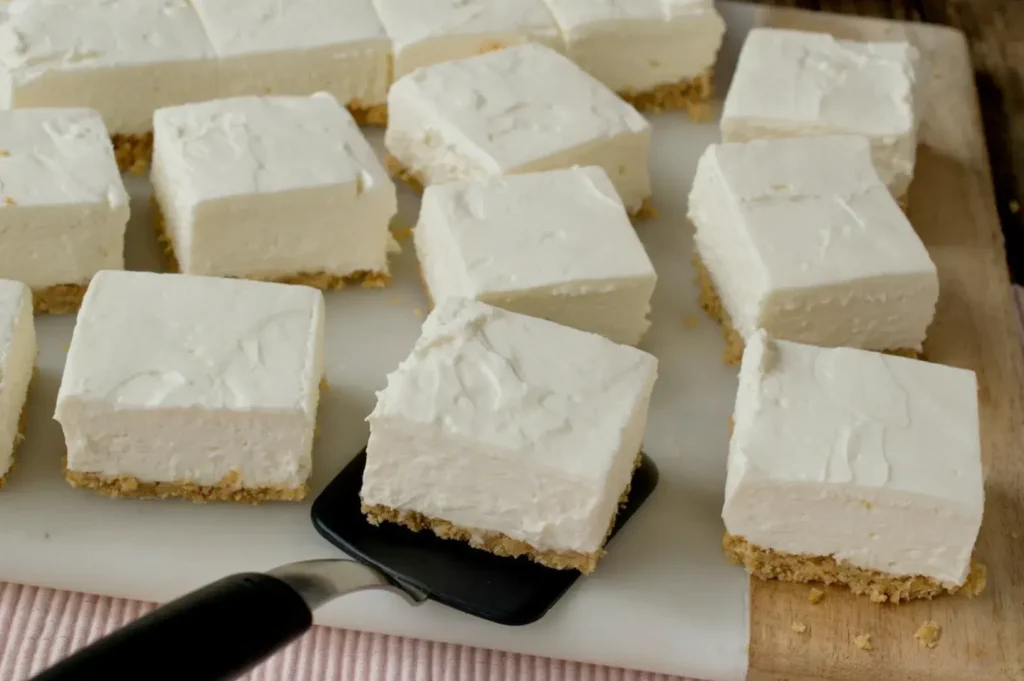
Someone hands over a fork and says “just try it.” The first bite lands sweet, sure, but there’s also a tang underneath, a faint buttery weight, something almost savoury holding the whole thing together. Anyone who has paused mid-bite to ask “wait, what else is in this” has already stumbled onto the real subject here. This experience is often what sets a premium dessert apart, especially in cheesecake Singapore bakeries where the balance of sweetness and texture is carefully crafted.
Cream cheese, sour cream, lemon juice, and even the eggs all shape how sweet a slice actually tastes. Most people just credit it to sugar, when really, sweetness in cheesecake was never a one-ingredient job. Sugar sets the baseline, but everything else decides how that sweetness is experienced.
Granulated Sugar vs Powdered Sugar: Not Interchangeable
Granulated sugar and powdered sugar behave differently once they hit cheesecake batter, and swapping one for the other changes more than the label suggests.
Granulated sugar is made of coarser sugar crystals that need real mixing time to dissolve into cream cheese. Beaten at medium speed, those crystals help work air into the mixture, which affects the final crumb and ultimately the best cheesecake texture.
Powdered sugar is finely ground sugar, often with a touch of cornstarch mixed in. Bakers add powdered sugar when they want a smoother finish with less risk of a gritty bite, which is why it shows up so often in no bake cheesecake recipes that skip the oven’s dissolving heat entirely.
Granulated Sugar | Powdered Sugar | |
|---|---|---|
Texture in batter | Slightly grainy until fully mixed | Dissolves almost instantly |
Best used for | Baked cheesecakes | No bake cheesecake, toppings |
Effect on structure | Helps aerate the batter | Keeps the mix dense and smooth |
Neither is better. They’re built for different jobs, each bringing unique qualities to baking creations. Understanding these differences is a key bakery tip for achieving the desired sweetness and texture in your premium cheesecake creations.
What Fat Does for a Creamy Cheesecake
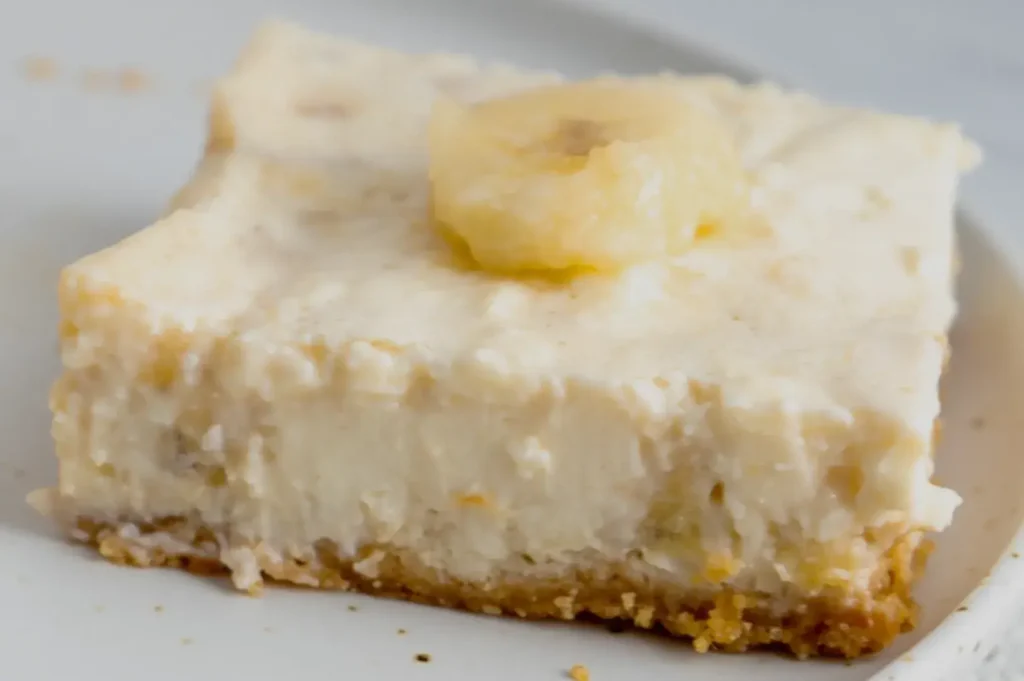
A creamy cheesecake owes as much to fat as it does to sugar. Natural cream cheese brings the base richness, but melted butter, sour cream, and sometimes a spoon of whipped cream fold in extra fat that softens how sweet the dessert tastes on the tongue.
Fat coats the palate. It slows down how fast sugar registers, which is why a cheesecake made with full-fat cream cheese can taste less aggressively sweet than one made with a lighter substitute, even with identical sugar amounts. This balance is key to achieving the best creamy texture.
Butter Blend Margarine and the Case for Richness
Some bakers reach for butter blend margarine instead of straight butter, usually for cost or shelf life. It can work, but it rarely brings the same fragrant buttery aroma that Dutch natural butter delivers once it’s melted into a crust or folded into batter.
For a base crust, that aroma matters. It’s often the first thing noticed before the first bite ever happens.
Getting a Soft and Creamy Cheesecake Texture
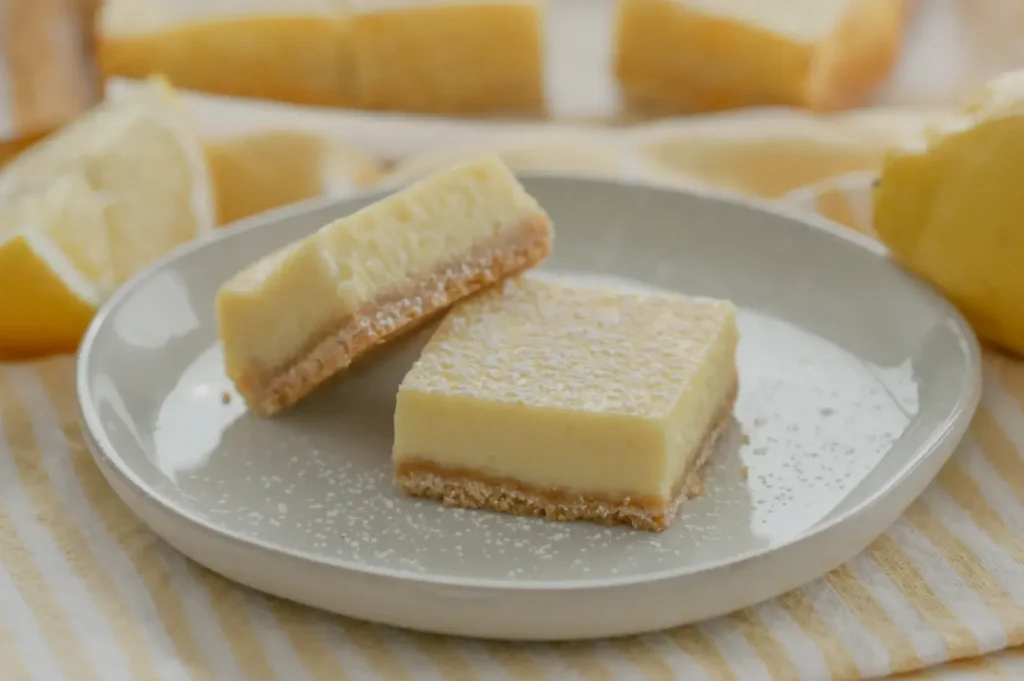
A soft and creamy cheesecake texture comes down to a handful of habits that have nothing to do with the sugar amount at all.
Use fresh room temperature eggs and room temperature cream cheese before mixing, so nothing seizes or lumps.
Beat on low to medium speed rather than high, since too much air whipped into the batter leads to cracking as the cheesecake bakes evenly through the oven.
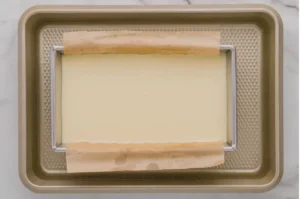
Sit the cheesecake pan inside a roasting pan filled with hot water. A water bath keeps oven temperature stability steady and protects the edges from overcooking before the center sets.
Wrap the base of the springform pan in aluminum foil so no water sneaks into the baking pan while it bakes.
A sudden temperature bake shift is one of the fastest ways to crack a top that was otherwise going to turn out fine, so resist opening the oven door early.
Once baked, allow the cheesecake to cool completely at room temperature before refrigerating. This gradual cooling is essential to lock in the best creamy texture and soft texture.
Cheesecake texture is less about one big decision and more about several small ones, each protecting the batter from something that could go wrong.
Where Lemon Cheesecake and Lemon Curd Change the Equation
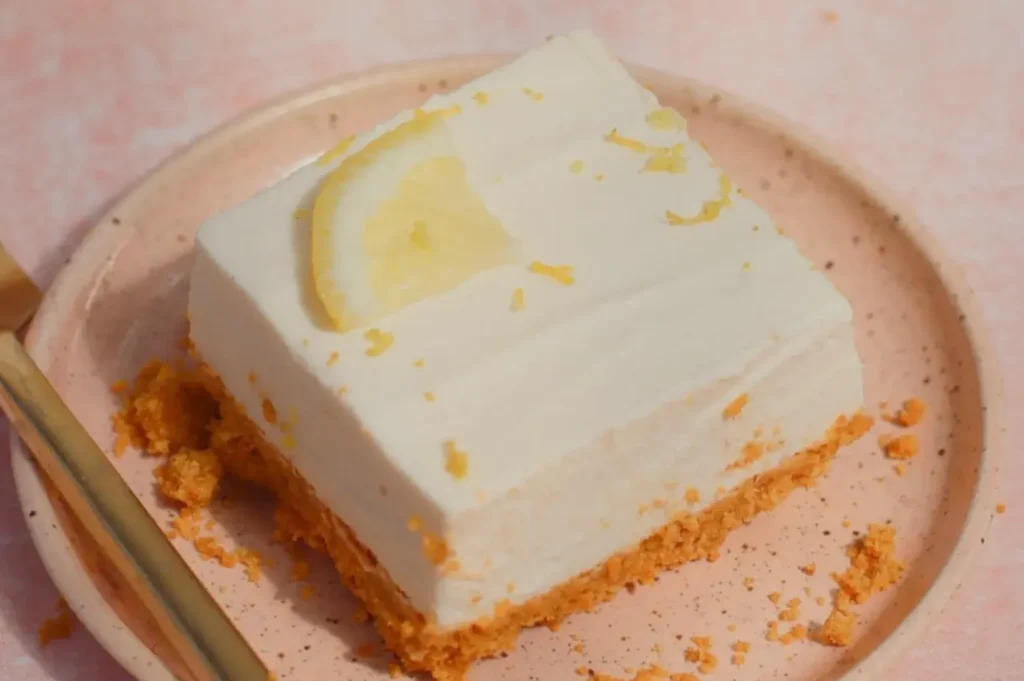
A lemon cheesecake is a useful case study in balance. Add lemon juice and a little lemon zest to a batter, and the sweetness doesn’t disappear, but it stops tasting flat. Acid cuts through sugar the same way it cuts through fat in a vinaigrette, sharpening everything around it.
Lemon curd taken on top adds a second, more concentrated layer of that same effect. A spoonful of lemon curd against a base that’s already only lightly sweetened keeps the whole slice from tipping into one-note territory. It’s less about adding more sweetness and more about giving the tongue something to compare it against.
Vanilla cheesecake works on a gentler version of the same idea. Vanilla extract doesn’t add acidity, but it rounds out sugar’s sharper edges, which is part of why so many bakers treat it as a near-mandatory addition rather than an optional extra.
Brown Sugar's Quiet Contribution
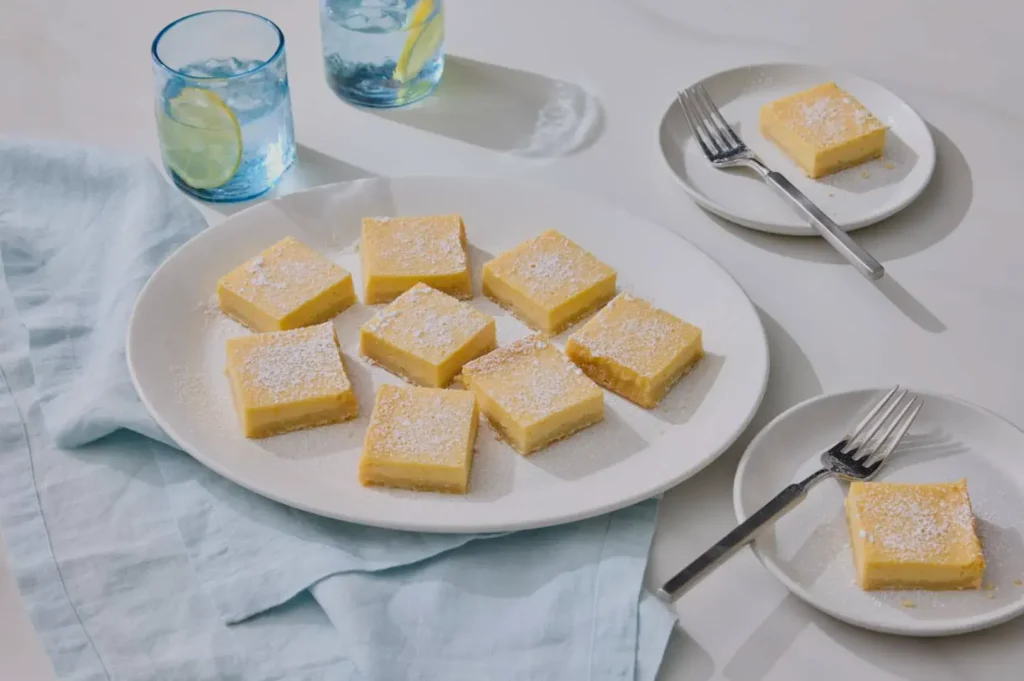
Brown sugar rarely gets billing in a cheesecake recipe, but a partial swap for granulated sugar, particularly in a crust or a caramel-leaning topping, brings a faint molasses depth that plain white sugar can’t offer. It reads as warmth rather than straightforward sweetness, which is often exactly what a coffee cheesecake or a caramel-adjacent flavour needs.
Coffee cheesecake adds bitterness into the mix already, so brown sugar’s rounder sweetness helps keep the balance from swinging too far in either direction.
No Bake Cheesecake: Sweetness Without Heat
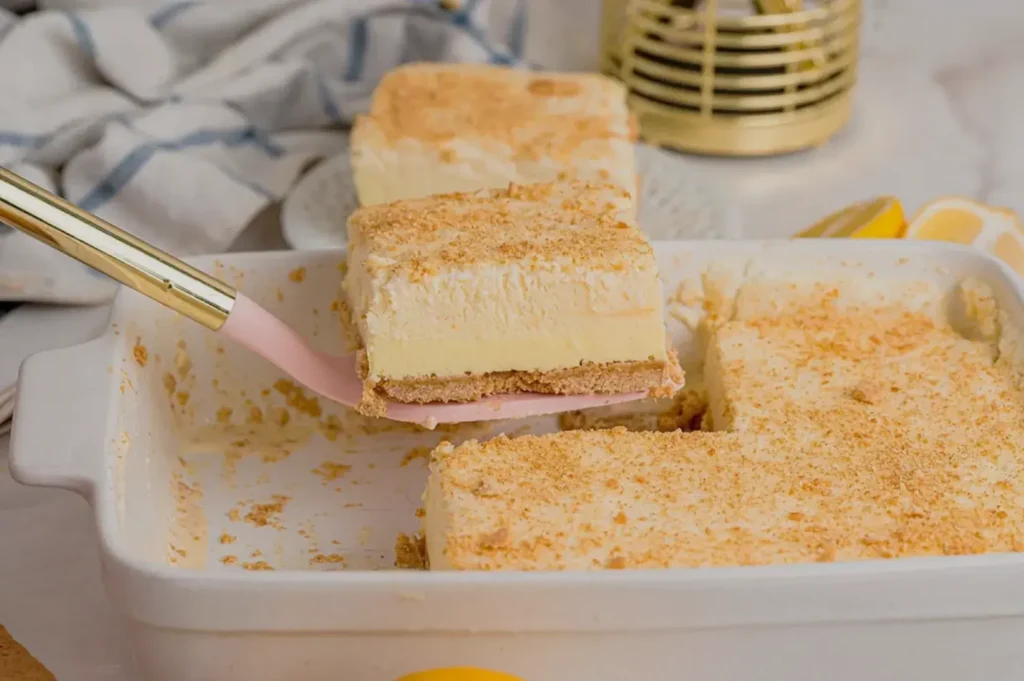
No bake cheesecake skips the oven entirely, which changes how sugar behaves. There’s no batter cooking slowly to mellow flavours over time, so the sweetness a baker adds at the mixing stage is close to what ends up on the fork.
This is where powdered sugar tends to take over from granulated, since it blends into cold cream cheese in a medium bowl without needing heat to dissolve. Condensed milk or sweetened condensed milk often steps in too, adding sweetness and a silky set at the same time, since there’s no baking involved to firm up the mixture on its own.
Toppings do more of the flavour work here. Fresh berries, fresh fruit, or a grated coconut topping delivers brightness or texture that a plain no bake filling can lack on its own.
Modern Cheesecake Variations and Their Own Sugar Logic
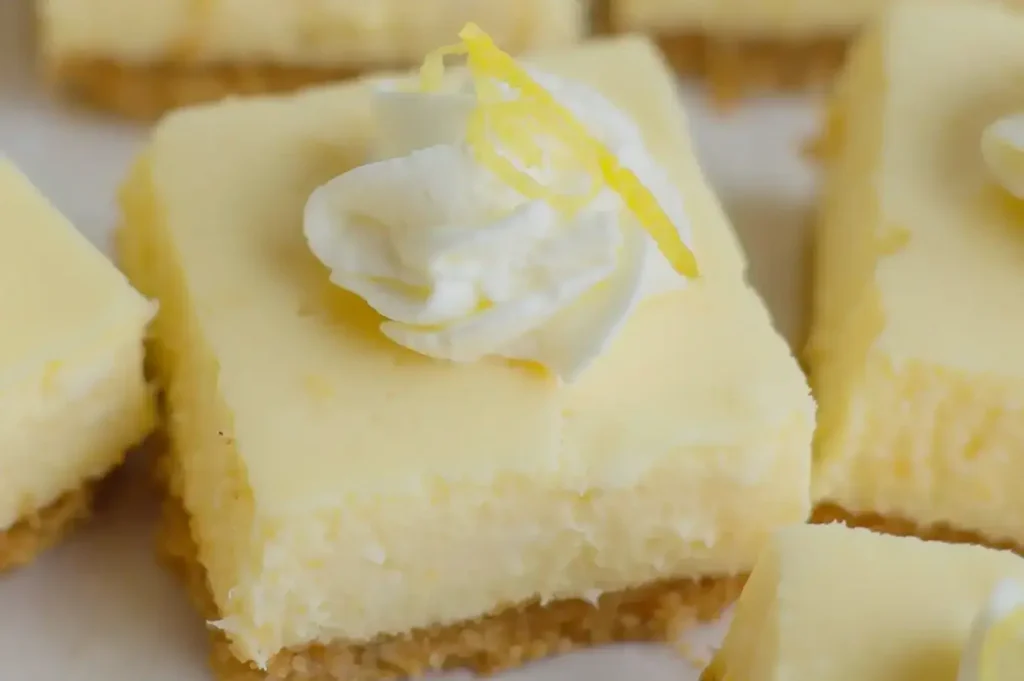
Modern cheesecake variations rarely follow one fixed sugar rule, because each style is solving a different problem.
Basque burnt cheesecake features a deliberately scorched top, and that caramelised layer already carries a bitter-sweet contrast, so the batter underneath is often kept less sweet than a classic New York style.
Japanese cotton cheesecake leans on whipped egg whites folded through a light sponge cake-like base, so sugar has to stay light too or it overwhelms the airiness.
Pandan cheesecake brings a refreshing tropical aroma that plays against sugar rather than needing more of it, since pandan itself reads as faintly sweet and grassy.
Recipes using Greek yogurt in place of some sour cream lean tangier, needing a touch more sugar to stay balanced.
Soy-based cheesecakes swap part of the dairy for soy milk or soy cream, which carries a naturally lighter sweetness of its own, so the added sugar can stay modest without the final texture feeling thin.
None of these are more correct than a classic bake. They’re proof that sweetness is a variable, not a fixed setting.
What Actually Unlocks Perfect Cheesecake Texture
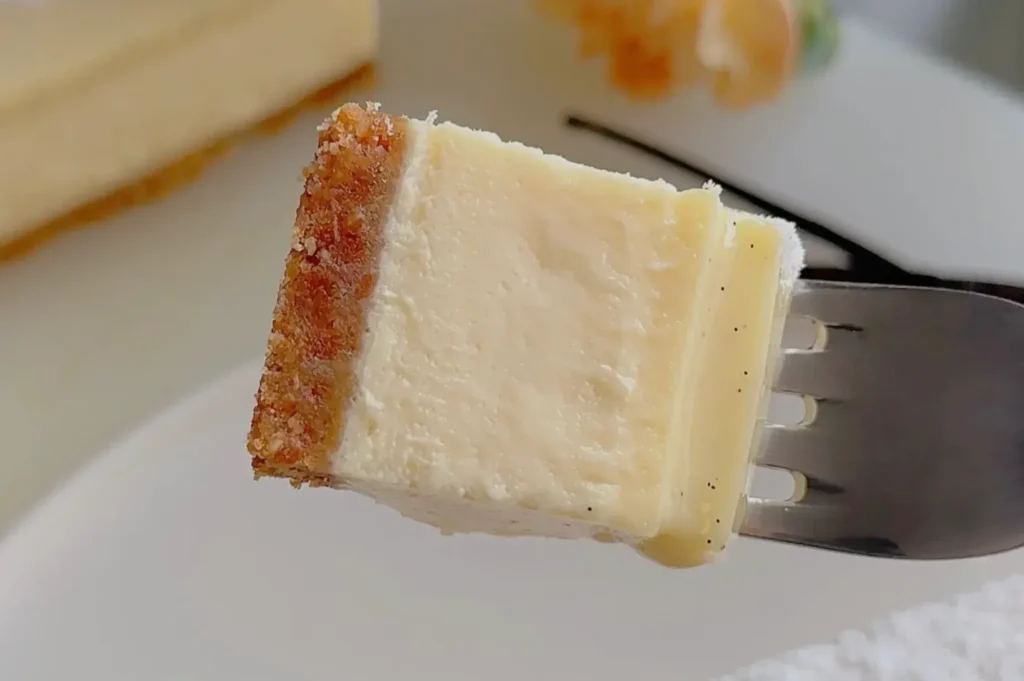
Perfect cheesecake texture was never just a sugar question, and unlocking perfect cheesecake texture usually means paying closer attention to fat, acid, and technique than to how many spoonfuls of sugar went in. Cream cheese quality, how gently the batter cooks, whether the cheesecake cools slowly instead of being rushed onto a counter, all of it shapes taste as much as sweetness does.
That’s the kind of detail pastry chefs tend to obsess over quietly, using local inspired flavours and premium baking ingredients to build something that tastes considered rather than just sweet. It’s also the thinking behind the approach of Daizu by Ki-setsu to its signature cheesecake creations, where nostalgic tropical sweetness and Japanese baking techniques meet in flavours built on balance rather than sugar alone, offering a version of soft cheesecake where every element, not just the sugar, has a job to do.