There’s a moment that happens at almost every dessert table in Singapore. Someone takes the first bite of a cheesecake, pauses, and says “Wait, this isn’t too sweet.” It’s said like a compliment, because it is one. Somewhere along the way, less sugar stopped meaning less flavour, and people noticed.
That shift says something about what the best cheesecake Singapore has to offer actually looks like today. It’s not about how much sugar a slice can hold. It’s about whether the cheese still tastes like cheese underneath it, and whether the whole thing feels like a perfect balance rather than a sugar bomb with a fork stuck in it. Whether it’s a signature cheesecake at a neighbourhood cafe or something more considered, the standard has quietly risen in the vibrant cheesecake Singapore scene.
Why "Less Sweet" Became a Compliment, Not a Complaint
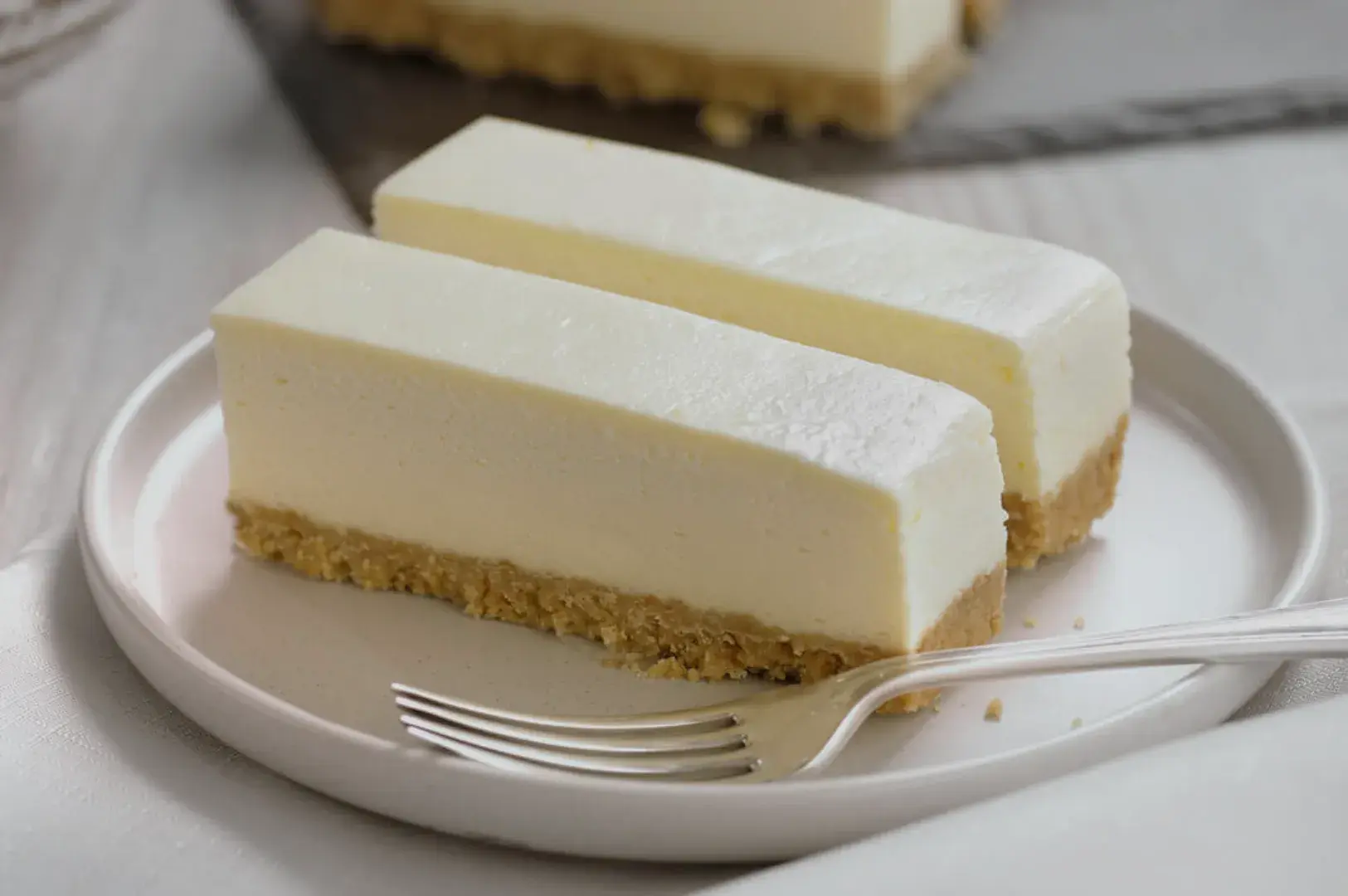
For a long time, a rich dessert was judged by how heavy it sat in the tummy afterward. Sweetness was the headline, and everything else, the cheese, the crust, the actual texture, played backup.
That’s changed. Diners now talk about richness the way they used to talk about quantity. A cheesecake that lets the cheese lead, with sugar playing a supporting note instead of drowning everything out, reads as more elevated, not less generous.
It’s a small recalibration, but it changes what “best” means. Best used to mean biggest, sweetest, hardest to finish in one sitting. Now it often means most honest about what’s actually in the cake. One thing hasn’t changed though. People still guess wrong about which slice will actually satisfy them, and it’s rarely the sweetest one on the table.
The Basque Burnt Cheesecake Proved the Point First
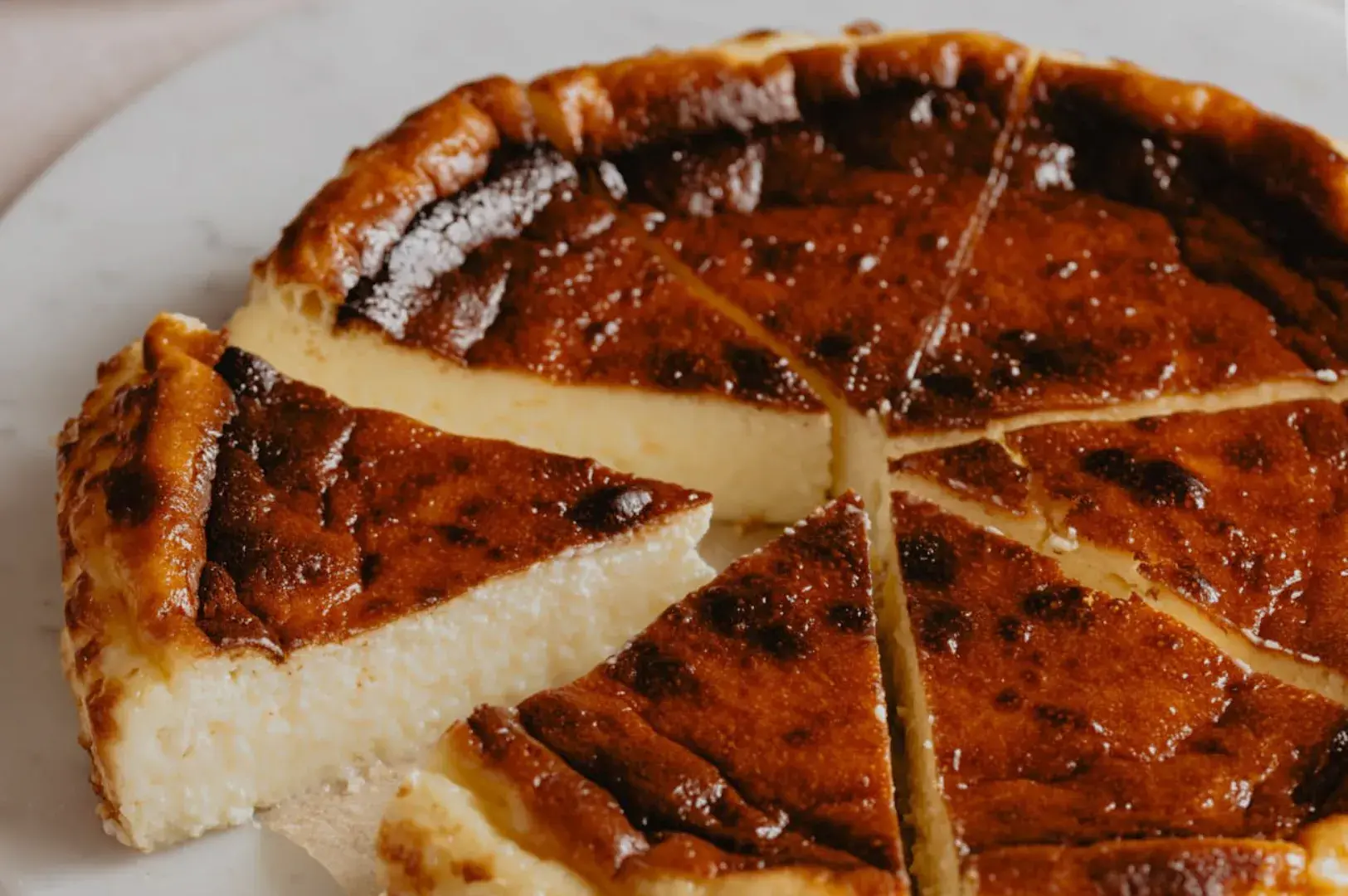
If there’s one style that pushed Singapore toward this rethink, it’s the Basque burnt cheesecake. The blackened top looks like a mistake until the first forkful proves otherwise.
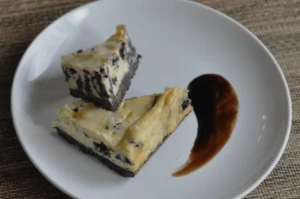
Underneath that scorched crust sits a cheesecake in Singapore that’s intentionally underbaked in the centre, gooey and custardy rather than dense. The bitterness from the caramelised top balances against the cheese, and there’s barely any added sugar doing the heavy lifting. The contrast carries the dish, and it’s hard to resist going back for a second slice just to study how it works.
That’s the Basque burnt formula in a sentence: char on the outside, restraint on the inside. It’s proof that a dessert doesn’t need to be loaded with cheap sweetness to feel rich. It just needs the right tension between elements, and the right ingredients doing the right jobs.
Why the Burnt Top Isn't a Gimmick
The scorching isn’t decorative. It’s a flavour decision. Without it, the cake would taste flatter, more one-note. With it, every bite has something to chew against, bitter against creamy, dark against pale, smooth against slightly cheesy at the edges.
It’s a small lesson that applies beyond one cake. Texture and contrast can do work that sugar used to be asked to do alone.
What Brie Cheesecake and Blue Cheese Are Doing on Dessert Menus
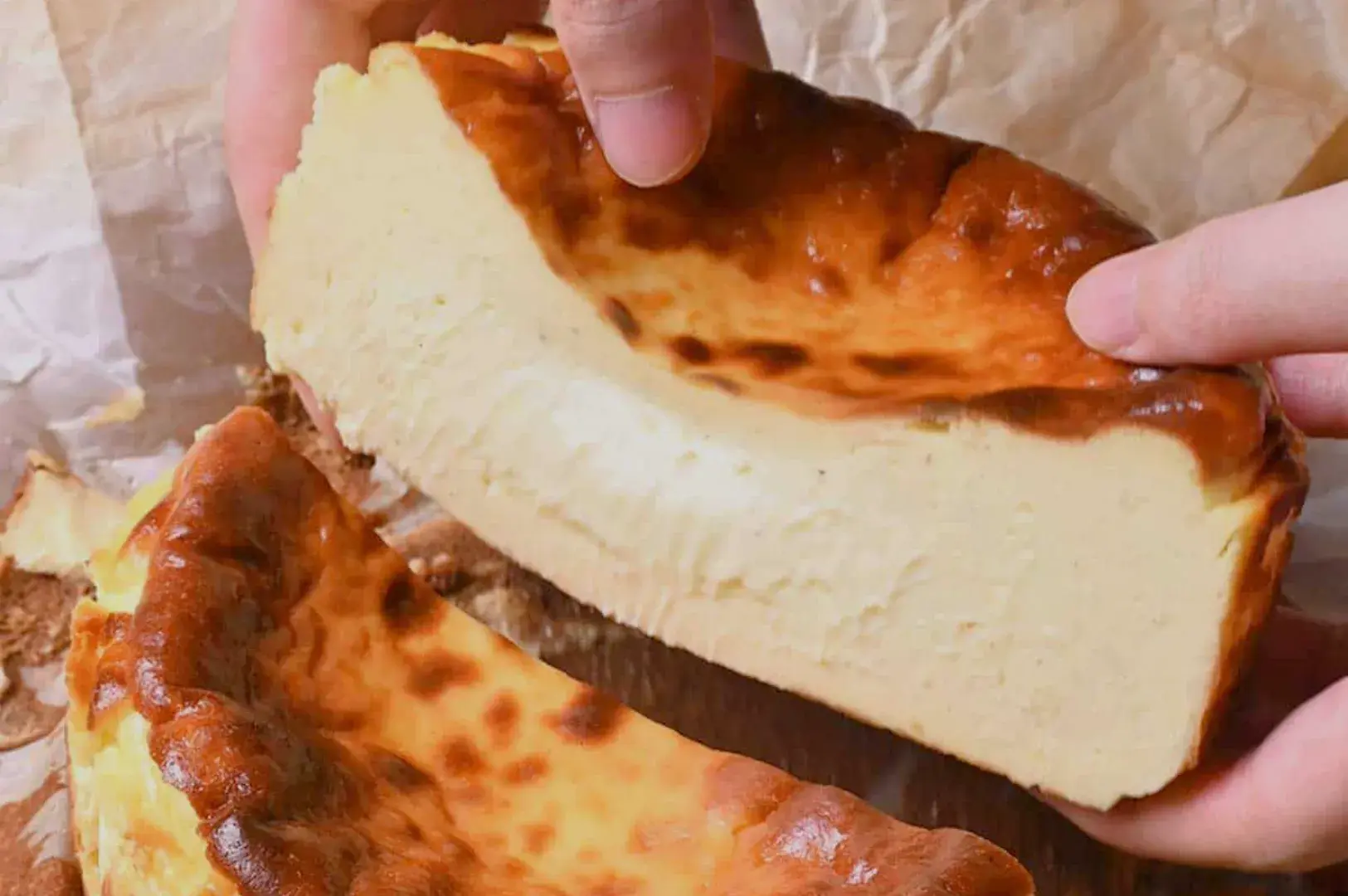
Cheese itself has started showing up in unexpected forms. Brie cheesecake is one example, where the cheese’s natural creaminess and slight funk replace some of the usual sweetness with something rounder and more savoury.
Blue cheese takes that even further. A cheesecake built around blue cheese leans into sharpness and salt, with sugar used sparingly enough that the cheese never gets buried. These aren’t desserts for everyone, and that’s sort of the point. Some people prefer their dessert to taste unmistakably cheesy rather than just sweet, and these versions are built for exactly that crowd.
This is where the category gets interesting. Once cheese is allowed to taste like cheese, sugar becomes a tool instead of a crutch. The love cheesecake regulars have for these bolder styles is real, and it tends to grow the more someone eats around the category.
A Quick Word for the Fruit and Chocolate Fans
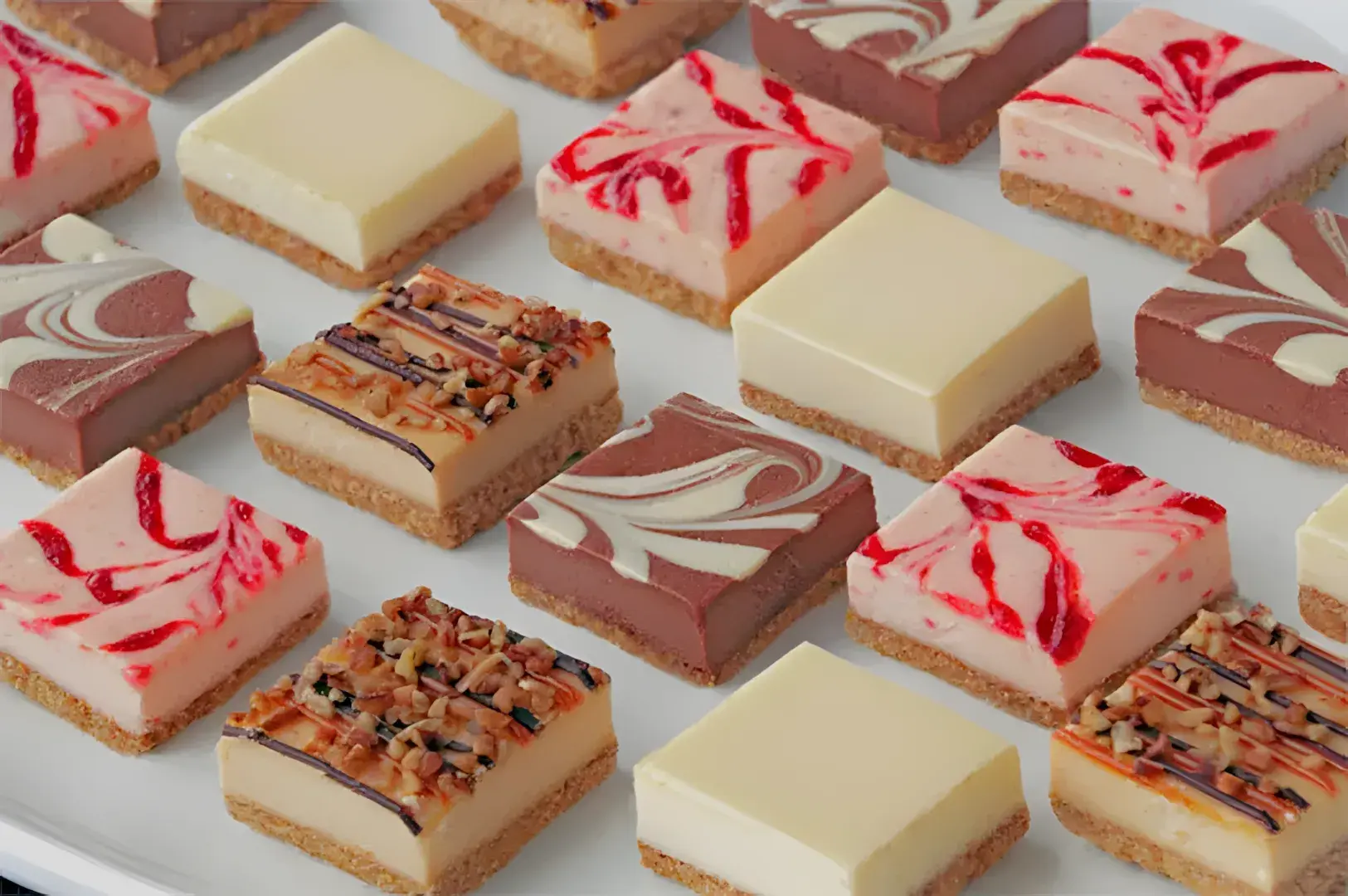
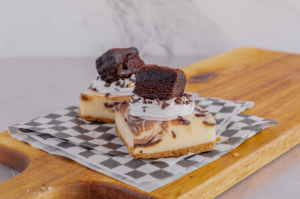
Not every lighter cheesecake skips sweetness altogether. Some just borrow it from somewhere more interesting. A swirl of strawberry or a layer of stewed apple can carry the sweetness that sugar alone used to handle, while a thin streak of chocolate adds richness without tipping the whole slice over.
This is good news for anyone who’s a fan of fruit-forward or chocolate-leaning cakes but still wants that lighter finish. It’s less about choosing between flavour and balance, and more about letting fruit and cocoa do double duty.
How Tanjong Pagar's Dessert Scene Reflects the Shift
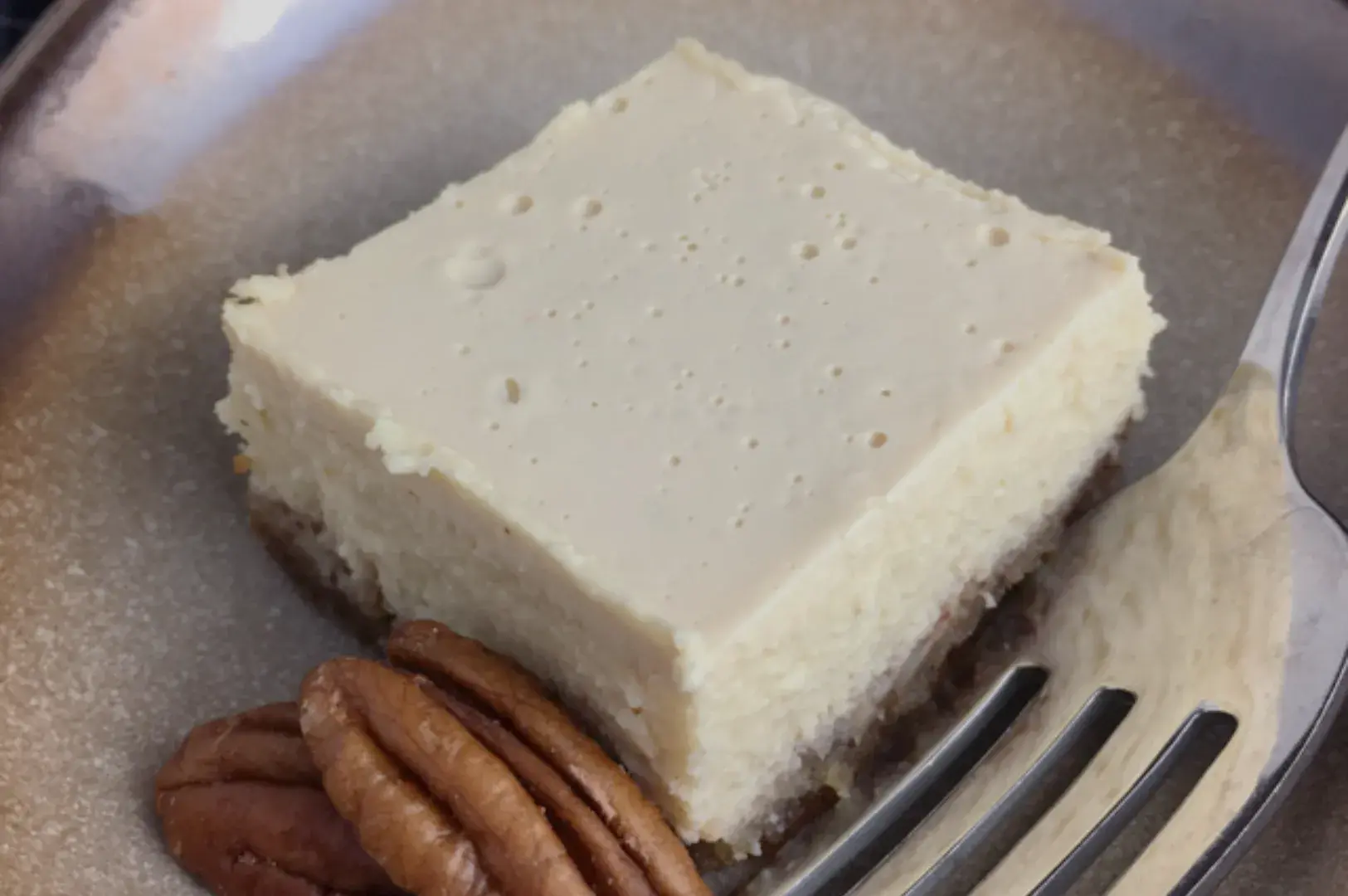
Tanjong Pagar has quietly become a useful snapshot of where Singapore’s dessert habits are heading. Cafes and restaurants in the area have been experimenting with cheesecake boards rather than single slices, letting people sample a few styles side by side.
A typical cheesecake board might pair a classic baked slice with something like a Basque burnt version, a York cheesecake style bake, and a savoury cheese-forward option. Comparing them at once makes the sugar differences obvious. The lighter, less sweet versions tend to disappear from the board first, especially when the place is packed on a Friday night and everyone’s reaching for the same corner of the board.
That kind of side-by-side tasting also changes how people talk about cheesecake afterward. The comments that stick are rarely about sweetness. They’re about which slice had the most distinct character, which one they’d come back for, and whether the ingredients felt worth it. When people can taste restraint next to excess, restraint usually wins the second bite.
Getting the Ingredients Right Before the Sugar Question Even Comes Up
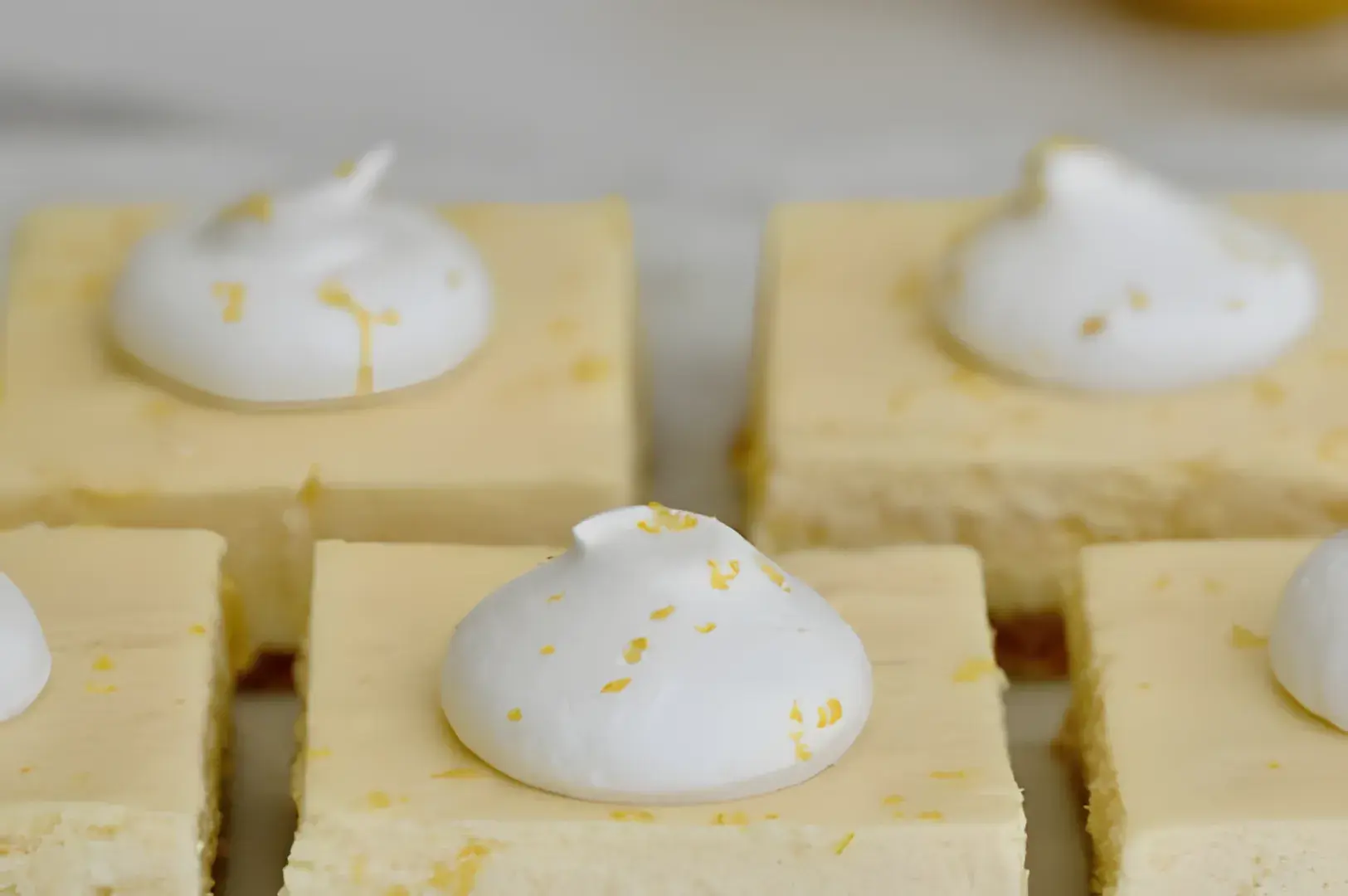
There’s a growing appreciation for what goes into a cheesecake before it ever hits the oven. When the base ingredients are worth tasting on their own, the question of how much sugar to add almost answers itself. You don’t need to bury good cheese. You need to let it do what it does.
That philosophy shows up in the final slice in a way that’s immediately obvious to anyone who’s eaten enough cheesecake to know the difference. It’s not a subtle thing. A cake built on considered ingredients has a different quality to it, something that reads as honest rather than dressed up.
Picking the Right Slice for the Right Occasion
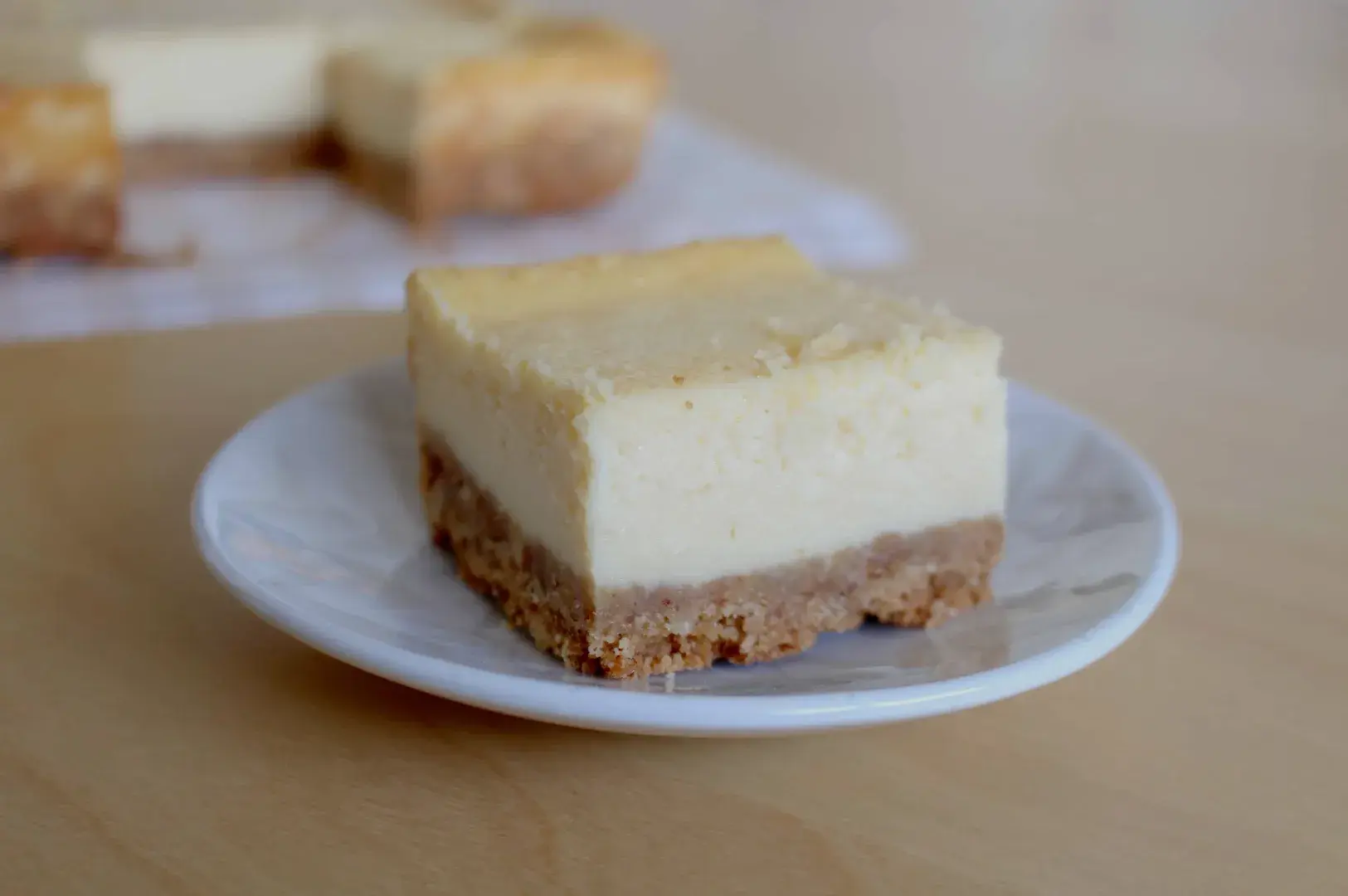
Cheesecake selection matters more than people admit. A dense, very sweet slice might feel right for a quick treat, but for any occasion meant to be the centrepiece, something with more balance tends to serve the moment better. Nobody wants to feel like they overdid it before the candles are even lit.
Knowing when and how to serve a particular style is part of the decision. A lighter, cheese-forward slice works well when the cake needs to hold its own alongside other dishes. A richer baked version is better when it’s the main drop of the evening and everyone at the table is there specifically for it.
This is also where a quick internet search habit comes in handy. A lot of people will look up a cafe before deciding whether to visit, mixing reviews about texture and richness with their own gut feeling about what sounds good that day. There’s nothing wrong with that. It just means the cheesecake actually has to deliver once it shows up at the table, recently baked and not sitting around since morning.
Less Sugar Doesn't Mean Less Cheesecake
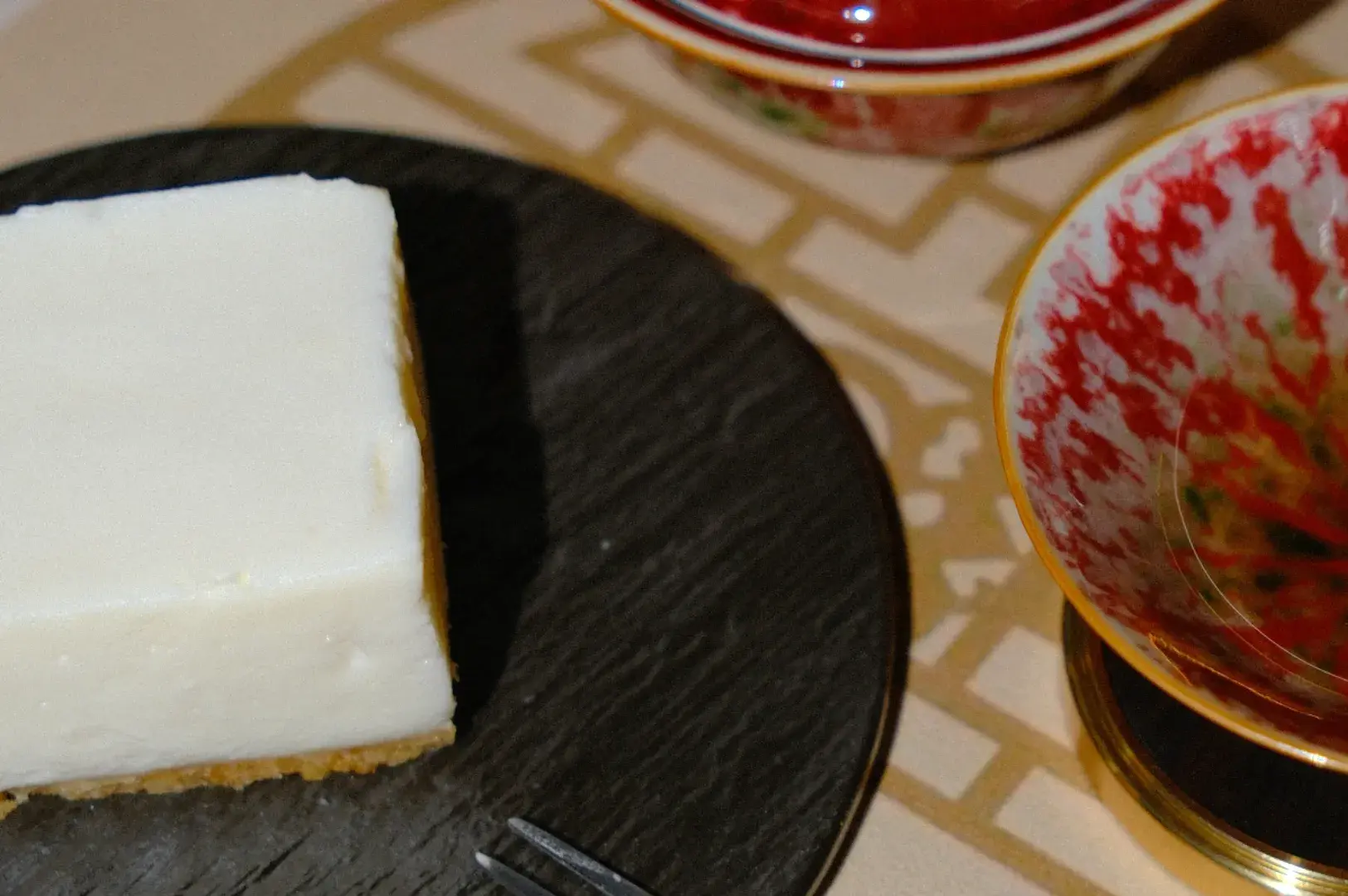
Sugar was never the main star. The cheese, the crust, the texture contrast, and the kitchen confidence to use bold ingredients are what actually carry a great slice. Less sugar clears the way for those things to come through.
The best cheesecake Singapore has to offer today tends to avoid the heavy, over-sweetened style that defined an earlier era. It’s more specific, more considered, and often more satisfying for it.
At Daizu by Ki-setsu, that same thinking shapes every soy cheesecake, where the natural character of the ingredients does the work that sugar used to be asked to do alone.