The Ingredient Swap That Started It All: Soy Milk vs Almond Milk Desserts
Somewhere between the soy milk and the almond milk, a shopper stands in a supermarket aisle holding a carton in each hand. A recipe calls for milk, and neither carton says which one will behave. It is a small decision, but the choice of plant based milk can change how a cake rises or how a custard sets.
The question of soy milk vs almond milk desserts comes up more often than most bakers admit, even among home cooks chasing the best cheesecake in Singapore. Both are popular, both are easy to find, and both get swapped in for dairy without much thought. They are not interchangeable, though, and the differences show up on the plate.
Soy Milk vs Almond Milk Desserts: What Actually Changes
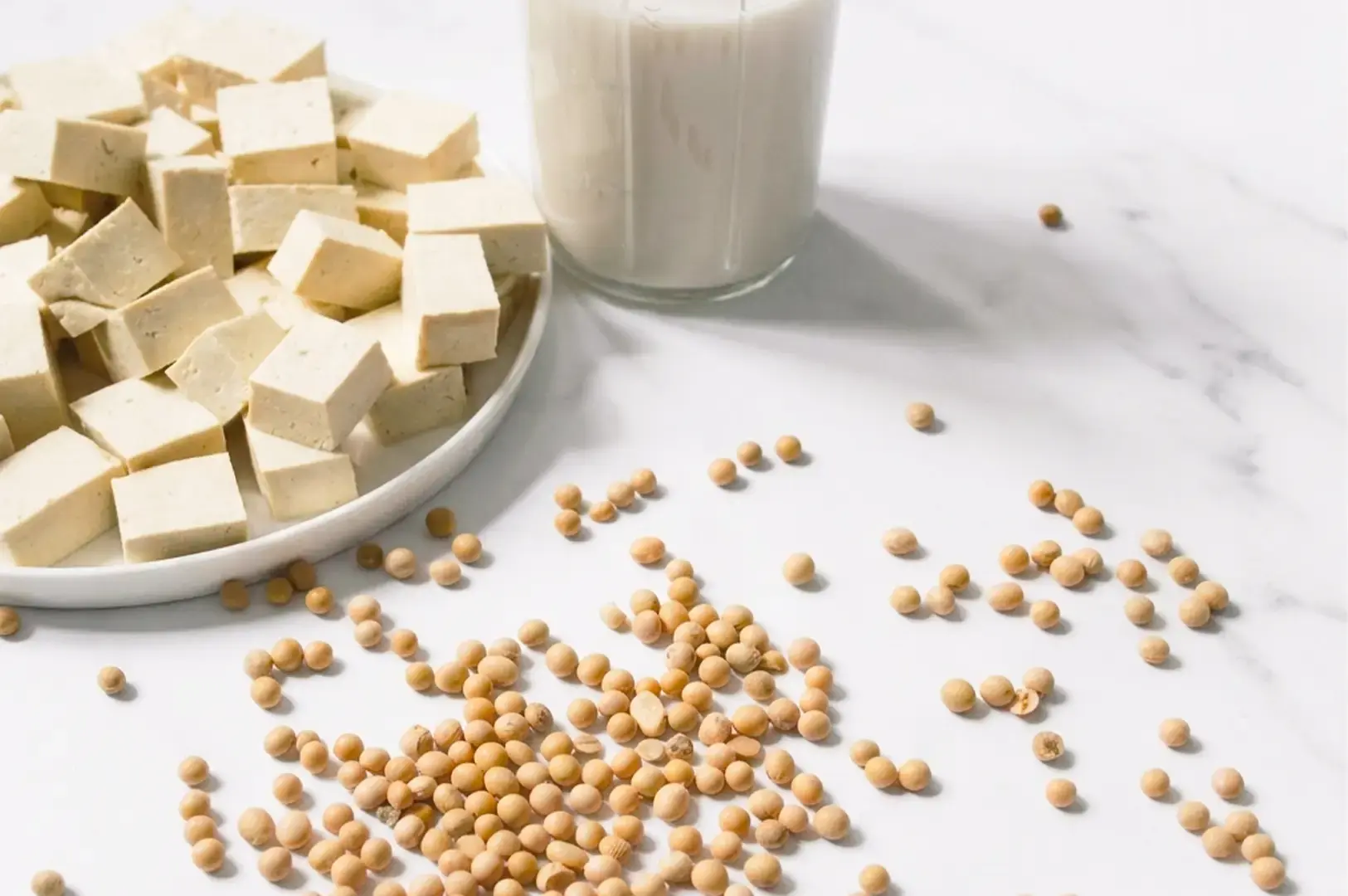
The biggest difference is protein content. Soy milk, sometimes labeled soya milk, carries around seven grams per cup, which is close to what a glass of dairy milk offers. Unsweetened almond milk usually has about one gram.
That gap matters in baking. Protein helps batters and custards hold together as they heat, much like eggs do, so soy milk gives cakes and baked cheesecakes some structure to lean on. Almond milk is mostly water, and that high water content adds moisture but not much body.
Taste is the other split. Soy milk has a rounded, slightly beany flavor that fades into vanilla and chocolate. Almond milk is lighter and faintly nutty, which suits delicate sponges but can disappear in anything rich.
Almond Milk Is Lighter Than Most Expect
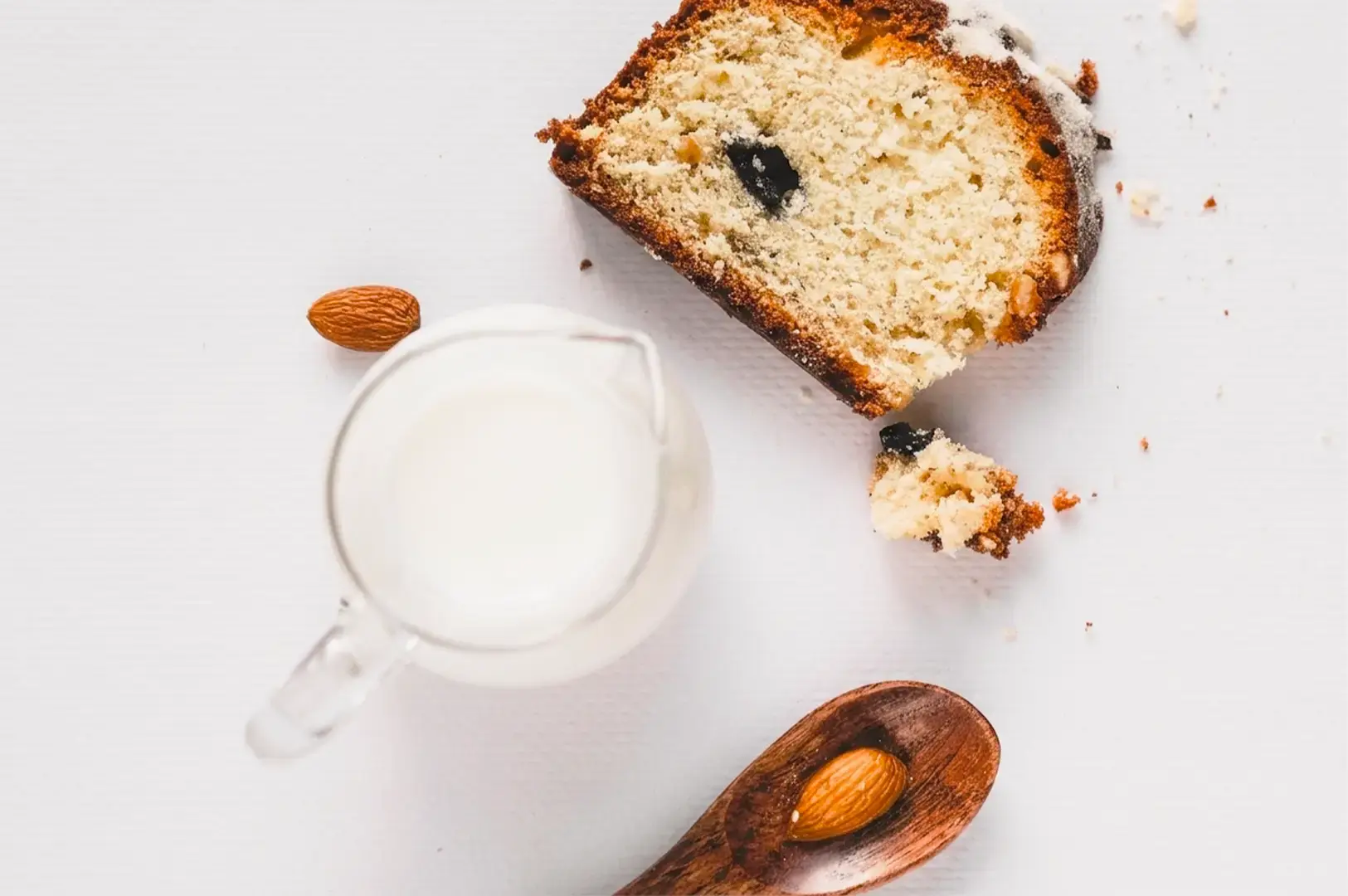
Almond milk is the easy pick for anyone watching their diet or counting calories. Unsweetened versions often sit around thirty to forty calories a cup, about a quarter of whole milk.
That lightness cuts both ways. In smoothies, oatmeal and thin pancake batters, it works well. In a dessert that needs to feel creamy, it can taste watery and leave the texture a bit flat.
Sweetened and flavored versions complicate things further. Added sugar can quietly change how sweet a recipe turns out, and a little salt or other ingredients like gums can nudge the result too, so it helps to check the label before pouring.
How Cow’s Milk and Dairy Milk Set the Standard

Most dessert recipes were written with cow’s milk in mind, alongside other animal products like butter and eggs. Dairy milk brings fat, protein and a little natural sugar, and all three work together to give cakes a tender crumb and custards a smooth set.
That is why swaps sometimes disappoint. A recipe built around whole milk is balanced for roughly eight grams of protein and eight grams of fat per cup. Replace it with something much thinner and the balance tips.
Soy milk comes closest on protein, which explains why it tends to be the most forgiving substitute. Almond milk usually needs help from a little extra fat or a thickener to get anywhere near the same result.
Where Coconut Milk Fits In
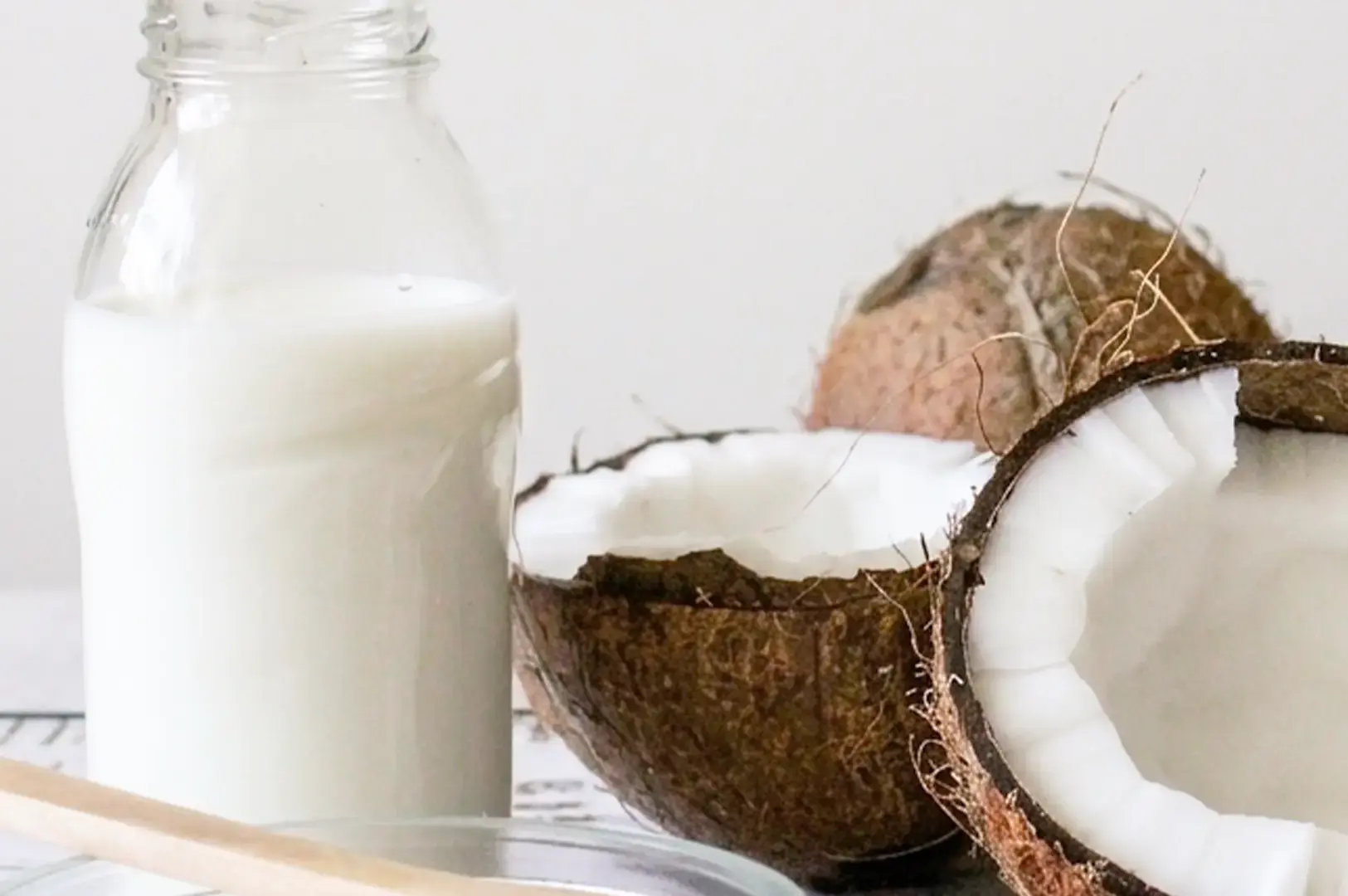
Coconut milk is the rich one of the group. The canned kind is thick and fatty, equally at home in cooking as in puddings and panna cotta.
The carton kind sold next to the other milks is a different thing, much thinner and milder. Canned coconut milk shines in custards and creamy fillings, but it brings a clear coconut flavor that is not always welcome. In a chocolate cake it blends in nicely. In a delicate vanilla dessert it tends to take over.
The Fat Content Question
Fat content shapes mouthfeel more than almost anything else. Whole cow’s milk has about eight grams per cup, soy milk has roughly four, and unsweetened almond milk lands around two or three.
The type of fat differs too. Soy and almond milk have much lower levels of saturated fat than whole milk, while coconut milk is high in it. That does not make coconut milk a poor choice, only a heavier one, and the right pick depends on what the dessert needs to do.
For baked goods, a little fat is what keeps muffins soft and cakes from drying out. Lower fat milks can still work, but the recipe often needs a touch more oil or butter to make up the difference.
Is There a Best Non Dairy Milk for Baking?
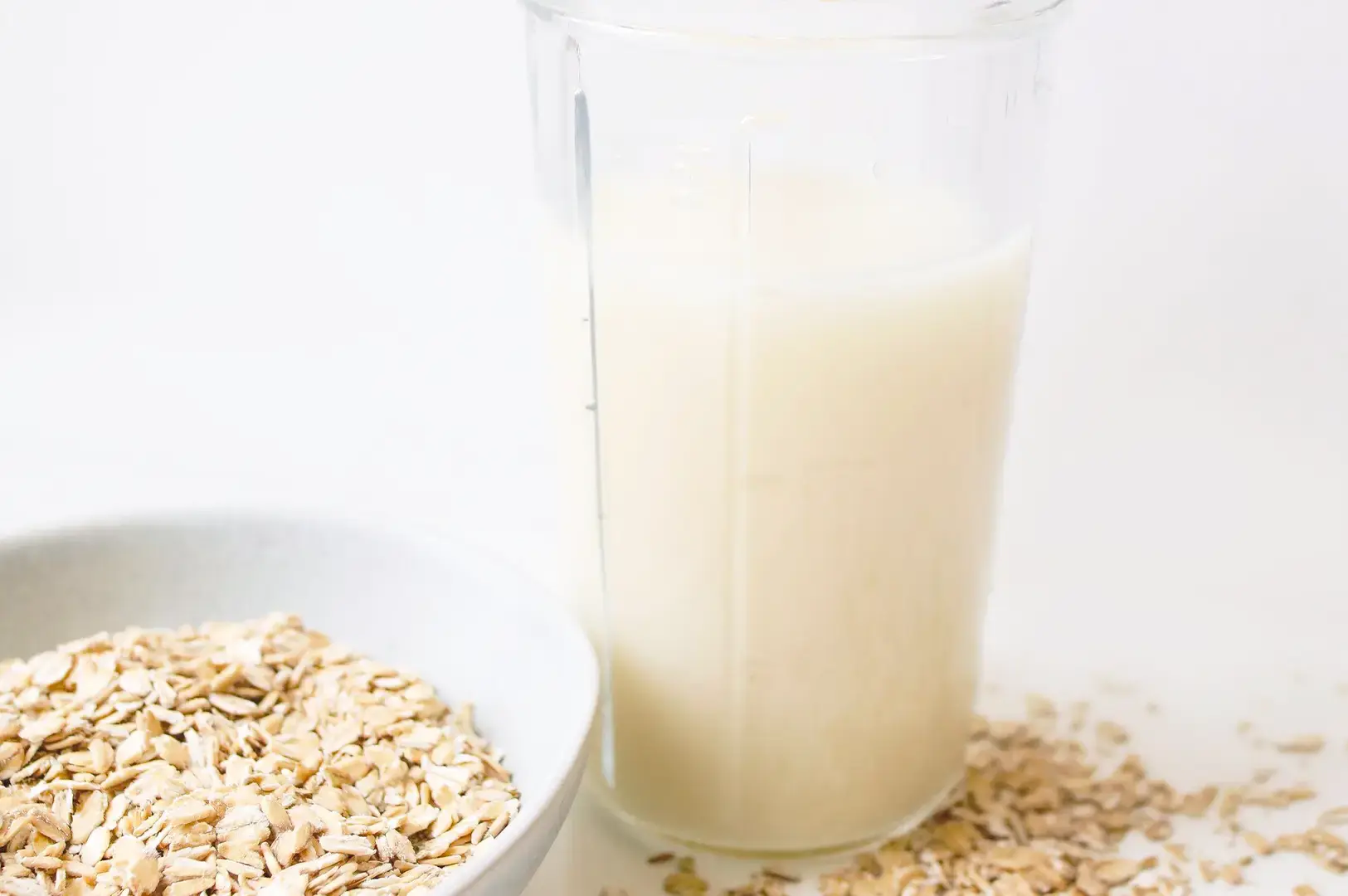
Not in a single sense, but soy milk is the one most bakers end up trusting. For most baking projects, almond milk and soy are the two cartons people reach for first, and soy wins on structure. It has the protein to build body, a neutral enough flavor, and a texture that holds up when heated.
Oat milk is a close second for cakes and breads because it is naturally a little sweet and creamy. Rice milk is thin and mild, which suits light recipes but little else. Almond milk sits somewhere in the middle, good for flavor and lightness but short on body.
Another quiet advantage of soy milk is how it behaves with acid. Stirred with a little lemon juice or vinegar, it curdles into something that works much like buttermilk, which is handy for tender cakes and fluffy muffins.
Non Dairy Milk Alternatives and Their Health Benefits
For anyone who is lactose intolerant, vegan, or simply trying to avoid dairy, these milk alternatives make a dairy free option easy to find. Most brands fortify their cartons with calcium, vitamin D and B12, which makes up for some of what dairy normally provides.
Soy milk stands out for offering more protein than almond, oat or rice milk, and for being made from whole soybeans. Almond milk is lower in calories and naturally lactose free, though it has far less protein. Sugar content varies widely, so unsweetened versions are the safer starting point.
Plant based diets often lean on these milks daily, and since plant based substitutes are fortified differently from one carton to the next, a quick look at calcium and added vitamins goes a long way.
The Environmental Impact Nobody Mentions Over Dessert
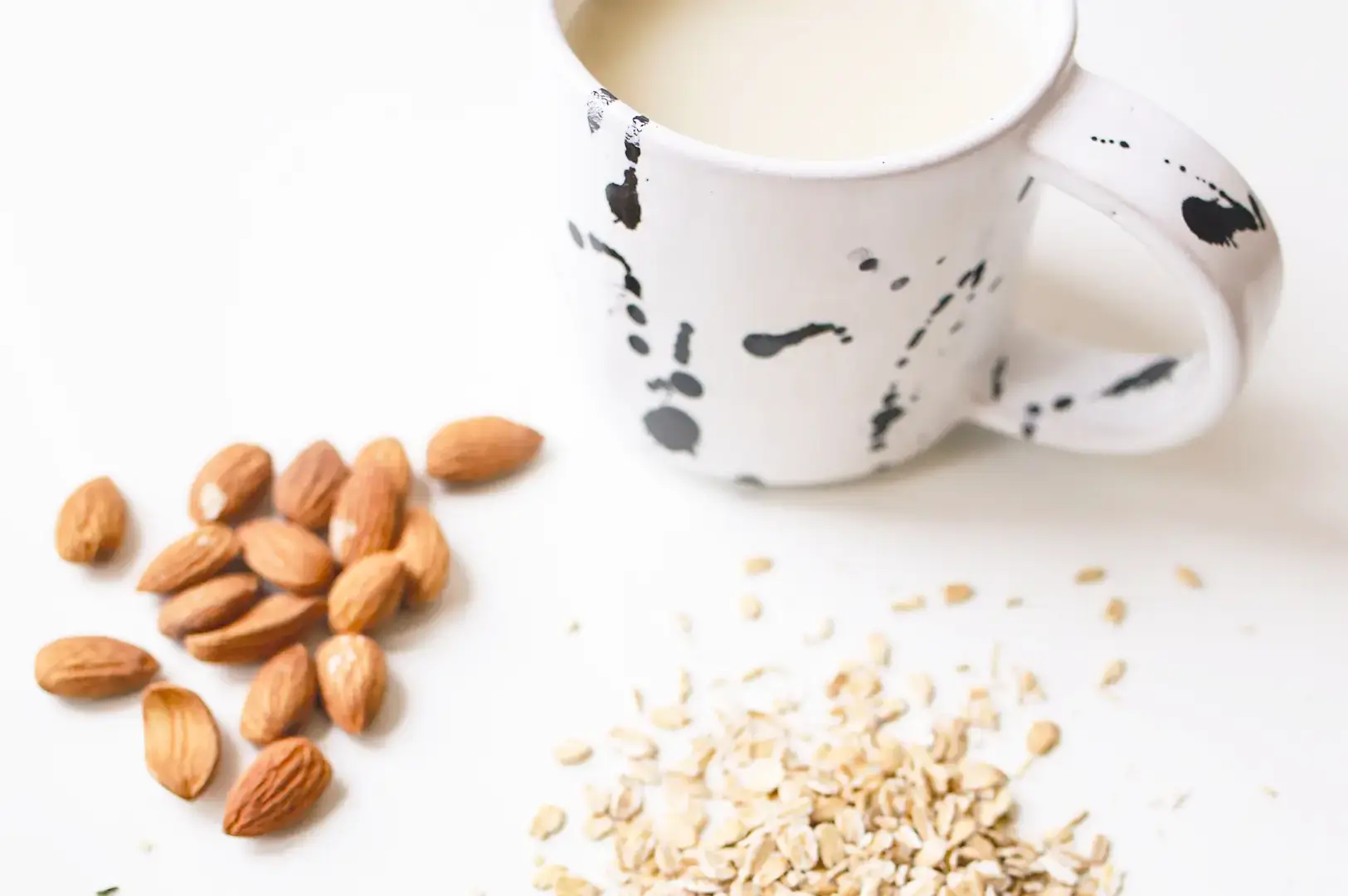
Plant milks are usually kinder to the planet than dairy, but they are not all equal. Almonds need a lot of water to grow, and that shows up in the footprint of almond milk.
Soybeans generally need less water per litre of milk, and oats and rice sit somewhere between. None of this makes any single choice a villain. It simply adds one more factor for anyone choosing between cartons in the aisle.
Soy Milk Wins the Dessert Round, and Here Is Why
Almond milk is light and pleasant, coconut milk is rich but opinionated, and cow’s milk is the benchmark that recipes were written around. Soy milk is the one that most closely matches dairy where it counts, which is protein, body and a flavor that stays out of the way.
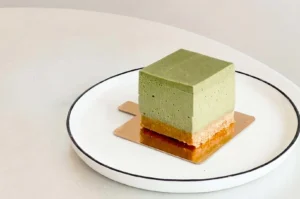
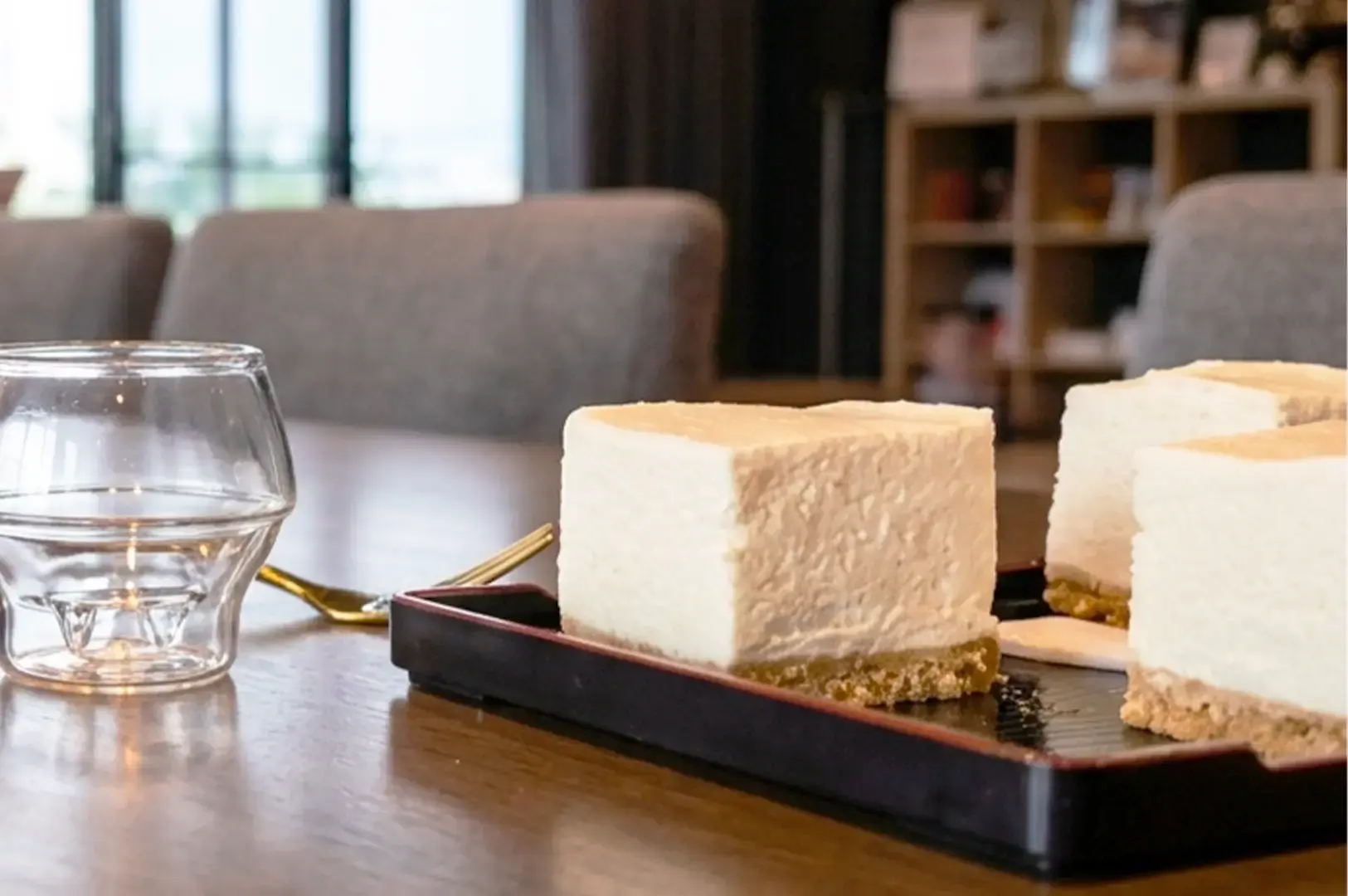
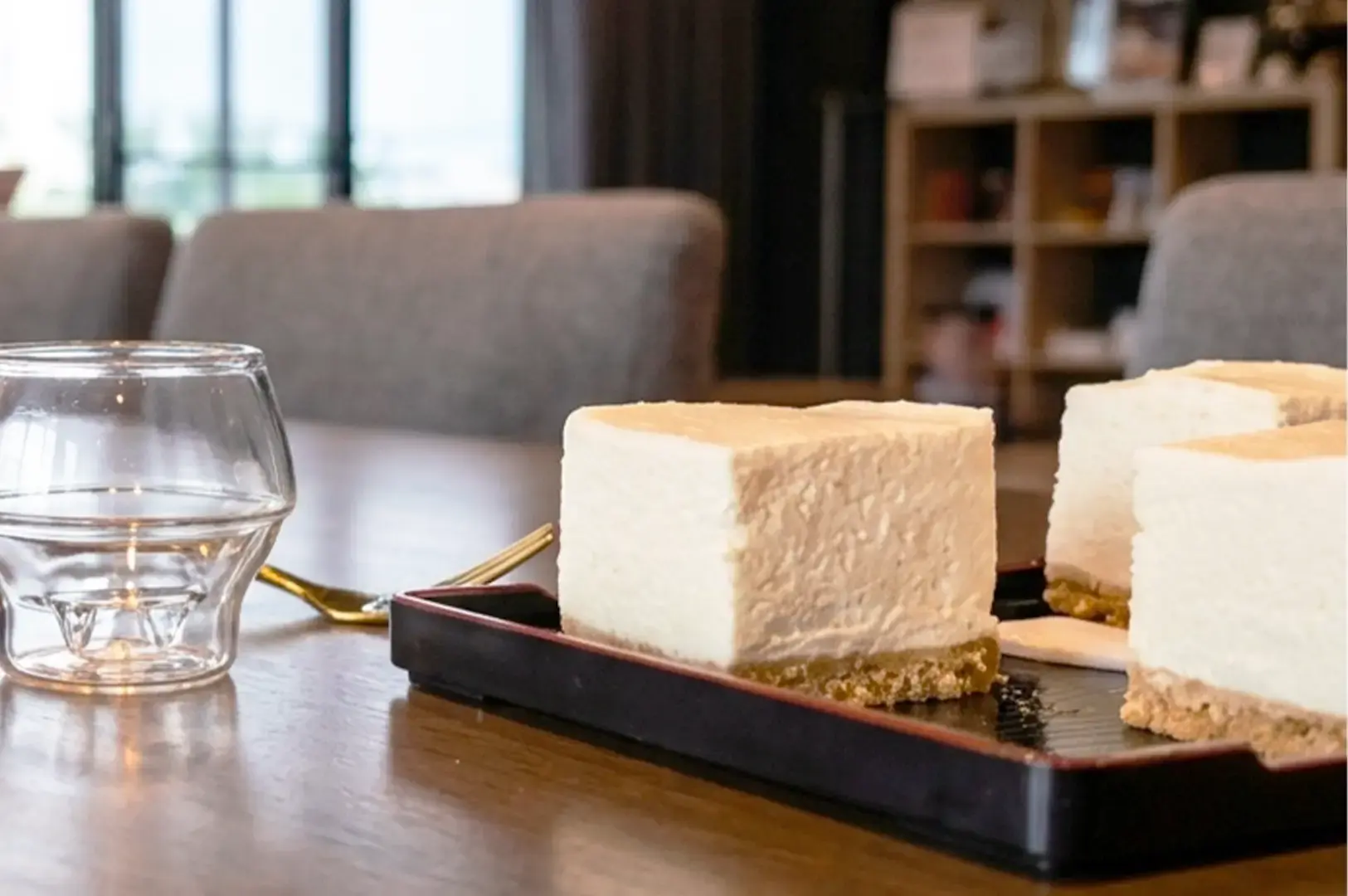
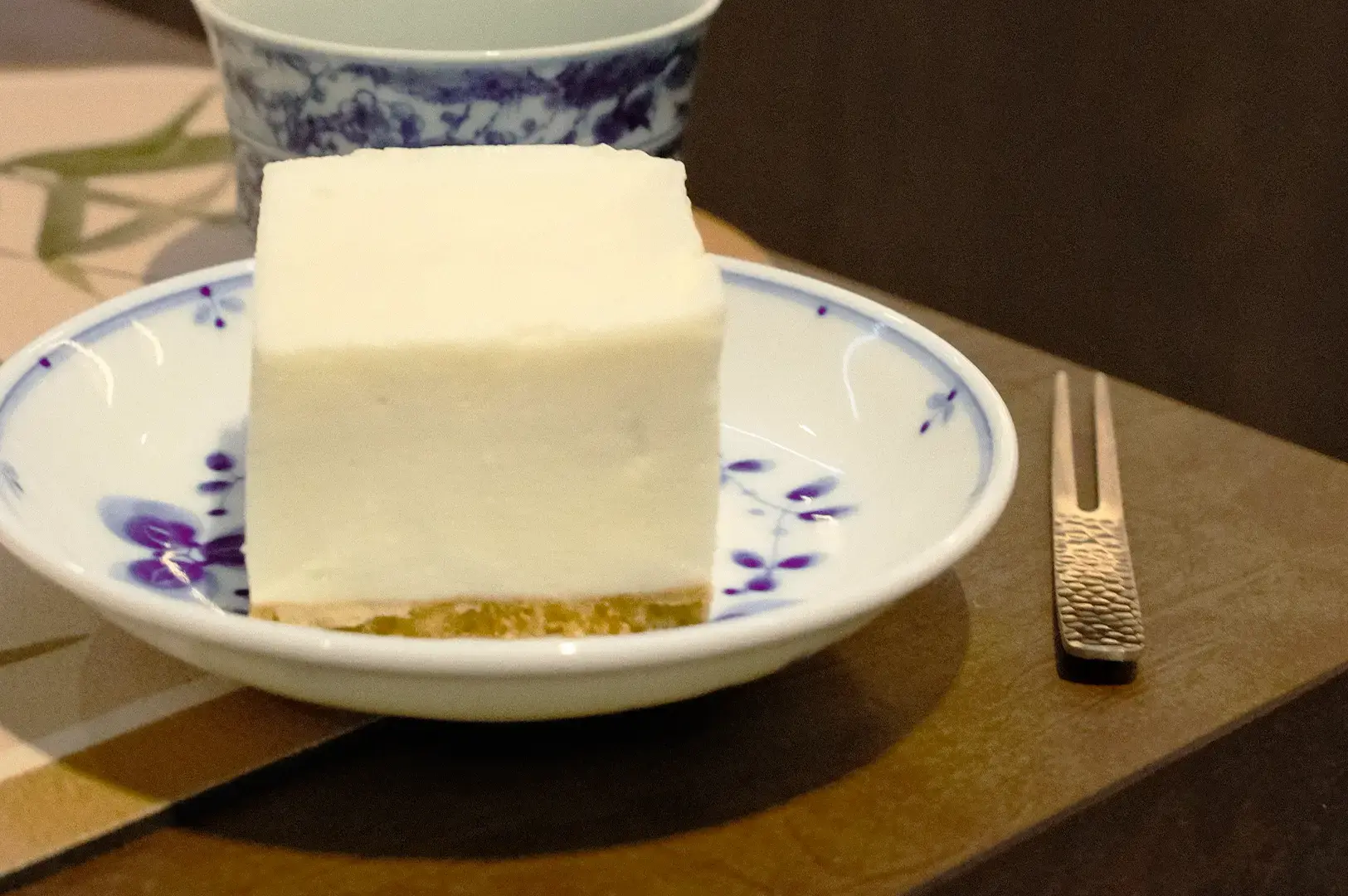
That is the ingredient swap that tends to work, and it is the reason soy milk keeps showing up in kitchens that bake without dairy. For soy milk vs almond milk desserts, the answer comes down to how much structure the recipe needs. At Daizu by Ki-setsu, our soy cheesecakes grew out of this very question, built around the creamy texture soy can deliver when it is given the right job.