A slice of lime-green gelatin with a canned pear half sitting in it. A scoop of mint chip that tasted mostly of toothpaste. A “healthy” spinach brownie that fooled no one. For a long time, that was about the range of green desserts, and nobody was fighting over the last bite.
Then matcha started turning up in cakes, soft serve, cookies and lattes, and green desserts suddenly had a following. The change is worth a closer look, because the colour was never really the point.
Why Green Desserts Had Such a Rough Reputation
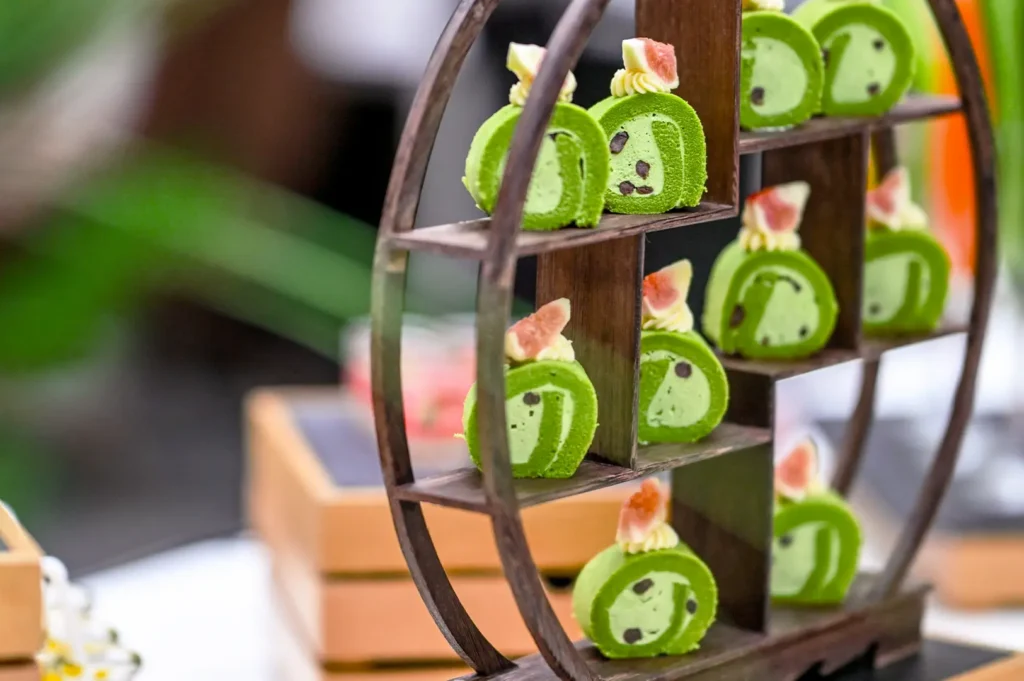
Green in the dessert world used to mean one of two things: artificial or virtuous. Artificial meant food dye and a flavour that vaguely suggested apple or lime. Virtuous meant vegetables hidden in something sweet, with the promise that it was good for you.
Neither one made a strong case for itself. The first looked more interesting than it tasted, and the second tasted like a compromise. Dessert is supposed to be a reward, and green rarely felt like one.
There were exceptions, of course. Pandan has been quietly excellent for generations across Southeast Asia, and pistachio has always had its loyal fans. But as a general category, green desserts had an image problem that no amount of clever plating was going to fix.
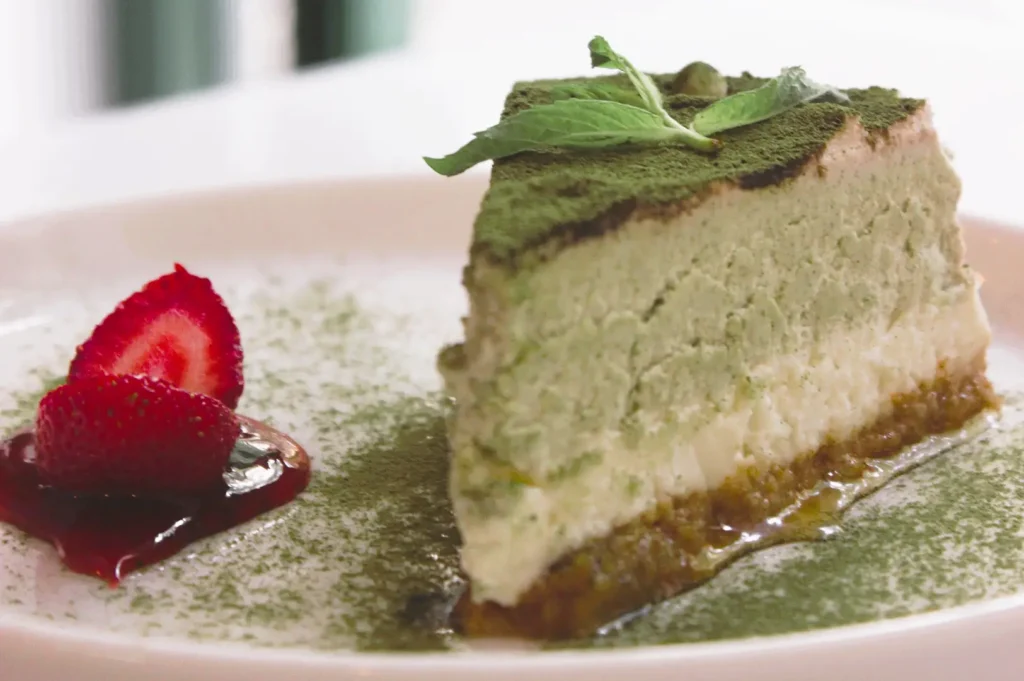
Matcha did not fix the image problem by being green. It fixed it by tasting like something.
Shade-Grown Leaves, Ground Whole
Matcha starts with tea plants that are shaded for a few weeks before harvest. That shading pushes the leaves to produce more chlorophyll, which gives the deep green colour, and more of the amino acids that make the flavour rounder and sweeter. The leaves are then dried and ground into a very fine powder.
That last part matters. Regular tea is steeped, and the leaves get thrown out. Matcha is eaten or drunk whole, so everything the leaf has to offer ends up in the cup or the cake.
Bitter, Sweet, and a Little Savoury
Good matcha does not taste like one thing. There is a grassy freshness, a gentle bitterness, a touch of sweetness, and an almost savoury depth that Japanese cooks often call umami.
That mix is exactly what a dessert needs. Sugar on its own is flat. Sugar with a slightly bitter, slightly savoury edge keeps the palate interested from the first forkful to the last.
How Matcha Made Green Desserts Worth Ordering
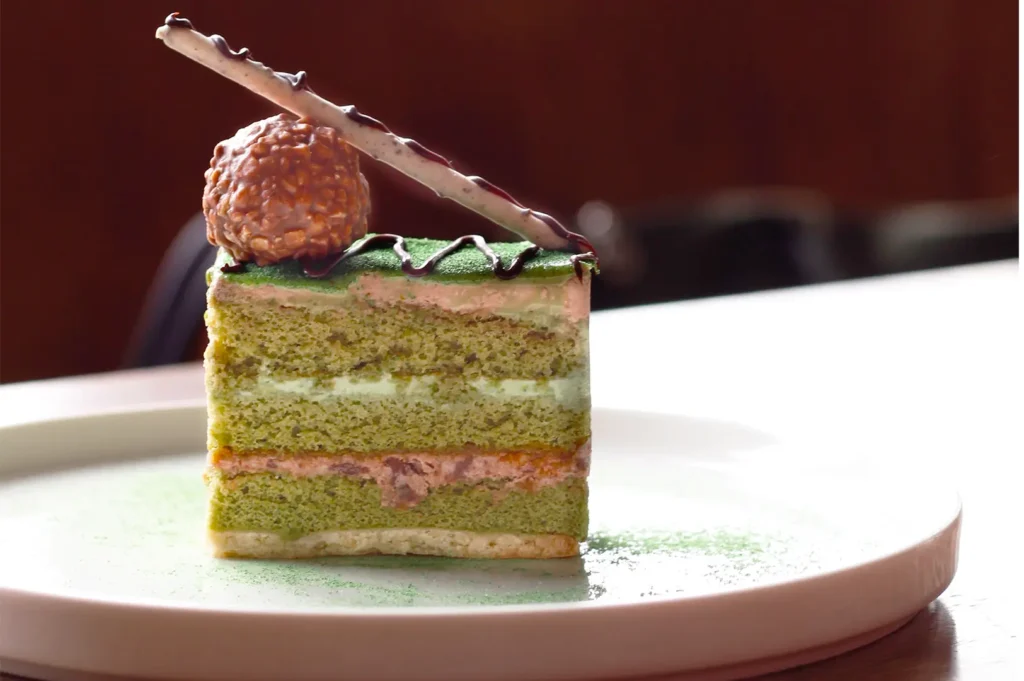
Once pastry chefs and home bakers noticed that matcha could hold its own, it spread quickly. It works in cold things, like ice cream and mousse, and in baked things, like cookies and cakes. It also works in drinks, which is how plenty of people first met it.
Part of the appeal is how well matcha plays with fat and sweetness. Cream, butter, white chocolate and cheese all soften its bitterness without hiding it. The matcha, in turn, stops those rich ingredients from feeling heavy.
Colour helps too, and not in a gimmicky way. A good matcha dessert has a natural, muted green that looks more like a garden than a highlighter pen. It signals quality before anyone has taken a bite.
There is a catch worth knowing, though. Matcha is sensitive to heat and light, and long exposure can dull the colour and flatten the flavour. That is why the best matcha bakes are usually gentle ones, with careful temperatures and short times.
Why Soy and Matcha Get Along So Well
Soy has a long history in Japanese sweets. Kinako, which is roasted soybean flour, shows up in traditional confections, and soy-based ingredients are common across the cuisine. Pairing them with green tea is not a trend so much as an old habit.
The reason it works is simple. Soy brings a mild, nutty creaminess that does not compete with matcha’s grassy notes. Dairy-heavy desserts can sometimes bury delicate tea flavours under a lot of tang or richness, while soy leaves room for them.
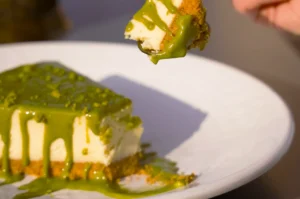
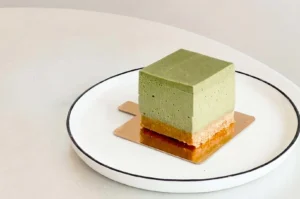
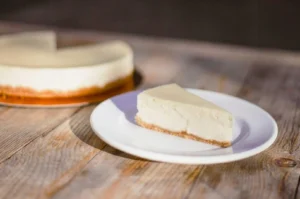
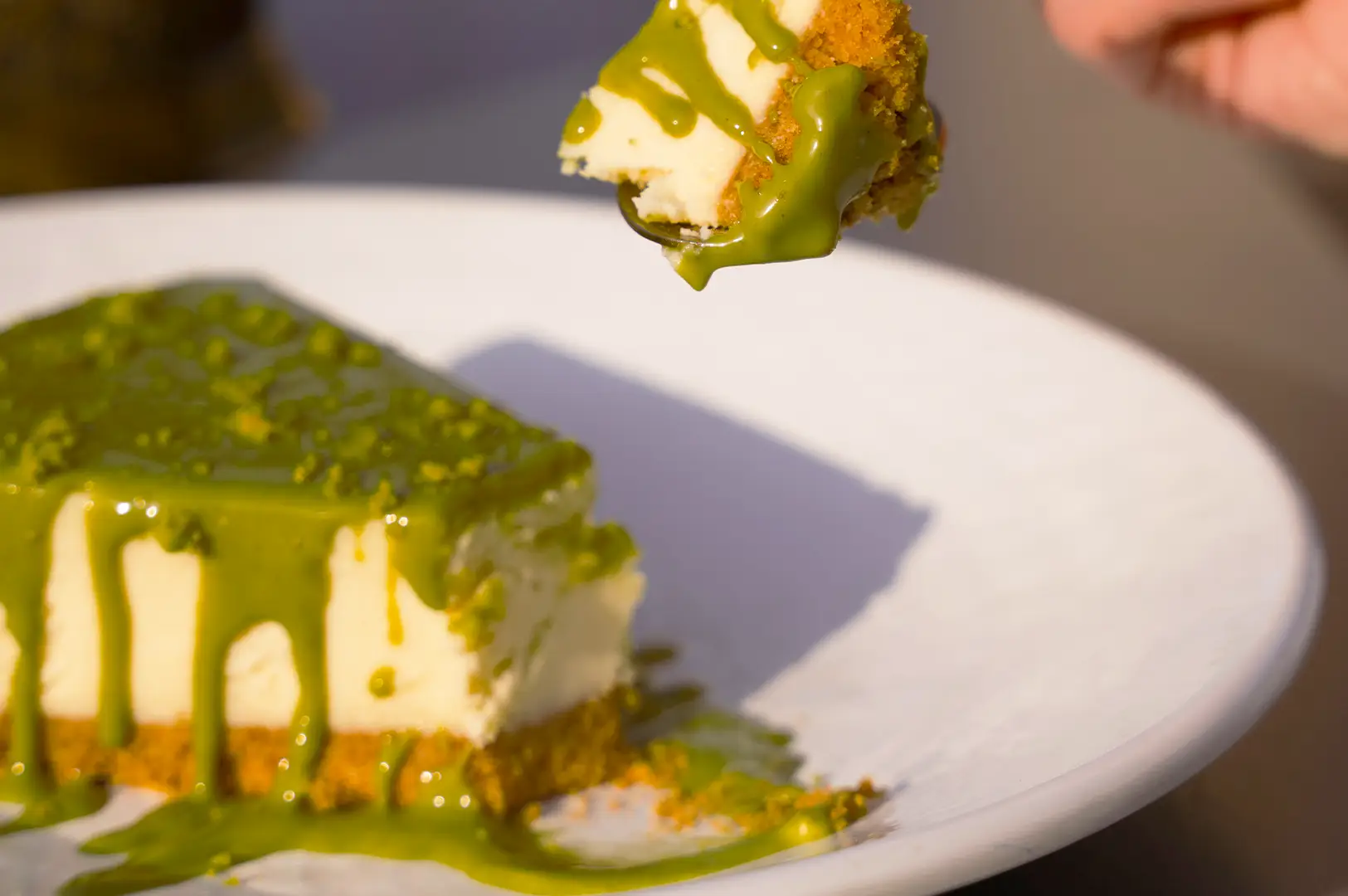
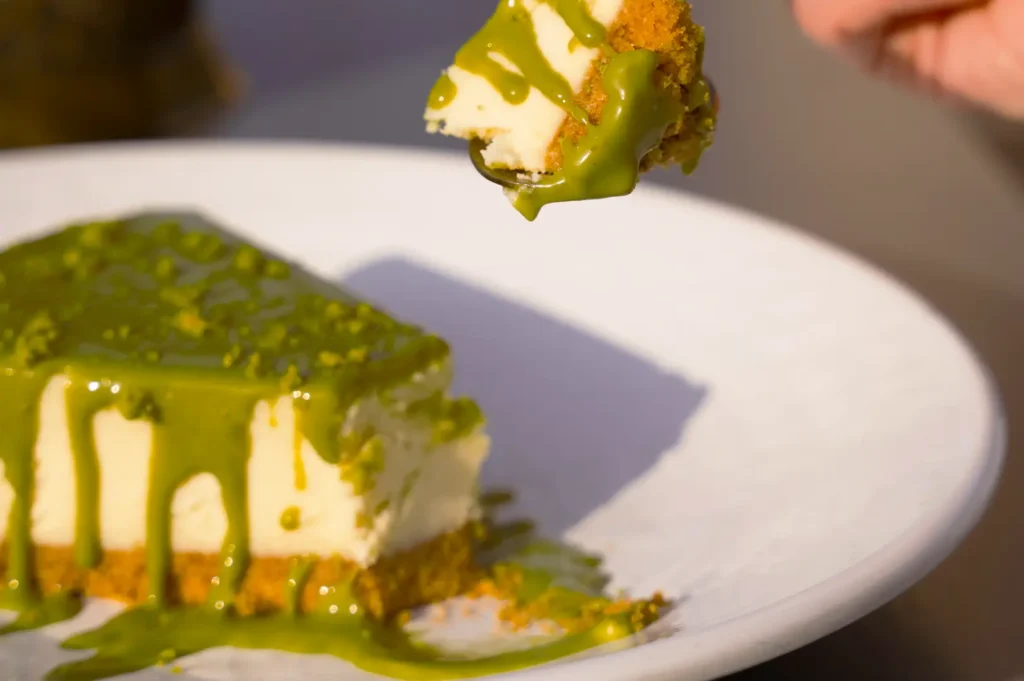
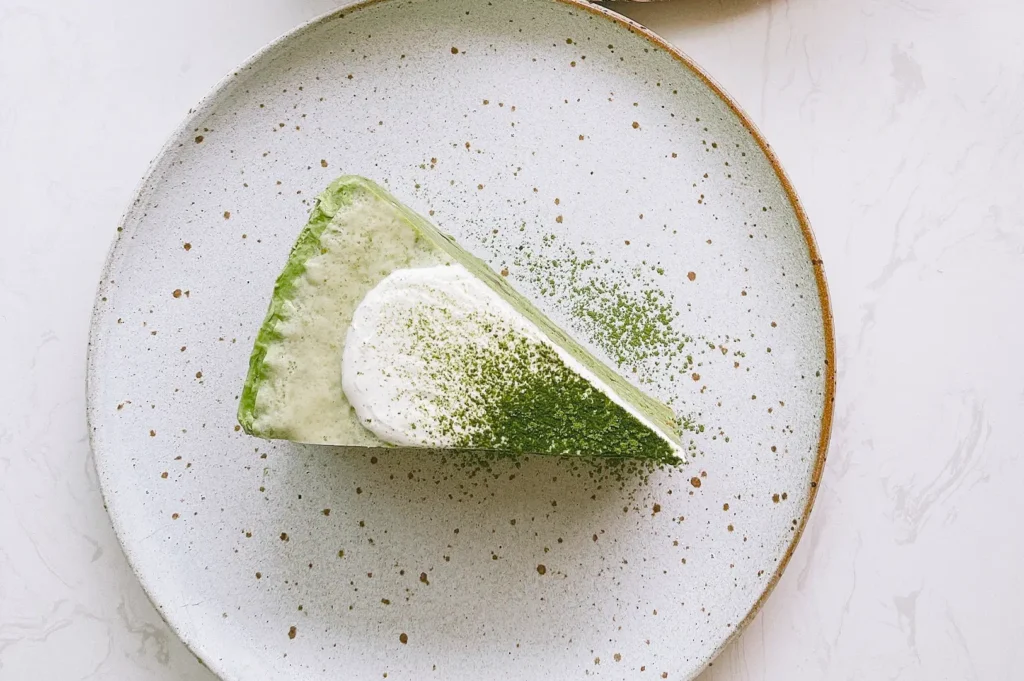
That makes soy cheesecake a natural home for matcha. The texture stays soft and smooth, the flavour stays clean, and the tea comes through as the lead rather than a background note.
Green Desserts Stopped Being Boring Once They Had Something to Say
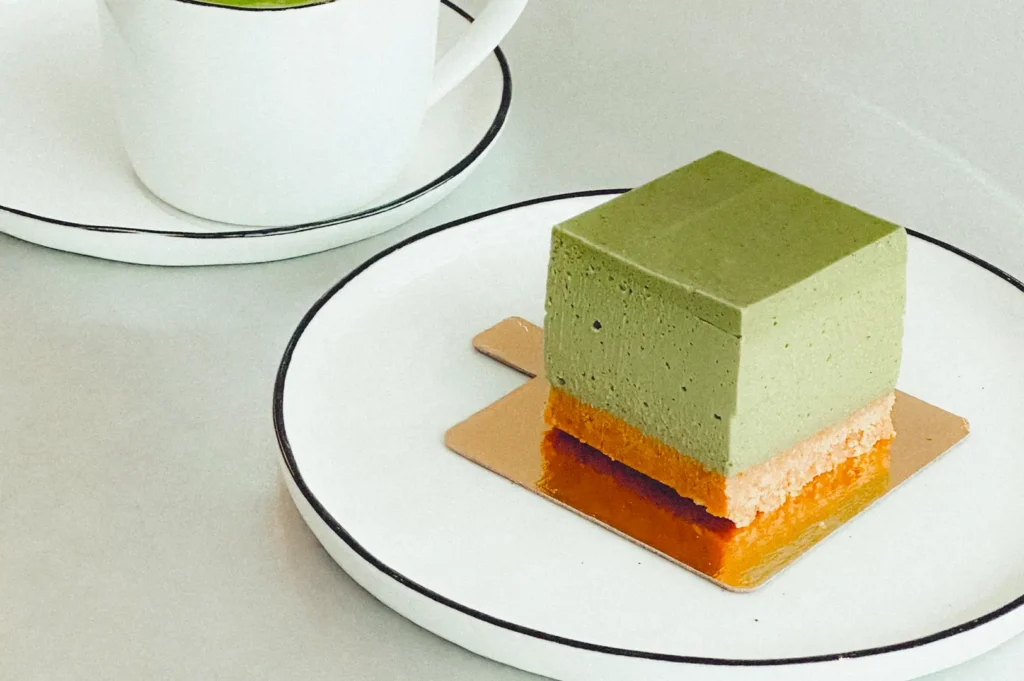
So what changed? Matcha gave green desserts a personality. It brought a real flavour, a natural colour and a balance of sweet and bitter that made people want a second slice.
The old green desserts asked for forgiveness. Matcha desserts do not need to. They just taste good, and the colour is a bonus.
For anyone curious about how well matcha and soy actually work together, we make Japanese soy cheesecakes at Daizu by Ki-setsu, and a matcha version is a natural place to start. It is a good way to taste for yourself what a green dessert can be when the flavour does the talking.