The rich, dense feel of cheesecake is often credited to dairy fat. But can plants achieve the same effect?
It’s a common misconception that plant-based alternatives lead to a watery mouthfeel. As we previously discussed in Is Soybean Cheesecake Healthy? Nutrition Facts Explained, with technical precision, soy can deliver a substantial yet clean density. The key difference lies in how proteins and lipids behave during baking. This isn’t just a mimicry of dairy; it’s a different structural approach that offers a balanced, lighter finish.
How Soy Proteins Mimic the Structural Integrity of Dairy
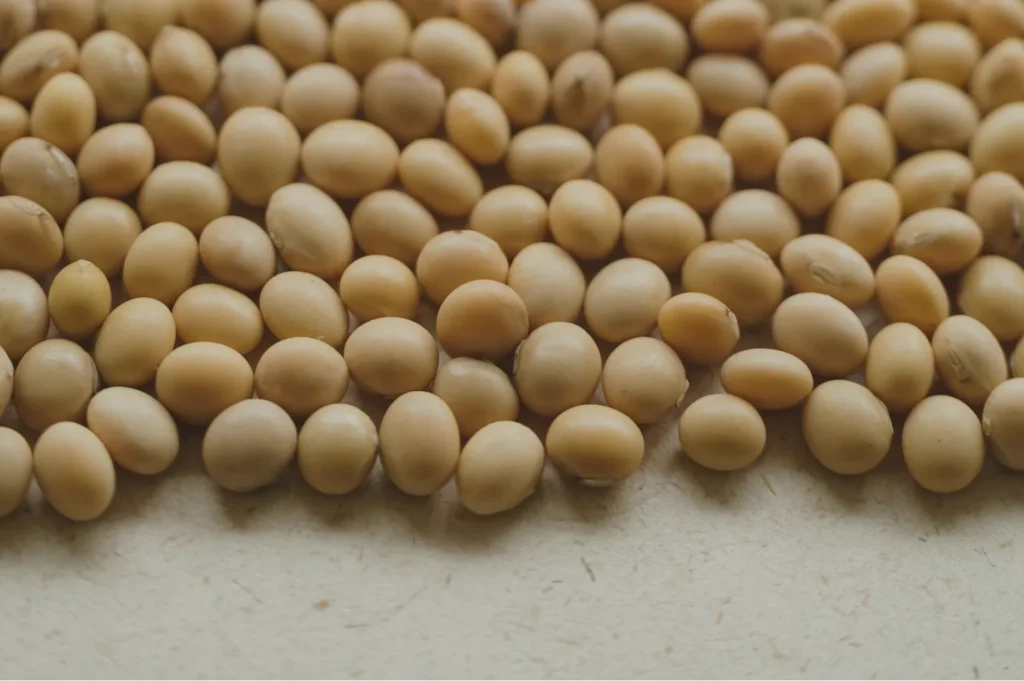
Structural integrity in a cheesecake is the result of protein coagulation. In a traditional dairy based batter, the proteins in the eggs and cheese bond to create a firm lattice. Soybeans contain a high concentration of globulin proteins which exhibit similar gelling properties when exposed to heat. These proteins can be calibrated to achieve a well structured set that supports its own weight without the need for artificial stabilizers.
The Role of Lipid Melting Points in Defining Mouthfeel
Mouthfeel is largely dictated by the temperature at which fats melt in the oral cavity. Dairy fats have a higher melting point, which creates a lingering, coating sensation on the tongue. While many value this as a marker of richness, it can often lead to richness fatigue where the palate becomes overwhelmed.
Soy lipids possess a lower melting point. This allows the dessert to dissipate more rapidly as it is consumed. This quick release of the structure ensures a clean break on the tongue. It prevents the heavy residue that can obscure subtle flavor notes. This technical distinction is why soy based cheesecakes often feel cleaner rather than just lighter.
Maintaining Textural Consistency Through Soy Emulsification
Textural consistency is the measure of how uniform a dessert feels from the first bite to the last. Emulsification is the process of binding water and fat into a stable mixture. Soy contains natural lecithin, a powerful emulsifier that helps maintain a smooth, air light suspension of ingredients.
This natural advantage allows the batter to remain cohesive during the thermal transition in the oven. It prevents the separation of fats that can lead to a greasy surface or a wet base. By leveraging these inherent properties, a maker can achieve a density profile that is perfectly even throughout the entire slice.
Why Plant Based Foundations Offer a More Balanced Finish
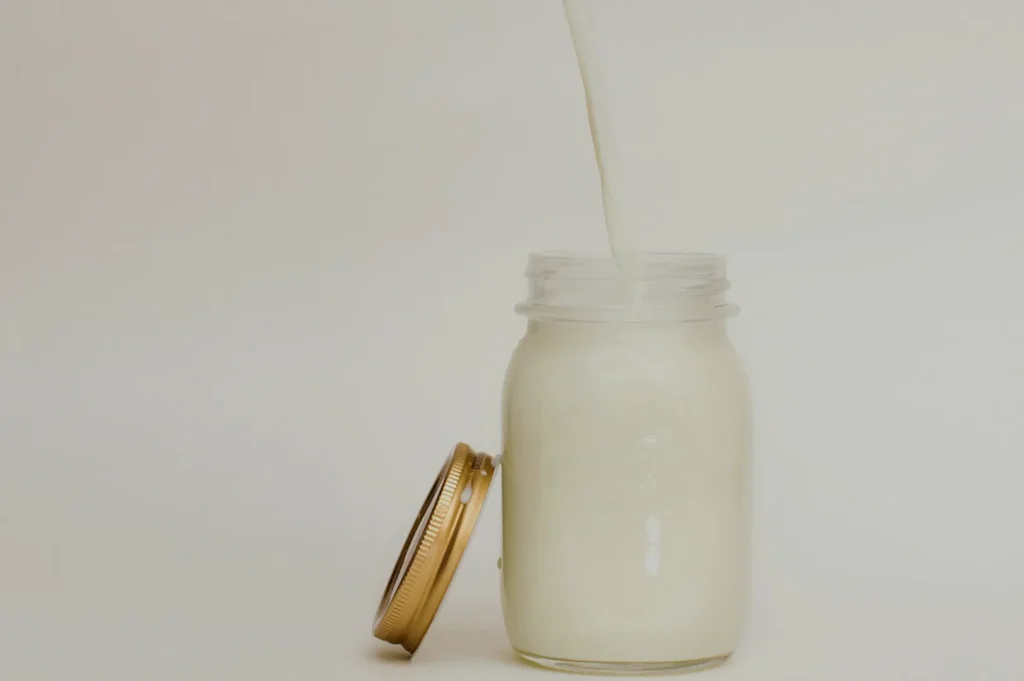
The finish on the palate is the final sensory impression of the dessert. A dairy heavy cheesecake often finishes with a thick, creamy note that stays on the taste buds. A soy silk foundation produces a balanced finish that is brief and refreshing. This is particularly beneficial when the dessert is part of a larger multi course experience.
The absence of heavy animal proteins allows the natural acidity of the cheese and the subtle nuttiness of the soy to remain distinct. The palate is not masked by a layer of fat. Instead, the taster experiences a clear, linear progression of flavors. This clarity is a direct result of the refined structural integrity provided by the soy.
Managing Palate Weight for a Sophisticated Experience
Palate weight refers to the perceived heaviness of the dessert in the mouth. High palate weight is often mistaken for high quality, but in modern pastry, sophistication is found in restraint. Soy silk allows the maker to control this weight with extreme precision.
By adjusting the ratio of soy to dairy, one can create a dessert that satisfies the appetite without burdening the system. This lighter interpretation of a classic profile is a response to a more informed consumer base. These individuals prioritize the technical intelligence of the bake over sheer volume or excess.
Achieving a Composed Texture Without Gummy Stabilizers
Many commercial plant based desserts rely on gums and starches to recreate the body of dairy. These additives often result in a gummy or artificial mouthfeel. A technically sound soy cheesecake avoids these shortcuts. It relies on the natural protein density of the bean itself.
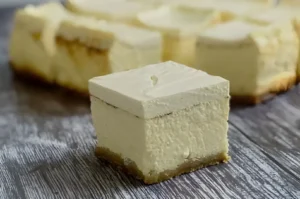
When the soy is properly integrated, the texture feels intentional and honest. It yields to the fork with the same gentle resistance as a traditional custard. This level of craftsmanship ensures that the mouthfeel remains the focus of the experience. It proves that plants can indeed deliver a superior sensory outcome when treated with professional rigor.
Finding the Equilibrium Between Soy Silk and Dairy Density
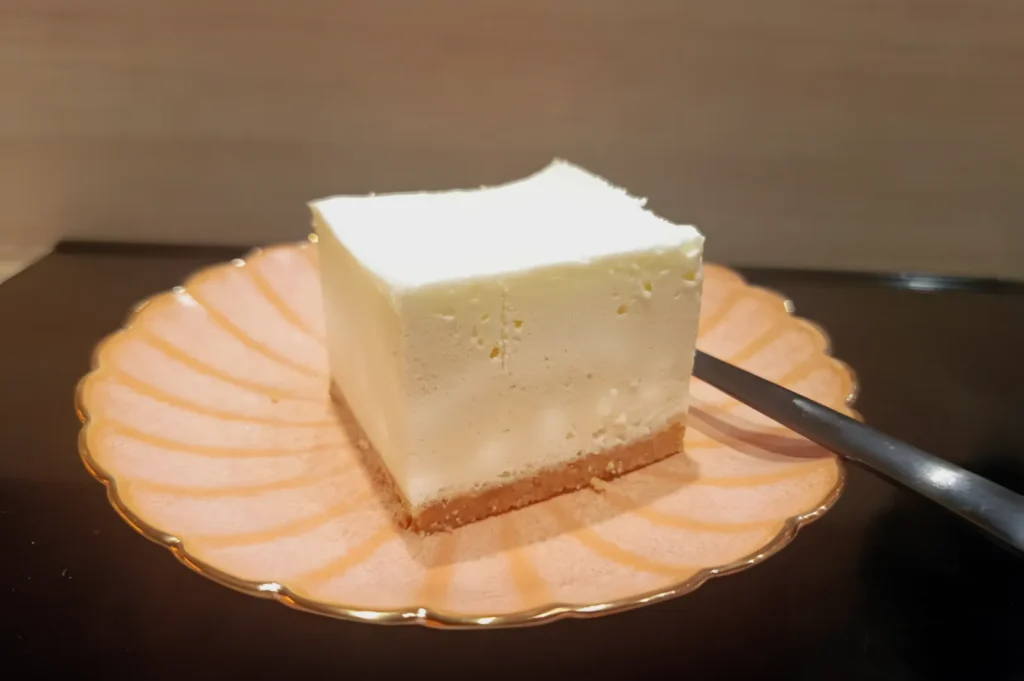
The question is not whether plants can deliver the same mouthfeel as dairy, but rather how they can improve upon it. The integration of soy silk provides a refined alternative to the traditional density profile. It offers a way to achieve a composed texture while significantly reducing the risk of richness fatigue. This equilibrium is what defines the next generation of premium desserts.
A well structured cheesecake should be a study in balance. It must possess enough density to feel luxurious, yet enough silkiness to remain approachable. By understanding the chemical and physical properties of both dairy and soy, a maker can create a product that transcends the limitations of a single ingredient.
At Daizu by Ki-setsu, we have dedicated ourselves to mastering this intersection of textures. We recognize that soy silk is not a substitute, but a foundational element that allows for a different structural approach. We provide a lighter interpretation of the cheesecake by carefully calibrating our soy based base to achieve a balanced finish and an impeccable mouthfeel. Our process is focused on technical precision and the pursuit of a cleaner finish on the palate. By choosing Daizu by Ki-setsu, the diner experiences a dessert that respects the tradition of dairy density while embracing the refined silkiness of soy.