Someone orders cheesecake at the end of a long dinner and another guest raises an eyebrow, half joking, half not. Everything else on the table has been carefully plated and photographed. Cheesecake just sits there, pale and unbothered, like it didn’t get the memo about trying hard.
That reaction says more about expectations than it does about the dessert itself. Cheesecake has a strange reputation. It looks simple, sometimes almost plain, yet it shows up at weddings, tasting menus, and birthday tables with the same confidence as anything more elaborate. So which is it? Is cheesecake a flex dressed up in a modest outfit, or is it genuinely just good on its own terms?
The Dessert That Refuses to Perform
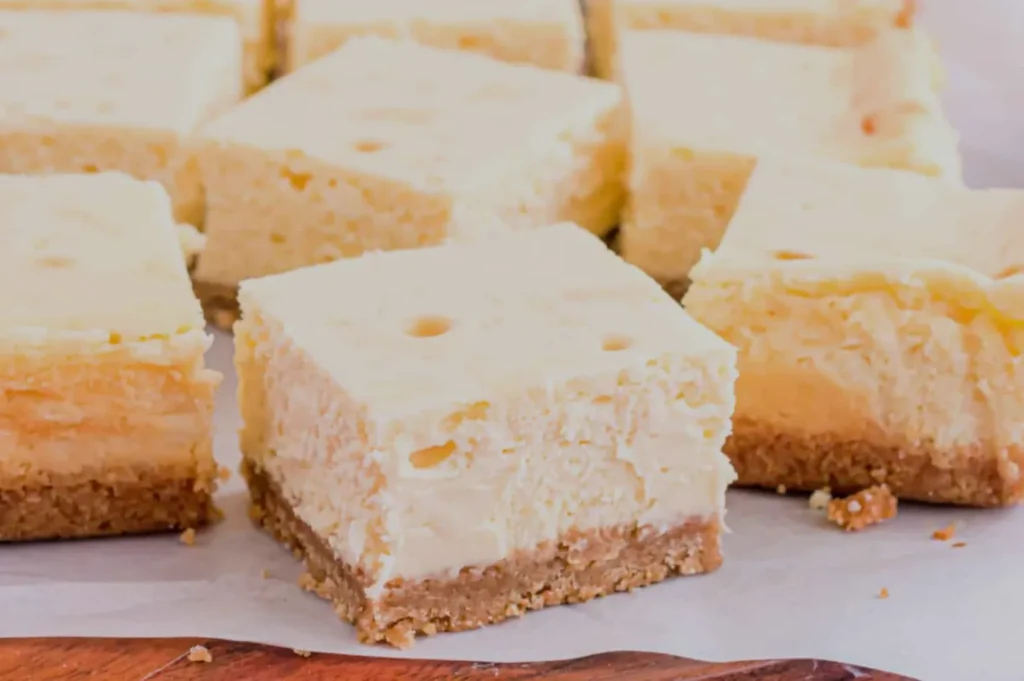
Most showstopper desserts announce themselves. Height, layers, a sauce poured tableside, something that needs a spoon tap and a small speech. Cheesecake does none of that.
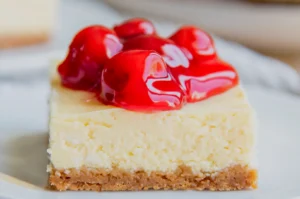
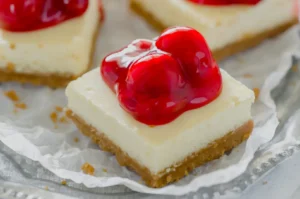
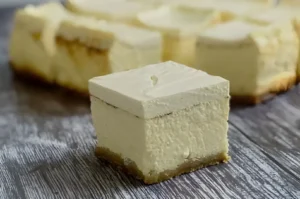
It arrives flat, round, and quiet. There’s no architecture to admire before the first bite, no reveal. Whatever it has to offer is already happening on the inside, which is a strange thing for a dessert people still associate with special occasions.
That contrast is worth sitting with. A dessert can command a table without a single visual trick, and cheesecake has been doing exactly that for decades.
What's Actually Happening Under That Plain Surface
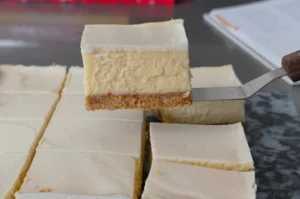
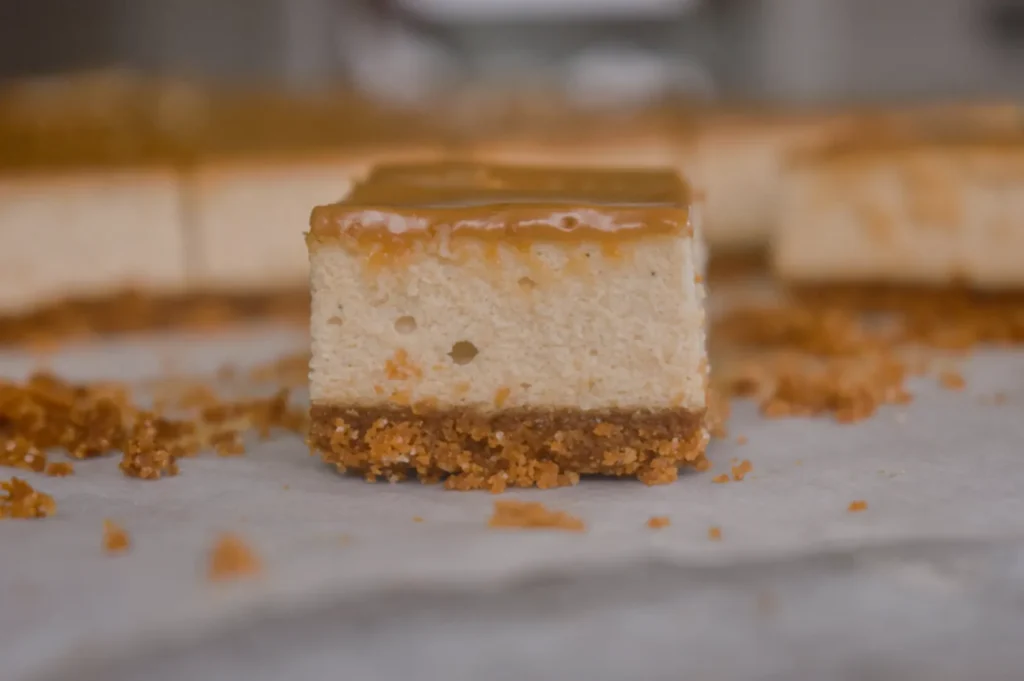
The reason cheesecake doesn’t need decoration is that the interior is doing all the work. Texture is the entire performance, and it happens to be the clearest sign of the quality of cheesecake on offer. A well made cheesecake shifts from a slight resistance at the edge to something closer to custard in the middle, and that range is difficult to fake.
Flavour follows the same logic. There’s no forest of toppings hiding a weak base, because a weak base has nowhere to hide. The tang of the cheese, the way sugar is balanced against it, the faint presence of egg, all of it sits right there, unobscured.
| What people expect from showy desserts | What cheesecake actually offers |
|---|---|
| Visual complexity | Textural complexity |
| Multiple components | One component, done precisely |
| Instant impression | Impression that builds bite by bite |
| Decoration to distract | Nothing to distract with |
That table isn’t a knock against desserts with more moving parts. It’s just a reminder that impressiveness can take more than one shape.
Why People Still Read It as Showing Off
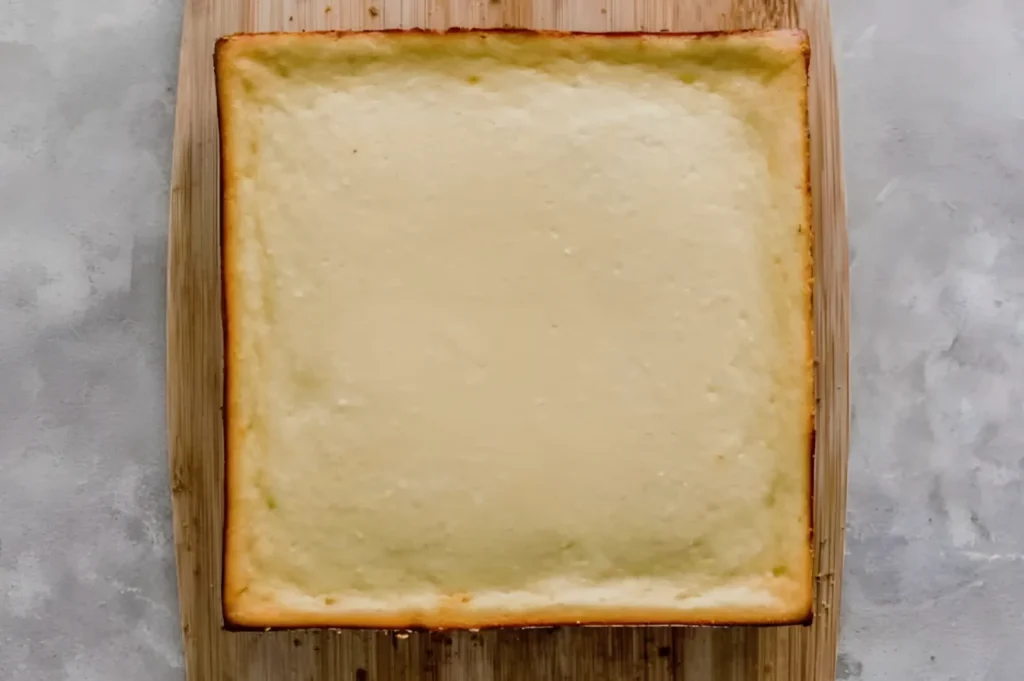
Somewhere along the way, cheesecake picked up an association with indulgence and price. Cheesecake slices at certain restaurants cost more than a full dessert menu at others, and thick New York style versions became shorthand for richness as a flex.
That reputation has less to do with the dessert and more to do with how it’s been marketed. Dense, tall, heavy, expensive, these are the words attached to cheesecake in a lot of people’s minds, even before they’ve tasted one.
Lighter styles complicate that story on purpose. A cheesecake that’s airy rather than dense isn’t trying to look expensive. It’s trying to disappear a little on the tongue, which is closer to restraint than showmanship.
The Ingredients List Doesn't Lie
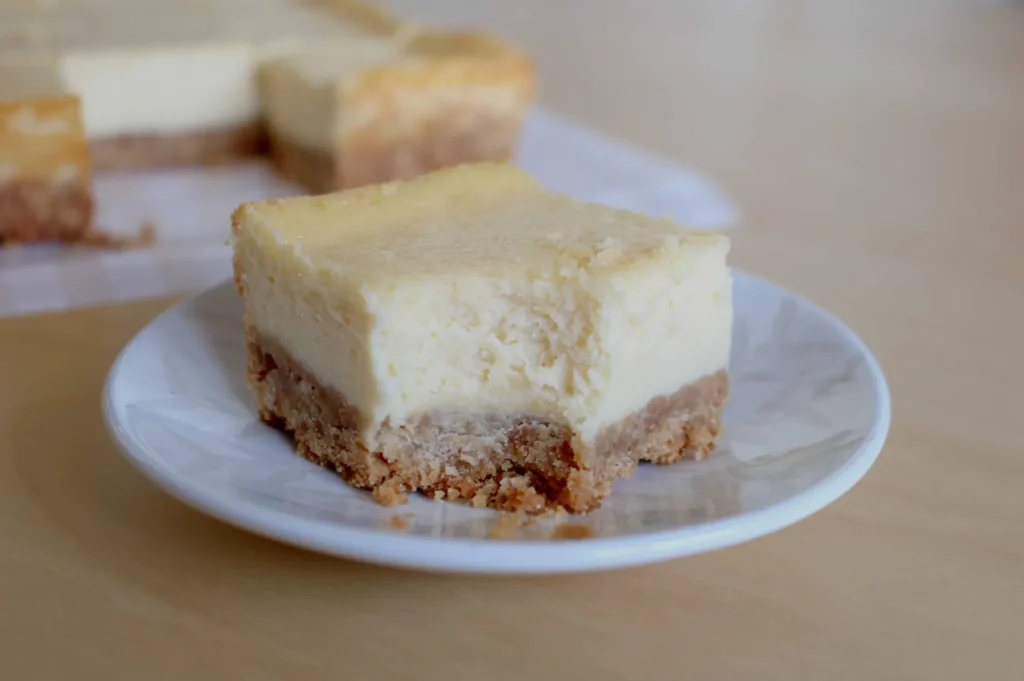
Pull up the ingredients for most cheesecakes and the list is short. Cheese, eggs, sugar, sometimes cream, sometimes a light starch. Nothing exotic, nothing that needs a special trip to source.
Compare that to a dessert built for spectacle, with its gels, its foams, its components made three separate ways before assembly. Cheesecake keeps a small cast and asks each ingredient to do more.
A short ingredient list isn’t a shortcut. It’s a bet that quality will be obvious with nowhere to hide it, which is a much harder bet to win than it sounds.
Quiet Confidence Versus Loud Effort
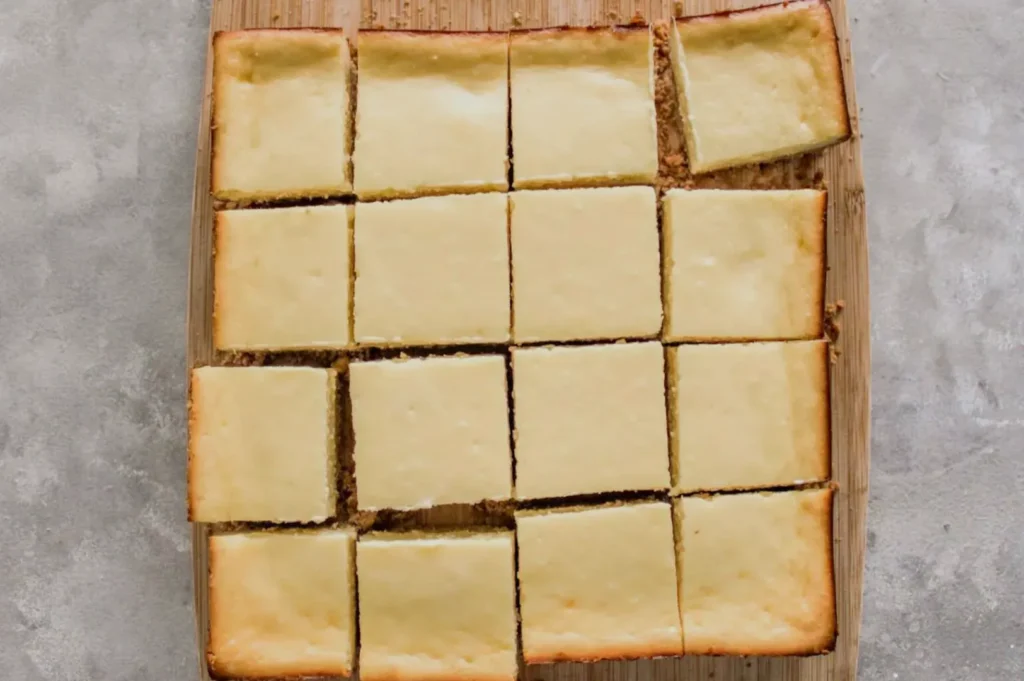
There’s a useful way to think about this. Loud desserts convince through effort that’s visible. Layers took time, garnish took skill, plating took thought, and the diner is meant to notice all of it before the first bite.
Cheesecake convinces through result. Nobody needs to be told the texture is right. Either it holds together with the right amount of give, or it doesn’t, and that judgment happens in the mouth, not the eyes.
That’s really the difference between showing off and being quietly great. One asks to be admired before it’s tasted. The other doesn’t ask for anything, and lets the eating do the convincing.
So, Is Cheesecake Showing Off, or Just Quietly Confident?
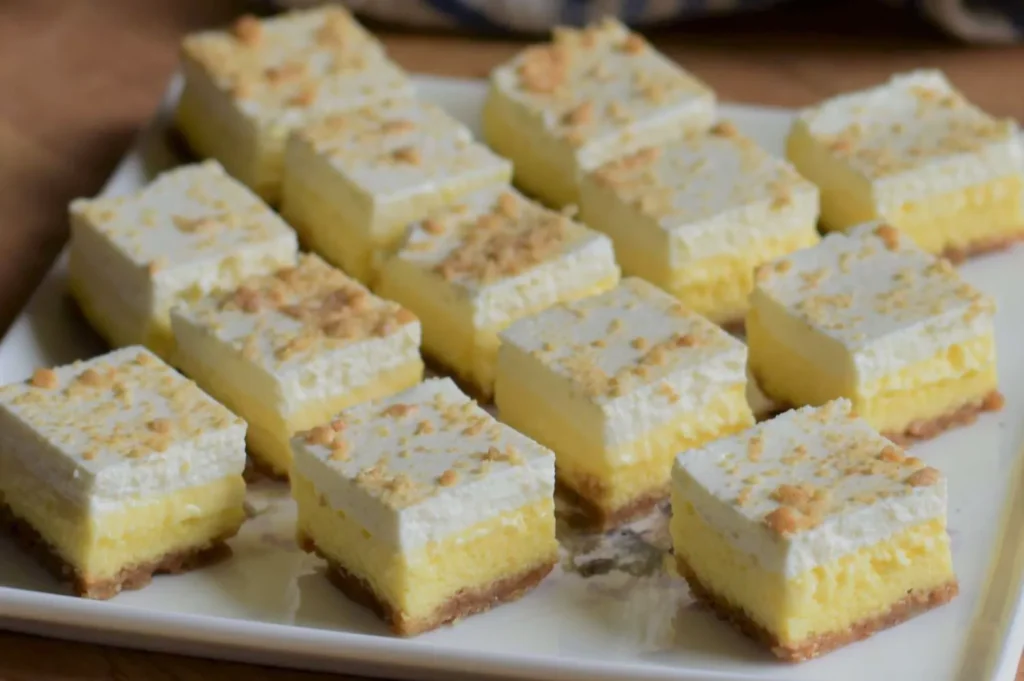
The honest answer sits closer to confidence than performance. A dessert that skips visual tricks and still holds its place next to anything more elaborate isn’t overcompensating. It has simply learned that texture and balance do more convincing than a garnish ever could.
That’s the version of cheesecake worth paying attention to, the one that doesn’t need to raise its voice to be taken seriously. It’s also the version we’ve tried to build at Daizu by Ki-setsu, where the soy based batter is left to speak for itself, light rather than heavy, and judged the same way any quietly great cheesecake should be: by what happens after the first bite, not before it.