
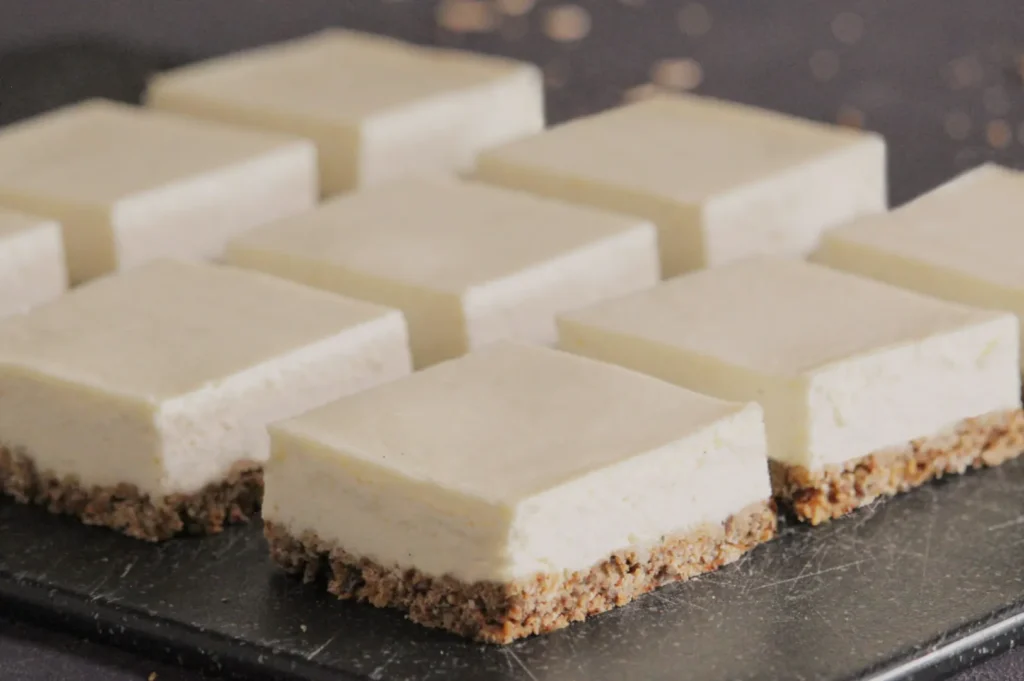
The presence of a legume in a dessert often leads to the immediate assumption that the product is a health supplement rather than a pastry. This perspective oversimplifies the technical reality of modern dessert design. In professional pastry, the integration of soy is a strategic choice used to modify the density profile and structural integrity of the cake.
In the competitive scene to create the best cheesecake in Singapore, for example, using soy can be a game-changer. While the nutritional values of the final product shift when dairy is partially replaced by soy, the result remains a structured dessert that must be evaluated through its specific ingredient ratios.
Whether a soybean cheesecake is considered healthy depends on an objective comparison of its macronutrients against traditional standards.
The Lower Saturated Fat Content
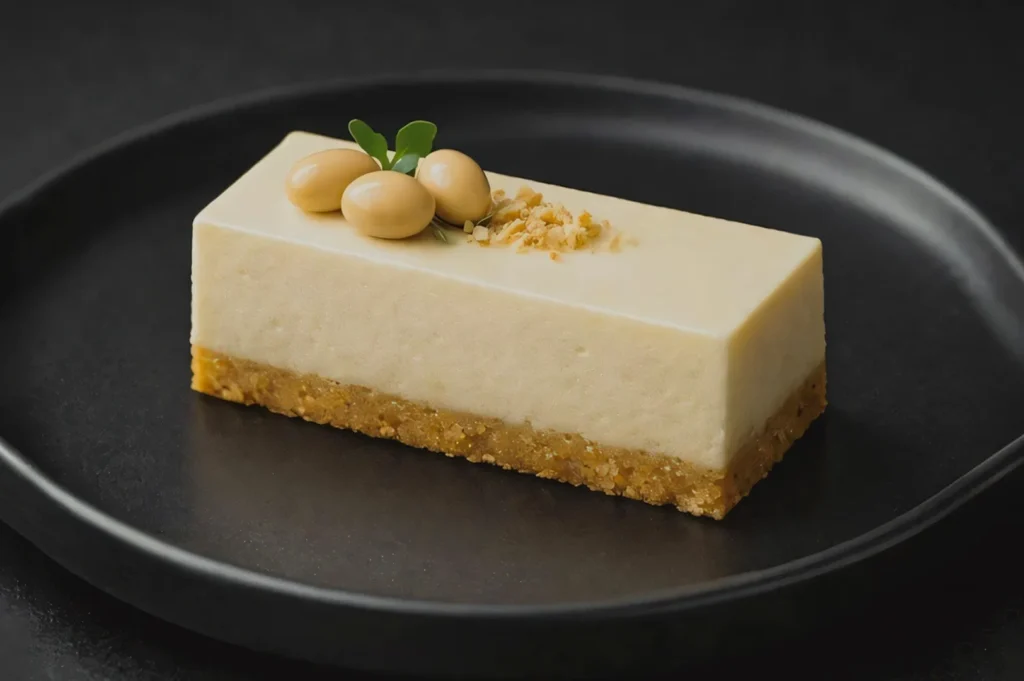
The most immediate nutritional change in a soybean cheesecake is the reduction of bovine-derived saturated fats. Standard cheesecakes are composed largely of cream cheese and heavy cream, which carry a significant lipid load. These saturated fats have a high melting point, which can often leave a coating residue on the tongue and increase the overall caloric density of the slice.
By integrating soybeans, a maker introduces polyunsaturated and monounsaturated fats into the batter. These plant-based lipids have a lower melting point, which facilitates a cleaner mouthfeel and reduces the total cholesterol content of the dessert. This shift does not just affect the nutritional data. It fundamentally changes the finish on the palate, ensuring the richness does not become cloying or heavy.
The Higher Protein Levels
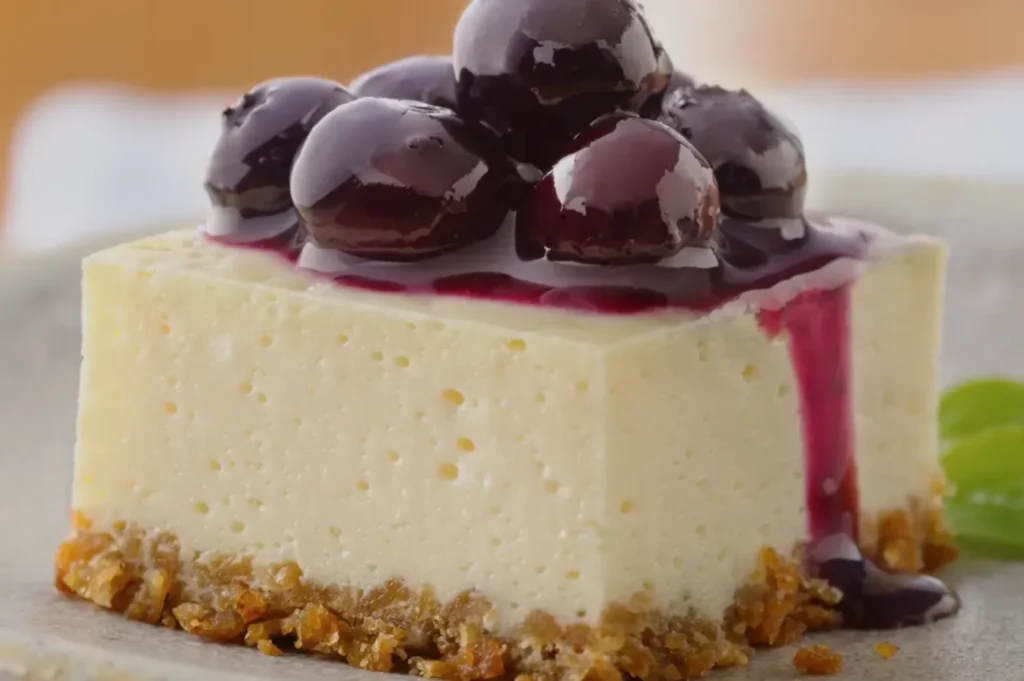
In the architecture of a cheesecake, the set is achieved through a protein network. Soybeans provide a complete plant protein, containing all nine essential amino acids. When these are blended into a cheesecake base, they increase the protein-to-fat ratio, which is typically quite low in dairy-only versions that prioritize lipids for stability.
This increased protein concentration contributes to the structural integrity of the cake without requiring additional heavy dairy solids. From a nutritional standpoint, this means the dessert offers more functional substance per gram. The result is a well-structured cake that provides sensory satisfaction through protein density rather than relying solely on high-fat volume to fill the palate.
The Reduced Sugar and Glycemic Impact
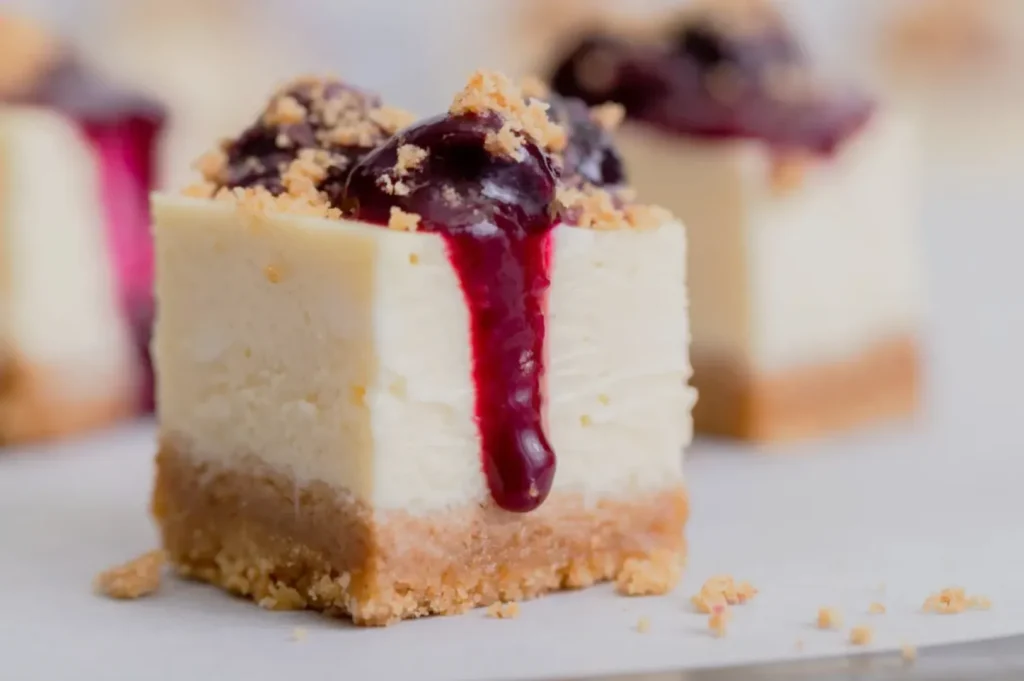
A critical factor in the nutritional evaluation of any dessert is the glycemic impact. Traditional cheesecakes often require high levels of sugar to cut through the extreme richness of the fat and to act as a humectant for moisture retention. Soybeans possess a natural, mild sweetness and a nutty profile that works in harmony with the cheese, necessitating less masking.
Because the flavor profile is more nuanced, the sugar content can be significantly reduced. This reduction is not merely a health-conscious choice but a technical one to prevent sugar from overshadowing the delicate soy notes. A lower sugar concentration results in a more stable glycemic response and prevents the sharp sugar spikes often associated with more indulgent, sugar-heavy traditions.
The Addition of Natural Fiber
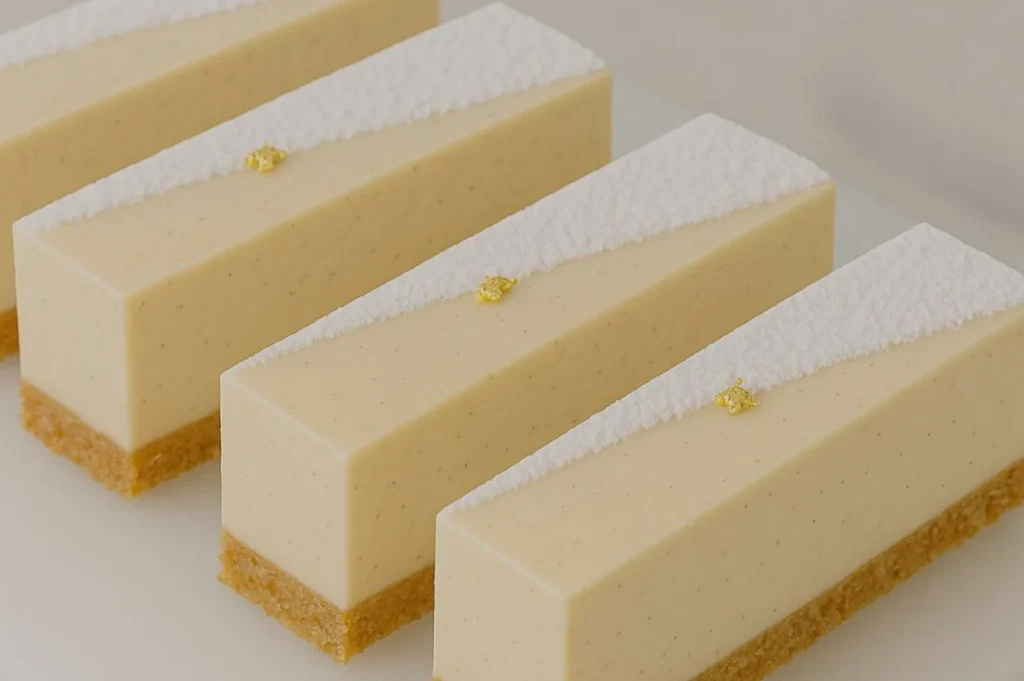
Unlike refined dairy, which is devoid of fiber, soybeans introduce a small but significant amount of dietary fiber and complex carbohydrates to the batter. These components play a vital role in the mouthfeel and the body’s processing of the dessert. Fiber slows the rate of digestion, which enhances the feeling of satiety.
This means that a smaller portion of a soy-based cheesecake can feel as satisfying as a larger portion of a standard cake. The presence of fiber also assists in maintaining the textural consistency of the cake, as it helps to bind moisture naturally. This technical advantage allows for a composed texture that feels substantial and fulfilling without the need for excessive caloric volume.
The Lack of Artificial Fillers
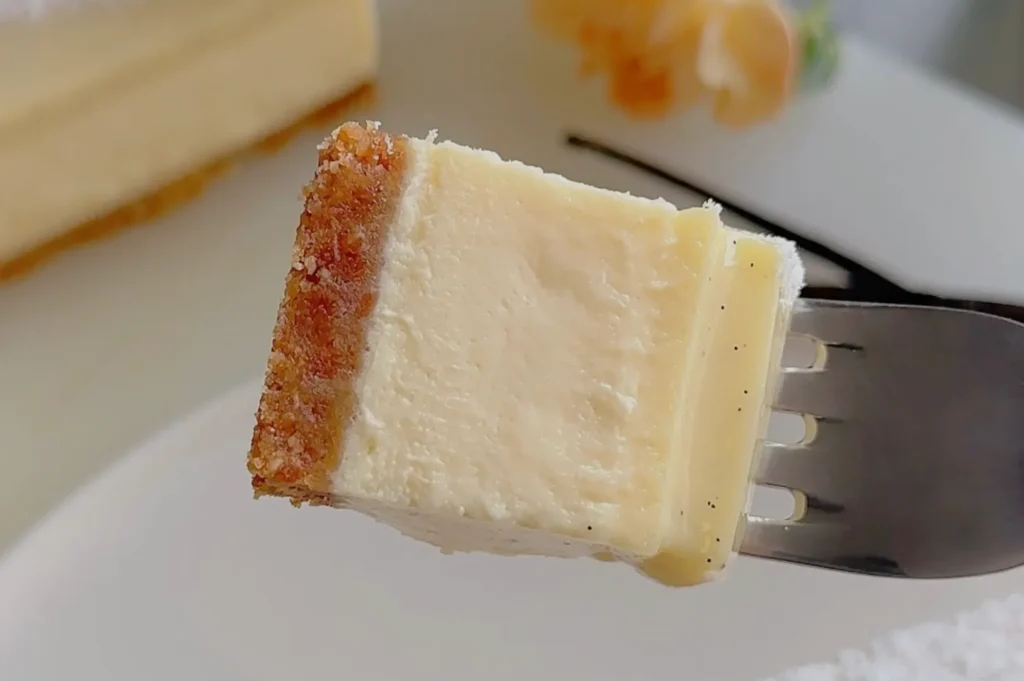
Many mass-produced light cheesecakes achieve a lower calorie count by replacing fats with synthetic thickeners, gums, and stabilizers. These additives often have no nutritional value and can result in a gummy, artificial mouthfeel. A premium soybean cheesecake relies on the mechanical properties of the bean itself to provide body and stability.
This minimalist approach ensures that the nutrition facts remain grounded in whole-food sources. By avoiding unnecessary fillers, the maker focuses on the inherent qualities of the soy and dairy. This results in a cleaner nutritional label and a more honest finish on the palate, where every ingredient contributes both to the structural integrity and the nutritional value of the slice.
The Conclusion on Soybean Cheesecake as a Refined Nutritional Alternative
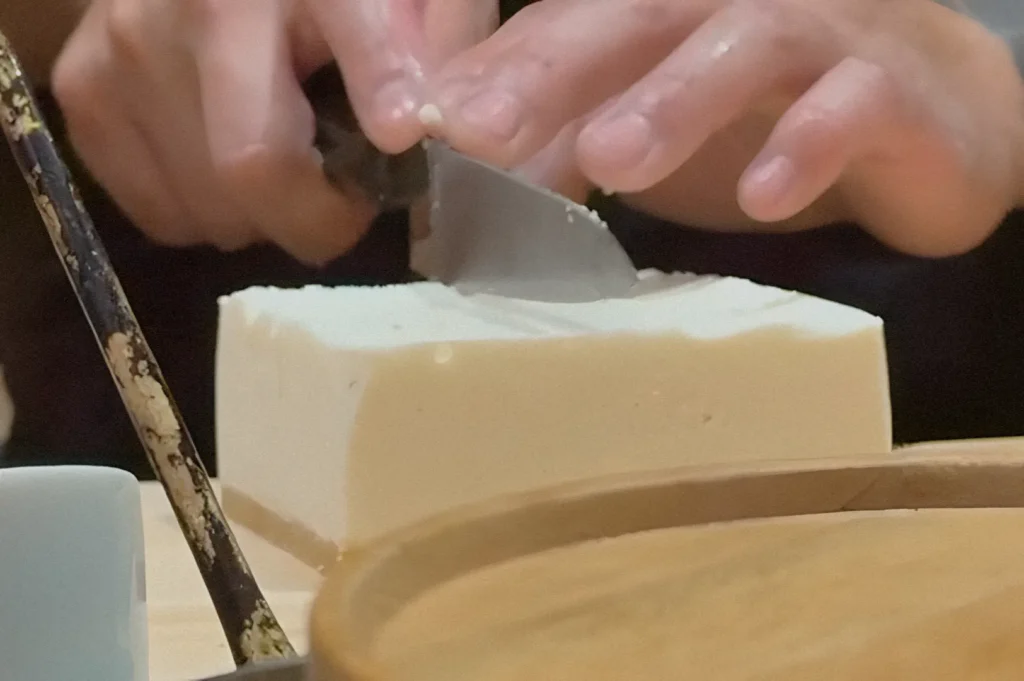
The shift toward soy-integrated desserts is a reflection of a market that values technical excellence and ingredient transparency. While it remains a treat, the soybean cheesecake is objectively more balanced than its traditional counterparts. It trades a portion of saturated animal lipids for plant proteins and fiber, resulting in a dessert that is lighter on the system.
This evolution in the recipe shows a disciplined understanding of how modern materials can improve the sensory experience while offering a more thoughtful nutritional profile. It is an alternative for those who seek the mouthfeel of a high-tier cheesecake but prefer a profile that is less taxing on the palate.
At Daizu by Ki-setsu, we view the nutritional profile of our cakes as a byproduct of our commitment to balance. we offer a refined alternative that prioritizes the structural integrity and technical precision of our soy-integrated recipes. Our approach is a lighter interpretation of the traditional cheesecake, focused on achieving a composed texture and a balanced finish. By incorporating high-quality soybeans, we create a density profile that is naturally more protein-forward and less reliant on excessive saturated fats. Daizu by Ki-setsu represents a disciplined, informed choice for the taster who appreciates the technical nuances of a cleaner, more thoughtful dessert.