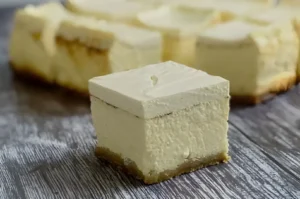
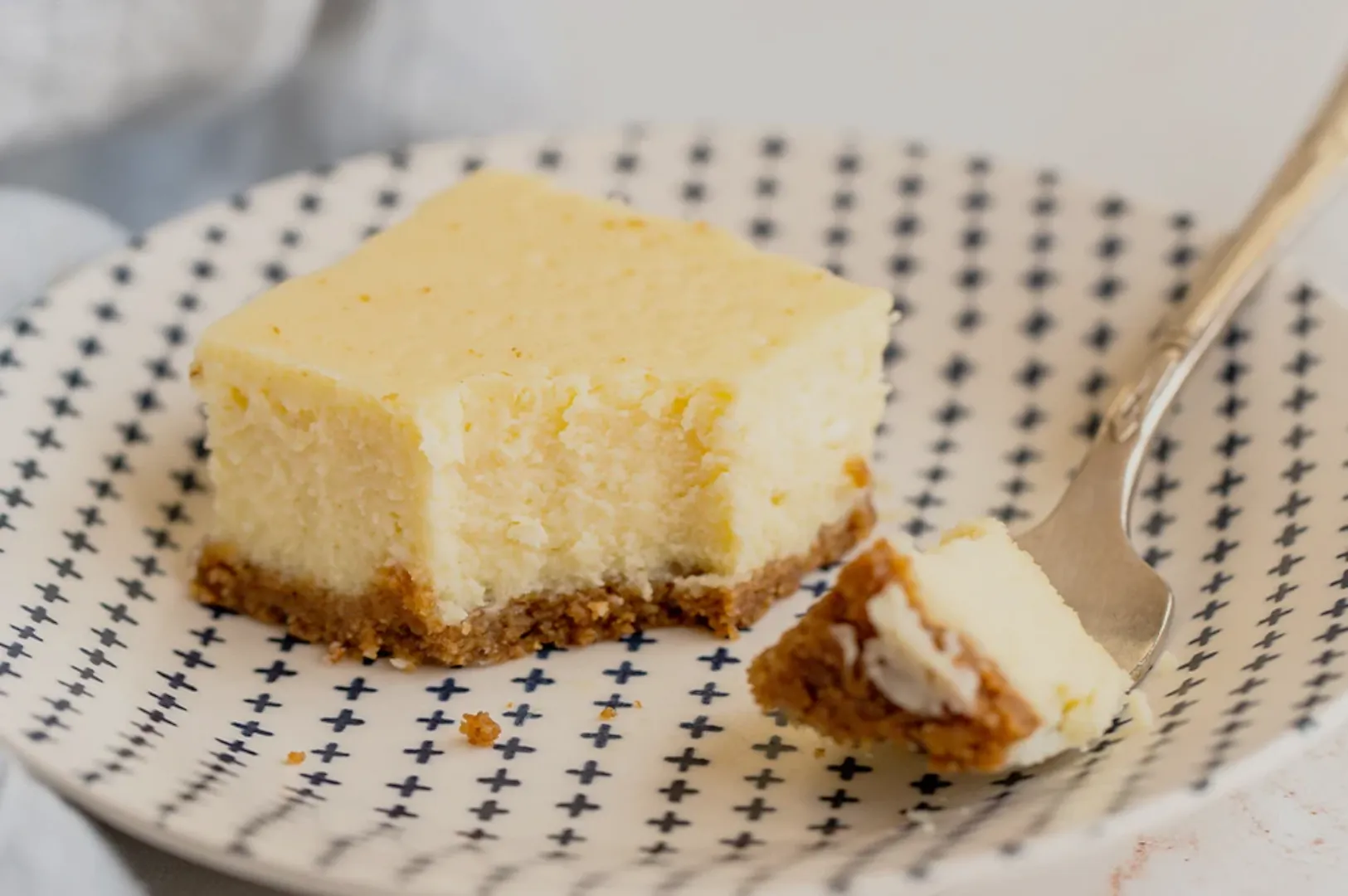
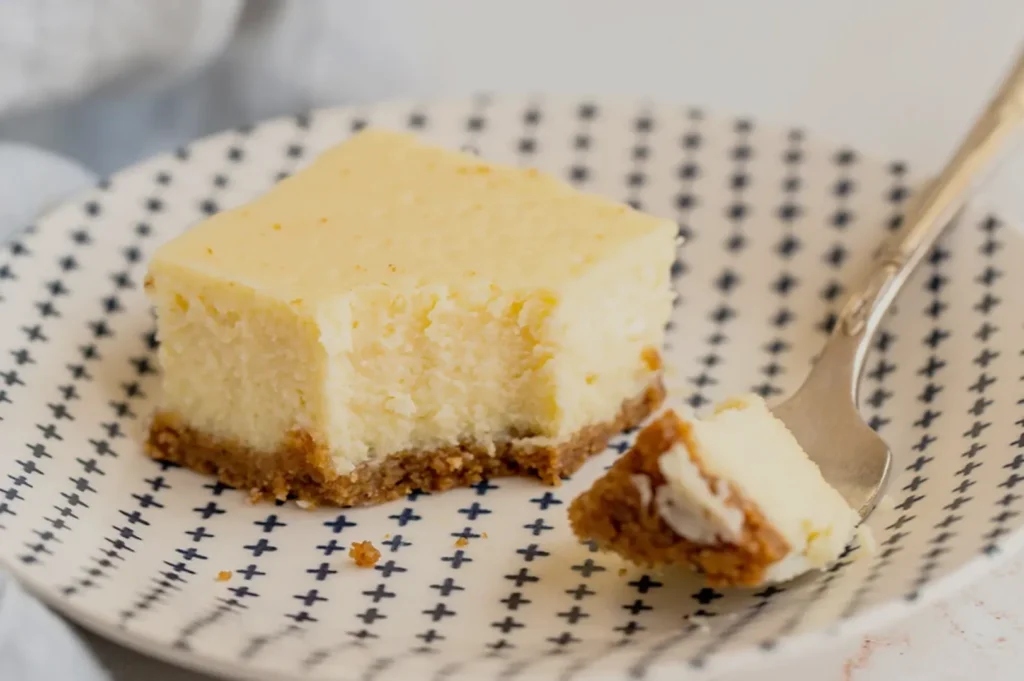
A clean plate isn’t the only measure of a good dessert; the real test is how you feel afterward. A truly successful cake provides sensory satisfaction without leaving you feeling heavy and lethargic. When evaluating what makes the best cheesecake in Singapore, the focus should be on the technical composition, not just looks. A dessert that is both structurally sound and light on the palate sets a higher culinary standard.
In a mature market, a refined dessert is defined by precision and clarity, not excess. This requires an analytical approach to ingredient interaction. By substituting heavy dairy with plant-based alternatives, it’s possible to create a firm texture that dissolves quickly. This technical evolution is key to setting a new benchmark for quality.
Defining Structural Integrity Without Heavy Saturated Fats
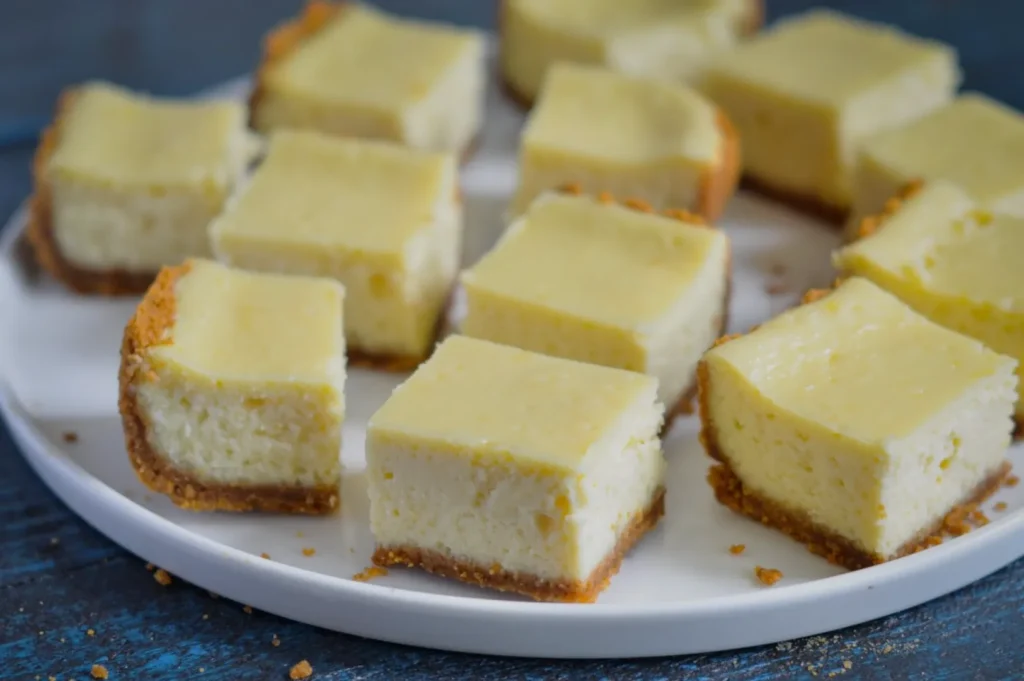
In traditional pastry, the firmness of a cheesecake is almost entirely dependent on the coagulation of egg proteins and the solidifying of animal fats. While this creates a recognizable set, it often results in a high caloric density and a heavy mouthfeel. To meet the criteria for a modern, balanced dessert, the structural integrity must be achieved through more intelligent means.
Soy proteins offer a different structural approach. These proteins possess unique gelling properties that allow for a well structured set while maintaining a lower lipid profile. When these plant based proteins are correctly emulsified, they create a lattice that is just as stable as dairy but significantly lighter on the system. This allows the cake to hold its form at room temperature without the need for artificial stabilizers or excessive cream cheese.
Analyzing the Density Profile of Refined Soy Bases
The density profile refers to the compact nature of the cake crumb. A cake that is too dense can feel leaden, while one that is too airy may lack the necessary presence on the tongue. The objective is to find a middle ground where the texture feels substantial yet yielding.
Soy based foundations naturally provide a more nuanced density. Because the fiber and protein content of the bean are preserved during the refining process, the batter has an inherent body that dairy alone cannot replicate. This results in a mouthfeel that is velvet like and consistent from the center of the cake to the outer edge.
Managing Palate Weight for Sensory Longevity
Palate weight is the physical burden of a dessert on the taste buds. High palate weight, caused by high fat and sugar concentrations, leads to richness fatigue. This is the primary reason why many consumers find they cannot finish a standard portion of traditional cheesecake.
A balanced dessert must prioritize sensory longevity. By reducing the concentration of heavy fats, the palate weight is lowered. This ensures that the last bite is as enjoyable as the first. It is a hallmark of technical mastery to create a dessert that satisfies the appetite without overwhelming the palate.
Why a Balanced Finish Defines a Quality Dessert Benchmark
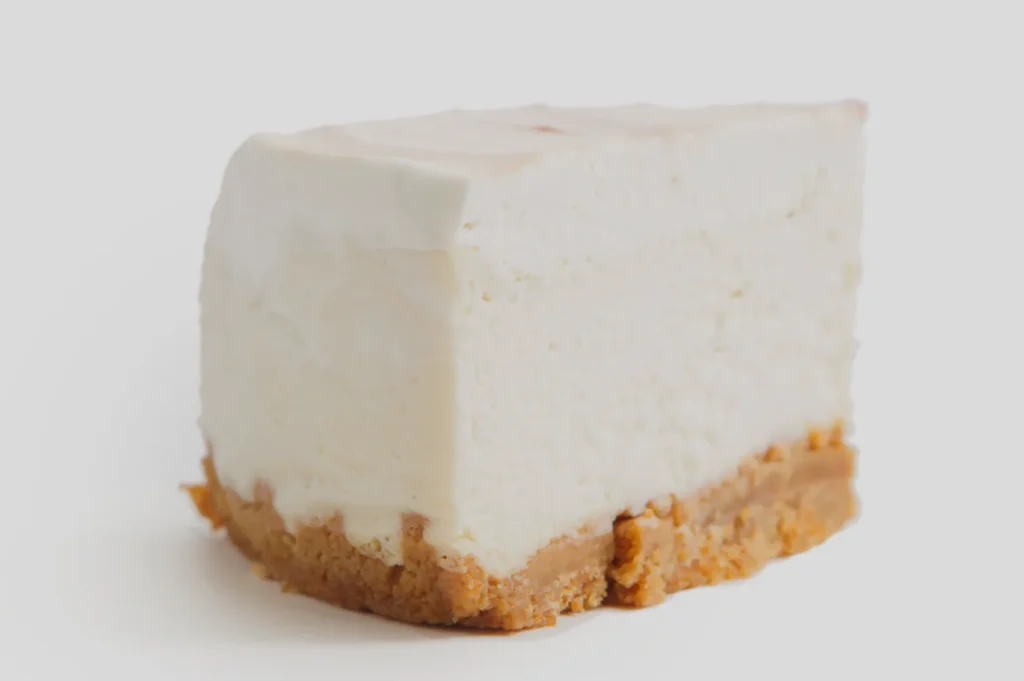
The finish on the palate is the final memory of a bite. If a cheesecake leaves an oily or waxy residue, it indicates that the fat emulsion was poorly managed. A quality benchmark for any healthy dessert is a finish that is clean and brief.
Achieving this requires a strict control over the melting points of the ingredients used. Plant based fats, such as those found in soy, generally have a lower melting point than bovine fats. This allows the dessert to dissipate more efficiently at body temperature. The result is a clean break on the tongue that allows the natural acidity of the cheese and the nuttiness of the soy to shine through clearly.
The Technical Requirement for Textural Consistency
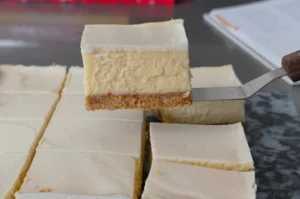
Textural consistency is the lack of variation in the bite. In many commercial cheesecakes, the texture may change as the cake warms, becoming greasy or losing its set. A well structured dessert maintains its composed texture across a range of serving temperatures.
This consistency is achieved through precise thermal management during the baking process. By using a slow bake at a lower temperature, the protein network is allowed to set gradually. This prevents the formation of large air pockets or graininess, ensuring a smooth, uninterrupted mouthfeel that meets professional standards.
Reducing Sugar Without Compromising Structural Set
Sugar is often used as a structural stabilizer as much as a sweetener. It binds with water to keep the cake moist. However, excessive sugar contributes to a high glycemic load, which contradicts the criteria for a healthy dessert.
A refined approach uses the natural humectant properties of soy to maintain moisture. This allows for a significant reduction in refined sugar. When the sugar level is lowered, the taster can perceive the complexity of the primary ingredients. The sweetness becomes a background note that supports the flavor profile rather than the dominant force.
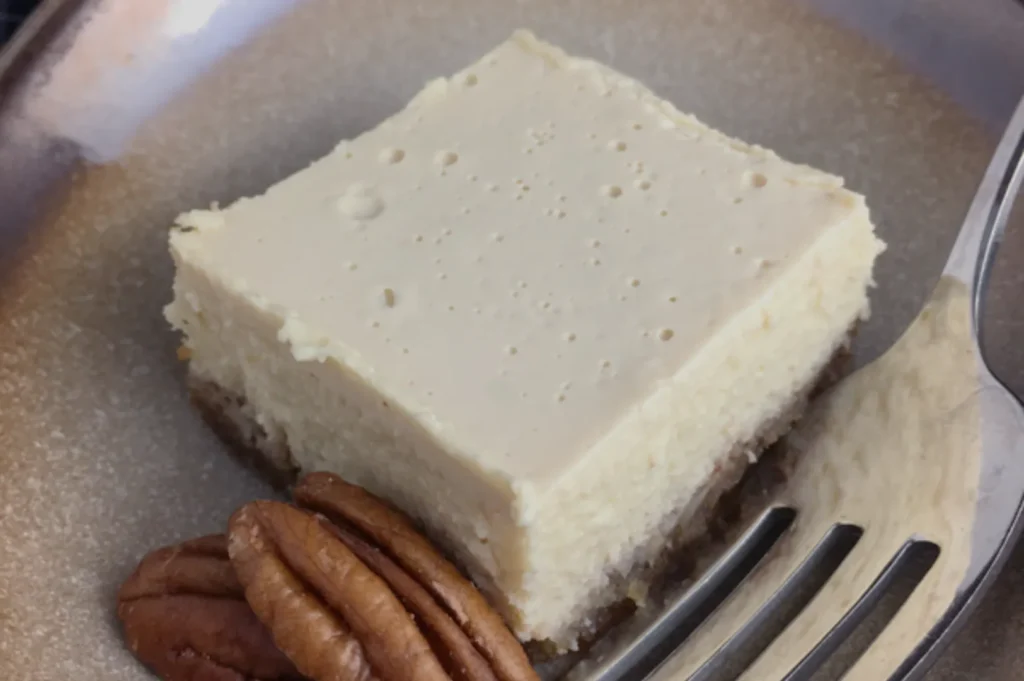
In a sophisticated culinary environment like Singapore, ingredient clarity is a significant marker of quality. This means that every component in the recipe must serve a functional purpose. There is no room for fillers or masking agents.
When a cheesecake is well structured and balanced, it does not require elaborate toppings or glazes to be successful. The focus remains on the purity of the soy and dairy blend. This transparency is what the discerning consumer looks for when searching for a refined alternative to mass market options.
This innovation allows for a cleaner finish on the palate. It moves away from the heavy reliance on saturated animal fats, which can sometimes behave unpredictably in smaller volumes. By exploring these alternative foundations, makers can set a new benchmark for what defines a well-structured individual dessert.
At Daizu by Ki-setsu, we recognize that structural consistency is the foundation of a premium experience. We treat our individual servings as independent architectural studies, ensuring that each portion reflects our commitment to technical precision. We offer a refined alternative for the Singapore market, where our different structural approach ensures that each individual portion meets our rigorous quality benchmarks for mouthfeel and density.
The Role of Minimalist Design in Technical Transparency
Minimalism in dessert design is an extension of technical transparency. A bare surface on a cake is a declaration that the maker has nothing to hide. It forces the consumer to focus on the density profile and the mouthfeel of the slice.
This aesthetic restraint is becoming the new standard for premium desserts. It aligns with the idea that quality is found in the essence of the materials. A cake that is beautiful in its simplicity is often the most technically challenging to produce, as every imperfection is visible.
Establishing New Standards for Indulgence
The definition of indulgence is shifting from “more” to “better.” A dessert that is thoughtfully composed and texturally intelligent provides a more profound sense of satisfaction than one that is merely large or sweet. This shift is at the heart of the modern healthy dessert movement.
By prioritizing technical precision and ingredient quality, makers can create products that fit into a balanced lifestyle. These desserts are not about deprivation. They are about a more disciplined and informed way of enjoying pastry.
How the Daizu Standard Resolves the Healthy Dessert Question
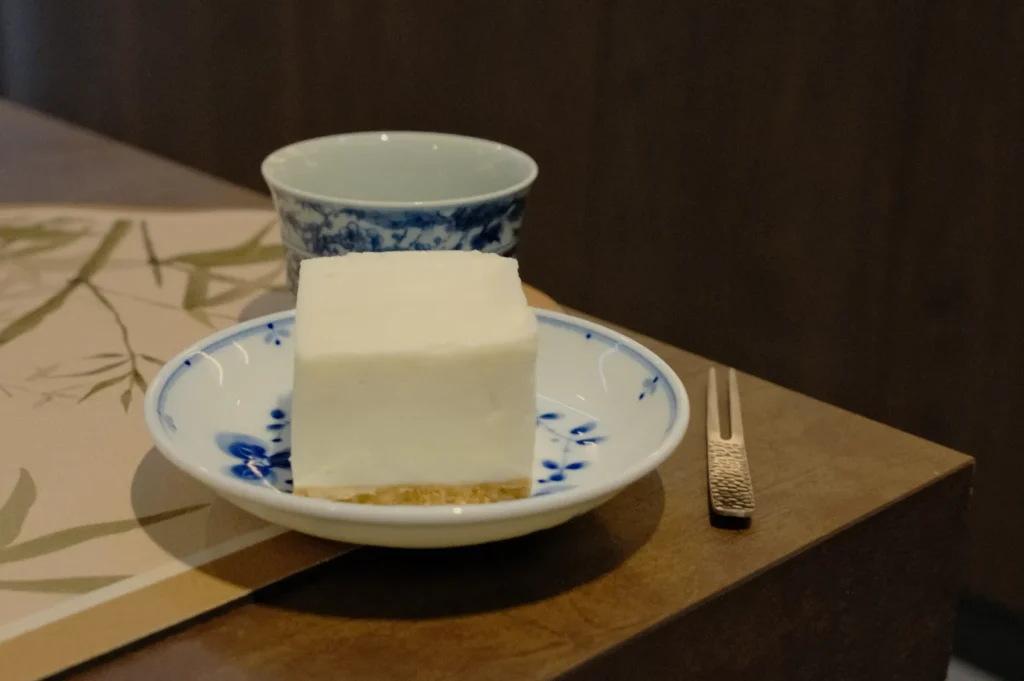
The search for the best cheesecake Singapore healthy dessert criteria ultimately leads to the question of balance. A dessert cannot be defined as quality if it lacks flavor, nor can it be defined as healthy if it is composed of inferior fillers. The solution is found in the integration of high quality plant based materials with traditional pastry techniques.
By using soy as a foundational element, the limitations of traditional dairy can be overcome. It provides a way to achieve a lighter interpretation of a classic profile while maintaining a high level of structural integrity. This approach represents a new standard of excellence that respects both the palate and the system of the consumer.
At Daizu by Ki-setsu, we operate according to these rigorous principles. We provide a refined alternative that focuses on the technical nuances of our soy based batter. We believe that a well structured cheesecake should offer a composed texture and a balanced finish without relying on the excess of traditional recipes. Our process is a different structural approach that emphasizes ingredient clarity and a lighter palate weight. By adhering to the Daizu by Ki-setsu standard, we ensure that every slice meets the highest benchmarks for quality and sophistication in the Singapore market.