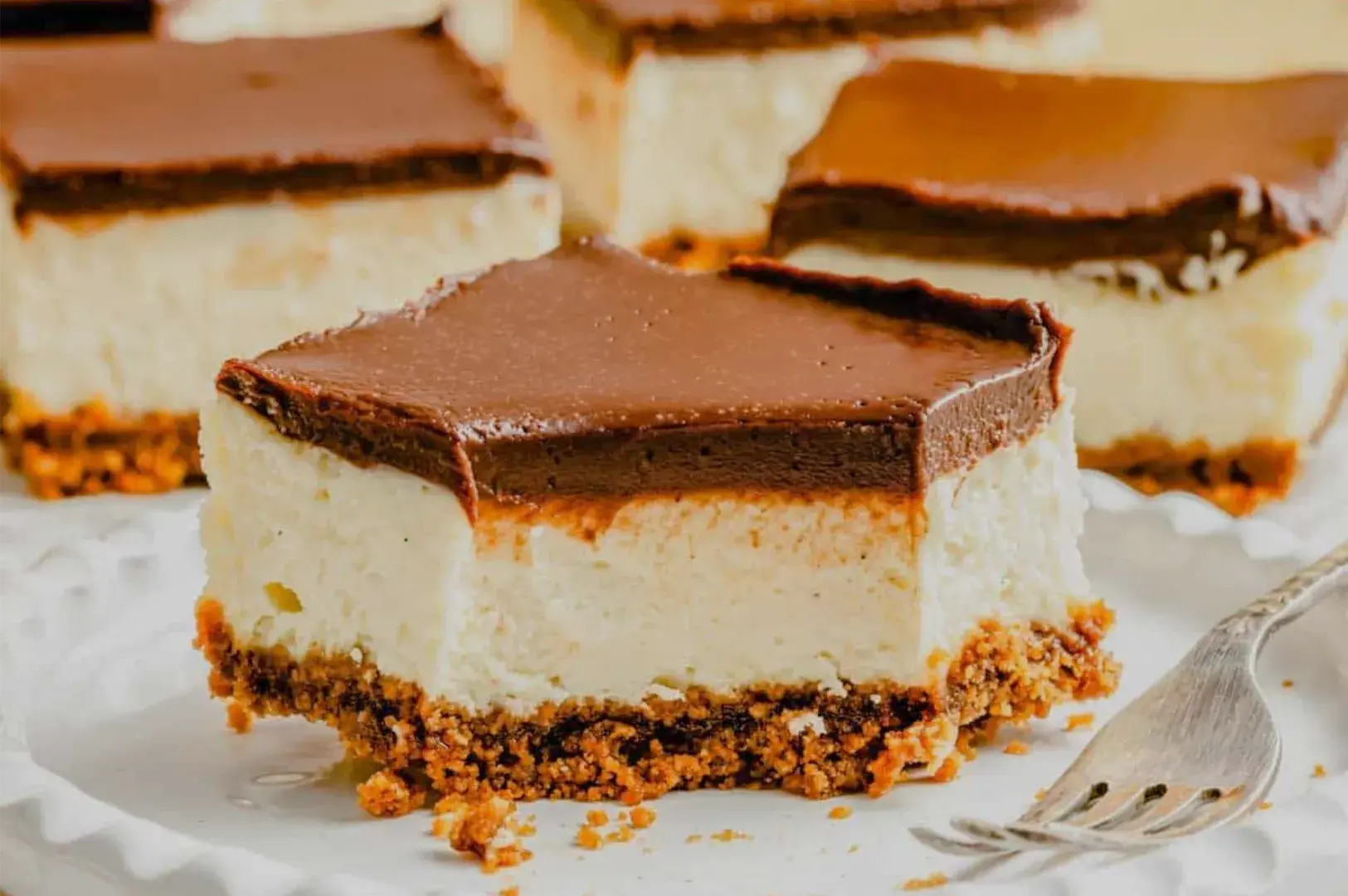
Somewhere between a hawker centre stall selling kaya toast and a cafe two doors down slicing into something dense and golden, there’s a moment where Singapore’s dessert scene quietly shifted. There was no ribbon cutting for the first slice of cheesecake in Singapore, no group of food writers declaring it official.
Back then, the local sweet tooth was still busy with jelly hearts and other corner store treats, and cheesecake barely registered. But the question of how cheesecake history in Singapore actually started is worth asking, because the answer explains a lot about how the city eats now.
The short version: it didn’t arrive with fanfare. It arrived through imports, through cafes chasing what worked overseas, and eventually through bakers who decided a foreign dessert deserved a local signature.
Tracing Cheesecake History in Singapore Back to Its First Imports
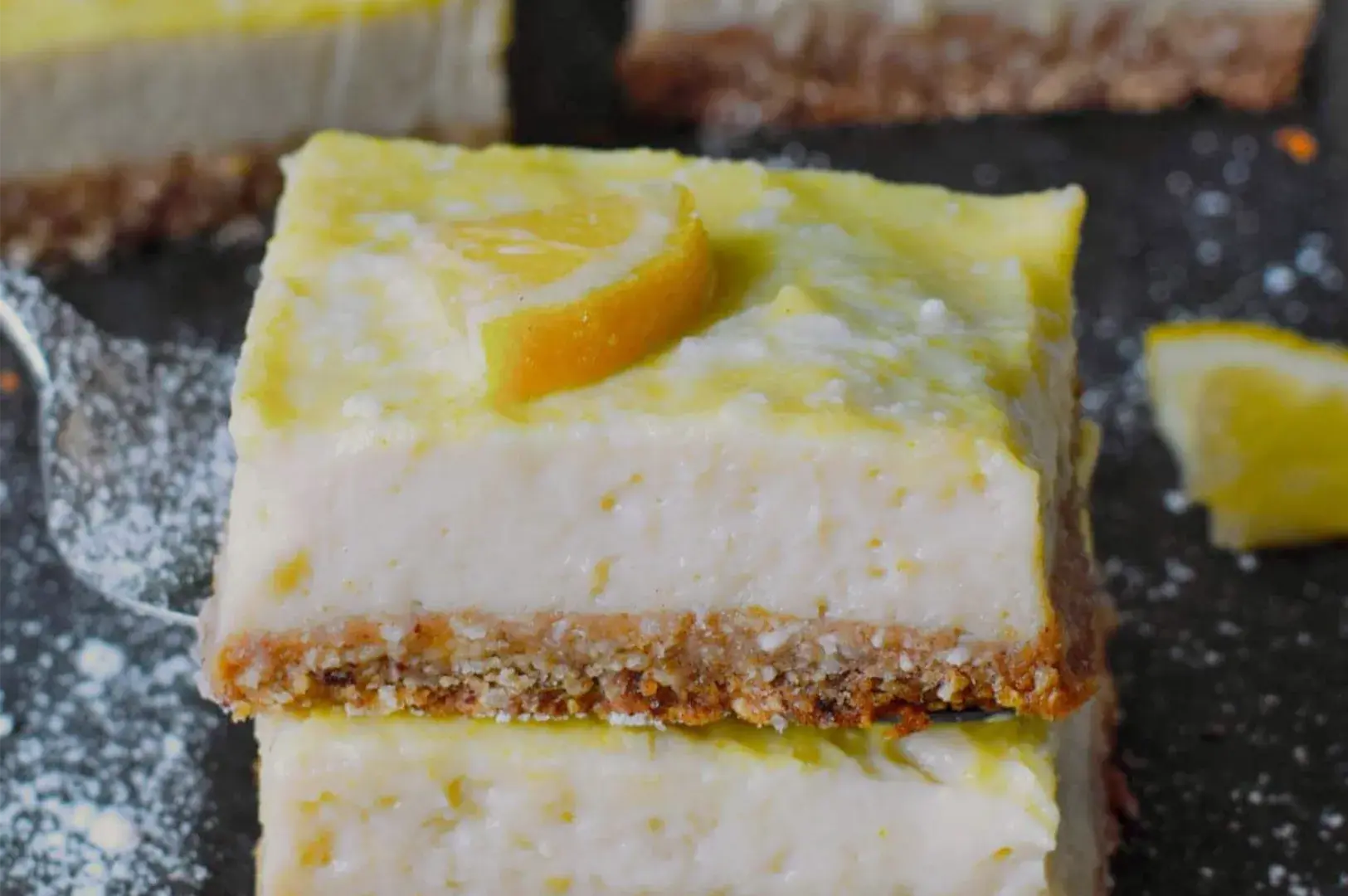
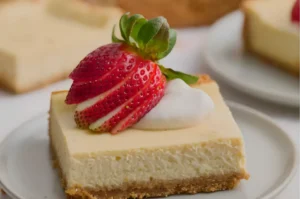
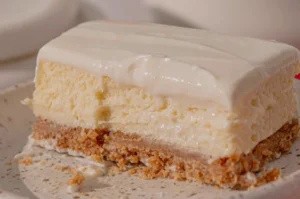
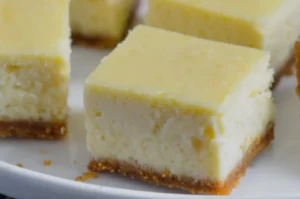
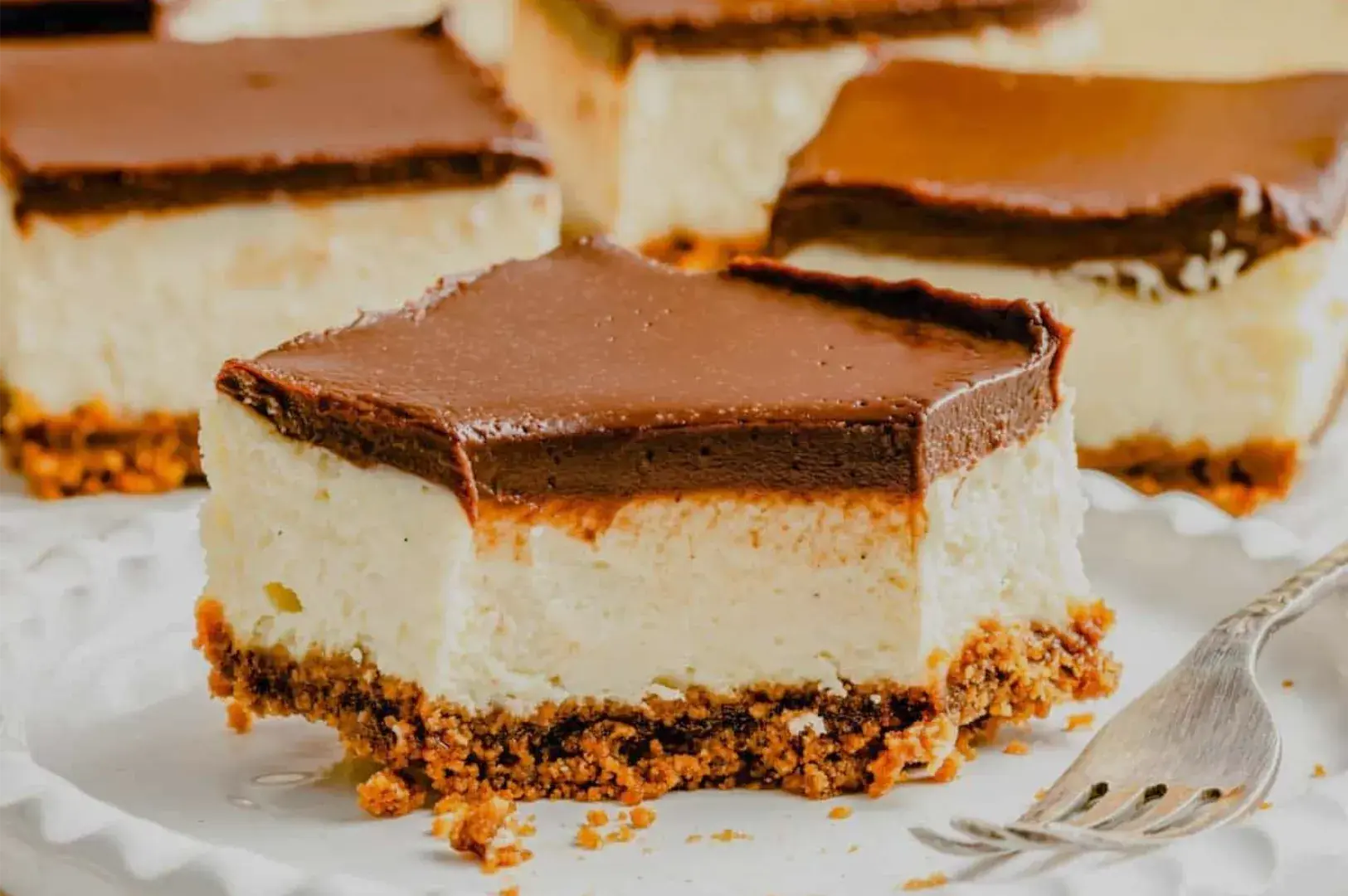
Long before burnt cheesecake had its moment, Singapore’s early exposure to cheesecake came largely through hotel patisseries and department store cafes in the 1980s and 90s. These were New York cheesecake slices, dense, tangy, served cold, and treated as a Western novelty rather than an everyday dessert. Quality was judged less by flavour and more by whether the crust held its shape and the filling was crafted with a steady hand.
At that point, cheesecake was not competing with kueh or ondeh ondeh for a spot at the table. It sat in its own category, something ordered on a special outing rather than picked up on a whim. That separation mattered. It meant cheesecake entered the local food conversation slowly, one cafe menu at a time, instead of all at once.
Why Basque Burnt Cheesecake Became the City’s Gateway Style
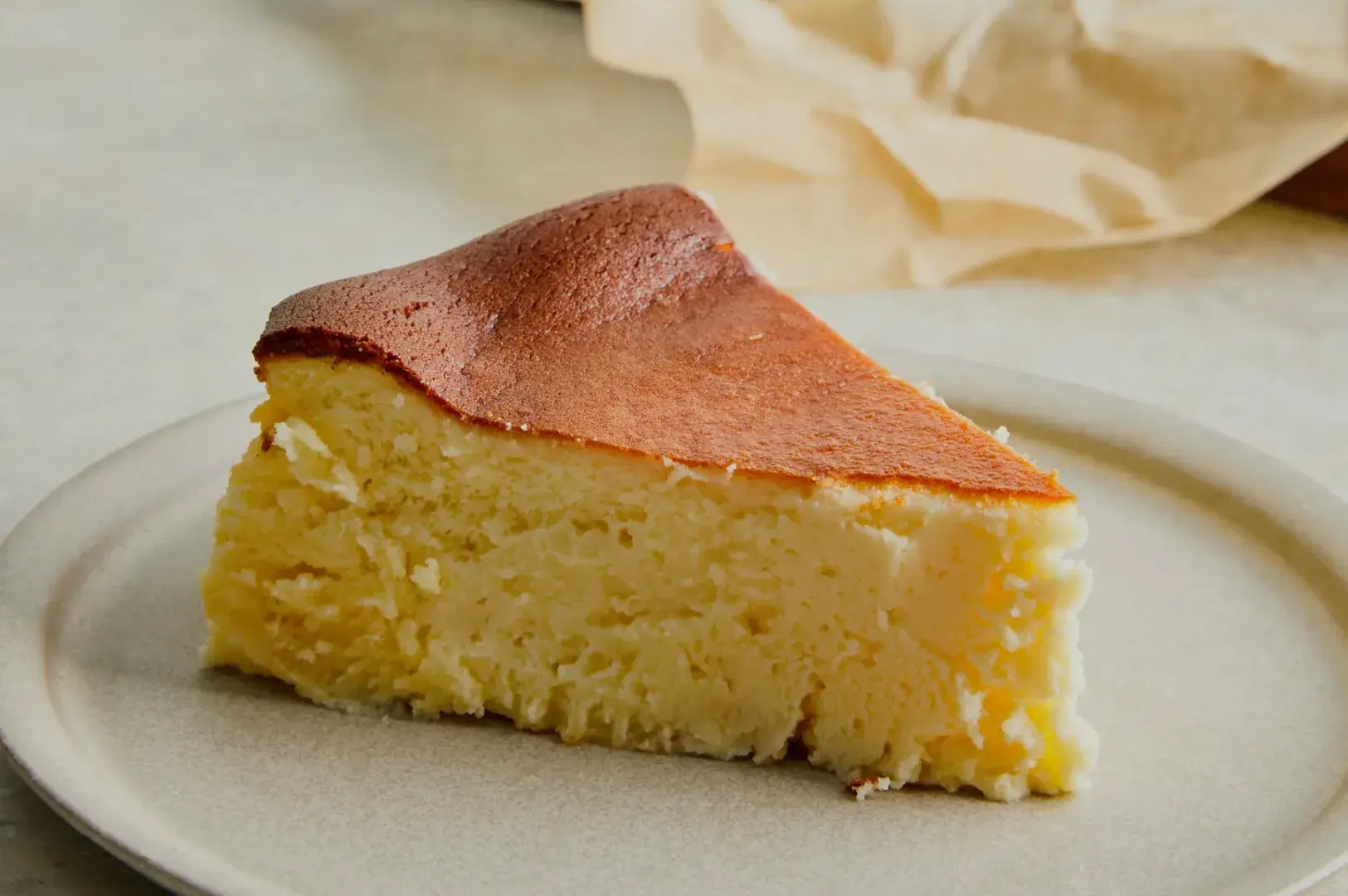
The real turning point came later, when Basque burnt cheesecake started showing up on Instagram feeds around the world and Singapore’s cafe scene, always quick to catch on, followed close behind. Unlike the chilled, structured New York version, this one leaned into imperfection. A blackened top, a jiggly centre, no crust to speak of. Some cafes even leaned into the nickname, calling it a dirty cheesecake for the scorched, slightly messy look that made it stand out on a dessert menu.
For a lot of people here, it was the first cheesecake that felt approachable rather than fussy. There was no crumb base to get right, no water bath to fuss over visually. Just cream cheese, sugar, eggs, and a hot oven turning out something gooey in the middle, smooth everywhere else, and thoroughly delicious.
Cafes in places like Tiong Bahru picked it up fast, and it became something of a proving ground. If a bakery could get the burn right without drying out the middle, it earned a kind of credibility that spread by word of mouth long before it spread online.
The Cream Cheese Standard That Every Bakery Still Measures Against
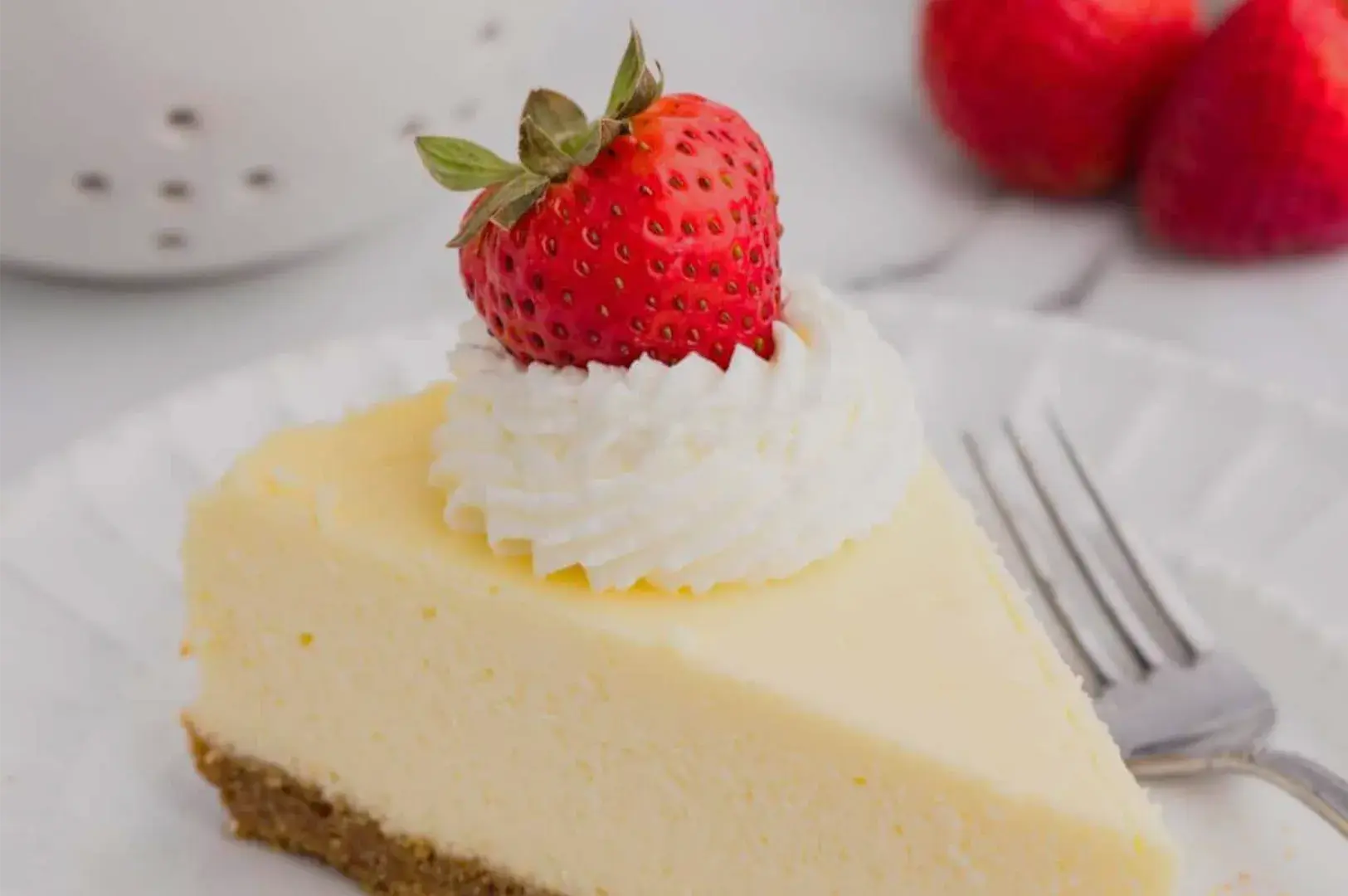
Whatever style a bakery leans toward, cream cheese remains the anchor. It’s the ingredient that decides whether a slice has that creamy texture people keep coming back for, or whether it slumps into something closer to custard. Bakers here talk about sourcing it the way coffee people talk about beans, with real opinions about brand, fat content, and how it behaves under heat.
Get the ratio wrong and the whole cake shows it. Too little cream cheese and the richness disappears entirely. Too much, without balancing acidity or sugar, and it turns heavy in a way that’s hard to finish. The best versions in Singapore tend to be the ones where a baker has clearly spent time getting this ratio to sit just right, and it’s worth noticing on the first bite whether that work actually shows.
Brie Cheesecake and the Rise of the Cheese Board Crossover
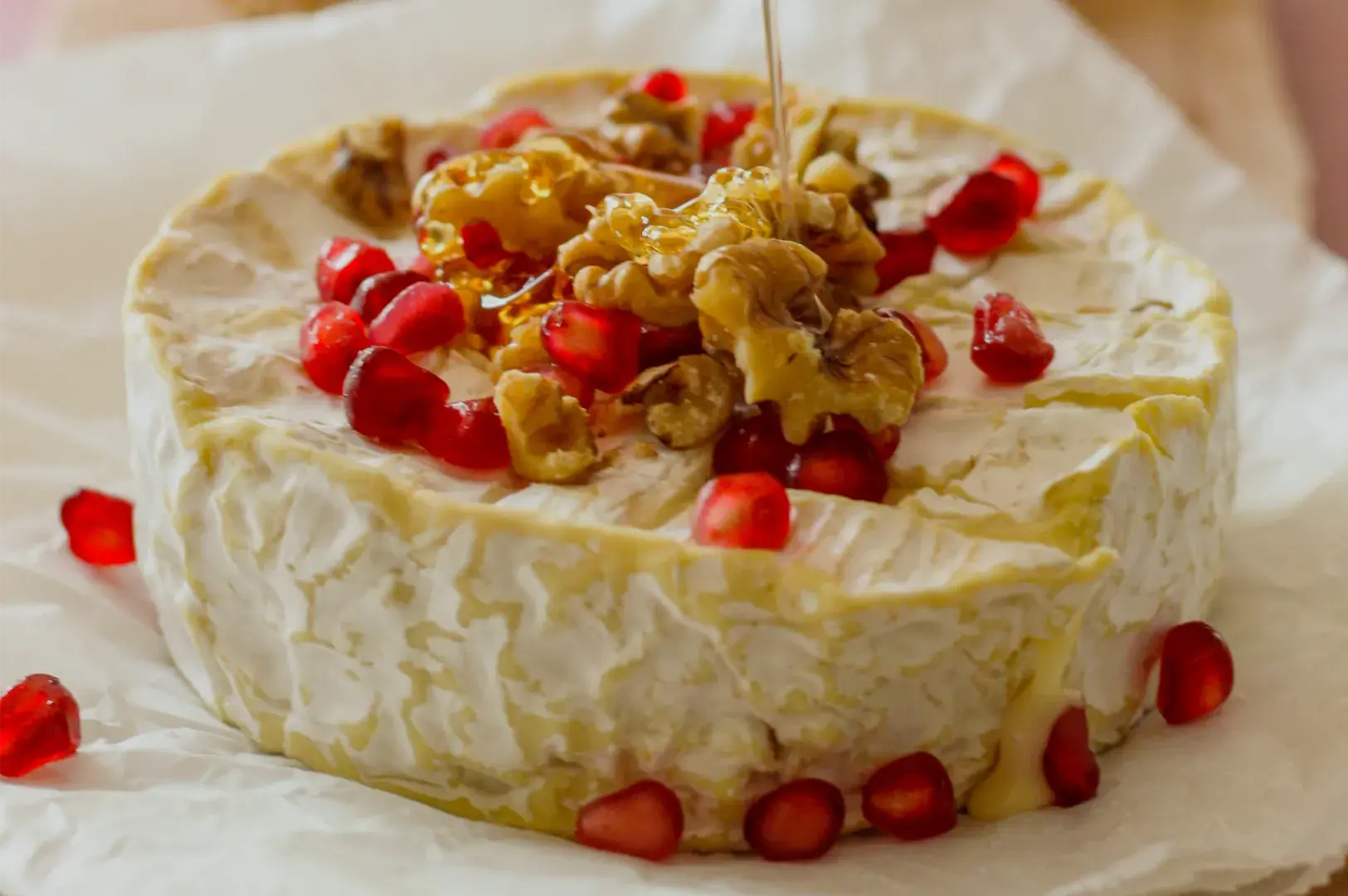
As the scene matured, some bakers started asking a different question. If cheesecake was already built around cheese, why not borrow from the actual cheese board? That’s roughly how brie cheesecake started appearing on menus, alongside experiments folding in mascarpone, gouda, or a touch of something sharper.
Brie brings a soft, almost buttery quality that plays well against sweetness, closer to what someone might expect from a cheese course at the end of a dinner than a dessert case. It’s a small shift, but it reflects something bigger. Singapore’s bakers weren’t just importing cheesecake anymore. They were treating it as a format flexible enough to hold actual cheese culture, not just cream cheese in disguise.
Next to a menu full of classic burnt cheesecakes, a brie version tends to read as the more considered choice, the kind of slice a bakery might reserve for special occasions rather than an everyday order. Getting brie into a cheesecake without it tasting muddled takes a perfect balance of sweetness, acidity, and just enough funk to remind someone they’re eating cheese, not custard.
What Blue Cheese and Bolder Combinations Reveal About the Scene Today
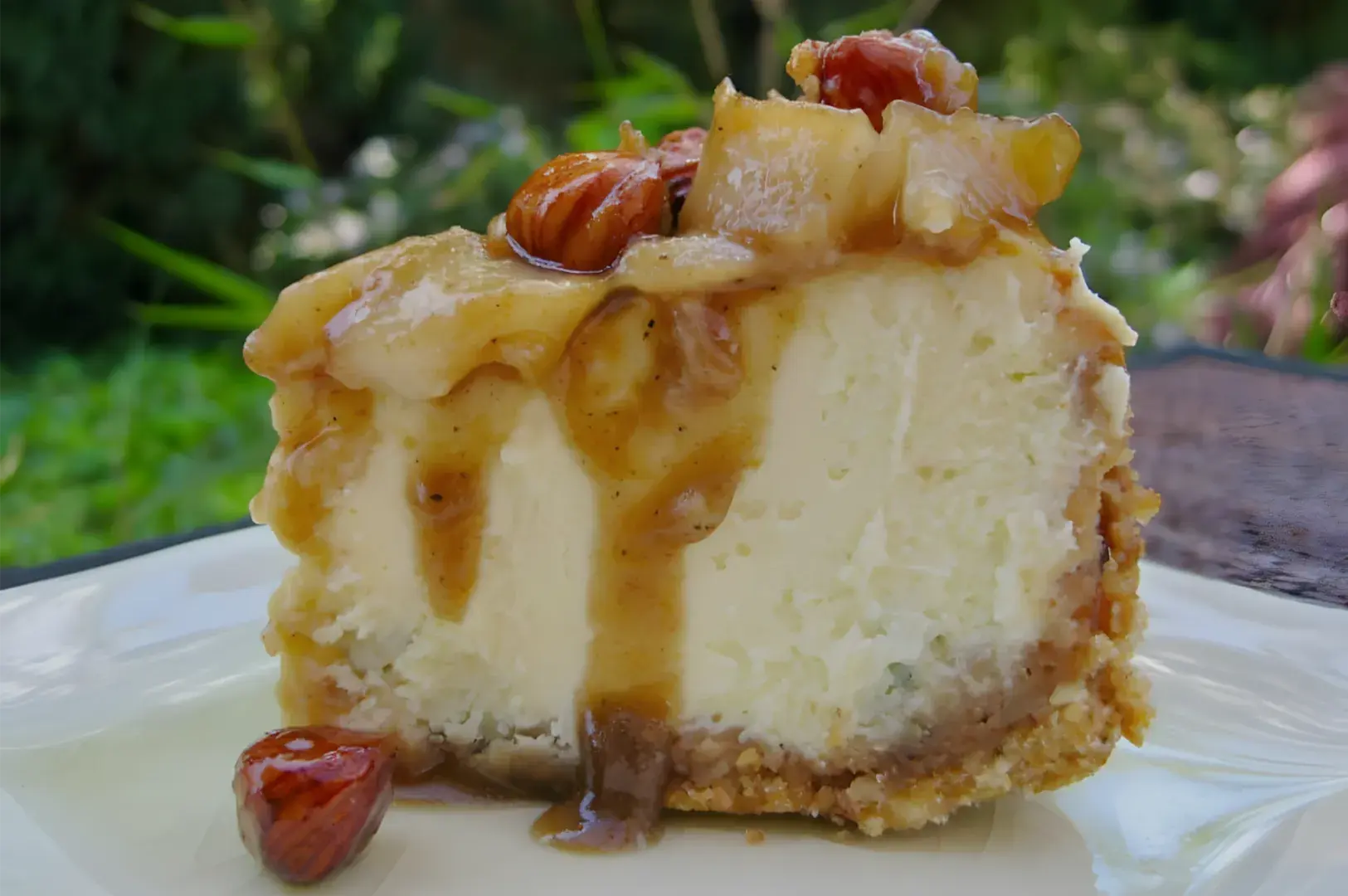
Blue cheese is where this experimentation gets genuinely divisive. A few bakeries have tried folding small amounts into a cheesecake base, betting that its sharp, funky edge can cut through the sweetness rather than clash with it. There’s no doubt it splits a table right down the middle, and any group sharing a slice usually ends up talking about it long after the plate is cleared.
These bolder combinations tend to show up seasonally, or as limited specials rather than permanent fixtures. They’re less about mass appeal and more about proving a point, that cheesecake in Singapore has room to be strange, savoury, and still be called dessert.
Why Every Bakery Now Wants a Signature Cheesecake of Its Own
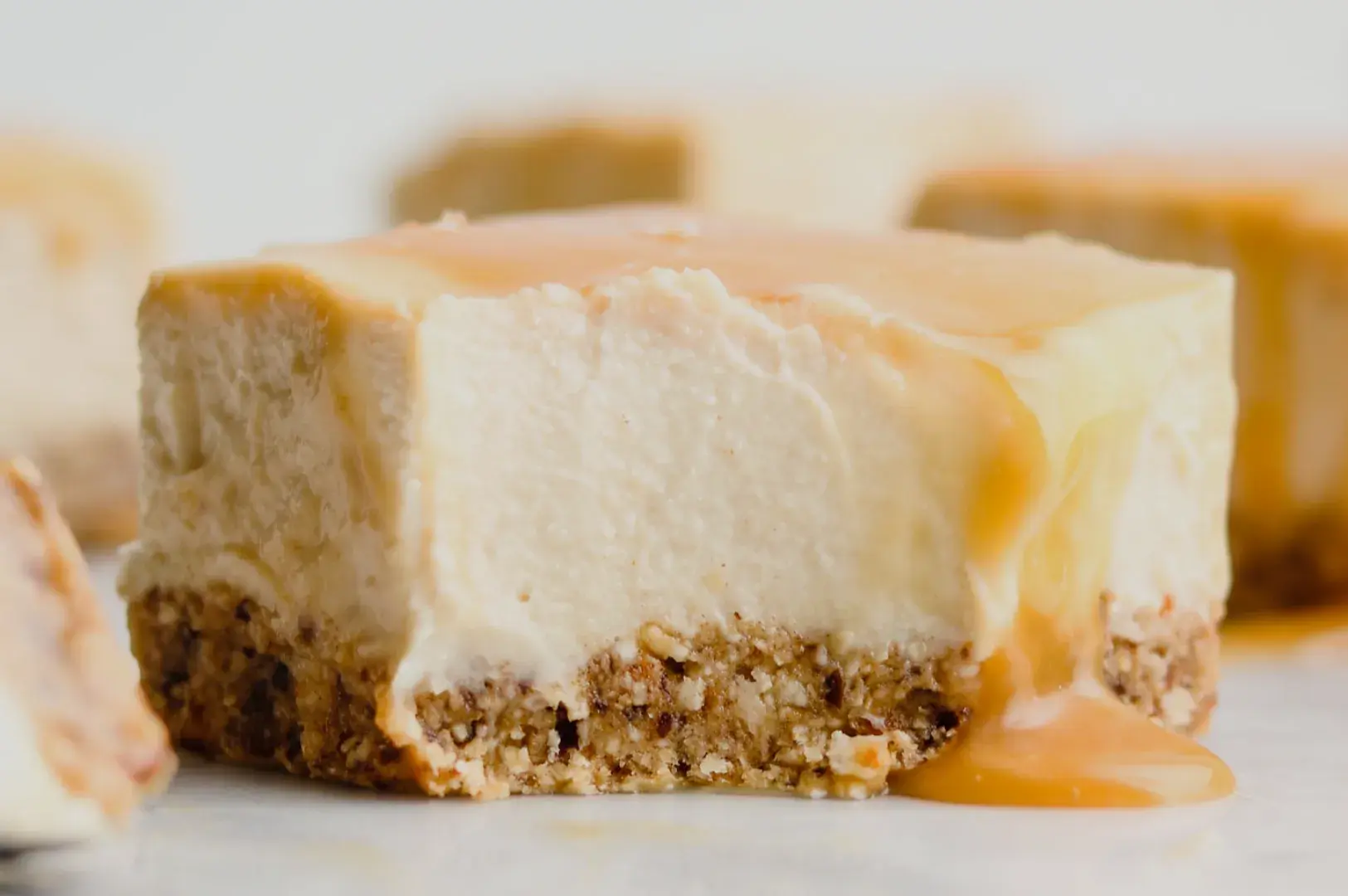
Once cheesecake stopped being a novelty, it turned into a kind of calling card. A bakery without a signature cheesecake started to feel incomplete, the same way a cafe without a house blend feels like it hasn’t quite decided who it is. Food blogs picked up on this quickly, and roundups of the best cheesecakes in Singapore became a genre unto themselves.
Some of that selection leans classic. Flavours like strawberry, chocolate, and pandan show up often enough that they’ve become a kind of safe order, dependable and easy to love. Others push further, folding in raisin, topping a slice with something unexpected, or serving bites alongside a full cheesecake board so nobody has to commit to just one.
Related Article: Plain Is Dead: The Cheesecake Flavours Singapore Actually Wants
That range is part of what makes this hard to sum up neatly. The most unique cheesecakes tend to come from smaller, independent spots rather than big chains, the kind of place someone finds through a friend rather than the internet. And plenty of bakeries selling cheesecake also stock cheese cookies and other savoury bakes, a light reminder that the cheese course and the dessert table were never as far apart as they seemed.
So Where Did Singapore’s Cheesecake Story Actually Start
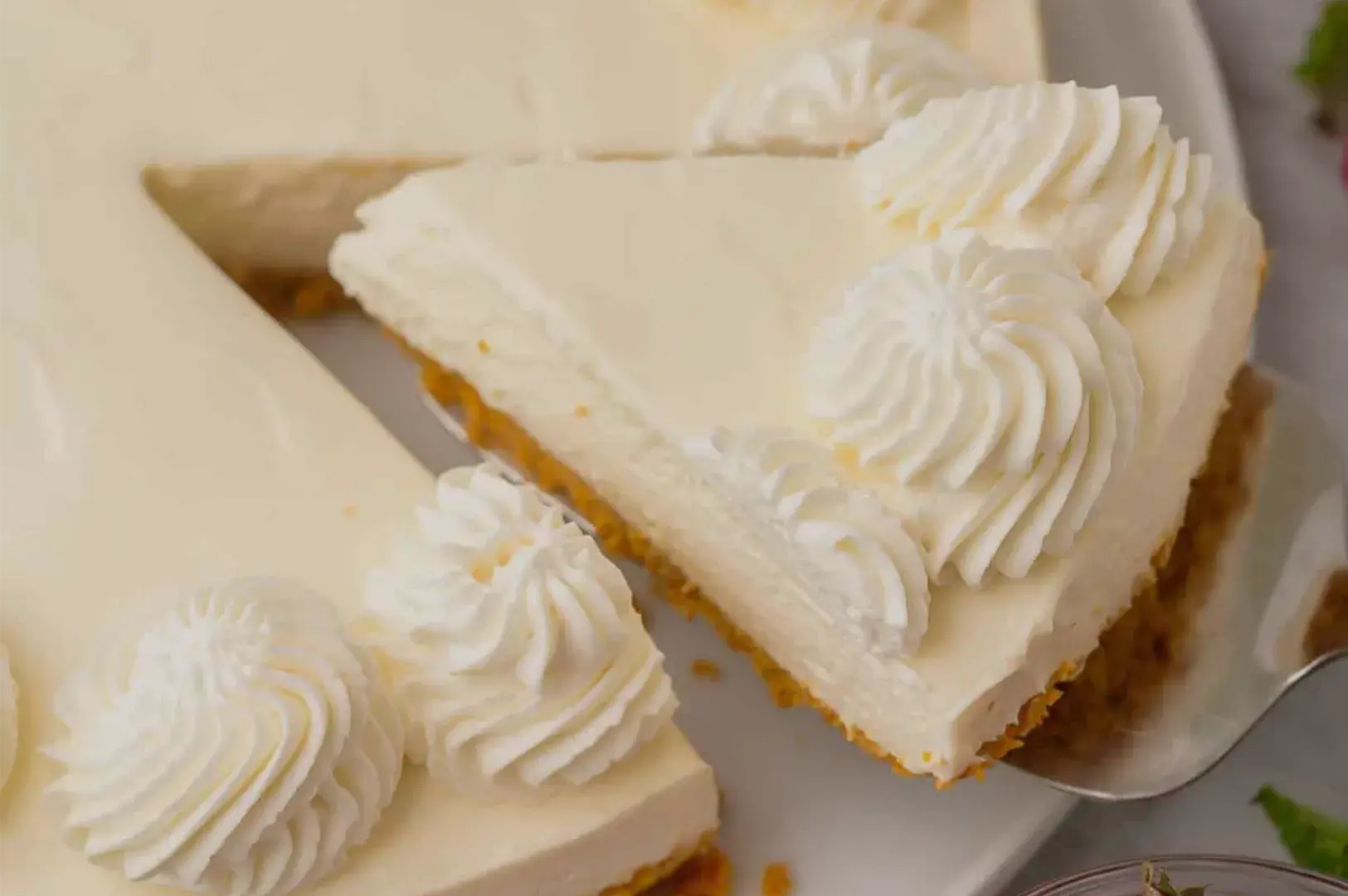
Pulling all of this together, cheesecake history in Singapore didn’t begin with one bakery or one trend. It began with imported slices in hotel cafes, picked up momentum through the Basque burnt cheesecake wave, and matured into something more deliberate once local bakers started treating cream cheese as a craft ingredient rather than a shortcut.
What makes today’s scene interesting isn’t just the variety, though a walk through any decent cheesecake board would suggest otherwise. It’s that each style, from a classic slice to something built around brie or blue cheese, represents a different answer to the same question: what happens when a foreign dessert gets enough time and enough attention to become local? An excellent bakery doesn’t need to prove that point with words. The slice does it, and anyone curious enough to find the right place and check what’s on the menu will taste exactly how far this city has taken it.
That question is still being answered, one slice at a time. Daizu by Ki-setsu approaches it from a slightly different angle, drawing on soy traditions from Japan instead of the usual cream cheese base, which says something about where this city’s cheesecake story might head next.