Somewhere between the first bite and the last, most people stop noticing the crust. It’s just there, doing its job, until a slice shows up with something unexpected underneath the filling and suddenly the crust is all anyone can talk about. That moment of “wait, what is this” is usually the start of someone falling down a rabbit hole of cheesecake crust alternatives, long before it ever turns into a search for the best cheesecake in Singapore.
The crust isn’t just a base. It’s texture, contrast, sometimes flavor that changes the entire character of a slice. Cheesecake sits at an interesting point in dessert cuisine, borrowing crust options from pie, cookies, and candy alike, and different flavors tend to call for different ones. Once that becomes obvious, the classic graham cracker crust starts to feel like one option among many, not the only one.
Why the Graham Cracker Crust Became the Default Cheesecake Crust
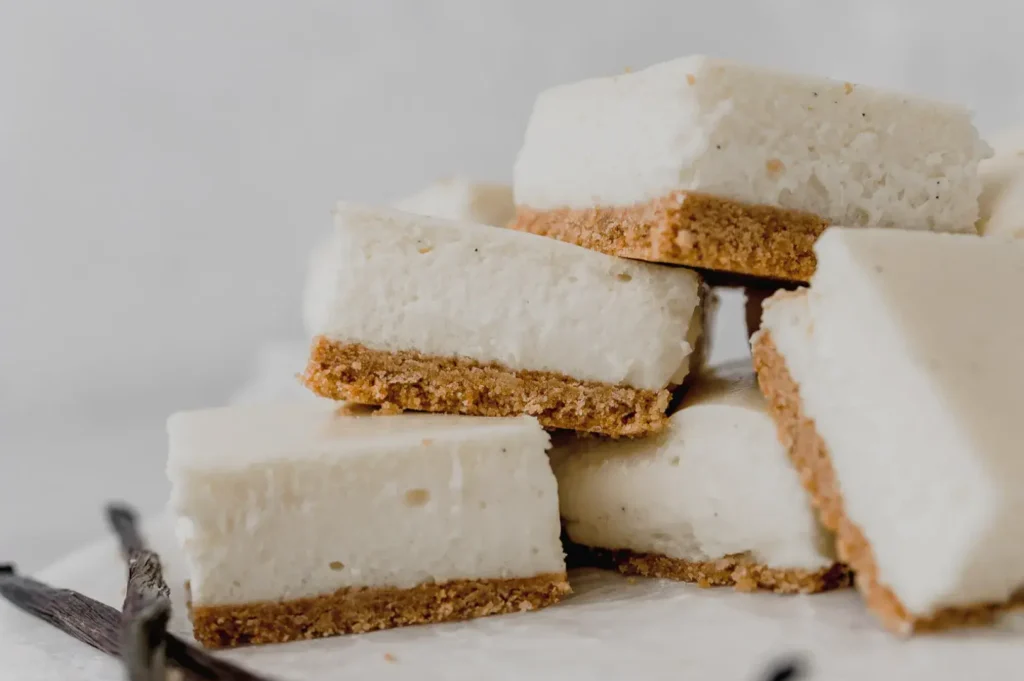
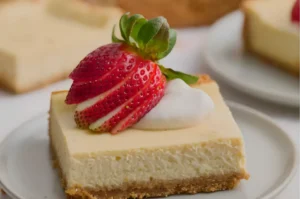
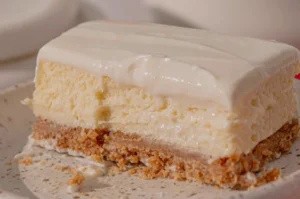
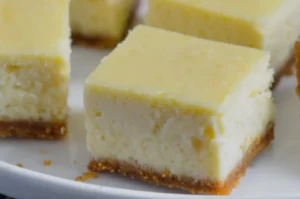
There’s a reason the graham cracker crust shows up in nearly every version of a classic cheesecake. Graham crackers crush into fine crumbs easily, hold together well with melted butter, and bring a mild, slightly sweet flavor that doesn’t compete with the filling.
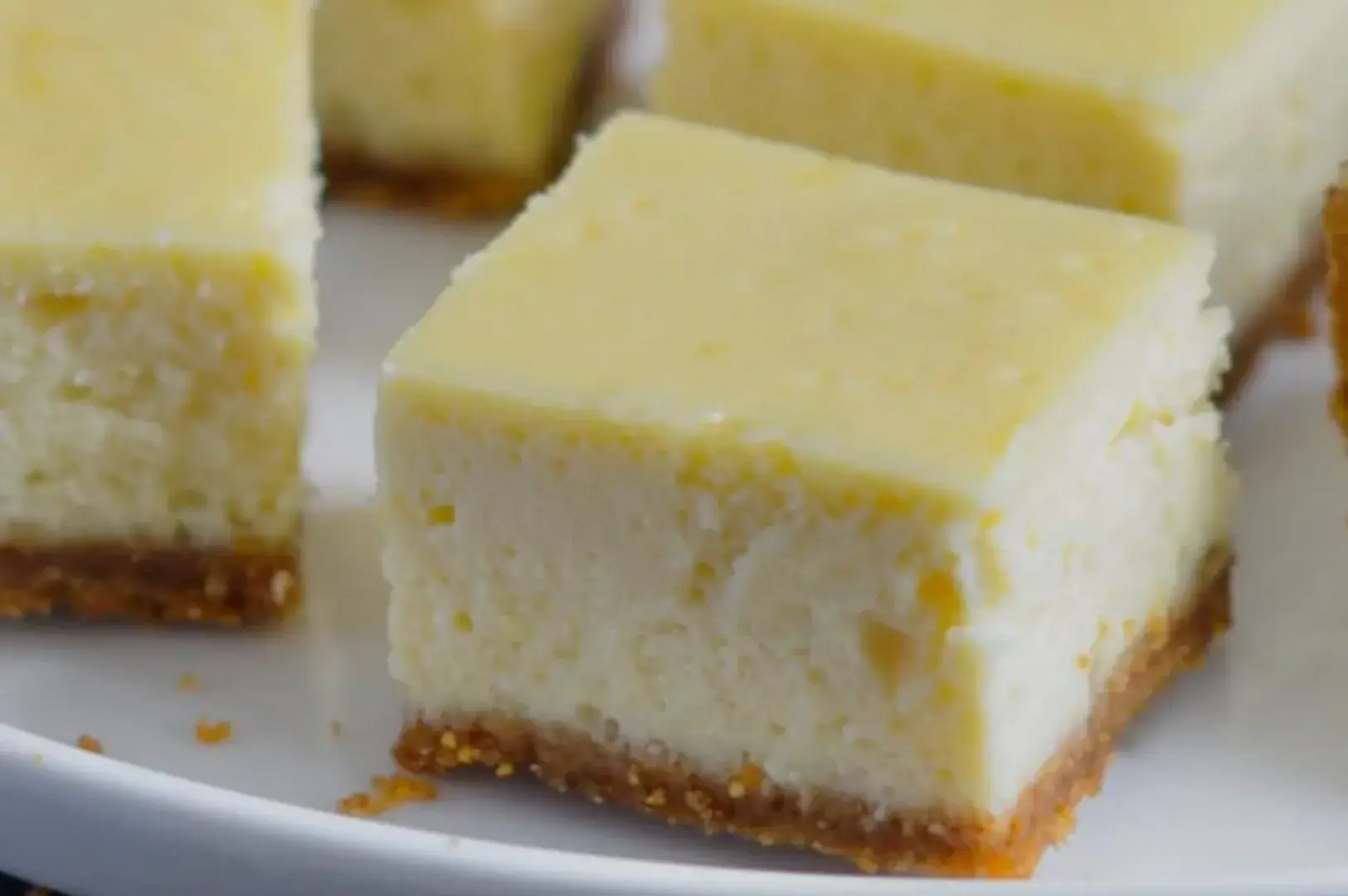
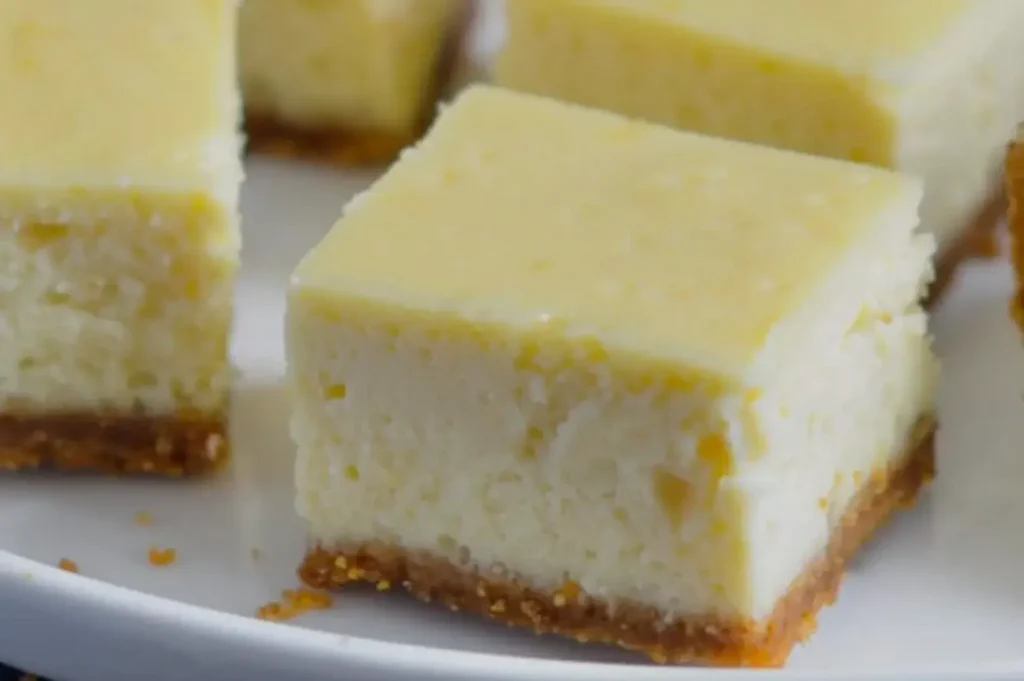
The basic formula hasn’t changed much across most cheesecake crust recipes. Graham cracker crumbs, melted unsalted butter, a bit of granulated sugar or brown sugar, pressed firmly into a springform pan and given a short pre bake until the edges turn golden brown. It’s reliable, which is exactly why it became the standard for anyone who wants to bake cheesecake without overthinking the base.
A graham cracker cheesecake crust also does something subtle: it stays sturdy under a heavy cheesecake batter and an equally heavy cheesecake filling without turning soggy. That structural reliability is part of why so many cheesecake recipes default to it, even when the flavor pairing isn’t especially exciting.
What a Chocolate Chip Cookie Crust Changes About the Bite
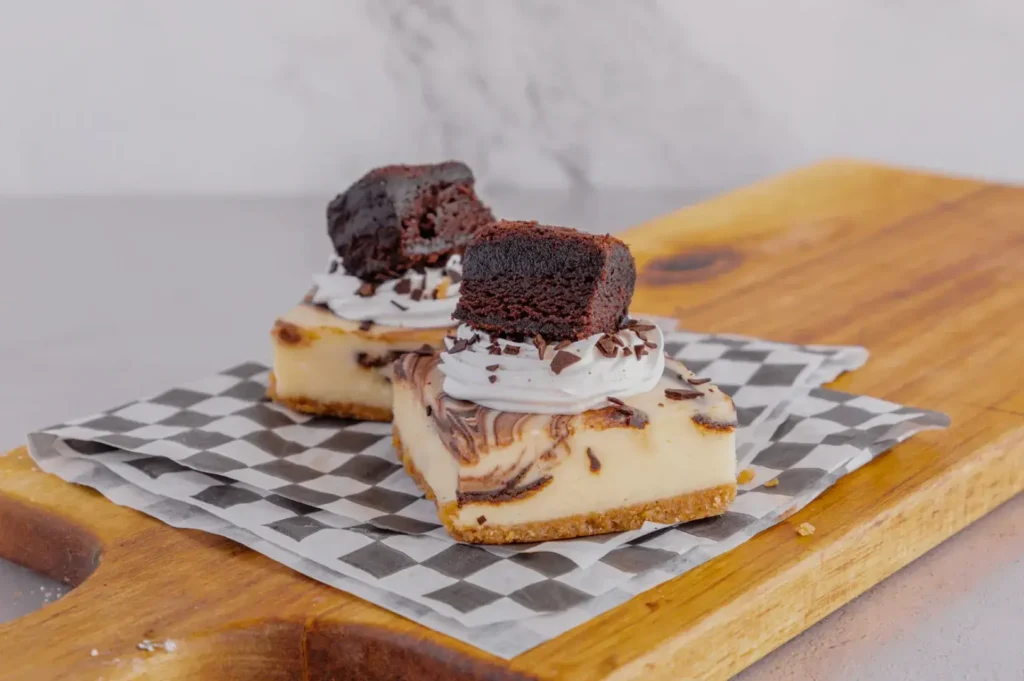
Swap the crackers for crushed cookies and the entire eating experience shifts. A chocolate chip cookie crust brings chewiness where graham crackers bring snap, and that texture difference matters more than people expect.
It also front-loads sweetness and a buttery flavor that pairs naturally with chocolate cheesecake, or with a plain vanilla filling that needs a bit more personality underneath it. A crust like this can even carry a rich chocolate filling without the slice tipping into too much, especially with a light dusting of cocoa powder mixed into the crumbs before pressing. Mini chocolate chips scattered through the crust add small pockets of richness without overwhelming the balance.
This isn’t a crust for something delicate like strawberry cheesecake, where a lighter base lets the fruit lead. It’s better suited to bolder flavor profiles, the kind of dessert that wants to feel a little indulgent from the first forkful.
Almond Crust for a Lighter, Nuttier Base
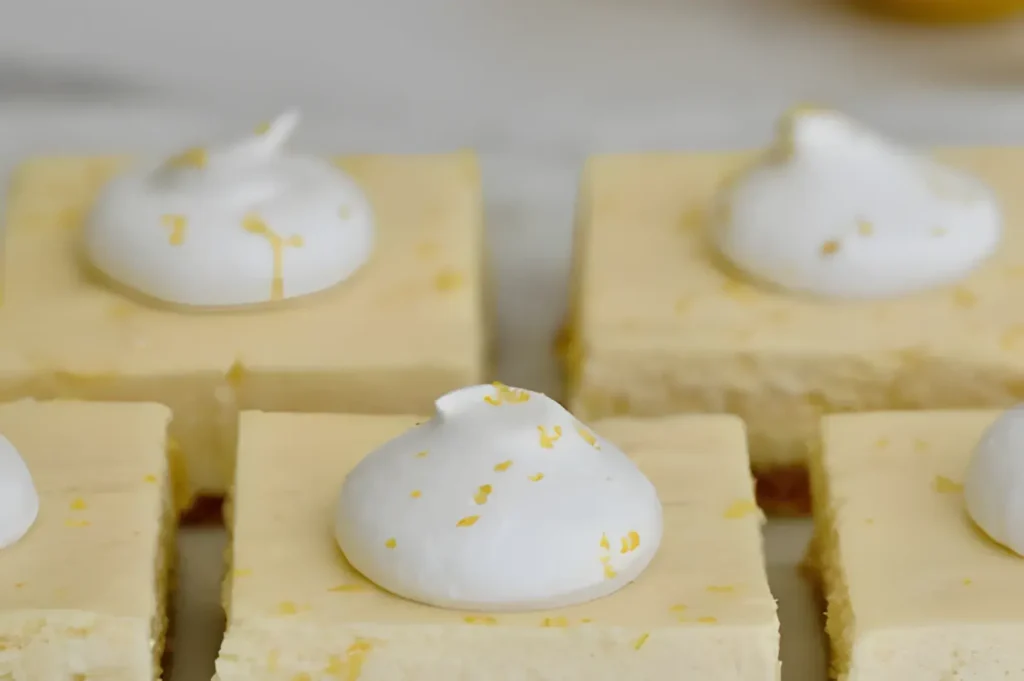
An almond crust solves a different problem. Finely ground almonds, pulsed in a food processor with a little butter, sugar, and other ingredients for cheesecake, create a base that’s lighter than a cookie crust but still holds its shape once pressed into a cheesecake pan.
The nuttiness works especially well with pumpkin cheesecake in the cooler months, or with anything built around brown sugar and warm spice. It also happens to be a solid gluten free option, since almonds replace the flour-based crackers or cookies entirely.
Texture-wise, expect something closer to a pie crust than a classic graham cracker crust. Slightly more crumbly, slightly more delicate, and worth the extra care when slicing.
Coconut Macaroon Crust and Coconut Macaroons for Something Tropical
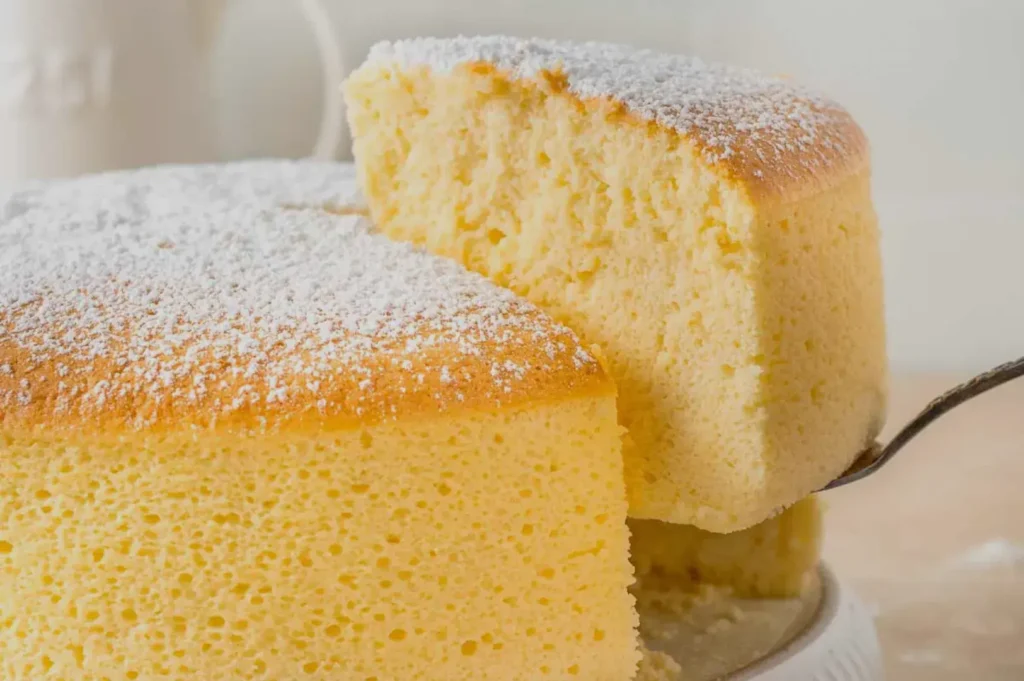
A coconut macaroon crust takes the idea furthest from tradition. Built from crushed coconut macaroons, or from desiccated coconut bound with coconut oil and a little sugar, it brings a chewy, faintly toasted sweetness that reads as tropical the moment it hits the plate.
This one pairs naturally with banana cheesecake, where the coconut and banana lean into each other instead of competing. It also works surprisingly well against a bright citrus filling, something with a bit of orange blossom folded into the batter for extra flavor.
It’s not a crust for every occasion. But when the filling calls for something a little more playful, coconut macaroons do a lot of quiet work.
Animal Crackers, Biscoff Cookies, and Other Pantry Swaps Worth Trying
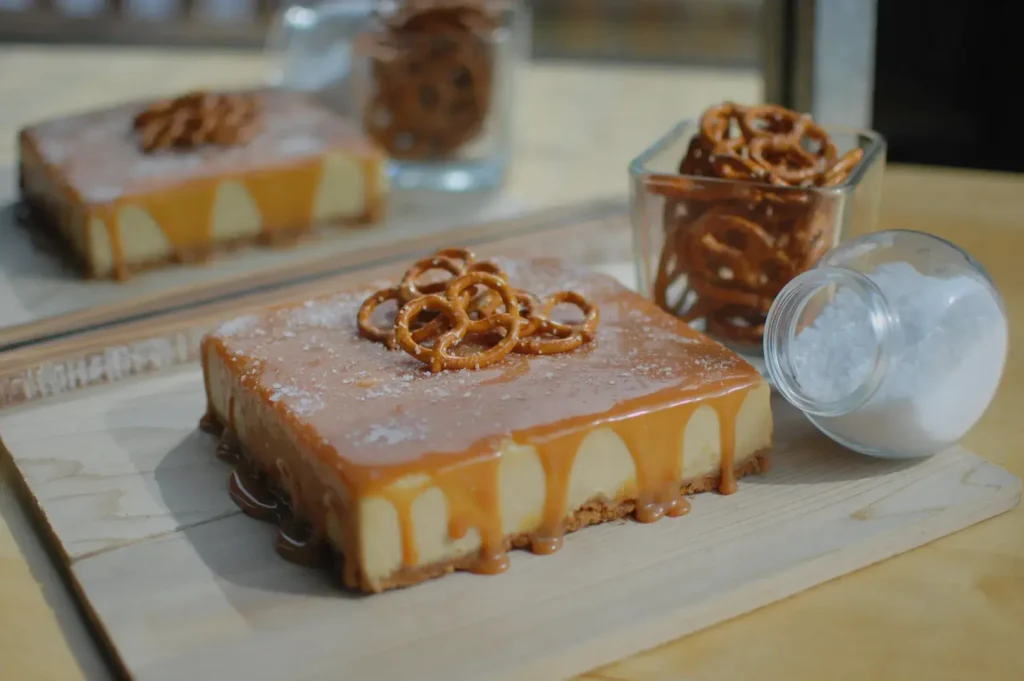
Not every crust alternative needs a formal name, just a bit of experimenting before the next cheesecake. Animal crackers, crushed the same way as graham crackers, produce a slightly sweeter, slightly more delicate crust that works well under a no bake cheesecake meant for kids or a casual weekend dessert.
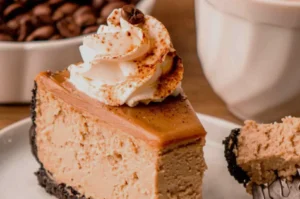
Biscoff cookies bring something else entirely: a warm, spiced, almost caramelized flavor that turns a simple filling into something that tastes more considered than it actually is. Regular oreos, the same oreo cookies sitting in most pantries, crushed into an oreo crust, remain the go-to for anyone chasing that classic cream filling and chocolate combination, especially in a New York cheesecake style build.
A few more worth keeping in a mental list: pretzel crust for a salty contrast against peanut butter cheesecake, vanilla wafers or nilla wafers for something closer to banana pudding, digestive biscuits when the pantry doesn’t have graham crackers on hand. Crushed ice cream cones create something that eats like a scoop of ice cream in crust form. An oat crust offers a heartier, slightly rustic base. Each one shifts the flavor profile just enough to make a familiar dessert feel new again.
Picking the Right Cheesecake Crust Alternative for What's Actually in the Filling
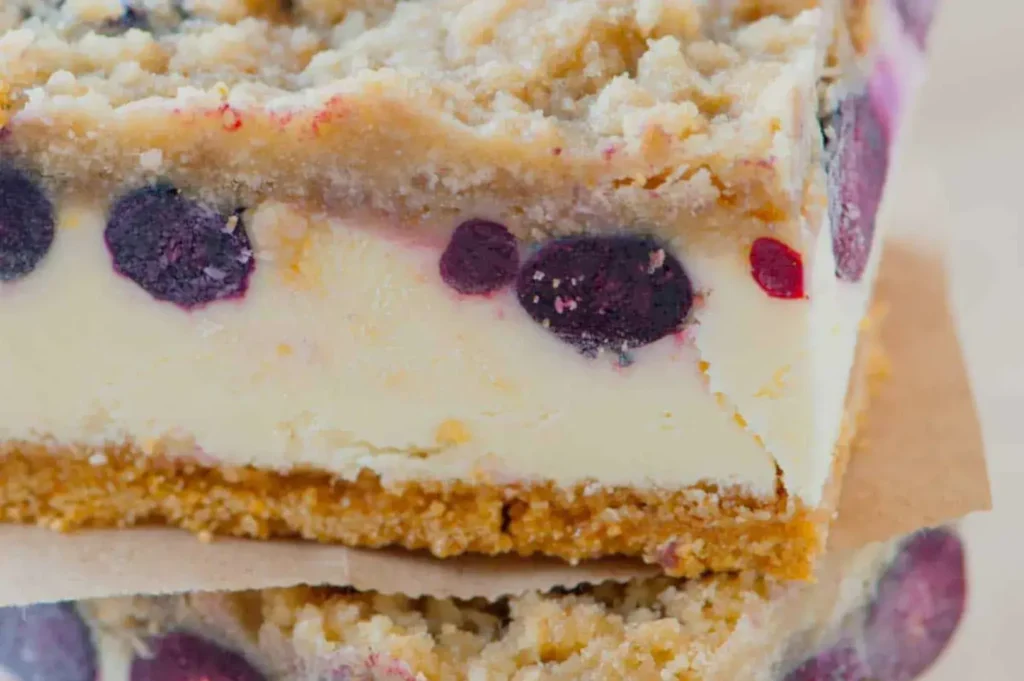
The mistake most people make is choosing a crust before deciding what the cheesecake filling is doing. A crust should support the cheesecake batter, not distract from it, which means the decision really starts with the filling itself.
Rich, chocolate-heavy fillings can carry a chocolate chip cookie crust or an oreo crust without feeling heavy handed. Lighter fillings, the kind built around egg whites for extra lift or a subtle vanilla base, usually do better with something restrained, like a graham cracker crust or an almond crust that doesn’t fight for attention.
There’s no universal best crust, despite what a lot of cheesecake recipes imply. It comes down to matching texture and sweetness to what’s already happening in the mixing bowl, then pre baking with a rolling pin, a measuring cup, and a firm hand to get those crumbs firmly packed before the batter goes in.
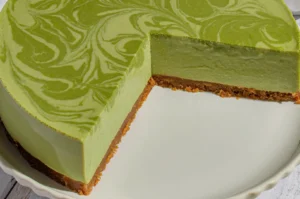
Daizu by Ki-setsu approaches that same question from the Japanese soy cheesecake side of things, where a lighter, less sweet filling calls for a crust that knows when to stay quiet. It’s a useful reminder that the right base isn’t always the most decorated one. Sometimes it’s just the one that lets the cheesecake actually taste like itself.