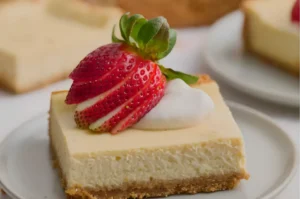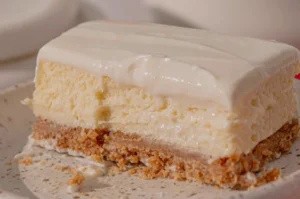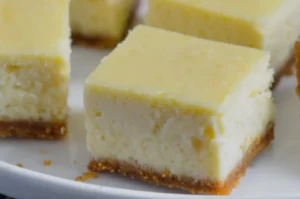
There’s a specific kind of disappointment that comes from finishing a great slice of cheesecake with the wrong drink in hand. The cake was fine. The coffee was fine. Together, something was off.
Even someone hunting down the best cheesecake in Singapore can walk away from a meal like that feeling like the slice underdelivered, when the real issue was sitting in the glass next to it. That mismatch is the whole reason cheesecake pairing exists as a topic worth thinking about, rather than something only sommeliers care about.
Most people treat dessert as the part of the meal where pairing stops mattering. Order whatever, drink whatever, it’s just cake. But cheesecake in particular is dense, rich, and often tangy in ways that interact strongly with whatever gets sipped alongside it. Get the pairing right and the whole bite opens up. Get it wrong and both the cake and the drink end up fighting for attention.
What a Cheesecake Pairing Is Actually Doing to the Taste Buds
Pairing isn’t about matching flavors that sound nice together on paper. It’s about what happens on the taste buds when fat, sugar, and acidity meet whatever is in the glass.
Cheesecake brings a lot of fat and cream to the table. That richness coats the mouth in a smooth, heavy layer, which is pleasant in small doses but can feel like too much by the third or fourth forkful. A drink with some acidity or fizz cuts through that coating and resets the palate for the next bite.
Sweetness works differently. A drink that’s too sweet next to an already sweet slice tends to feel cloying fast, where the two just amplify each other instead of balancing out. The better move is usually a drink with just a hint of sweetness, enough to complement without piling on.
Chocolate Cheesecake and Its Wine Pairing Options
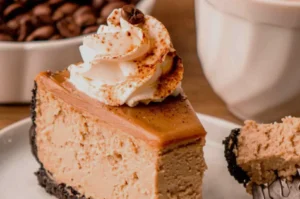
Chocolate cheesecake is the rich end of the spectrum, and next to its lemon or berry counterpart, it needs a drink with enough weight to stand up to it. This is where fortified wine tends to do the heavy lifting.
Wine Style | Why It Works With Chocolate Cheesecake |
|---|---|
Ruby Port | Deep fruit and light tannins that hold up against cocoa richness |
Madeira | Heated aging gives it a caramel edge that echoes the cake’s sweetness |
Late-Harvest Red | Enough acidity to stop the pairing from feeling too heavy |
A lighter wine, something delicate with soft tannins, tends to disappear next to a dense chocolate slice. It gets missed entirely, no matter how good the bottle. Chocolate wants something that can meet it at the same intensity, which is really what wine pairing with dessert comes down to: matching weight for weight, not just flavor for flavor. Even a small sip should be enough to notice the difference.
For those who prefer something without alcohol, a strong cappuccino does a similar job. The bitterness of the coffee bean cuts the sweetness in almost the same way tannins do.
Lemon Cheesecake Calls for Something With Its Own Citrus Notes
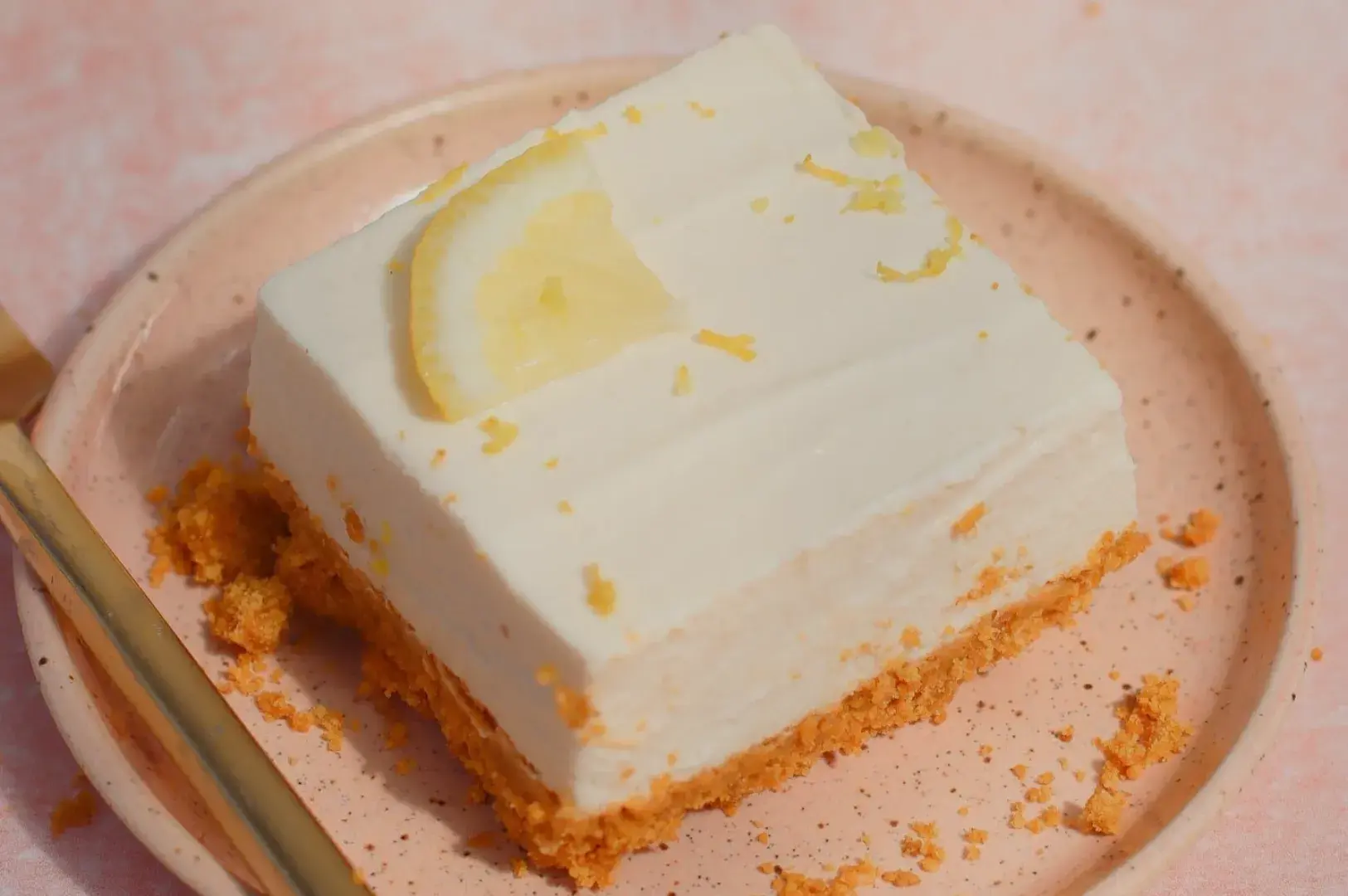
Lemon cheesecake is the opposite problem. It’s bright, a little sharp, and doesn’t need a drink to add richness. It needs one that can keep up with the acidity instead of getting steamrolled by it.
A crisp, vibrant white with its own citrus notes, something along the lines of a coastal Italian white or a light Chardonnay, tends to be the better match. The wine’s own brightness meets the lemon halfway instead of trying to soften it.
Sparkling wine works here too, and for a specific reason: the bubbles lift the richness of the cream cheese base while the acidity plays along with the citrus rather than against it. It’s a lighter, more refreshing combination than most people expect from a wine pairing.
What Berry Cheesecake Actually Needs on the Side
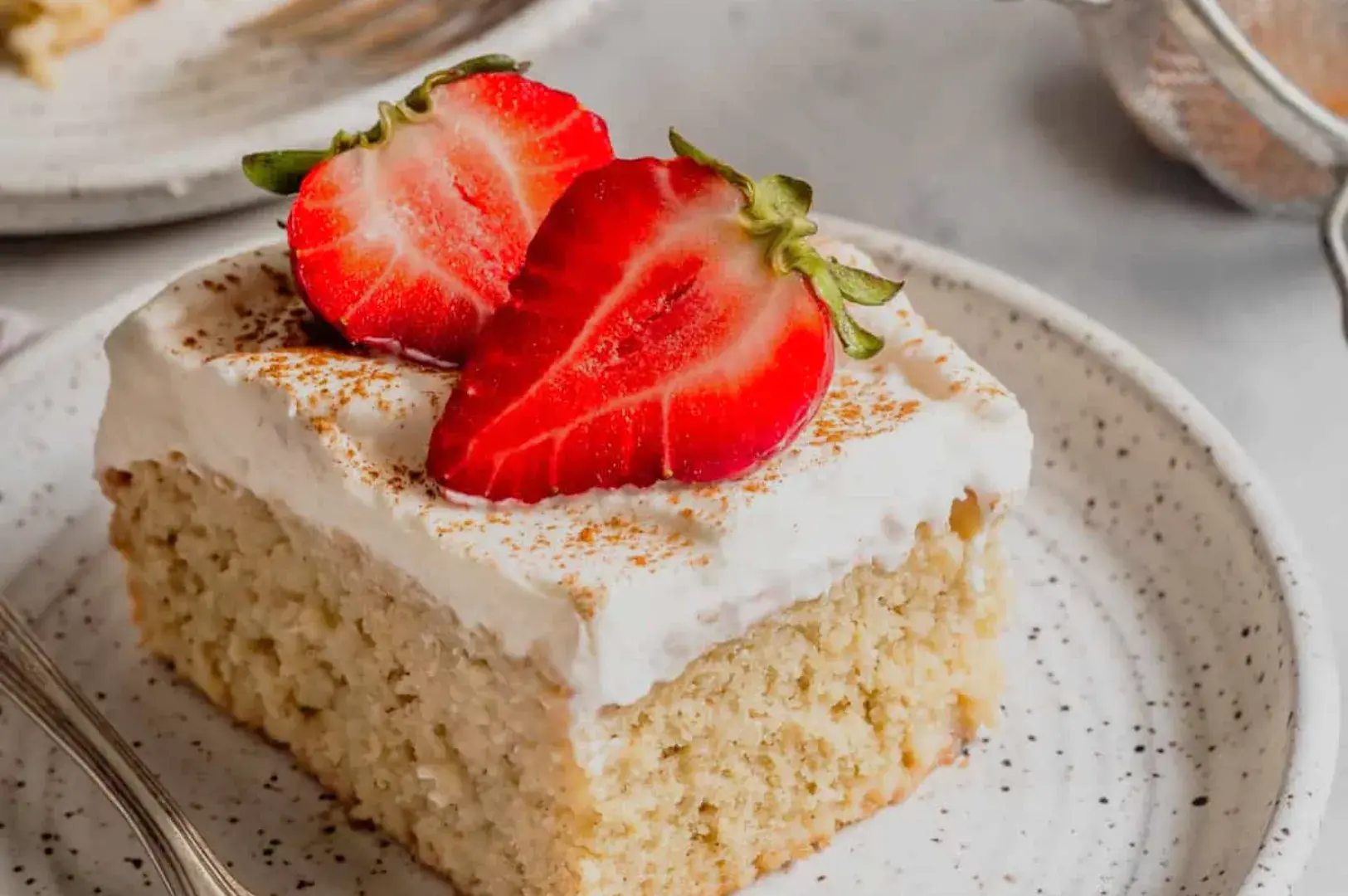
Berry cheesecake, whether it’s raspberry, blueberry, or a mixed fruit topping, tends to be forgiving. Most fruits carry a naturally fruity brightness that gets along with acidity, which opens up more pairing options than the chocolate or lemon versions allow.
Sparkling wine is still the standout choice, and not only because it looks nice on a table. A cava from Spain is typically a good starting point, since the carbonation does real work against the sweetness of the fruit, while a rosé-style sparkling can pick up on the same red fruit notes already present in the cake.
Someone looking for a non-alcoholic option could reach for something with cherry or berry undertones of its own, an unsweetened iced tea works surprisingly well, since it brings acidity without adding more sugar to a dessert that already has plenty.
Where the Signature Cheesecake Fits on the Table
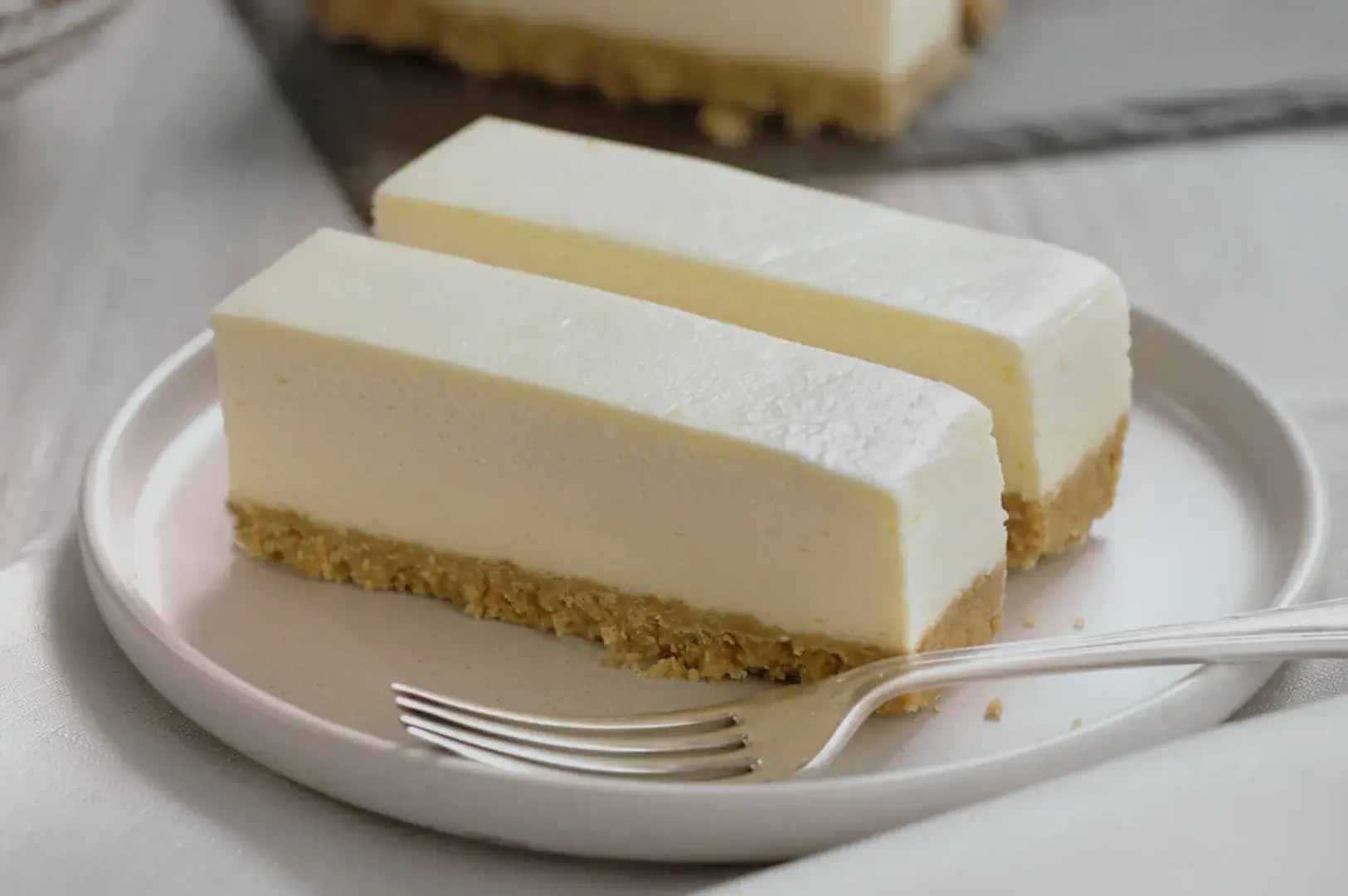
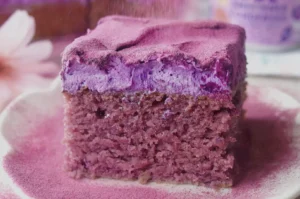
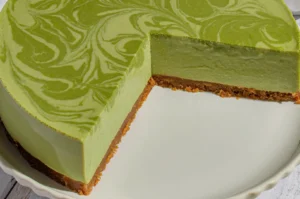
A signature cheesecake, the kind built around a specific flavor combination rather than a classic base, tends to resist simple pairing rules. It might layer coffee and vanilla, or bring in something unexpected like red velvet cake as a base note underneath the cream layer.
The approach here is less about finding one correct drink and more about identifying which element is doing the most work. If coffee is the dominant flavor, a drink that leans into that, rather than competing with it, keeps things balanced. If the cake is fruit-forward, the same logic from the berry section applies.
This is the version of pairing that rewards a bit of experimenting, or an honest willingness to experiment rather than hope the first guess is right. There’s no single formula, just a sense of which flavor in the slice needs support and which one needs contrast.
Read: The Cheesecake Ingredients List That Broke Singapore’s Dessert Norms
New York Cheesecake and the Original Cheesecake Are Not the Same Pairing Problem
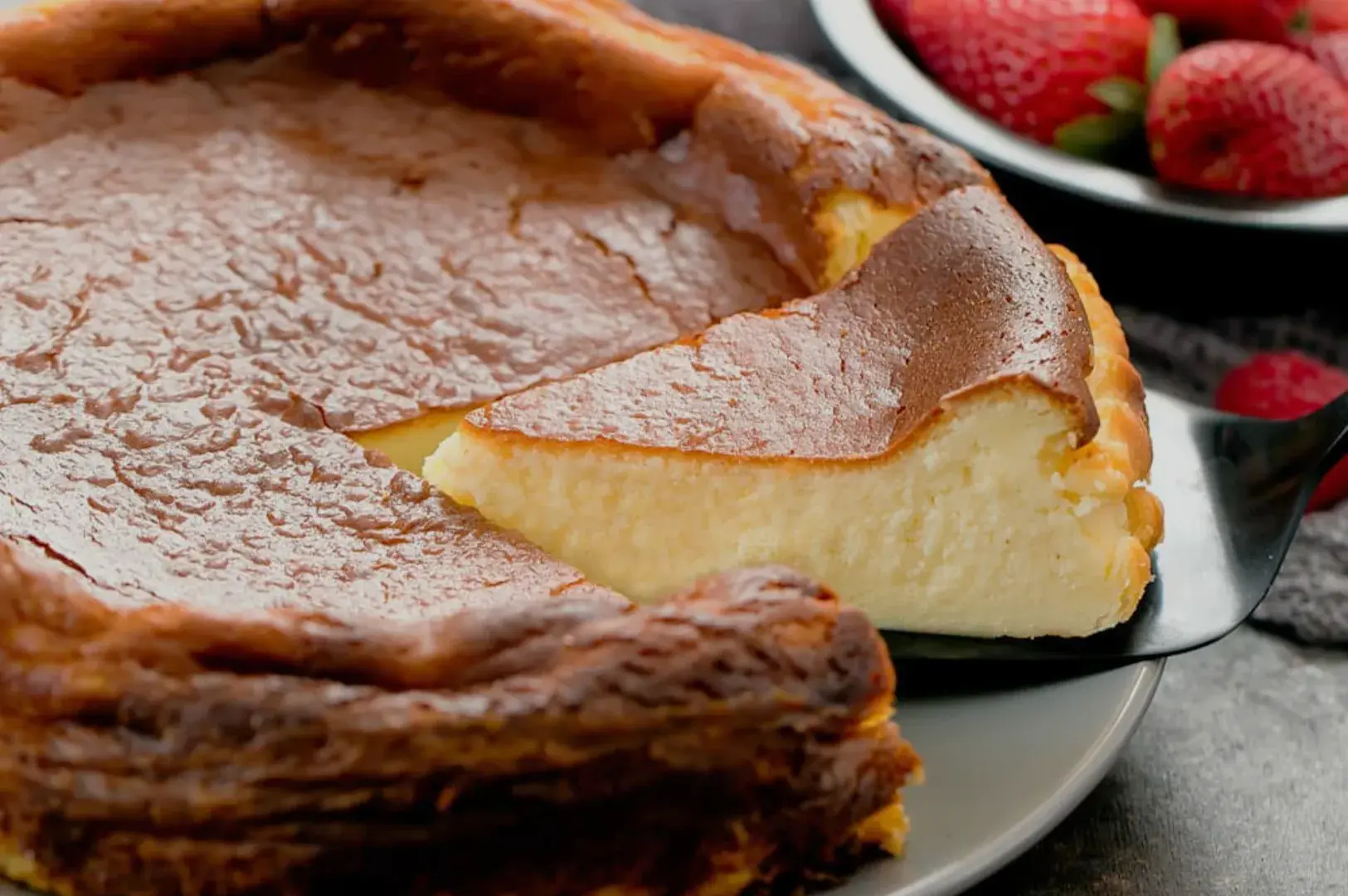
It’s easy to lump every dense, plain cheesecake into one category, but a New York cheesecake and what’s often called the original cheesecake don’t behave identically at the table.
New York cheesecake is denser, tangier, and usually served without much topping. That tang from the cream cheese wants acidity in return, which makes a dry sparkling wine or even a light-bodied coffee a natural fit.
The original cheesecake, closer to the honey and cheese versions with roots in ancient Greece, is milder and less tangy. It leans more toward pairing partners that add flavor rather than cutting through it, since there’s less richness to balance in the first place.
National Cheesecake Day and Why It’s Worth Trying a New Combination
National Cheesecake Day tends to be treated as an excuse to eat more cheesecake, which isn’t wrong, but it’s also a reasonable prompt to try a pairing that wouldn’t normally get picked off a dessert menu. Most people default to coffee out of habit, not because it’s necessarily the best match for the slice in front of them.
A short list worth trying on the day itself:
A dry sparkling wine with a citrus-forward slice
A ruby port with anything chocolate-heavy
An unsweetened iced tea with a berry topping
A light Chardonnay with a plain, tangy base
None of these require a special occasion beyond curiosity, though sharing the day with family tends to make the experimenting more fun. It’s the kind of small discovery that ends up in a group chat or a passing social media post, an annual reminder to pay attention to a combination that’s normally an afterthought.
What the Right Drink Actually Changes About the Bite
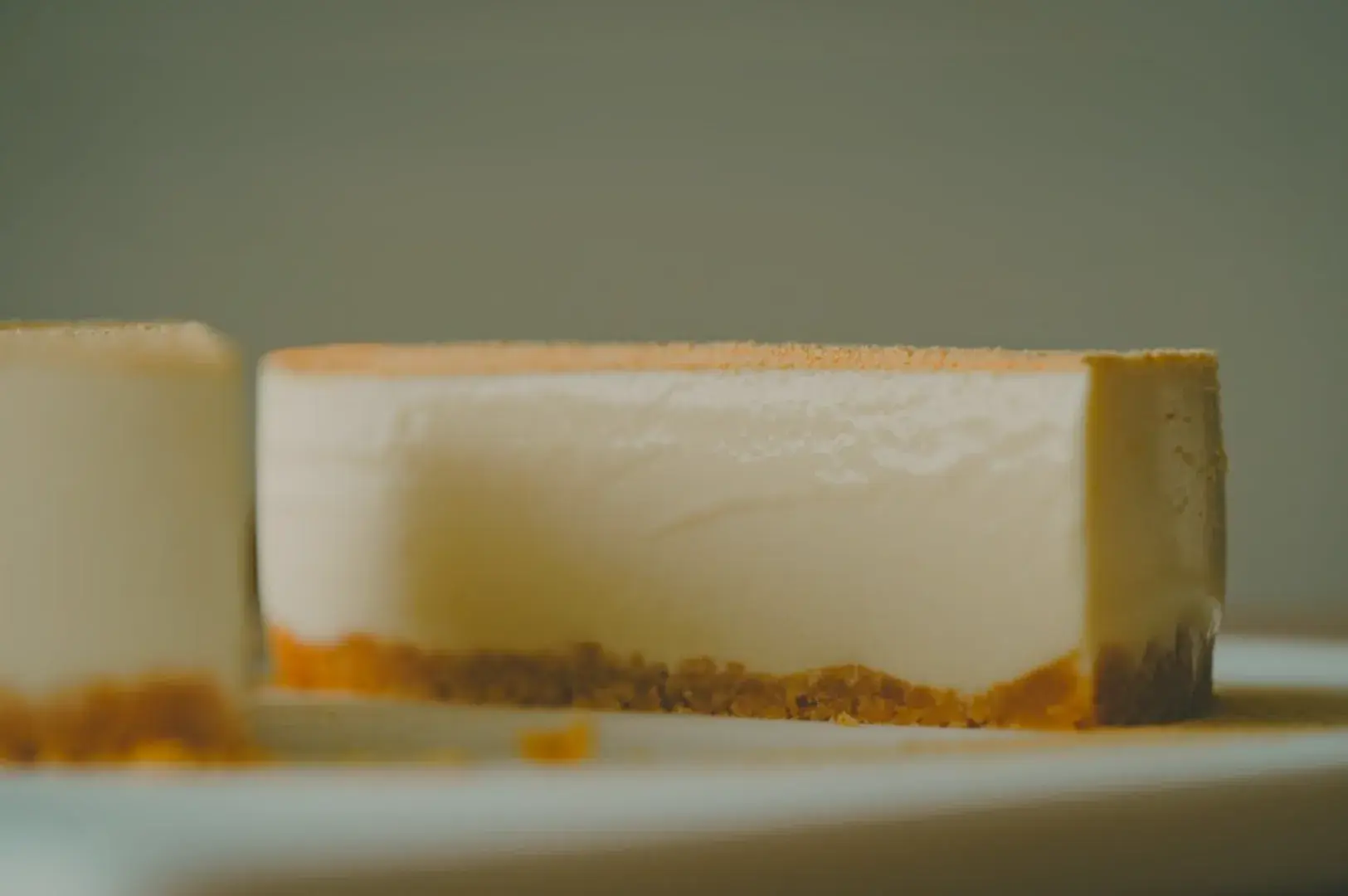
The difference between a good cheesecake pairing and an accidental one usually comes down to a single idea: the drink should either cut through the richness or match its intensity, not sit somewhere in the middle doing neither. A well-chosen drink doesn’t just sit next to the cake, it enhances what’s already there. Once that idea clicks, choosing a pairing stops feeling like guesswork.
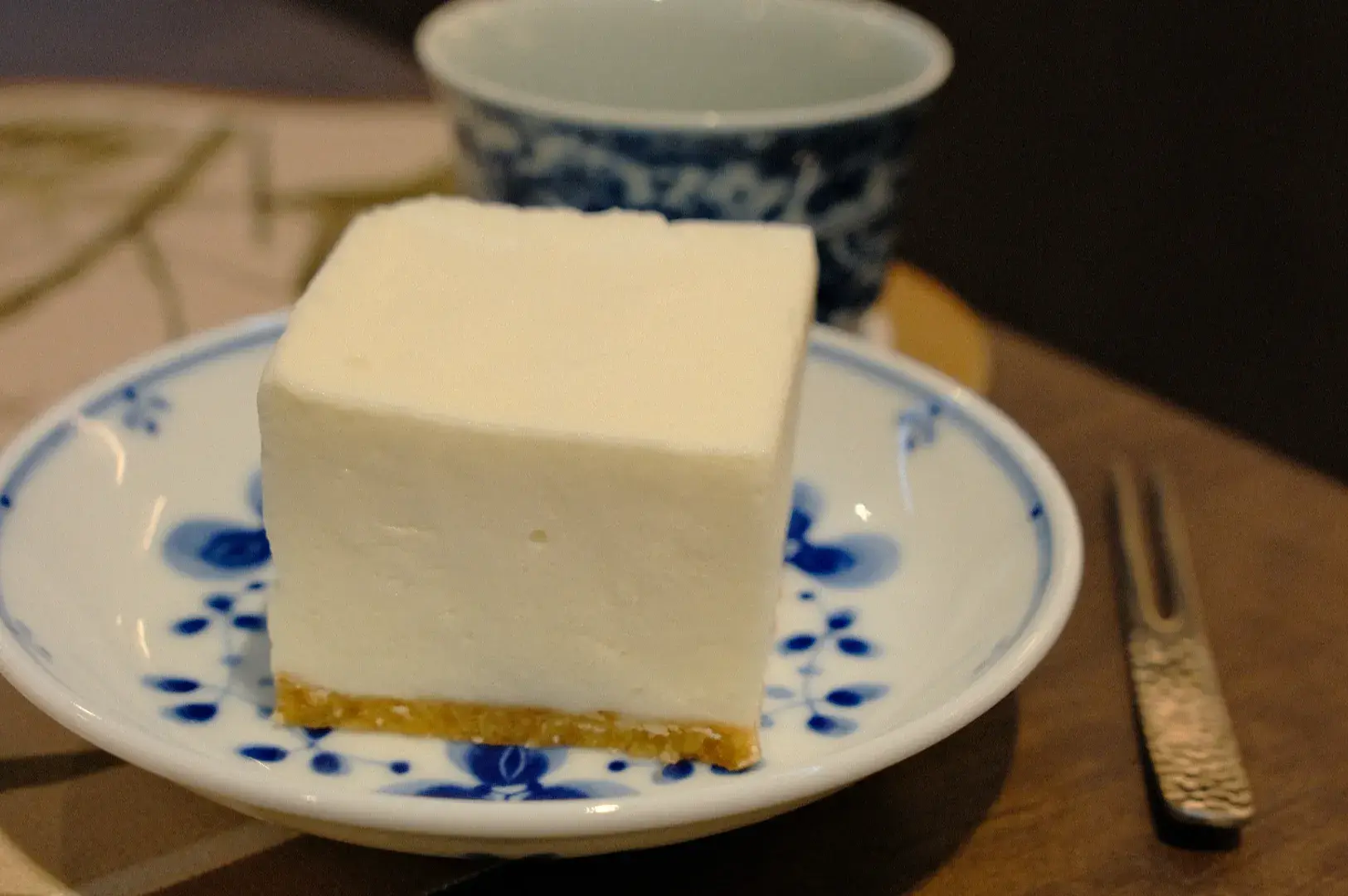
At Daizu by Ki-setsu, the soy-based cheesecakes lean lighter than a traditional cream cheese base, which opens up a slightly different set of pairing options, from a delicate sparkling wine to a simple cup of coffee, without either one getting lost against the cake. It’s less about following a fixed rule and more about noticing what a slice actually needs, then giving it that.