Someone forgets what the first forkful of cake tasted like almost as soon as it’s swallowed. Ask them an hour later and they’ll shrug. Ask about the last bite, though, and the answer comes fast, specific, almost defensive. That gap says something worth paying attention to. The last bite carries more weight in memory than the first one ever does, and once that’s noticed, it’s hard to eat dessert the same way again.
First Bite Gets All the Credit It Doesn't Deserve
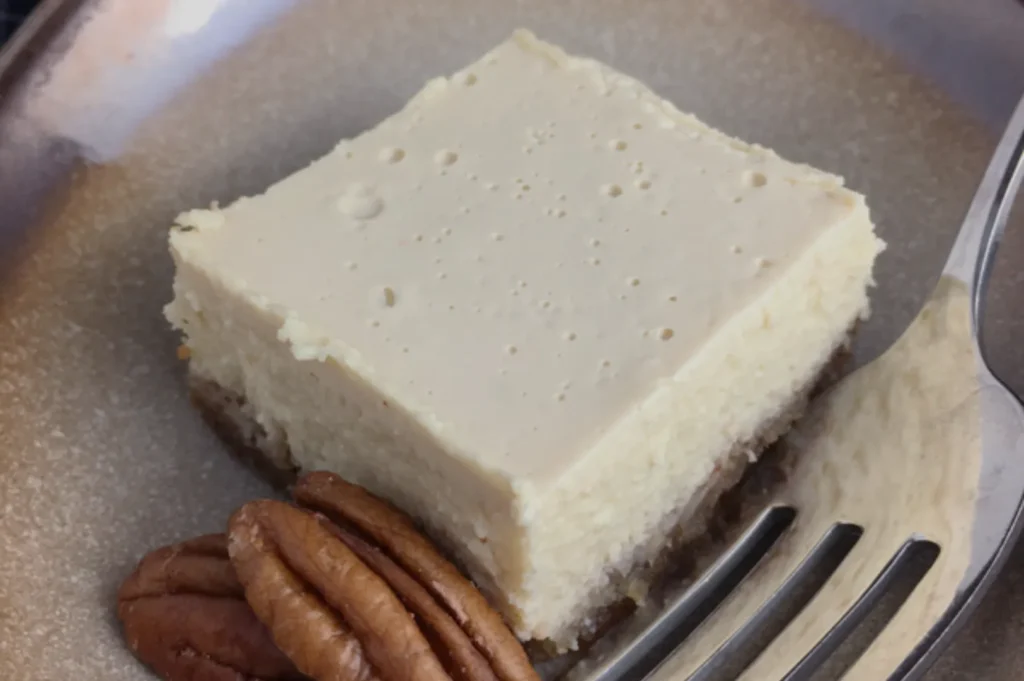
The first bite gets the applause because it’s the one everyone talks about while eating. It’s loud, immediate, full of novelty. New texture, new flavour, the surprise of whatever the dish is doing.
But novelty fades fast. By the third or fourth bite, the brain has already filed the flavour under “known” and stopped paying close attention. What felt exciting a minute ago is now just familiar.
This is why a dessert can start strong and still leave someone unimpressed. The opening performance was memorable in the moment, but memory in the moment isn’t the same as memory that lasts.
What the Last Bite Is Actually Doing
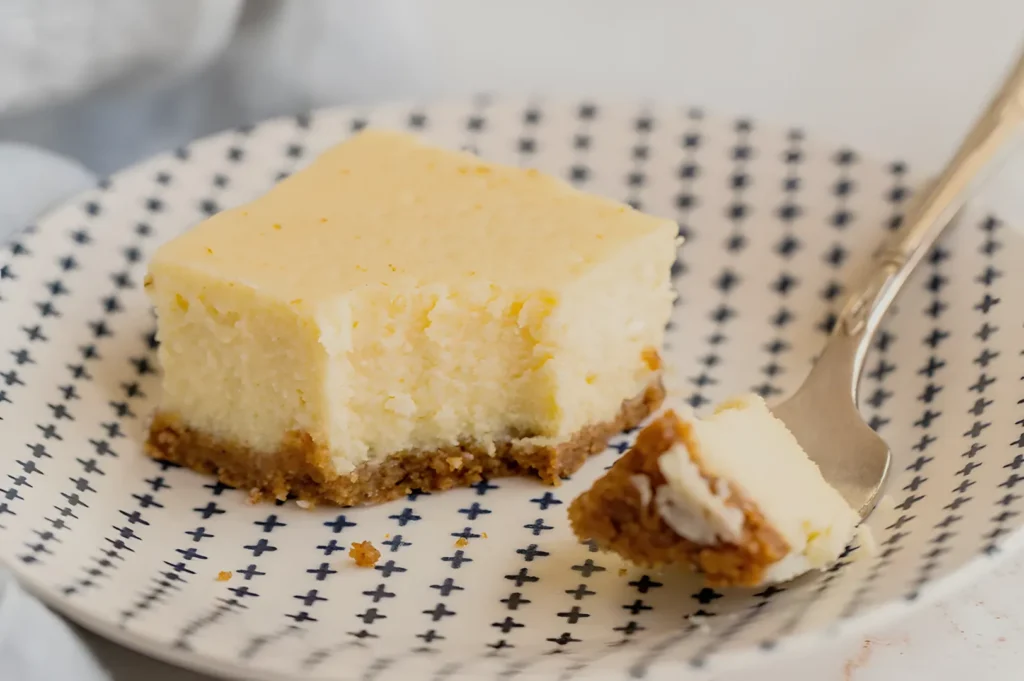
The last bite isn’t just the final piece of a slice. It’s the piece the brain uses to write the summary. Psychologists call this the peak-end rule: people judge an experience largely by its most intense point and how it finished, not by the average of everything in between.
For dessert, that means the last bite often functions as a verdict. It’s the flavour that lingers after the plate is cleared, the one still sitting on the tongue when someone decides whether they’d order it again.
A few reasons the ending carries disproportionate weight:
- Nothing competes with it. The first bite has to share attention with anticipation, plating, maybe conversation. The last bite has the room to itself.
- It’s the most recent data point. Recency bias means the freshest impression tends to overwrite the earlier ones.
- There’s no do-over. Once the last bite is gone, that’s the flavour memory locks in on. There’s no next bite to correct course.
It’s worth noting this isn’t unique to dessert. The same rule shows up in how people remember holidays, films, even conversations. The middle blurs together, but the ending gets filed away with unusual clarity. Dessert just happens to be one of the easiest places to notice it happening, because the sweetness, the texture, all of it is gone within minutes.
First Bite vs. Last Bite, Side by Side
Laid out next to each other, the difference in what each bite is doing becomes easier to see.
| First Bite | Last Bite | |
|---|---|---|
| Attention level | High, but shared with anticipation | Focused, nothing left to compete with |
| Memory strength | Fades quickly | Lingers, shapes the overall verdict |
| Flavour perception | Often the most intense | Can taste heavier or lighter depending on build |
| What it reveals | How the dish introduces itself | Whether the dish was actually well made |
The table isn’t meant to suggest the first bite doesn’t matter. It just clarifies what each one is actually responsible for. The first bite handles the introduction. The last bite handles the review.
Why Texture Quietly Changes Between the First Forkful and the Last
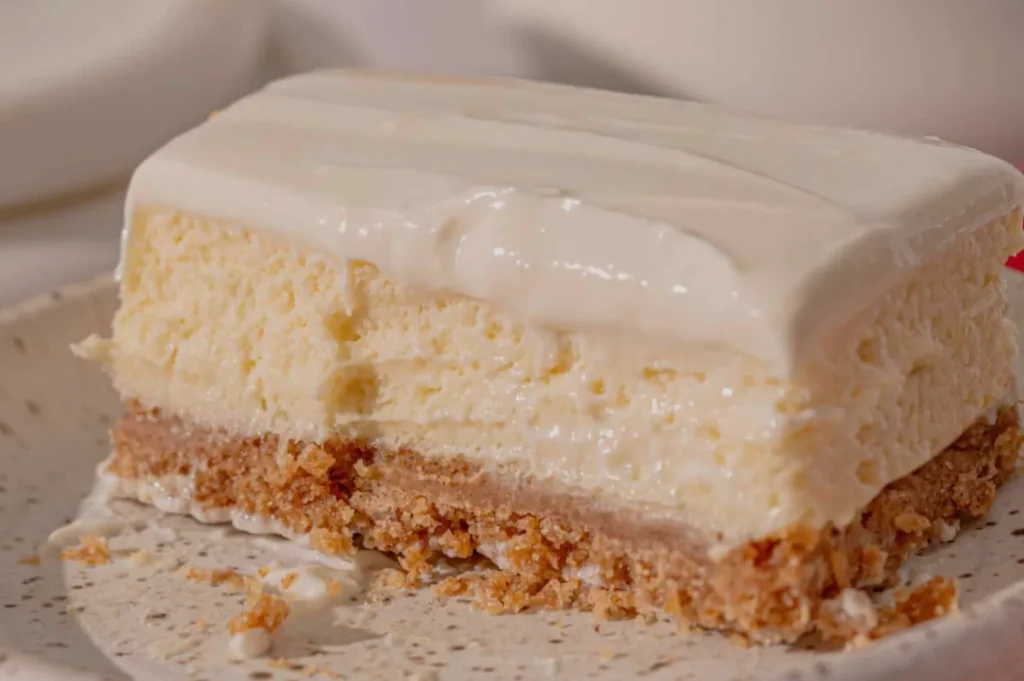
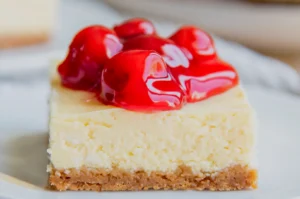
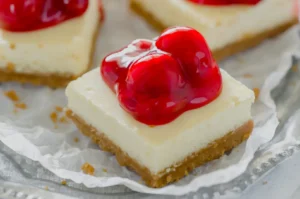
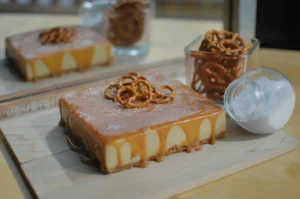
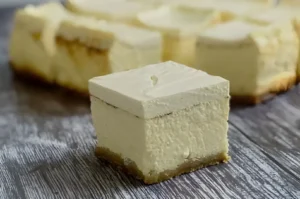
Here’s the part most people never think about: a cheesecake doesn’t taste or feel the same at the end of the slice as it did at the start, even if nothing on the plate has changed. Temperature shifts as the slice sits. The crust softens slightly where it’s touched cream. The proportions of cheese, base, and topping in each forkful are never quite identical.
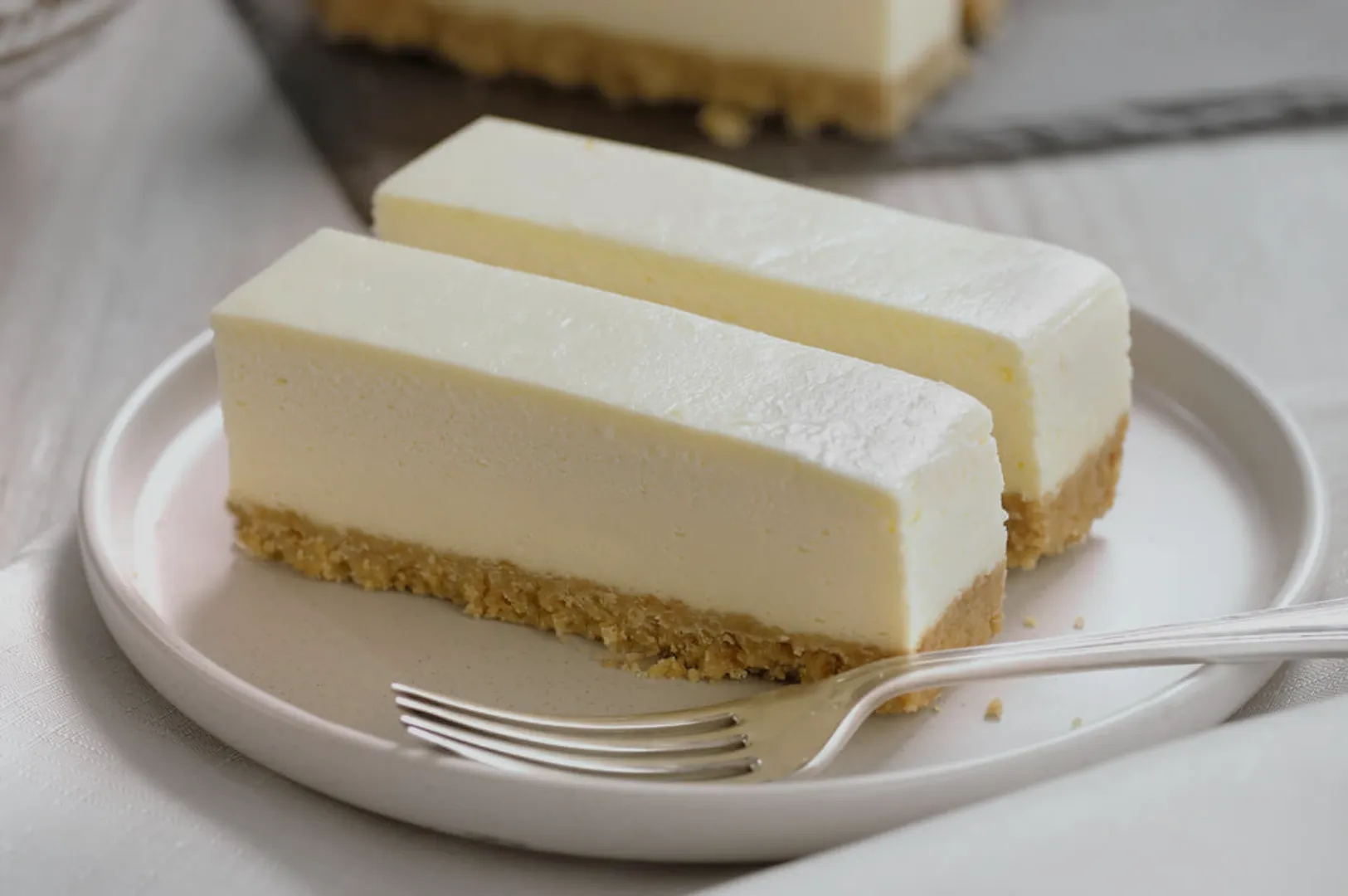
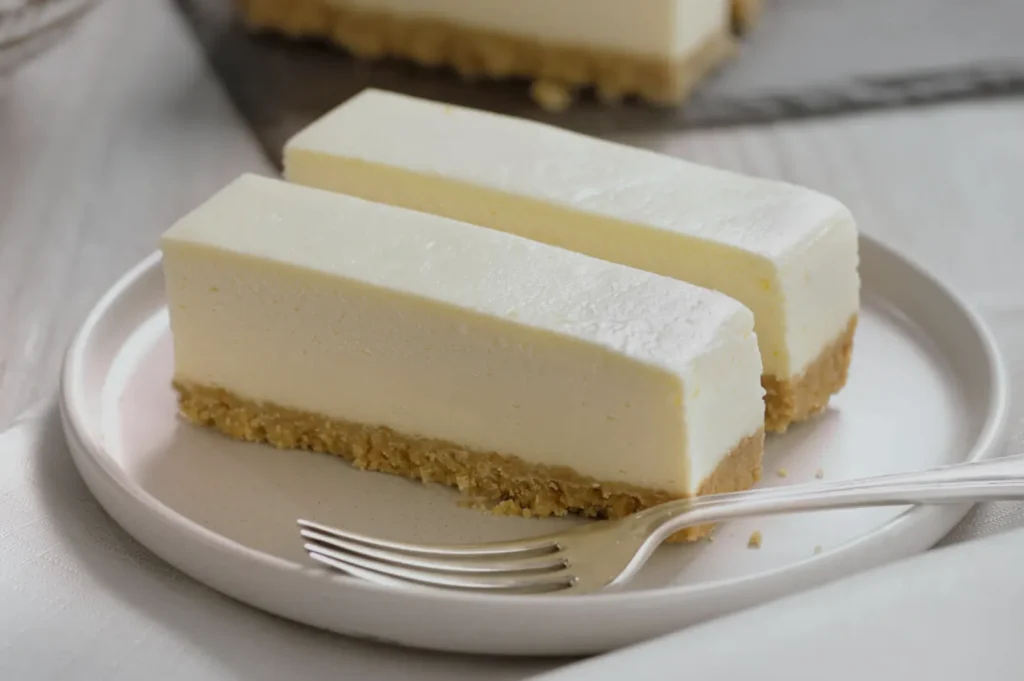
A well-built cheesecake accounts for this. The topping-to-base ratio, the density of the filling, the way the crust holds its structure, all of it needs to perform consistently from edge to edge. Get the balance wrong and the last bite can turn heavy, dry, or oddly proportioned, even if the first few were excellent.
This is also where soy-based fillings behave differently from traditional cream cheese ones. Soy has a lighter fat structure, so it doesn’t turn as dense or cloying by the final bite, which is part of why the ending tends to hold up rather than drag.
Where Most Cheesecakes Actually Go Wrong
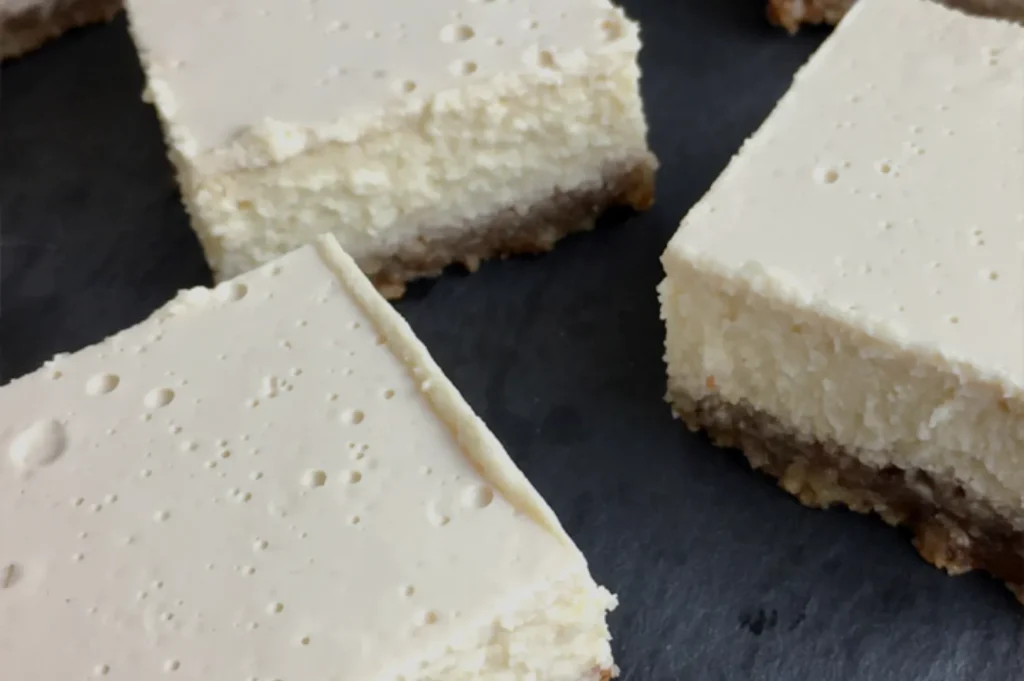
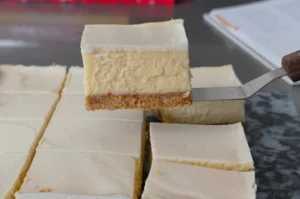
There’s a common failure point worth naming here. Many cheesecakes are built with the middle of the slice in mind, the part that photographs well and gets the first cut. Less thought goes into how the edges hold up, or how the last piece against the crust will taste once it’s slightly warmer and slightly more exposed to air. That’s usually where a dessert either finishes strong or falls apart.
Bakers who understand this tend to work backwards from the last bite rather than forward from the first. They ask what the final forkful needs to taste and feel like, then build the rest of the slice to support that outcome. It’s a small shift in thinking, but it changes what gets prioritised in the kitchen. Crust thickness, chill time, even how the slice is cut all get treated differently once the ending is the target rather than an afterthought.
Building a Dessert That Finishes the Way It Started
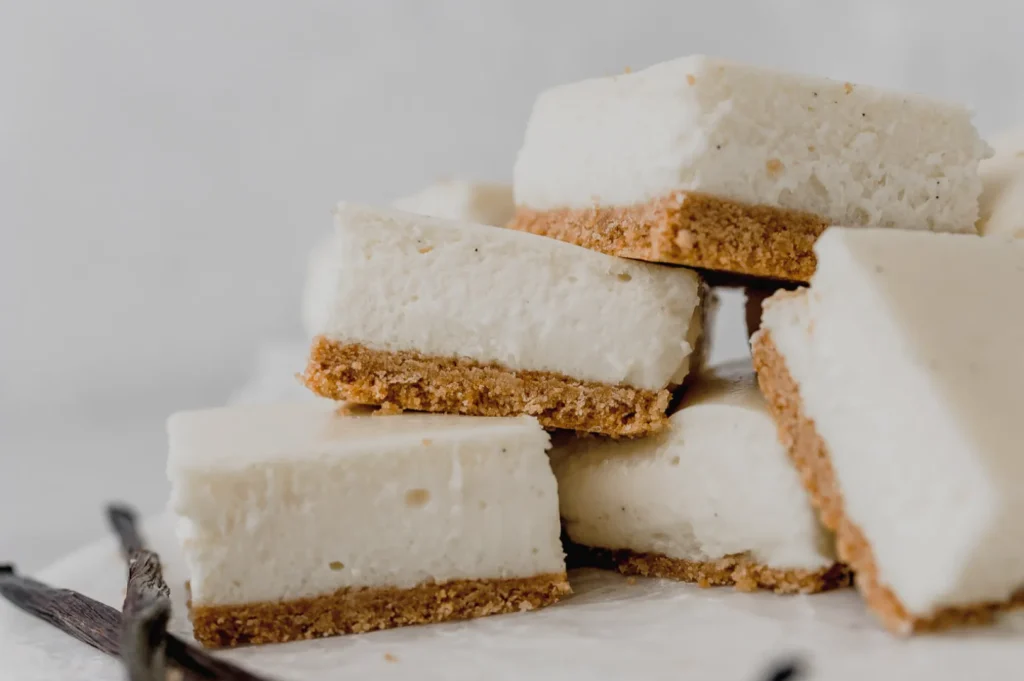
None of this means the first bite doesn’t matter. It sets expectations, draws people in, does the job of making someone want to keep eating. But a dessert that only performs well at the start is one that quietly disappoints by the end, even if nobody can immediately explain why.
The better goal is consistency from edge to edge. A last bite that tastes just as considered as the first isn’t an accident. It comes from getting the ratios right, keeping the texture stable, and not letting the finish be an afterthought to the opening.
That’s the standard Daizu by Ki-setsu bakes toward with every slice, lighter soy-based layers built to hold their balance all the way through, so the last forkful is the one that makes someone want to come back for another slice, not just remember the first.