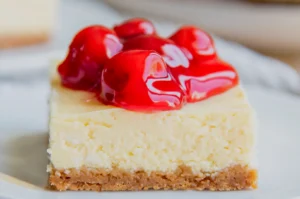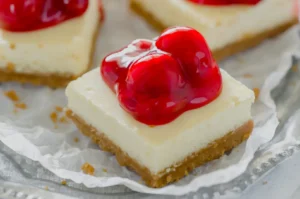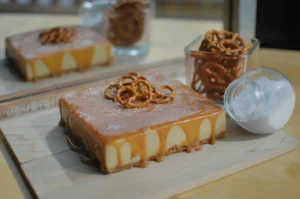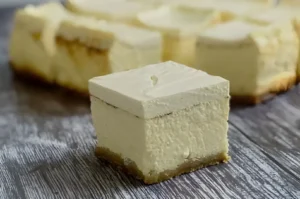
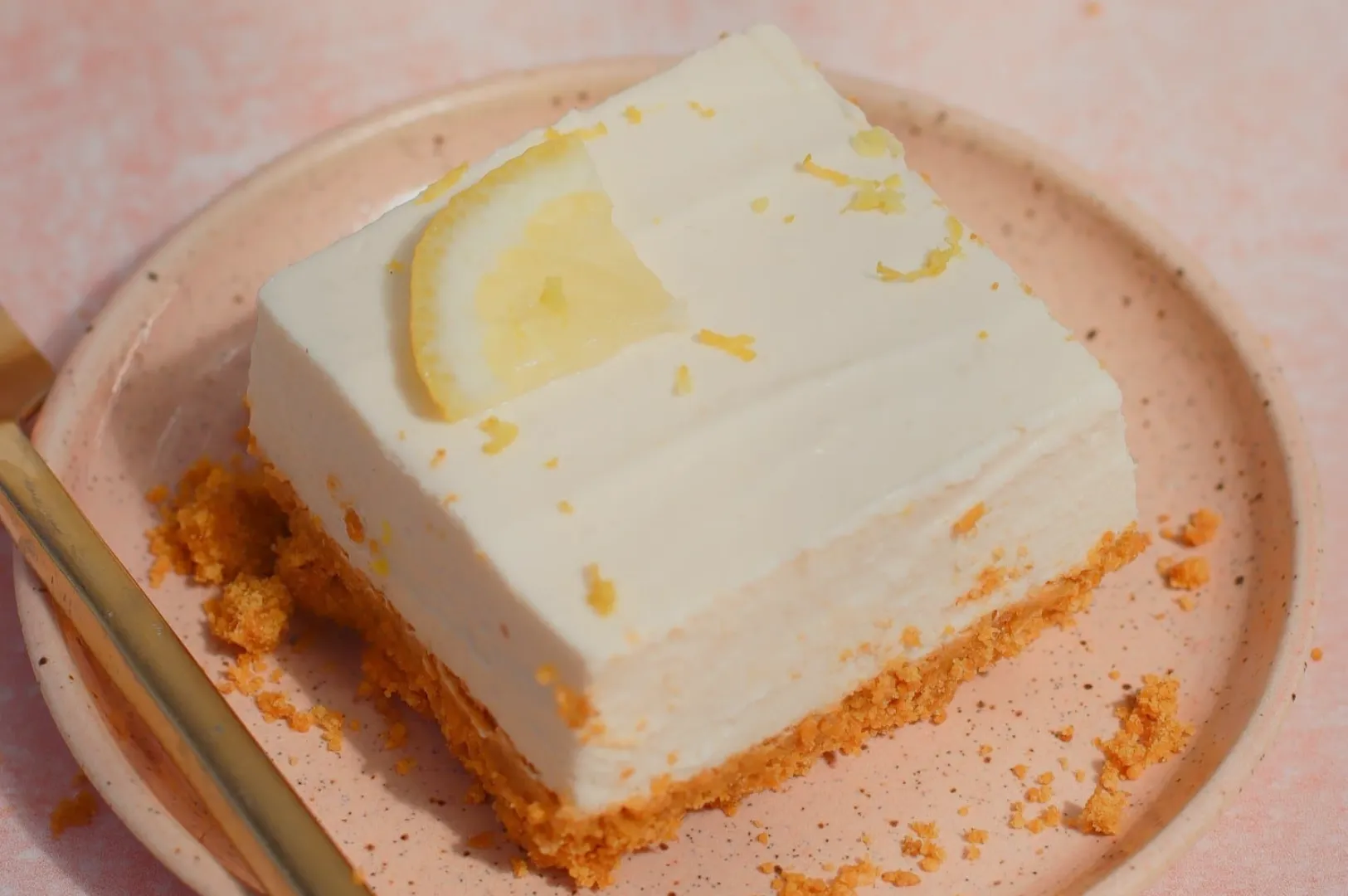
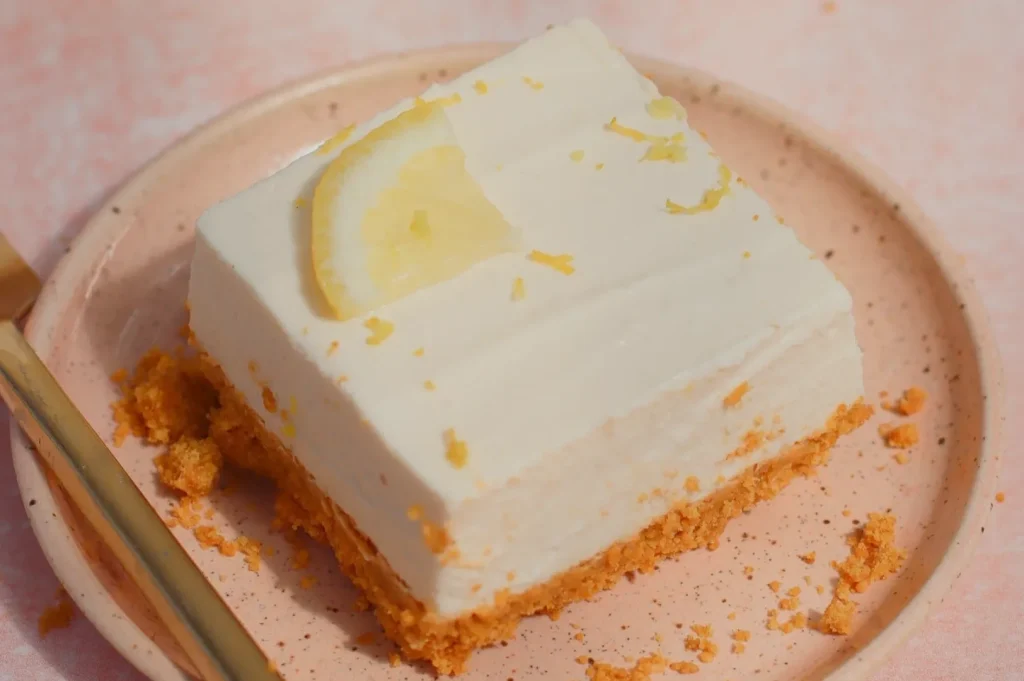
A plate holds a slice that looks perfectly structured but remains slightly tense from the refrigerator. Leaving it unattended for just a few minutes too long in a warm room can completely change the texture. This is the quiet reality of handling delicate cheesecakes, where timing and temperature dictate the entire experience from the first look to the final bite.
Achieving the perfect balance in a dessert requires a bit of mindfulness. Unlike sturdy flour-based cakes that can sit out through an entire afternoon party without losing their shape, custard-like structures are highly reactive to their environment. A shift of just a few degrees alters how the texture feels on the palate and how the flavors unfold.
Why Cold Masks the True Character
Refrigeration is essential for setting the structure of a delicate bake, but it acts as a temporary brake on flavor. When dairy and fat are chilled completely, the molecules lock together tightly, creating a firm and resilient texture. This firmness is excellent for clean slicing, but it prevents the subtle notes of the cheese from reaching their full potential.
Cold temperatures physically numb the taste buds, meaning the nuanced tang and sweetness are masked during those initial cold bites. A slice eaten straight from the refrigerator often feels surprisingly dense and muted. The ingredients need a brief period of warmth to wake up and release their aromatic compounds.
The Narrow Window of Optimal Softness

Allowing a slice to rest on the counter initiates a gentle transition. As ambient room heat interacts with the dessert, the tightly bound fats begin to loosen their grip. This warming process transforms a firm, block-like consistency into a velvety, smooth texture that glides across the tongue effortlessly.
However, this transition requires close observation because tropical humidity accelerates the softening process. The ideal state exists in a brief window where the core is cool but yielding, while the perimeter remains stable enough to hold its shape. Missing this window means the structure can soften too far, turning a pristine presentation into a disappointing slump.
How Temperature Shifts Alter the Plate
The behavior of these desserts varies significantly based on how long they are exposed to room temperature. Managing the timeline ensures that guests experience the exact texture intended by the baker.
| Temperature State | Structural Behavior | Flavor Presentation |
|---|---|---|
| Straight from Fridge | Rigid perimeter, firmly locked core | Muted dairy notes, slow taste release |
| Ten-Minute Counter Rest | Yielding texture, smooth internal matrix | Balanced sweetness with a clean tang |
| Prolonged Room Exposure | Softening edges, structural vulnerability | Heavy profile, rapid loss of nuance |
Every minute on the counter shifts the dessert further along this spectrum. A professional kitchen spends hours perfecting the internal balance of a recipe, but the final stage of execution always happens at the table. Paying attention to these subtle changes turns a simple post-meal treat into a memorable culinary moment.
Why Delicate Cheesecakes Ask for Your Full Attention at the Table
Savoring a premium dessert is as much about timing as it is about the quality of the ingredients. When serving delicate cheesecakes, rushing the process or ignoring the environment can detract from the craftsmanship embedded in the cake.
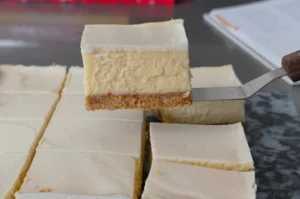
- The Knife Temperature: A cold blade tears through a soft matrix, leaving jagged edges and a messy plate. Warming the knife under hot water and wiping it dry before each cut ensures a clean, professional slice.
- The Serving Plate: A plate that has been sitting in a warm kitchen can transfer heat to the base of the cake too quickly. Using room-temperature or slightly cool plates preserves the structural integrity of the bottom layer.
- The Ambient Environment: Air conditioning helps maintain stability, while open-air dining requires a much faster transition from the refrigerator to the fork.
Focusing on these details prevents the dessert from losing its charm before the meal concludes. It shows an appreciation for the structural physics of pastry making, where a few mindful choices elevate the entire tasting experience.
Giving a Velvet Texture the Space it Needs to Shine
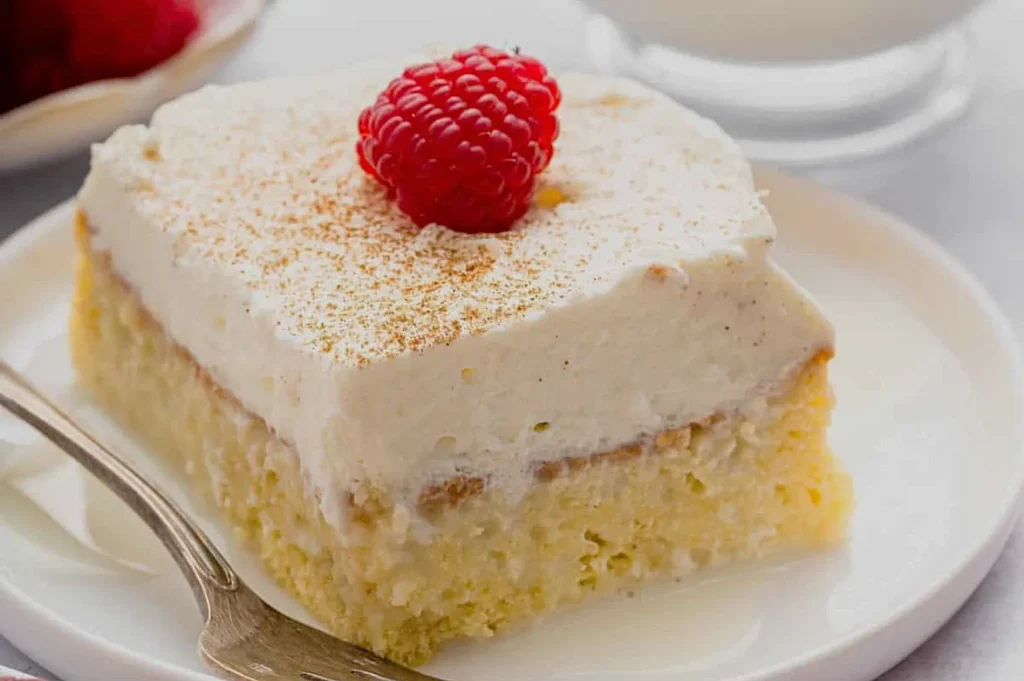
When a recipe moves away from heavy, traditional structures, the need for environmental awareness becomes even more apparent. Classic formulations often rely on massive amounts of heavy cream cheese or artificial stabilizers to keep everything locked in place, which can result in a dense, sluggish feeling after eating. Modern pastry development favors a lighter approach, choosing clean ingredient combinations that offer structural agility across different temperatures.
Refining the balance between structural integrity and physical lightness defines the contemporary approach to baking. At Daizu by Ki-setsu, we address these environmental shifts by mindfully blending premium soy milk and smooth silken tofu into a traditional base. This creates a Japanese soy cheesecake that holds its shape beautifully on the plate, yet feels remarkably light. It offers a clean, gentle bite that doesn’t leave you feeling weighed down.