Watching a dessert fork slide through a wedge of cake on a warm afternoon reveals a lot about personal preference. Some prefer a cheesecake that offers firm resistance when cut, while others enjoy one that melts instantly on the fork.
This contrast between an airy cheesecake and its weightier counterpart shapes the entire experience of an afternoon treat. The choice between a pillow-soft lift and a dense, rich block often determines whether a gathering feels like a light celebration or a heavy commitment, especially when enjoying cheesecake Singapore styles.
It comes down to how air is introduced and how the structural network captures moisture during the baking process, as well as the oven temperature and baking time. For example, whether you choose to bake cheesecake in a springform pan wrapped in aluminum foil for a water bath or opt for a no bake cheesecake, the preparation method greatly influences the final texture.
Finding the Balance in Your Next Cheesecake Recipe
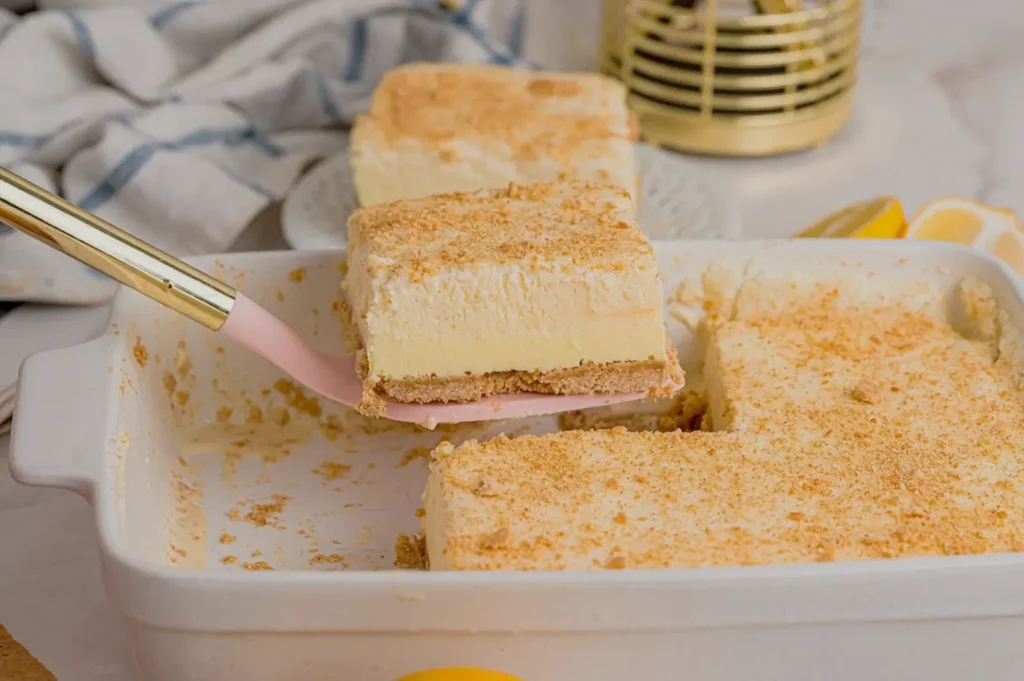
Baking a reliable dessert requires more than just following instructions on a digital recipe card. Every choice made during the preparation phase shifts the final density of the cake, long before the oven rack even begins to warm up. A traditional New York style cheesecake relies on a tightly knit structure that holds its shape under its own weight, while a lighter alternative prioritizes mechanical expansion to keep things floating.
How Cream Cheese Shapes the Foundation of Density
The core body of a standard cheese cake begins with solid bricks of pure cream cheese. When left at room temperature, these blocks soften enough to incorporate smoothly with sugar, vanilla extract, and crust ingredients without forming stubborn lumps.
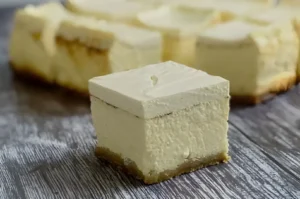
A heavy, dense cake uses a high ratio of this dairy base relative to other liquids, creating a thick cream cheese mixture that retains minimal air. This choice delivers that iconic, slow-dissolving melt associated with a classic NY style cheesecake. Adding lemon juice during mixing can brighten the flavor and slightly denature proteins, contributing to the perfect cheesecake texture.
The Role of Egg Whites and Whipped Cream in Creating a Pillow-Soft Lift
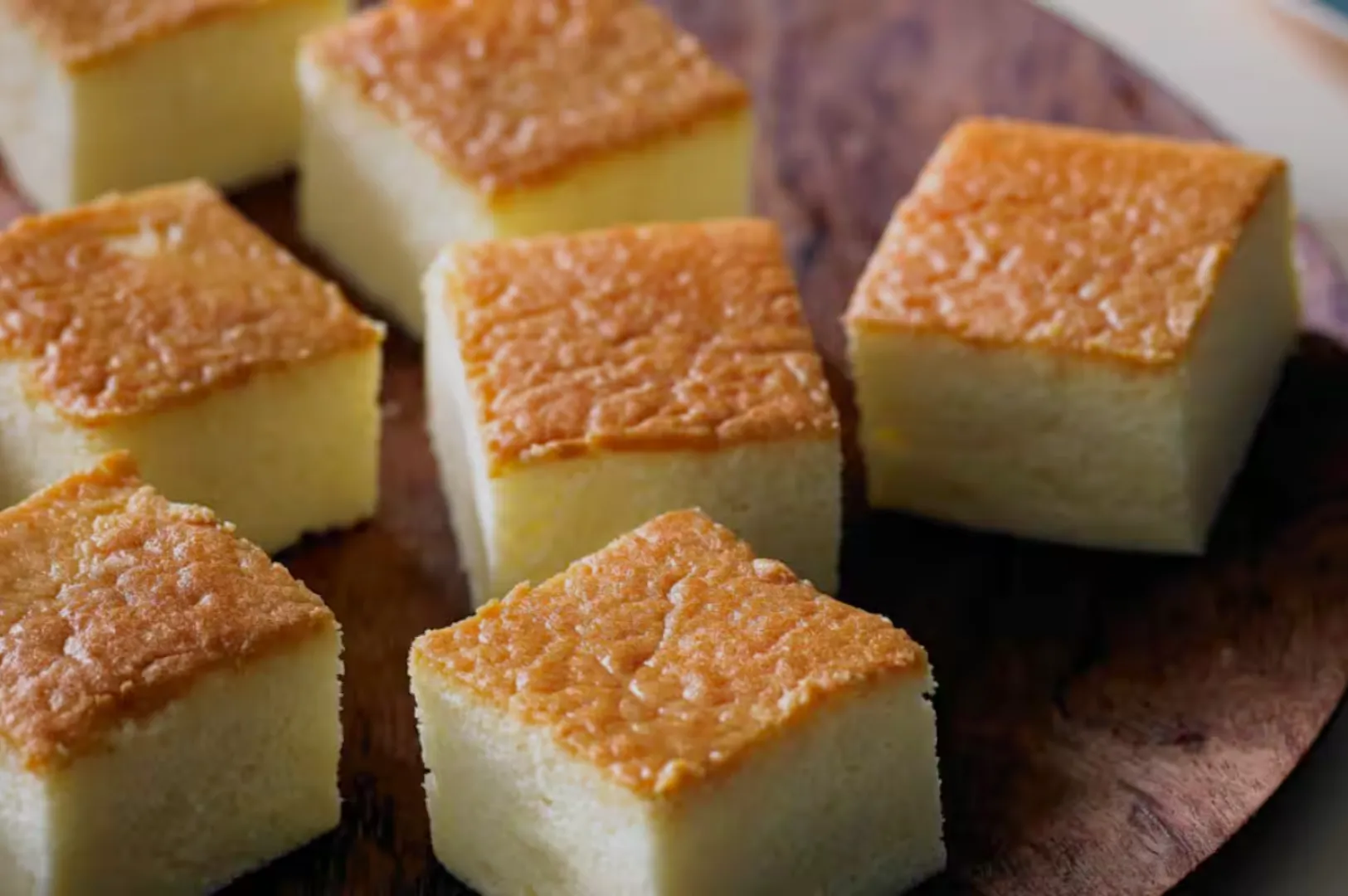
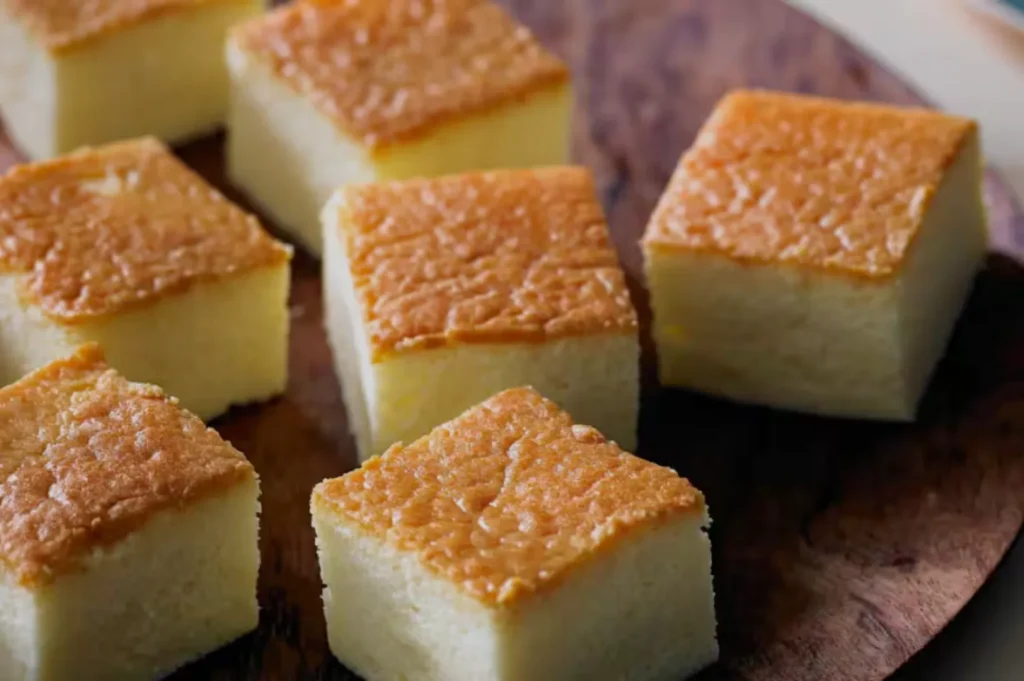
To move away from that heavy, power-slice territory, handling the eggs is key. Separating them lets you whip the whites to stiff peaks, creating tiny air bubbles. Folding these gently into the batter lifts the cheesecake into a delicate, soufflé-like texture during baking.
Some airy cheesecakes also incorporate whipped cream to enhance the light and fluffy texture. To achieve this, it is important to lightly whisk the eggs before adding them and to fold the meringue carefully to prevent gluten development that would weigh down the batter.
Deciding Between a Rich Basque Cheesecake and a Delicate Japanese Cheesecake
The global landscape of pastry offers two distinct paths for anyone trying to satisfy a specific craving. On one side sits the rustic, high-heat creation born in San Sebastian, and on the other is the meticulously tempered, cloud-like disk from Japan.
Texture Property | Dense Style (e.g., New York or Basque) | Airy Style (e.g., Japanese Soufflé) |
|---|---|---|
Primary Structural Driver | Heavy dairy proteins and solid fats | Whipped egg whites and trapped air |
Baking Environment | Dry high heat or deep roasting pan | Gentle water bath with regulated steam and hot water |
Mouthfeel Experience | Velvety, slow-dissolving, substantial | Weightless, fine-crumbed, evaporating |
Cooling Requirement | Refrigerate overnight in an airtight container (fridge overnight) | Slow cooling inside a cracked oven door (cheesecake cool) |
Why an Instant Pot Changes the Rules of the Classic Cheesecake
Modern kitchen gadgets have altered how home bakers approach traditional methods. Preparing a classic cheesecake inside an instant pot introduces a pressurized, high-moisture environment that completely changes how heat moves through the prepared pan, often a springform cheesecake pan. The intense steam mimics a traditional water bath but speeds up the cooking time significantly. This method seals in moisture effectively, resulting in a perfectly smooth texture that stays tight and uniform without the risk of surface cracks.
Managing Air Bubbles in a Heavy Cheesecake Batter or an Airy Cheesecake Filling
The way the mixture is handled determines whether the final product emerges flat or dome-shaped. A heavy cheesecake batter needs to be mixed at low speed with a stand mixer to prevent excess air from sneaking in, which could cause the cake to rise and then deflate like a sad balloon.
Conversely, creating a delicate cheesecake filling for a light cheesecake requires a gentle hand, wrapping the whipped elements together carefully so the structural pockets do not collapse before the cheesecake sets. Using parchment paper or a parchment circle to line the pan helps ensure the cake releases cleanly without damage.
Reaching the Best Cheesecake Recipe for a Clean and Creamy Cheesecake
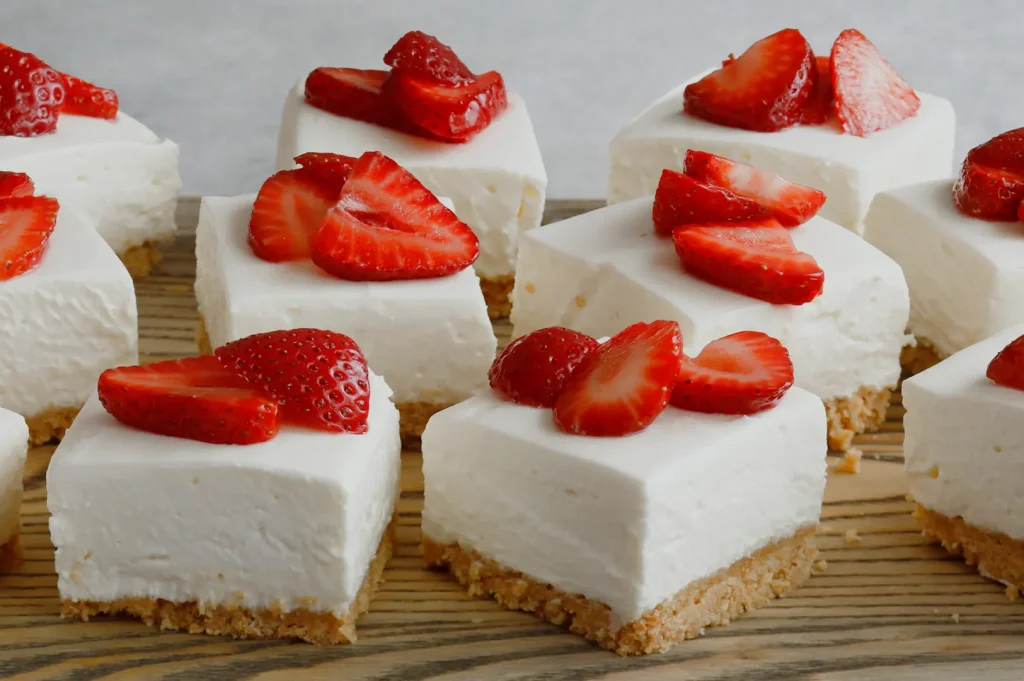
Finding the ultimate balance depends heavily on managing the thermal transition from heat to cold.
Traditional styles often require a graham cracker crust made from graham cracker crumbs and melted butter to anchor the rich filling.
These dense variations need to sit in a quiet refrigerator overnight to lock their fats into a stable matrix.
For those who want to share a sweet moment with vegetarian friends, substituting traditional animal-derived thickeners like gelatin with a touch of corn starch keeps the structure intact naturally.
Achieving a crack-free surface requires controlling how the cake cools down. Leaving the pan inside a turned-off oven with the oven door cracked open allows the internal temperature to drop gradually, preventing the sudden shrinkage that splits an otherwise beautiful top.
Choosing the Exact Texture Between Pillow-Slice and Power-Slice
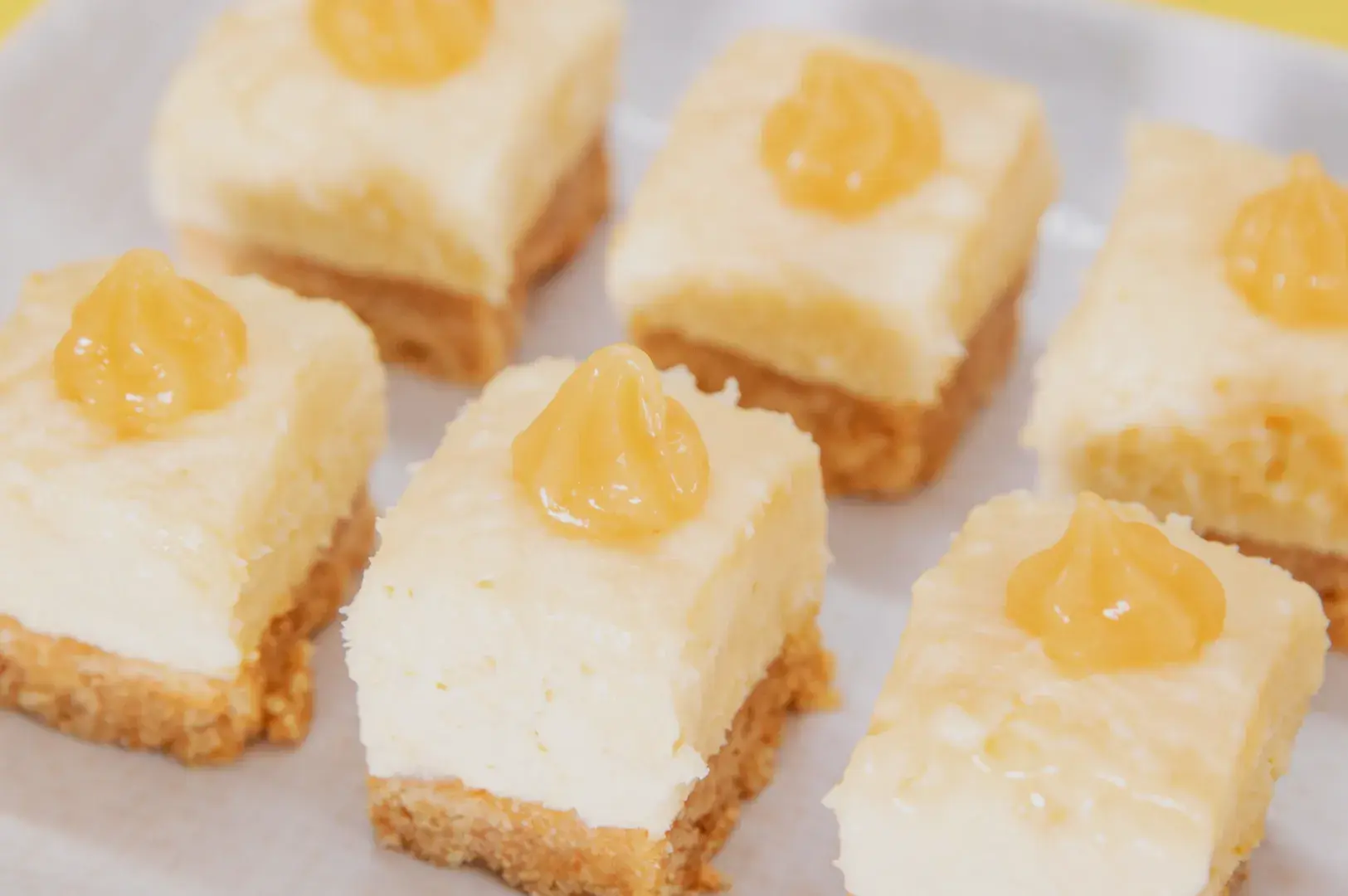
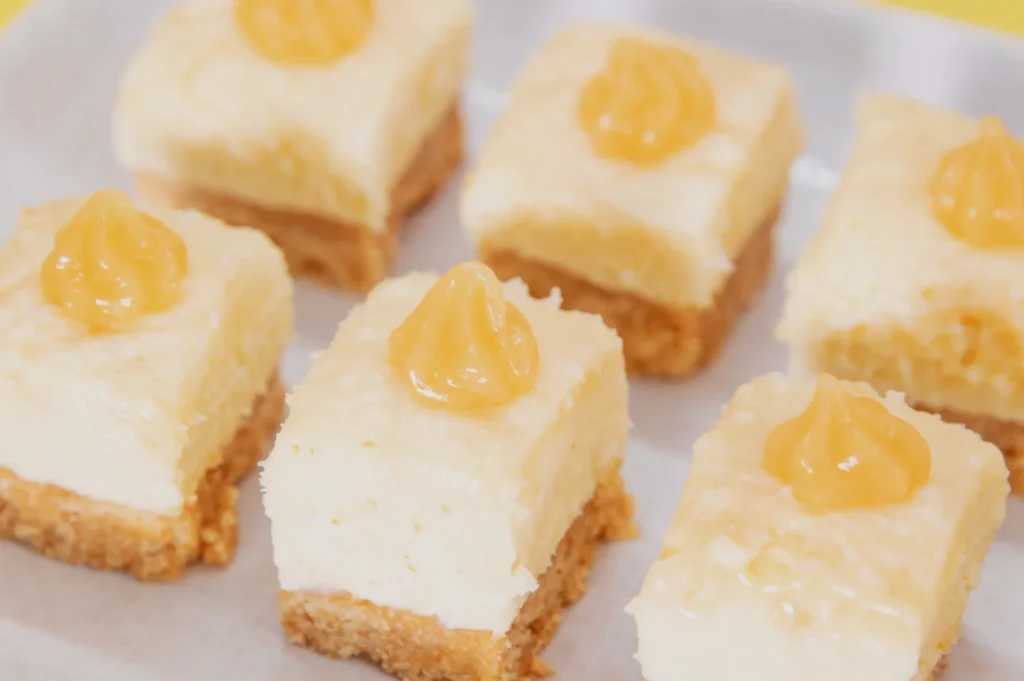
Ultimately, selecting the ideal texture depends on the environment of a gathering and the physical comfort of the guests. A heavy, traditional slice delivers an undeniable rush of rich flavor, but the massive volume of dense fats can often leave people feeling sluggish during a warm afternoon. Shifting the composition away from formulas that rely entirely on heavy cream or sour cream layers allows for a much cleaner finish that satisfies a craving without imposing a digestive burden on the body.
Achieving this elegant balance between structural integrity and physical lightness defines the modern approach to pastry development. At Daizu by Ki-setsu, the kitchen addresses this environmental challenge by mindfully blending premium soy milk and smooth silken tofu into a classic cream cheese