By the time the last piece of nigiri has been set down and the counter goes quiet, most diners have reached a strange kind of fullness. Not stuffed, exactly. Just complete. There is warm tea, a slower breath, and then the question that dessert always has to answer after a long omakase: is there really room for one more thing?
It is a fair question. After sashimi, warm dishes and a run of nigiri, the palate has been through a lot. This is where the omakase philosophy quietly reveals itself, because the ending of a meal is just as considered as its beginning. And it is exactly the problem that shaped a small soy cheesecake.
Why the Last Course Has a Difficult Job
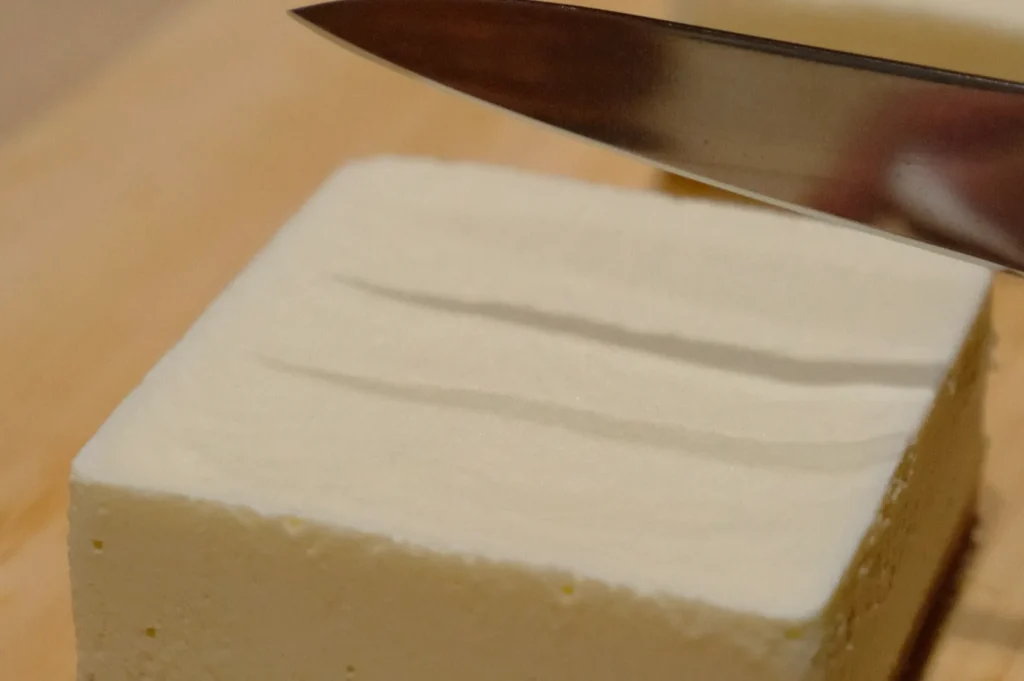
The final course is easy to get wrong. Push it too rich and it flattens everything that came before. Make it too sweet and the whole meal ends on a single loud note instead of a soft close.
A good dessert has to feel like a resolution. It should round off the sequence without asking the diner to start over with a heavy second act. That is a narrow space to work in, and it takes restraint to stay inside it.
What the Omakase Philosophy Actually Changes
Omakase means leaving the meal to the chef. That part is simple. The interesting bit is what a chef does with that trust once it is given.
It changes real decisions. Which fish is at its best that morning. How much seasoning a piece can take. When the palate needs something clean and bright, and when it can handle more fat and depth. It shapes the order of courses, the temperature of the rice, the pause between one plate and the next.
None of this is decoration. It is a series of small choices, each one asking the same thing: what does this moment in the meal actually need. Often the honest answer is less than you would expect.
How Sushi Masa by Ki-Setsu Builds the Meal
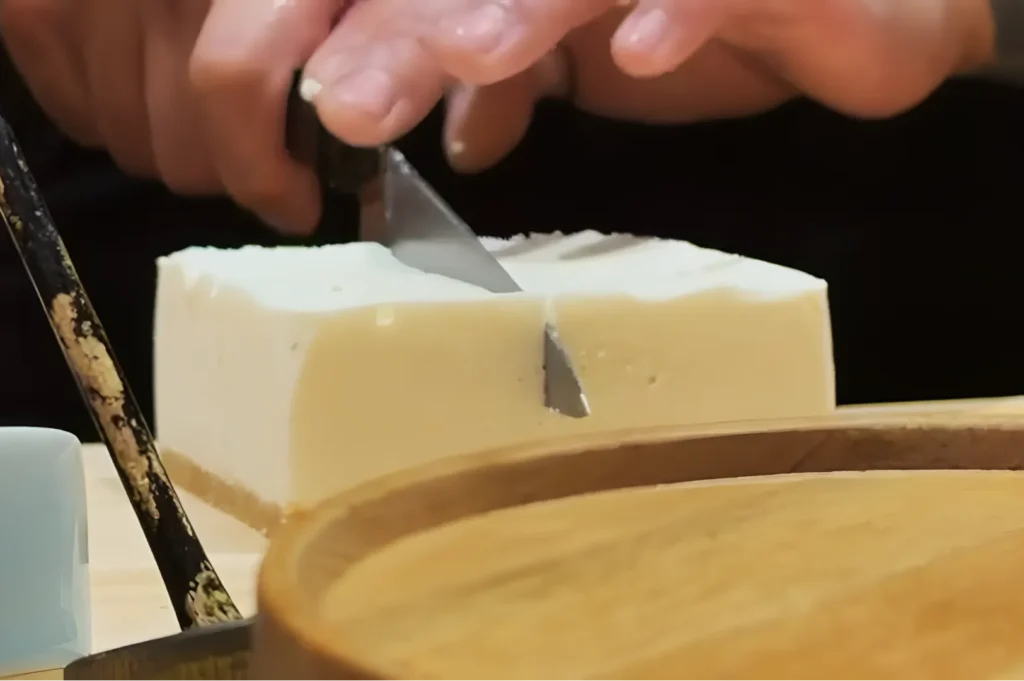
This thinking becomes easy to see at Sushi Masa by Ki-Setsu, an intimate omakase restaurant on Level 6 of Cuppage Plaza. The counter seats only eight, and the meal is dinner-only and reservation-led (one you could get in this link here), guided by whatever the season is offering.
A small counter is not just about atmosphere. It lets Chef Masa read the room, watch the pace of each guest and serve a course only when it is ready, rather than to a fixed clock. Seafood is sourced from Japan, including Toyosu Market, and Chef Masa prepares and presents each course himself.
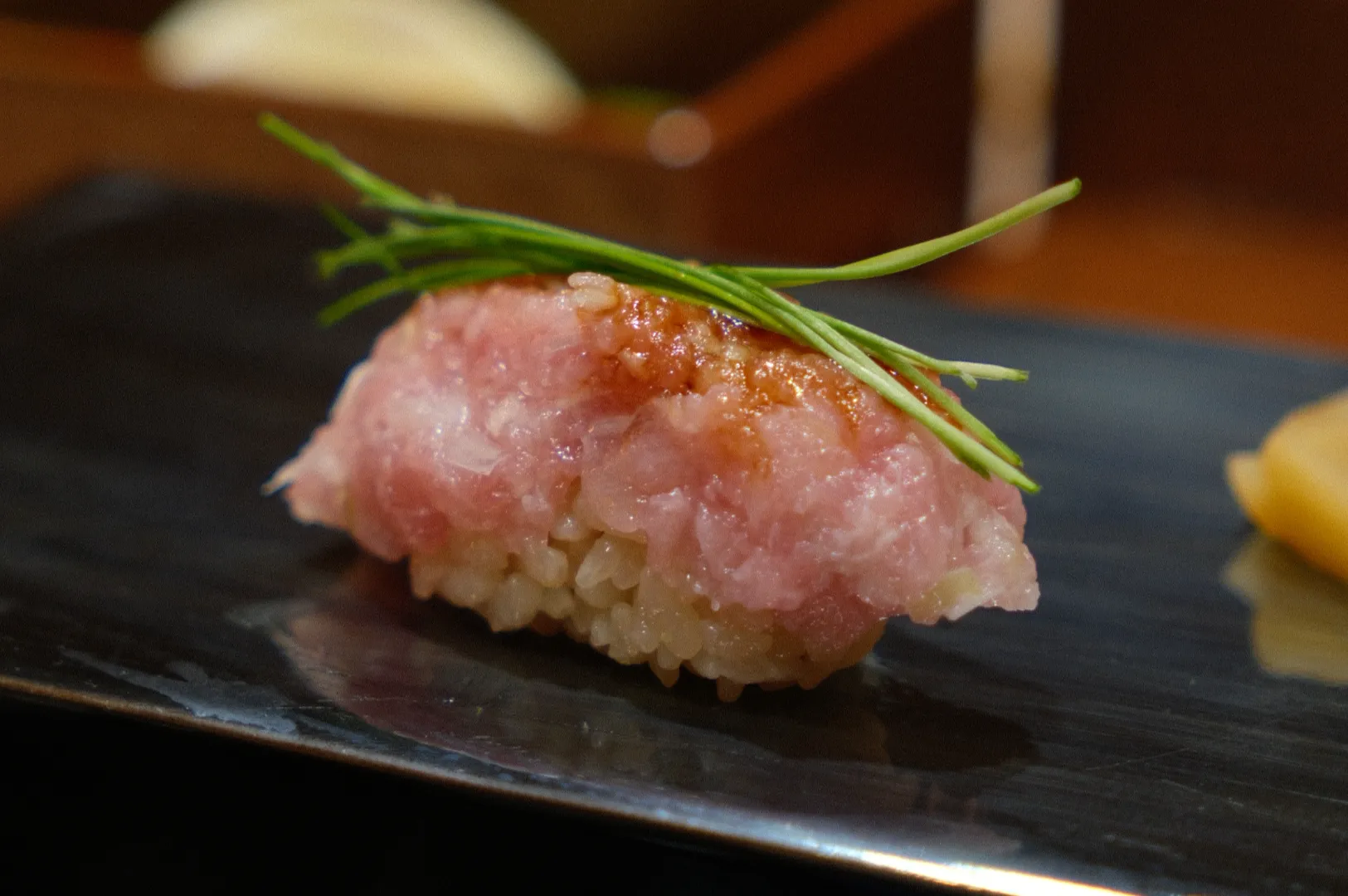
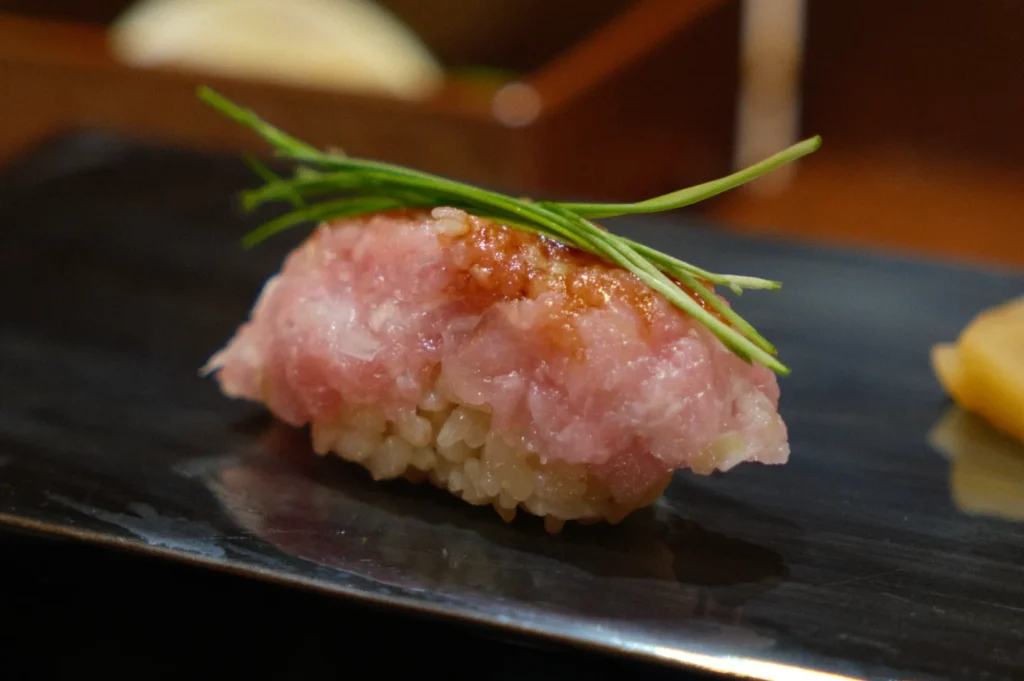
An evening might move through seasonal appetisers, a cooked dish, sashimi and individually served nigiri. The approach is Edomae-informed, with room for quiet contemporary touches. Rice temperature, texture and the order of the courses are treated as part of the meal, not background details. For anyone curious about omakase Singapore, it is a clear example of how much thought sits behind a meal that looks effortless.
Restraint Is Not the Same as Holding Back
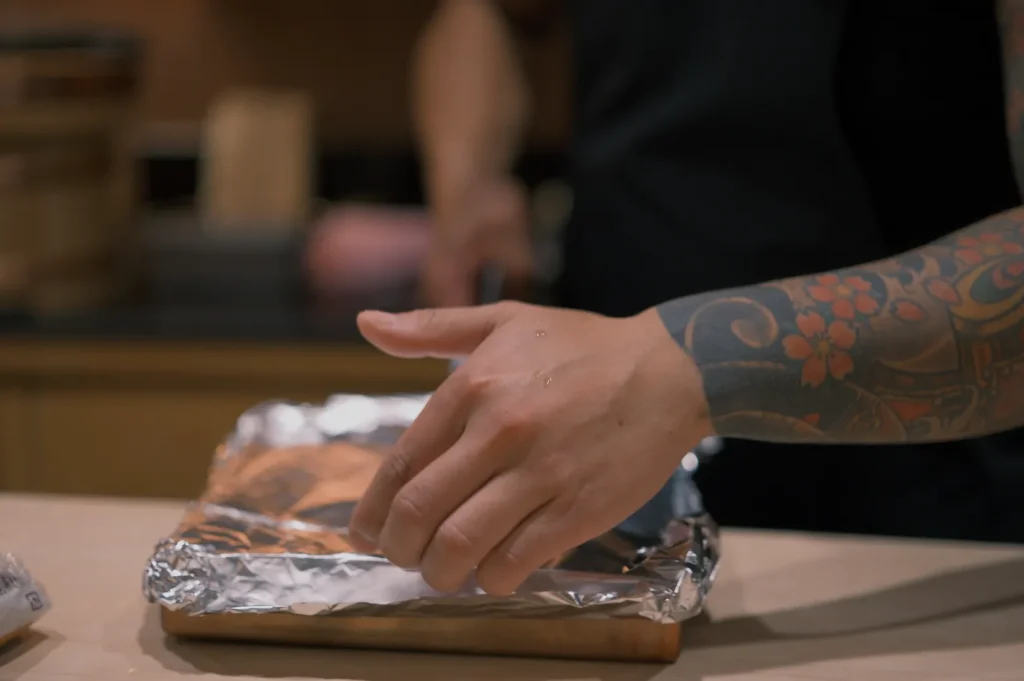
It would be easy to read all of this as minimalism for its own sake. Small portions, quiet plating, nothing extra. That is not quite it.
Restraint here means knowing how much a course can carry. Sometimes a piece of fish is better lightly cured or aged, its flavour drawn out slowly. Sometimes a touch of acidity resets the palate before something richer. Sometimes the kindest thing to do is leave an ingredient mostly alone.
The seasoned sushi rice, the ageing of certain fish, the brush of soy at the right moment. These are not flourishes. They are judgements about when to add and, just as often, when to stop.
The Cheesecake That First Appeared After Omakase
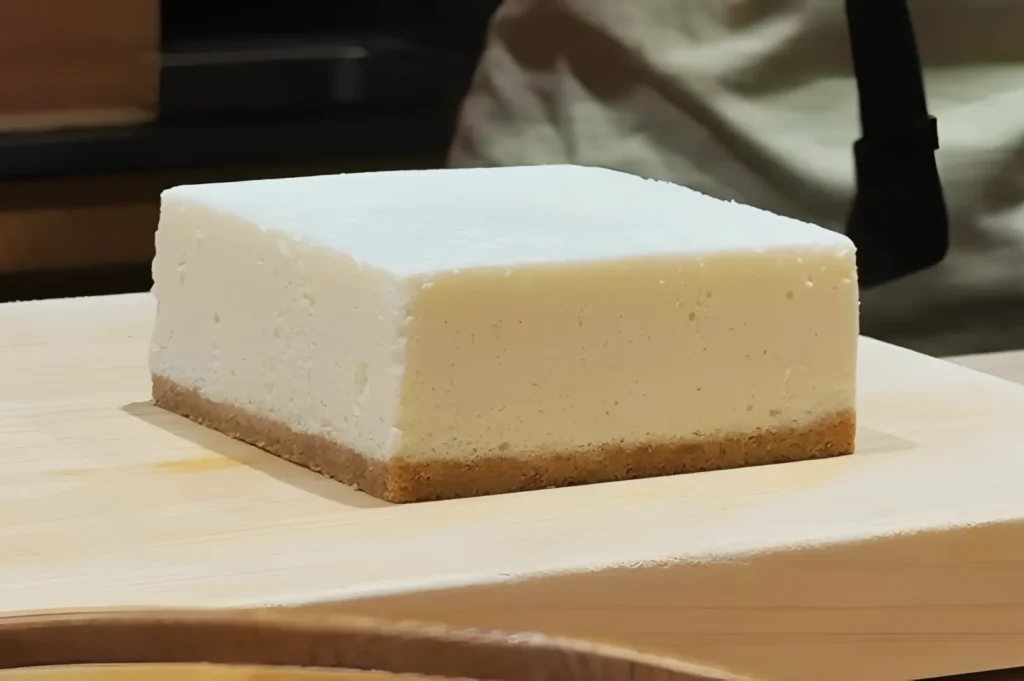
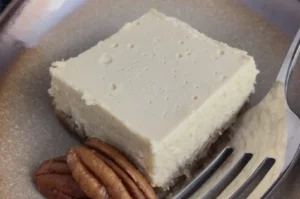
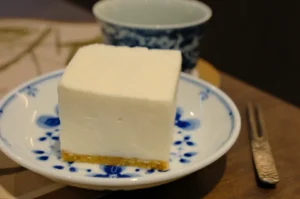
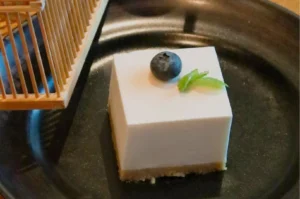
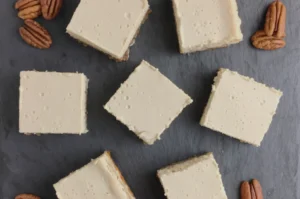
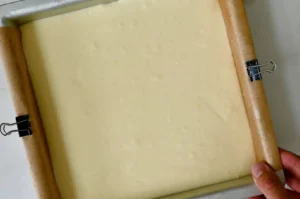
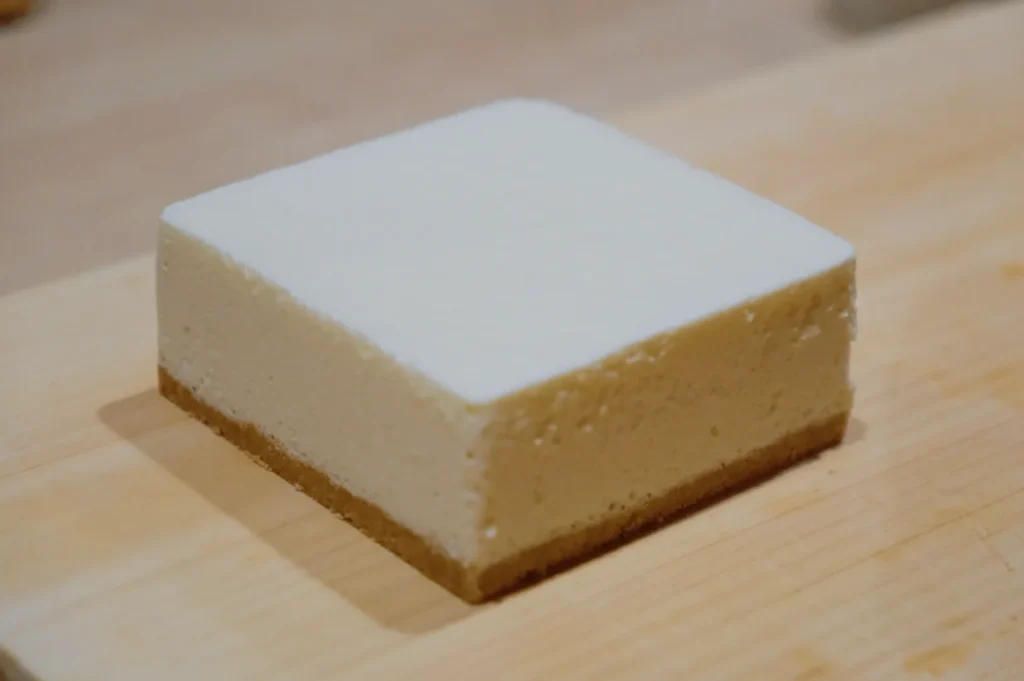
The soy cheesecake now sold under Daizu by Ki-Setsu did not begin as a separate product. It first arrived at the end of the meal at Sushi Masa, as the dessert that closed the evening.
That setting decided everything about it. After a sequence of seafood, rice and deeper, umami-rich courses, the last thing the table needed was a dessert that behaved like another full meal. It had to be creamy without turning dense, sweet without tipping into cloying, and light enough to feel like a proper ending.
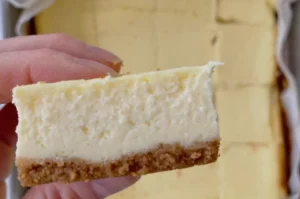
It also had to still read as cheesecake. Not a foam, not a gel, not a clever trick. Something familiar, served at the point where the palate wanted comfort rather than surprise. Over time, that dessert grew into its own concept.
What Soy Brings to the Final Slice
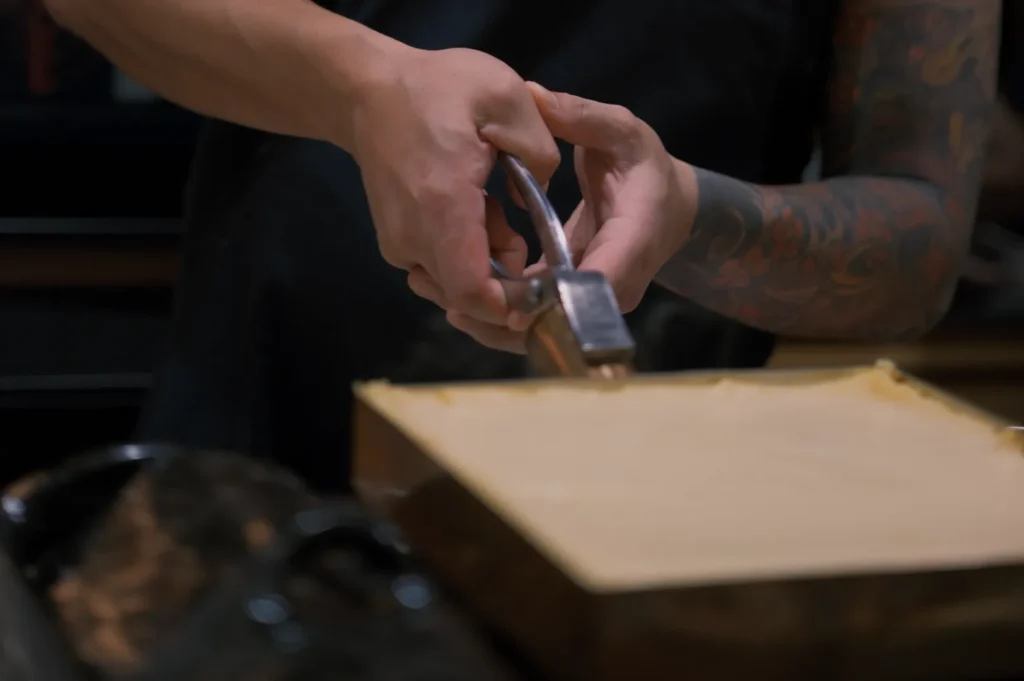
Soy is the reason the cheesecake can sit where it does. It gives the texture a subtler, cleaner profile, so the richness of cream cheese is present but not overwhelming. The result is smooth and structured rather than molten, with a sweetness that stays in the background.
This is not about making cheesecake into something it is not. It is about rethinking how a cheesecake should feel after a long meal, when a heavy, sugar-forward slice would simply undo the calm the dinner worked to build.
The clean finish is the point. **It lets the meal close quietly, without a lingering weight that follows the diner out the door.
Different Courses, Same Way of Thinking
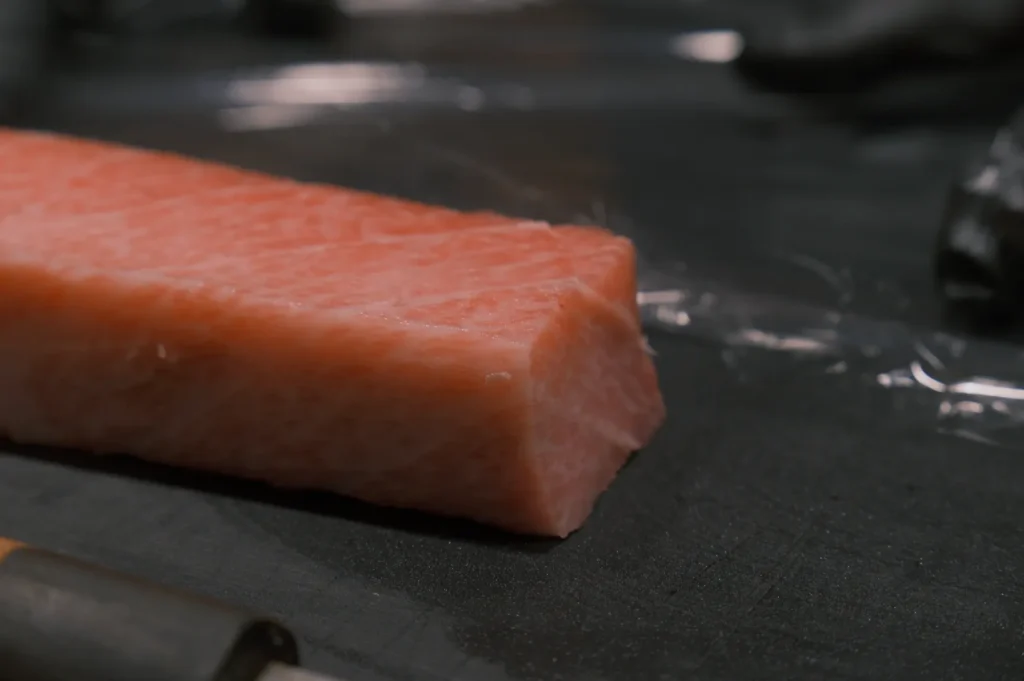
Sushi Masa and Daizu are not the same concept. One is an intimate, ever-changing omakase counter. The other is a focused cheesecake made to travel beyond the restaurant.
What links them is not the food itself but the reasoning behind it. Respect the ingredient. Control the pace. Let flavour build gradually. Avoid excess for its own sake. Stop when the thing feels complete instead of pushing for one more layer.
A nigiri and a slice of soy cheesecake do not look alike. Yet both are the product of someone deciding what to leave out.
From First Course to Final Slice
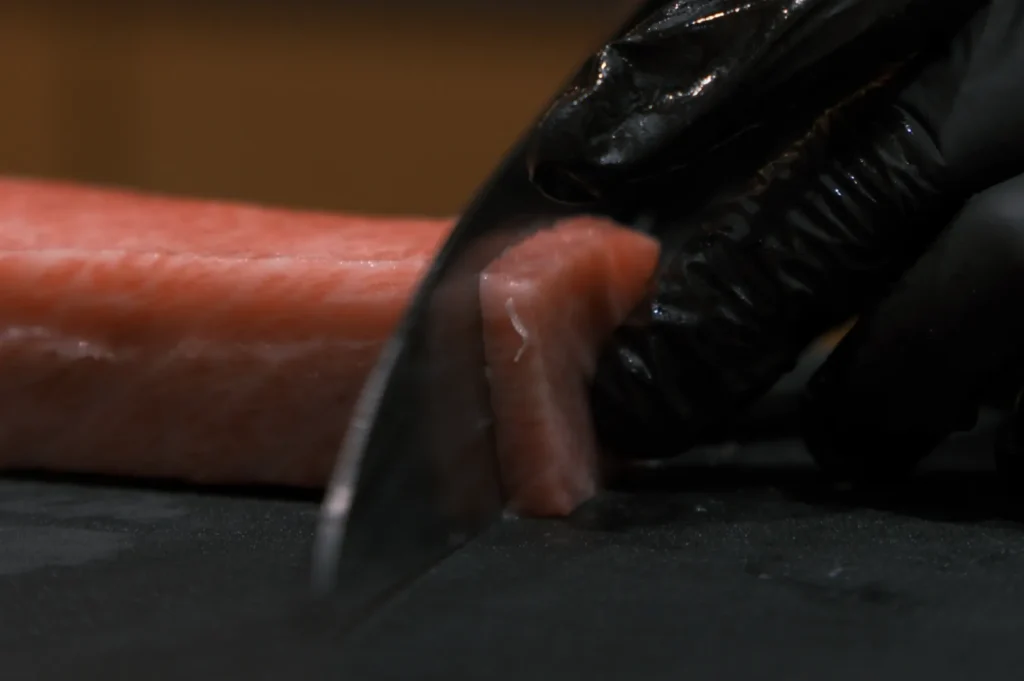
The title is not really about sushi and cheesecake sitting side by side. It is about a single way of thinking that runs from the first seasonal plate to the last spoonful of dessert. The omakase philosophy does not depend on whether the food is raw fish or soy cheesecake. It lives in the decisions, especially the decision not to overdo it.
That is the thread we keep returning to. At Sushi Masa by Ki-Setsu, it shows up in pacing, seasonality and Chef Masa’s close attention at the counter. At Daizu by Ki-Setsu, it shows up in a lighter cheesecake built for the moment a meal should end. Two forms, one shared instinct for balance, and the same quiet confidence to know when enough is enough.