Most people assume that a lower calorie count means a lesser dessert. Fewer calories, less fat, reduced sugar. The logic follows that something must be missing. But the difference between a low calorie cheesecake and a regular cheesecake is not simply about subtraction. It is about substitution, and how well those substitutions hold up in structure, texture, and finish.
This article breaks down what actually changes between the two, and what those changes mean for the final slice, including a review recipe approach to help you understand how to make a cheesecake healthy yet delicious. Whether you’re hunting for the best cheesecake in Singapore or simply want a lighter dessert option, understanding these differences will guide you to the perfect choice.
What Makes a Regular Cheesecake Regular
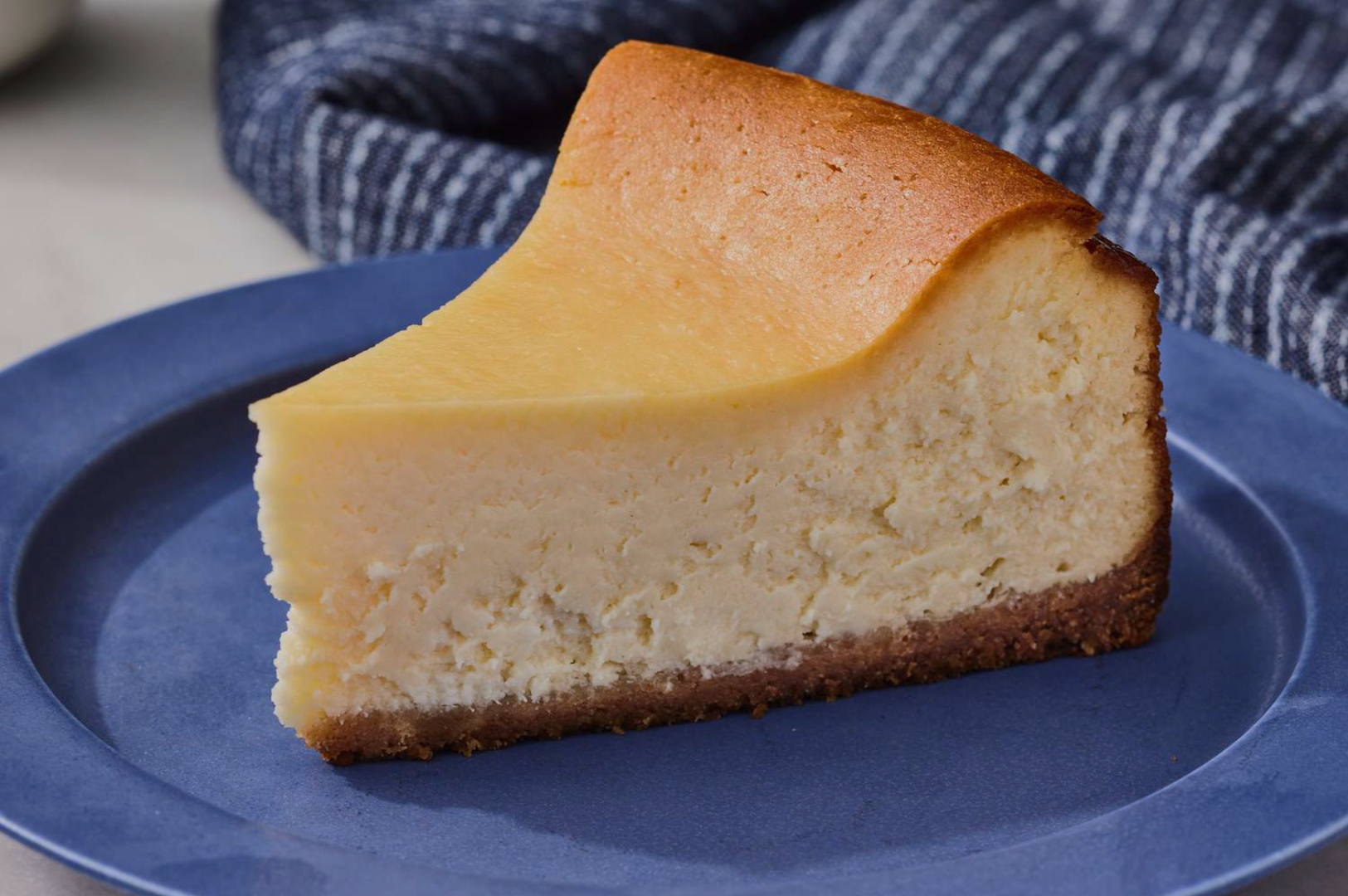
A traditional cheesecake is built around a short list of ingredients that carry significant caloric weight. Full-fat cream cheese forms the base of the filling. Eggs add structure and bind the mixture together. Sugar provides sweetness and contributes to the overall density profile. Butter binds the crust, typically made from graham crackers or cookie crumbs. Vanilla extract and lemon juice round out the flavor.
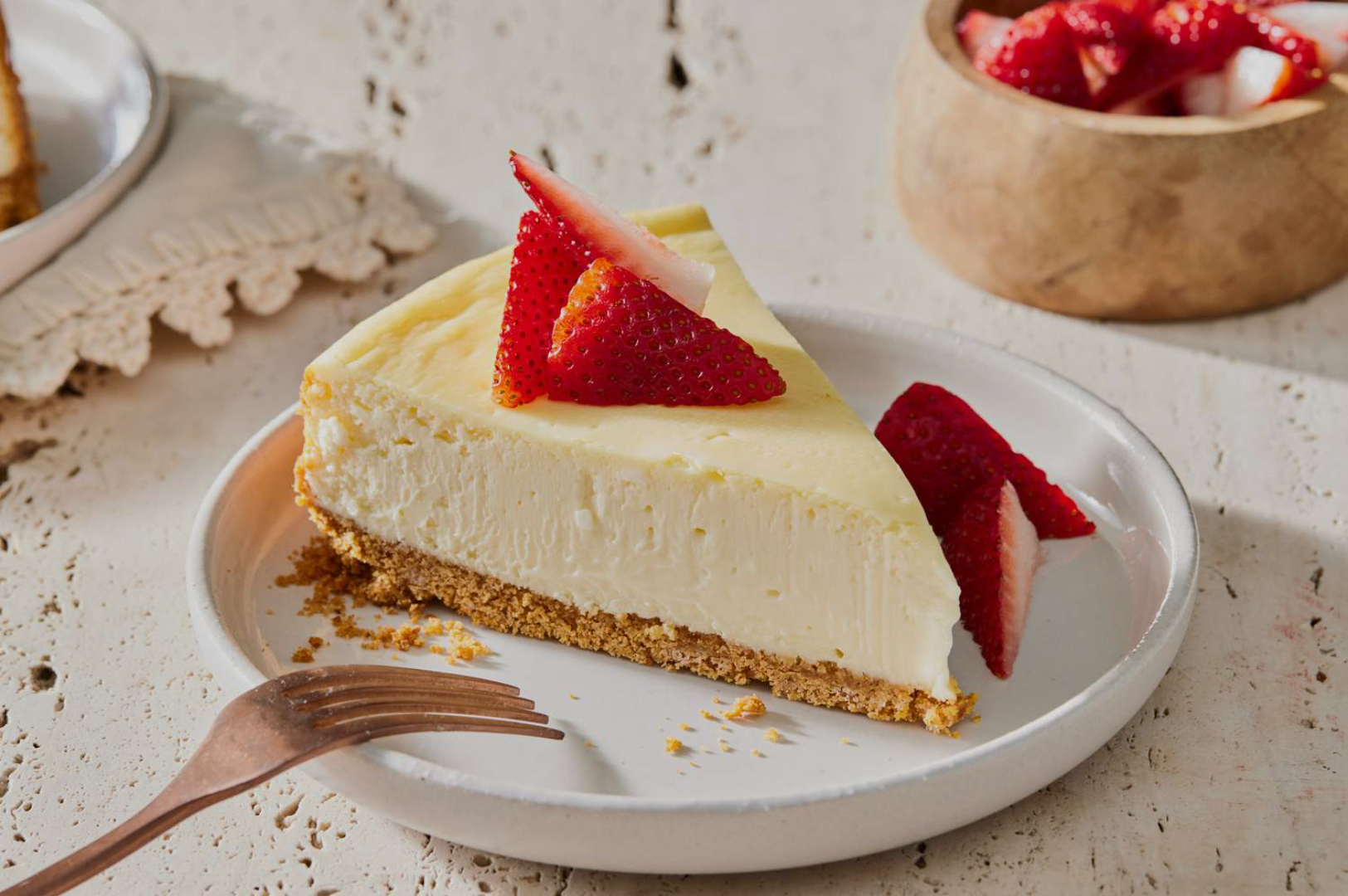
The result is a dessert with considerable palate weight. A single slice from a standard recipe can range from 300 to 500 calories depending on portion size and preparation method. The fat content is high. The carbohydrate load, largely from sugar and the crust, is also significant.
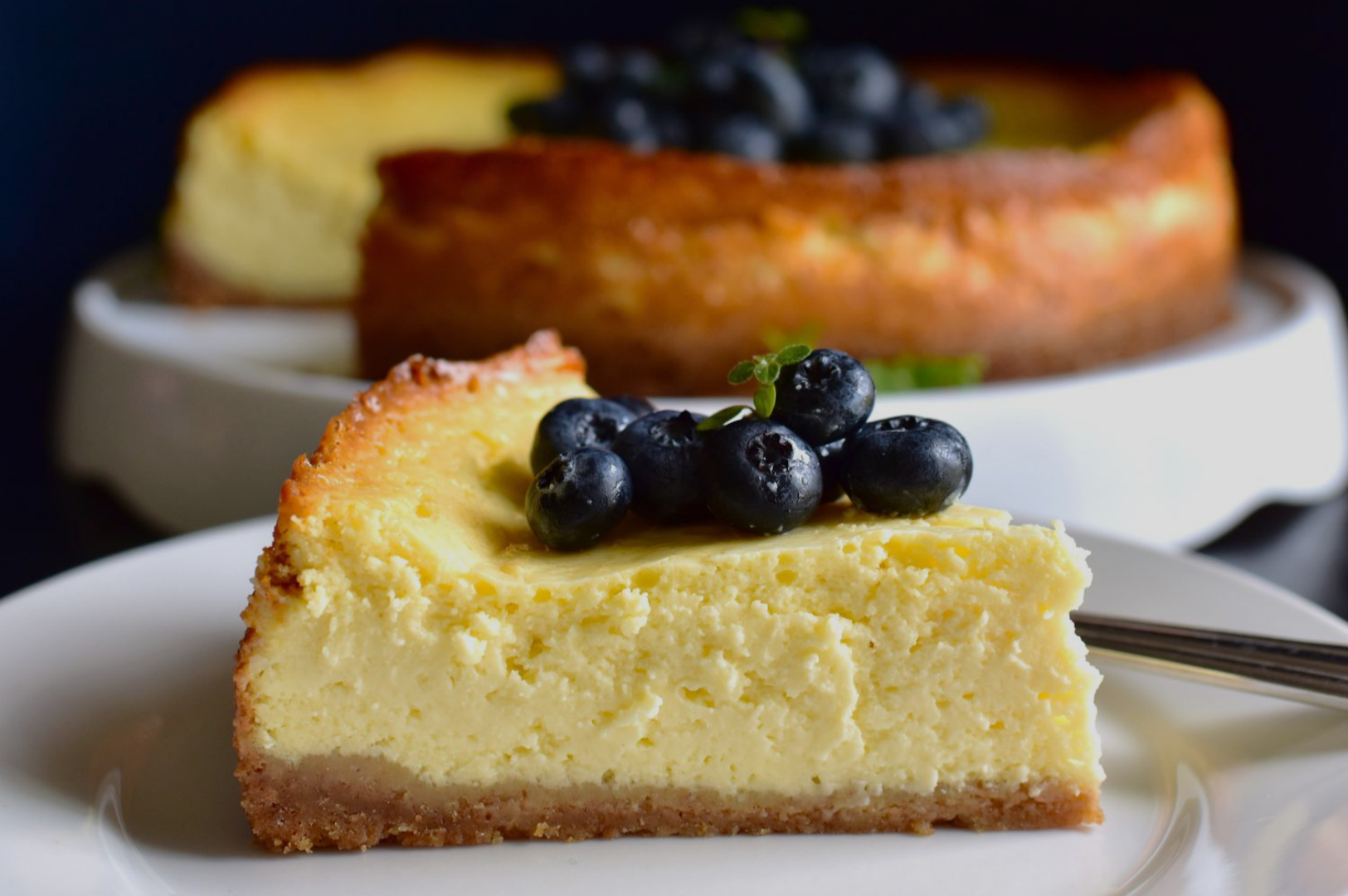
This is not a criticism. It is simply the nutritional value profile of a traditional cheesecake built to a classical standard, such as the well-known German cheesecake, which often features a rich custard-like filling and a dense texture.
What Changes in a Low-Calorie Cheesecake
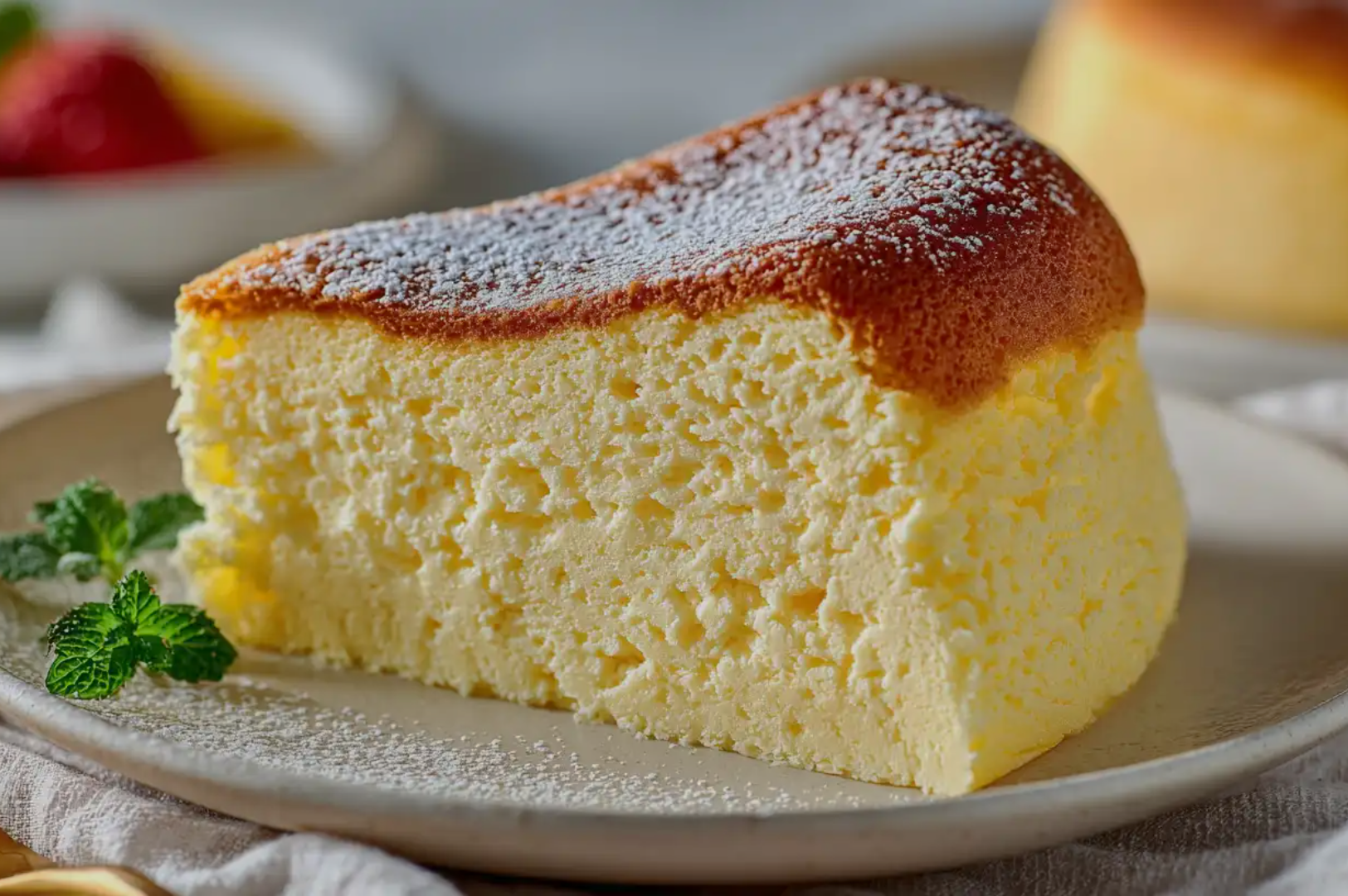
A low calorie cheesecake makes targeted adjustments to reduce calories without dismantling the dessert entirely. The changes typically fall across three components: the filling, the crust, and the sweetener.
The Filling
Full-fat cream cheese is often replaced, either partially or entirely, with low fat cream cheese, Greek yogurt, or cottage cheese. Each alternative carries a different texture outcome.
Low fat cream cheese behaves similarly to its full-fat counterpart but produces a slightly less dense filling. The mouthfeel is lighter. The finish on the palate is cleaner.
Greek yogurt introduces a mild tang and a looser structure. It reduces fat substantially but can affect the textural consistency of the final cheesecake if not balanced carefully.
Cottage cheese, when blended smooth, can mimic some of the body of cream cheese while significantly lowering fat content. It is used more often in recipes that prioritize protein alongside calorie reduction.
Vegan variations also exist, using ingredients such as silken tofu or plant-based cream cheese alternatives to create a creamy texture without dairy. These vegan cheesecakes can be just as yummy and delicious as their traditional counterparts, though they may have a slightly different mouthfeel.
The cheesecake mixture behaves differently with each substitution. Some combinations require adjusted bake times or lower oven temperatures to avoid overcooking.
The Crust
The classic graham cracker crust relies on butter to hold its shape. In a low calorie recipe, the butter quantity is often reduced, or the crust is replaced altogether. Almond flour is a common low carb alternative. It binds differently, produces a softer crunch, and carries its own distinct flavor.
Some recipes skip a crust entirely to reduce calories and carbs further. Others use a small amount of coconut or oat-based mix to maintain structural contrast between the filling and base.
When working with almond flour, the crust must be pressed firmly into the springform pan. It does not compact the same way cookie crumbs do, and an even layer is important for consistent texture across each slice.
The Sweetener
Sugar is one of the most straightforward calorie reductions in a healthy cheesecake recipe. Less sugar directly reduces caloric load. Sugar alternatives such as monk fruit sweetener, stevia, or erythritol are frequently used to maintain sweet taste without the caloric contribution.
These sugar alternatives behave differently in the oven. Some crystallize on cooling. Others leave a residual finish on the palate. Choosing the right alternative affects both sweetness and overall flavor balance.
How Calories Are Actually Reduced
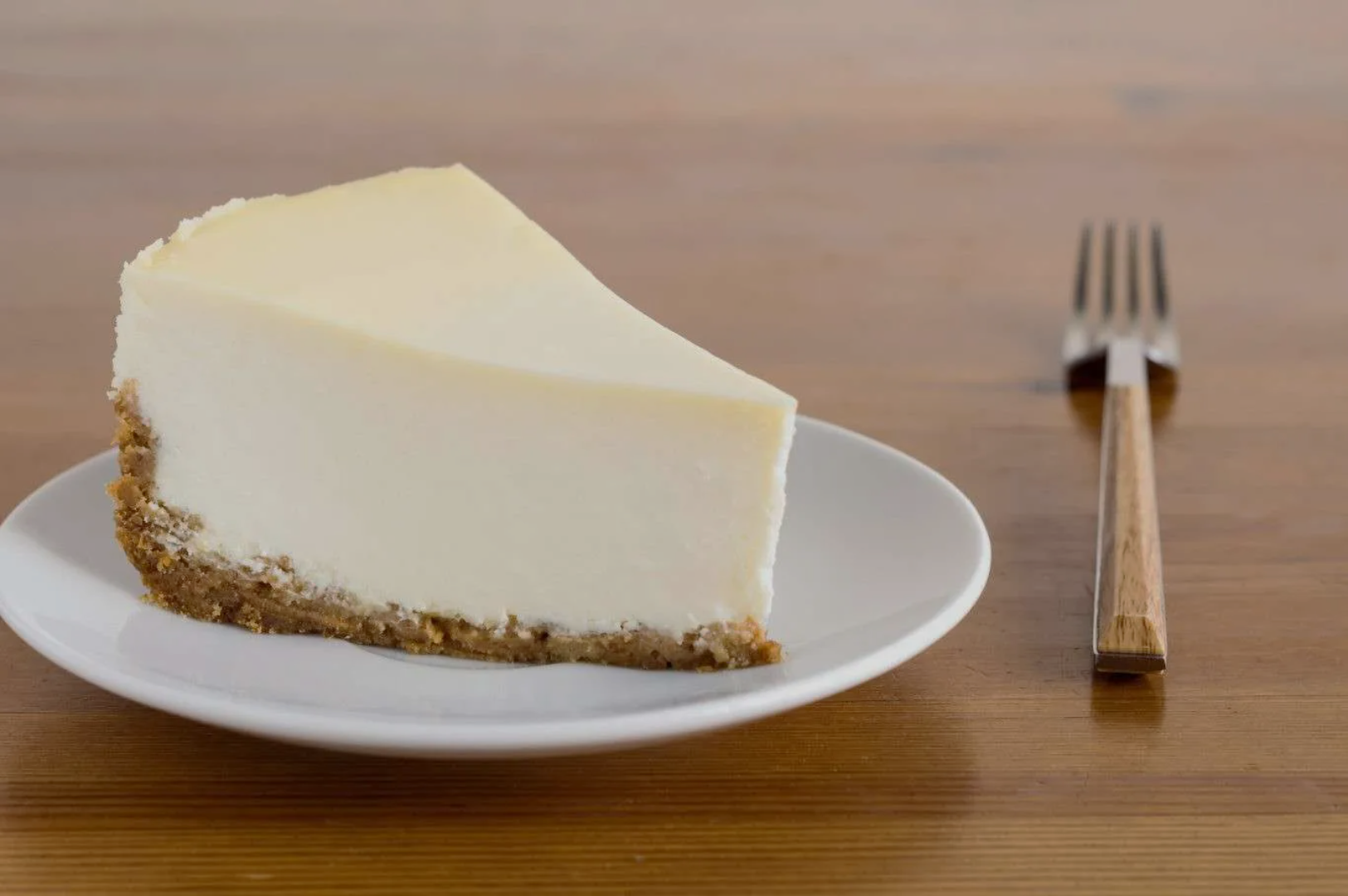
The calorie reduction in a low calorie cheesecake versus a regular cheesecake comes from several directions simultaneously.
Fat contributes nine calories per gram. Reducing fat, whether through lower-fat dairy or reduced butter in the crust, accounts for a significant portion of the calorie difference. Replacing full-fat cream cheese with low fat cream cheese alone can reduce fat content by roughly half.
Carbohydrates and sugar each contribute four calories per gram. Using less sugar or switching to non-caloric sugar alternatives removes this contribution entirely without reducing volume.
The combined effect of these substitutions can bring a single slice of cheesecake down from 400 calories to 120 to 217 calories, depending on the recipe. This is a meaningful shift for those managing a healthy diet or working toward weight loss without eliminating dessert entirely.
What Low Calorie Cheesecake Gains and Loses in Texture
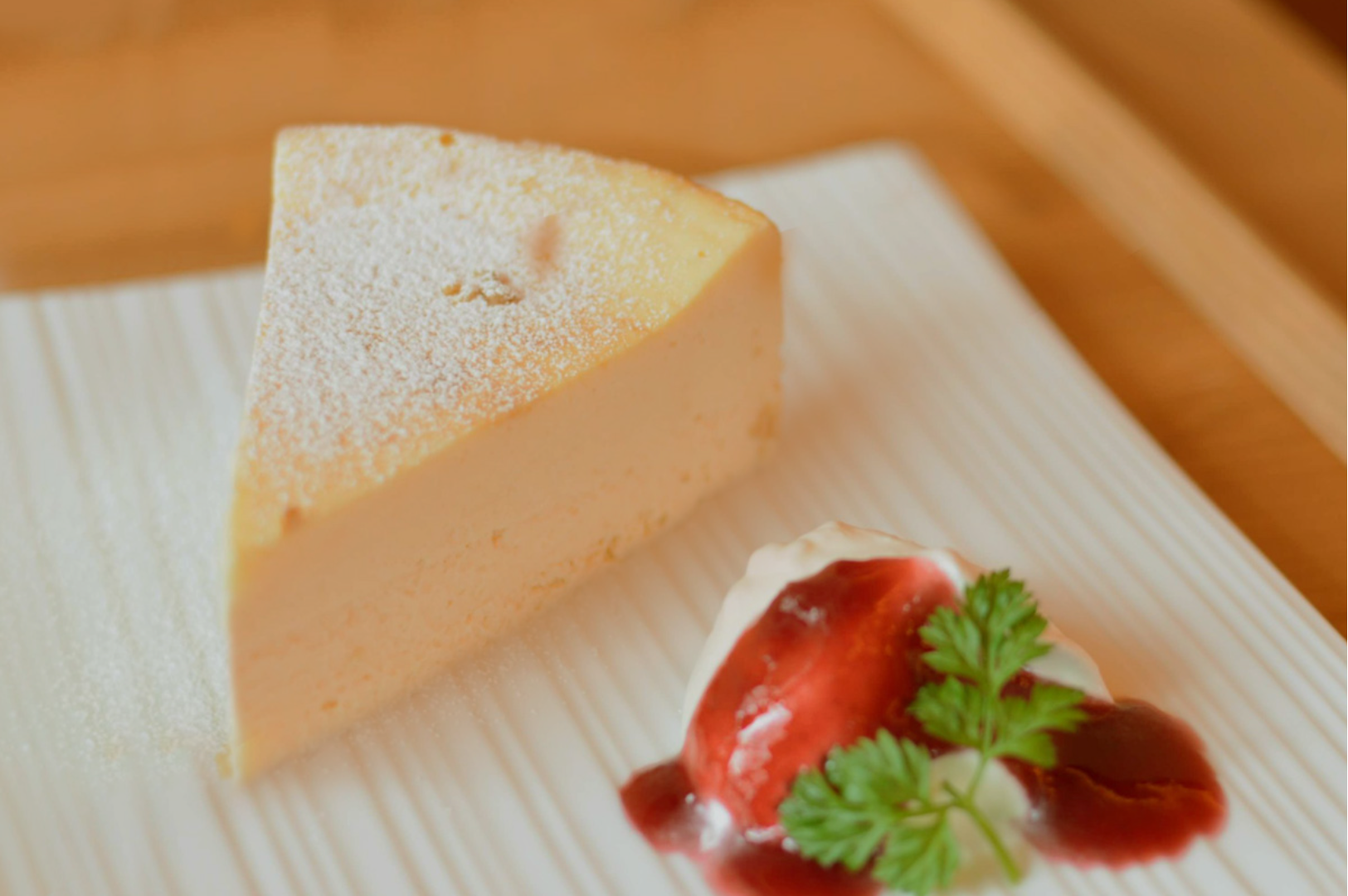
This is where the honest comparison matters most for cheesecake lovers.
A traditional cheesecake achieves its velvety texture through fat. Fat coats the palate, softens the finish, and creates that characteristic richness. When fat is reduced, the mouthfeel changes. The cheesecake becomes lighter in the hand and on the palate.
This is not necessarily a flaw. It is a different structural approach. A well-executed low calorie cheesecake should still be smooth, with consistent texture throughout the filling. The crust, if present, should still provide contrast. The sweetness should be balanced, not flat.
Where lower-calorie versions tend to fall short is in density. A regular cheesecake has a specific weight when you eat a slice. That palate weight is part of the experience. A lighter recipe often cannot replicate this exactly, and any recipe that claims otherwise without adjusting for it is overpromising.
The goal with a healthy cheesecake is not to mimic the original exactly. It is to build something structurally coherent on its own terms.
The Role of Protein in the Comparison
One area where low calorie cheesecake often outperforms its traditional counterpart is protein content.
When cottage cheese, Greek yogurt, or high-protein cream cheese alternatives form part of the filling, the protein per serving increases. This matters beyond just nutrition. Higher protein in the cheesecake mixture contributes to a firmer set. It can also improve the satiety profile of the dessert, making a smaller slice feel more complete.
This is one reason why low carb and high-protein cheesecake recipes have gained traction among those following specific dietary frameworks. The swap is functional, not just nutritional.
How to Read a Low Calorie Cheesecake Recipe Before You Bake
Not all low calorie cheesecake recipes produce equivalent results. Before committing to a recipe, a few markers are worth reviewing.
Room temperature ingredients are consistently noted in well-developed recipes. Cold cream cheese or cold eggs do not incorporate evenly. The cheesecake mixture will be uneven in texture and may not bake consistently.
A recipe that calls for lemon juice is typically using it to balance sweetness, not just for flavor. Its acid interacts with dairy proteins and contributes to the overall set of the filling.
Vanilla extract should appear in any recipe worth following. It does not add calories in meaningful amounts, but it contributes depth that prevents the reduced-fat filling from tasting flat.
If a recipe asks you to review the consistency of the filling before it goes into the oven, take that instruction seriously. A low fat filling that looks too loose at room temperature will not firm correctly in the oven.
Where Low Calorie Cheesecake Stands Against Other Foods and Desserts
Compared to a regular cake, a well-made low calorie cheesecake still delivers more protein, more structural density, and a richer finish. The cheesecake format, even in its lighter form, holds its own nutritionally when placed against most conventional desserts and foods.
This is part of what makes the calorie cheesecake category worth understanding properly. It is not just a diet compromise. When built with care, a healthy cheesecake can stand on its own as a considered dessert choice.
What the Difference Actually Means for the Cheesecake You Choose
Low calorie cheesecake versus regular cheesecake is not a question of which is better. It is a question of what the dessert is being asked to do.
A traditional cheesecake is built for density, richness, and palate weight. A low calorie cheesecake is built for a lighter finish, a reduced caloric load, and often a higher protein contribution. Both can be well-made. Both can fall short if the recipe is poorly executed.
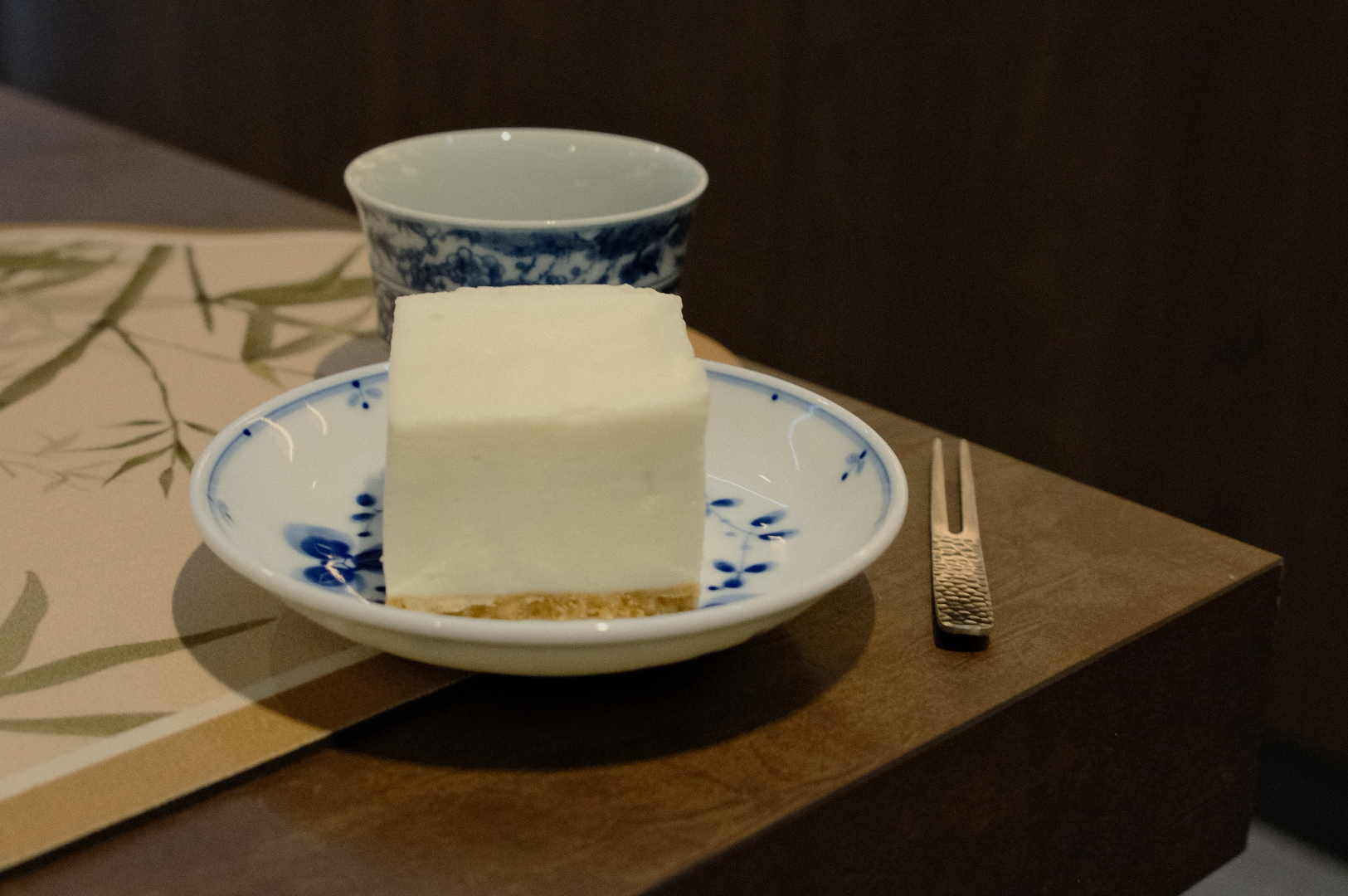
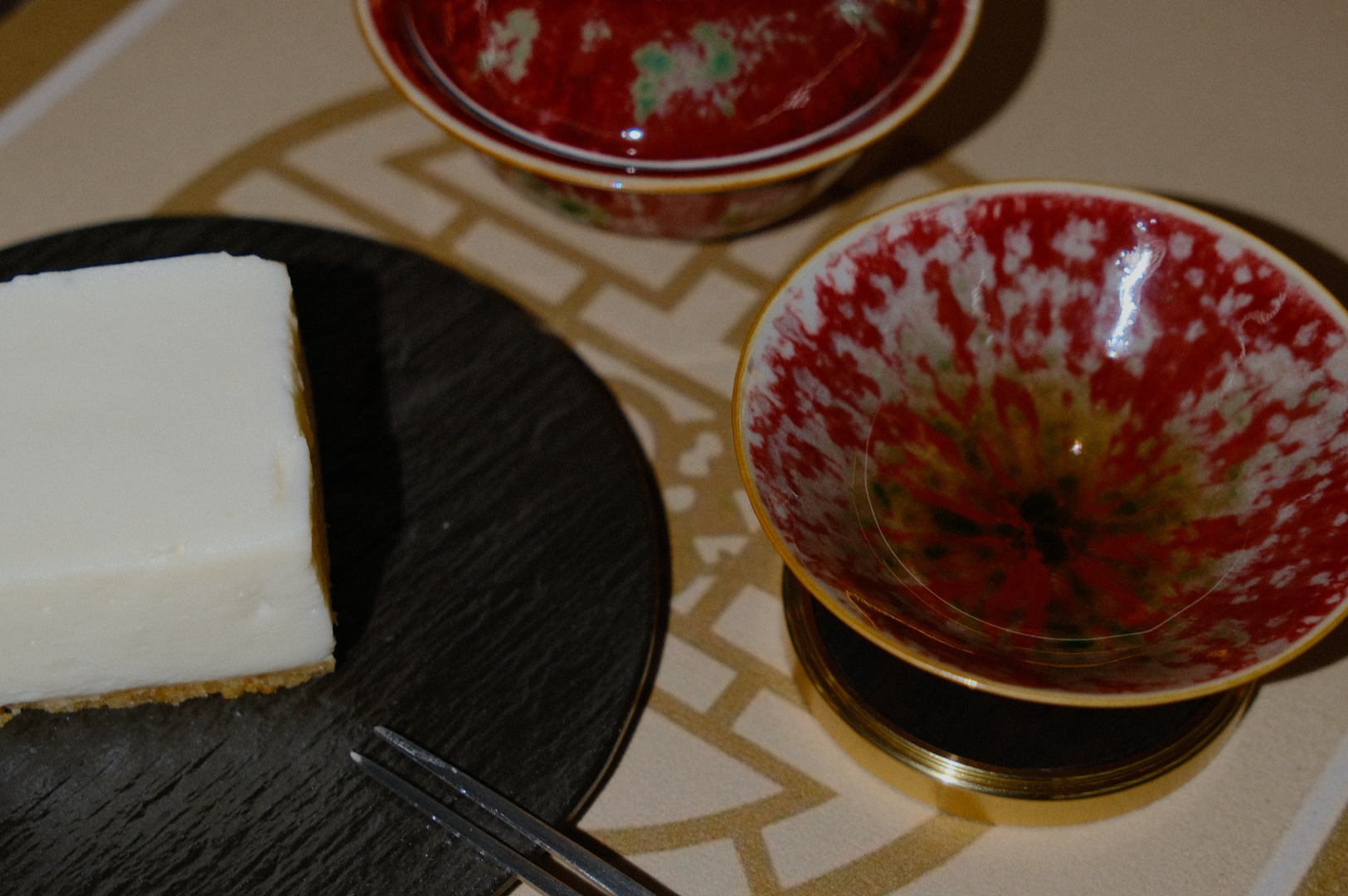
At Daizu by Ki-setsu, we work within a specific framework. Our soy-based cheesecake is a refined interpretation that approaches calorie profile, texture, and structure as interconnected concerns rather than separate ones. We do not claim to replicate a traditional cheesecake. We build something calibrated to a different standard, for those who want a considered dessert without compromising taste or structural quality.
Whether you prefer the half indulgence of a low calorie cheesecake or the full richness of a regular version, understanding these variations helps you make a choice that fits your lifestyle and preferences. Both versions can be delicious, yummy, and satisfying in their own right.