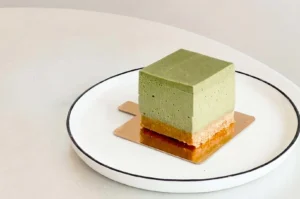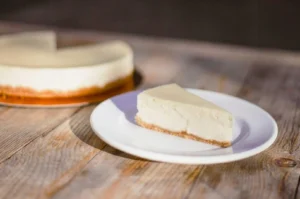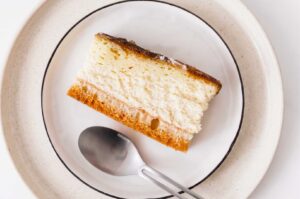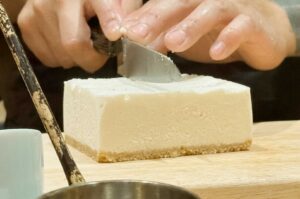
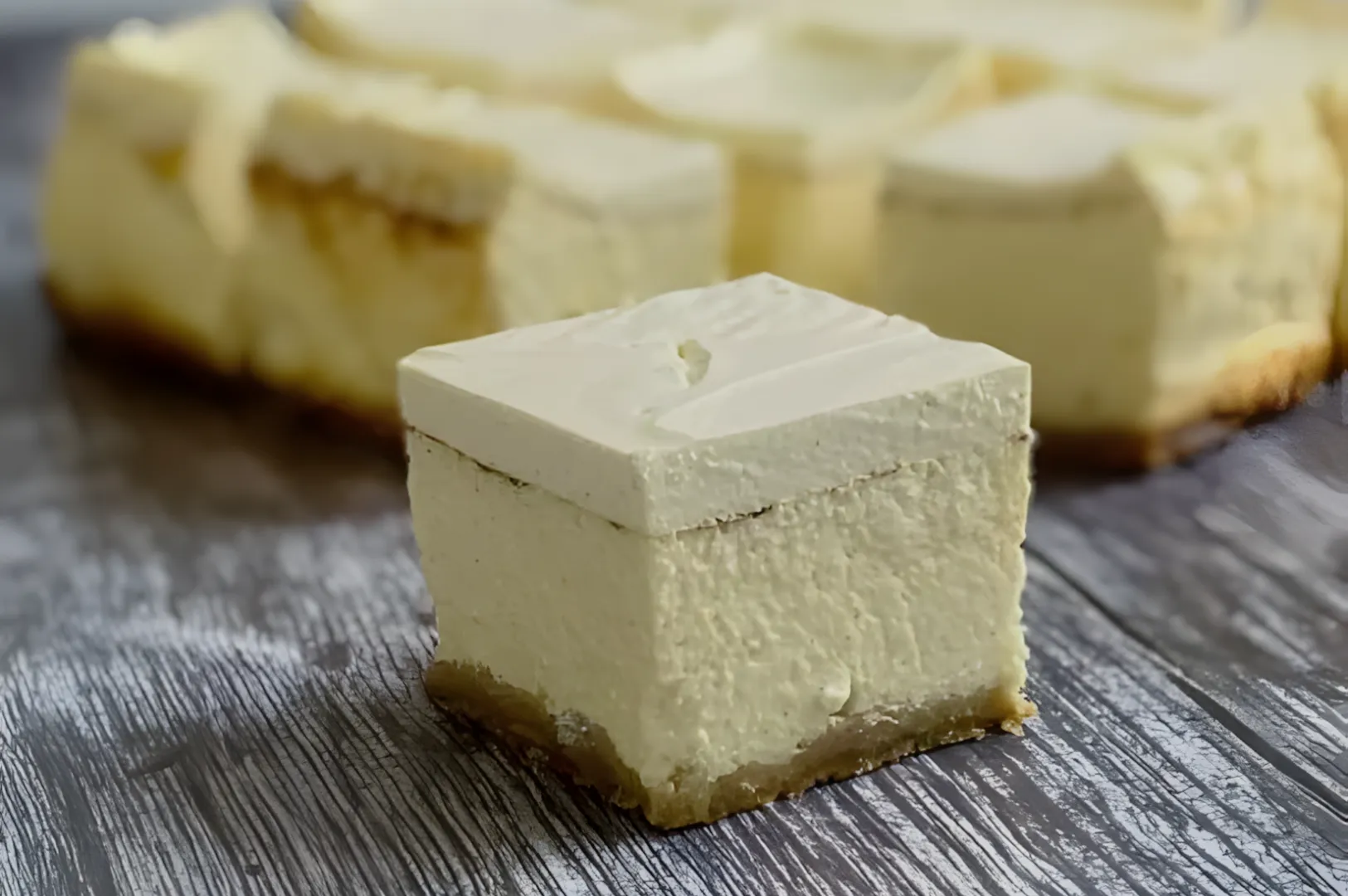
A friend hands over a slice of something labeled “vegan cheesecake” at a dinner party, and the first bite gives it away. It tastes like sweetened cashew paste with a squeeze of lemon, not cheesecake. Something got lost between the label and the actual eating of the thing.
That gap is common enough to be worth examining. Plant-based desserts get talked about as one category, as if swapping dairy for a plant source is a single, interchangeable move. It isn’t. The base ingredient changes everything about how a dessert sets, tastes, and holds together, and treating them all the same is usually where things go wrong.
What "Plant-Based" Actually Covers
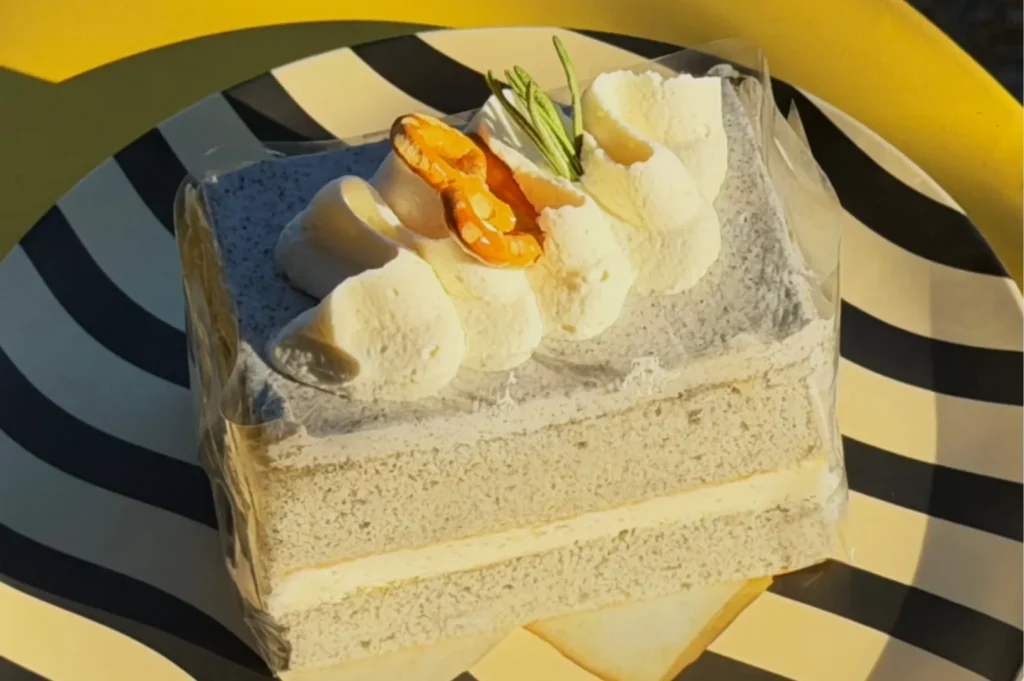
The term hides a lot of variety. Coconut, cashew, almond, oat, and soy all get filed under the same label, but they behave nothing alike once heat, sugar, or acid gets involved.
Coconut brings fat and almost nothing else. Cashew brings body but very little structure on its own. Oat brings sweetness and a starchy thickness that can turn gluey if overworked. Soy is the odd one out, because it actually contains protein in a form that can be coaxed into curds, which matters more than it sounds like it should.
Lumping them together under “plant-based” is a bit like assuming any white powder in the pantry is flour. Technically true in the broadest sense, and useless the moment anyone actually has to bake with it.
The Cashew Problem
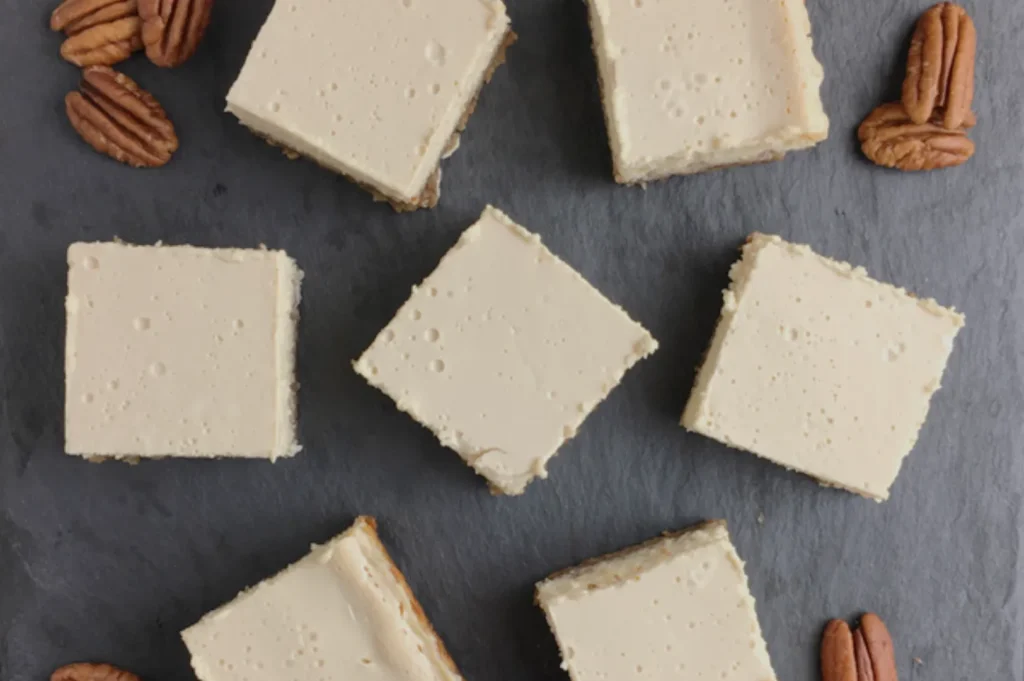
Cashew cream shows up in a huge share of plant-based desserts, and for good reason. Soaked and blended, it turns smooth and rich fairly easily, which makes it the default fix for anything trying to mimic cream cheese or mascarpone.
The catch is that cashews don’t set the way dairy proteins do. Left to their own devices, a cashew-based filling stays soft no matter how long it sits in the fridge. Most recipes solve this with coconut oil, which firms up when chilled and gives the illusion of structure. It’s a workaround, not a transformation. Warm the slice up even slightly and the whole thing slackens again.
None of this makes cashew a bad choice. It just makes it a fat-and-starch solution to a protein problem, and that distinction shapes everything downstream.
Why Soy Behaves Differently
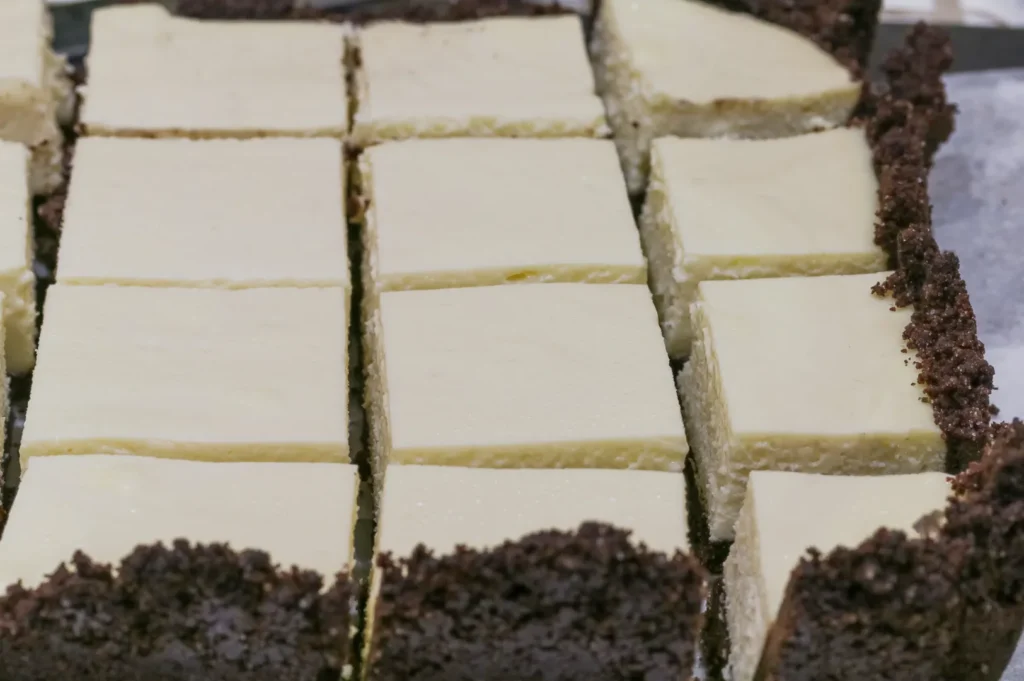
Soy is unusual among plant milks because it’s genuinely high in protein, not just fat and carbohydrate dressed up to look creamy. That protein can be curdled, much like dairy protein can, using heat and an acid or coagulant.
This is the same basic chemistry behind tofu. Add something acidic to warm soy milk and the proteins bind together into curds, separating from the liquid whey. It’s not a trick borrowed from dairy. It’s a parallel process that happens to land in roughly the same place.
That difference matters for dessert makers because it means soy-based fillings can actually set through genuine protein structure, not just through fat solidifying in the cold. The result holds its shape at room temperature in a way cashew and coconut versions generally can’t.
Texture Is Where Most Recipes Fail
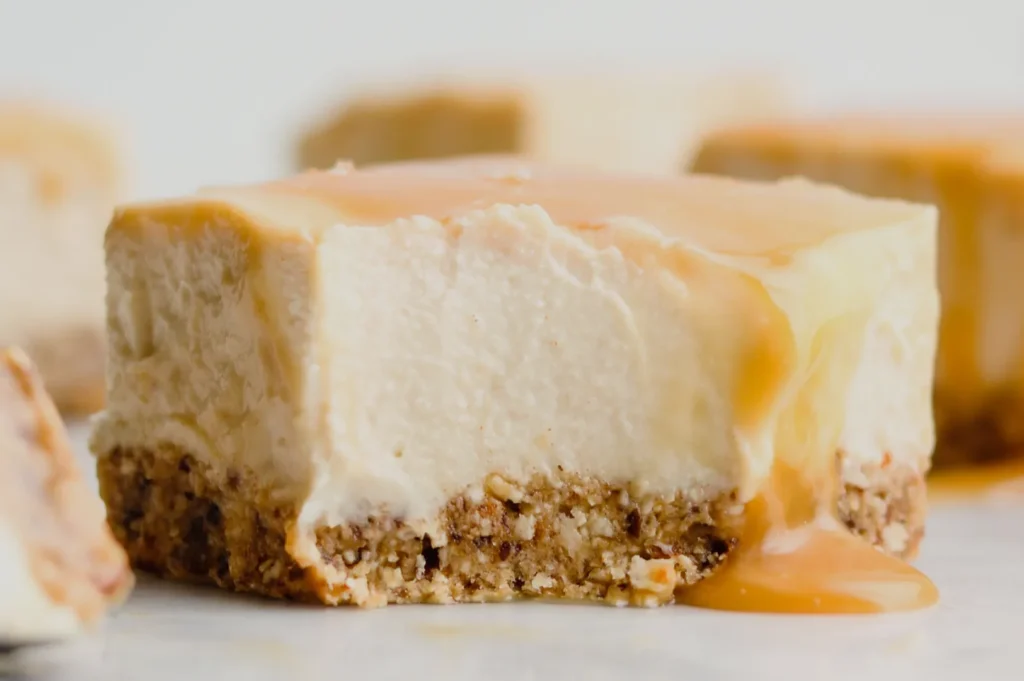
Flavor gets most of the attention when people talk about plant-based desserts, but texture is usually the harder problem. A cashew cheesecake can taste reasonably close to the real thing and still feel wrong in the mouth, too soft, too cold-dependent, missing that slight density a baked cheesecake has.
Fat-based fillings tend to feel either heavy or airy depending on how much they’re whipped, but rarely land on that dense, sliceable middle ground. Protein-based fillings, soy included, get closer to that texture because they’re forming an actual network rather than just suspending fat in a thickened liquid.
This is also why so many plant-based cheesecakes are marketed as “no-bake.” Baking exposes the difference. A filling with real protein structure can go into an oven and firm up the way dairy does. A filling that’s mostly fat and starch tends to separate or turn oily under direct heat, so recipes quietly avoid the oven altogether and lean on chilling instead.
So What Actually Makes a Plant-Based Dessert Work
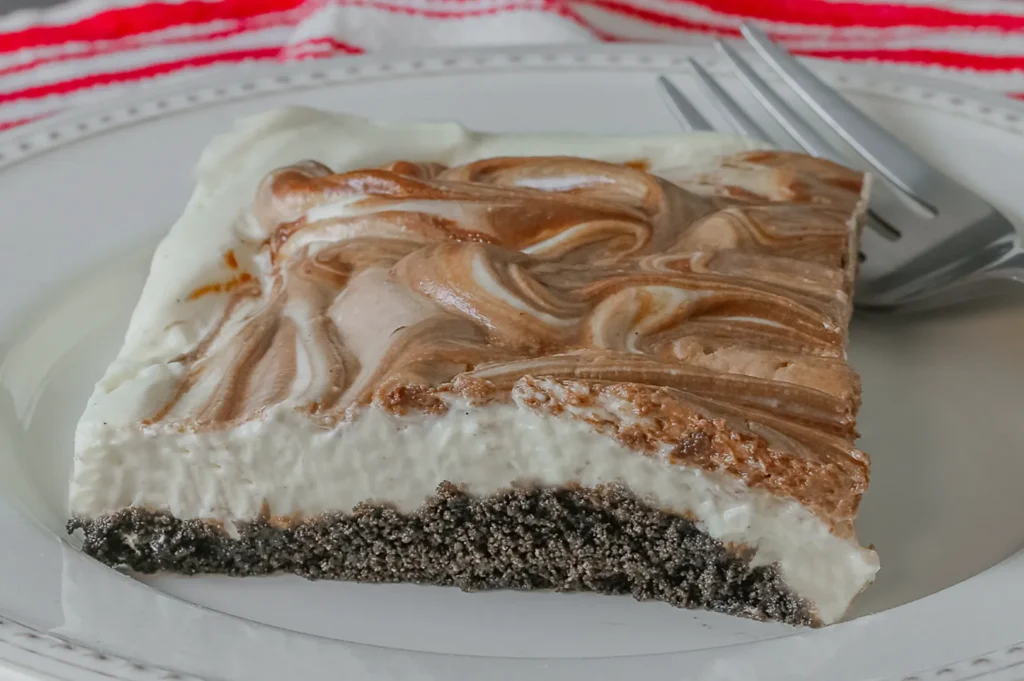
The honest answer is that it depends entirely on which plant is doing the work. A coconut-based dessert asks to be judged by different rules than a soy-based one, because they’re not solving the same structural problem in the first place.
Cashew and coconut versions tend to succeed through richness and cleverness with fat. Soy-based versions have the option of succeeding through actual structure, closer to how dairy cheesecake sets in the first place. Neither approach is more “authentic” than the other, but they’re not the same craft, and expecting one recipe’s logic to apply to all of them is where a lot of disappointment starts.
That’s roughly the thinking behind Daizu by Ki-setsu, which builds its cheesecakes around soy rather than treating it as one plant milk among several interchangeable options. The protein does real work here, the way it would in a dairy version, which is part of why the texture holds up rather than just holding together.