Somewhere between scrolling a bakery’s Instagram and standing in line at a café, there’s a moment of hesitation before ordering ube cheesecake. It looks almost too purple to be natural. The name is unfamiliar to some, deeply nostalgic to others, and the question that follows is fair: is this a passing dessert fad, or something with actual staying power? Even a search for the best cheesecake in Singapore has to offer tends to turn up a purple slice somewhere on the list these days.
That question deserves a look at where ube cheesecake came from, what makes it work as a cheesecake in the first place, and why it keeps showing up on menus long after most food trends have quietly disappeared.
The First Bite That Made Ube Cheesecake Impossible to Ignore
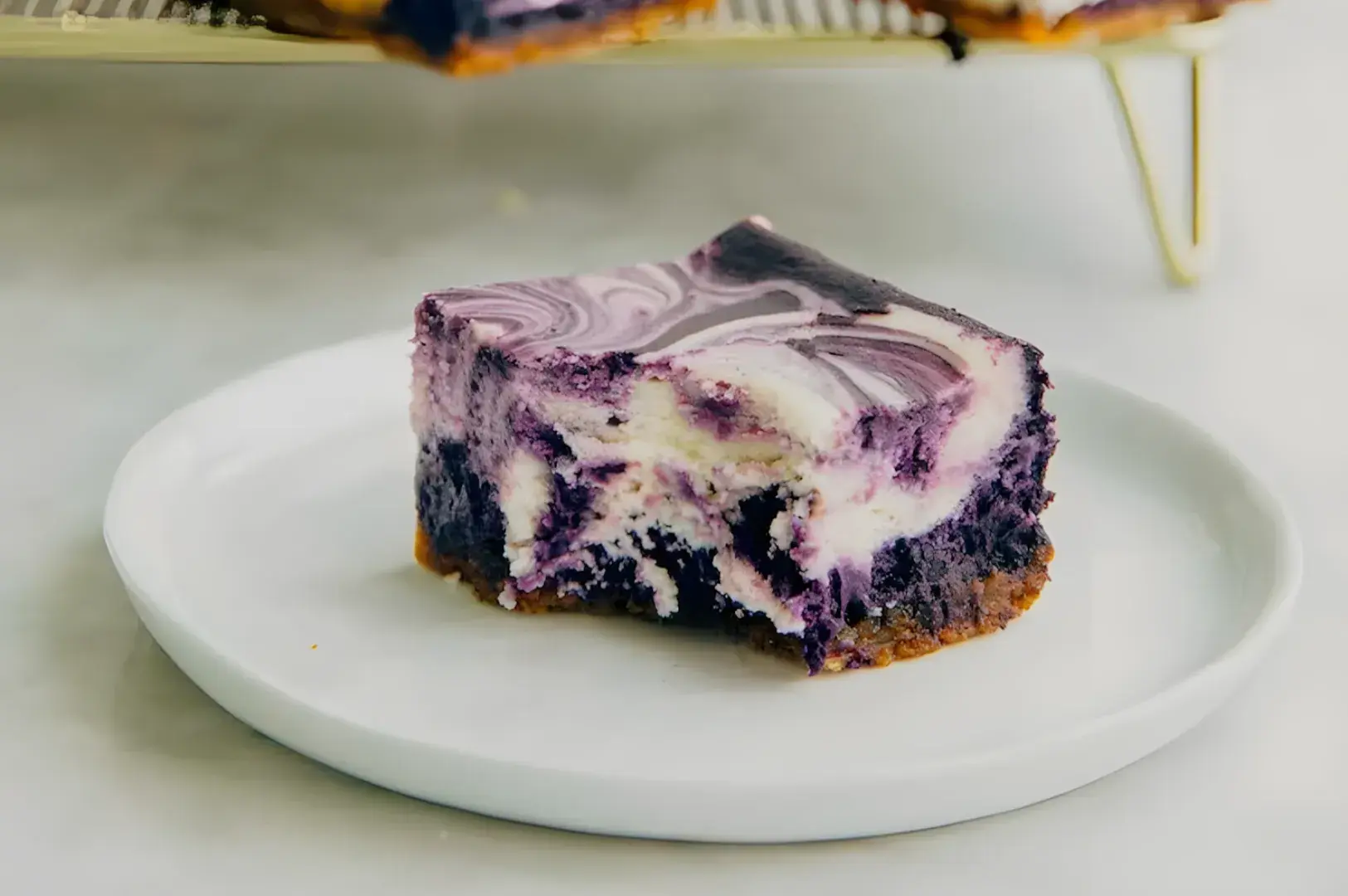
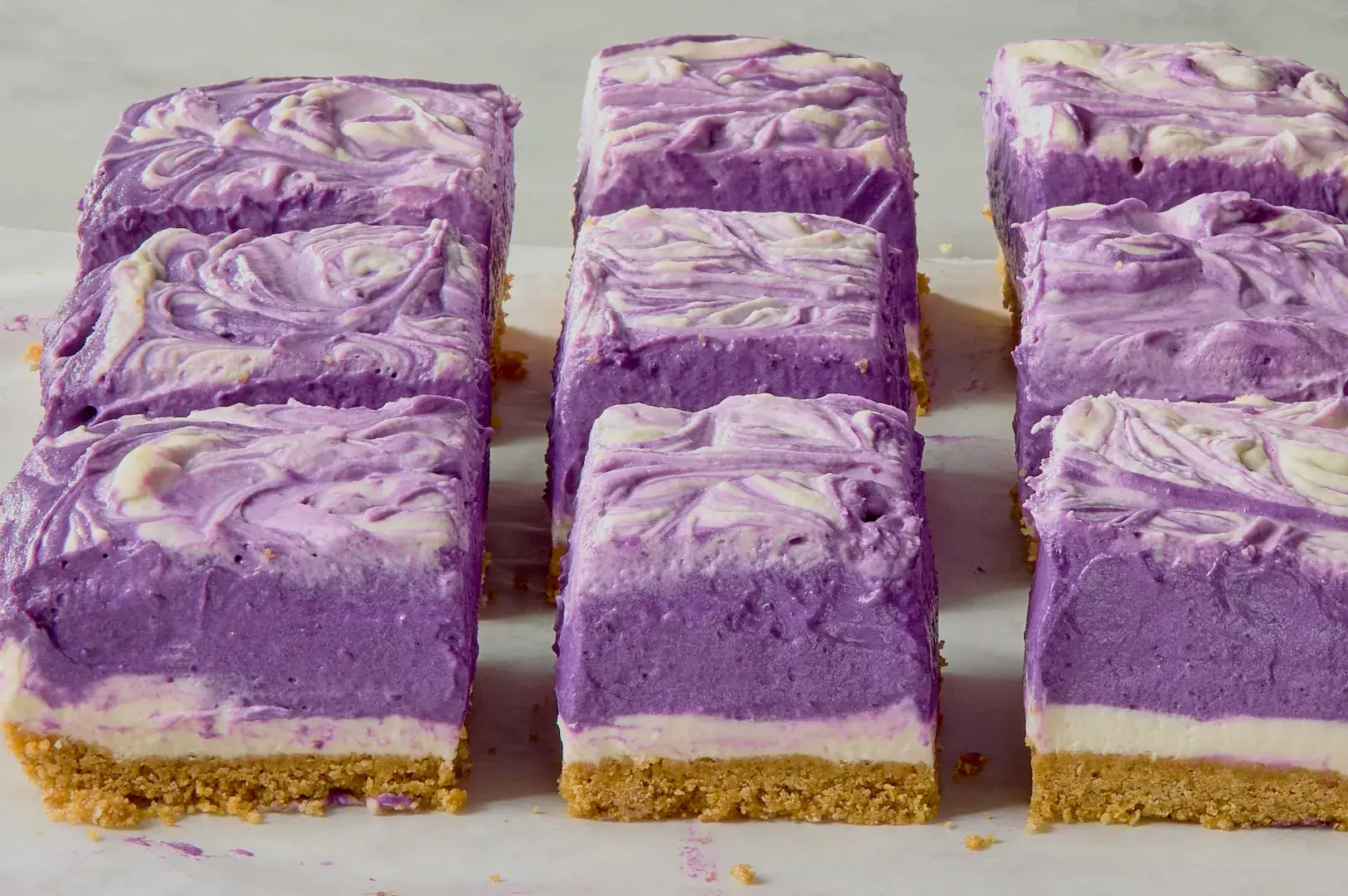
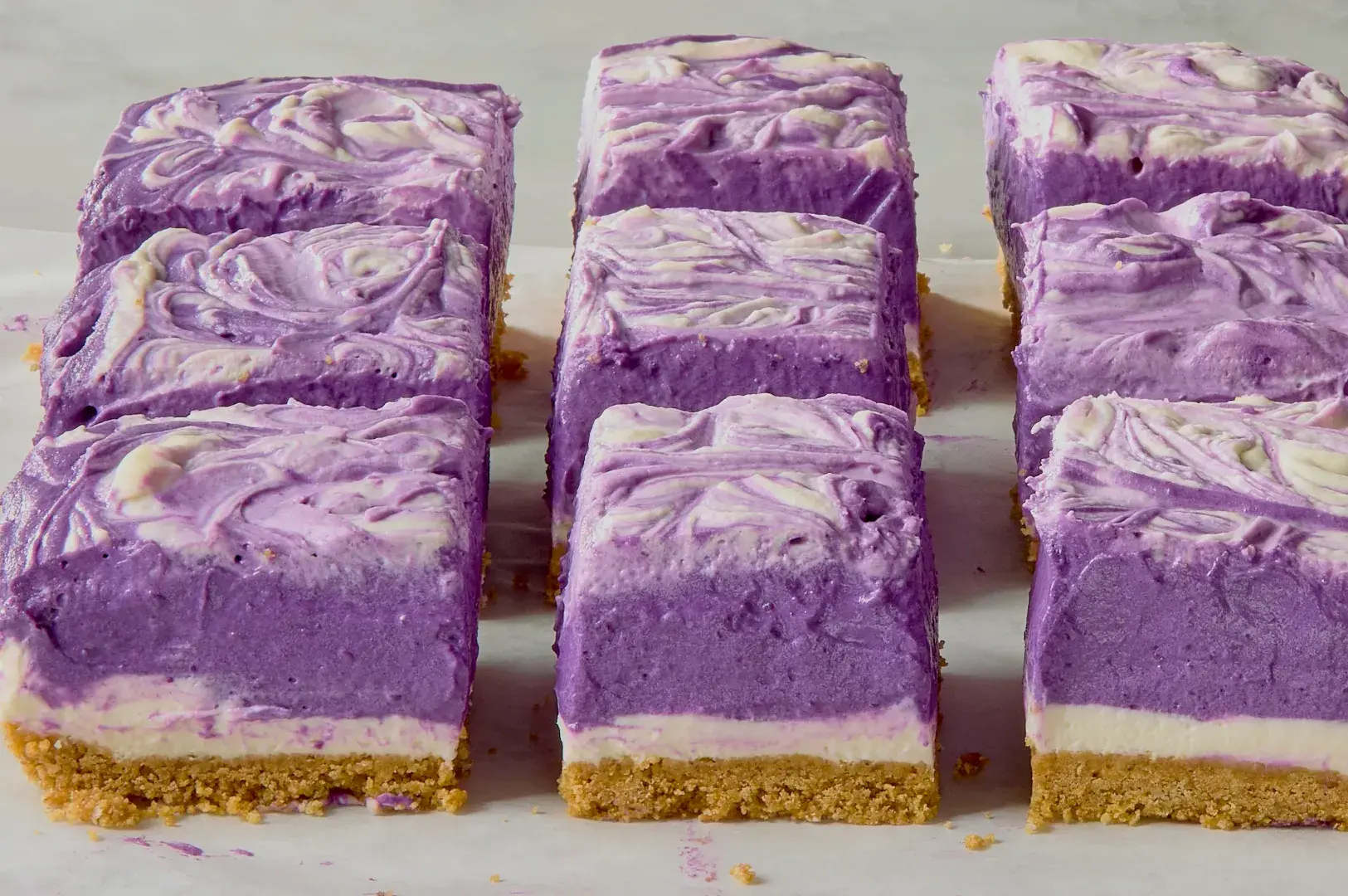
The appeal usually isn’t subtle. The color alone stops people mid-scroll, a deep violet that looks almost engineered. But the flavor is what keeps people coming back. It’s earthy, faintly vanilla, a little nutty, nothing like the artificial grape or lavender notes people sometimes brace themselves for.
That first bite tends to surprise people twice, once for the color and once for how good it actually tastes.
Purple Yam Cheesecake Has Deeper Roots Than Most People Realize
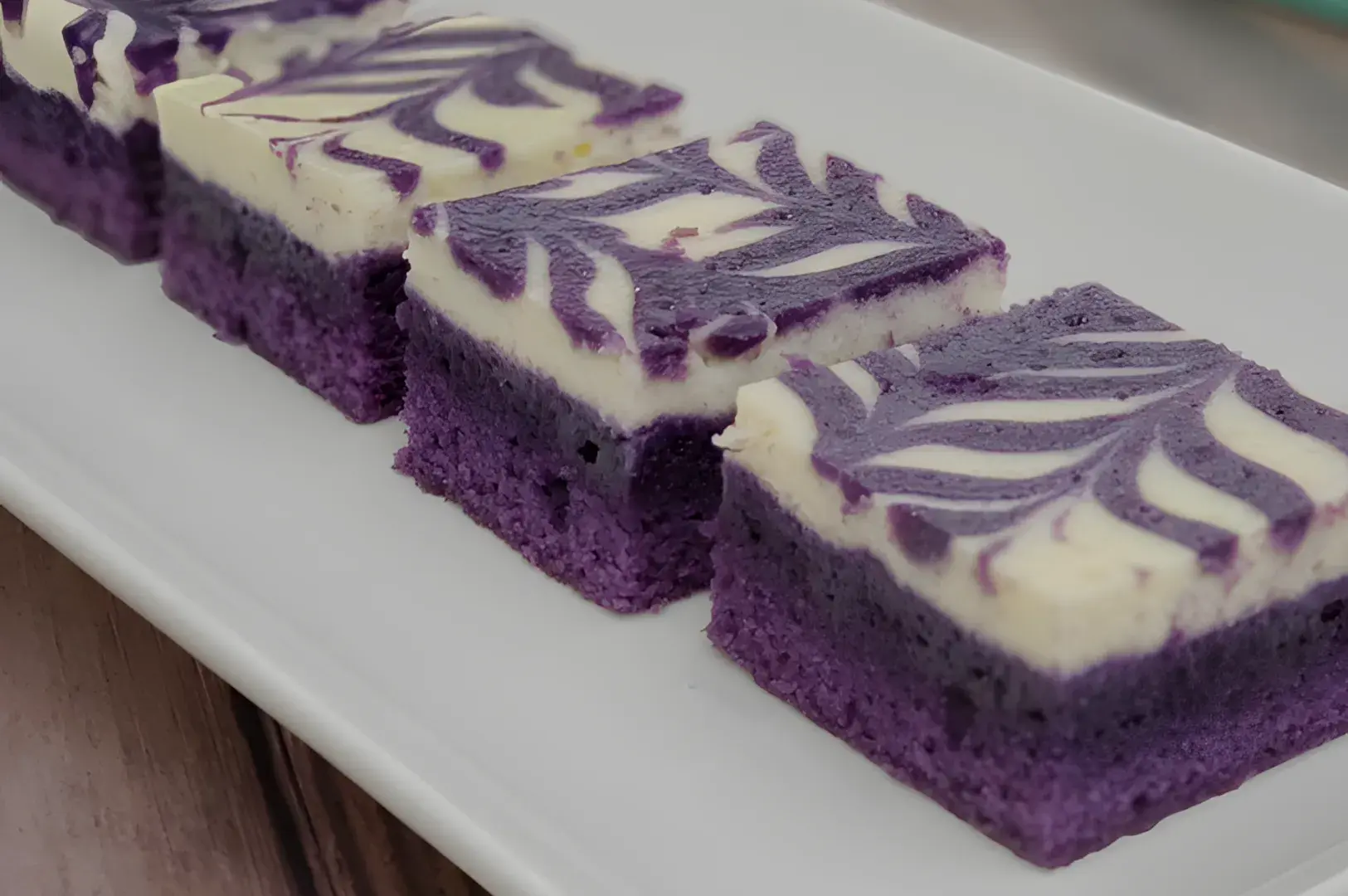
Before purple yam cheesecake existed, ube was already a staple, not a novelty ingredient invented for dessert menus. Purple yam has been a fixture in Filipino cuisine for generations, long before it crossed into cheesecake territory.
From Ube Halaya to Ube Desserts on Dessert Menus
Ube halaya, the traditional jam made from mashed purple yam, butter, and condensed milk, is the ancestor of most modern ube desserts. It’s slow-cooked, deeply flavored, and often eaten on its own. Ube cheesecake takes that same base flavor and folds it into a format that travels well internationally.
That lineage matters. It’s part of why ube cheesecake doesn’t feel like a gimmick to people who grew up with ube jam, but a natural next step.
What a Proper Ube Cheesecake Filling Actually Needs
Not every purple dessert earns the name. A proper ube cheesecake filling relies on a handful of ingredients working in balance, not just food coloring.
A solid base usually includes:
Ingredient | Role in the filling |
|---|---|
Cream cheese | Provides the structure and tang |
Sour cream | Adds moisture and a slight sharpness |
Sweetened condensed milk | Sweetens without making the batter grainy |
Ube extract or ube jam | Delivers the actual flavor and color |
Eggs | Binds everything during baking |
Skip the ube jam and lean only on extract, and the cheesecake can taste flat. Skip the extract and lean only on jam, and the color can turn muddy. Most bakers mix both for the truest result.
Why Room Temperature Ingredients Change Everything
Cold cream cheese straight from the fridge is the fastest way to end up with lumps in the batter. Room temperature ingredients blend smoothly, which matters more in a cheesecake than almost any other bake. The trick is to beat cream cheese slowly at first, then pick up speed once it’s fully smooth.
Building the Crust and Setting Up the Water Bath
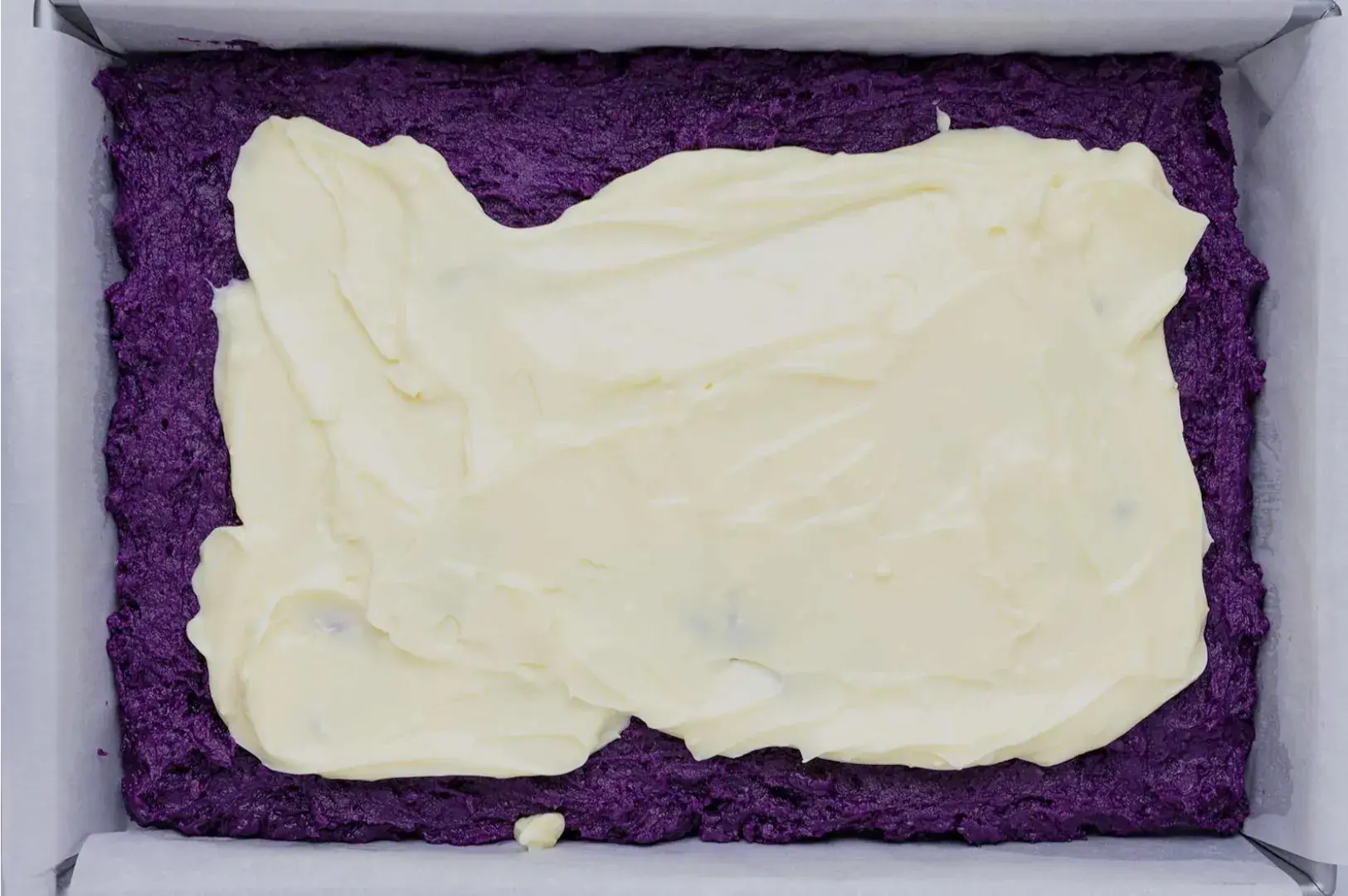
Before the filling comes together, the crust needs its own attention. Getting it right is less about a fixed recipe and more about a few steps done in order:
Pulse graham crackers in a food processor until they turn into fine graham cracker crumbs
Mix the crumbs with melted butter in a medium bowl until the texture looks like wet sand, damp enough to hold together when pressed
Use unsalted butter so the graham cracker base carries its own saltiness instead of competing with the filling
For a gluten free version, swap in gluten free graham crackers, sometimes with a spoon of all purpose flour to help the base set
Press the mix into a springform pan lined with parchment paper first, for easier release later
Chill briefly, then wrap the pan in aluminum foil before it sits in a water bath, sometimes called a bain marie
Pour hot water halfway up the sides of the wrapped pan so the oven’s heat stays gentle, which is why baked cheesecake turns out creamy instead of dry or cracked
The Stand Mixer Debate: Does It Actually Matter for This Cheesecake Recipe
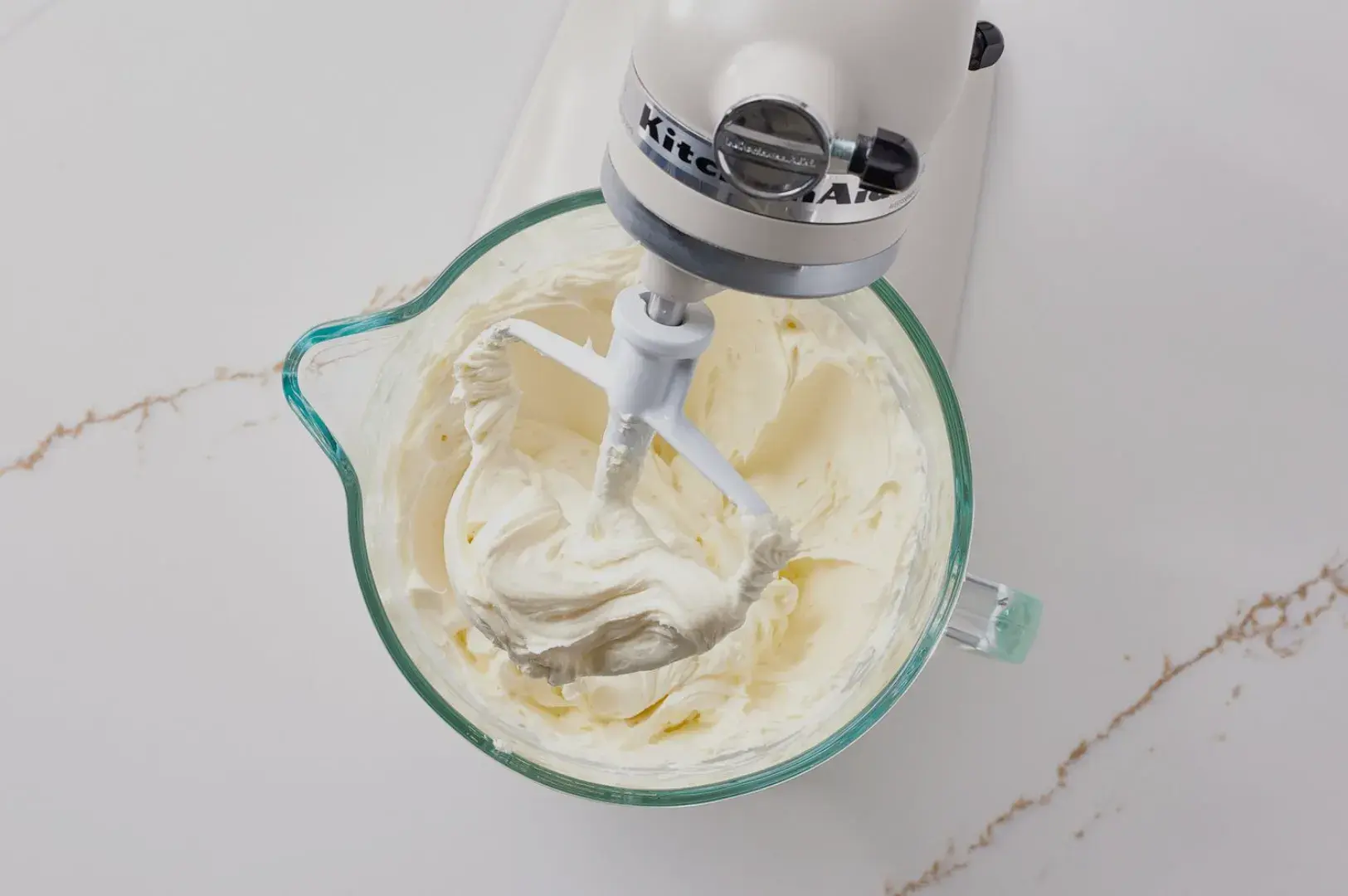
A stand mixer isn’t strictly required for this cheesecake recipe, but it makes the process more forgiving. It beats the cream cheese evenly, which helps avoid the air bubbles that can crack the top during baking.
A wooden spoon and elbow grease work too, provided the cream cheese has actually softened first. What matters more than the tool is not rushing the mixing stage before the batter goes into the prepared pan.
Baking, Chilling, and Not Rushing the Reveal
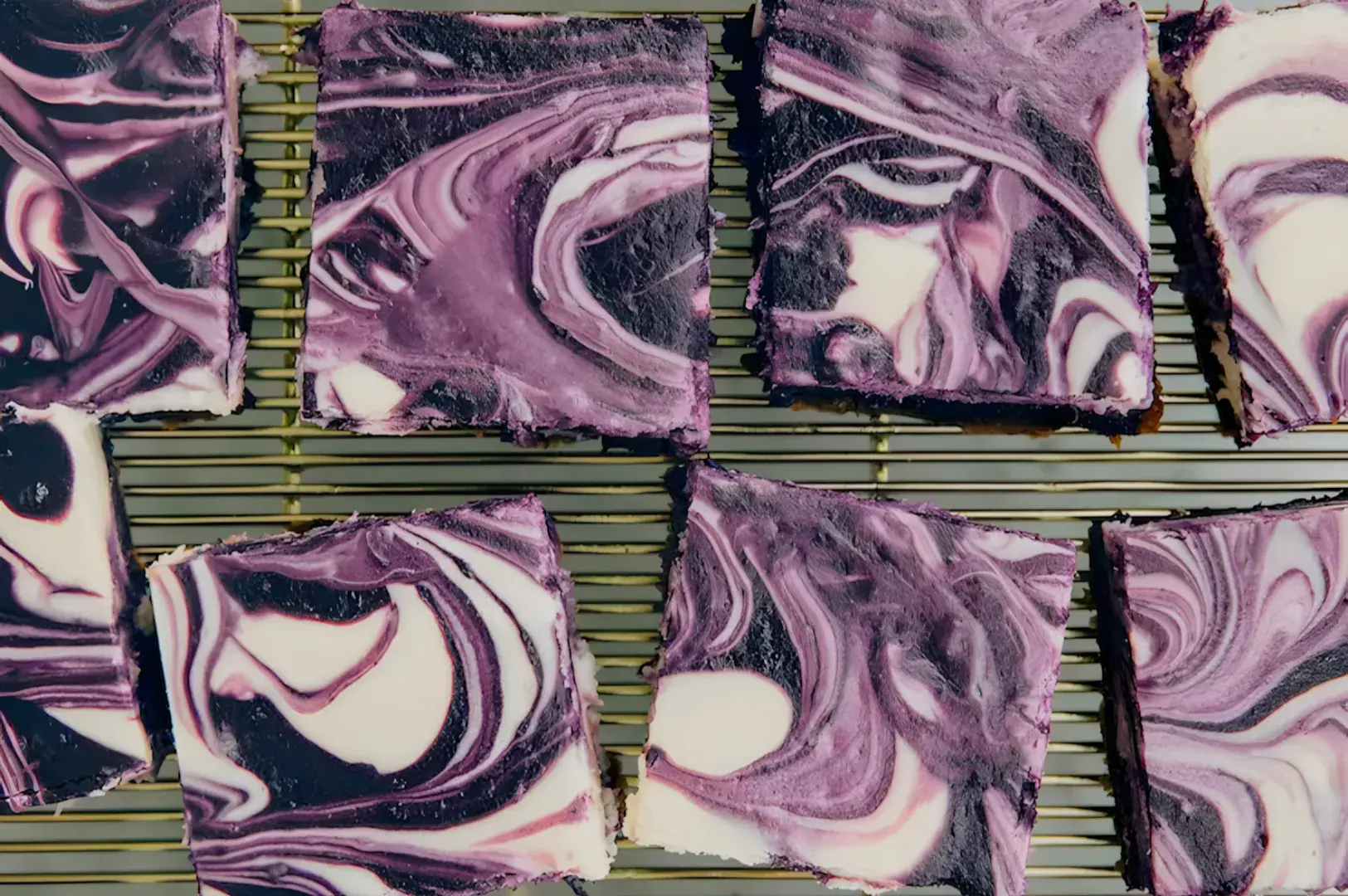
Once the filling is in the prepared pan, a splash of vanilla extract or a touch more sugar can be adjusted to taste, though it’s worth being careful not to add sugar past the point where it turns overly sweet. Overmixing usually traps too much air in the batter, which is also why leaving the oven door shut for most of the bake time matters more than people expect.
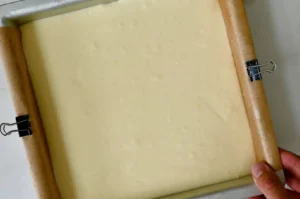
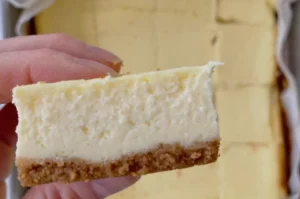
After baking, the cheesecake needs to cool on a wire rack before it goes near the fridge. Once cool, wrap it tightly in plastic wrap and chill it in the fridge overnight, preferably overnight rather than just a few hours, since a rushed chill rarely sets the filling all the way through. A sharp knife run under hot water between slices keeps each piece clean. Leftovers hold up well in an airtight container for a few days, still creamy and holding that vibrant purple color.
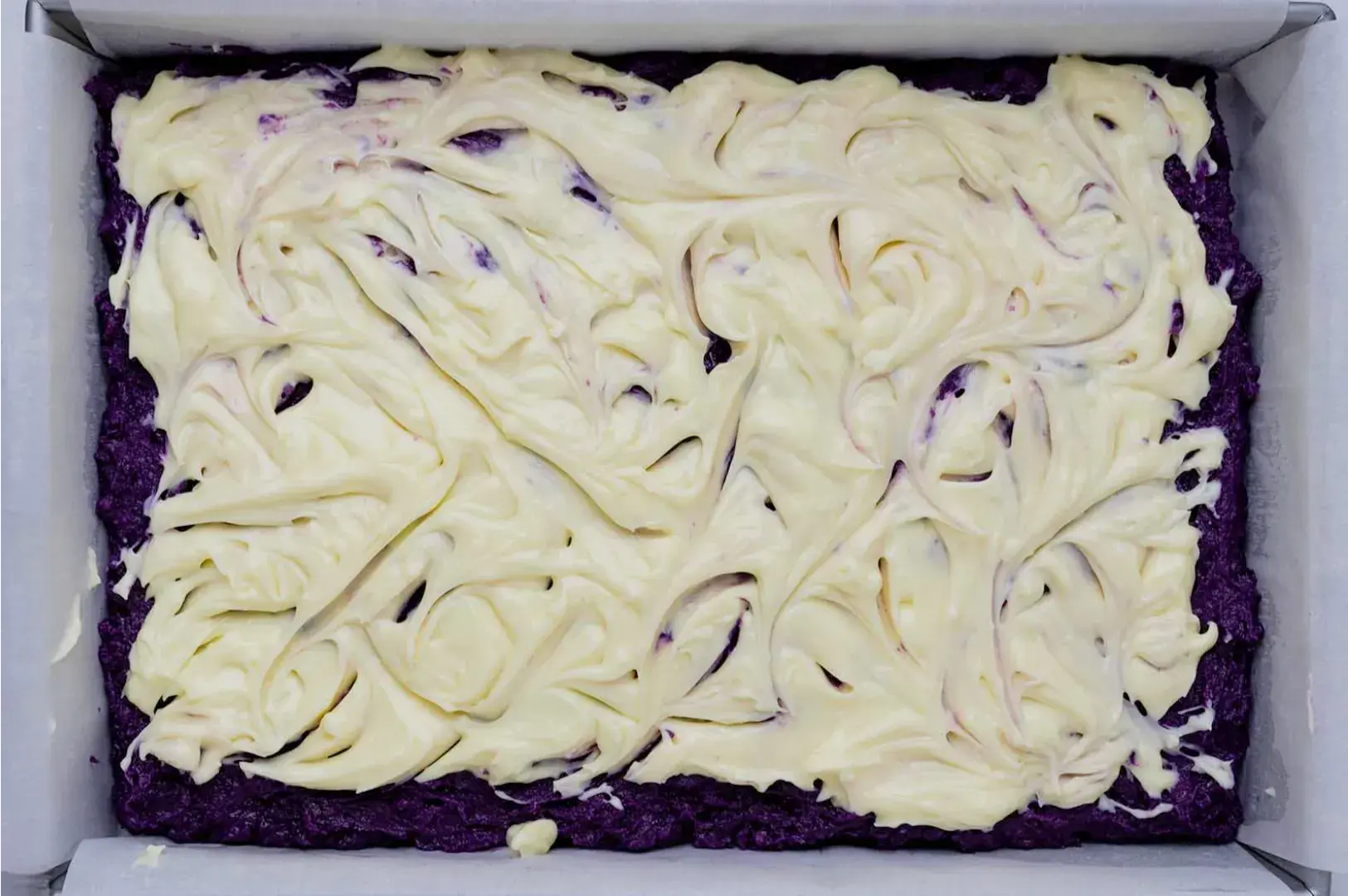
For anyone wanting a topping, a layer of whipped cream or a spoon of coconut cream adds more flavor without covering up the ube itself. Some versions swirl in ube condensed milk or a bit of added ube extract right before baking for a deeper purple color.
What Actually Goes Into a Slice
Cream cheese and butter are doing real work here, and that shows up in the nutrition column. Most of the fat comes from saturated fat, with smaller amounts of monounsaturated and polyunsaturated fat from the crust, and next to no trans fat if the butter is real. It’s not a light dessert, and it was never trying to be one.
Where Ube Cheesecake Fits Among Filipino Desserts Today
Filipino desserts have been gaining wider recognition outside their home country, and ube has largely led that charge. Halo-halo, ube ice cream, and ube cake have all made their way onto international menus, with ube cheesecake simply the latest format to carry that flavor forward.
What sets it apart from other passing trends is that it isn’t chasing novelty. It’s translating something already loved into a form more people already know how to enjoy.
Read: Plain Is Dead: The Cheesecake Flavours Singapore Actually Wants
Natural Ube Flavor vs the Bottled Kind
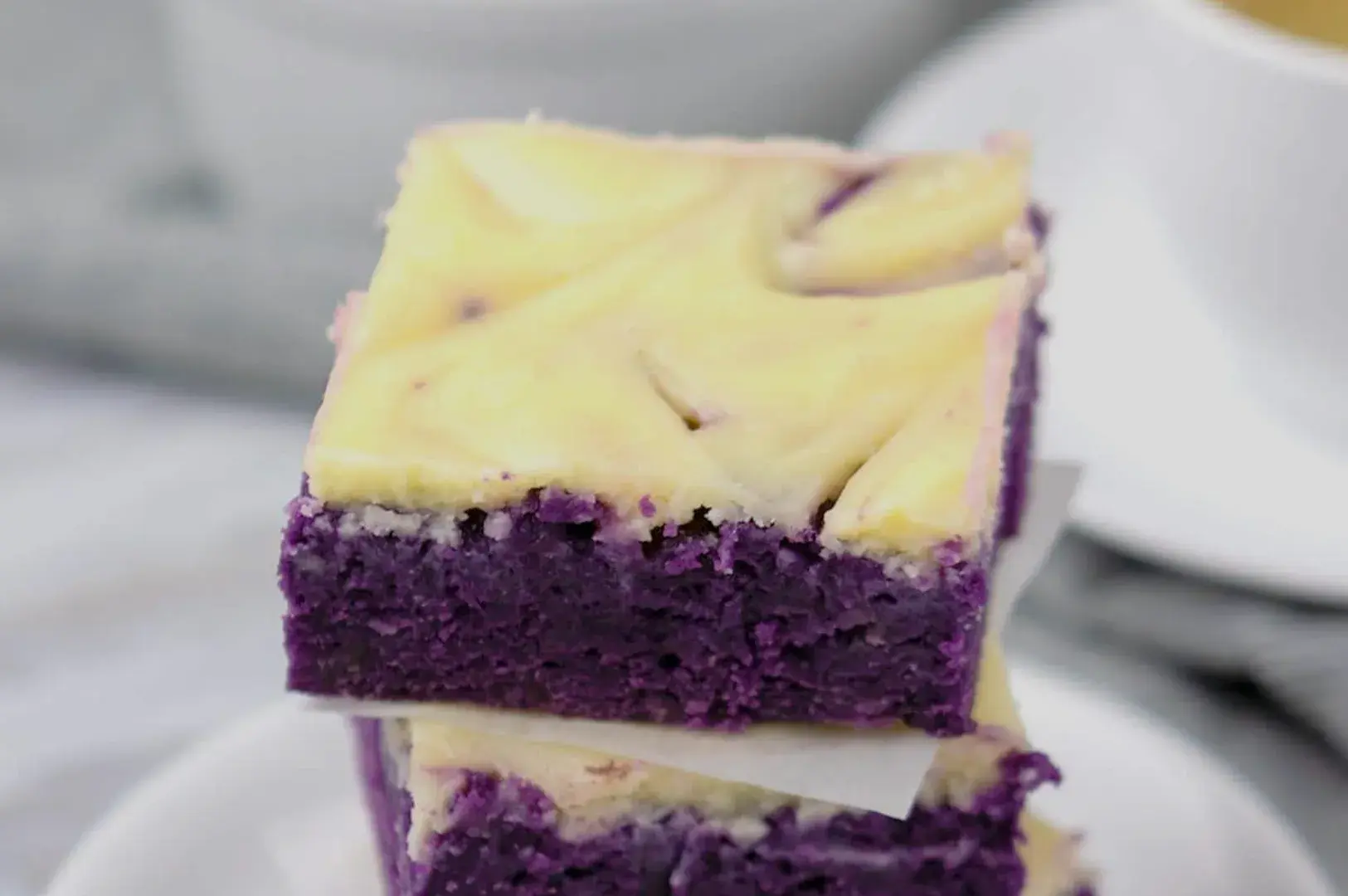
Not all ube flavoring is created equal. Some versions lean on artificial coloring to fake the effect, which can taste closer to bubblegum than yam. Natural ube flavor, drawn from the yam itself or from properly made ube jam, tends to be more subdued and more believable.
The difference shows up most in aftertaste. Artificial versions leave something sharp and synthetic behind. The natural version finishes clean.
Finding a Great Recipe Online Worth Trusting
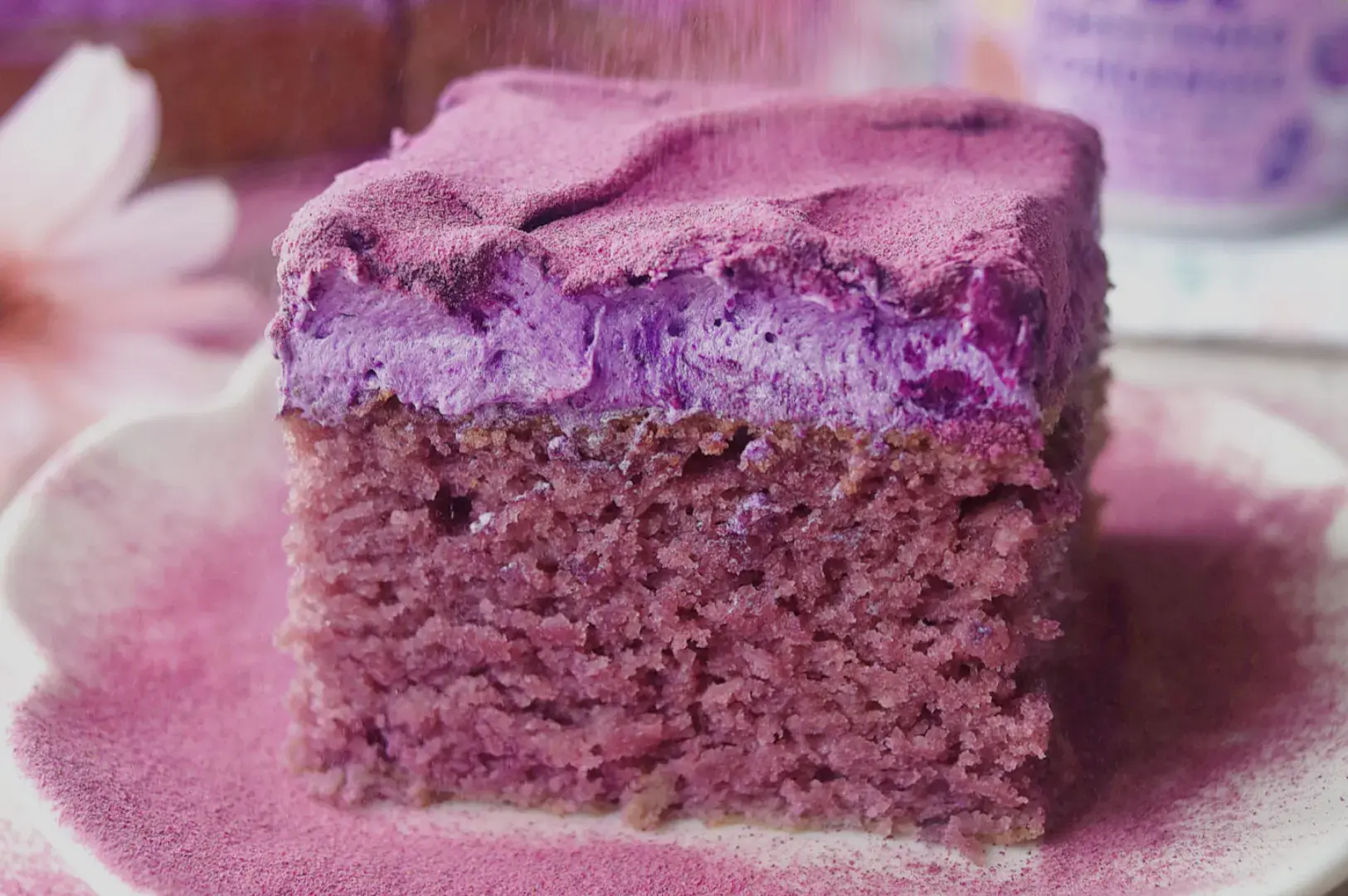
Search for ube cheesecake recipe online and the results multiply fast, each claiming to be a great recipe or the most delicious cheesecake around. The required recipe ratings are worth glancing at, but it helps more to review recipe comments before committing to one, since ratings alone don’t show whether a baker’s version actually turned out right. Plenty of reviewers describe the result as absolutely delicious, though the ones mentioning a proper vibrant purple color are worth believing.
A trustworthy recipe card spells out pan size, bake time, and chilling time clearly, not just ingredients. Happy baking depends less on finding the flashiest recipe online and more on following one that’s actually been tested honestly.
So Is Ube Cheesecake One of Those Popular Recipes That Fades, or Does It Stay
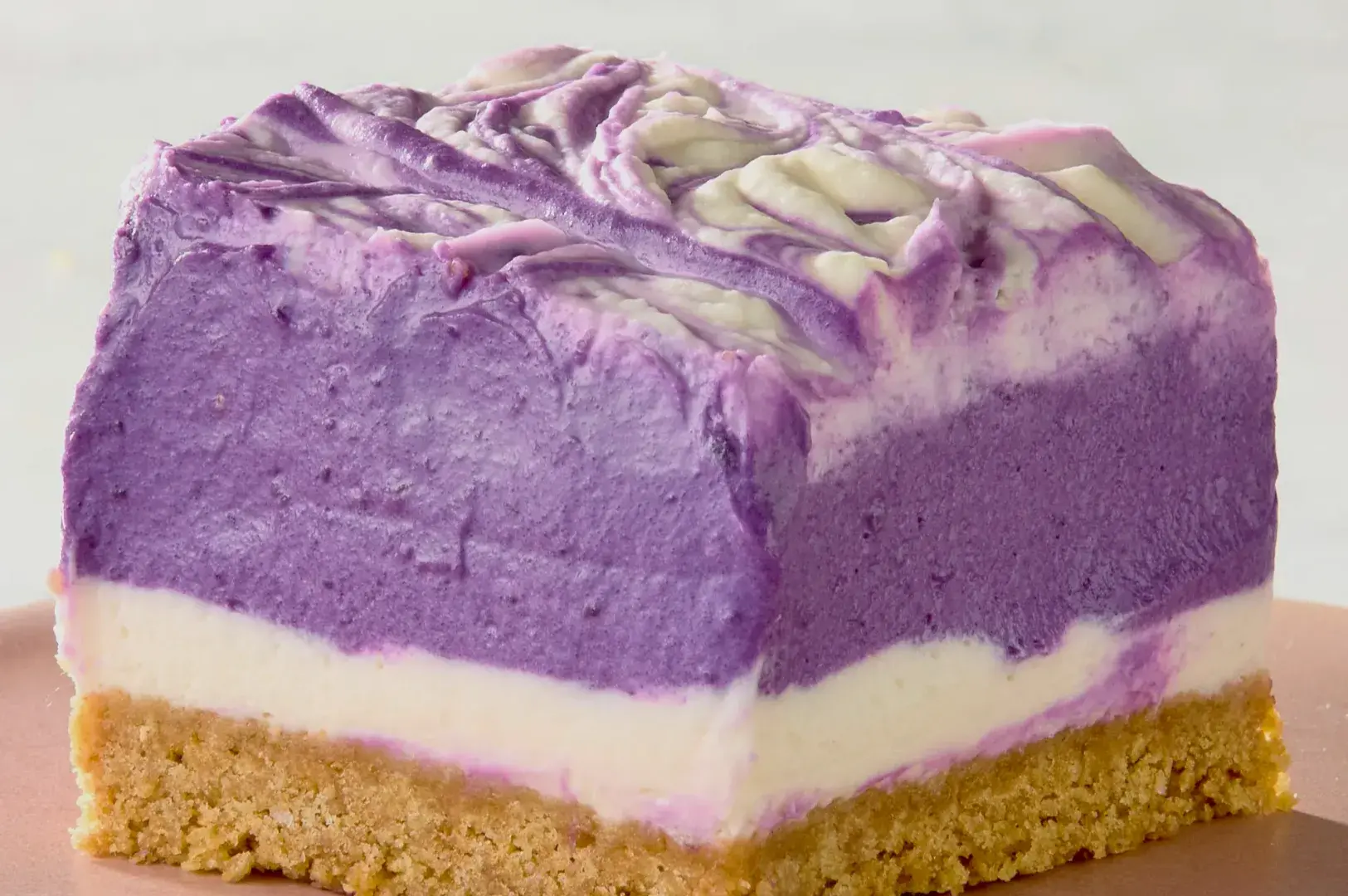
Trends fade when they’re built on novelty alone. Ube cheesecake isn’t. It’s built on a flavor with decades of cultural weight behind it, paired with a dessert format people already trust, which tends to outlast the usual cycle of popular recipes that show up for a season and disappear.
The color might be what gets someone to try it once. The flavor is what brings them back a second time, and that second visit is the real test of whether something is a trend or just a good dessert that took a while to get noticed.
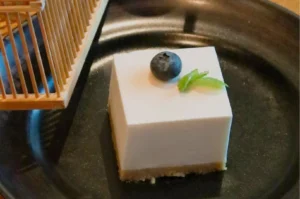
It’s the same principle Daizu by Ki-setsu applies to its own soy cheesecakes, trusting the ingredient itself to carry the flavor instead of leaning on shortcuts or color alone.