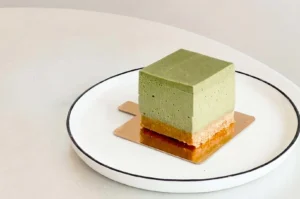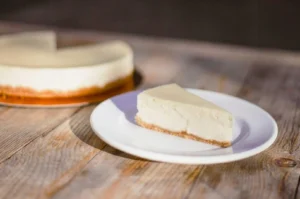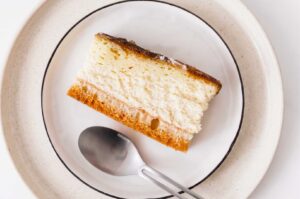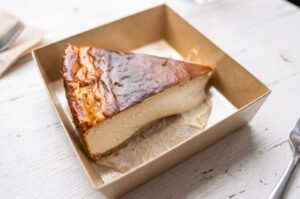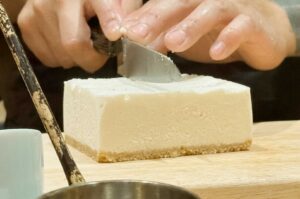
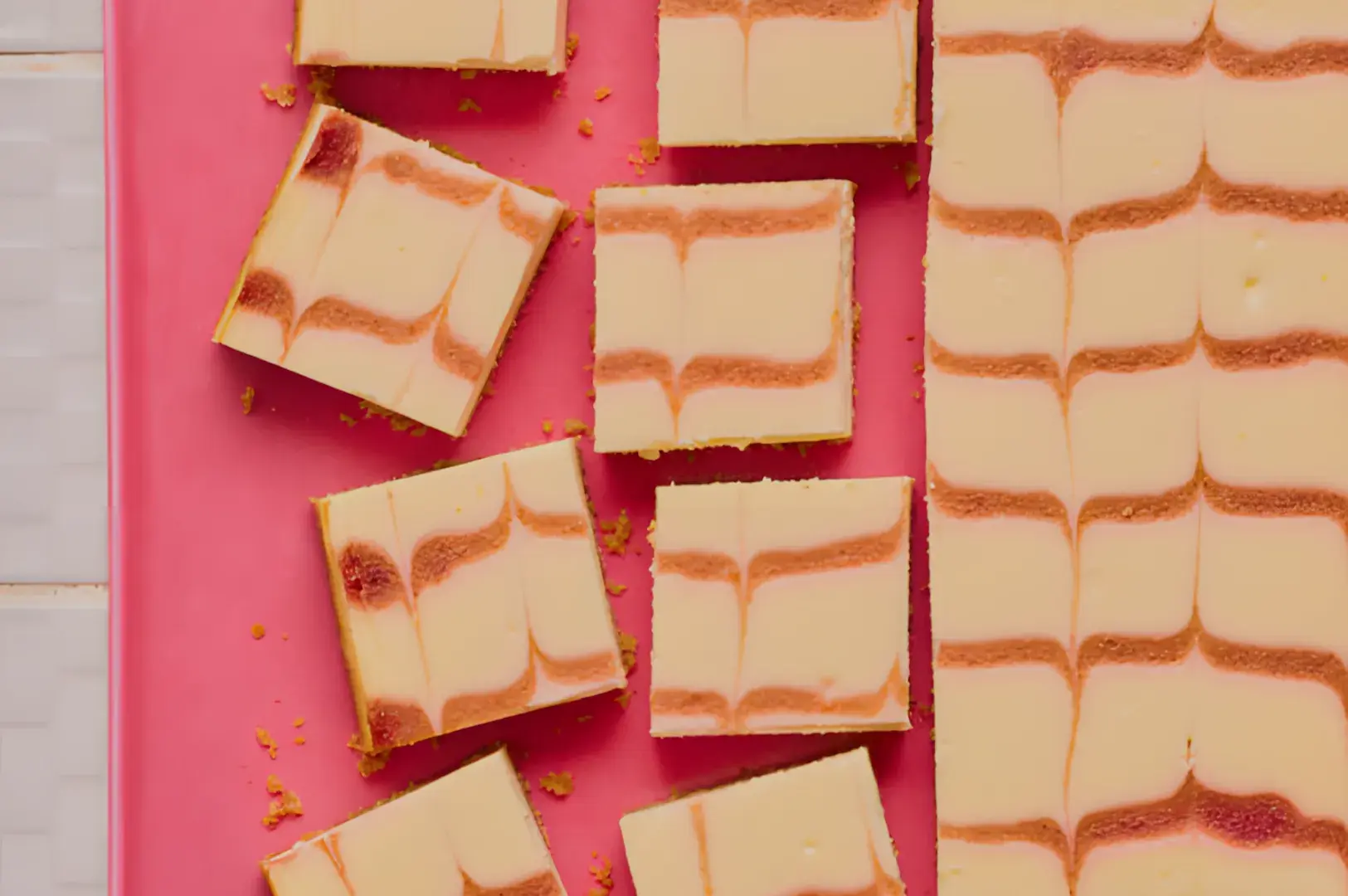
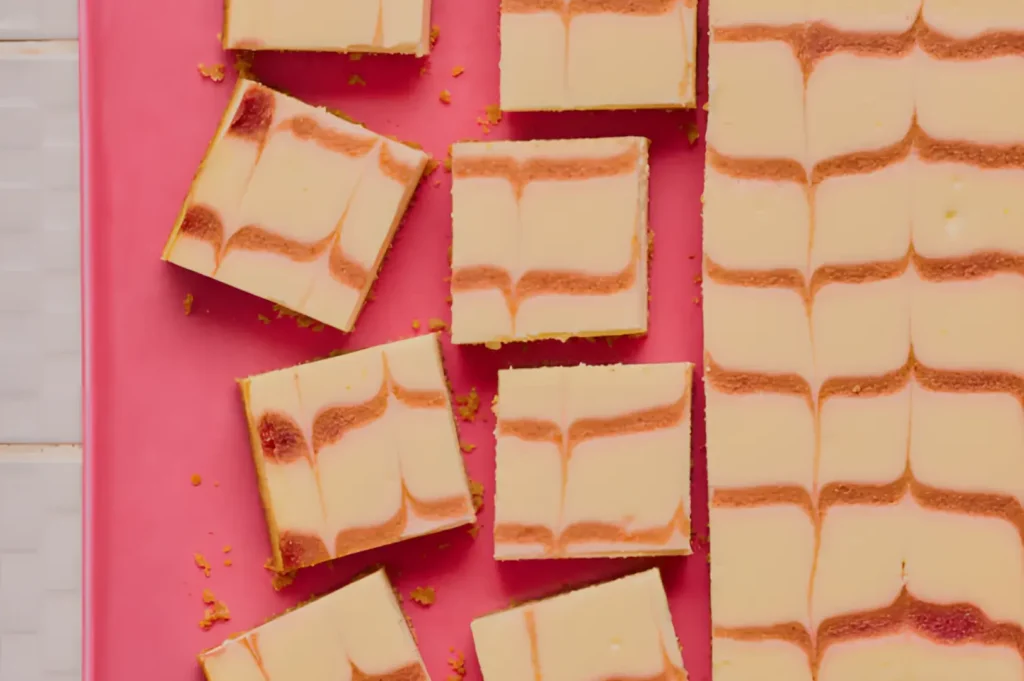
A dessert fridge in a small café last week held two cheesecakes side by side. One label said “vegan.” The other said “soy-based.” Same pale colour, same faint sheen on top, same slice of fresh berries resting on the edge.
The only obvious difference was the sticker. That moment is worth pausing on, because soy vs vegan cheesecake is a comparison a lot of people assume they understand until they’re actually standing in front of it.
Anyone searching for the best cheesecake Singapore has to offer eventually runs into this exact fork in the road, dairy-free doesn’t automatically mean one specific thing. Soy is one path into dairy-free dessert. Vegan is the wider category that soy sits inside. They overlap, but they’re not the same word wearing two labels.
What "Vegan Cheesecake" Actually Swaps Out for Dairy
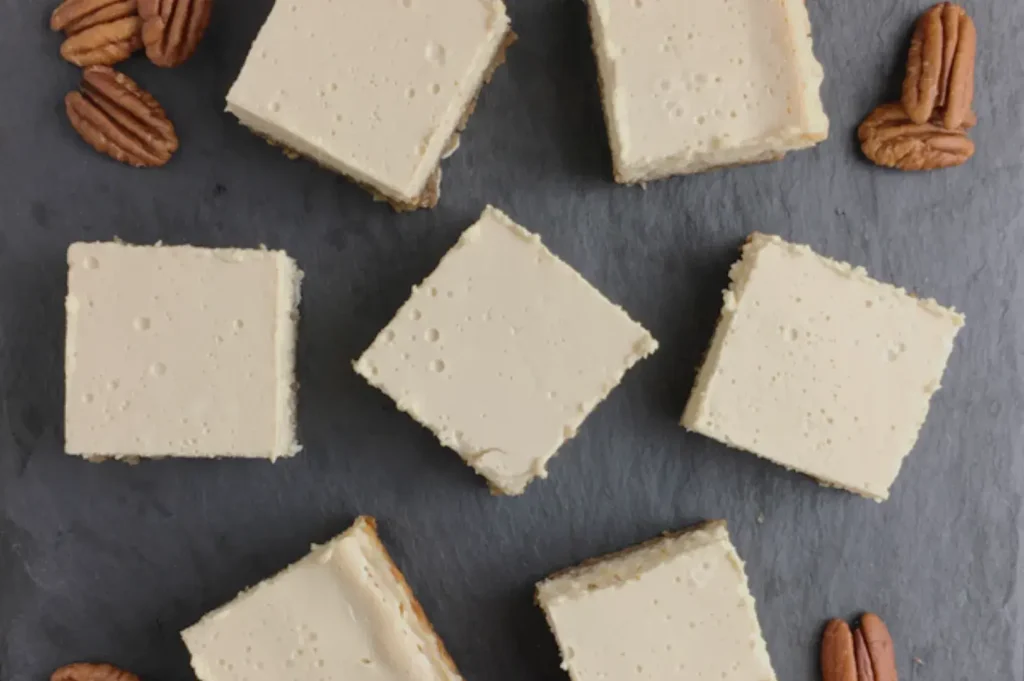
A vegan cheesecake removes every animal-derived ingredient from a traditional cheesecake, not just the cream cheese. That means no eggs, no dairy butter, no honey, and no gelatin in the crust or the filling. Everything else in the recipe has to be rebuilt from plant-based substitutes.
Soy happens to be one of the most common substitutes for the job, mostly because soy milk and silken tofu behave in ways that are genuinely close to dairy. But cashew cream, light coconut milk, and full fat coconut milk all show up in vegan cheesecake fillings too. Soy is a tool inside the vegan category, not a separate category standing next to it.
Cream Cheese, Silken Tofu, and the Hunt for the Same Texture
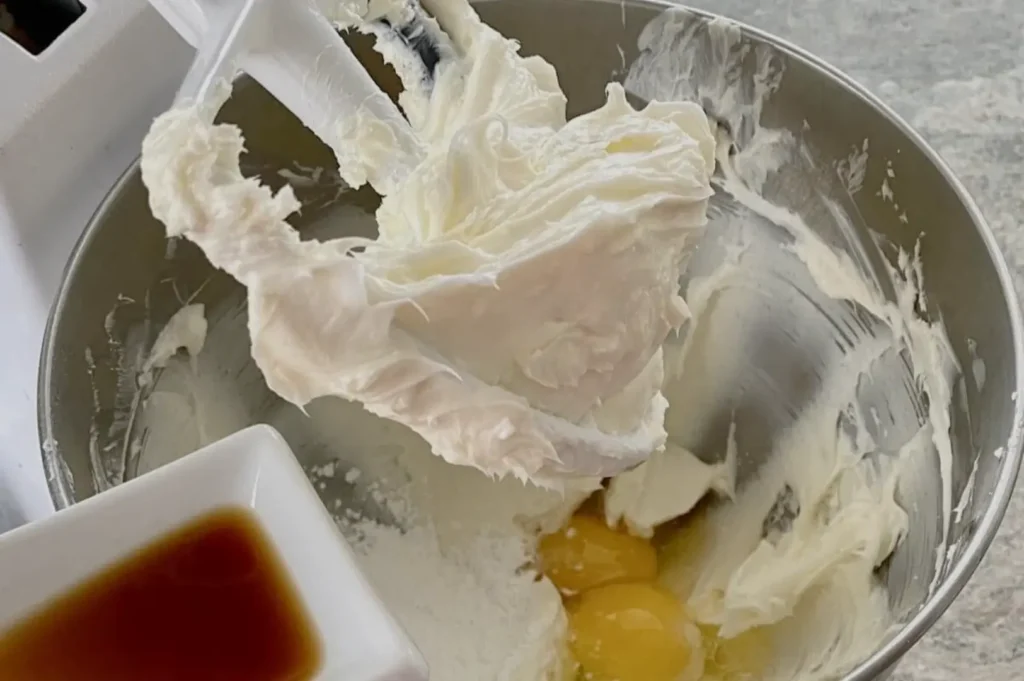
Regular cream cheese does two jobs in a cheesecake. It brings tang, and it holds structure once it sets. Any dairy-free version has to solve both problems at once, which is harder than it sounds.
Silken tofu is often the answer, blended in a food processor until it’s completely smooth with no trace of graininess left. It has a neutral flavour on its own, so lemon juice and lemon zest usually get added to bring back that familiar sharpness. Cashew cream does something similar, leaning more on soaked cashews blended into a large bowl of thick, rich paste. Vegan cream cheese, the store-bought kind, is a third option, and it tends to produce a creamy filling closer to a traditional baked cheesecake in both taste and set.
Soy cheesecake often has a neutral flavor profile that absorbs added flavors well. Silken tofu provides a higher protein content than cashew- or coconut-based options, making it a popular choice for those who love cheesecake but want a soy free or nut free alternative. The texture of soy-based cheesecake tends to be lighter, fluffier, and smoother due to the high water content in the tofu, offering a creamy texture with less fat than cashew or coconut-based options.
Poorly blended tofu in soy cheesecake can produce a faint beany aftertaste, so blending thoroughly is key.
The Graham Cracker Crust Debate
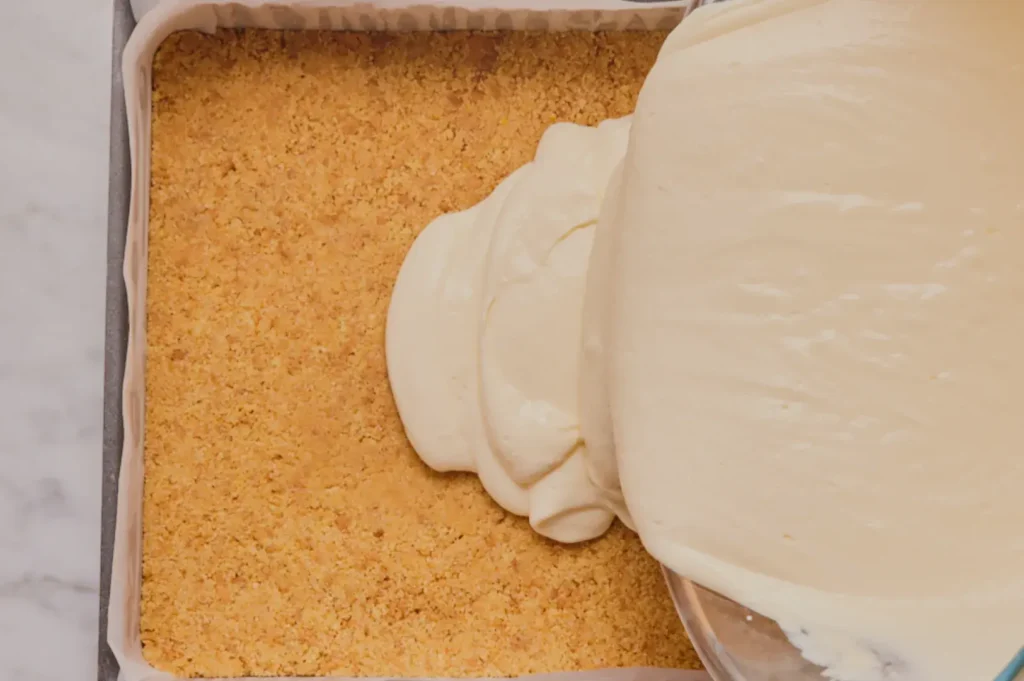
The crust is usually the least controversial part of the conversation, and also the easiest place to overthink it. A graham cracker crust is graham cracker crumbs mixed with melted butter or melted vegan butter, pressed into a prepared pan like a 9-inch springform pan or a pie plate, and either baked briefly or chilled to set.
Regular granulated sugar is often used in the crust mixture, but some prefer maple syrup or coconut sugar for a refined sweetness.
Vegan graham crackers exist and taste close enough to the original that most people wouldn’t notice the swap. Some bakers use crushed Oreo cookies instead for a darker, more chocolatey base. Either way, the crust isn’t really where the soy vs vegan cheesecake question gets decided. That happens in the cheesecake filling.
Going Gluten Free Without Losing the Crunch
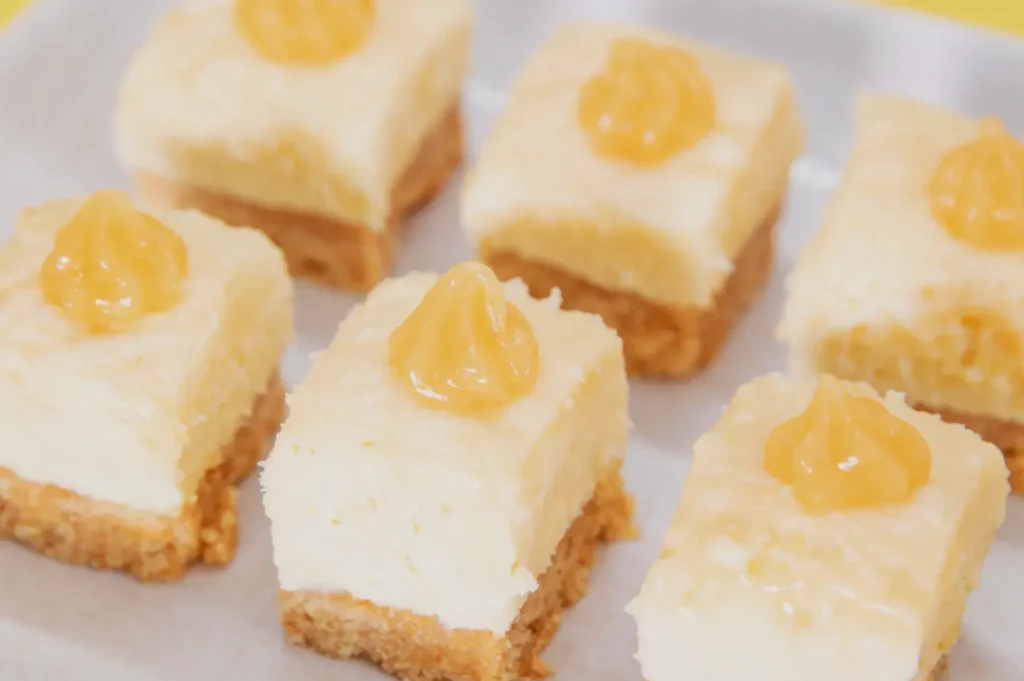
A recipe gluten free version of the same crust usually just swaps in gluten-free graham crackers or a gluten-free cookie, crushed the same way and mixed with melted coconut oil instead of butter for a fully dairy-free result. The ratio stays roughly the same. What changes is texture, since gluten-free crumbs can be a little more delicate once cut.
Lining the cake pan with parchment paper helps here more than usual, since a gluten-free crust is slightly more prone to sticking. A light spray on the prepared pan before the paper goes in doesn’t hurt either.
What a Cheesecake Recipe Changes Once Dairy Leaves the Kitchen
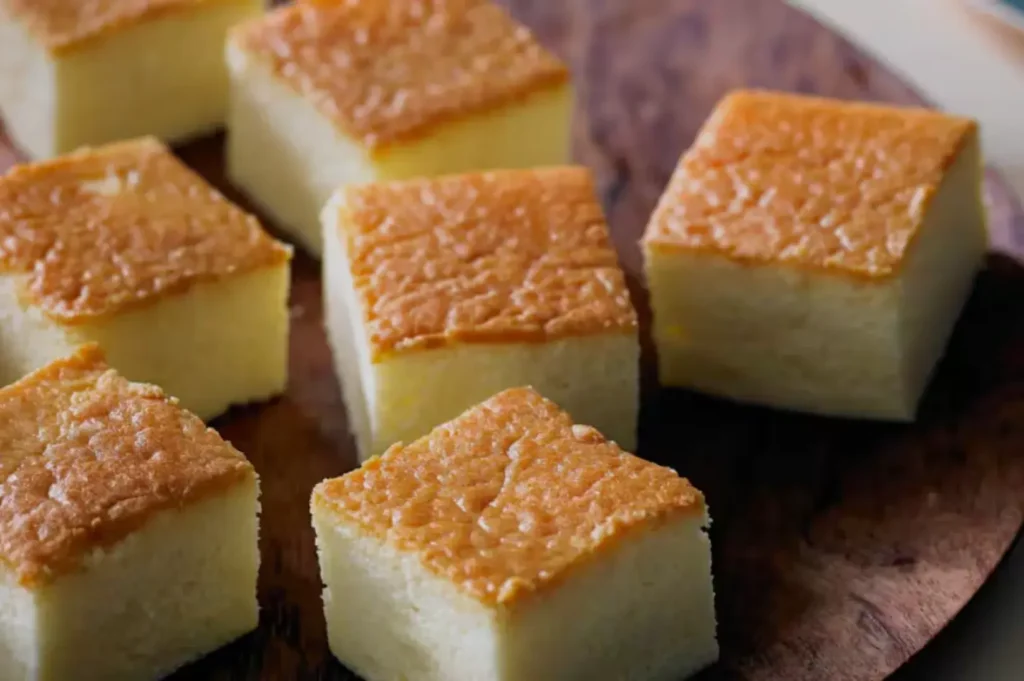
A standard cheesecake recipe relies on eggs and dairy to set through gentle baking, the kind where the centre stays slightly jiggly and firms up as it cools. Most vegan versions skip the oven entirely, using arrowroot starch or a similar thickener along with coconut oil, which solidifies as the cheesecake chills and holds the whole thing together.
That’s the real structural shift. A New York cheesecake sets through heat and protein. A no-bake vegan filling sets through fat and cold. The filling ingredients look similar on paper, cream cheese, sugar, vanilla extract, lemon juice, but the way they come together is closer to chemistry than baking.
Saturated Fat, the One Stat Everyone Asks About
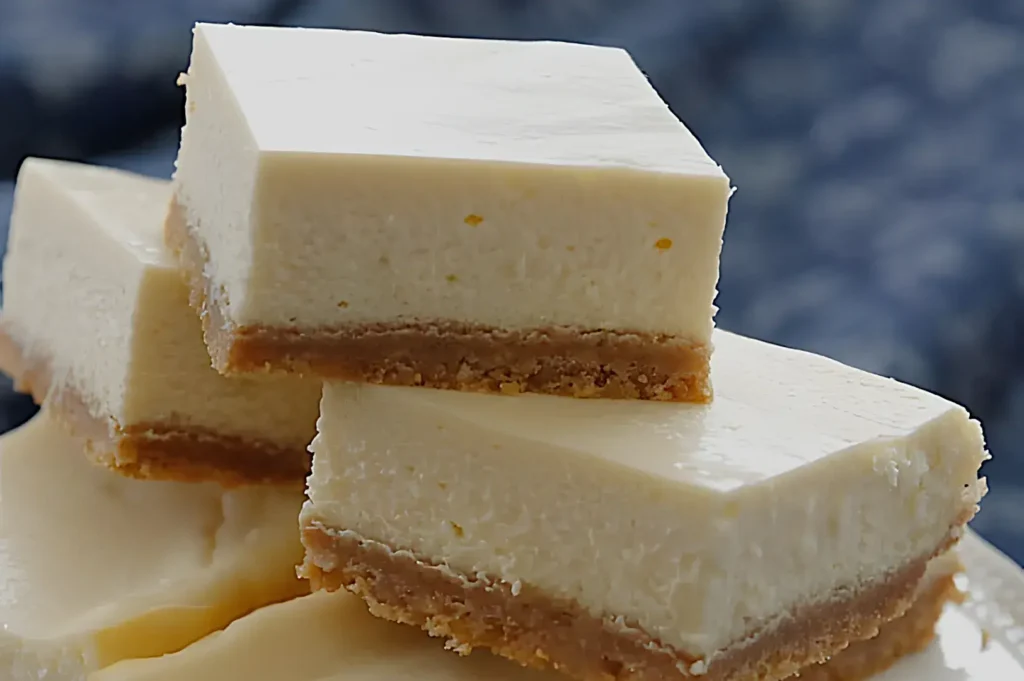
People assume a vegan cheesecake is automatically lighter, and that’s not always true. Coconut cream and coconut milk are both high in saturated fat, sometimes higher per serving than a traditional dairy filling. A nutrition serving of one isn’t necessarily doing anyone a favour over the other.
What does shift is the type of fat. Coconut-based fats behave differently in the body than dairy fat, even when the numbers on the label look close. Anyone tracking this closely is better off checking a specific recipe card with required recipe ratings than assuming vegan automatically means lower fat.
What People Notice When They Review Recipe Results
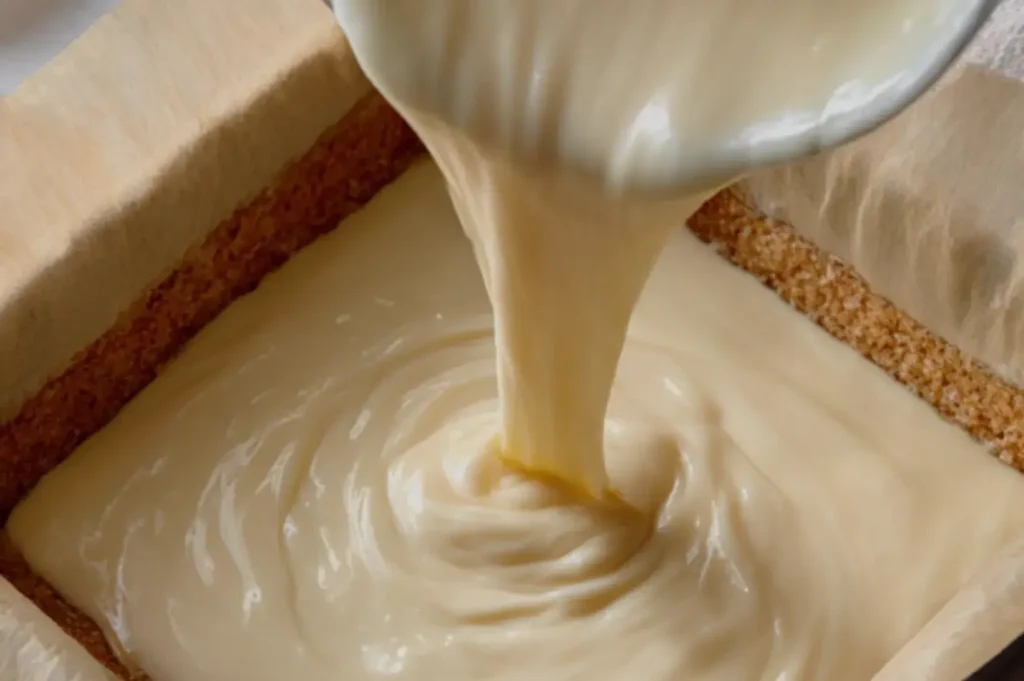
Comment sections under vegan cheesecake recipes tend to circle the same few notes. Bakers who chill the filling overnight, preferably overnight rather than for a few rushed hours, report a firmer, cleaner slice. Room temperature ingredients blend more evenly, especially with an electric mixer and whisk attachment doing the heavy lifting.
The most common fix mentioned is more lemon juice, added when the filling tastes a little flat. Granulated sugar or coconut sugar can be swapped depending on how sweet the base needs to be, and powdered sugar sometimes goes into a top layer for a smoother finish.
Fresh Berries: The Easiest Vegan Finish
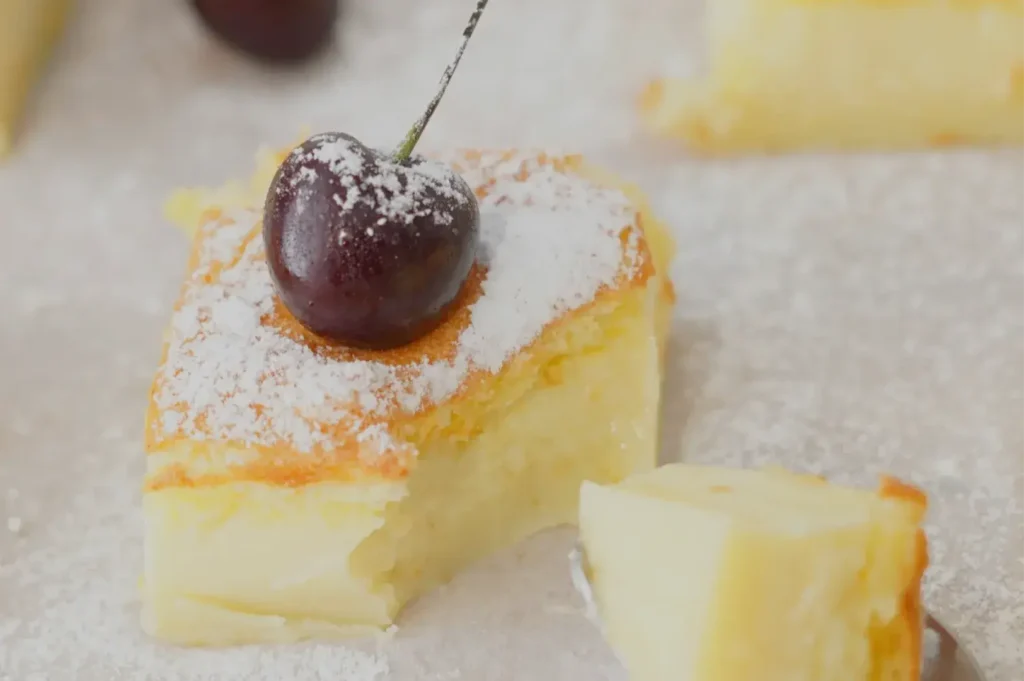
A simple layer of fresh berries does more work than most toppings. It cuts through the richness of a coconut-heavy filling and adds acidity that balances out all that saturated fat mentioned earlier. It also happens to be one of the easiest ways to make a delicious vegan cheesecake look finished without much effort.
For anyone still undecided, this is usually the point where curiosity turns into a reason to try this rather than just read about it. The ingredient list isn’t intimidating. The technique isn’t difficult. It’s mostly a matter of gathering the right non dairy milk, the right thickener, and a bit of patience while it sets in the fridge.
So Is There Really a Difference Between Soy and Vegan Cheesecake?
Soy is a specific choice made inside a much larger vegan framework, not a rival version of it. A regular cheesecake and a dairy-free one are solving the same three problems, tang, structure, and richness, using different ingredients to get there. Soy milk and silken tofu are two ways to solve that puzzle. Coconut, cashew, and store-bought vegan cream cheese are others.
That’s the real answer to the question on the label. It’s not soy versus vegan. It’s soy as one of several routes inside a category that’s wider, and more varied, than a single sticker on a fridge door can explain.
For anyone who wants that answer in dessert form rather than in an article, Daizu by Ki-setsu builds its soy-based cheesecakes around exactly that idea, using soy as the working ingredient rather than a substitute standing in for something else.