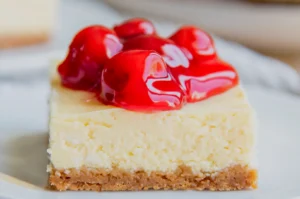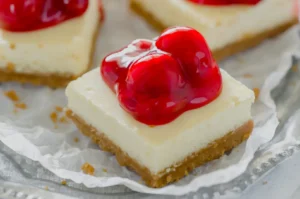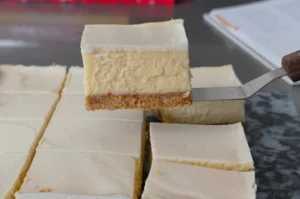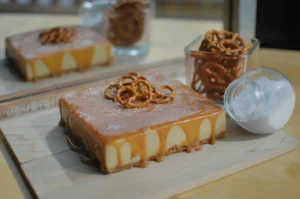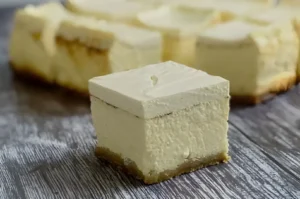
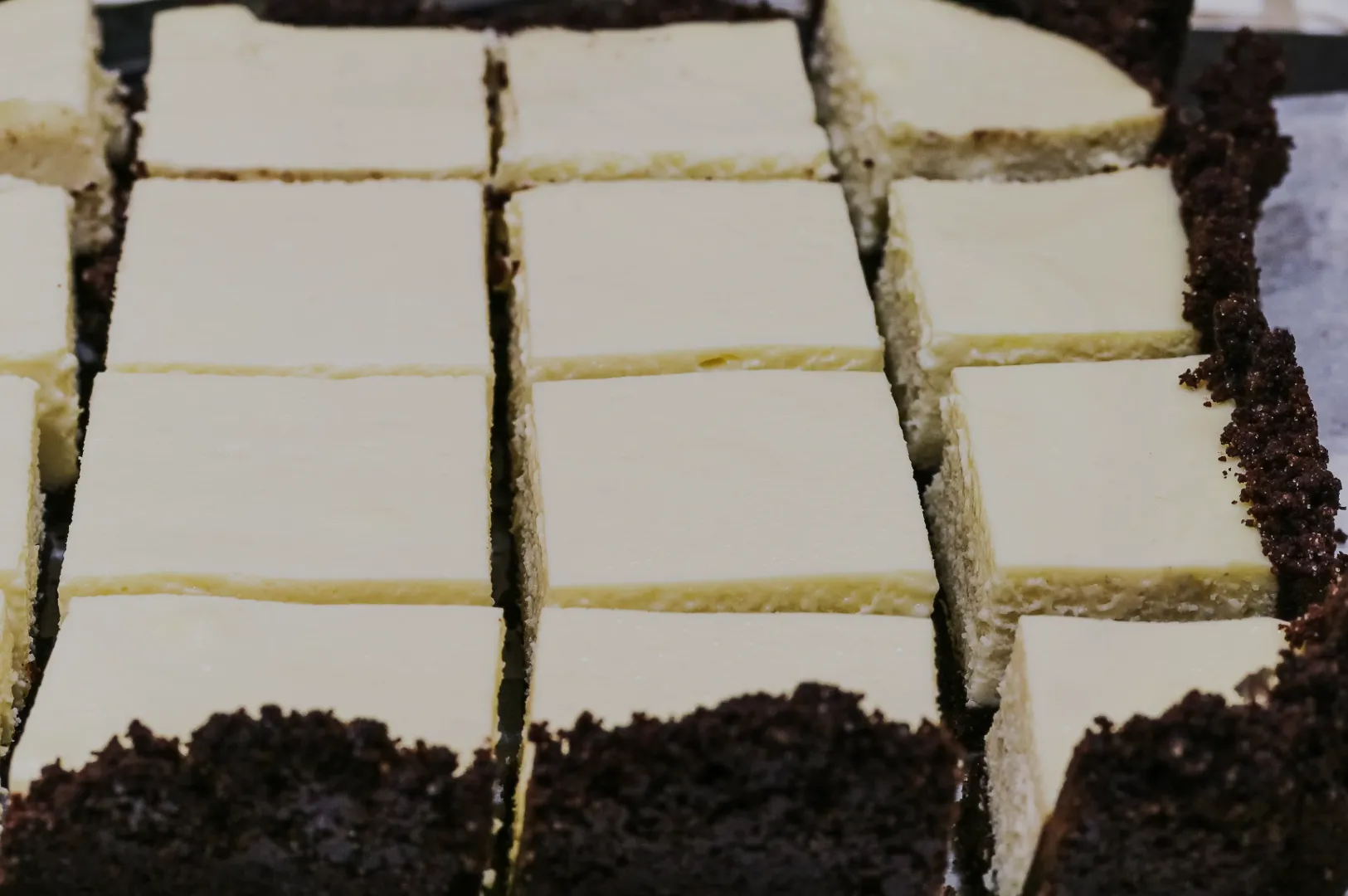
When a cheesecake is scaled down from a large format to an individual serving, the surface area to volume ratio changes significantly. This physical shift often leads to a common technical failure where the smaller portion dries out or loses its intended mouthfeel. Achieving structural consistency in a singular serving is not a matter of simply dividing a larger cake. It is a specific engineering challenge that requires recalibrating the bake time, temperature, and moisture retention strategies to ensure the density profile remains uniform.
In the market of the best cheesecake in Singapore, where high standards for pastry are the norm, this consistency serves as a critical quality benchmark. A well-structured individual serving must mirror the complexity of a full-sized cake while maintaining its own structural integrity. This article examines the technical requirements for maintaining textural consistency across singular portions and how professional standards define a successful individual dessert.
Managing Thermal Transition in Smaller Formats
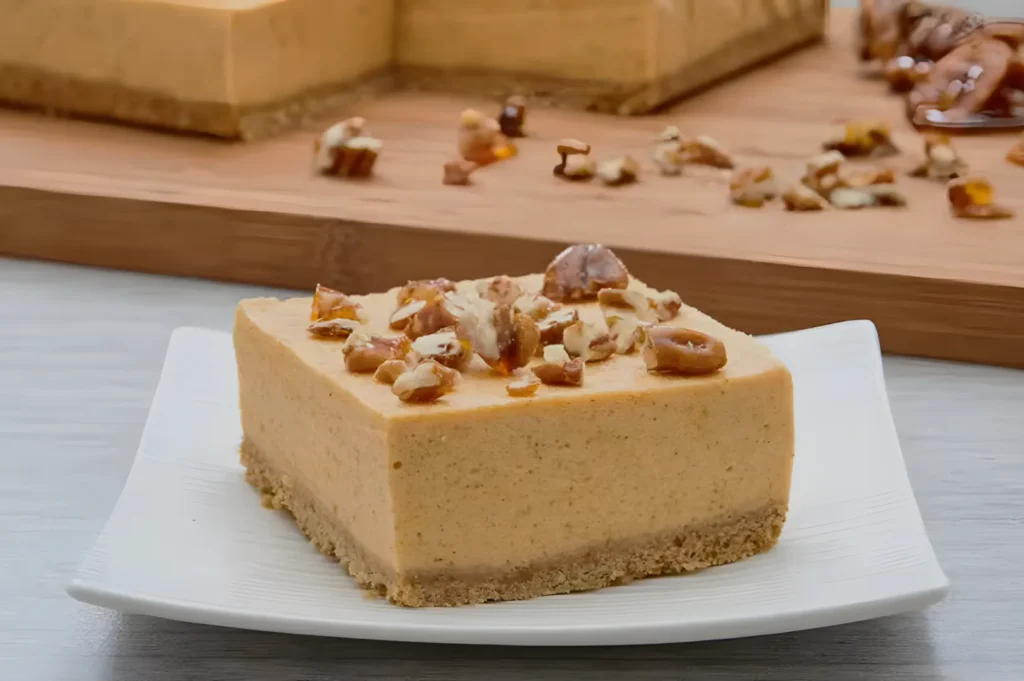
The primary obstacle in individual servings is the speed of thermal transition. Smaller volumes of batter respond more rapidly to heat, which can cause the proteins to coagulate too quickly. If the temperature is not strictly controlled, the exterior may set into a rigid shell before the center achieves a composed texture.
To mitigate this, a lower baking temperature is often employed. This allows for a slower, more deliberate setting of the protein network. The goal is to reach a state where the individual portion possesses a consistent density from the edge to the core. This uniform set prevents the graininess often associated with over-baked small-format desserts.
Maintaining Moisture Levels in High Surface Area Servings
Individual servings have a higher percentage of exposed surface area relative to their weight. This increased exposure facilitates rapid evaporation during the baking process. Without precise humidity management, the final product can suffer from a dry or rubbery finish on the palate.
Professional kitchens often utilize a water bath or steam-assisted convection to maintain a stable environment. These methods ensure that the individual servings retain sufficient hydration. This moisture is essential for achieving a yielding, velvet-like mouthfeel that dissolves cleanly without leaving a heavy residue.
Balancing Structural Integrity for Transport and Service
An individual serving must be robust enough to maintain its form during transport, yet delicate enough to provide a refined eating experience. This balance is achieved through the careful calibration of fats and proteins. If the structural integrity is too high, the cake becomes dense and heavy. If it is too low, the portion may collapse or lose its geometric precision.
Achieving this balance requires a disciplined approach to the recipe. Every gram of stabilizer or protein must be accounted for. The resulting structure should be self-supporting and capable of withstanding environmental changes while preserving a light palate weight.
The Role of Ingredient Emulsification in Portion Uniformity
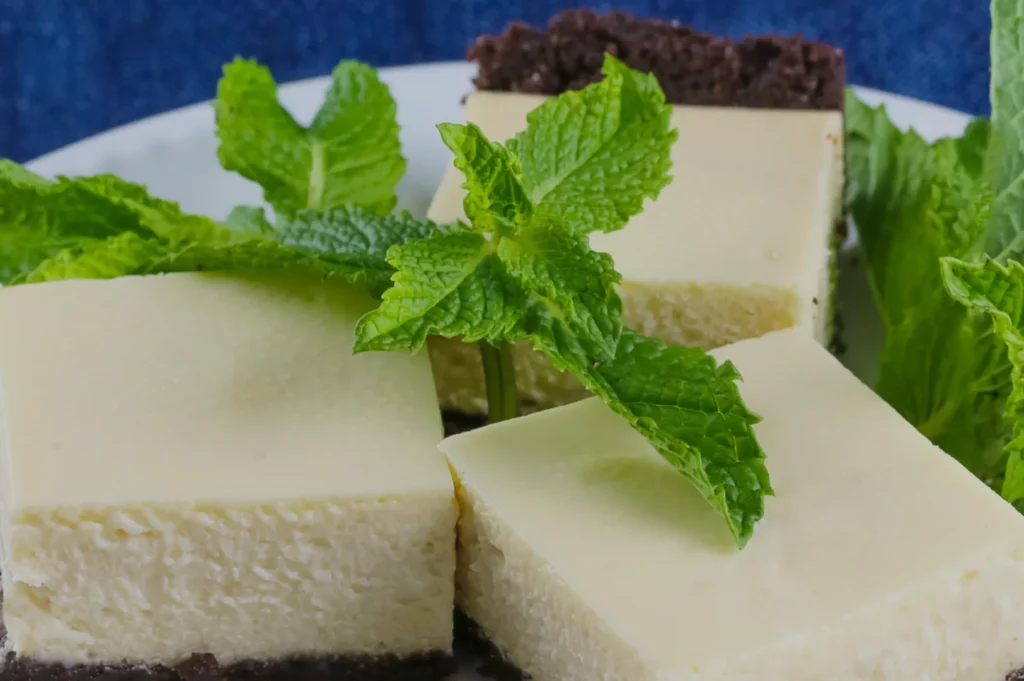
Uniformity in an individual serving is dependent on the stability of the emulsion. In a small portion, any separation of fats or liquids becomes immediately apparent. A broken emulsion leads to an oily surface or a wet base, both of which compromise the textural consistency.
Utilizing high-quality emulsifiers, such as those found naturally in soy or eggs, ensures that the batter remains cohesive. This cohesion is what allows for a smooth, uninterrupted mouthfeel. It ensures that every bite taken from the individual serving delivers the same intended sensory profile.
Calibrating Density Profiles for Singular Portions
The density profile of an individual cheesecake must be intentionally designed. Because the taster consumes the entire portion in one sitting, the richness must be carefully managed to avoid richness fatigue. A singular serving that is too dense can become cloying before it is finished.
A refined approach involves creating a lighter interpretation of the traditional density. By adjusting the aeration and the solids-to-liquids ratio, a maker can produce a portion that feels substantial yet refreshing. This consideration for the consumer’s experience is a hallmark of technical maturity in pastry design.
Defining Quality Standards for Individual Textural Consistency
Quality in singular portions is measured by the lack of variation. Whether a customer receives the first serving or the last, the structural consistency must be identical. This level of precision requires rigorous quality control and standardized production processes.
In the Singapore dessert landscape, where competition is high, this consistency becomes a brand’s signature. It communicates a commitment to excellence and a deep understanding of the materials used. A dessert that maintains its composed texture across every serving is a testament to the maker’s mastery over their craft.
Achieving Structural Consistency Through Material Innovation
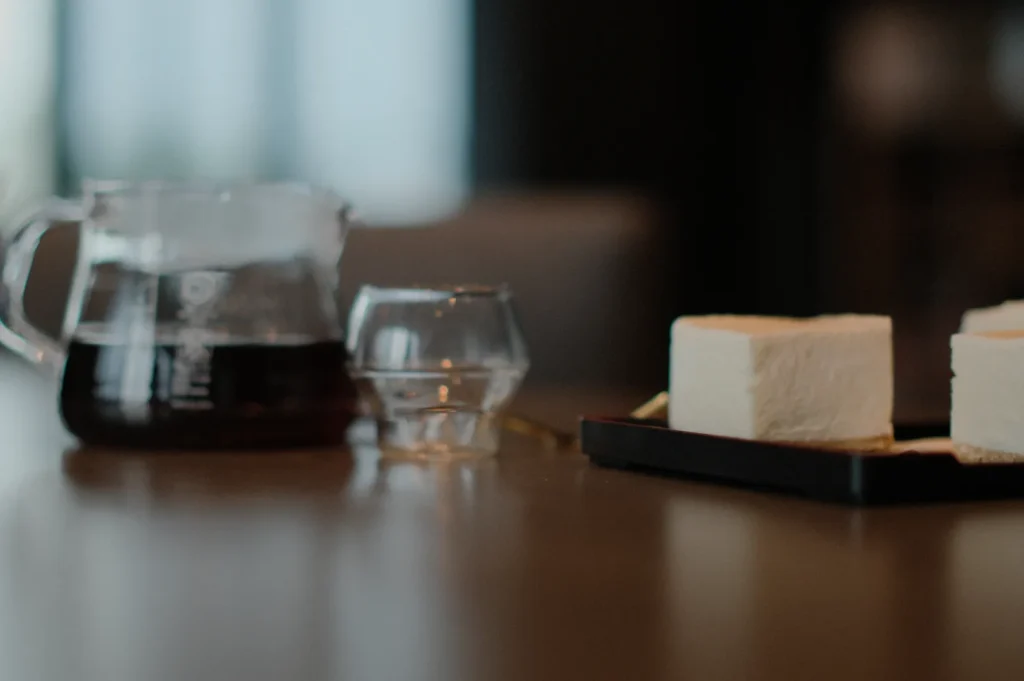
Modern pastry techniques often look toward material innovation to solve the challenges of small-format consistency. The integration of plant-based proteins, for example, offers a different structural approach that can enhance moisture retention. These materials provide a stable lattice that holds up well in individual servings.
This innovation allows for a cleaner finish on the palate. It moves away from the heavy reliance on saturated animal fats, which can sometimes behave unpredictably in smaller volumes. By exploring these alternative foundations, makers can set a new benchmark for what defines a well-structured individual dessert.
At Daizu by Ki-setsu, we recognize that structural consistency is the foundation of a premium experience. We treat our individual servings as independent architectural studies, ensuring that each portion reflects our commitment to technical precision. We offer a refined alternative for the Singapore market, where our different structural approach ensures that each individual portion meets our rigorous quality benchmarks for mouthfeel and density.