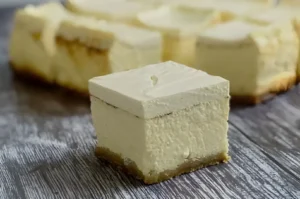
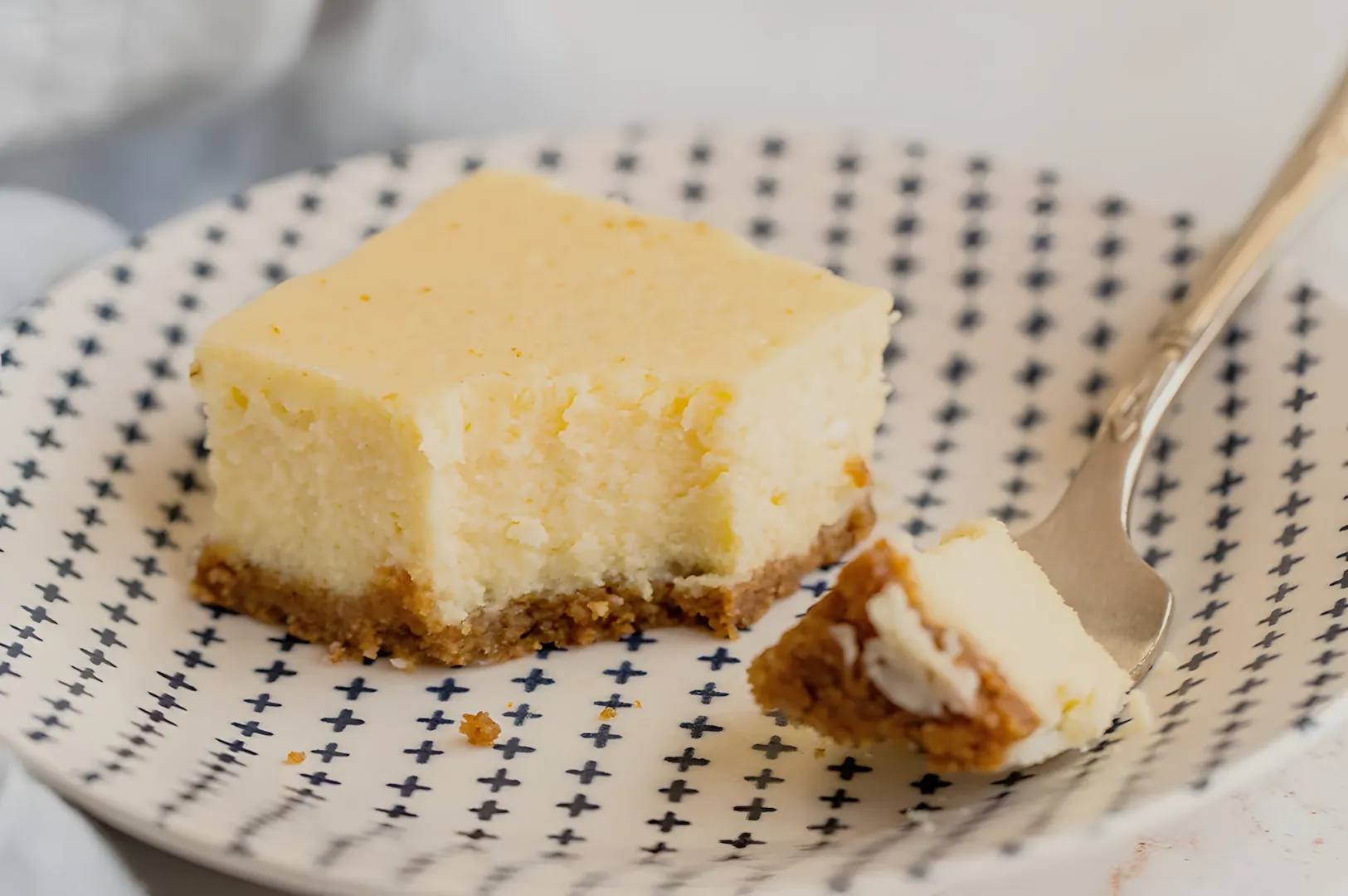
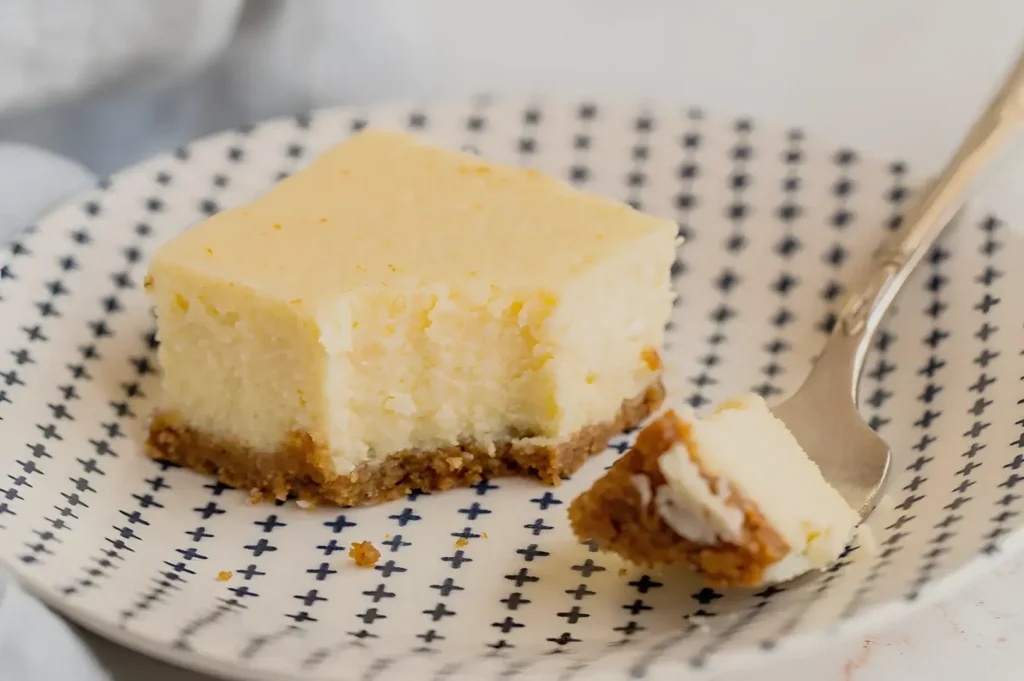
A pristine slice of cake on a cafe table can quickly lose its structural integrity when exposed to tropical humidity. The transition from a perfectly chilled kitchen to a warm dining room often causes a rich dessert like cheesecake in Singapore to soften faster than expected. For anyone who has watched a beautifully set slice begin to slump within minutes of being served, the logistics of local pastry making become a fascinating puzzle.
Maintaining the perfect texture under the tropical sun requires more than just cranking up the refrigerator. Professional bakers rely on a precise balance of oven temperature, specific baking techniques, and structural physics to ensure that a Basque burnt cheesecake or a classic cold set variant stays stable from the bakery box to the first bite.
Balancing Act Between Pure Cream Cheese and Heavy Heat
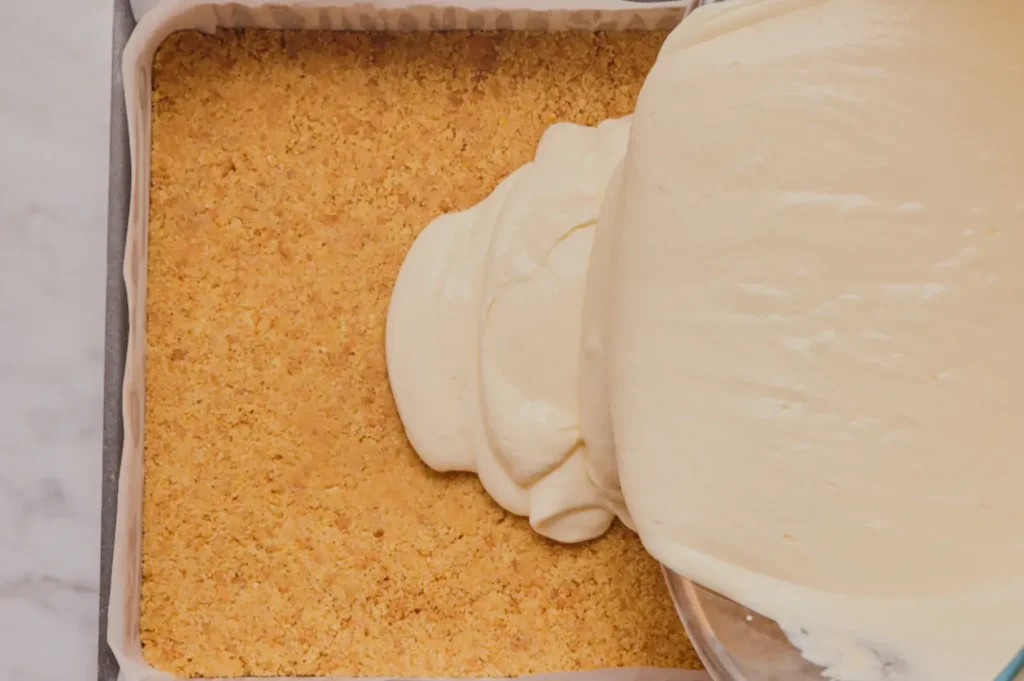
The foundation of most traditional recipes starts with a solid brick of cream cheese. When cold, the dense animal fats in the cheese provide excellent structural support, keeping the cake firm and sliceable while maintaining a creamy texture.
However, these same fats respond dramatically to a hot climate. As a cake sits at room temperature, those solid dairy structures begin to soften, and if the recipe relies entirely on heavy cream or whipped cream, the batter can quickly lose its clean edge.
To counteract this, bakers have to rethink the chemistry of the mix. Traditional methods often rely on a slow water bath to cook the eggs gently and prevent the mixture from curdling in the oven or microwave. This creates a soft, uniform interior, but it also means the final product remains highly sensitive to warm environments after it has been delivered.
Secrets Behind the Basque Cheesecake Temperature Resistance
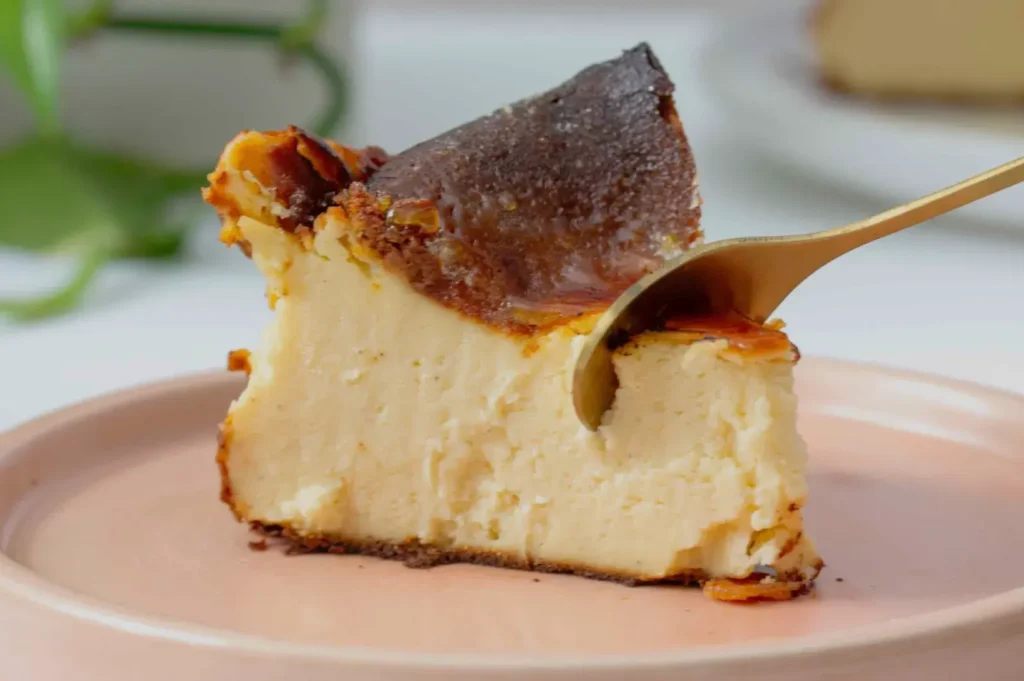
The rustic Basque style aims for a deliberately soft center, offering a unique texture that distinguishes it from other cheesecake varieties. Yet, a professional Basque cheesecake handles ambient warmth surprisingly well compared to its chilled New York cousin, making it an excellent choice for tropical climates like Singapore’s. This resilience to heat is a key reason for its growing popularity among local dessert enthusiasts who seek both flavor and practicality in their sweet treats.
The trick lies in the high-heat baking process itself. By skipping the gentle water bath and using a hot oven, the outer edges of the batter bake rapidly, creating a dark, slightly charred top and a firm perimeter. This method not only imparts a rich, smoky flavor but also forms a protective crust that helps the cheesecake maintain its shape even when exposed to warmer temperatures. The contrast between the caramelized exterior and the creamy, almost custard-like interior is a hallmark of this style, giving it both texture and resilience that traditional cheesecakes often lack.
Strategy Component | Process | Structural Benefit |
|---|---|---|
Slightly Charred Crust | High-heat flash baking caramelizes sugars with a hint of bitter notes | Acts as an outer thermal wall protecting the core |
High-Heat Setting | Rapid oven air setting outer proteins | Creates a rigid, self-supporting perimeter fence |
Gooey Basque Interior | Shielded, intentional under-baking | Stays delightfully soft and creamy without immediate collapse |
Designing a Cheesecake for a Humid Climate
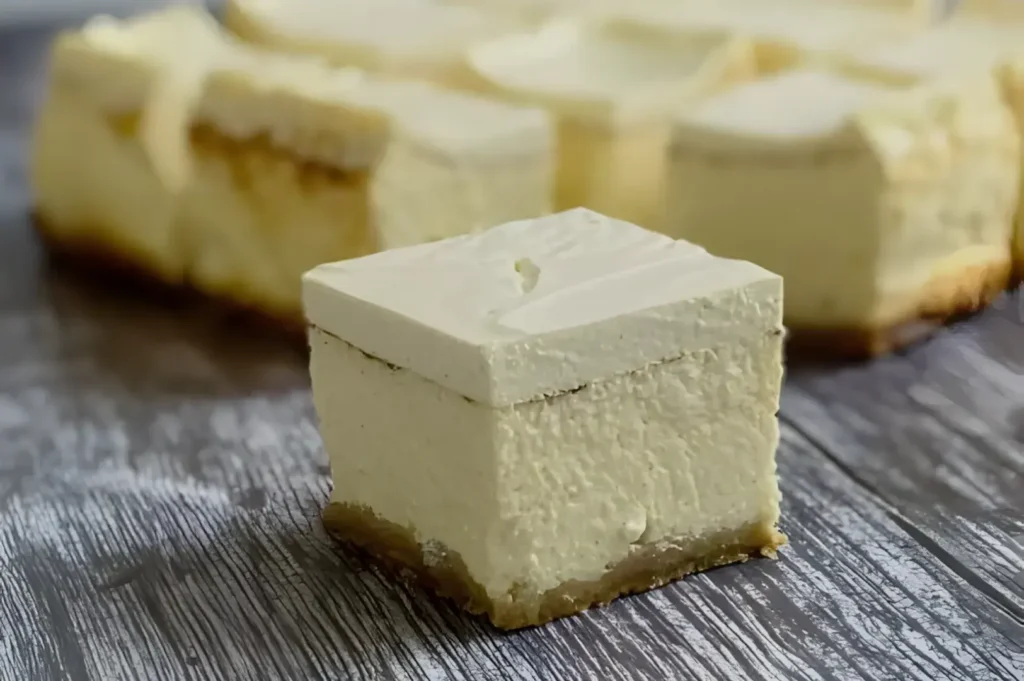
Creating a reliable cheesecake in a local kitchen involves careful adjustments to classic ingredient ratios and baking techniques. Standard recipes typically use a mix of sugar, eggs, cream cheese, heavy cream, and a small spoonful of flour or cornstarch to bind the liquid components.
In a humid environment, the amount of cornstarch or flour becomes critical. Too little, and the center can become too runny to hold its shape when sliced on a warm day. Too much, and the texture becomes dense and heavy, losing the velvety smoothness that people prefer.
Local makers also experiment with flavor accents to balance the intense dairy profile. Introducing elements like an earthy blue cheese, a drizzle of salted caramel butter, or a layer of balsamic vinegar can change how the palate perceives the richness, making the dessert feel less overwhelming in the afternoon heat.
Beyond the Classic Slice: More Posts on Modern Variations
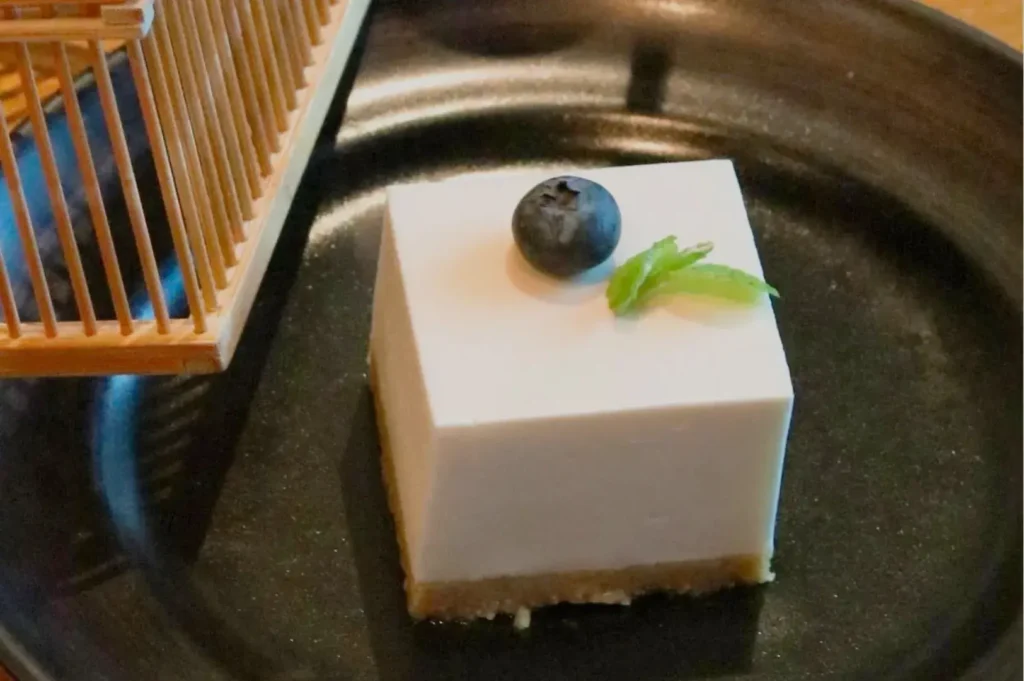
Exploring local bakery menus reveals a shift toward lighter, more aromatic profiles designed specifically for tropical dining. Many pastry chefs find that traditional heavy styles do not suit a warm climate, leading to a demand for alternative formulations.
Fresh Botanical Infusions: Combining lychee rose or citrus notes to brighten the heavy dairy base with a sweet floral aroma.
Savory Enhancements: Utilizing complex cheeses like brie or aged blue cheese for a balanced profile.
Structural Substitutions: Using plant proteins to maintain consistency across temperatures, sometimes baked in a different pan shape to optimize heat distribution.
Infusing floral elements like a delicate lychee rose blend provides a clean sweetness that contrasts beautifully with the natural tang of the cheese. These modern variations show that a great dessert does not have to rely on sheer mass to deliver an interesting flavor.
Keeping a Cream Cheese Dessert Fresh From Store to House
Getting a freshly baked cake home in perfect condition requires its own set of rules. A hot car or a long walk from the subway can compromise a delicate cake before it even reaches the refrigerator.
Timeline Stage | Environment / Handling | Objective / Best Practice |
|---|---|---|
1. Bakery Store | Chilled and securely packaged | Protect baseline structure before transit. |
2. Warm Transit / Car | Keep out of direct tropical sun and use a fan if possible | Minimize heat absorption on the journey. |
3. Home Refrigerator | Let structure rest and reset | Chill thoroughly to stabilize and set the cake. |
4. The Perfect Bite | Sit for 15-20 mins before serving | Break the chill to fully unlock texture and aroma. |
Professional kitchens recommend keeping the cake chilled during transit and letting it rest in the fridge for a few hours before serving. When it is time to eat, letting a slice sit on the counter for about fifteen minutes allows the chill to break, unlocking the full aroma without letting the structure melt.
Using a hot, clean knife to slice the cake ensures clean edges, preventing the soft center from pulling and sticking to the blade. This small step preserves the visual presentation, ensuring the final plate looks just as good as it tastes.
The Importance of Same Day Purchase and Consumption
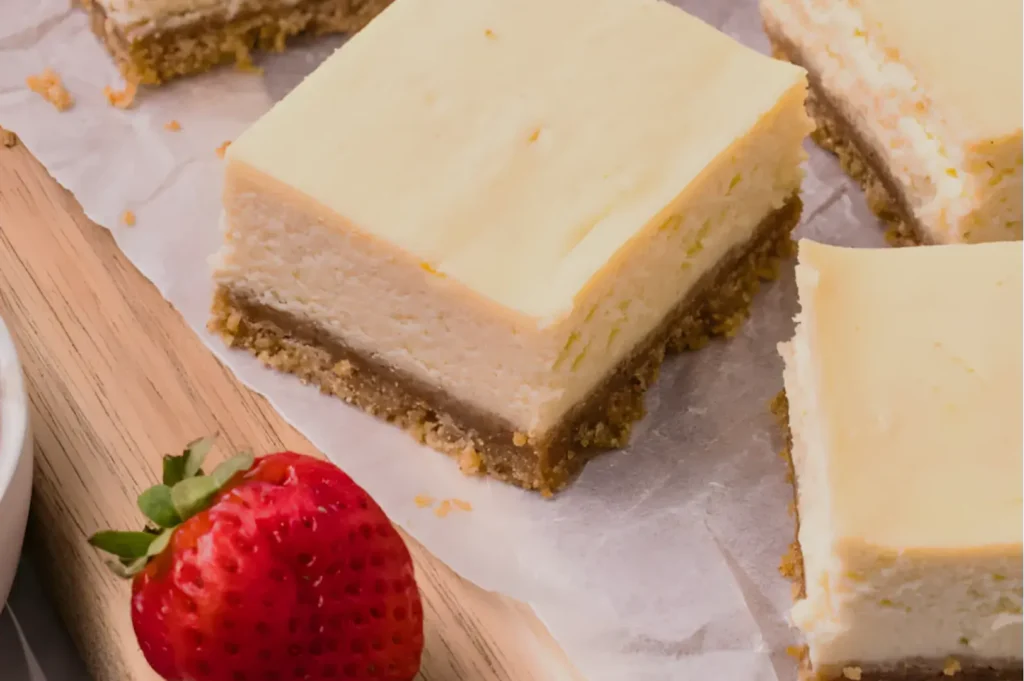
Due to Singapore’s tropical climate, the freshness of cheesecake is paramount. Most local bakeries and cafes emphasize same day purchase and consumption to guarantee the best texture and flavor. Cheesecake left out too long in the heat can quickly become soft and lose its intended structure, impacting both taste and presentation.
Many establishments offer same day delivery or encourage customers to consume their cheesecake within hours of purchase. This practice helps maintain the cake’s integrity against the challenges posed by the humid environment. Additionally, customer comments often highlight the difference in quality when cheesecakes are enjoyed fresh versus after prolonged exposure to heat.
For those purchasing cheesecake for special occasions or gifts, it’s advisable to plan the timing carefully to avoid carrying the cake in the Singapore heat for extended periods. Proper packaging with cooling elements and prompt refrigeration upon arrival are essential steps to preserve the dessert’s premium quality.
Can Cheesecake in Singapore Heat Stay Perfect?
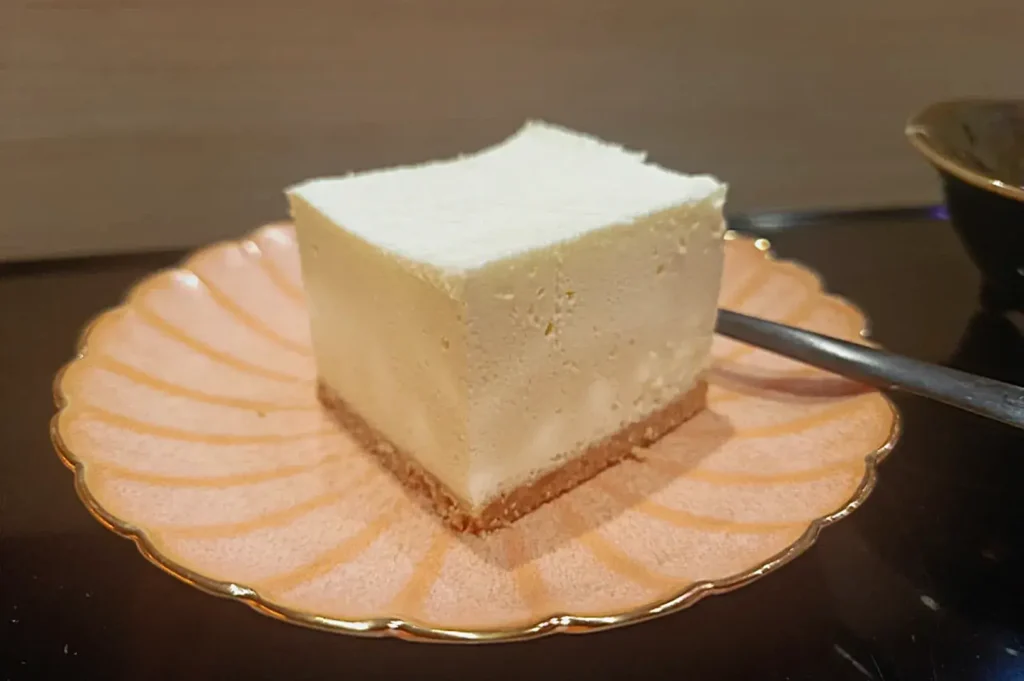
The final answer comes down to how a kitchen manages structural efficiency. Relying solely on traditional, dense dairy fats means a cake will always be at the mercy of the ambient temperature. The modern solution involves thinking about how alternative ingredients can create a more resilient structure that handles temperature transitions with complete elegance.
At Daizu by Ki-setsu, the kitchen addresses this environmental challenge by mindfully incorporating smooth silken tofu and premium soy milk into the classic cream cheese base. This thoughtful introduction of plant-based elements ensures that every Japanese soy cheesecake retains a luxurious, velvety, and creamy consistency while offering a remarkably clean, refreshing finish. By shifting away from an entirely heavy dairy formulation, the resulting cakes stay beautifully stable and light, making them a perfectly balanced choice for any local celebration, birthday, or sweet occasion.