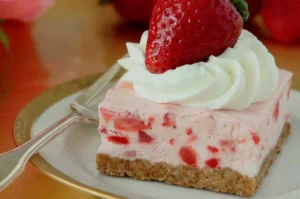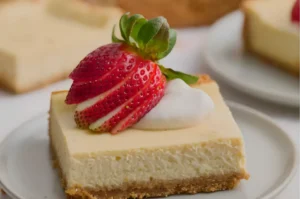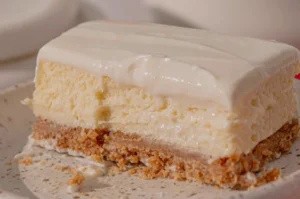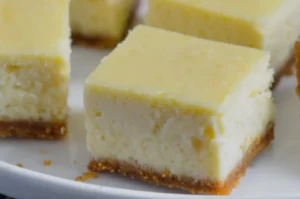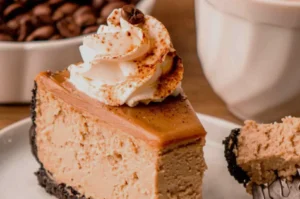
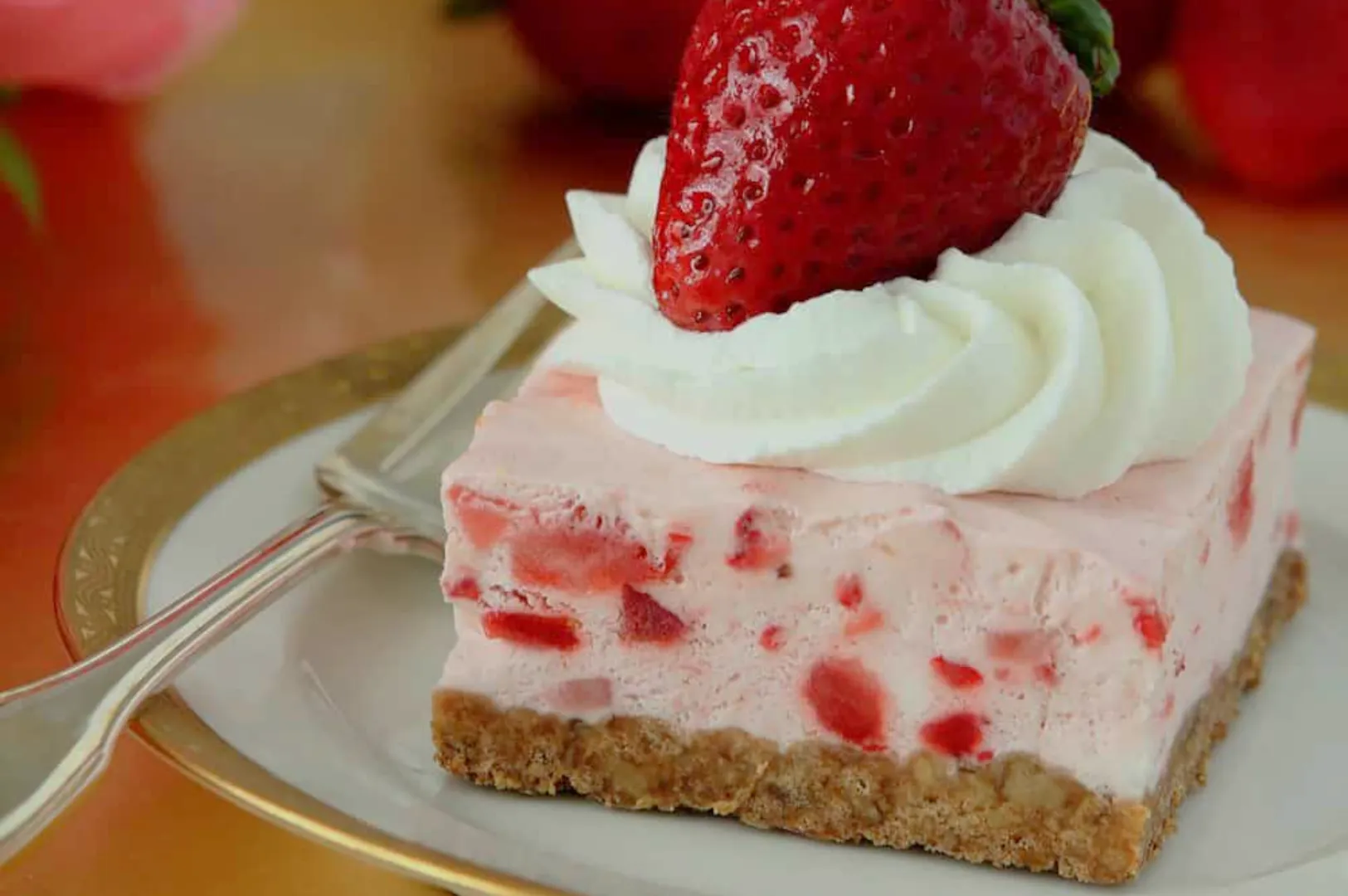
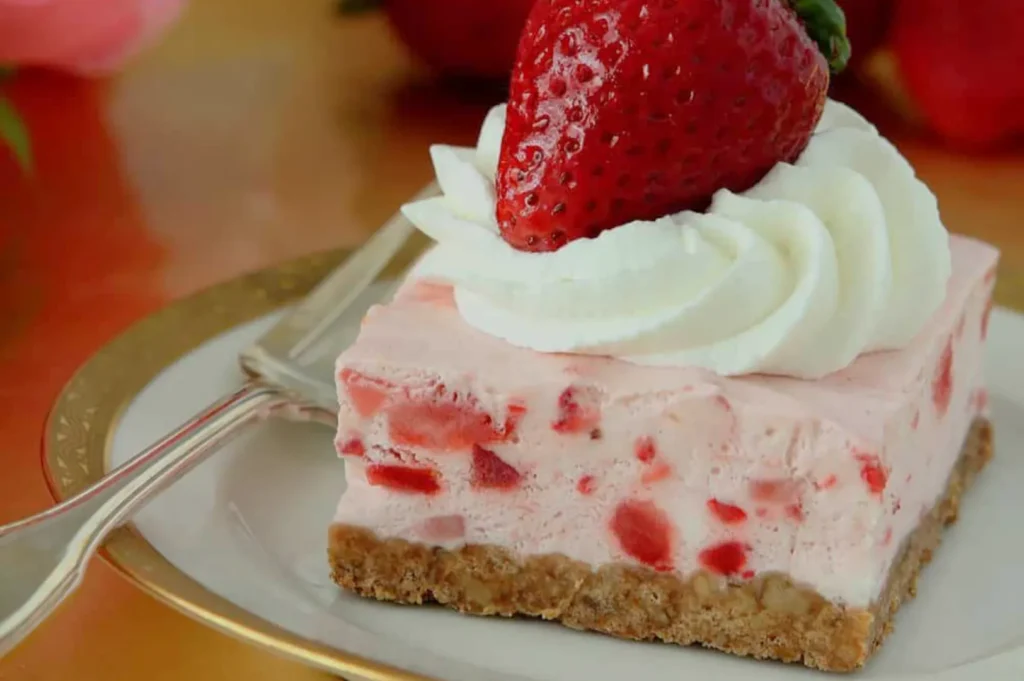
A slice of strawberry cheesecake sitting next to a Burnt Basque cheesecake on the same dessert menu says something quietly true about how people actually eat. One is dressed in whatever the current trend happens to be. The other has been showing up, in some form, for longer than most restaurants have existed.
Fruit-forward desserts don’t announce themselves the way other trends do. There’s no single viral moment attached to them, no hashtag that made them famous overnight. They just keep appearing, decade after decade, restaurant after restaurant, without needing a comeback because they never really left.
What "Fruit-Forward" Actually Means at the Table
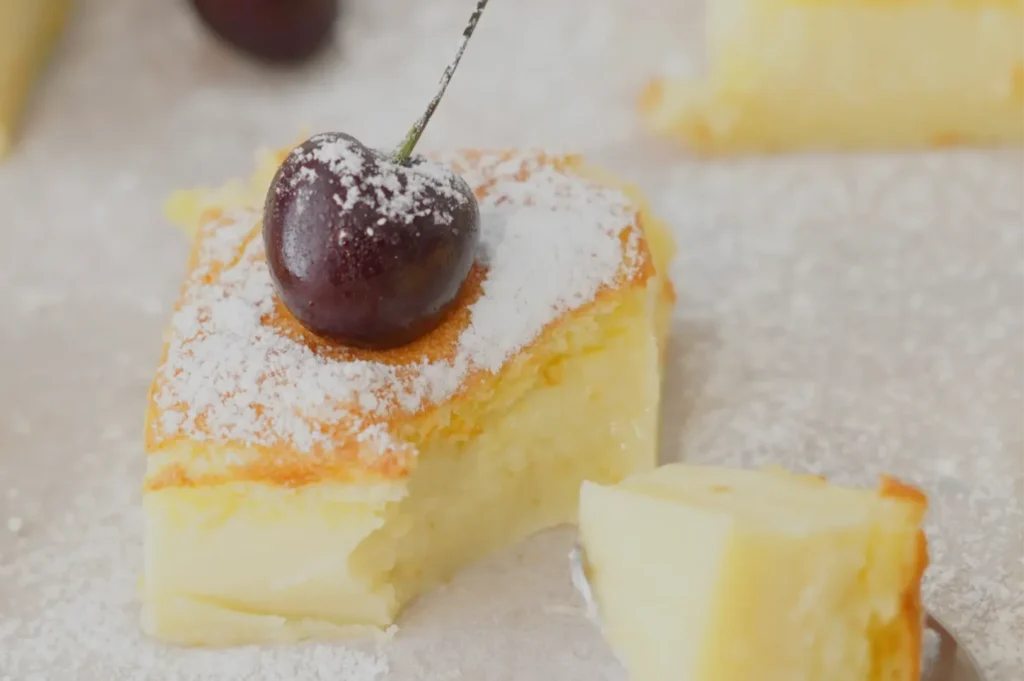
The term gets used loosely, so it’s worth being specific. A fruit-forward dessert isn’t just something with fruit on top as garnish. It’s a dessert where the fruit does actual work, shaping the flavour, the acidity, the way the whole thing feels in the mouth.
A pavlova only makes sense because of the fruit piled on it. Without the tartness cutting through all that meringue and cream, it would be one long note of sweetness. The fruit isn’t decoration there. It’s the argument the dessert is making.
That distinction matters, because it explains why fruit-forward desserts have staying power that other trends don’t. They’re not built around a gimmick. They’re built around a function, and functions don’t go stale.
Every Decade Had Its Own Version of the Same Idea
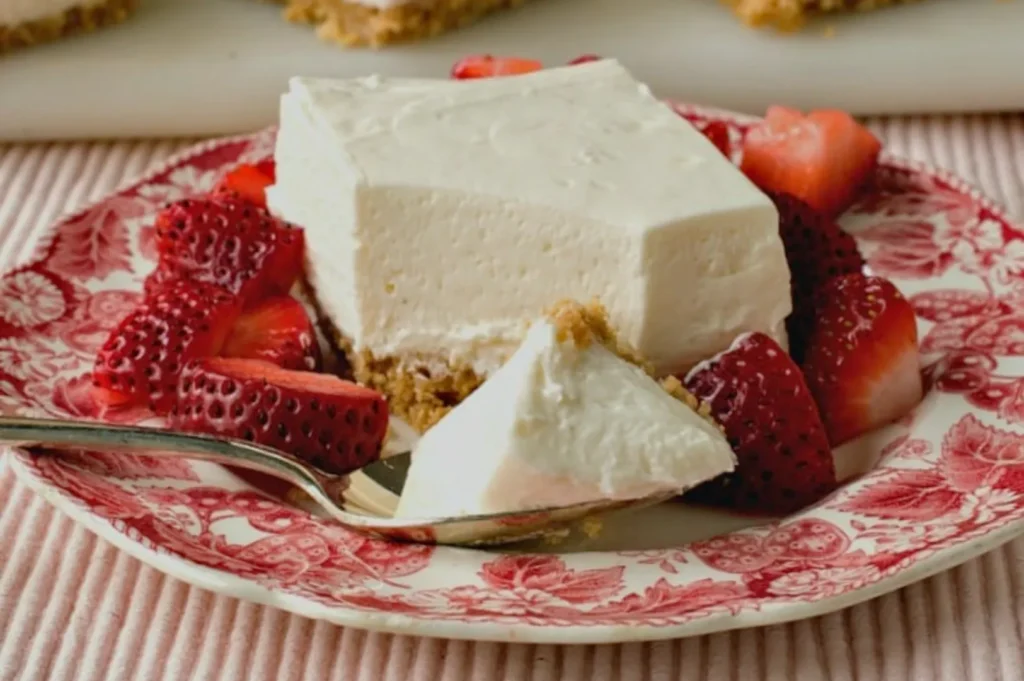
Look back far enough and the specific fruits change, but the instinct doesn’t. Mid-century dinner parties had their tinned peach halves and jellied fruit salads. The eighties had kiwi fans laid across cheesecakes like some kind of edible garnish arms race. Today it’s yuzu curd and compressed watermelon on a fine dining plate.
The packaging shifts with whatever else is happening in food culture at the time. Sometimes it’s rustic, sometimes it’s minimalist, sometimes it’s borderline architectural. But underneath all of that, the same basic move keeps repeating: something sweet, something rich, cut through by something bright and a little sour.
It’s rare for a dessert category to survive that many aesthetic eras intact. Fruit-forward desserts have managed it mostly because nobody ever had to convince anyone that acidity and sweetness work well together. That part was never up for debate.
The Balance That Keeps Bringing People Back
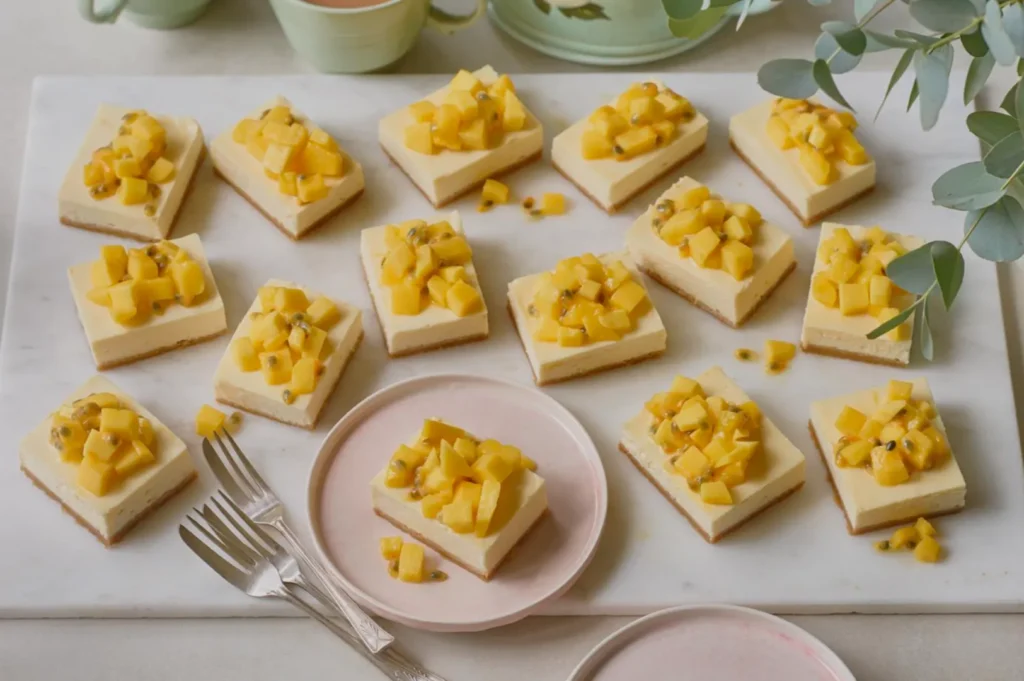
There’s a reason a lot of desserts start to feel heavy after a few bites, while a fruit tart rarely does. Sugar and fat are satisfying in the moment, but they don’t naturally know when to stop. Fruit, with its acidity and its water content, gives the palate somewhere to land.
This is partly why so many classic desserts pair rich, dense elements with something fresh. Custard and berries. Chocolate and orange. A dense cheesecake with a bright compote spooned over the top. The contrast isn’t just about flavour variety. It’s what makes a second or third bite still feel good.
Pastry chefs talk about this as a kind of built-in pacing. The fruit resets the palate just enough to keep the richer elements from becoming exhausting. Take it away, and even a well-made dessert can start to feel like too much of one thing.
Why Trend Cycles Skip Right Over Fruit
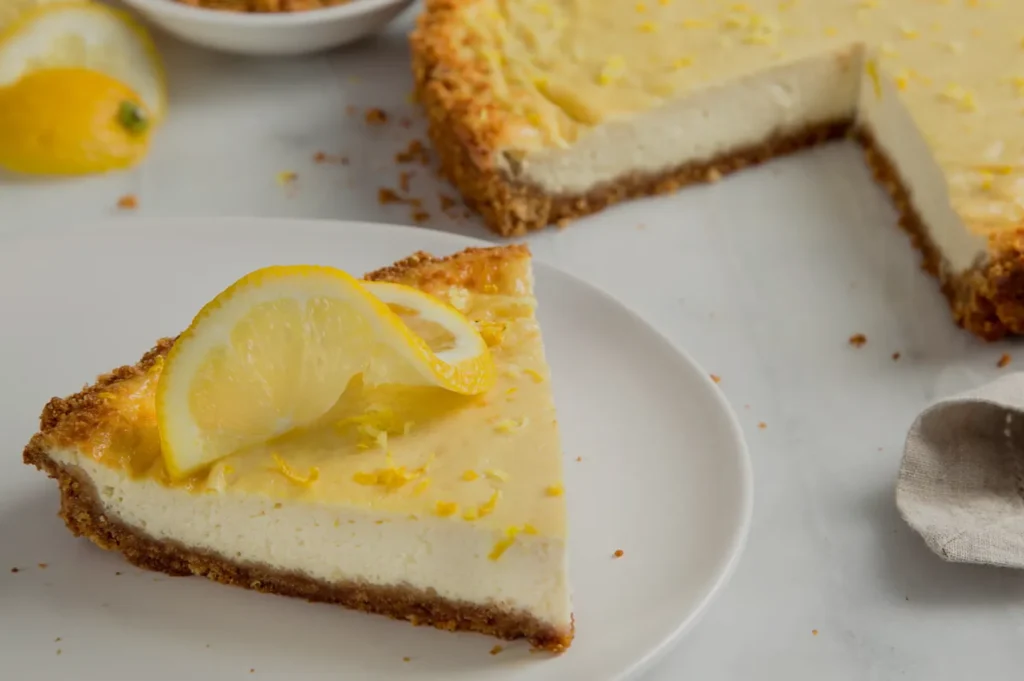
Dessert trends tend to move in waves that reward novelty. Bubble waffles, cloud cakes, whatever the latest croissant hybrid happens to be. These have their moment, get photographed extensively, and eventually make room for the next thing.
Fruit-forward desserts don’t really play that game, because they were never competing on novelty in the first place. Nobody orders a fresh fruit tart because it’s new. They order it because it does something specific and reliable, and that reliability isn’t the kind of thing a trend cycle can displace.
It also helps that fruit itself is seasonal, which means fruit-forward desserts refresh naturally without anyone having to reinvent them. A mango dessert in June and a persimmon dessert in November aren’t the same dish wearing different marketing. They’re the same idea responding honestly to what’s actually available.
Where This Leaves a Dessert That Was Never Really Chasing a Trend
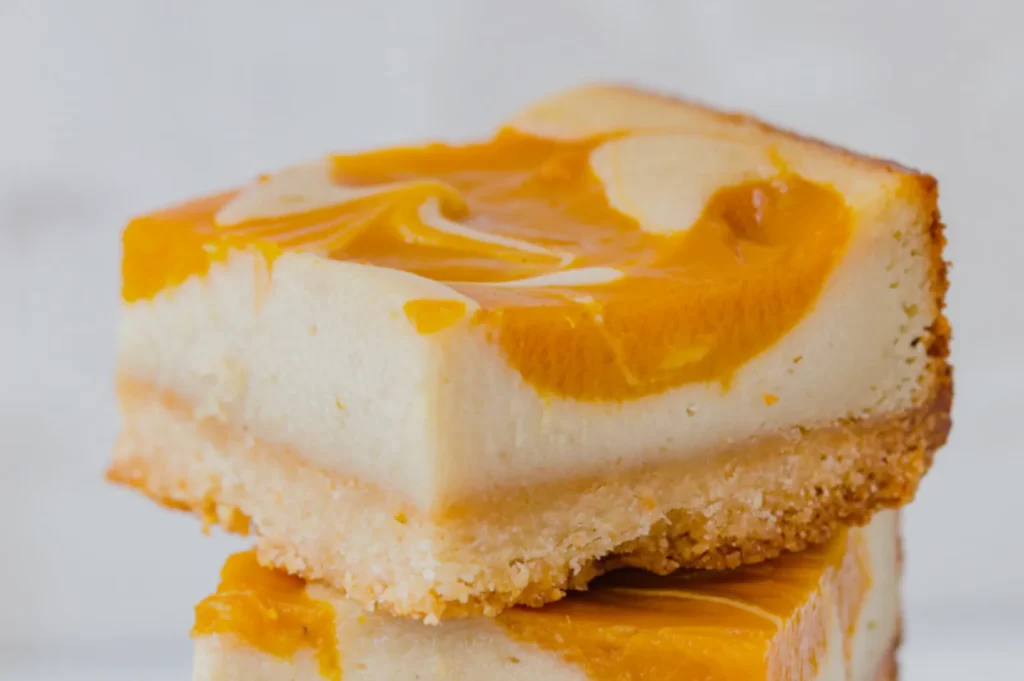
The honest answer to why fruit-forward desserts endure isn’t complicated. They solve a real problem, they adjust naturally with the seasons, and they don’t rely on being new to justify their place on a menu. That combination is hard to compete with, no matter what dessert happens to be trending this year.
It also explains why so many kitchens keep returning to fruit as a way to bring balance to something rich, rather than treating it as an afterthought. The pairing isn’t nostalgic. It’s just still the most functional idea most pastry kitchens have.
At Daizu by Ki-setsu, that same instinct shows up in how the soy cheesecakes are finished, often with fruit chosen to cut through the density of the cheesecake rather than simply sit on top of it. It’s less a stylistic choice than a continuation of something dessert making has understood for a long time, that richness needs something bright to answer it.