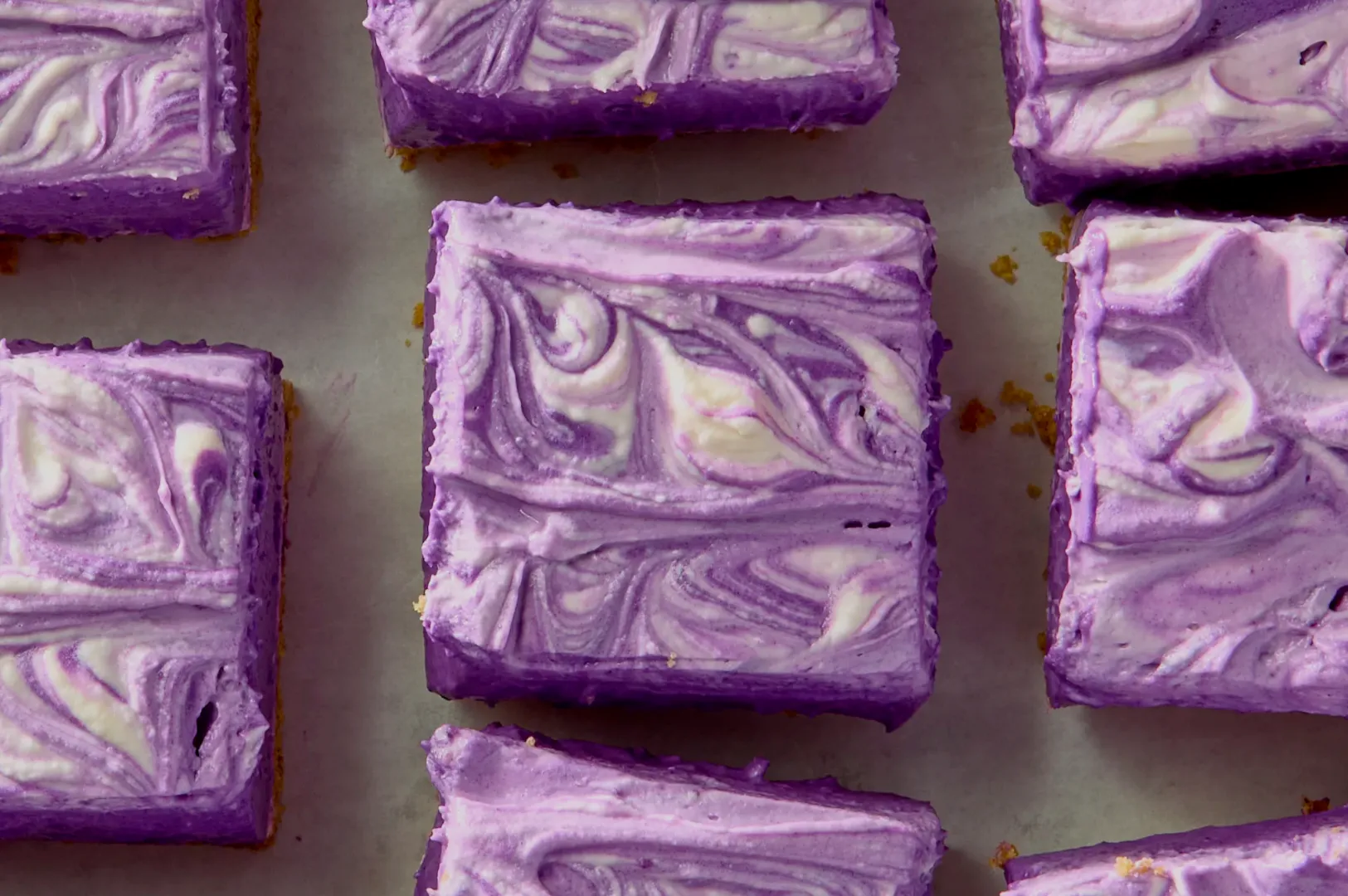
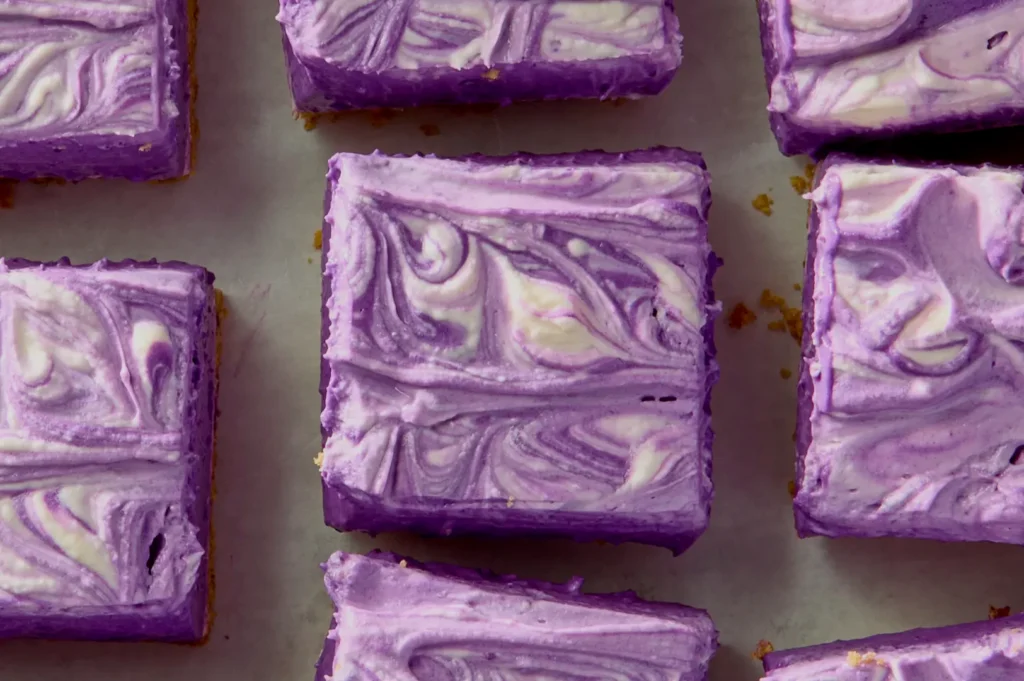
Someone orders the purple thing on the menu expecting grape. Or bubblegum. Or nothing in particular, just “purple,” because that’s how the brain files it before the fork even arrives. Then the first bite lands somewhere closer to vanilla and roasted nuts, and there’s a small pause. That pause is basically the entire ube experience in miniature.
It happens often enough that it’s worth answering properly. What does ube taste like, if not the colour everyone assumes it is.
The Colour Everyone Gets Wrong First
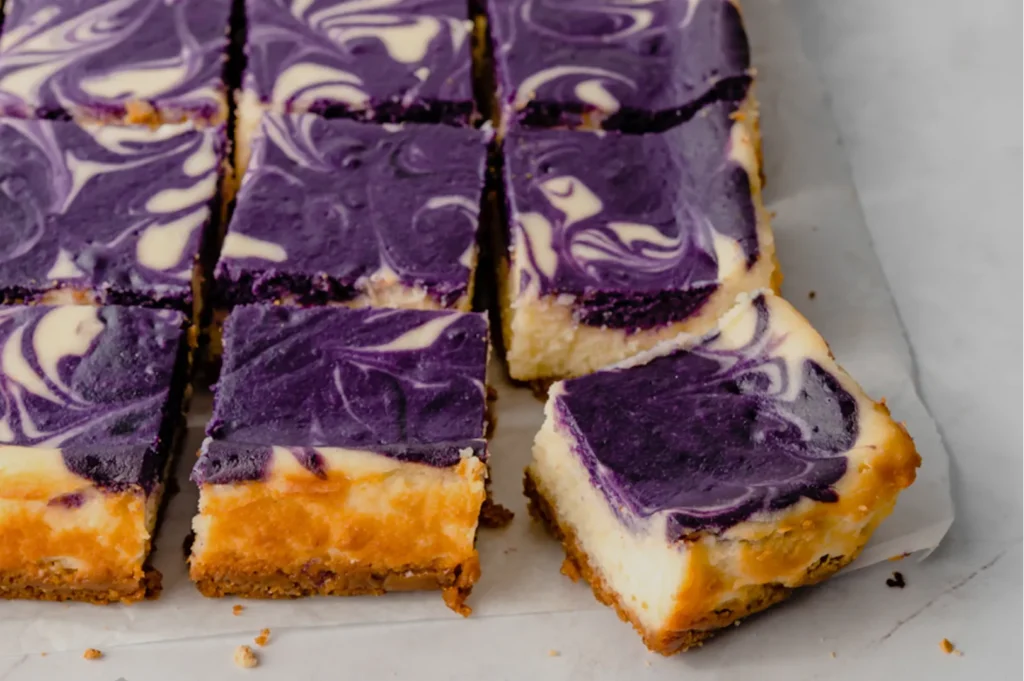
Purple food is rare enough in nature that the mind reaches for the nearest reference point. Usually that’s grape, sometimes lavender, occasionally that artificial “purple flavour” from candy that isn’t tied to any real fruit at all.
Ube is a root vegetable, not a fruit, and its colour has nothing to do with how it tastes. The deep violet comes from anthocyanins, the same pigment family responsible for purple carrots and red cabbage. Anthocyanins are visually loud and flavour-wise silent. They don’t carry sweetness or tartness on their own.
So the colour is doing a lot of marketing the flavour never signed up for.
So What Does Ube Actually Taste Like
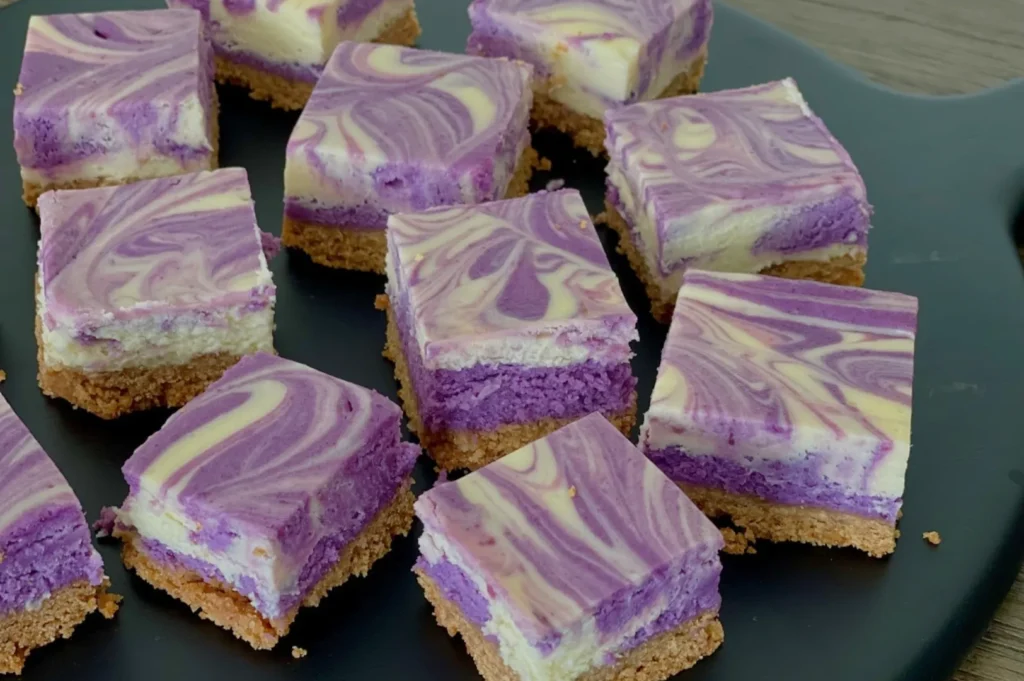
Cooked ube tastes mildly sweet, faintly nutty, and a little earthy, with a texture that leans starchy and dense rather than juicy. There’s a vanilla-adjacent quality to it too, which is why so many desserts pair it with actual vanilla instead of fighting it.
It is not sharp. It is not fruity. It doesn’t have the tang of berries or the brightness of citrus. If taro and sweet potato had a quieter, slightly more perfumed cousin, that’s roughly the neighbourhood ube lives in.
The sweetness is subtle enough that most ube desserts still need added sugar to taste properly sweet. On its own, boiled ube is closer to a mild side dish than a treat.
Where That Flavour Actually Comes From
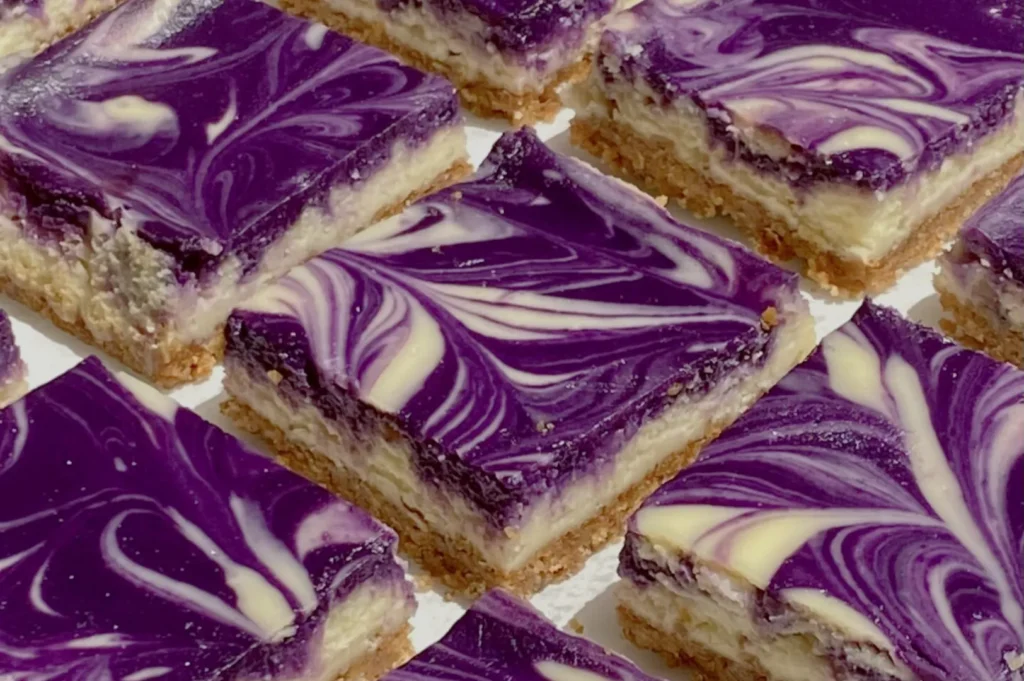
The nutty, slightly vanilla note isn’t an accident of imagination. It comes from natural compounds in the tuber that intensify with cooking, especially when ube is boiled, mashed, and reduced the way it traditionally is for halayang ube in the Philippines.
Heat and moisture concentrate the flavour the same way roasting deepens a sweet potato. Raw ube barely tastes like anything. Cooked and reduced ube tastes like dessert waiting to happen.
That’s also why so many ube products lean on coconut, condensed milk, or butter. Fat carries the nutty notes further and rounds out the starchiness, which is part of why ube and coconut show up together so often.
Ube, Taro, and Purple Yam Are Not the Same Thing
This is where most of the confusion actually starts, and it’s fair confusion because the three get swapped constantly on menus.
| Ube | Taro | Purple Sweet Potato | |
|---|---|---|---|
| Family | Yam (Dioscorea alata) | Aroid (Colocasia) | Sweet potato (Ipomoea) |
| Natural colour | Deep violet | Pale grey-lilac, often dyed purple | Purple skin, white or purple flesh |
| Flavour | Mildly sweet, nutty, vanilla-like | Starchy, mildly sweet, slightly musty | Sweeter, more vegetal |
| Common use | Filipino desserts, ube halaya, ice cream | Bubble tea, taro cake, savoury dishes | Roasted, baked, purple-fleshed snacks |
A lot of “ube flavoured” products sold outside the Philippines are actually taro tinted with dye, because taro is cheaper and more widely available. Real ube has a rounder, more dessert-forward flavour than taro’s slightly flatter, starchier profile.
Why This Flavour Works So Well in Dessert
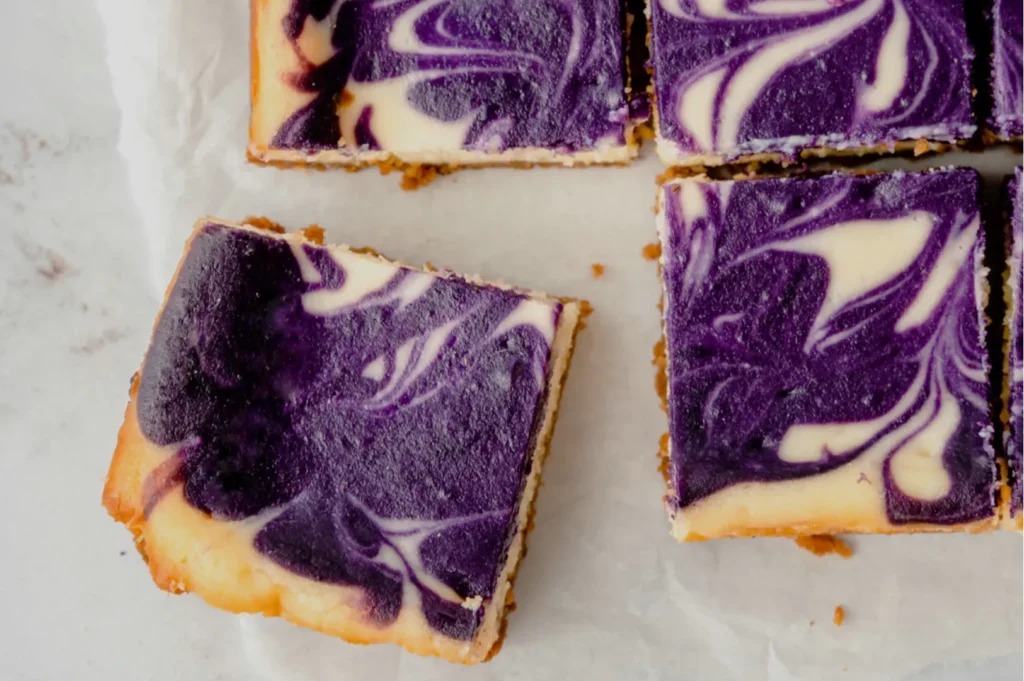
Ube’s mildness is actually its advantage. A flavour that isn’t loud leaves room for texture, and desserts live and die on texture as much as taste.
Because ube brings sweetness without acidity, it pairs cleanly with dairy, cream, and cheese-based bases without any clash. It also holds its colour through baking far better than most natural dyes, which is why it shows up in cakes, buns, and pastries where visual impact matters.
The nutty-vanilla undertone means it doesn’t need much dressing up. A little sugar, a little fat, and ube does the rest of the work quietly.
What's Actually in That Purple Slice
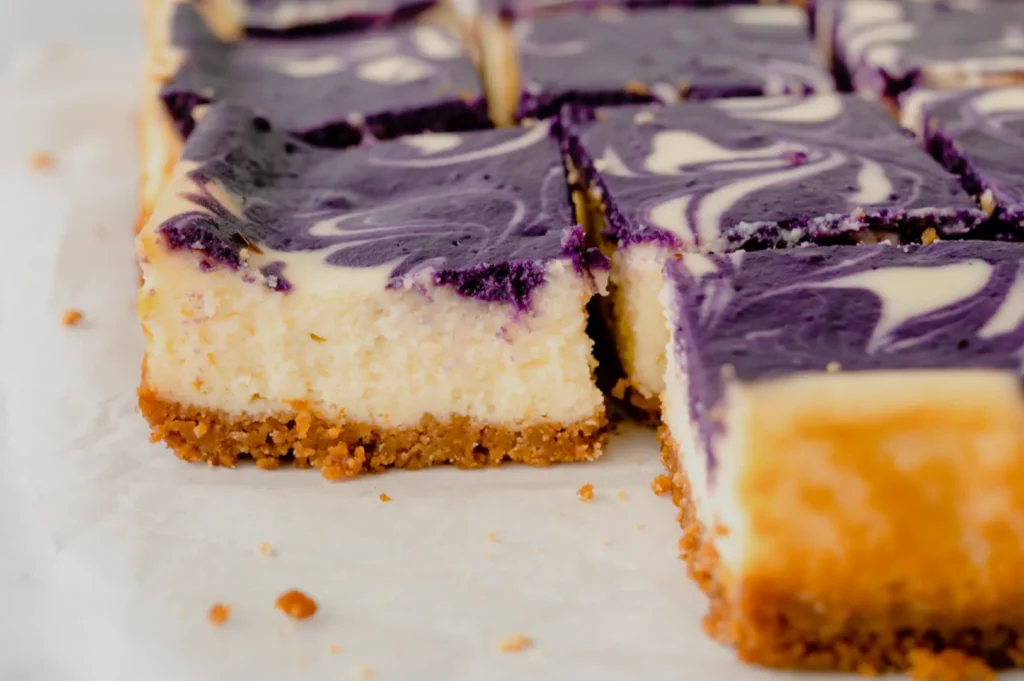
The purple slice was never hiding a mystery flavour. It’s a root vegetable doing what root vegetables do when cooked down and sweetened, just wearing a colour the brain wasn’t expecting.
Once the taste is separated from the shade, ube reads less like a novelty and more like a genuinely good dessert flavour that happens to look unusual. That’s a fair trade.
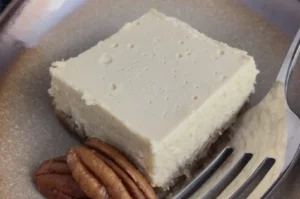
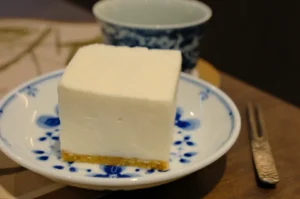
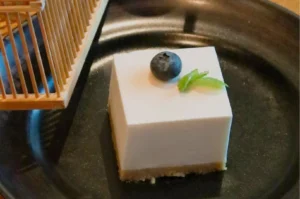
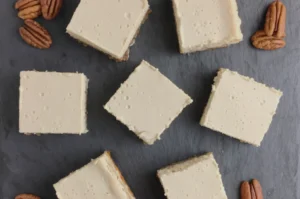
It’s the same principle behind letting an ingredient’s actual character come through instead of dressing it up as something flashier. Daizu by Ki-setsu builds its soy cheesecakes around exactly that idea. Soy has its own quiet reputation problem, mistaken for plain or bland the way ube gets mistaken for candy. Taste it properly, on its own terms, and it turns out to be doing a lot more than the label suggests.