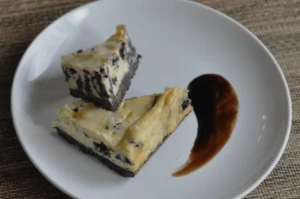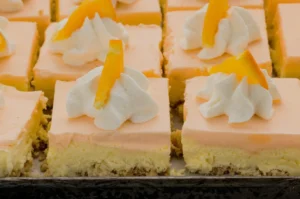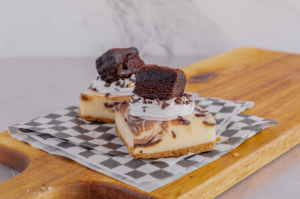
Ask three friends to pick a cheesecake flavour and watch the table split into factions almost immediately. One wants matcha because bitter and creamy is a combination they’ll defend to the death. Another wants ube for the colour as much as the taste. A third insists yuzu is the only flavour sharp enough to cut through all that cheese.
That split is basically the whole story of the best cheesecake Singapore right now. It’s not really a competition between bakeries anymore. It’s a competition between flavours, each with its own loyalists, and everyone seems to have an opinion the moment the topic comes up.
The Matcha Camp and Its Case for Basque Burnt Cheesecake
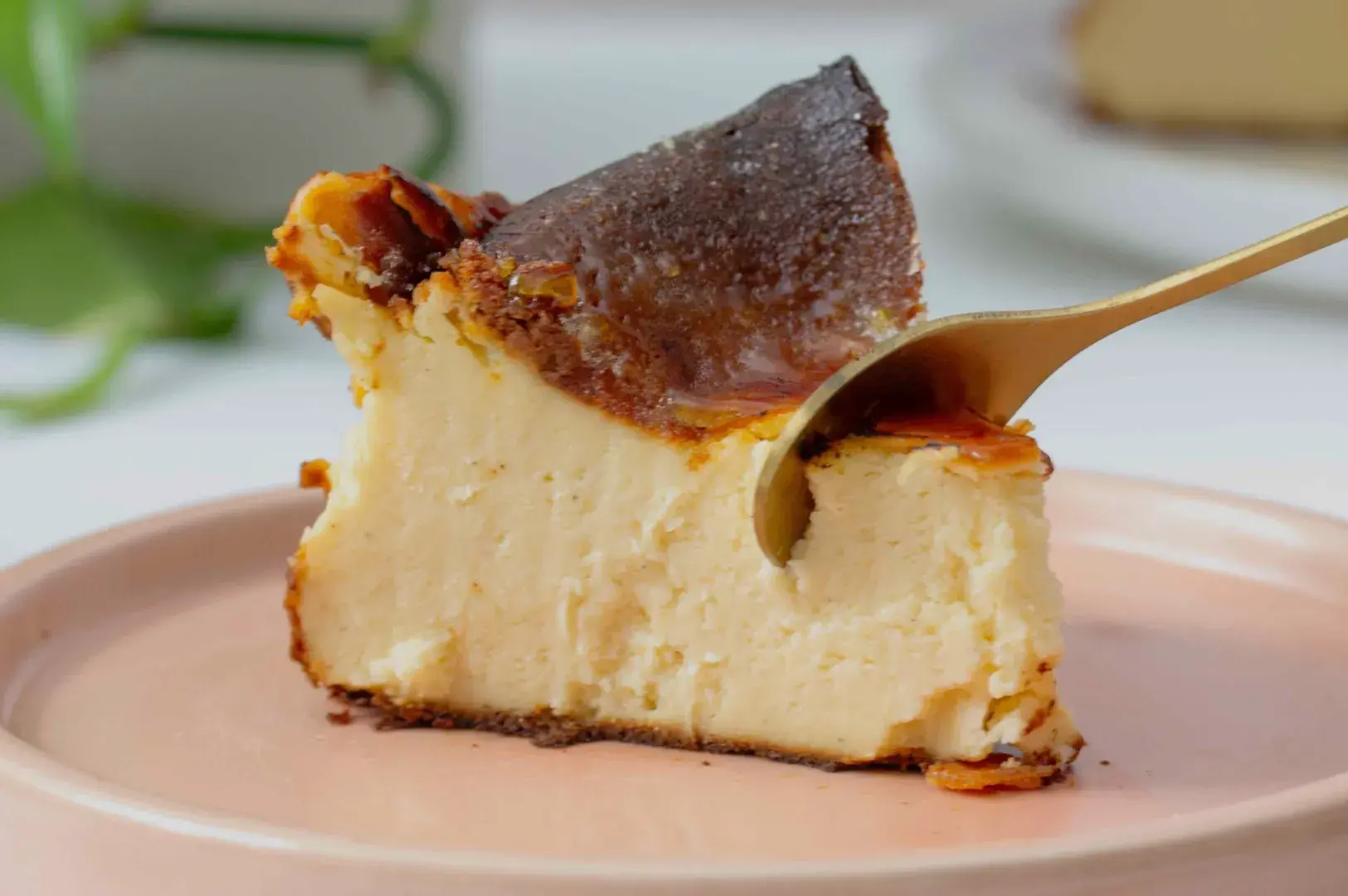
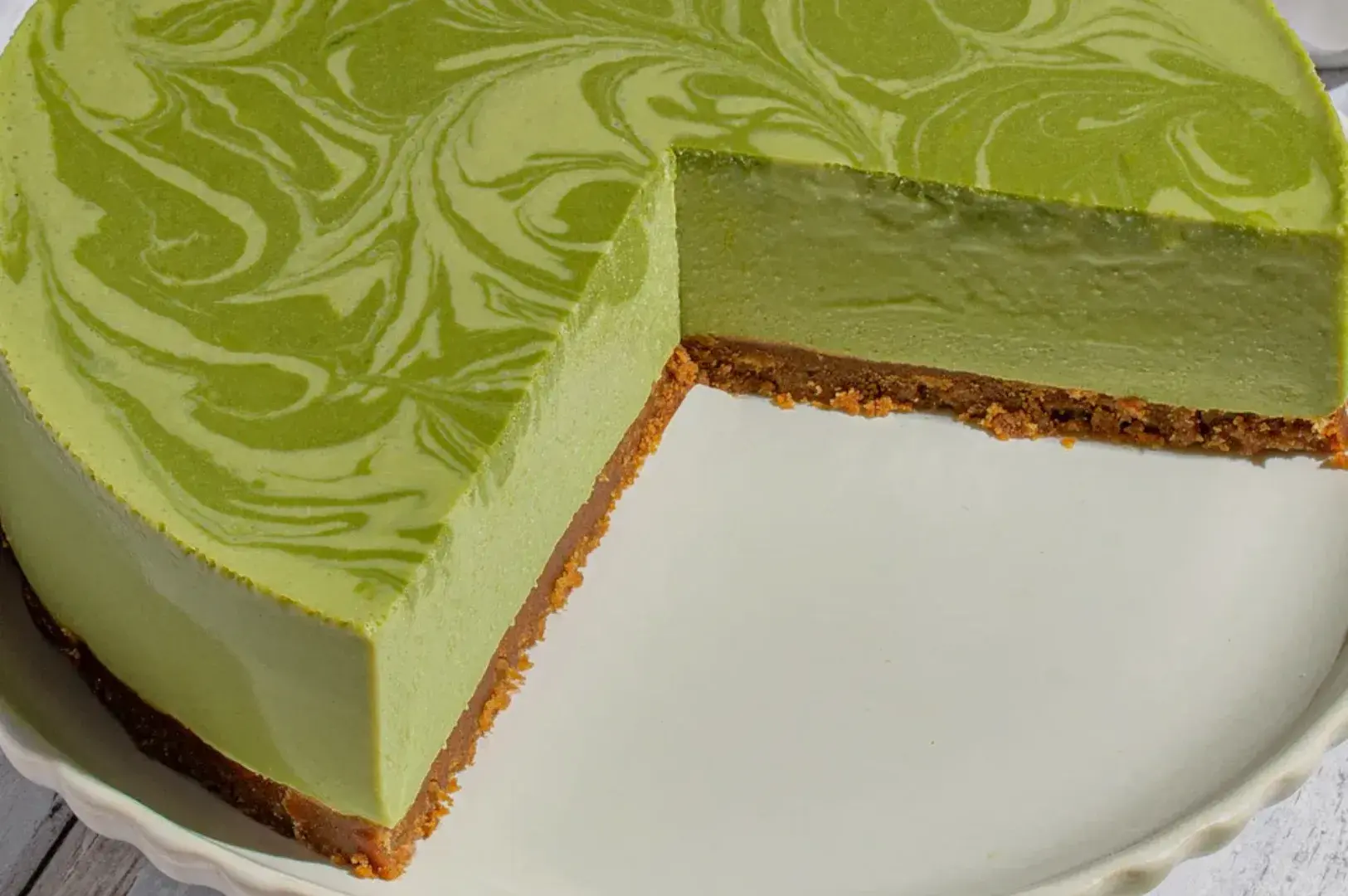
Matcha fans tend to gravitate toward Basque burnt cheesecake specifically, and the pairing makes sense. Basque burnt is already a bitter, caramelised style before any flavour gets added, so matcha’s slight vegetal bitterness doesn’t fight the base, it extends it.
The result is a slice that reads bitter on the first bite and gooey on the follow through, especially near the centre where the crust hasn’t quite set. That contrast is exactly what Basque burnt cheesecake was built for, which is probably why so many matcha versions default to this style over anything lighter.
Not every matcha cheesecake needs the burnt top treatment. It’s hard to resist a classic version too, plain and unfiddled with, for anyone who prefers their bitterness without the theatre.
Where Ube and Yuzu Split the Room
Ube plays a different game entirely. It’s sweet, mildly nutty, and visually impossible to ignore, which makes it a favourite for anyone who eats with their eyes first. It tends to show up in richer, denser bakes, closer to a signature cheesecake than a delicate one, because the flavour can hold its own against a heavier cheese base.
Yuzu sits at the opposite end. It’s citrus forward, sharp, and works best in something lighter, closer to a York cheesecake in texture, where the acidity has room to actually register instead of getting buried.
A quick way to see how differently these two behave:
Flavour | Works Best With | What It Adds |
|---|---|---|
Ube | Dense, rich bases | Sweetness, colour, perfect balance of richness |
Yuzu | Light, airy bases | Acidity, brightness, refreshing contrast |
Neither is more correct than the other. It comes down to what someone’s tummy is actually in the mood for that day, and there’s no wrong answer either way.
The Fruit and Classic Flavours Nobody Talks About Enough
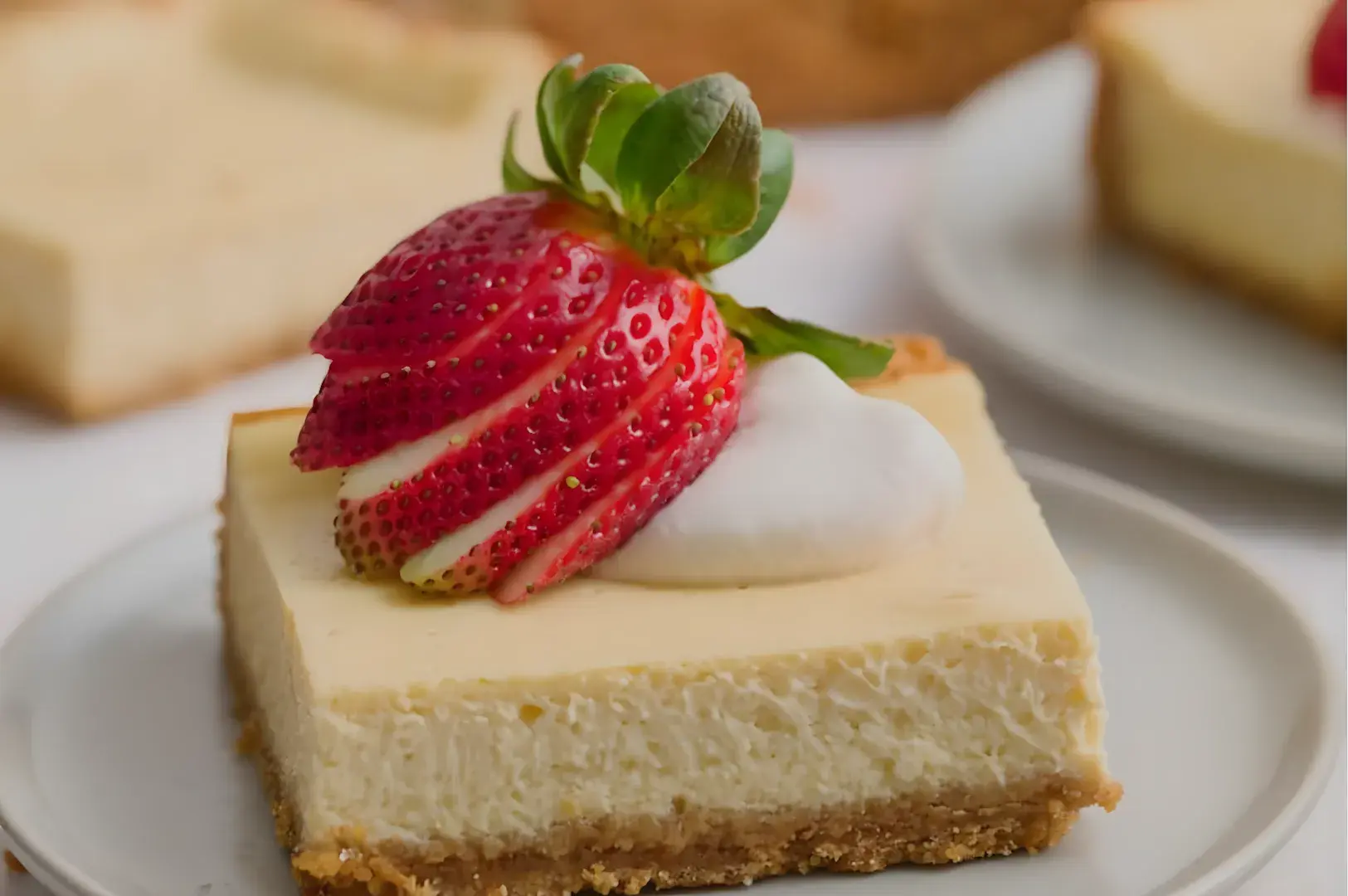
Not every flavour war is about matcha, ube or yuzu. Strawberry and apple still hold their own, especially for anyone who wants something familiar without the extra fuss. A strawberry cheesecake with a smooth top and a proper crust underneath is still, for a lot of people, the version they’d choose without a second guess.
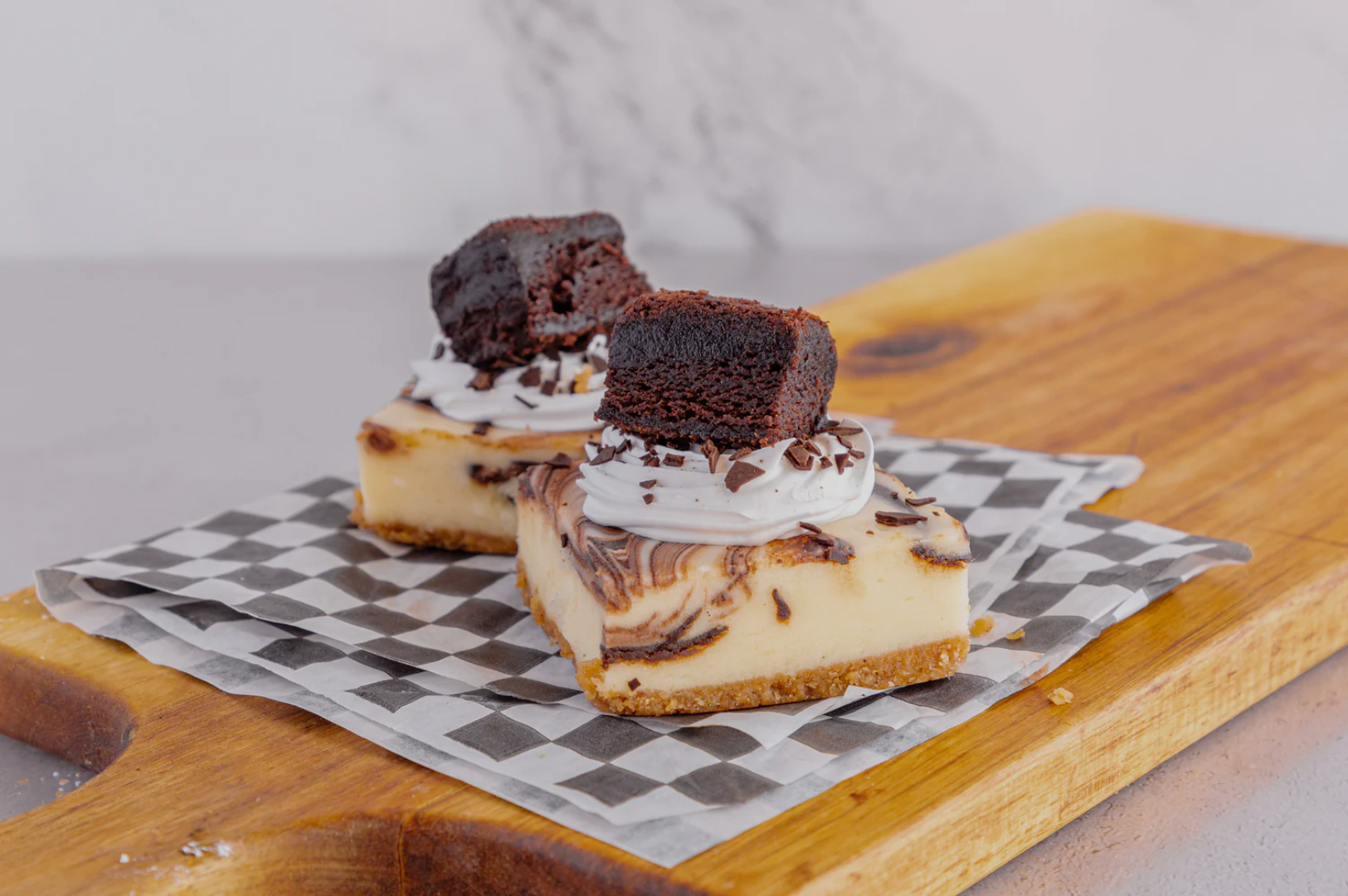
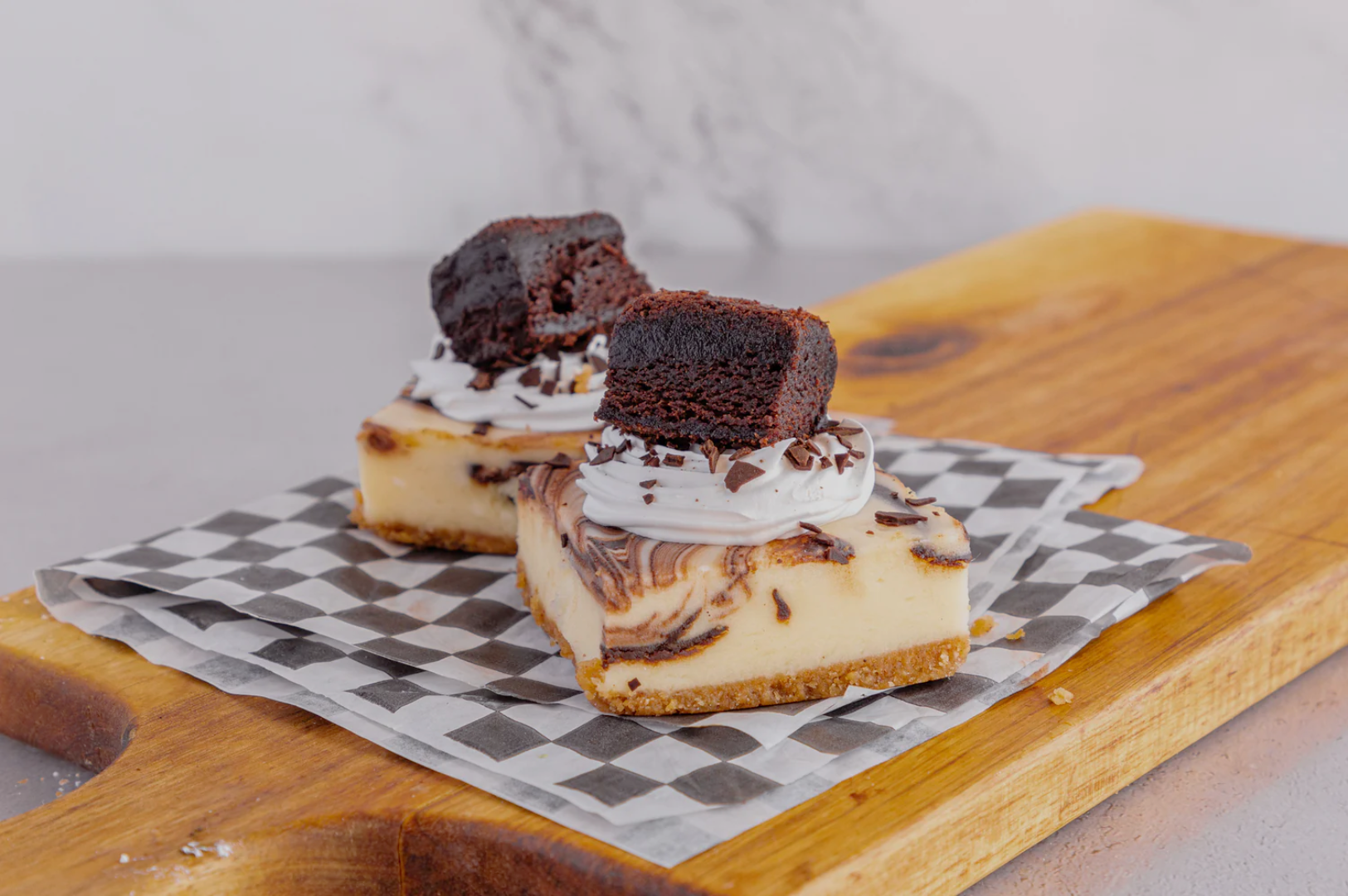
Chocolate gets less attention in these conversations, mostly because it feels like a different category altogether. Cheesy and rich in a way that leans more towards dessert bar territory than delicate slice, it’s less about balance and more about giving in.
Recently, a lot of bakeries have widened their selection just to keep up with how particular people have gotten about flavour. Classic cakes still sell well, but the shelf next to them is where the actual competition happens now.
A Note on Why People Say They Love Cheesecake in the First Place
Ask someone why they love cheesecake and the answer rarely changes: it’s rich without being too sweet, and it feels like an occasion even when it’s just a random Tuesday treat. That’s part of why the flavour wars matter so much. Nobody’s fighting over a dessert they’re lukewarm about.
It’s the kind of thing worth noting on a slower afternoon, the sun still out, no real reason to rush, just a slice and something to drink. Simple, but it explains a lot about why the category keeps expanding instead of settling down.
Soy’s Quiet Entry Into the Flavour War
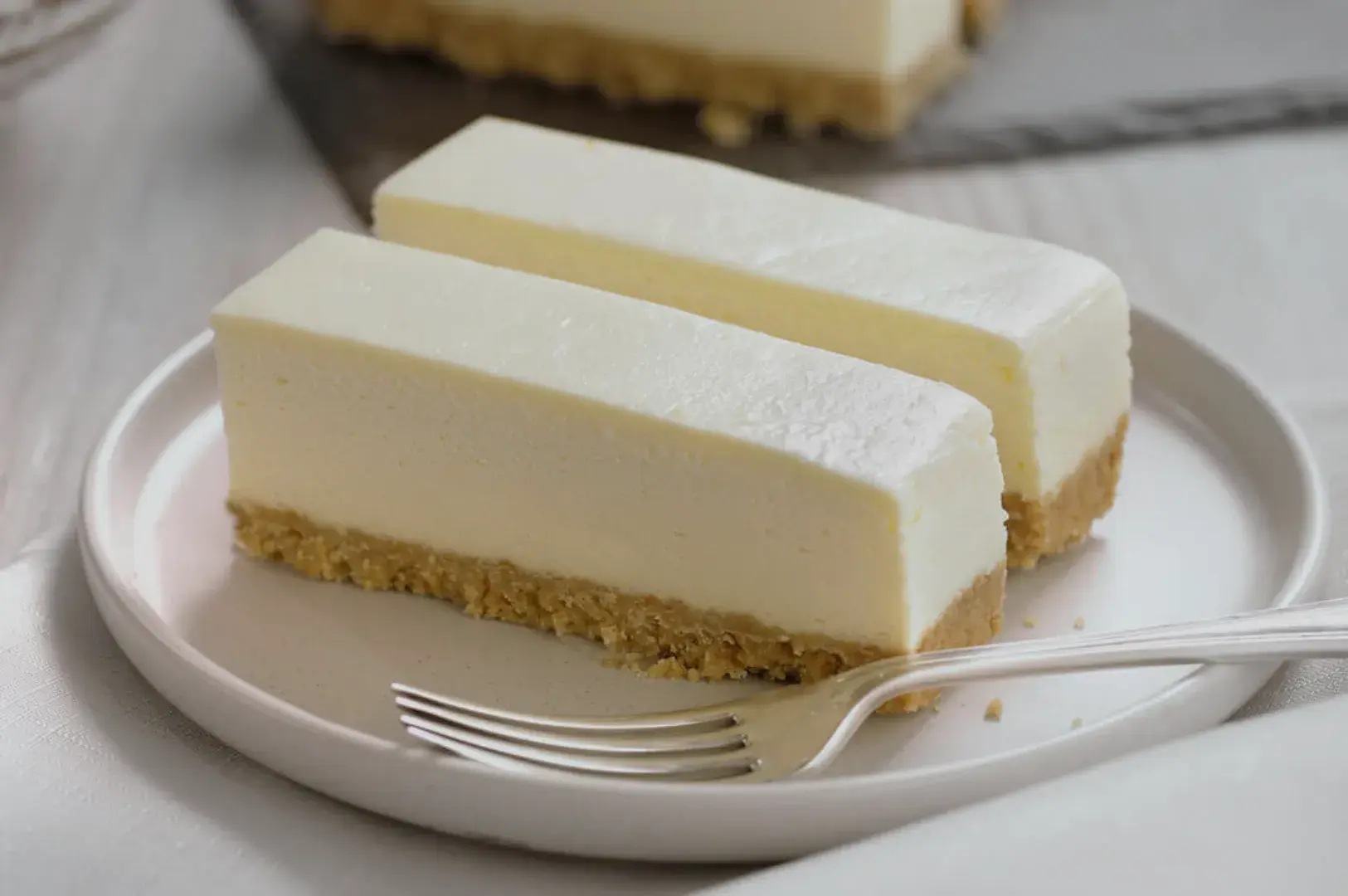
Soy doesn’t announce itself the way matcha, ube or yuzu do, and that’s sort of the point. Rather than adding a bold new taste, soy changes the texture underneath, softening the cheese and lightening the overall mouthfeel so each bite feels less heavy by the end of the slice.
Read: What is Soybean Cheesecake? A Healthier Twist on a Classic Dessert
That makes soy less of a fourth flavour competing for attention and more of a shift in how the whole cheesecake behaves. Comment sections under cheesecake posts are, unlike most food debates online, actually packed with people specifically asking where to find a lighter version, which says something about how common the complaint has become.
What a Proper Cheesecake Board Says About the Flavour Wars
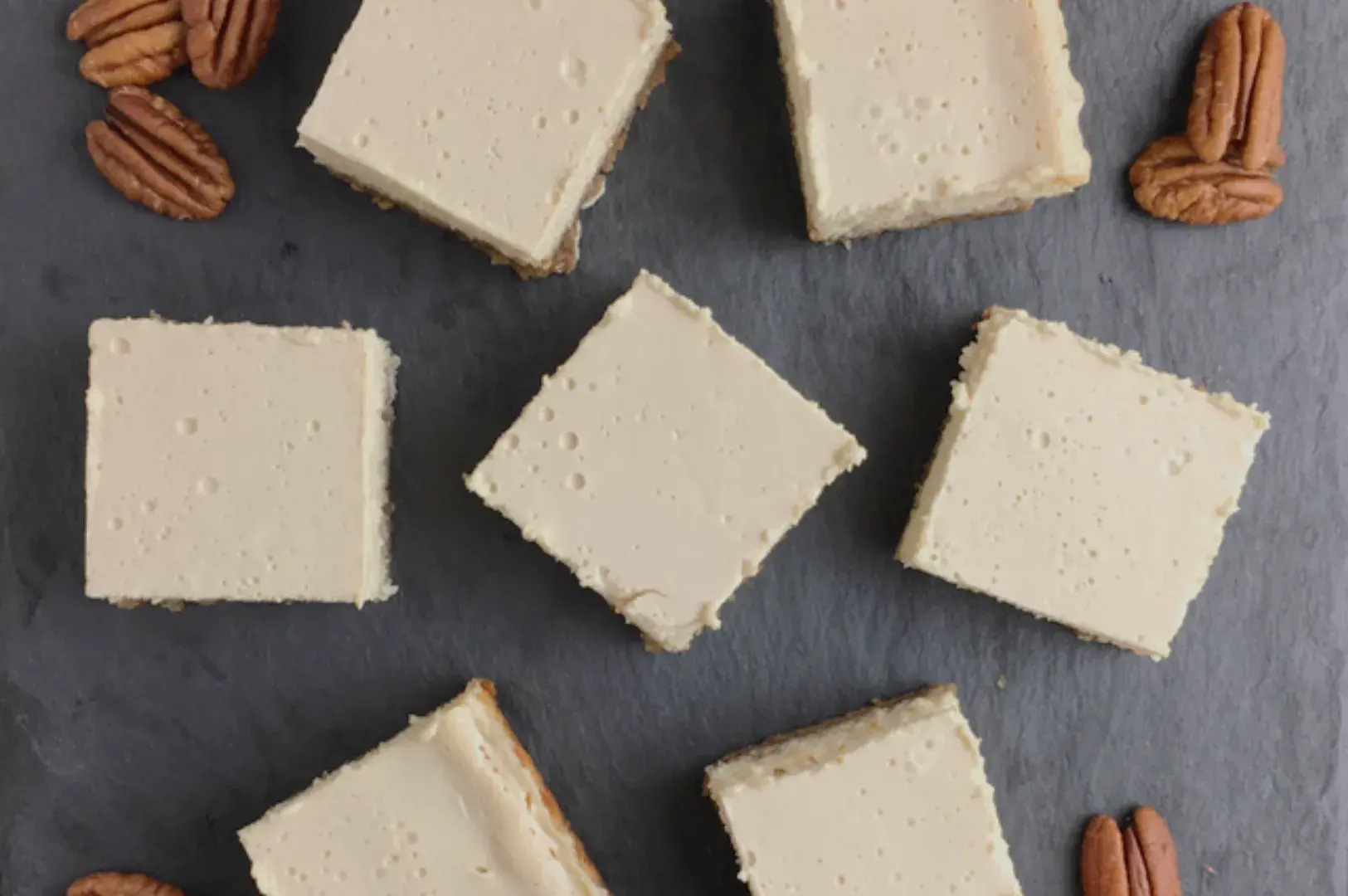
For anyone who can’t commit to a single flavour, or is feeding a table full of people who each have strong opinions, the cheesecake board has become the obvious workaround. Rather than choosing one winner, it lines up a few contenders side by side, which says something about how unresolved this whole debate really is.
A board that actually represents the flavour war usually mixes:
A matcha or Basque burnt option, for the bitter camp
An ube slice, for the sweet and visual camp
A yuzu option, for the acidity seekers
A soy or lighter base, for anyone avoiding the heaviness
Cheesecake in Singapore has leaned into this format for a reason. A quick drop-in on a Mon to Fri lunch break or a proper weekend visit, a board settles the argument without anyone having to lose, and it rarely feels cheap for what actually gets served.
Blue Cheese and the Edge of What Cheesecake Will Try
Somewhere past matcha, ube and yuzu sits blue cheese, which barely counts as part of the same conversation. It’s sharp, funky, and closer to a savoury course than a dessert. But its presence on more menus says something about where cheesecake in Singapore is headed, further from safe and further into flavours that ask something of the person eating them.
Not everyone needs to try it. Most people will Google a place before committing to something that unusual, and the internet has no shortage of opinions on whether it’s worth the detour, especially around areas like Tanjong Pagar where newer, more experimental bakes tend to surface first.
So Who Actually Wins the Best Cheesecake in Singapore?
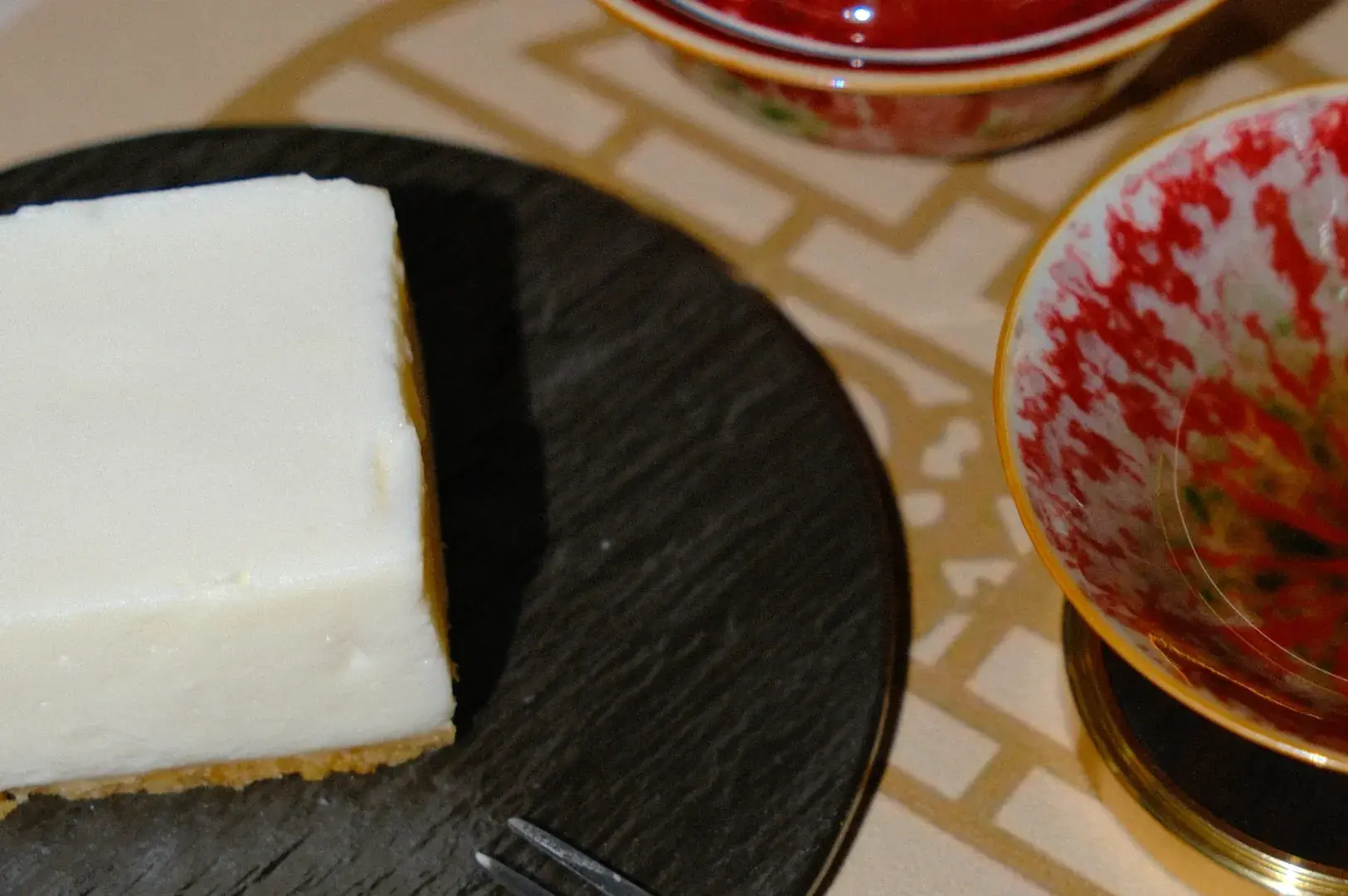
There isn’t a winner, and that’s kind of the appeal. The best cheesecake in Singapore right now depends entirely on which camp someone belongs to that day, bitter and burnt, sweet and dense, sharp and light, or quietly balanced.
What’s actually interesting is that soy, the flavour that shouts the least, might be the one solving the problem most people have with cheesecake in the first place, which is that the texture gets heavy well before the plate is empty. It’s the kind of thing that only becomes obvious after eating one too many rich slices and needing a nap afterward, not unlike a cat curling up in a sunbeam once its tummy’s full.
Daizu by Ki-setsu builds its cheesecakes around that idea. The ingredients lean toward a lighter, elevated version of the format, using soy instead of the usual heavy cream base so the texture stays smooth without sacrificing the richness people love about cheesecake to begin with. For anyone tired of picking a side in this particular war, it’s worth tasting where soy actually lands.