Someone scrolling through dessert delivery apps at 11pm, looking for something sweet that will not turn into a 45-minute guilt spiral the next morning, has probably typed some version of “guilt-free desserts SG” into a search bar. Fair question. Less fair is how vague the answer usually is.
Most desserts marketed this way lean on one of two tricks: cutting sugar and calling it healthy, or cutting dairy and calling it light. Neither tells the full story. What actually makes a cheesecake Singapore shoppers can trust worth eating without the mental tax is the ingredient list, not the brand language stapled to it.
What "Guilt-Free" Actually Means on a Label
The phrase gets used loosely, so it helps to know what it should mean. A genuinely guilt-free dessert is one where the indulgence and the nutrition are not fighting each other. That usually comes down to protein content, sugar, and calories, and what the base ingredient actually is.
Soy, as a base, does something most dessert ingredients cannot. It carries protein the way dairy does, without dragging along the high fat that usually comes attached. That is the quiet reason soy-based cakes keep showing up in healthier dessert lineups across Singapore, even when the flavour profile reads as rich.
The Soy Cheesecake Case for Guilt-Free Indulgence
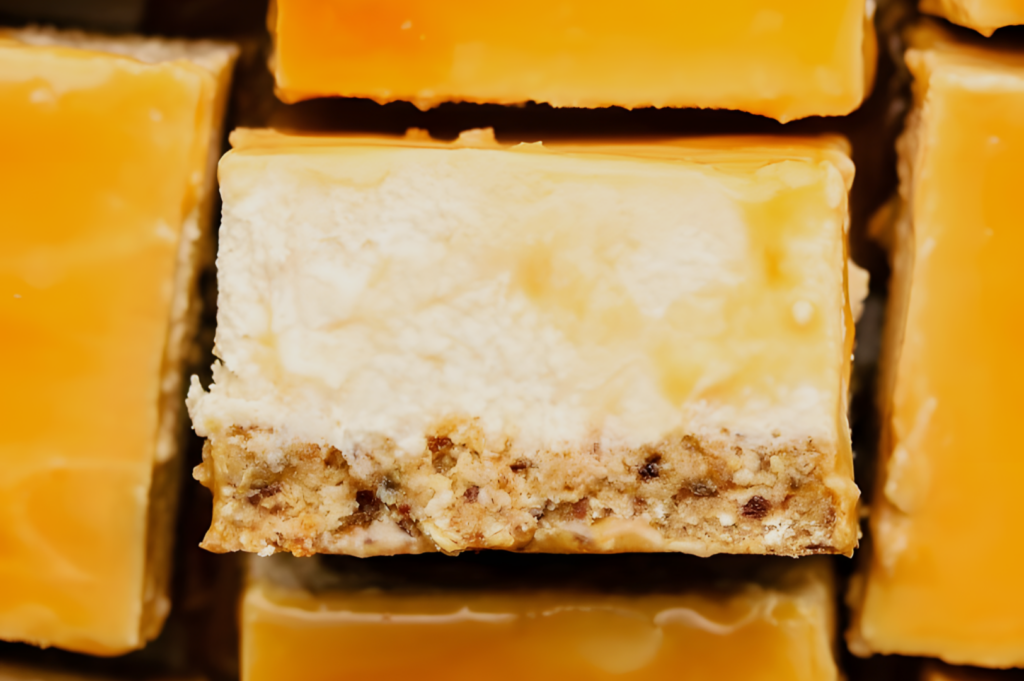
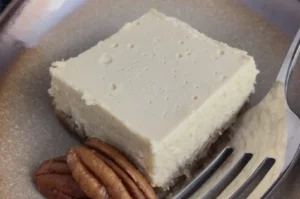
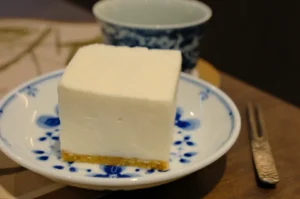
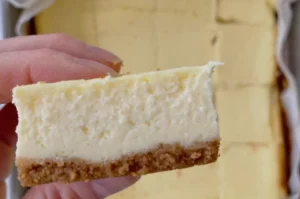
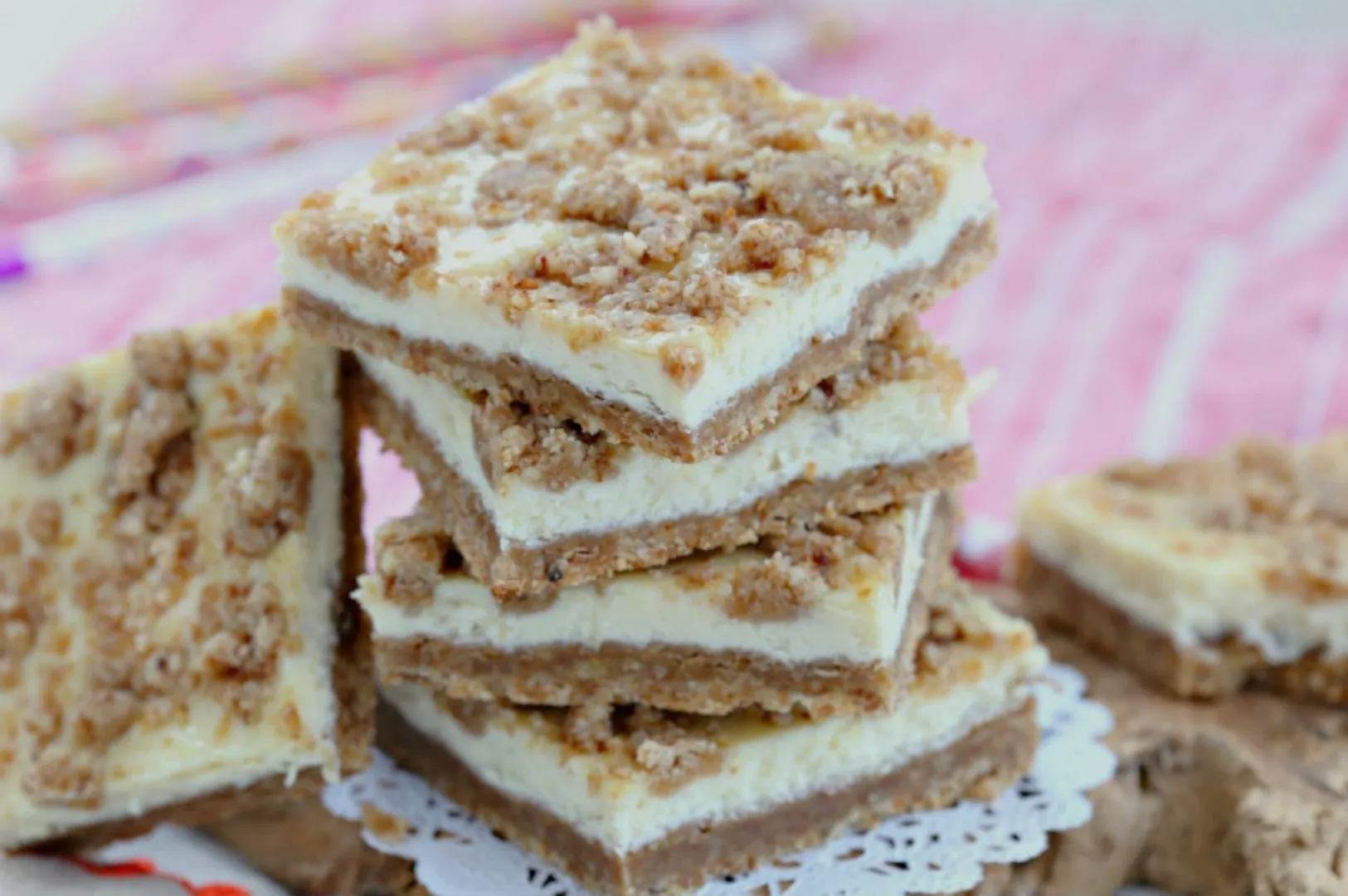
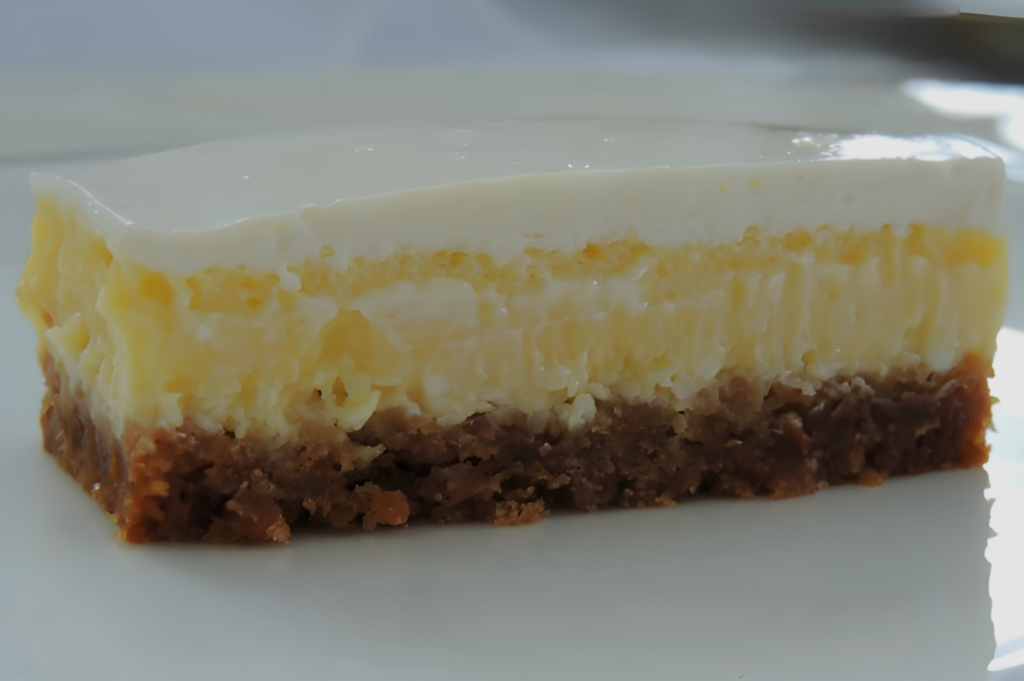
A soy cheesecake is not diet food pretending to be cake. It is cake, built differently. Swap dairy cream cheese for a soy-based custard, and the texture stays soft, the bite still satisfies, but the nutritional math behind it changes for the better.
This is where guilt-free indulgence stops being a marketing phrase and starts being something measurable. Less saturated fat, more plant protein, a lighter finish on the palate. For someone who wants dessert without the heaviness that follows a slice of regular cheesecake, that difference is the entire appeal. It is not just a dessert in the throwaway sense. It is one that holds up to scrutiny.
Gluten Free Without Losing the Bake
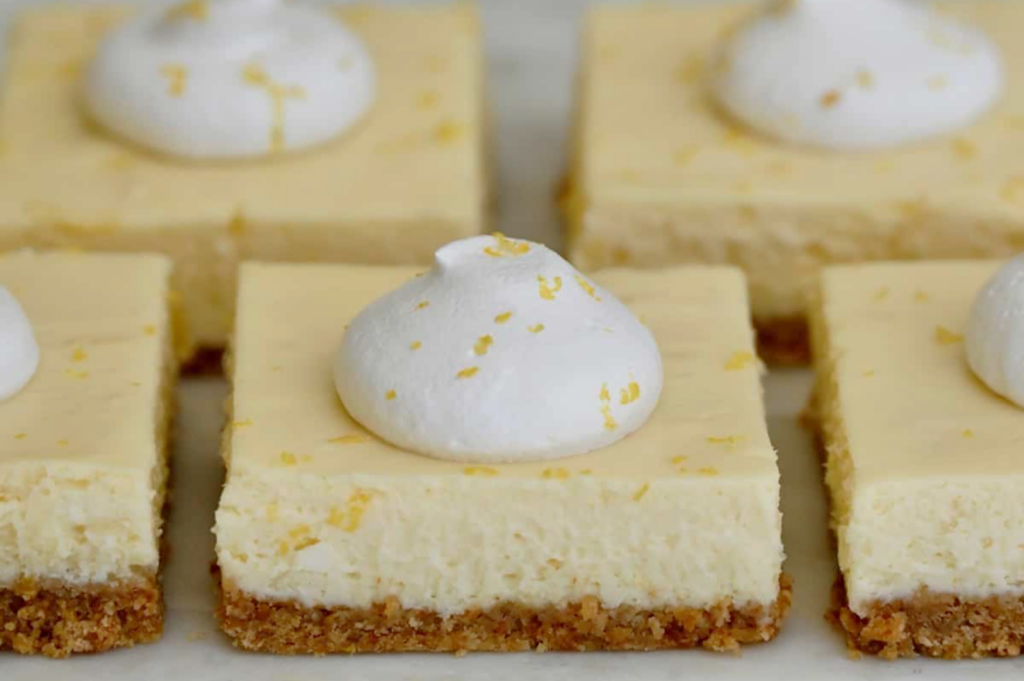
A lot of gluten-free desserts taste like an apology. Dense, dry, missing the structure that gluten normally provides. Soy-based bakes sidestep this more gracefully because the custard texture does not rely on gluten to hold its shape coming out of the oven.
That matters for anyone managing dietary restrictions who still wants something that tastes intentional rather than substituted. A gluten-free slice should not taste like a compromise. Done properly, it should taste like the version that was meant to exist all along.
Where Egg Free and Dairy Free Fit In
Egg allergies and dairy sensitivities eliminate a surprising number of dessert choices at once, as most cakes rely on both ingredients. A soy-based recipe can completely avoid eggs while still setting properly, reopening the menu for those who usually have to ask multiple questions before ordering anything sweet at a cafe or bakery.
Egg-free and dairy-free do not have to mean flavourless. They mean the cake had to find another way to get its structure and richness, and soy happens to be good at supplying both.
Sugar Free, Low Carb, and the Diabetic Friendly Question
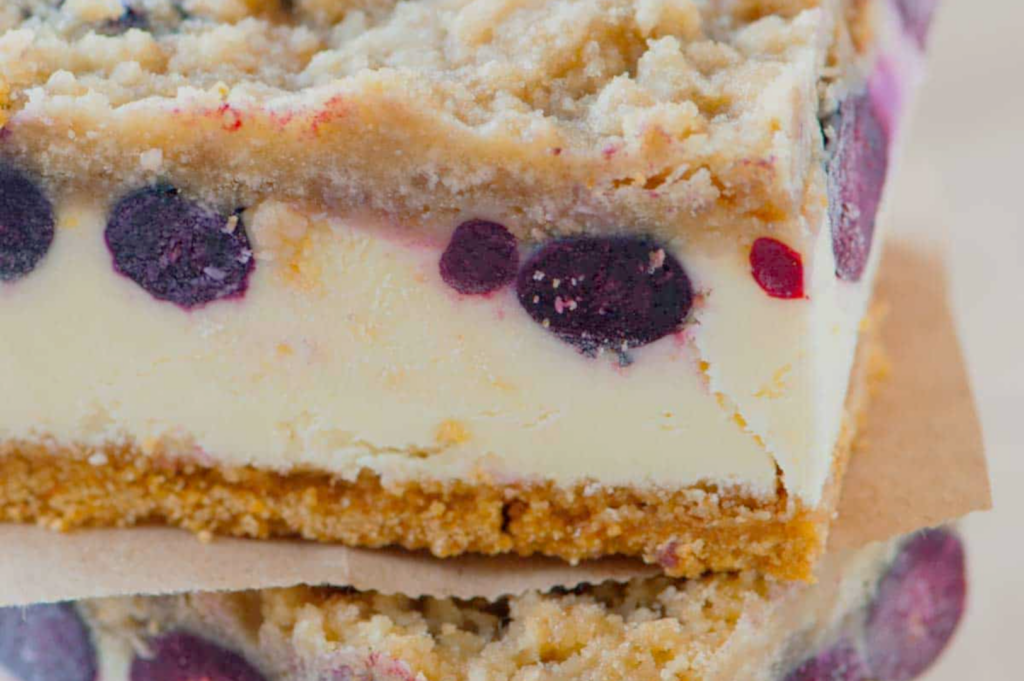
Sugar-free and low-carb get thrown around together, but they solve different problems. Sugar-free addresses added sugar directly. Low-carb looks at the broader picture, including how a dessert fits into something like a ketogenic diet, where every gram of carbohydrate is accounted for.
For anyone asking whether a dessert is diabetic friendly, the honest answer is that it depends on both numbers, not just one. A cake can be sugar-free and still carb-heavy from other ingredients. Soy-based desserts tend to perform better on both counts at once, since the base itself is naturally lower in carbohydrates than a flour-heavy sponge.
A Short List of What Counts as Genuinely Healthy Dessert in Singapore
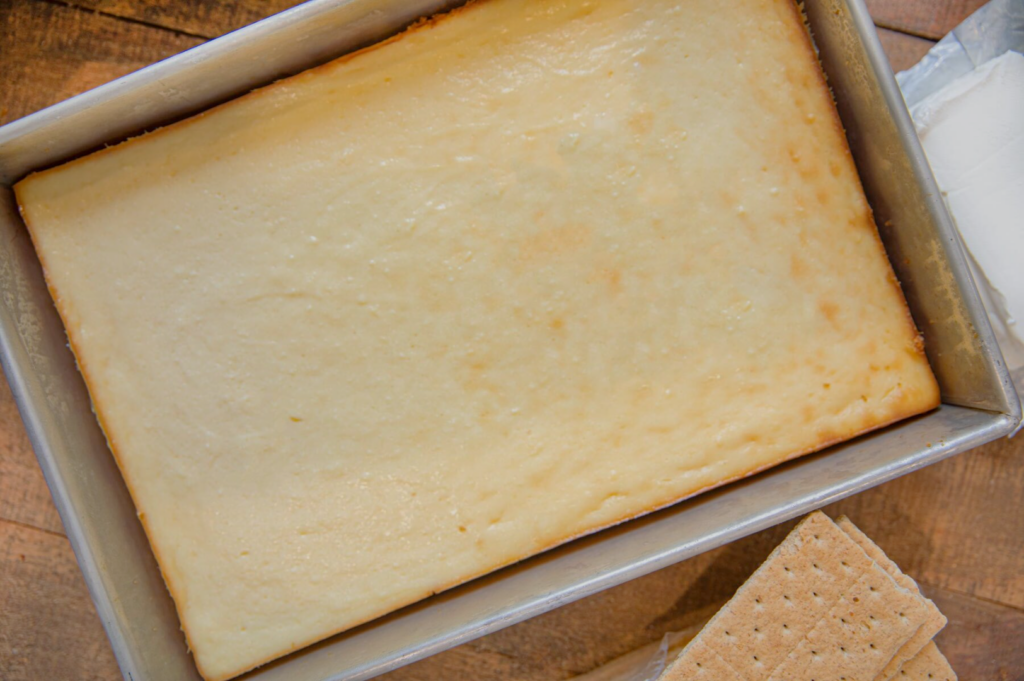
Singapore has no shortage of places claiming the healthy dessert title. Narrowing it down to what actually holds up usually means looking for a few specific things on the menu, on a website, or printed on the box itself.
Worth checking for:
A base built on soy, oat, or fruit rather than refined flour
Sugar levels that are clearly stated, not implied
Options that are vegan or plant-based without tasting like a substitution
Fresh fruits used for natural sweetness instead of syrup
Desserts baked fresh rather than frozen and shipped in from elsewhere
A soy cheesecake checks most of these boxes by default, which is less a coincidence and more a result of what soy does well as an ingredient.
Chocolate Lovers and Avocado Lovers Are Not Left Out
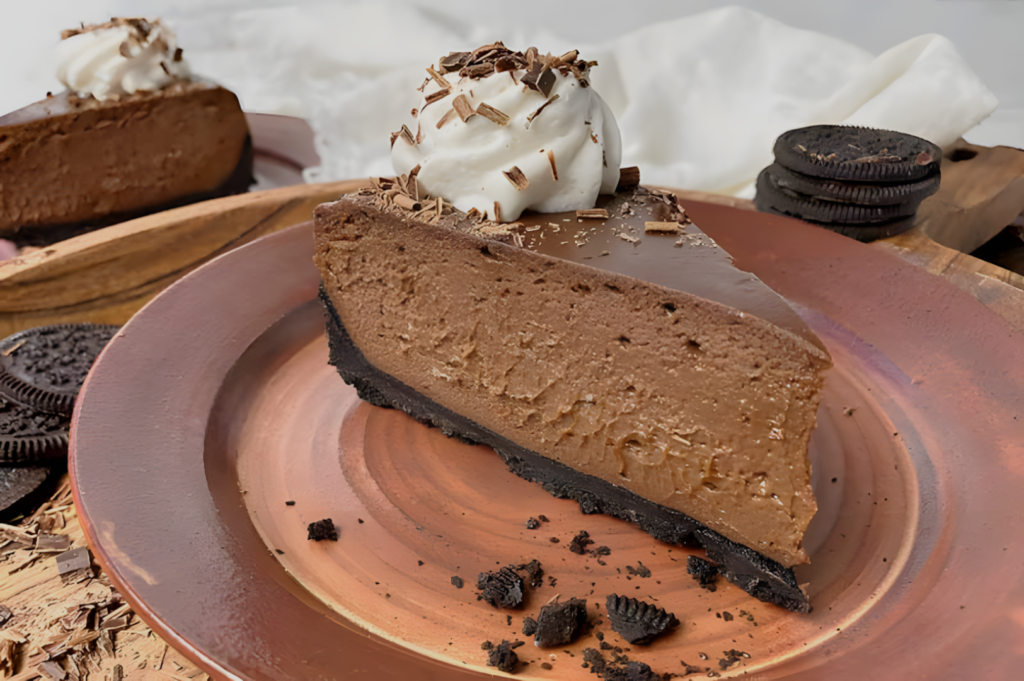
Going guilt-free does not mean abandoning flavour preferences.
Chocolate lovers can still get a rich cocoa profile from a soy base, since cocoa solids do not need dairy fat to taste full.
Avocado lovers get an even easier win, since avocado already brings a creamy texture that pairs naturally with soy custard without needing extra cream to compensate.
The point of a guilt-free dessert is not flavour deprivation. It is finding ingredients that deliver the same satisfaction through a different nutritional route, the kind that leaves a person feeling good rather than weighed down.
Health Conscious Does Not Mean Joyless
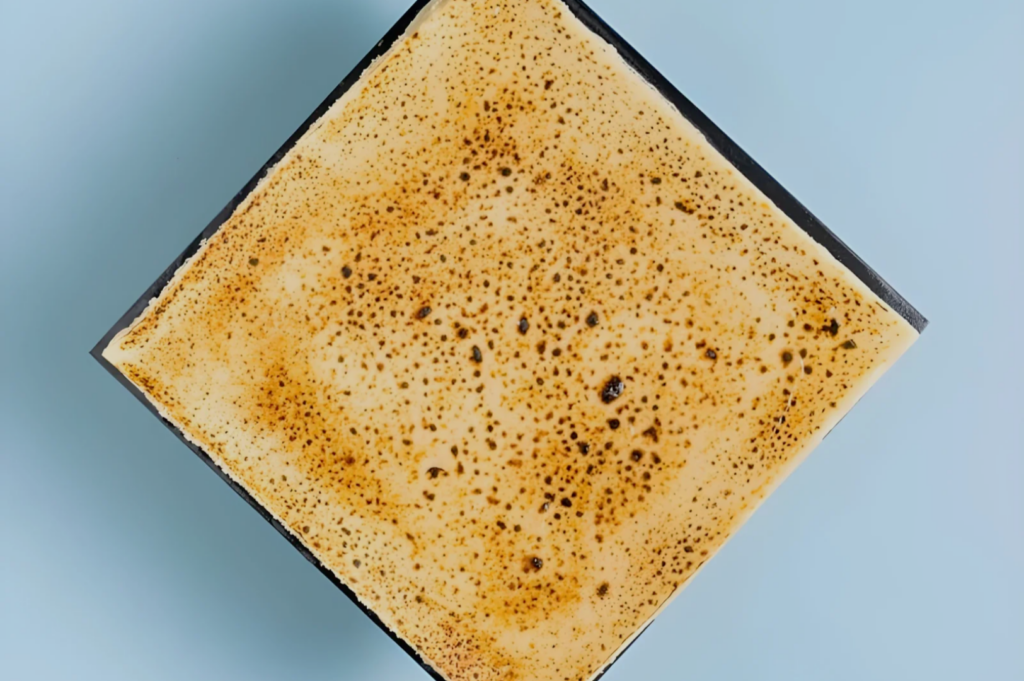
There is a version of healthy eating that feels like punishment, and a version that just feels like a smarter choice. The difference usually comes down to whether the dessert was built around restriction or built around a better ingredient.
A health-conscious dessert eater is not necessarily counting every calorie. More often, they are just paying attention to what goes in, the same way someone checks for vitamins on a label out of habit rather than anxiety. Soy-based desserts fit that mindset well, since the ingredient itself does the work instead of the recipe needing constant adjustment.
When the Craving Hits Between Meals
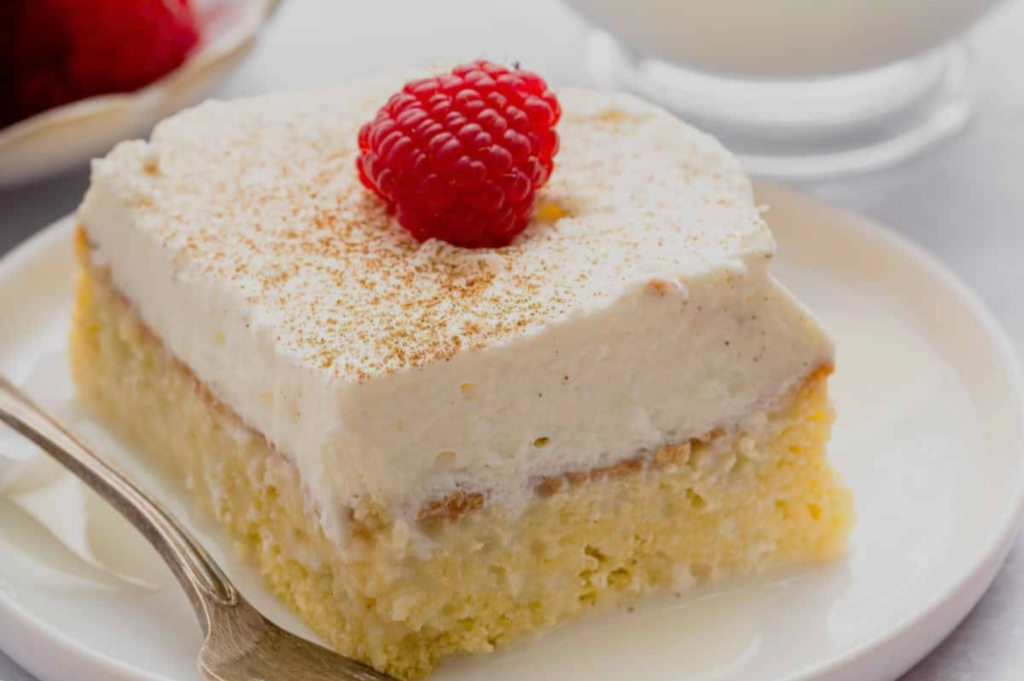
A craving rarely announces itself politely. It shows up mid-afternoon, between meals, when the easiest move is to grab whatever is closest. Having something already in stock that satisfies the craving without the usual aftermath changes the decision entirely, since there is no negotiating required.
This is also where sweet treats earn their keep. A small scoop or a single slice is often enough, especially when the dessert is rich enough to feel complete without needing seconds.
A Short Detour Through One Family's Journey
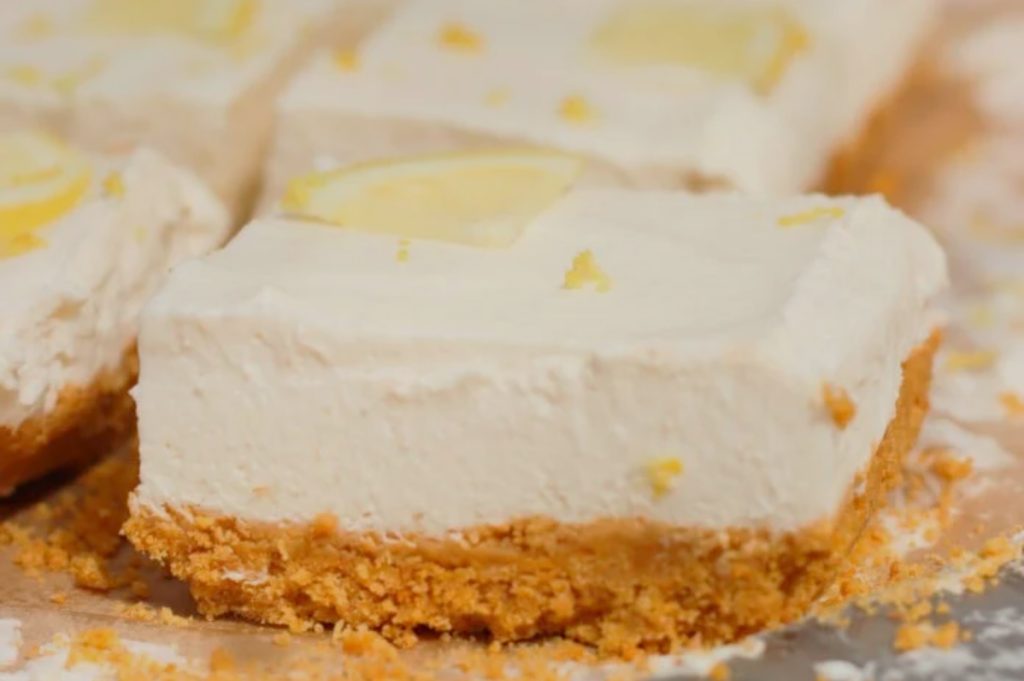
Soy based desserts often trace back to someone’s personal wellness journey rather than a boardroom decision. A mother looking for something her family could eat without the usual dairy or gluten flags, or a person who simply got tired of choosing between taste and how they would feel an hour later, tends to be the actual origin story behind most of these brands.
That backstory matters less than the cake itself, but it explains why the flavours feel considered rather than mass-produced. Someone decided this was worth solving properly, and the dessert that came out the other end reflects that.
Where to Find Them, From Multiple Stores to a Single Feed
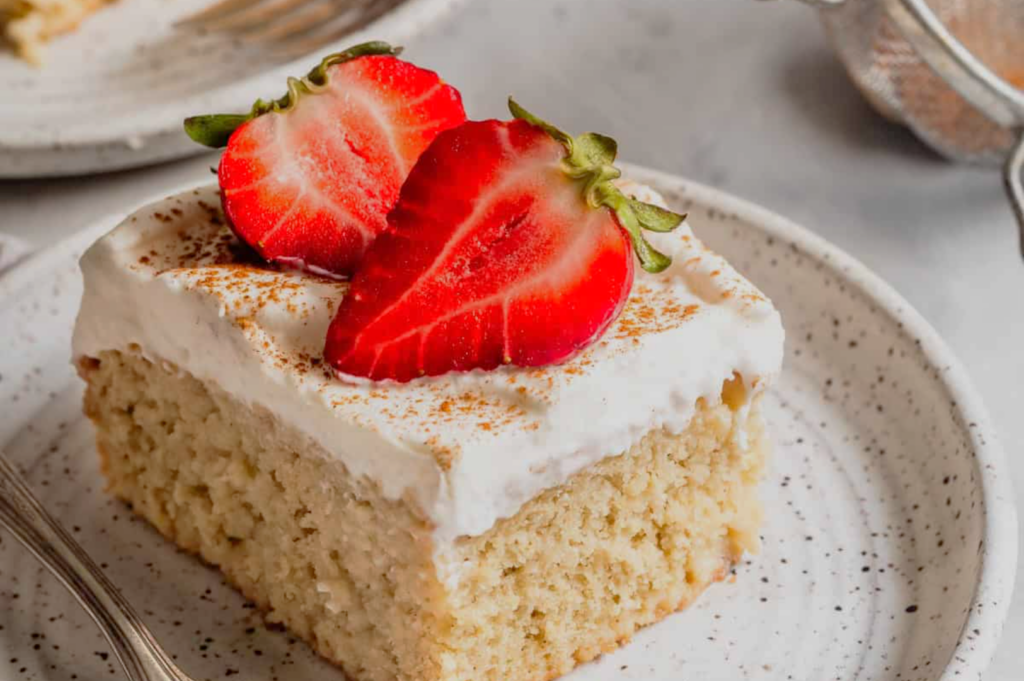
Guilt free desserts in Singapore are no longer confined to one corner cafe. Multiple stores across the island now carry soy-based options, and a fair number of these brands get featured on Instagram before they ever show up on a physical shelf, which is often how word spreads in the first place.
For anyone who wants to take a short break from regular dessert and try something different with friends, checking what is currently in stock at a nearby store is usually the simplest way to start.
So What's Actually in a Guilt-Free Dessert SG Shoppers Can Trust

Strip away the marketing language and the answer is simple. A trustworthy guilt-free dessert in Singapore is built on a base that naturally lowers fat and sugar without needing flour or dairy to hold it together, uses fresh ingredients instead of preservative-heavy shortcuts, and is transparent about what is and is not inside it.
Daizu by Ki-setsu builds its cheesecakes around exactly that principle, using soy as the foundation rather than an afterthought, with a signature lineup developed for people who want dessert to feel delicious and still make sense the next morning. Glad to say that promise holds up slice after slice.