Pulling a dessert straight from the fridge and digging in right away is a common habit. With most cakes, that works perfectly fine. But with a rich dessert, a cold temperature acts like a pause button on the flavor and texture. Slicing into a cold cake requires some effort, and the initial bite usually feels dense, masking the delicate dairy notes. This is why those seeking the best cheesecake Singapore often emphasize the importance of serving it at room temperature to fully enjoy its creamy richness.
Leaving the cake on the kitchen counter for a while completely changes the experience. The chill fades, the texture softens into a velvety consistency, and the true flavor profile becomes accessible. Allowing a room temperature cheesecake to sit before serving is not an afterthought. It is a critical final step in the preparation process, especially after making cheesecake where the balance of cheesecake ingredients is essential.
Many bakeries and home cooks focus heavily on the oven time or the mixing process, yet temperature management right before slicing dictates how the cake feels on the palate. Skipping this step often means missing out on the full potential of a carefully baked dessert. The internal temperature needs to rise just enough to let the ingredients relax, ensuring a perfectly smooth texture.
The Physical Transformation of a Room Temperature Cheesecake
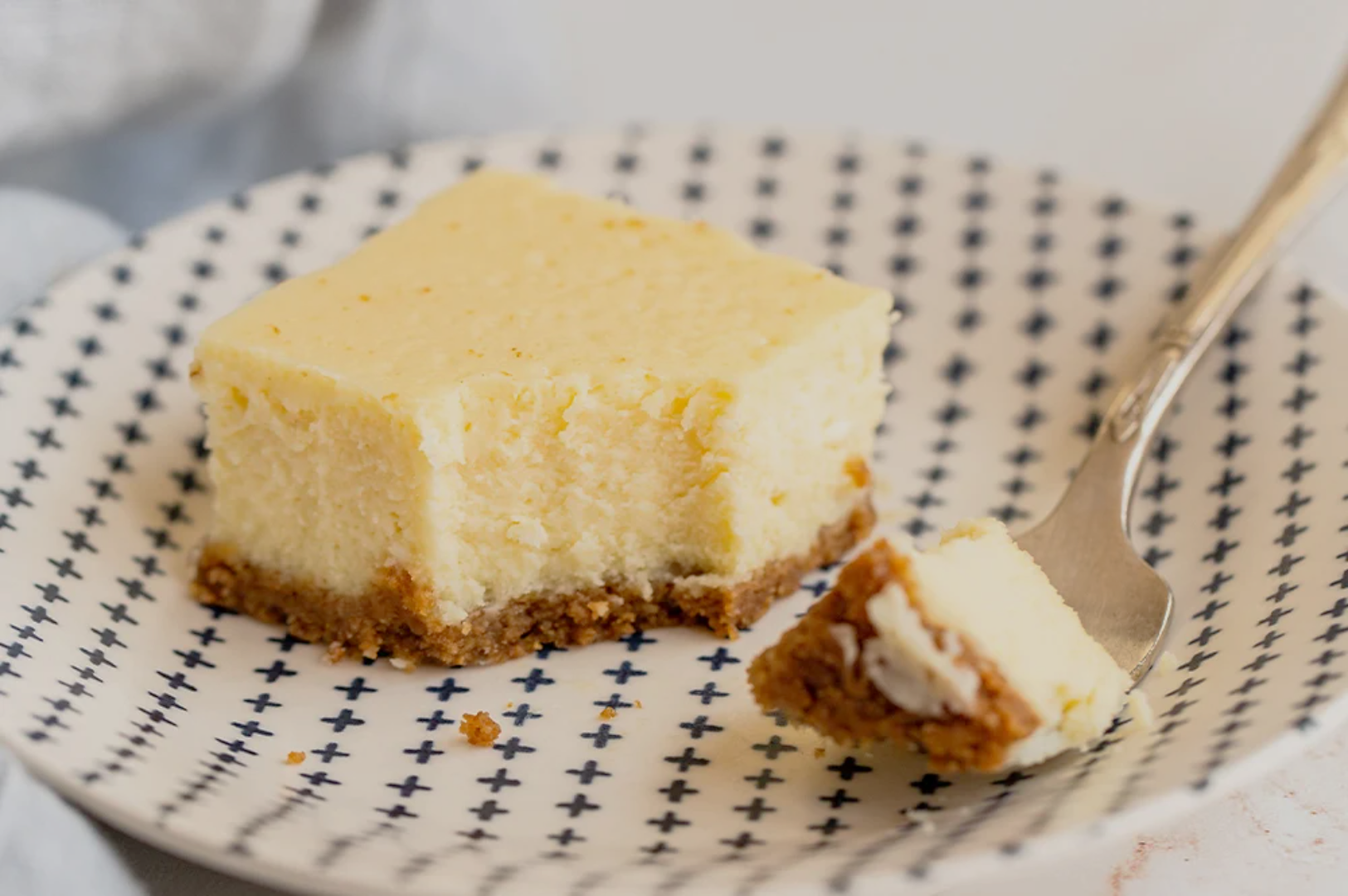
When a classic bake relies heavily on cream cheese, temperature dictates its entire behavior. Solid fats inside the cheese firm up significantly when stored under cold conditions. Bringing a room temperature cheesecake to the correct serving environment allows those internal fats to relax, shifting the texture from a heavy, block-like solidity to a smooth and uniform state.
This relaxation process changes how flavor hits the tongue. Cold temperatures temporarily numb the taste buds, meaning a slice eaten immediately after removing it from the fridge will taste less vibrant. As the cake approaches the ambient temperature of the room, the subtle tanginess and sweetness become much more pronounced without requiring extra sugar, making it a delicious indulgence.
Why Chilled Ingredients Simply Do Not Mix in Great Recipes
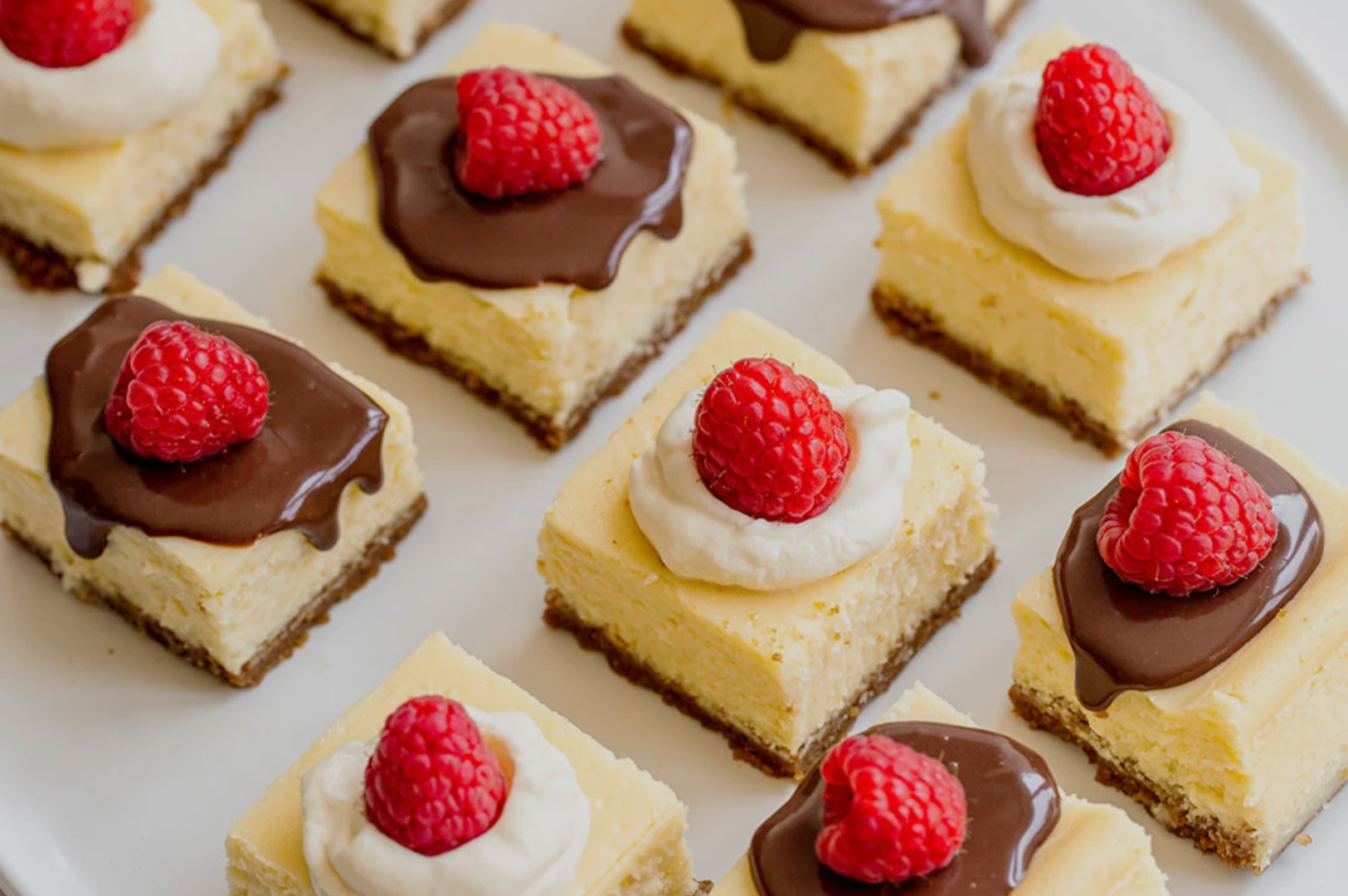
The journey to a perfect final product begins long before the oven preheats, starting the moment the springform pan is pulled from the cupboard. Pulling chilled ingredients straight from the refrigerator and tossing them into a mixing bowl usually guarantees a lumpy batter. Softened cream cheese incorporates smoothly with eggs and sugar, while chilled blocks resist blending, creating tiny pockets of unmixed fat that persist through the baking process.
Attempting to quickly soften solid ingredients in a microwave using short bursts can work, but it carries high risk. A few short bursts too many can turn a solid block into an oily liquid, breaking the emulsion permanently. Taking a patient approach during the prep window by allowing the block to sit out naturally significantly lessens the risk of creating a poorly blended ingredients mixture.
Quick Methods to Bring Eggs and Dairy to the Sweet Spot
When time is short, or if someone simply forgot to set things out ahead of time, there are ways to accelerate the warming process safely. Submerging ingredients like uncracked eggs in a bowl of warm water for roughly ten minutes will bring them to the right temperature safely. For the dairy blocks, increasing the surface area by using a vegetable peeler or cheese grater to create shreds can cut the waiting time in half.
Another method involves using a thin knife to cut elements into small cubes, spreading them across a large plate. This increases exposure to the air, helping the solid ingredients reach the necessary temperature much faster than a solid block would. Covering the pieces with plastic wrap protects the dairy while it sits on the counter, allowing you to start assembling the batter sooner.
How Commercial Store Cheesecake Compares to Homemade Versions
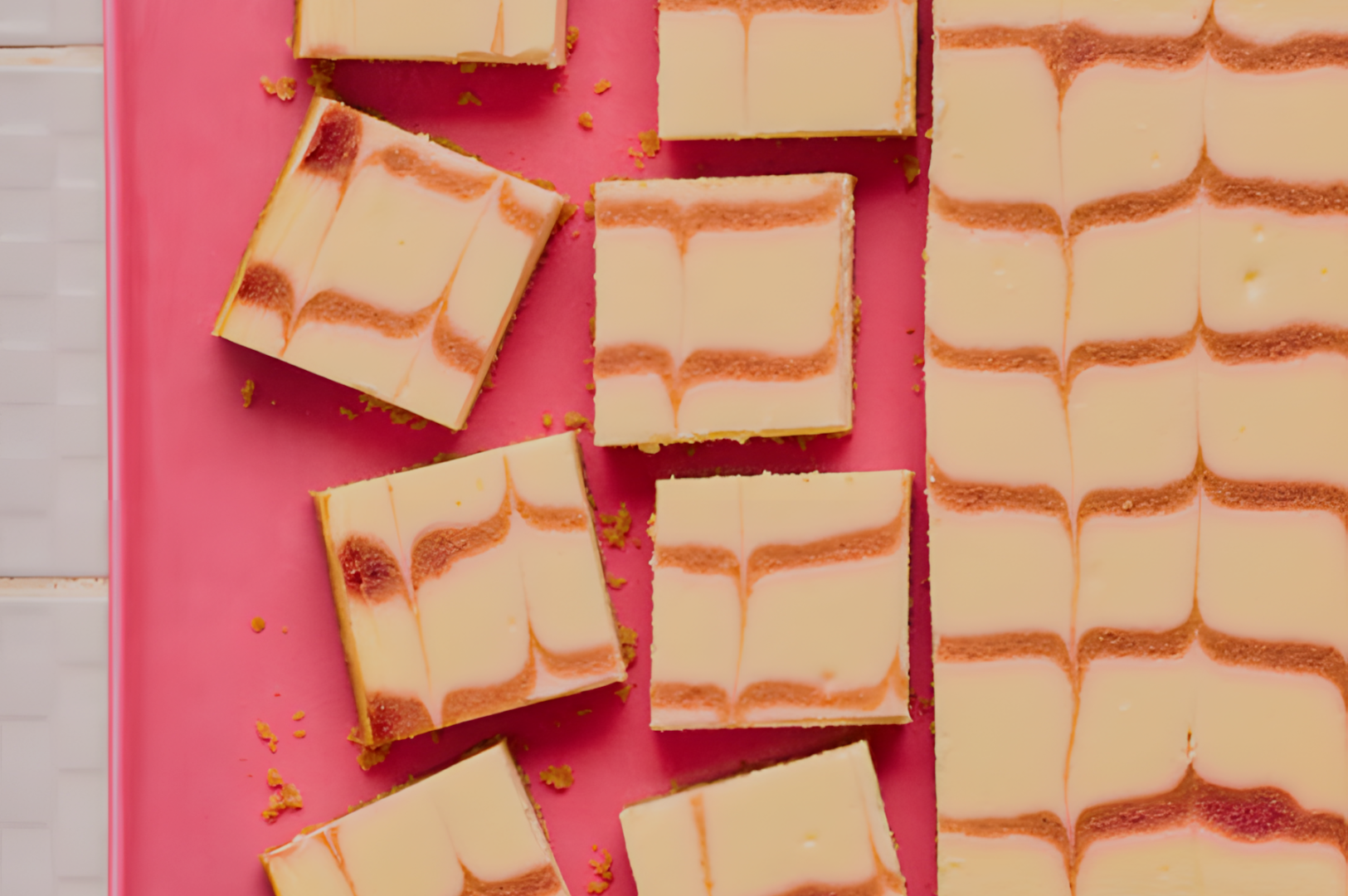
Purchasing a store cheesecake often introduces different structural variables compared to a scratch-made version at home. Commercial bakeries frequently use stabilizers to ensure their cakes survive transit and display cases. Because of these additives, a store-bought slice might hold its shape better under varying temperatures, but it still benefits from a short resting period before serving.
A homemade cheesecake lacks those commercial stabilizers, making it far more sensitive to temperature changes. Without artificial binders, the texture relies entirely on the natural proteins and fats within the cream cheese layer. Skipping the warming step on a home bake results in a dense result that feels heavy in the mouth, losing the delicate balance intended by traditional cheesecake recipes.
The Problem With Serving a Frozen Cheesecake Too Soon
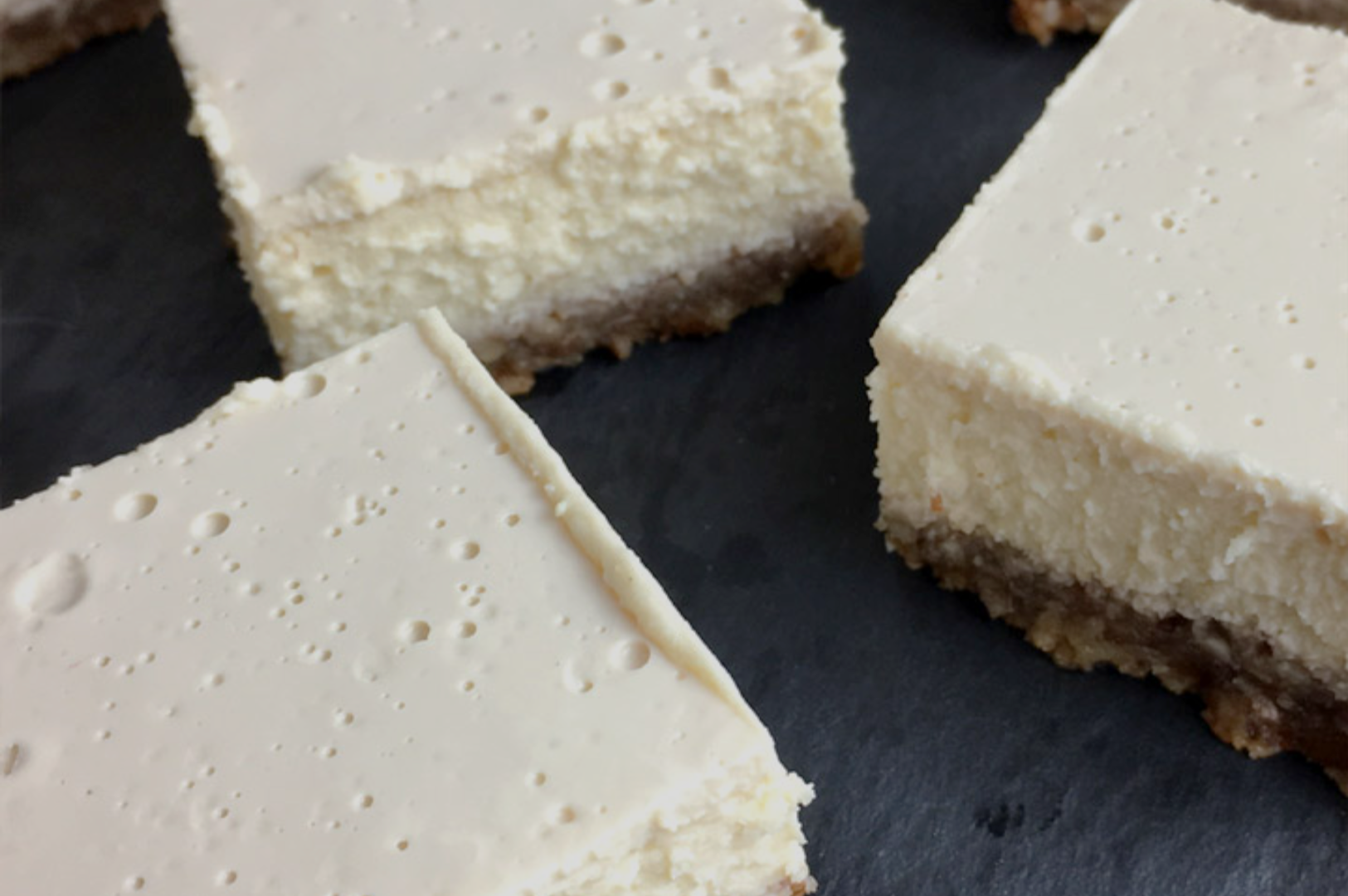
Keeping a backup dessert in the freezer is incredibly convenient for unexpected gatherings. However, rushing a frozen cheesecake to the serving table usually ends in disappointment. The center remains icy and solid, while the outer edge thaws into a soft consistency, destroying the uniform bite that defines a premium dessert.
Thawing should always happen gradually inside the refrigerator before the cake moves to the counter. Forcing the process by putting a frozen cake directly into a warm room causes condensation to form under the plastic wrap, making the top layer soggy. A slow thaw followed by a short rest at room temperature ensures the internal temperature is perfectly uniform from the crust to the center.
Why Whipped Cream and Fine Toppings Need a Stable Base
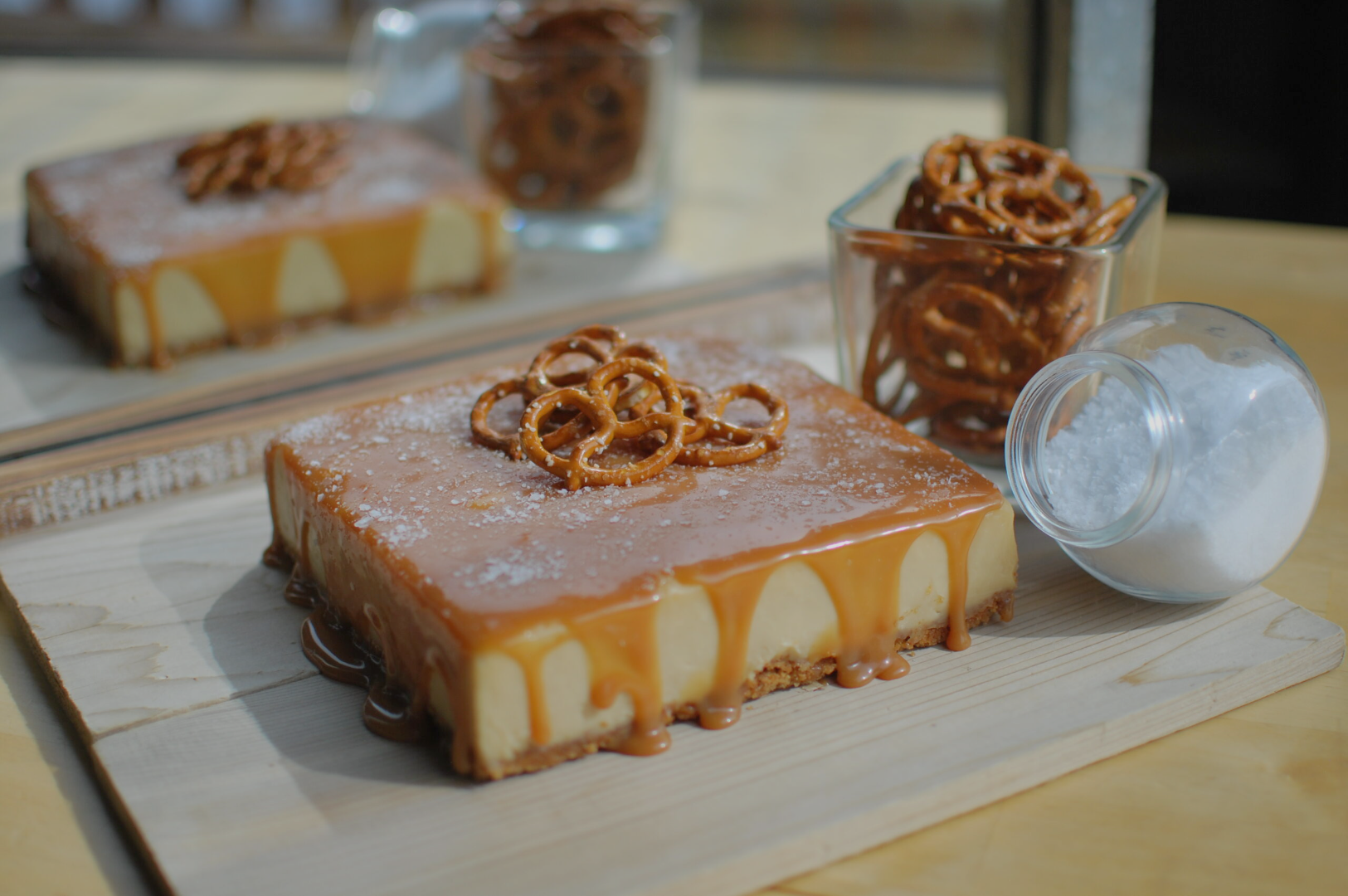
Decorating a cake too early can compromise the presentation. If a cake is still warm from the oven, any whipped cream applied to the surface will melt rapidly, turning into an oily liquid. Conversely, if the surface is ice cold, moisture from the air can condense on the cake, preventing toppings like fresh fruit or chocolate curls from adhering properly.
Allowing the cake to find its equilibrium point ensures that cheesecake fixings stay exactly where they are placed. A well-combined mixture of sour cream and sugar used as a glossy top layer needs a stable, set base to rest upon. Taking the time to let the cheesecake cool ensures the decorative elements enhance the dessert rather than sliding off the side.
Cake State | Topping Behavior | Result |
|---|---|---|
Too Hot | Whipped cream melts instantly | Liquid runoff |
Ice Cold | Condensation forms on the surface | Slid-off toppings |
Room Temp | Toppings adhere securely | Clean presentation |
Managing Food Safety and Bacterial Growth on the Counter
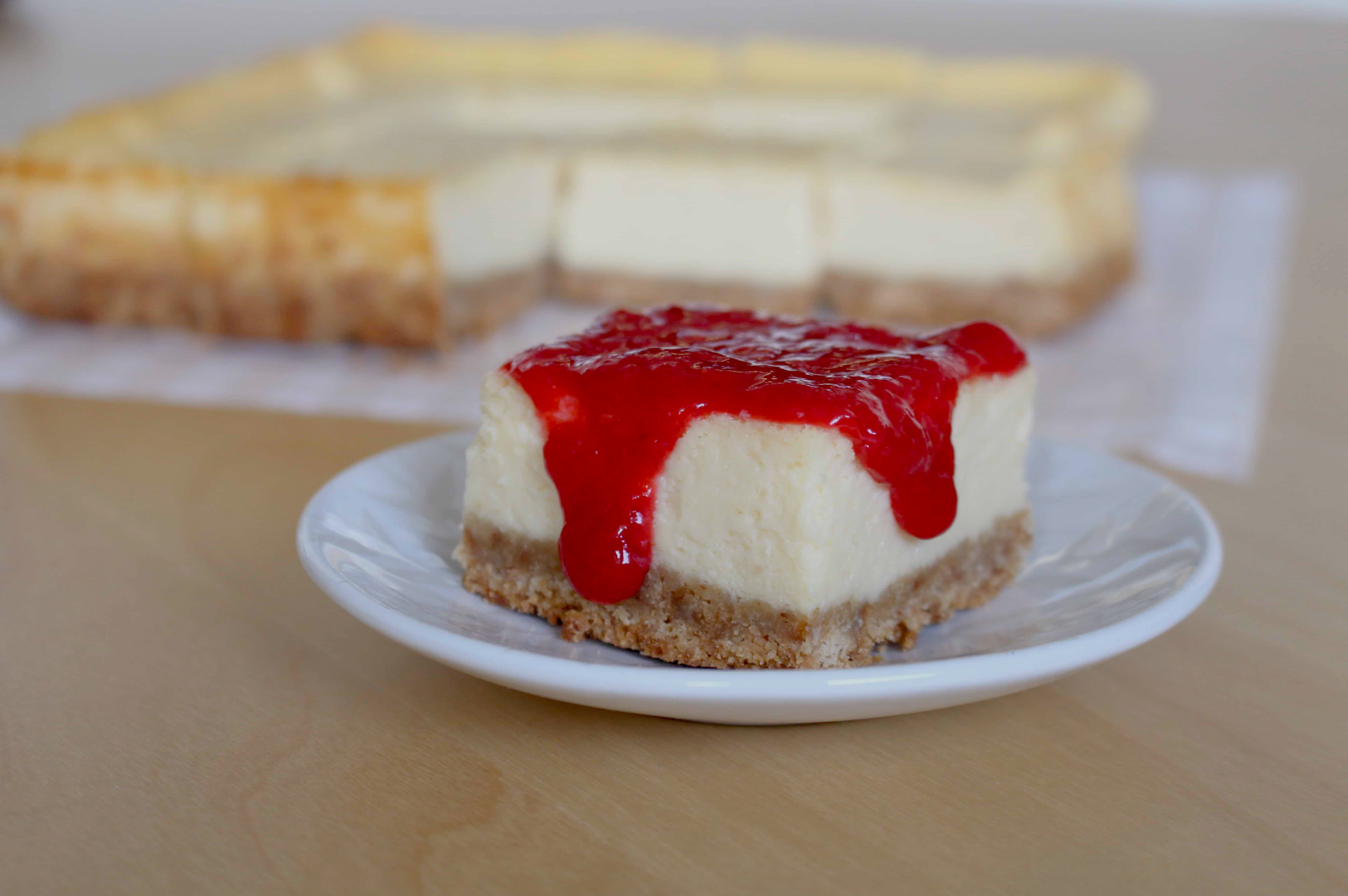
Leaving dairy products out on the kitchen counter often raises immediate questions about food safety reasons. Because cream cheese and eggs are perishable, they fall into a category of food that requires careful monitoring when exposed to room temperature. Understanding the boundaries of the danger zone allows for a stress-free serving experience.
The best rule of thumb followed by professionals is the two-hour limit. A traditional cheesecake can safely sit at room temperature for up to two hours without any measurable risk of bacterial growth. This window provides ample time for the chill to escape the cake, allowing it to soften into its ideal state without compromising health or safety guidelines.
If a party lasts longer than two hours, the remaining cake should return to the refrigerator in an airtight container to preserve freshness. It can always be brought back out in portions later. Protecting the food does not mean it needs to be eaten cold, it simply means managing the time it spends outside of refrigeration.
Letting the Baking Process Finish via a Proper Room Temp Cheesecake Sit
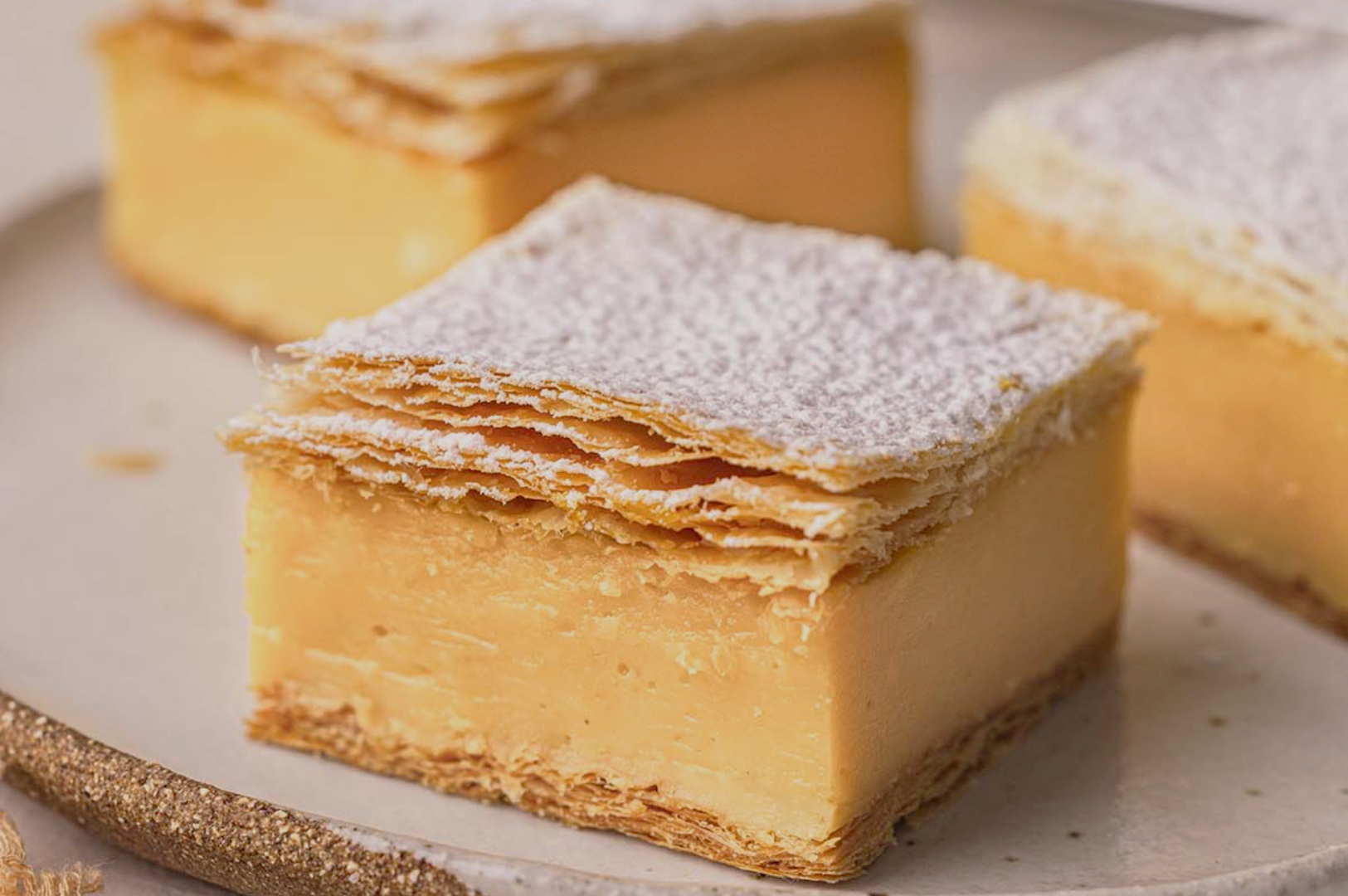
Achieving the perfect texture involves coordinating the oven cycle with the cooling timeline. Great recipes generally advise letting a cake cool slowly inside a turned-off oven with the door cracked, which begins cooking the final structural setting. This gradual drop in temperature prevents the surface from cracking as the internal structure settles and stops expanding.
Once the cake passes the visual jiggle test, it needs time to set completely in the fridge before the final warming step. A cake that bypasses the refrigerator entirely and goes straight from the oven to the counter will never firm up properly. The refrigerator locks the structure in place, while the final room temperature step softens it just enough to make every slice velvety and smooth.
This philosophy of physical comfort and structural balance is what guides modern pastry development, where other desserts often struggle to find the right equilibrium. At Daizu by Ki-setsu, the kitchen bypasses the heavy, sluggish finish of traditional formulations by mindfully blending premium soy milk and smooth silken tofu into the classic cream cheese base. The result is a Japanese soy cheesecake that maintains its stable consistency across temperatures, delivering a clean, refreshing profile that satisfies the palate without the physical burden of excess animal fats, making it a thoughtful option for any modern gathering in Singapore.