Two slices sitting side by side on a dessert menu can look like they belong to completely different food groups. One is pale, jiggly, almost shy looking. The other is dark on top, slightly collapsed in the middle, like it survived something. Both are called cheesecake. Both are made mostly from cream cheese, eggs, and sugar. So what happened.
This is the Japanese vs Basque cheesecake question that comes up the moment someone orders one expecting the other. The short answer is that these two styles took the same basic ingredients and asked completely different questions about what a cake should feel like in the mouth. For those searching for the best cheesecake Singapore has to offer, understanding these differences can help you choose the perfect dessert to satisfy your cravings.
What Japanese Cheesecake Is Actually Trying to Be
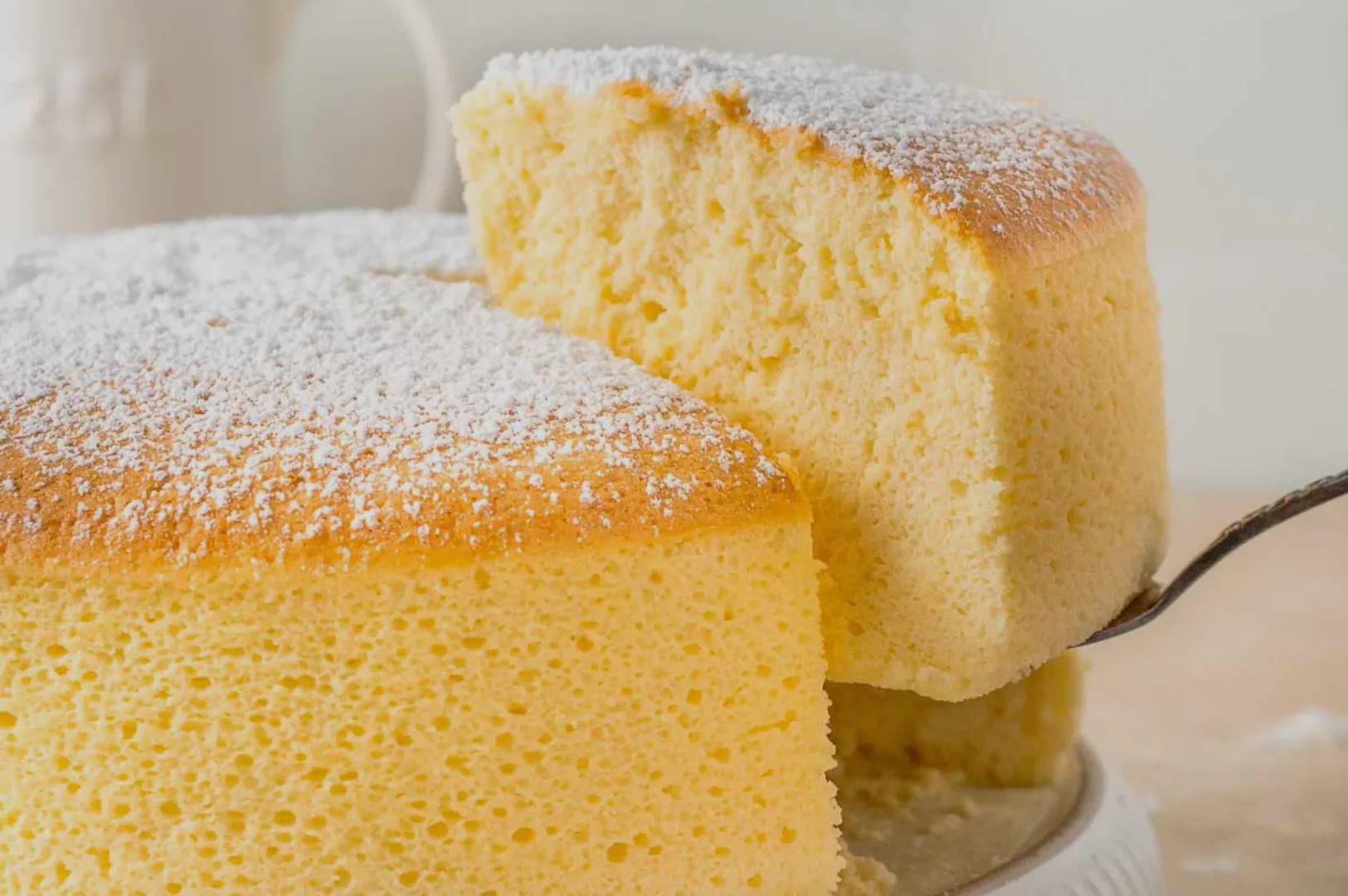
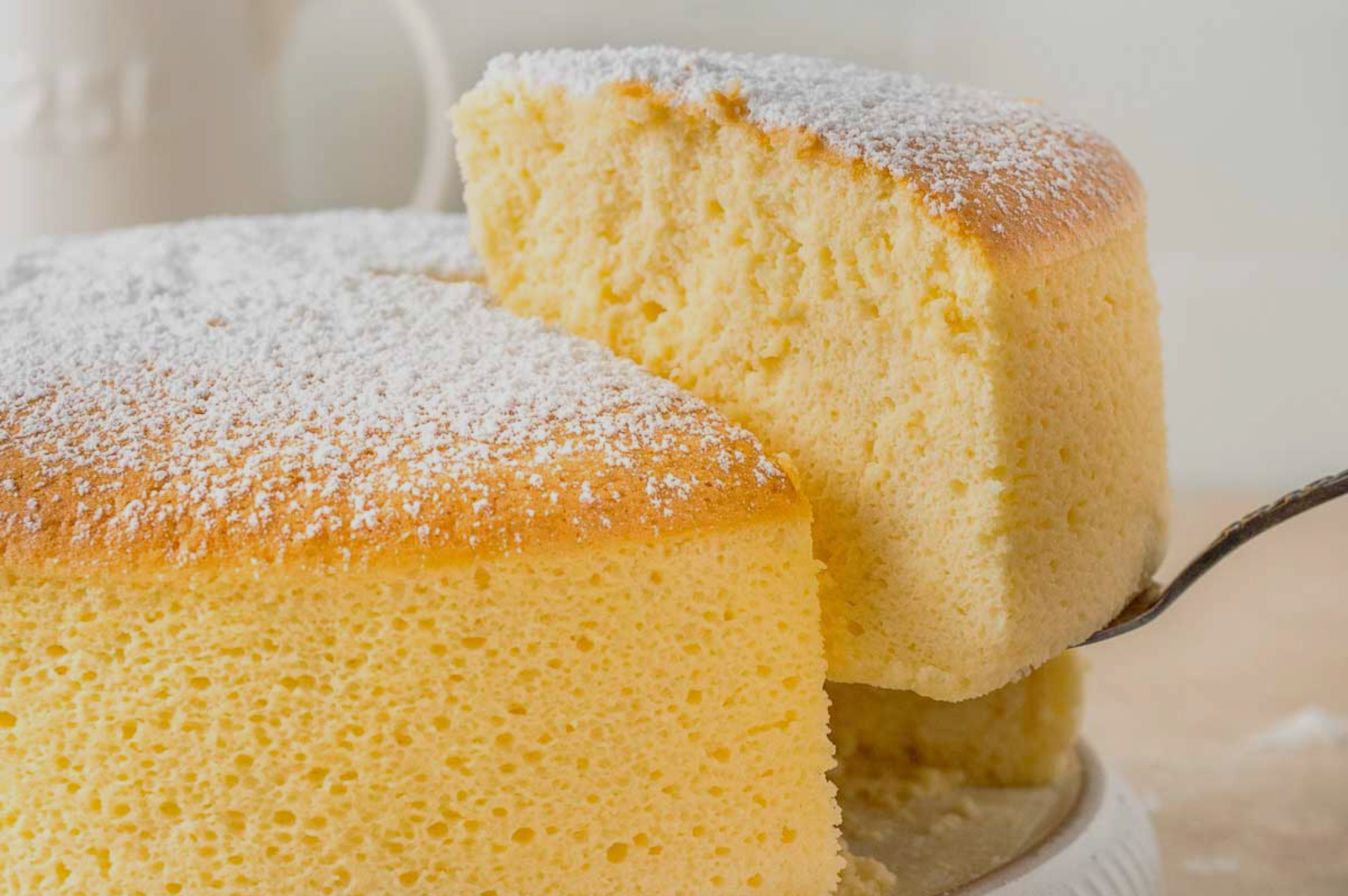
Japanese cheesecake, sometimes called Japanese cotton cheesecake, is built on a simple goal: lightness. The texture sits somewhere between a sponge cake and a soufflé, which is not an accident. Egg whites get whipped separately into a meringue, then folded gently into a batter made from cream cheese, egg yolks, and a bit of flour.
That meringue is doing the heavy lifting. It traps air bubbles that survive the bake, giving the final cake its signature bounce. Press a finger into a good Japanese cheesecake and it should spring back, not sink in like a regular sponge.
The bake itself happens slowly, often in a water bath, which keeps the oven gentle and the cake from drying out or cracking. The result is a dessert that tastes like cheesecake but behaves more like a cloud. Less sugar, less density, and noticeably fewer calories per slice compared to its denser cousins.
What Basque Cheesecake Is Actually Trying to Be
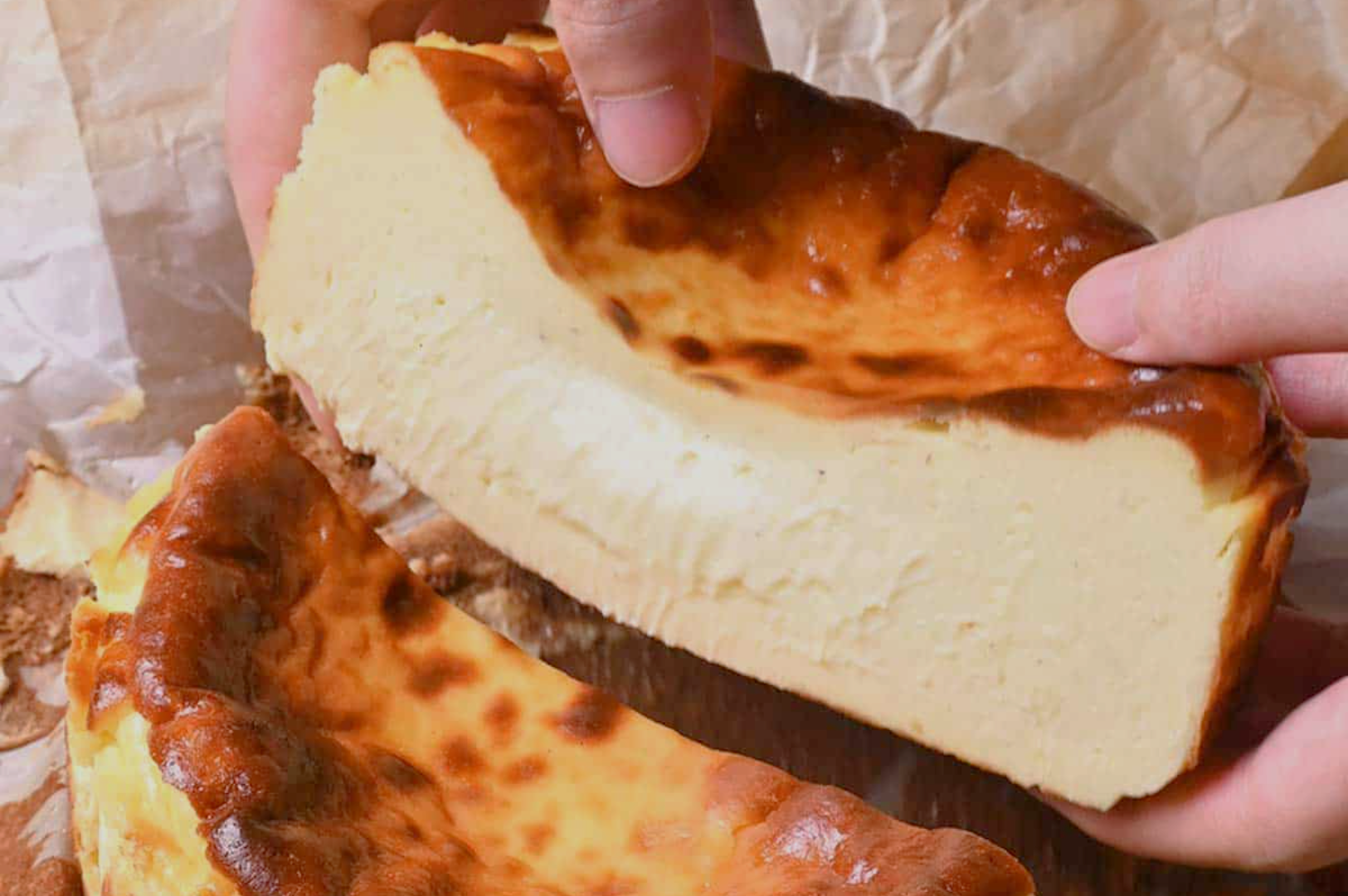
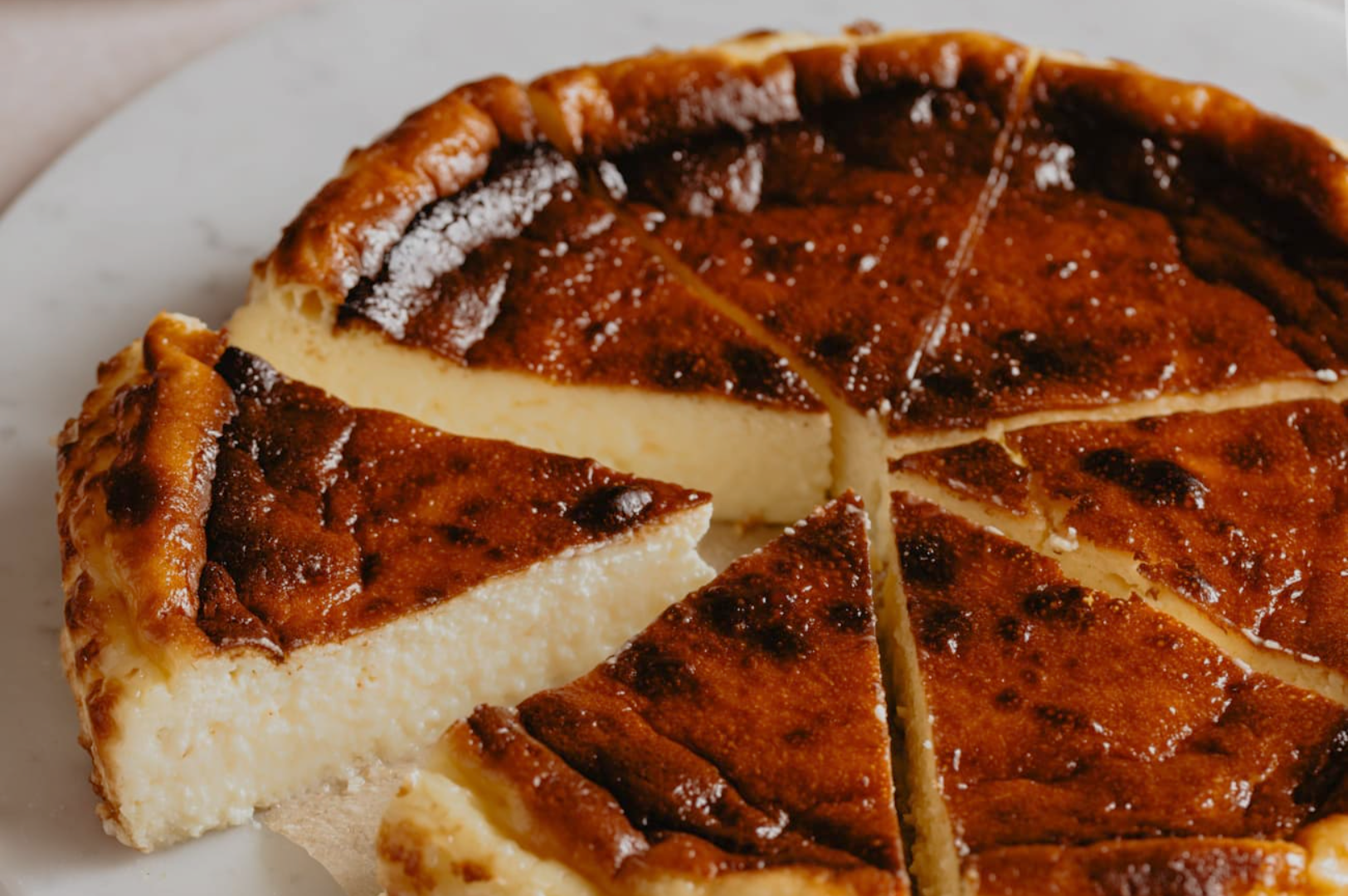
Basque cheesecake throws most of that delicacy out the window on purpose. This is a cake that wants contrast, not uniformity. The exterior gets deliberately scorched while the interior stays loose, almost custardy, like it never fully committed to being solid.
There is no water bath here. No careful temperature ramping. A Basque style cheesecake batter, usually just cream cheese, eggs, sugar, and heavy cream whisked together with barely any flour, goes straight into a hot oven and gets blasted with high heat until the top turns nearly black.
That burnt top is not a mistake. It is the entire point. The bitterness from the caramelized sugar on the surface plays against the rich, barely set center, creating a flavor that a smoother, more polished cheesecake could never produce.
The Basque Country’s Accidental Invention
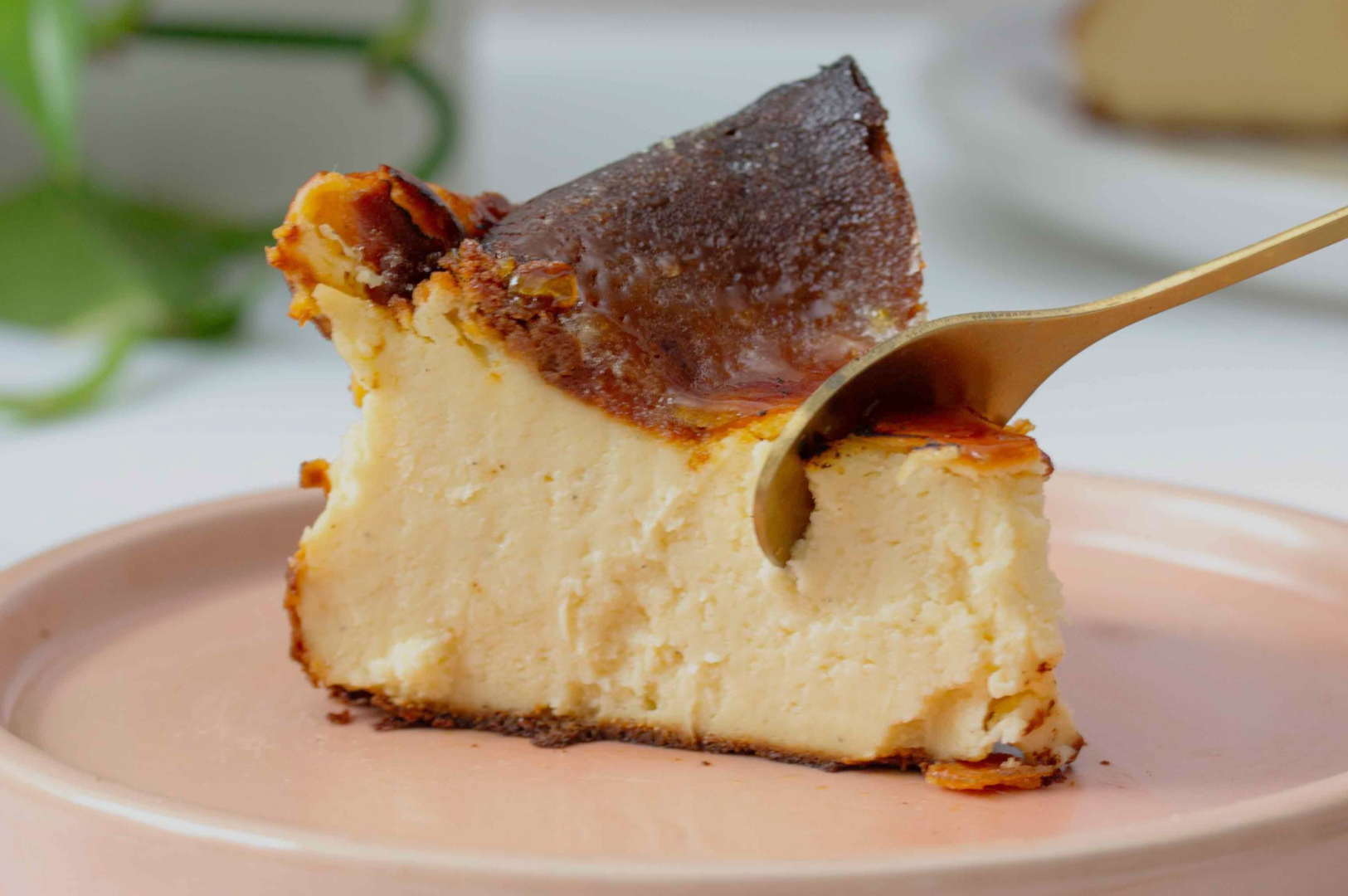
The Basque Country in northern Spain gets credit for this one, specifically a small pintxos bar in San Sebastián where a baker reportedly aimed for a cake that looked almost wrong on purpose. Instead of correcting the burnt top in later batches, the recipe kept it. That choice eventually traveled well beyond the Basque region and became its own global category.
Japanese cheesecake has a less romantic origin story. It developed in the 1960s and 70s as Japanese bakers experimented with chiffon and sponge techniques, eventually landing on something that borrowed the flavor of Western style cheesecake while keeping the texture closer to local sponge cake traditions popular after World War II.
Texture: Cloud Versus Custard
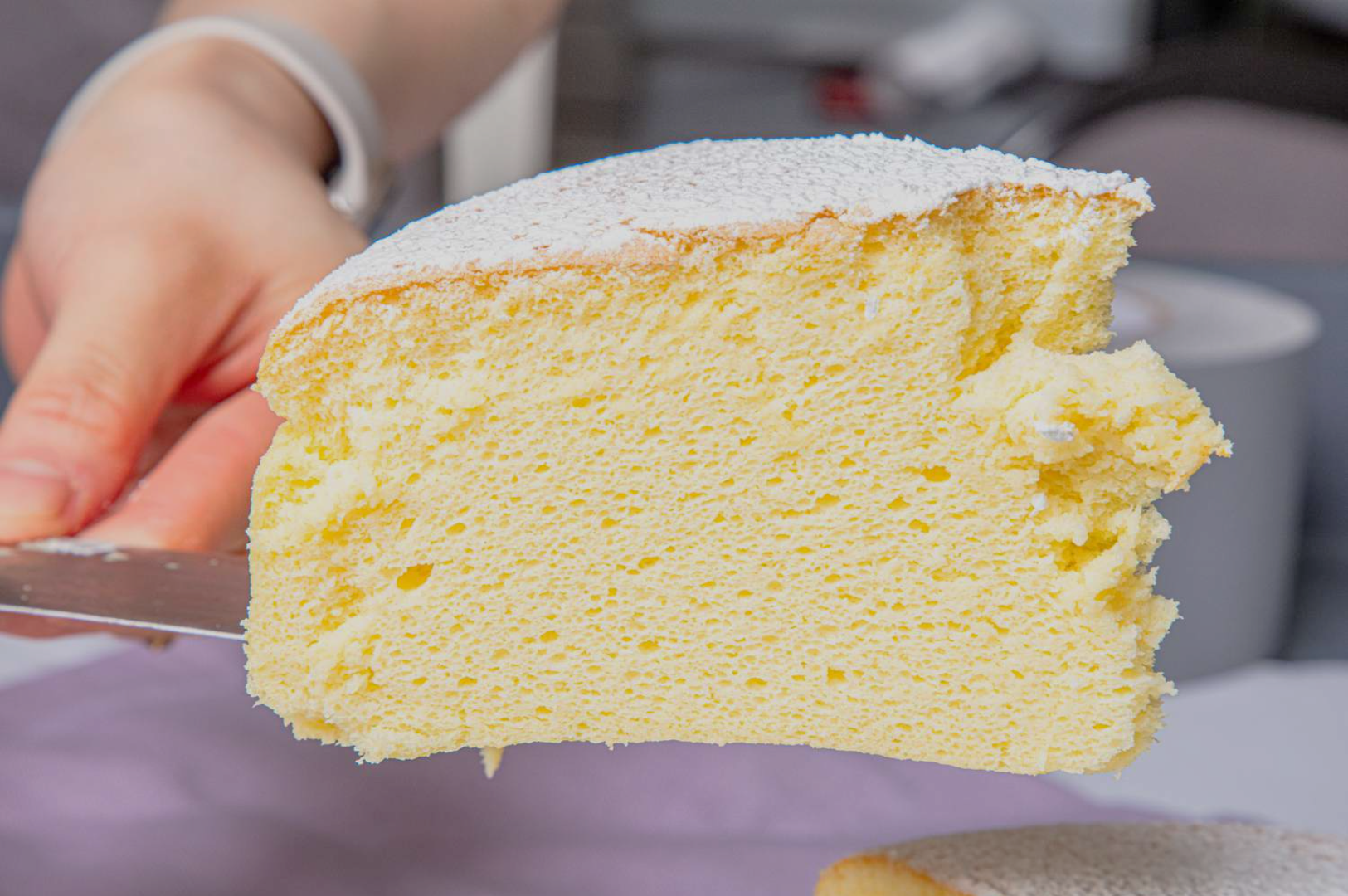
If there is one word that defines the gap between these two desserts, it is texture. Japanese cheesecake is airy, almost weightless, the kind of cake that seems to dissolve before it’s fully chewed. Basque cheesecake is the opposite: dense, gooey in the center, with a creamy texture that clings rather than floats.
A Basque cheesecake batter is intentionally underbaked in the middle. That gooey core is achieved by pulling the cake from the oven while the internal temperature is still rising, letting residual heat finish the job as it cools. Japanese cheesecake, by contrast, gets baked low and slow until it is fully set but still soft, more like a delicate custard wrapped in sponge.
Taste: Subtle Versus Bold
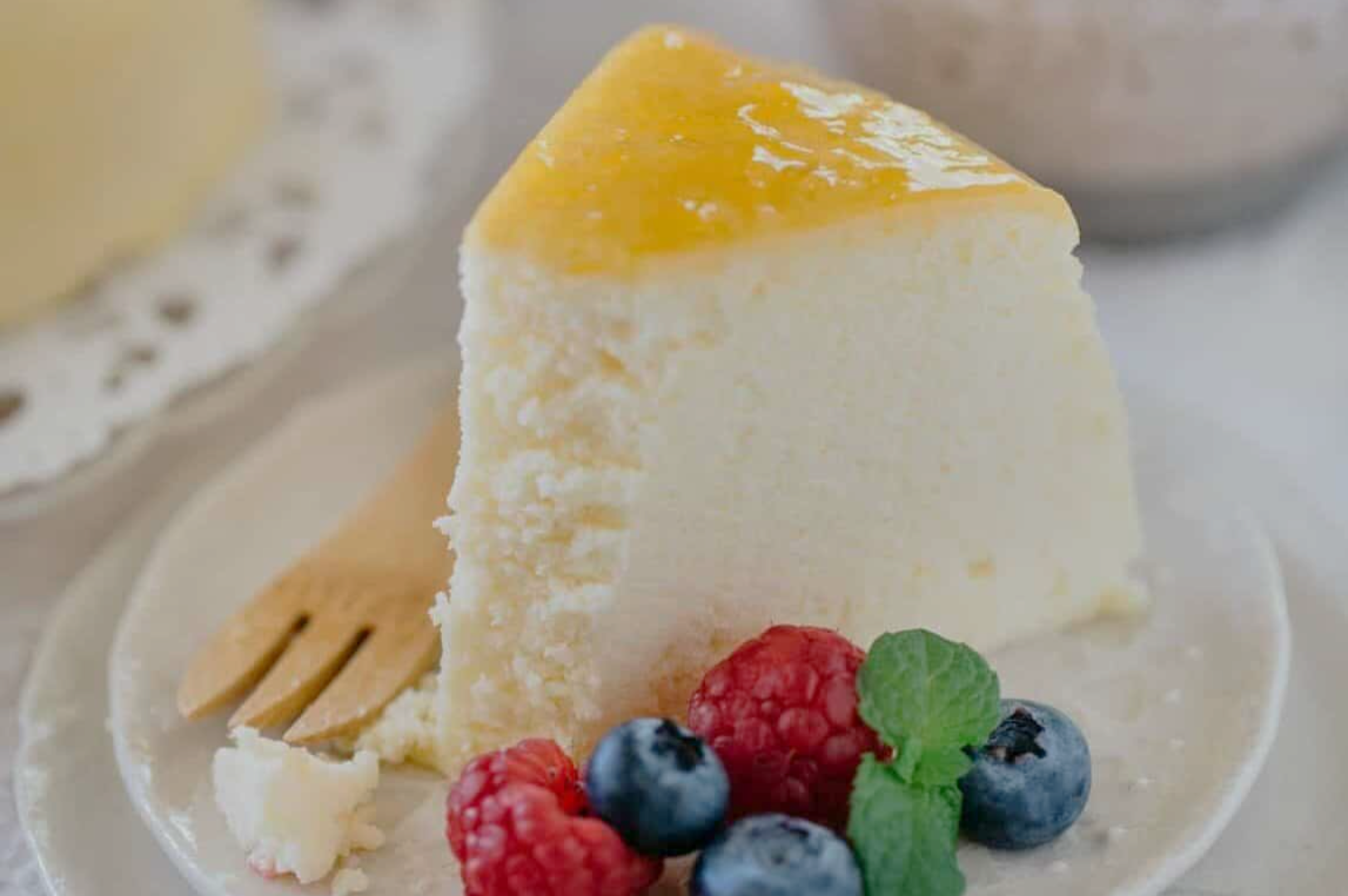
Japanese cheesecake tends to taste lighter across the board. Less sugar, a more delicate creamy flavor, often a hint of lemon or vanilla to keep things from feeling flat. It is the cheesecake equivalent of a quiet conversation.
Basque cheesecake leans into bigger flavor swings. The caramelized top brings a noticeable bitterness, while the custard center is rich enough that a thin slice feels substantial. Sour cream sometimes gets added to Basque recipes for extra tang, balancing out all that sweetness from the burnt sugar above.
How Each One Gets Built, Pan and All
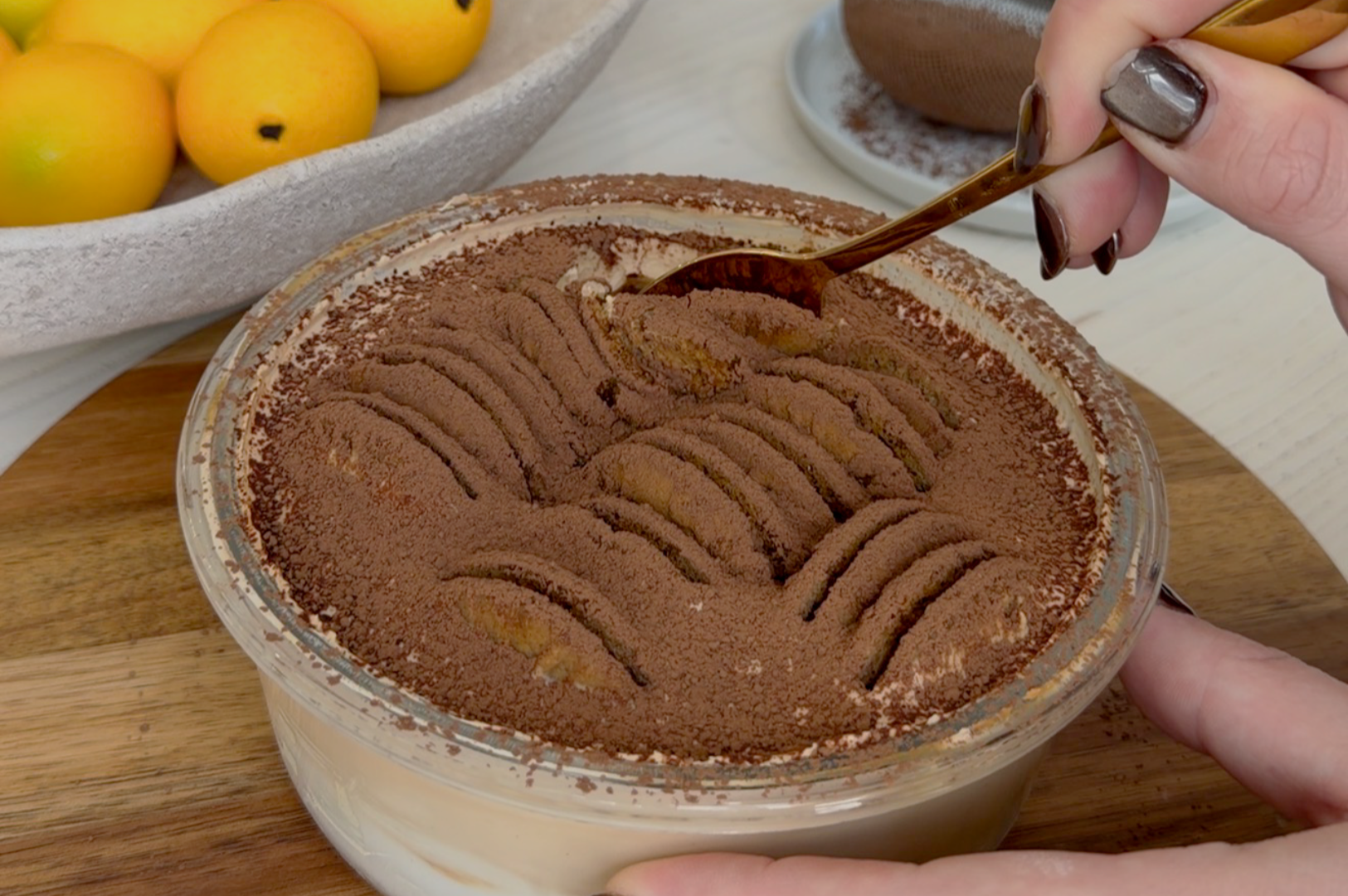
The equipment tells its own story. Japanese cheesecake usually goes into a round cake pan, often lined with parchment paper, then placed inside a larger pan filled with hot water for that gentle, steam assisted bake. Some recipes call for a fine mesh sieve to strain the batter first, removing any air bubbles or lumps that would disrupt the smooth crumb.
Basque cheesecake skips most of that ceremony. A springform pan lined generously with parchment paper, usually with extra hanging over the edges, is enough. There’s no crust, no crunchy base, no water bath. Just batter, high temperature, and patience while it blackens on top before chilling overnight in the fridge to firm up.
Where New York Cheesecake Fits Into the Comparison
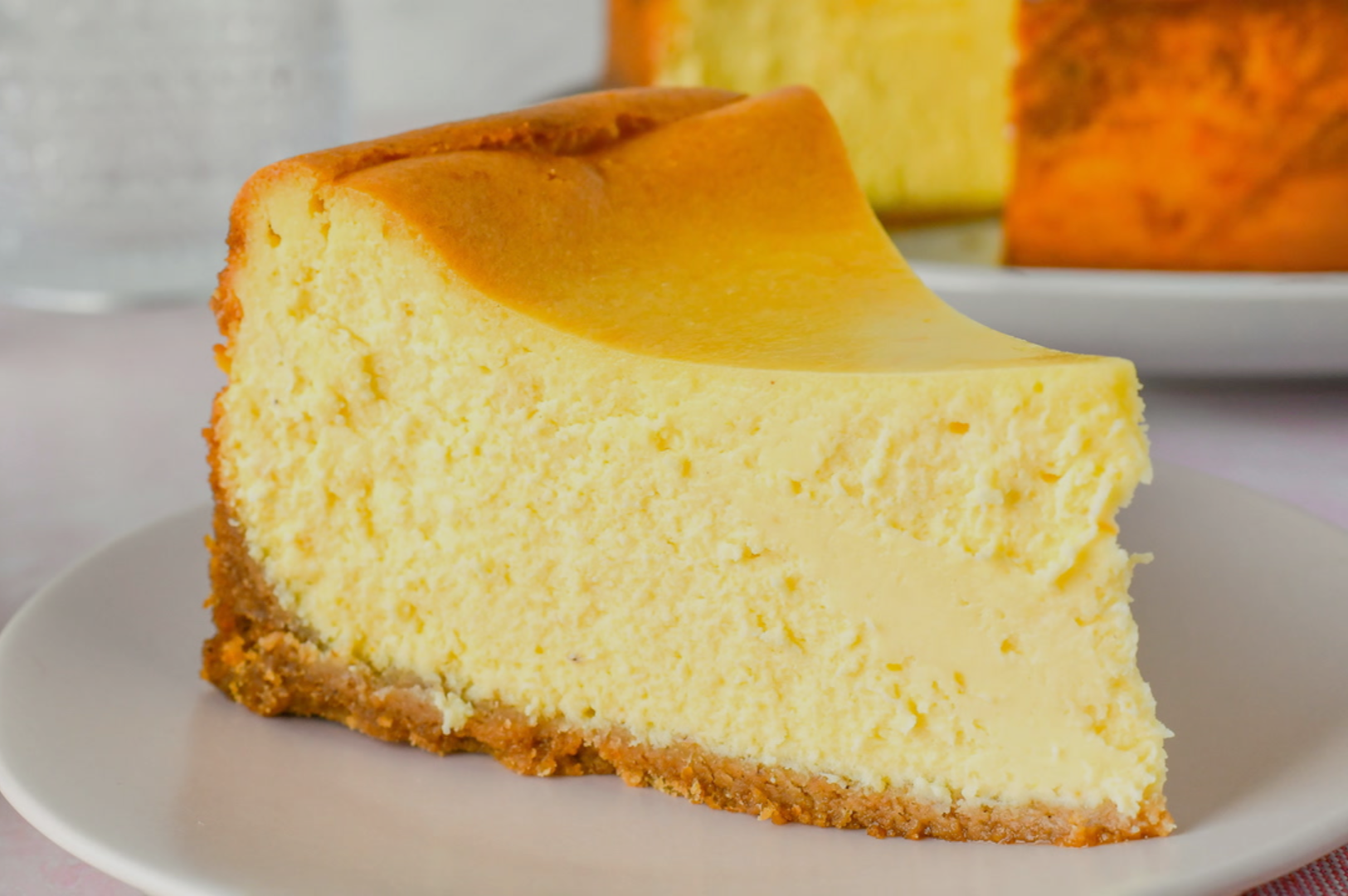
It helps to bring in a third reference point, since New York cheesecake is often what people picture when they hear the word cheesecake at all. A New York style cheesecake, made with Philadelphia cream cheese, eggs, and usually a graham cracker crust, is dense and rich but baked at a steady, moderate oven temperature rather than the extremes used for Basque.
New York style cheesecake sits firmly in the middle of the texture spectrum: creamier and more solid than Japanese cheesecake, but smoother and less dramatic than Basque. It is the classic dessert most people default to, which makes it a useful benchmark when explaining why the other two feel so different by comparison.
Read: Basque Cheesecake vs New York Cheesecake: Two Traditions One Obsession
Which One Actually Wins
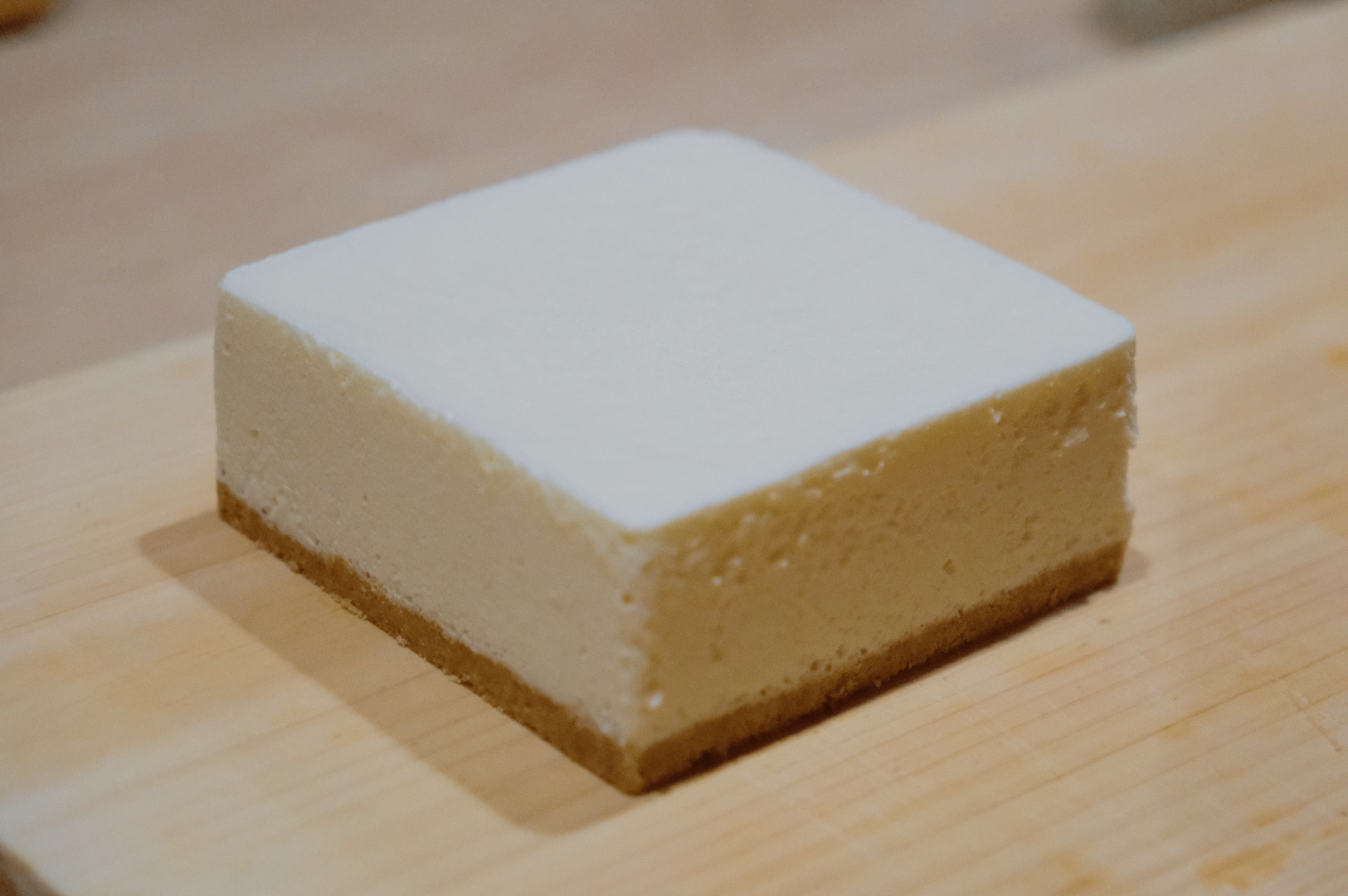
There isn’t a real winner here, just two different answers to the same question of what cheesecake should be. Someone who wants a dessert that feels light enough for a second slice will gravitate toward Japanese cheesecake. Someone chasing bold contrast, that snap between bitter top and molten center, will pick Basque every time.
What’s worth noticing is that both styles reward patience. A Japanese cheesecake needs a slow bake and a calm oven door to keep its structure from collapsing. A Basque cheesecake needs the opposite: nerve, a hot oven, and the discipline to let it look slightly wrong before it tastes completely right.
Daizu by Ki-setsu works from the Japanese side of that spectrum, leaning into soy based ingredients to keep the texture light while still holding onto that familiar creamy bite. For anyone who has just worked through the difference between airy and dense, soft and scorched, it offers a fairly direct way to taste where the Japanese approach lands without needing to bake either version at home.