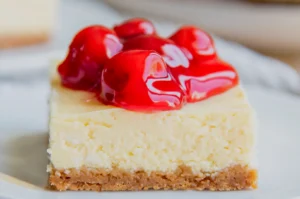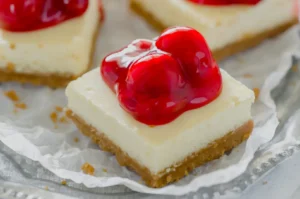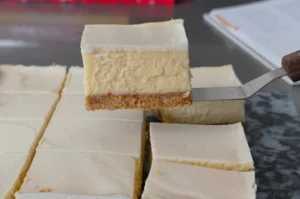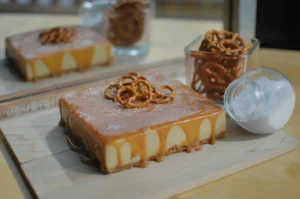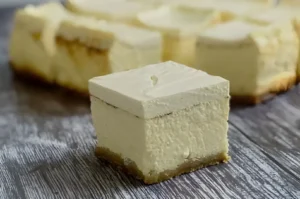
A drop of sugar water on a hot pan shows that sugar is more than just a flavoring. It transforms from solid to liquid, acting as a powerful humectant and structural modifier. In a cheesecake, the sweetness level regulates how the proteins in the dairy and eggs coagulate, making it a technical necessity for bakers to master.
Changing the sugar content shifts the dessert’s entire density. Too much sugar can lead to a softer, almost fluid state, while too little can result in a rubbery texture or a cracked surface. A disciplined approach to sweetness ensures that sugar serves the texture as much as the palate. Anyone hoping to create the best cheesecake in Singapore must understand this balance.
How Sugar Concentrations Dictate Structural Integrity
The structural integrity of a cheesecake depends on a stable protein network. Sugar molecules are hygroscopic, meaning they attract and hold water. This property is crucial during the baking process. By binding with the water in the batter, sugar delays the coagulation of the egg proteins.
This delay allows the cheesecake to rise evenly and prevents the proteins from bonding too tightly. If the proteins bond too quickly, the result is a grainy or curdled mouthfeel. The right sweetness level acts as a buffer, ensuring the proteins set into a smooth, composed texture. If the sugar content is too high, the lattice becomes too weak to support its own weight, leading to a collapse once the cake is removed from the heat.
The Role of Sugar in Managing Density Profile
A well-structured cheesecake requires a specific density profile. Sugar contributes to this by adding non-volatile solids to the batter. These solids occupy space between the fat globules and the protein strands. This creates a more substantial palate weight.
If a recipe uses very little sugar, the density profile becomes thin. The mouthfeel lacks the necessary resistance that signifies a premium dessert. Finding the right sweetness level means balancing these solids to achieve a yielding yet firm consistency.
Preventing Cohesion Failure and Surface Cracking
Surface cracks are often the result of a moisture imbalance. Because sugar retains moisture, it keeps the top layer of the cheesecake supple as it bakes. This elasticity allows the cake to expand and contract without the surface breaking.
When the sweetness level is too low, the surface dries out prematurely. The tension causes the cake to pull apart. By maintaining a precise sugar ratio, a maker ensures that the textural consistency is preserved from the center to the very edge of the slice.
Why Sweetness Levels Influence Palate Weight and Mouthfeel
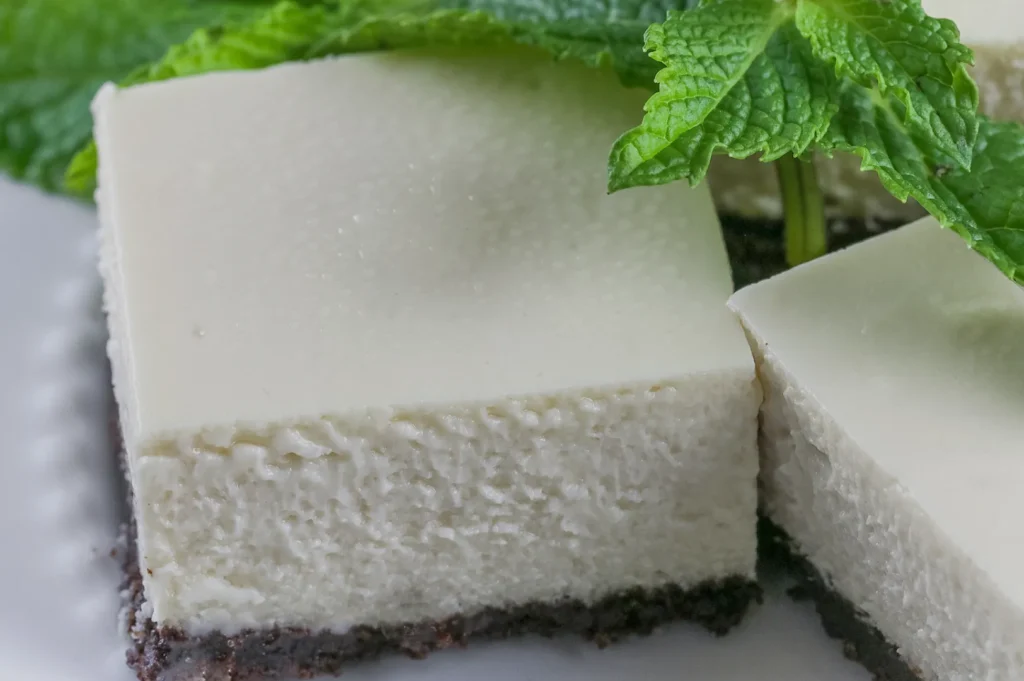
Palate weight is the perceived heaviness of a substance in the mouth. Sugar increases this weight by thickening the liquid phase of the batter. A higher sweetness level creates a coating effect on the tongue, which is often associated with traditional, heavier dessert styles.
In refined pastry, the goal is often to reduce this coating effect to achieve a balanced finish. When the sweetness is dialed back, the palate weight feels lighter. This allows the subtle nuances of the primary ingredients to emerge. The mouthfeel becomes cleaner, and the finish on the palate is less cloying.
Achieving a Balanced Finish through Measured Sweetness
The finish on the palate is the final sensory impression left after swallowing. If a cheesecake is overly sweet, the sugar lingers, masking the natural acidity and saltiness of the cheese. This results in richness fatigue, where the taster is unable to enjoy more than a few bites.
A measured approach to sweetness provides a brief, clean finish. It cleanses the palate for the next bite rather than coating it in a sugary film. This balance is essential for maintaining the diner’s interest throughout the entire portion.
How Sugar Interactions Affect Textural Consistency
Textural consistency refers to the uniformity of the bite. Sugar helps maintain this by ensuring that the fats and liquids remain emulsified. In a well-sweetened batter, the fat globules are less likely to coalesce and separate.
This results in a smooth mouthfeel that does not feel oily. If the sweetness level is incorrect, the emulsion may break during baking. This leads to a greasy texture or a cake that feels wet on the tongue. Precision in sugar measurement is therefore a prerequisite for a composed texture.
The Relationship Between Sugar and Ingredient Clarity
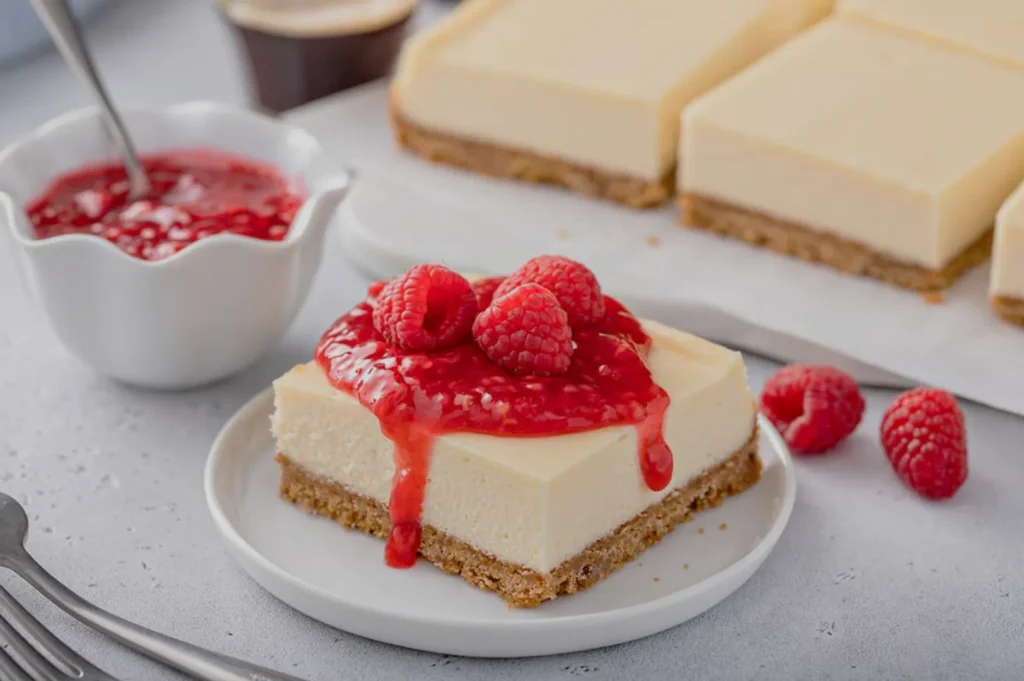
Sugar is an enhancer, but it can also be a distractor. At high levels, it saturates the taste buds, preventing them from detecting the delicate notes of high quality dairy or alternative proteins. Finding the right sweetness level is about finding the point where the sugar amplifies the primary ingredients without overshadowing them.
In many dessert traditions, sugar is used to mask lower quality ingredients. In a dessert institution where materials are selected for their specific flavor profiles, such masking is unnecessary. A lower sweetness level is often a sign of confidence in the raw materials used.
Managing Flavor Release through Sweetness Control
The speed at which a flavor is released on the tongue is influenced by the sugar content. Sugar slows down the release of aromatic compounds. A highly sweetened cheesecake will have a delayed flavor profile.
A more restrained sweetness level allows for an immediate flavor release. The taster perceives the complexity of the cheese and the base materials instantly. This creates a more dynamic and engaging sensory experience.
Refining the Profile for a Modern Market
The modern premium market has shifted toward a preference for lower sweetness. This shift is not just about health. It is about a desire for a more sophisticated and balanced dessert. A refined sweetness level allows for a lighter interpretation of classic profiles.
By moving away from excessive sugar, makers can focus on the technical aspects of the bake. They can experiment with different density profiles and mouthfeels that were previously hidden by sugar. This leads to a more diverse and interesting landscape of textures.
Finding the Right Sweetness Level for Structural Balance
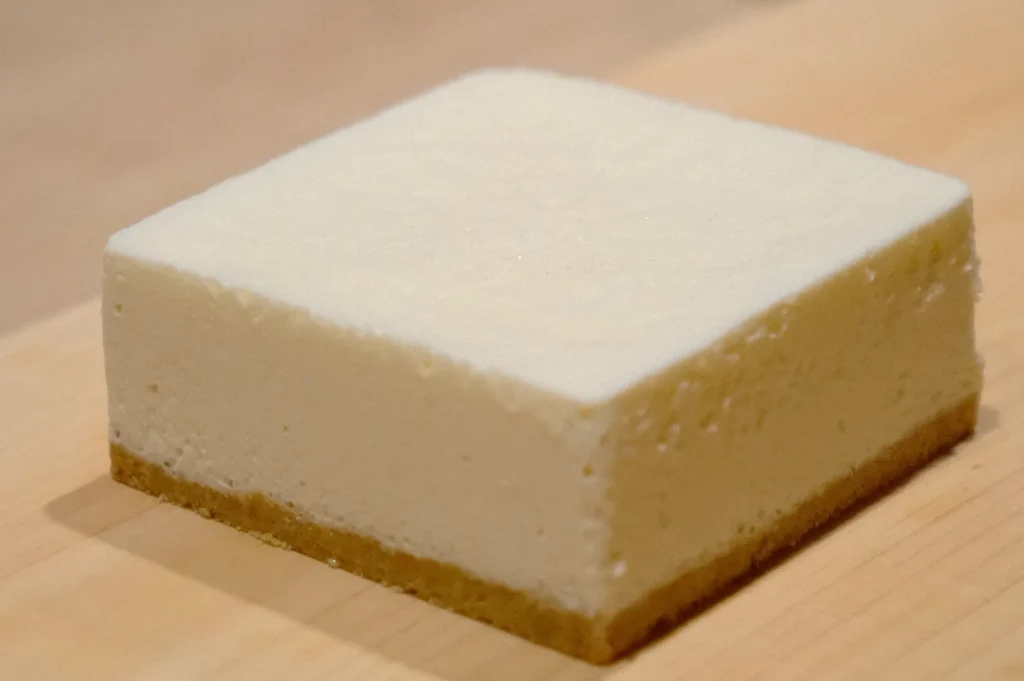
The final determination of the sweetness level must consider both the taste and the physics of the cake. It is a search for equilibrium. The sugar must be sufficient to protect the protein network and provide a satisfying palate weight, but not so high that it compromises the balanced finish.
A well-designed cheesecake reflects this equilibrium. It stands as a testament to the maker’s understanding of their ingredients. Every gram of sugar is accounted for, serving a specific purpose in the creation of a composed texture and an intelligent flavor profile.
At Daizu by Ki-setsu, we approach this balance with a focus on our soy-integrated base. We recognize that finding the right sweetness level is critical when working with the subtle, nutty notes of soy. We offer a refined alternative to traditional dairy-heavy cakes by significantly reducing the sugar content. By treating sugar as a technical component rather than a simple sweetener, we ensure that every slice delivers a clean, sophisticated mouthfeel that respects the palate.