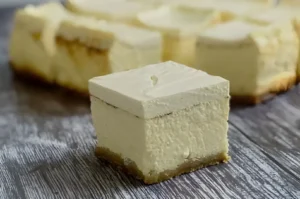
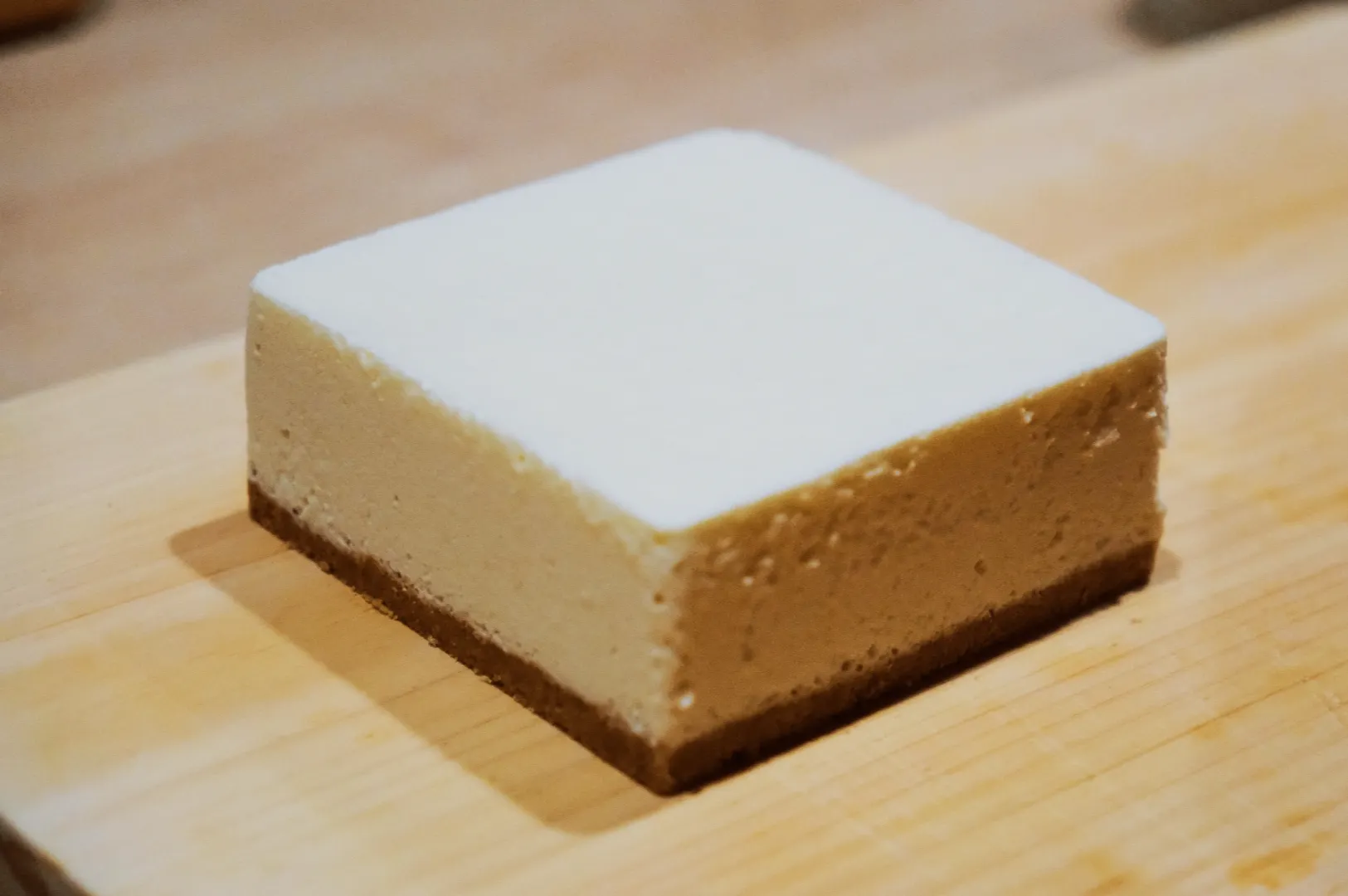
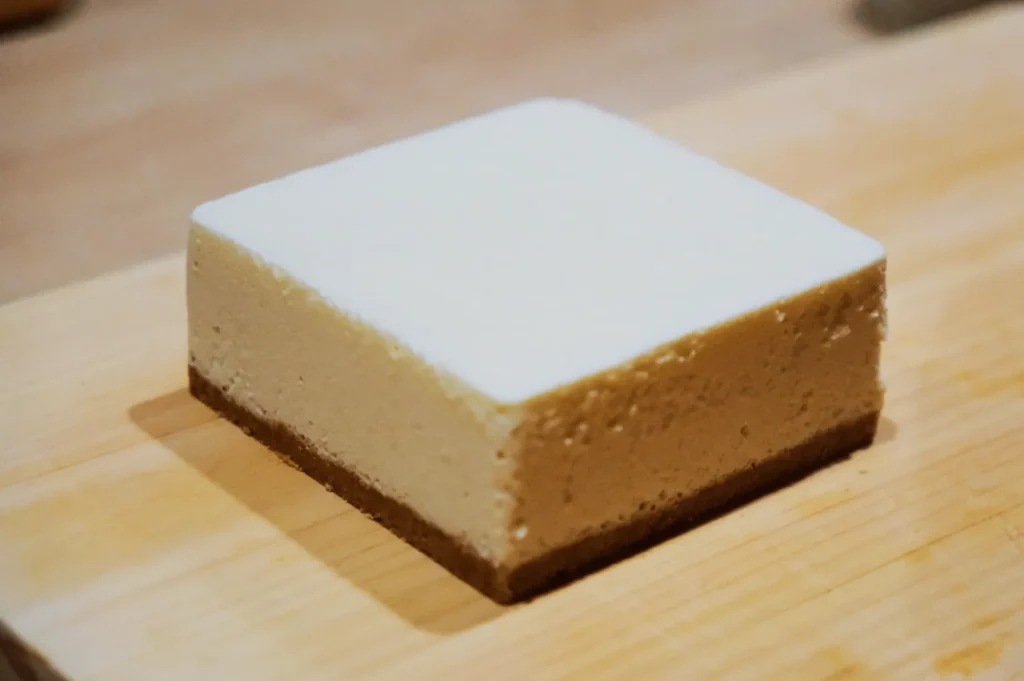
Ever feel a waxy film on your tongue after eating a traditional dessert? That’s the animal fat in ingredients like cream cheese and heavy cream. While these fats give a classic cheesecake its density, they can often dull its flavour.
The shift to soy-based cheesecakes isn’t just about cutting calories; it’s a culinary pursuit for a cleaner taste. By swapping some of the heavy animal lipids for plant-based proteins and unsaturated fats, the dessert’s mouthfeel is completely transformed. This article explores why different types of healthy cheesecake, particularly soy-based ones, feel cleaner and how this change affects the overall sensory experience.
The Chemical Reason Behind Palate Coating and Residue
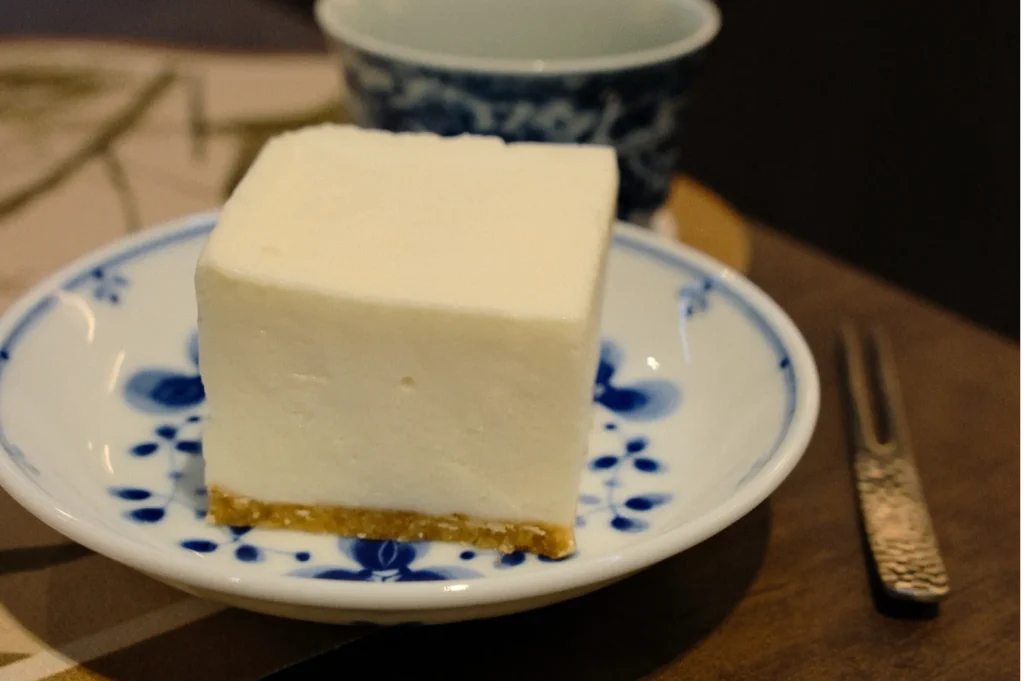
The primary difference between a soy-based cheesecake and a traditional dairy-heavy one lies in the melting point of the fats involved. Milk fats are largely saturated and have a relatively high melting point. In many cases, these fats do not fully emulsify at the ambient temperature of the human mouth.
This results in a physical coating of the taste buds. When the palate is coated, it becomes difficult to perceive subtle flavor notes. The sensation is one of weight rather than flavor clarity. A soy-based alternative utilizes fats and proteins that dissipate more efficiently, ensuring that the finish on the palate remains unburdened.
How Plant-Based Lipids Manage Surface Tension
Soy lipids possess a different molecular structure compared to bovine dairy. They tend to have a lower surface tension when integrated into an emulsion. This means that as the cheesecake breaks down during consumption, the fats do not cling to the oral mucosa with the same tenacity.
Instead of a heavy, adhesive residue, the soy components allow for a clean break. The taster experiences the richness of the dessert without the physical after-effects of high-lipid saturation. This technical distinction is what separates a cleaner mouthfeel from a merely lighter one.
The Role of Protein Concentration in Sensory Satiety
Richness fatigue is often accelerated by high fat-to-protein ratios. In traditional cheesecake construction, the fat content is often three to four times higher than the protein content. This imbalance leads to a rapid sense of fullness that can become cloying.
Soybeans are naturally high in protein. When these proteins are used to provide structural integrity, they displace a portion of the fat. This shift creates a more balanced density profile. The taster feels satisfied by the substance of the cake rather than overwhelmed by the volume of the lipids.
Why Structural Integrity Does Not Require Excess Saturated Fat
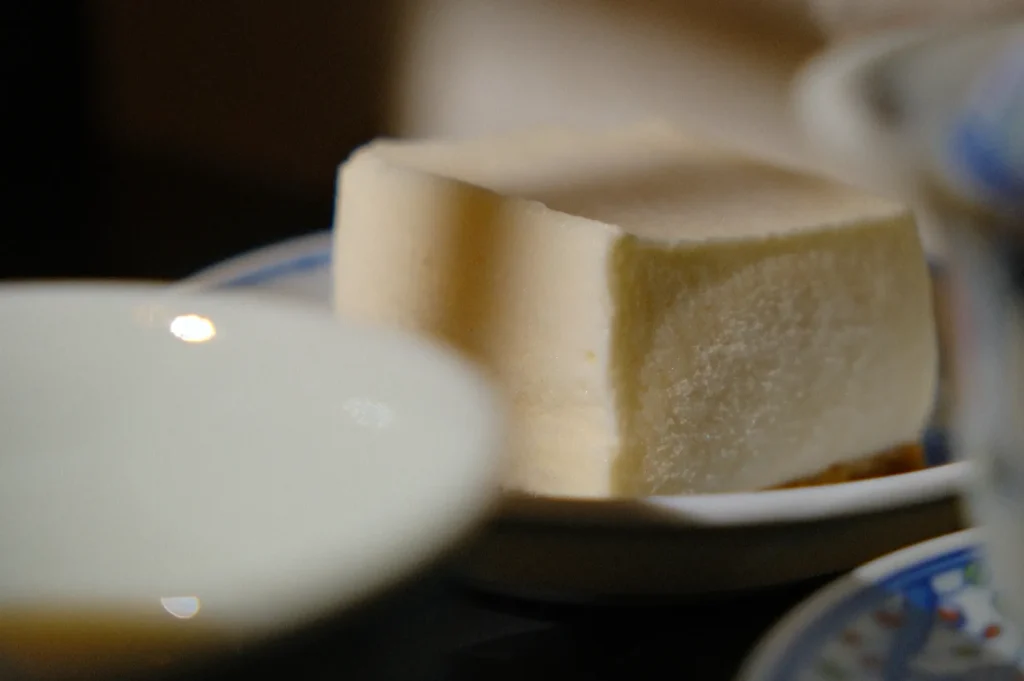
There is a misconception that a firm, sliceable cheesecake must be inherently heavy. This belief stems from the reliance on chilled animal fats to provide a set. When these fats are cold, they are rigid. As they warm, they soften, often leading to a loss of form if the cake is not consumed immediately.
Soy proteins provide a different structural approach. Through precise coagulation and the use of natural gelling properties, soy can maintain a well-structured form at room temperature. This stability is achieved through a protein network rather than a lipid one.
Achieving a Composed Texture Without Gummy Stabilizers
Many commercial cheesecakes use gums or starches to mimic a clean break when they lack high-quality fats. While these additives provide a firm appearance, they often result in a gummy mouthfeel. The texture feels artificial and lacks the yielding resistance of a true custard-based dessert.
A soy-integrated recipe allows for a composed texture that remains honest to its materials. The proteins provide a natural firmness that feels intentional. This eliminates the need for fillers that would otherwise cloud the flavor profile and compromise the textural consistency.
The Impact of Moisture Retention on Palate Weight
Soy proteins are highly effective at binding moisture. This capability allows for a cheesecake that remains hydrated without being oily. In a standard dairy cake, moisture is often lost during the baking process, leaving behind a concentrated mass of fat and solids.
The retention of moisture in a soy-based cake contributes to a lower palate weight. The cake feels moist and refreshing. It does not demand a drink to clear the palate after each bite, as the finish on the palate is naturally balanced and clean.
Comparing the Finish on the Palate Between Fat Sources
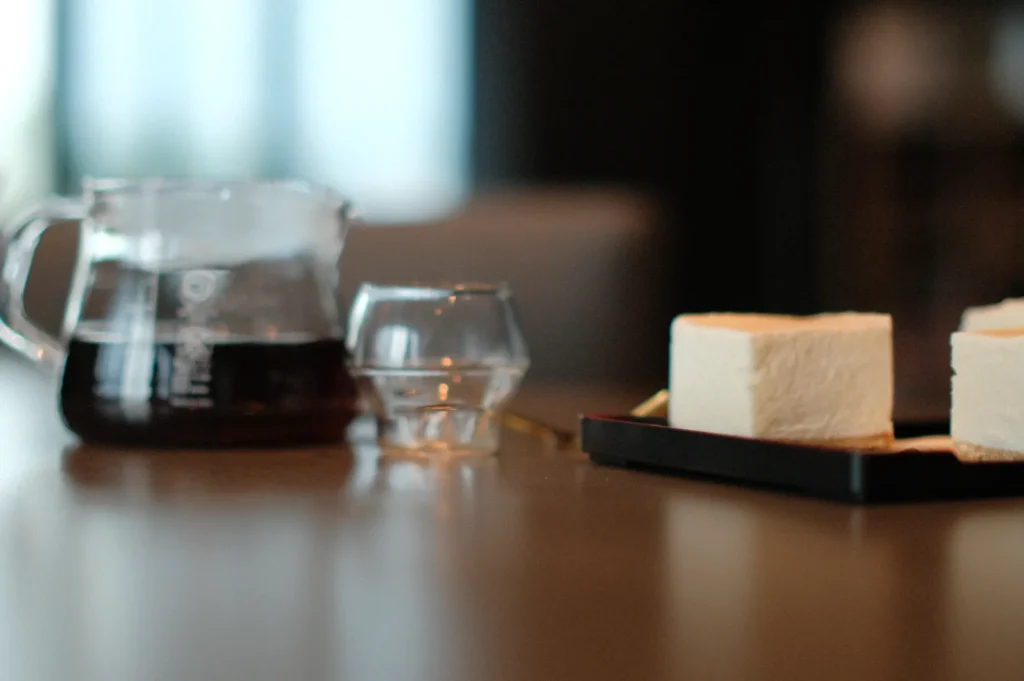
To understand why soy-based cheesecakes feel cleaner, one must analyze the finish. A finish is the final impression left on the tongue. In a dairy-heavy cake, the finish is often long and creamy, which some enjoy, but it can also be cloying and obstructive.
A soy-based finish is linear and sharp. It delivers the flavor of the cheese and any additional aromatics with high clarity, then disappears. This allows the taster to appreciate the nuance of each ingredient without the interference of a lingering lipid film.
The Relationship Between Fat Source and Flavor Clarity
Flavor molecules are often fat-soluble. When they are trapped in heavy animal fats, they are released slowly as the fat melts. If the fat does not melt cleanly, the flavor is never fully realized. It remains muted beneath the weight of the dairy.
Because soy fats and proteins integrate differently, the release of flavor is more immediate. The palate perceives the sweetness and the tang of the cheese with greater intensity. This means that less sugar and fewer aromatics are needed to achieve a sophisticated flavor profile.
The Technical Benefit of Textural Consistency
Textural consistency is more easily maintained when the fat source is stable. Soy components do not separate as easily under varying temperatures as dairy fats might. This ensures that every slice, from the edge to the center, offers the same mouthfeel.
A consistent texture is a sign of a well-engineered dessert. It proves that the maker has mastered the relationship between their ingredients and their thermal application. For the consumer, it provides a reliable experience that emphasizes quality over sheer volume.
Solving the Problem of Heavy Palate Weight Through Soy Integration
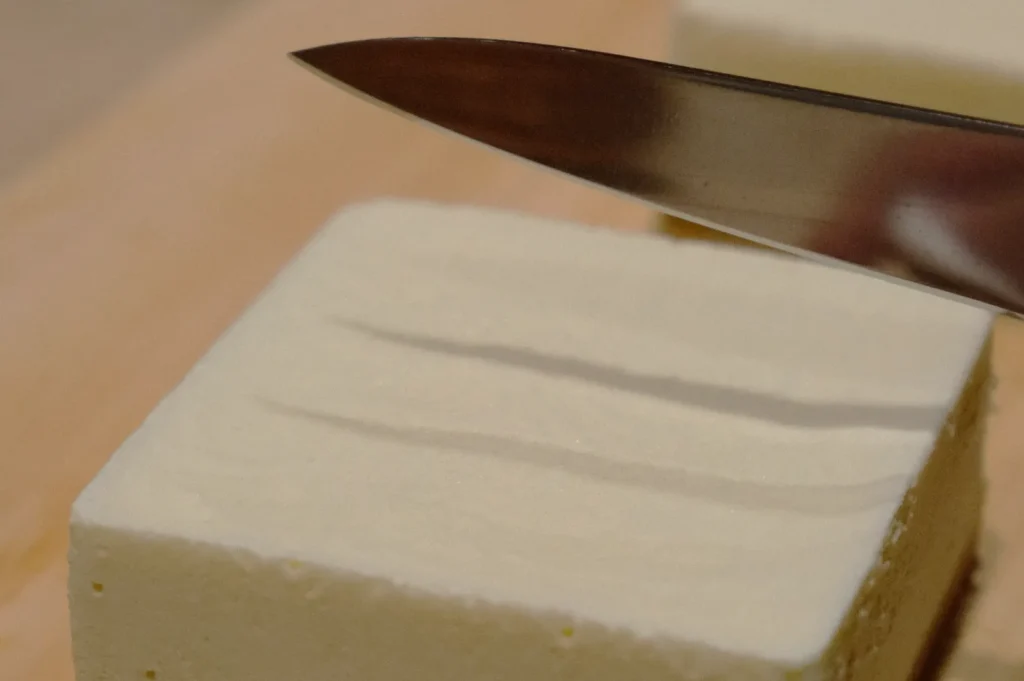
The demand for a cleaner dessert experience is a reflection of a more informed consumer base. Diners in Singapore are increasingly aware of how different materials affect their sensory experience. They are no longer satisfied with desserts that leave them feeling weighed down.
The transition to soy-based foundations is a response to this shift. It is a way to provide the luxury of a well-composed cheesecake while respecting the palate’s need for clarity and balance. It is an exercise in restraint that yields a more refined result.
At Daizu by Ki-setsu, we prioritize this cleaner sensation in every cake we produce. We understand that the true value of a dessert lies in its ability to be enjoyed in its entirety without the onset of richness fatigue. By utilizing soy to manage our density profile and palate weight, we offer a different structural approach that differs from traditional heavy interpretations. Our cakes are designed to provide a balanced finish and a composed texture that remains consistent from the first bite to the last.