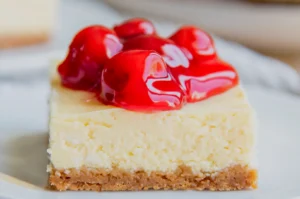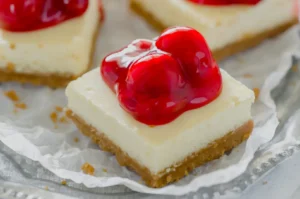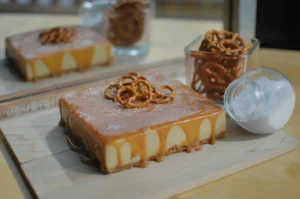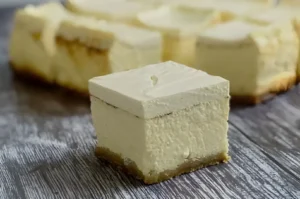
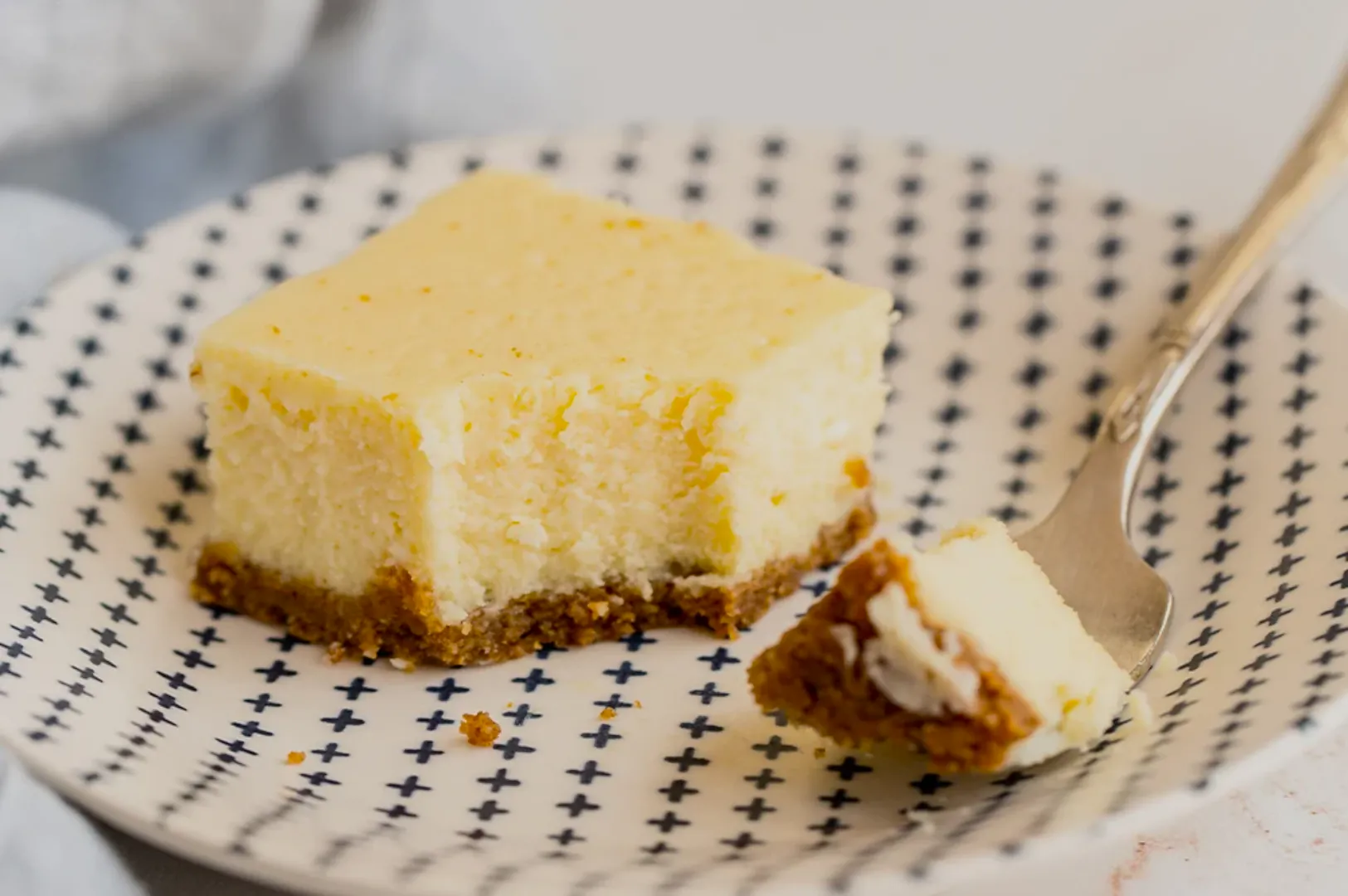
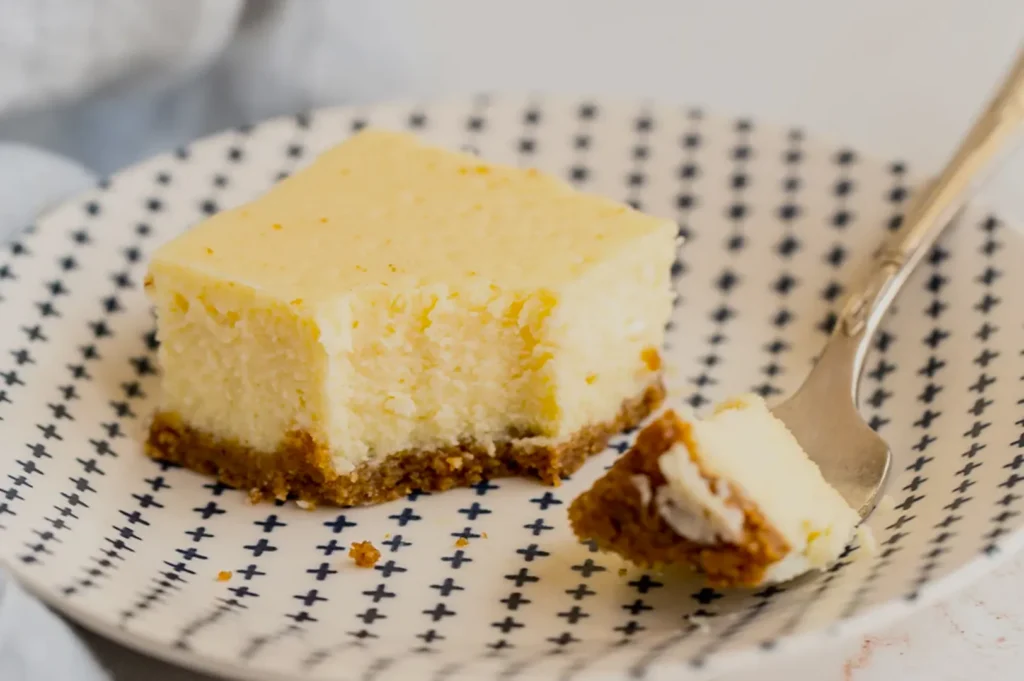
A pastry display in Singapore often features an array of cheesecakes adorned with fruit compotes, chocolate ganache, or whipped cream. While these additions offer visual appeal, they frequently serve to obscure the fundamental quality of the base. A cheesecake that requires heavy masking agents suggests a lack of confidence in its own structural integrity. The most accomplished iterations of this dessert favor simplicity, allowing the density profile and finish on the palate to speak for themselves.
When a cheesecake is well-structured, it does not need exterior distractions. The focus shifts entirely to the mouthfeel and the precision of the bake. For those who appreciate the technical nuances of pastry, a plain slice acts as a testament to the maker’s mastery of temperature and composition.
The Technical Requirement for Self-Sufficiency in Density
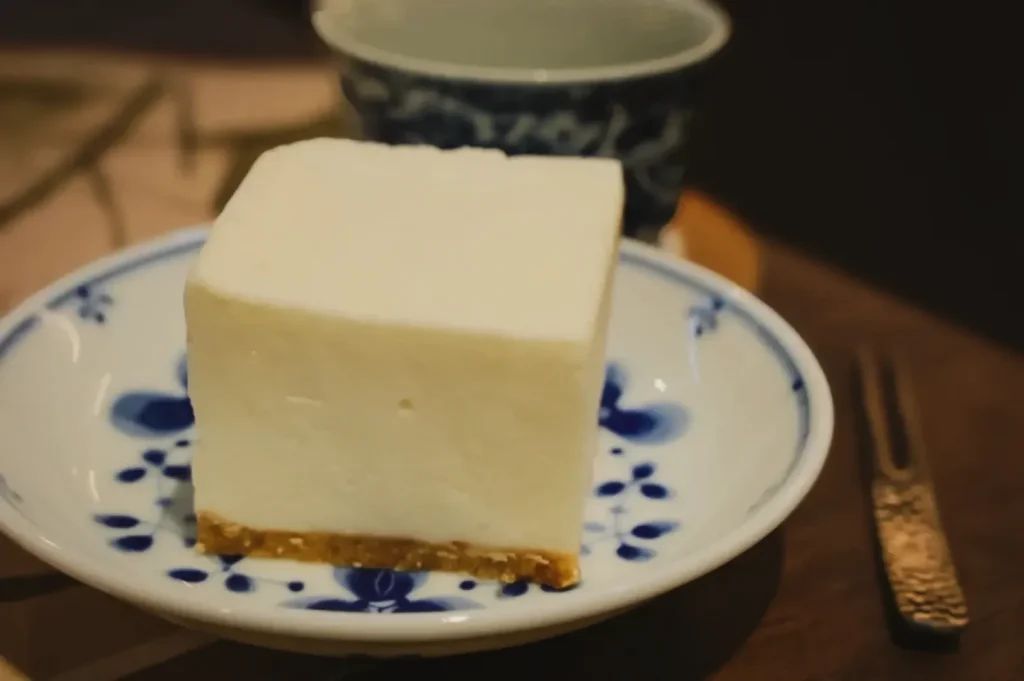
A cheesecake that relies on its own composition must achieve a perfect balance of protein coagulation and fat emulsion. This requires a disciplined approach to the recipe. If the maker relies on starch or thickeners, the texture becomes gummy or unnecessarily dense. A self-sufficient cheesecake achieves its structure through the natural bonding of high-quality dairy and, in some cases, plant-based proteins.
When the interior is properly composed, it provides a satisfying palate weight without feeling overwhelming. The diner should experience a clear transition from the initial resistance of the surface to the smooth, consistent texture of the core. If a topping is added, it often disrupts this progression by introducing a different temperature or a contrasting intensity of sweetness.
Achieving a Balanced Finish Without Masking Agents
A balanced finish on the palate is the hallmark of a refined dessert. It refers to the clean, lingering impression left after the last bite has been swallowed. Elaborate toppings often leave behind an oily or overly sugary residue. This prevents the palate from fully appreciating the subtle notes of the primary ingredients.
A plain cheesecake avoids this issue. Without fruit syrups or decorative elements, the focus remains on the purity of the dairy or soy base. The taster is able to discern the quality of the raw materials, which is the ultimate marker of a superior product. If the base is successful, it provides enough complexity to sustain interest until the final slice.
Managing Palate Weight Through Structural Minimalism
Richness fatigue is a common result of consuming desserts that prioritize excess. When a portion of cheesecake is topped with heavy cream or thick sauces, the total fat content increases significantly. This quickly saturates the taste buds, rendering further enjoyment difficult.
Structural minimalism is a strategy to prevent this sensory shutdown. By serving a portion that is sufficient yet restrained, the maker allows the diner to experience the full flavor profile of the cake. The palate remains refreshed, and the diner can appreciate the textural consistency of the slice in its entirety.
Why Technical Mastery Obvia/tes the Need for Decoration
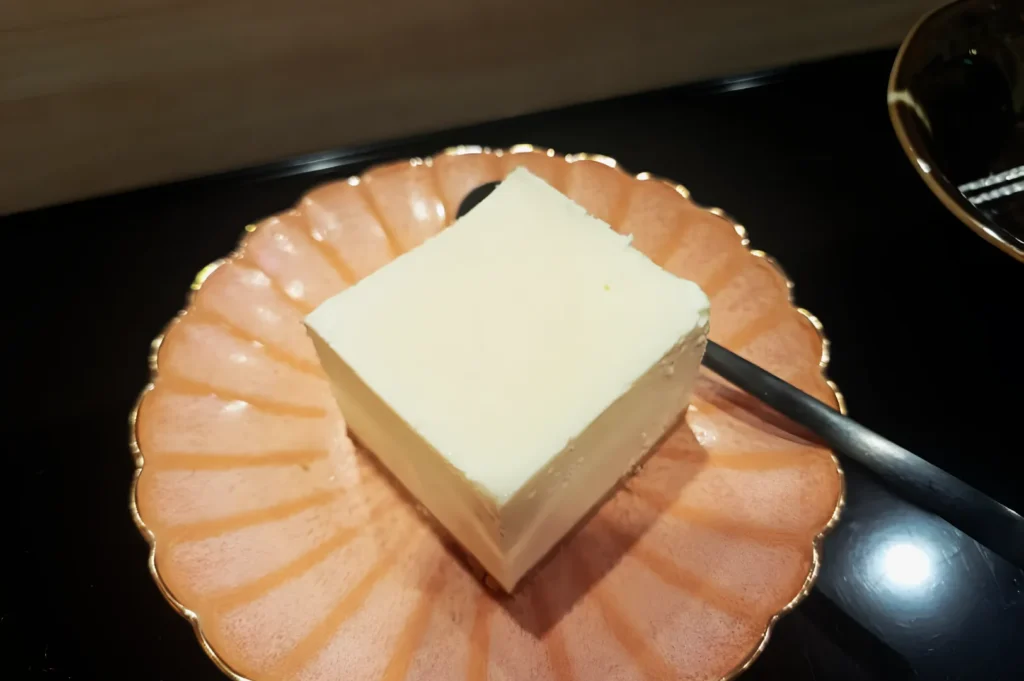
The necessity for decoration often correlates with the absence of technical mastery. Creating a perfectly smooth, uncracked surface on a cheesecake requires careful management of humidity and heat. It is a time-intensive process that leaves no room for error.
Makers who are confident in their technical execution choose to leave their work exposed. They do not hide imperfections beneath a layer of berries or a dust of cocoa powder. This level of transparency is rare. It communicates a standard of quality that transcends the need for visual trends or aesthetic gimmicks.
The Standard of Textural Consistency
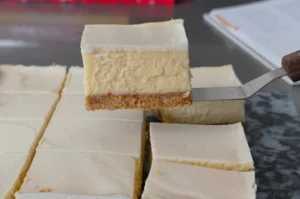
A cheesecake that stands alone must demonstrate impeccable textural consistency. There should be no variation in density from the edge to the center. The mouthfeel should be uniform, providing a seamless experience from the first contact to the last swallow.
This consistency is only possible when the maker exerts strict control over the baking or setting environment. If the cake is inconsistent, the maker will naturally look for ways to compensate. Toppings, in this context, are often a tool for distraction rather than enhancement.
Defining the Role of Ingredients in a Refined Profile
In a refined profile, ingredients are chosen for their ability to contribute to the overall structure of the cake. Whether using premium cream cheese or nuanced soy-based components, the objective is to create a cohesive whole. Every ingredient serves a purpose.
When a cheesecake is designed with such clarity, there is no space for superfluous additions. The ingredients define the cake. Adding a topping would be equivalent to adding an unnecessary layer to a finished painting. It would obscure the intent and dilute the impact of the final work.
How Minimalism Elevates the Perception of Quality
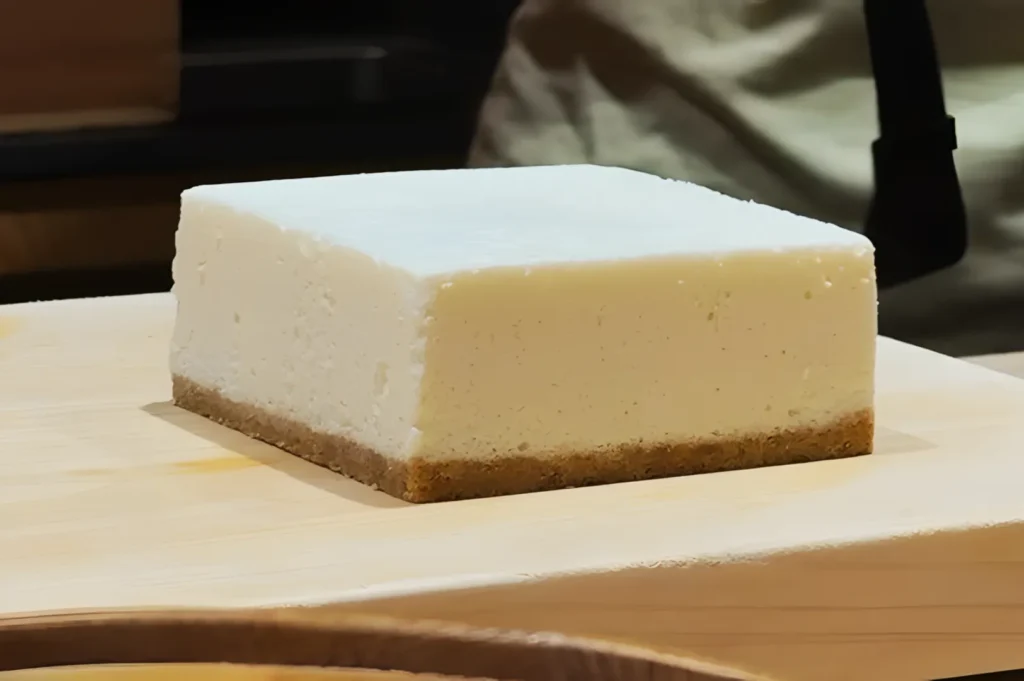
The perception of quality in a dessert is often tied to the difficulty of the execution. When a diner understands that a plain slice of cheesecake represents a significant investment in time and technique, their appreciation for the product increases. It is a shift from consuming a sugary treat to engaging with a professional pastry creation.
This appreciation is the foundation of a sophisticated culinary culture. It rewards those who prioritize quality over quantity. It also challenges the diner to develop their own palate, learning to distinguish between a cake that is merely sweet and one that is structurally intelligent.
Creating a Purposeful Experience Through Restraint
Restraint is not the absence of effort. It is the result of editing down to the essentials. By focusing on what is necessary, the maker can deliver a more impactful experience. This purposeful design ensures that every element of the cheesecake serves the goal of providing a refined, balanced, and memorable finish.
This philosophy is applied to our work at Daizu by Ki-setsu. We understand that the most effective way to highlight our soy-integrated base is through a minimalist presentation. We choose not to use toppings because we believe our structural approach offers a complete experience on its own. We offer a refined alternative that focuses on textural intelligence and a lighter interpretation of the cheesecake. By relying on our process rather than decorative additions, we ensure that our final product remains consistent, disciplined, and focused on the quality of the finish on the palate.