A cheesecake in Singapore comes out of the oven at nine in the evening, gets photographed for someone’s story, and then sits on the counter for several hours because nobody wants to be the one to cut into it first. By the time it finally goes into the refrigerator, half the window for proper storage has already quietly passed.
Most people don’t ruin a cheesecake by baking it badly. They ruin it afterward, in the fridge or the freezer, through habits that feel careful but aren’t. Here’s where things usually go wrong when people try to store cheesecake at home.
Wrapping a Baked Cheesecake While It's Still Warm
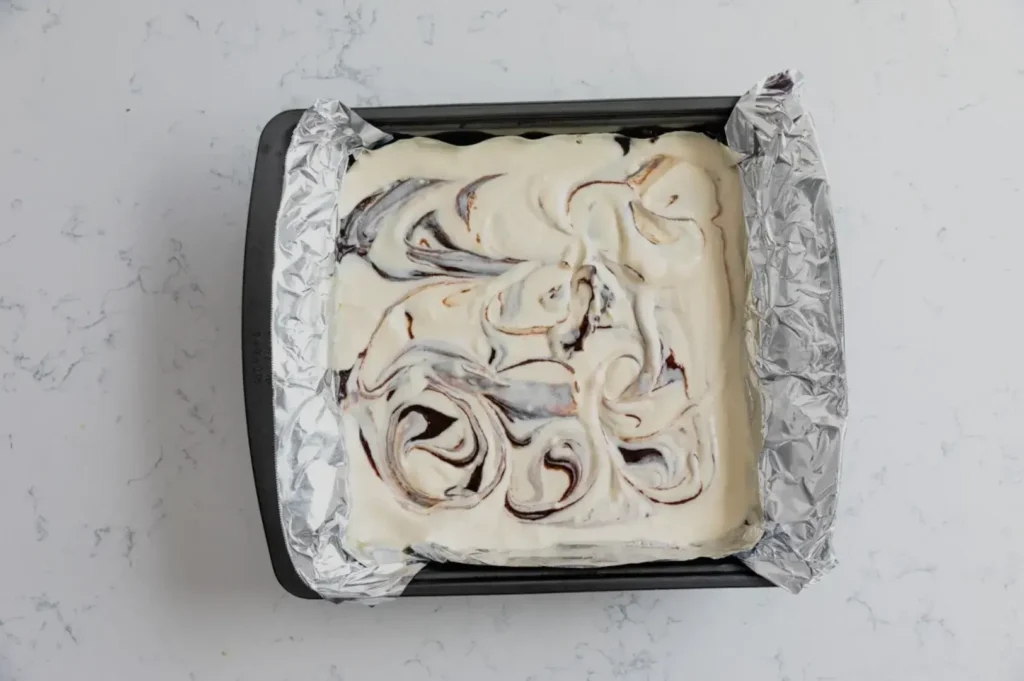
The instinct to protect a freshly baked cheesecake is a good one. The timing is usually the problem.
Wrapping a baked cheesecake in plastic wrap while it’s still warm traps steam against the surface. That moisture has nowhere to go, so it settles into the crust and turns it soft and gooey within hours. The top can also pick up condensation that changes the texture right where it matters most.
The fix is simple patience. Let the cheesecake cool to room temperature first, then move it to the refrigerator uncovered for another hour before wrapping anything around it.
The Plastic Wrap Habit That Doesn't Actually Protect a New York Cheesecake
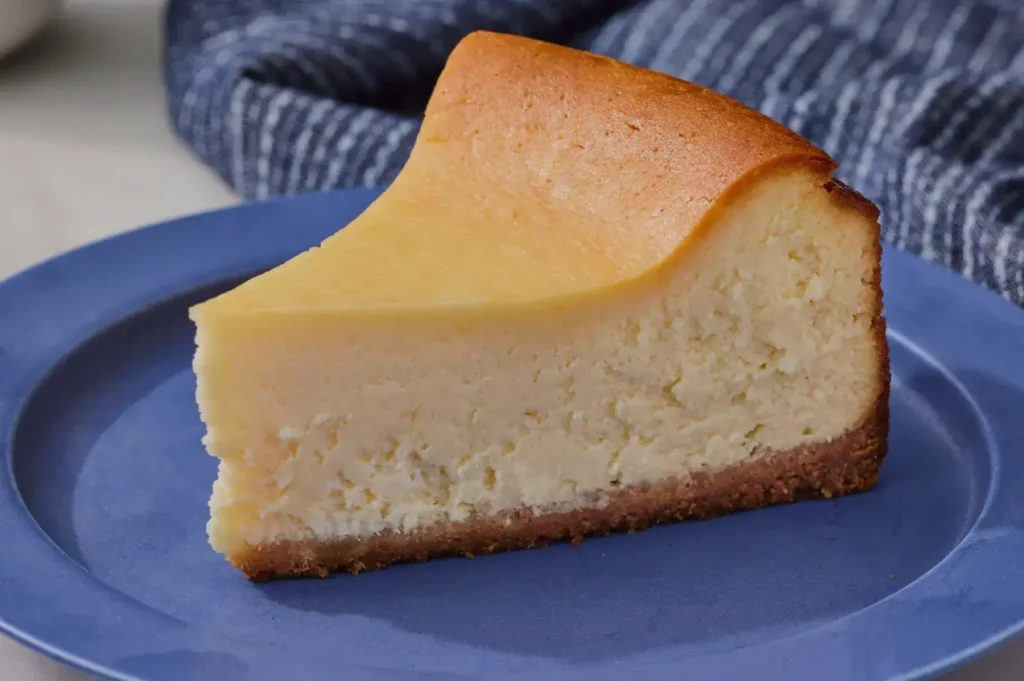
Plastic wrap gets treated as the default answer for almost everything in the fridge, cheesecake included. But a dense New York cheesecake, with its high cream cheese and sugar content, absorbs odors far more readily than people expect. Leftover garlic, last night’s fish, or other things, it all finds its way in.
A single layer of plastic wrap pressed directly onto the surface isn’t enough of a barrier. The better approach is a layer of plastic wrap followed by foil, or transferring the slice or whole cake into an airtight container. It sounds like overkill until the alternative shows up as a faint fridge smell in every bite.
Leaving Cheesecake in the Refrigerator Uncovered
Somewhere between “I’ll wrap it later” and forgetting entirely, a lot of cheesecake ends up sitting in the refrigerator with no covering at all. This is one of the fastest ways to dry out the top layer and let it pick up other odors from nearby food.
An uncovered cheesecake in the refrigerator also loses moisture steadily, which shows up as a slightly rubbery texture by day two. Cream cheese based desserts are sensitive to this in a way that, say, a loaf of bread isn’t. Covering it properly isn’t a nice-to-have step, it’s the difference between day one and day four tasting like the same delicious dessert.
How Long Does Cheesecake Last Once It's Been Cut Into
This is the question that comes up most, usually a day or two after the first slice. A properly stored, refrigerated cheesecake generally holds its quality for four to five days. Past that, the texture starts to shift even if nothing looks obviously wrong.
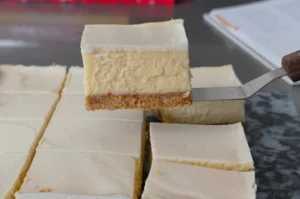
The moment the first slice is cut, the exposed edge becomes the weak point. Pressing plastic wrap directly against that cut surface, rather than just covering the whole container loosely, slows down drying and keeps the rest of the cake tasting closer to fresh. Leftovers that sit out at room temperature for more than two hours, particularly in Singapore’s climate, move well past the point where refrigeration alone can undo the damage. That’s also where food poisoning risk starts to become a real conversation rather than a hypothetical one, since cream cheese and eggs are exactly the kind of ingredients bacteria multiply in quickly once things warm up.
Trying to Freeze Cheesecake Without a Plan
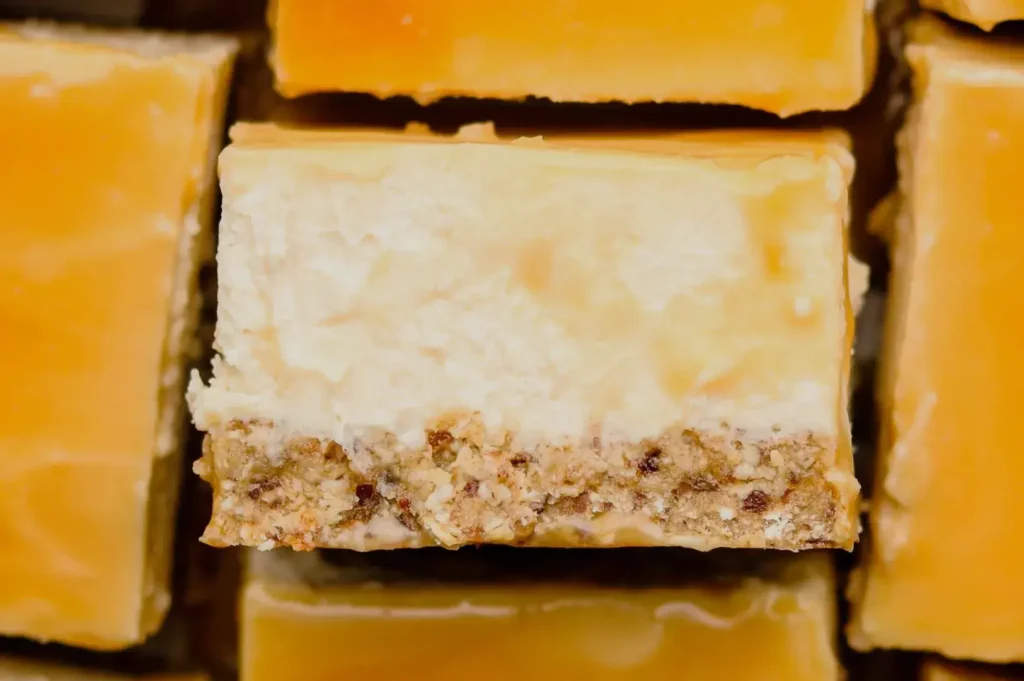
Freezing feels like the safe move when a cheesecake won’t be eaten within the week, and it often is, but only when it’s done properly. The mistake is usually treating the freezer like an extension of the refrigerator, tossing the whole thing in as-is.
To freeze cheesecake well, it helps to slice it first. Individual slices, wrapped tightly in plastic wrap and then foil, freeze and thaw far more evenly than an entire cheesecake left in one piece. An entire cheesecake frozen whole tends to develop uneven texture once thawed, since the outer layers freeze faster than the center.
Skipping the double layer of wrap is where freezer burn creeps in. Those pale, dry patches aren’t dangerous, but they do change the texture and flavor in a way that’s hard to disguise, even under toppings or fruit decorations.
What Actually Happens When Cheesecake Sits in the Refrigerator Too Long
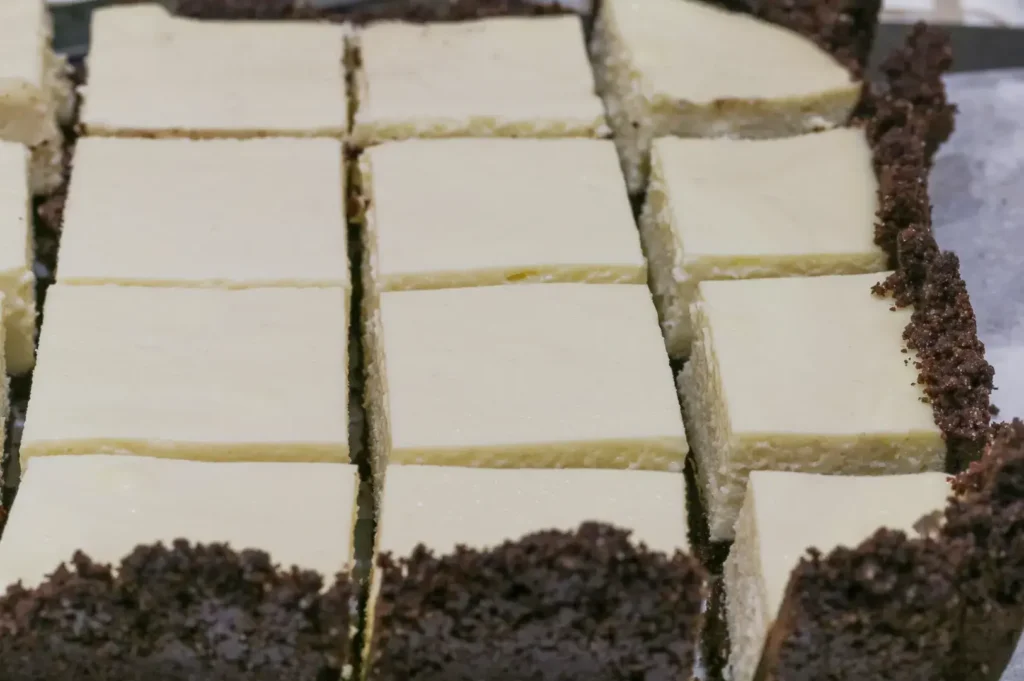
There’s a difference between a cheesecake that’s simply a few days old and one that’s genuinely gone off, and the signs aren’t always obvious at first glance. A slightly firmer texture is normal aging. Visible mold, a sour smell, or a sheen on the surface is not, and no amount of scraping the top off makes it safe again.
Bacterial growth doesn’t always announce itself with an obvious smell right away. This is part of why proper storage method matters more than people assume, it’s not just about taste and texture, it’s about not gambling with something that’s sat too long at the wrong temperature to prevent bacterial growth.
Getting the Order Right So Cheesecake Actually Tastes Like Cheesecake Days Later
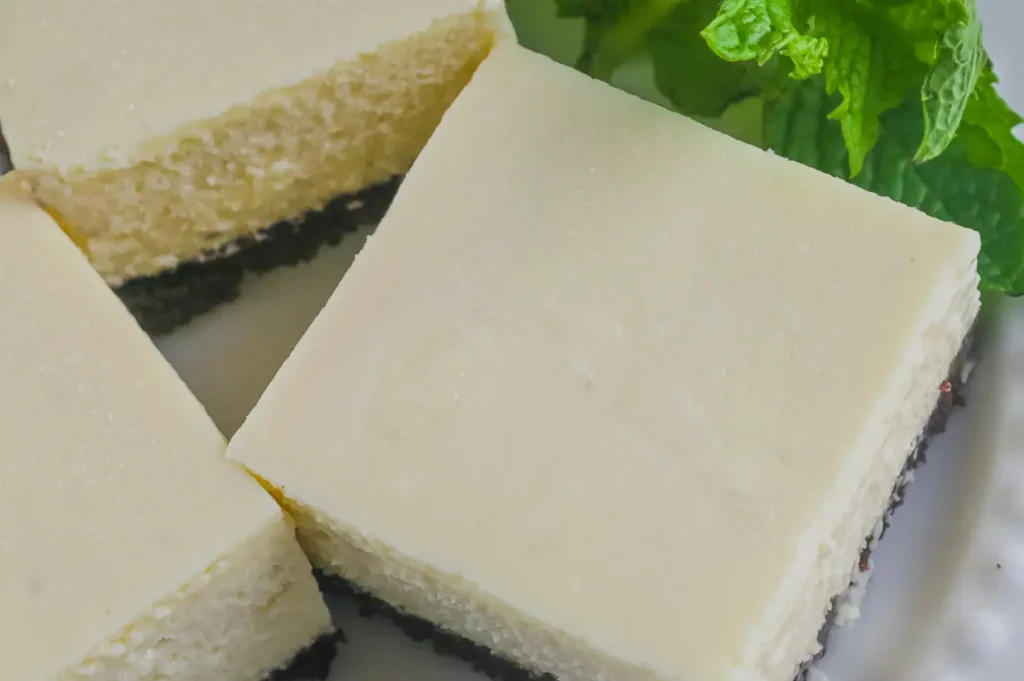
The mistakes above share a pattern. They’re all about timing and layers, wrapping too early or not enough, freezing without slicing first, leaving something uncovered for one meal too long. None of them are complicated to avoid once the sequence is clear: cool completely, wrap properly, refrigerate or freeze with intention, and pay attention to how long anything has actually been sitting.
Getting this right is what keeps a rich, creamy cheesecake tasting the way it did on day one, whether it’s a classic baked style or something smoother and lighter. At Daizu by Ki-setsu, the soy based cheesecakes are made with exactly that shelf life in mind, dense enough to hold their texture through a day or two in the refrigerator, but best appreciated the way most good desserts are, sooner rather than later.