How Soybean Cheesecake Is Made — And Why It’s Weirdly Genius
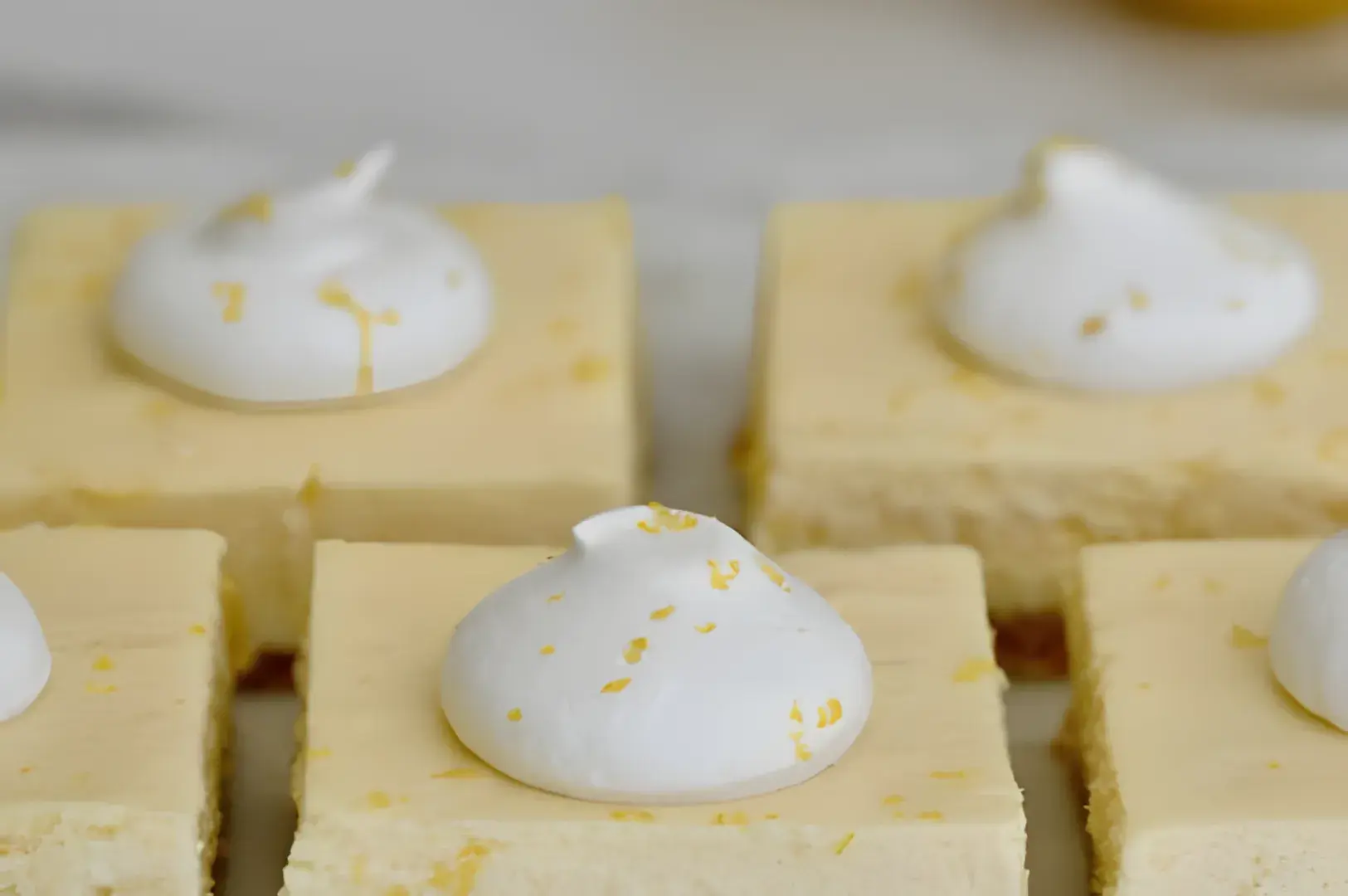
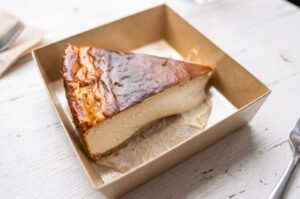
Someone orders a slice of tofu cheesecake expecting a compromise. A lighter version, a “healthier” stand-in, the kind of dessert that apologises for itself before the fork even arrives. Then the first bite lands closer to a regular cheesecake Singapore than anyone expected, and the questions start.
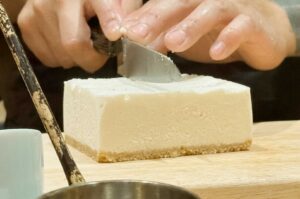
The short answer to how soybean cheesecake is made is that tofu cheese quietly does the structural work cream cheese usually does alone, without flattening the flavour or the smooth texture. The longer answer involves silken tofu, a food processor, and a few ingredient swaps that sound stranger on paper than they taste in practice.
What Actually Goes Into a Tofu Cheese Cake
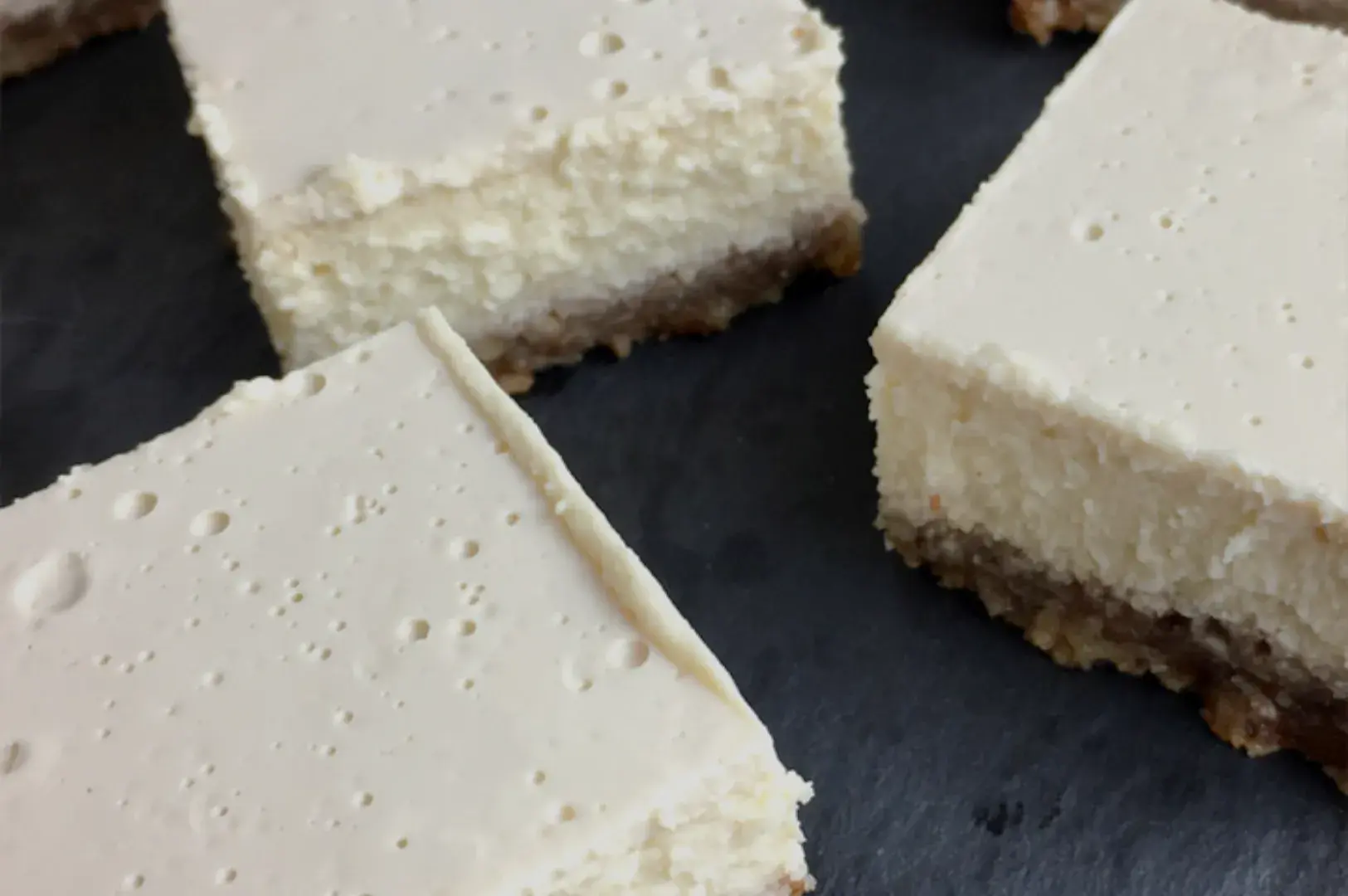
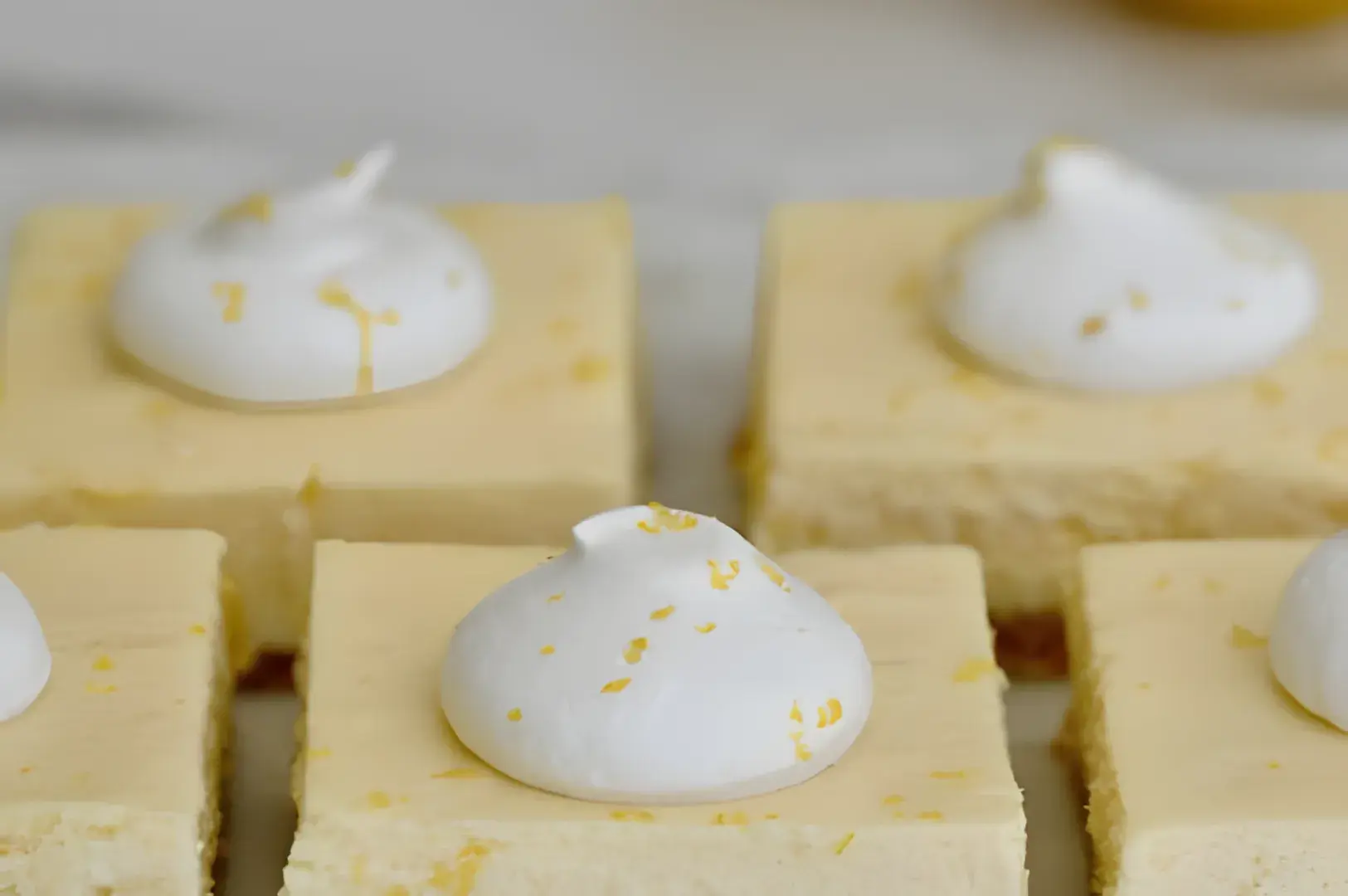
A tofu cheese cake starts from the same base logic as any cheese cake: fat, protein, sugar, and something acidic to keep it from tasting flat. Cream cheese still shows up in most versions. So does sour cream, caster sugar, vanilla extract, and a splash of lemon juice or a little lemon zest for brightness.
The difference is what sits alongside the cream cheese. Silken tofu, blended until smooth, folds into the cream cheese mixture and adds moisture and a soft, custardy quality that firmer dairy-only fillings don’t naturally have. Firm tofu shows up less often, mostly in versions that want a denser, less jiggly result.
None of this is a trick to disguise tofu cheese as something else. The soya bean flavour stays present, usually mild and slightly nutty, which is part of why the whole thing works rather than reads as a gimmick.
Soya Bean Does More Than One Job
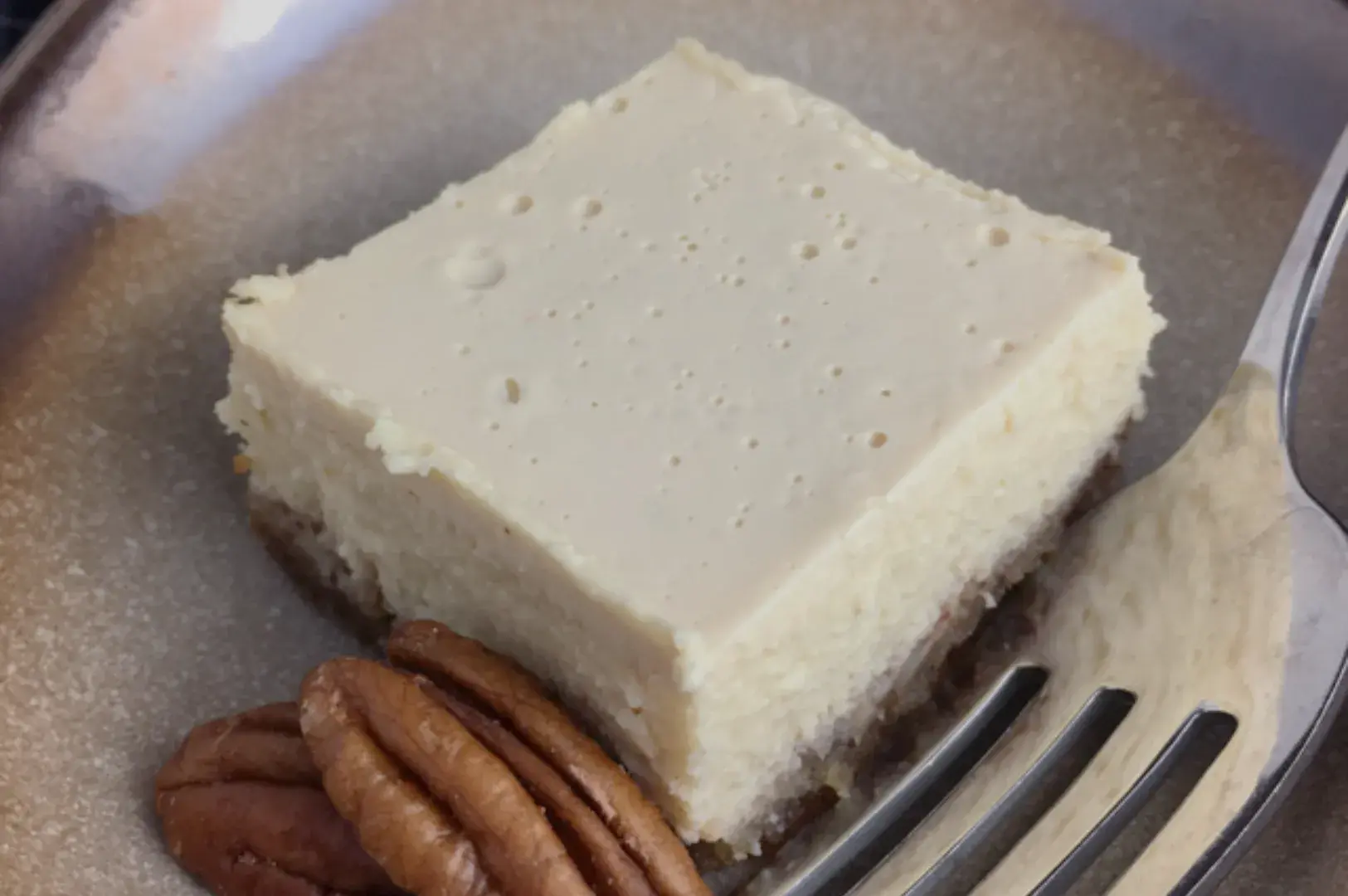
It would be easy to assume soya bean only enters through the tofu cheese layer, but it usually shows up twice. Soy milk sometimes replaces part of the dairy in the filling ingredients, thinning the mixture just enough for a smoother bake. Soya bean powder, the roasted kind used in Korean and Japanese desserts, occasionally gets dusted over the top or blended straight into the batter for a toasted, slightly caramelised note.
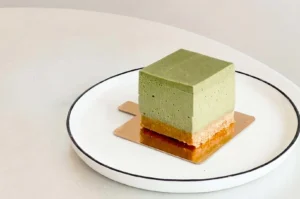
Green tea powder is a common partner here, not because matcha and soy are trendy together, but because the bitterness of good green tea powder cuts through the sweetness of a tofu cheese cake in a way that plain vanilla can’t always manage. A soya bean cheesecake with a matcha swirl reads as a deliberate flavour pairing, not a novelty.
Read: Soy Cheesecake Walked So Dairy-Free Desserts Could Run
The Biscuit Base Nobody Changes Much
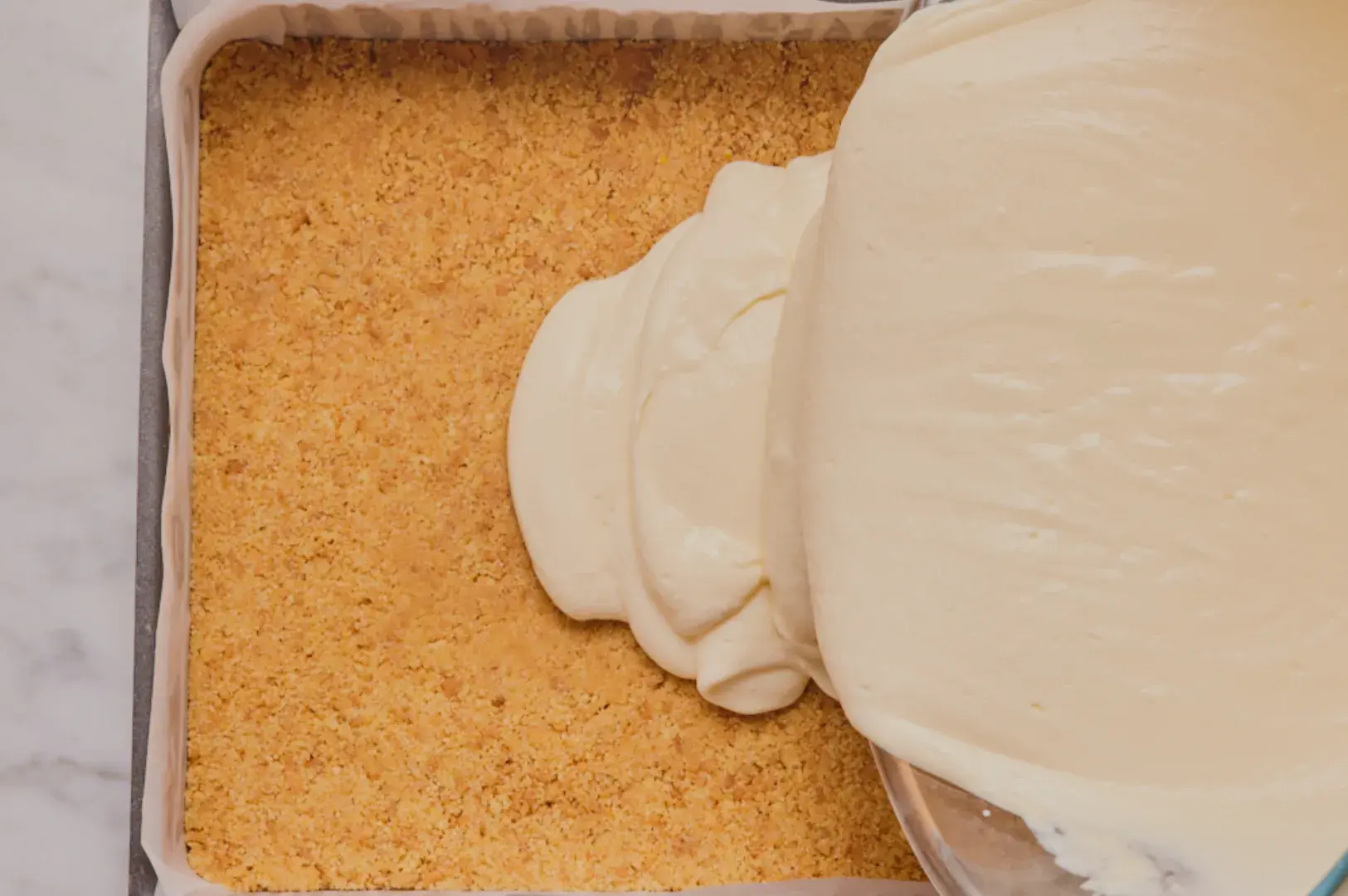
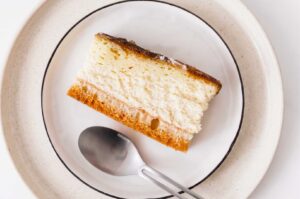
Compared to the filling ingredients, the biscuit base is the most conventional part of the entire cheesecake recipe. Graham cracker crumbs, melted butter, sometimes a spoon of sugar, pressed into a springform pan and given a short bake or a chill to set.
Vegan versions swap in vegan butter, and the base still holds its shape the same way. It’s proof that the innovation in a tofu cheese cake isn’t happening everywhere at once. The base stays familiar so the filling has room to be the interesting part.
Putting the Cheesecake Recipe Together
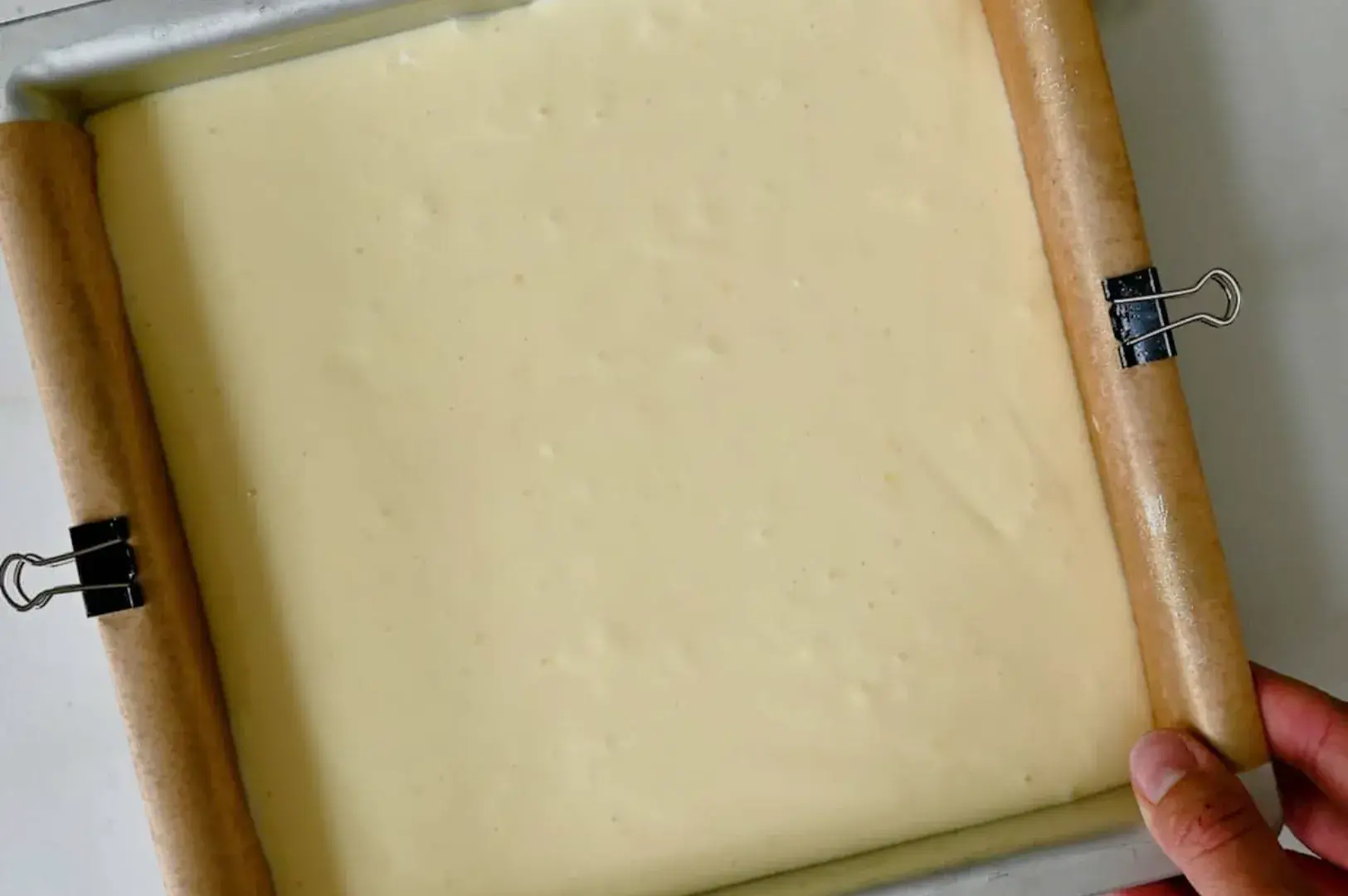
The method combine group itself follows a rhythm most home bakers already recognise, with one or two extra steps.
Blend the tofu cheese first. Silken tofu goes into a food processor or a high speed blender on its own, until every trace of graininess disappears. Skipping this step is the fastest way to end up with a mouth texture nobody enjoys.
Beat cream cheese until smooth. In a small bowl, beat cream cheese with granulated sugar until it loses any lumps, then add tofu cheese, sour cream, eggs or egg whites, vanilla extract, and lemon juice. The mixture should look glossy and uniform, not streaky.
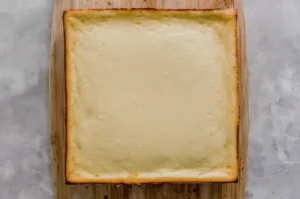
Pour and bake in a water bath with hot water. The filling goes over the biscuit base in a cake pan lined with parchment paper, then into a water bath till the edges look set but the centre still carries a gentle wobble. The hot water bath does the same job here it does in a regular cheesecake: slow, even heat that keeps the top from cracking.
Cool, then refrigerate properly. Rushing this part undoes everything the water bath just protected. A few hours in the refrigerator, ideally overnight, lets the tofu cheese cake firm up into that dense yet creamy texture people associate with a well-made cheese cake.
Swapping Out Dairy for a Vegan Tofu Cheesecake
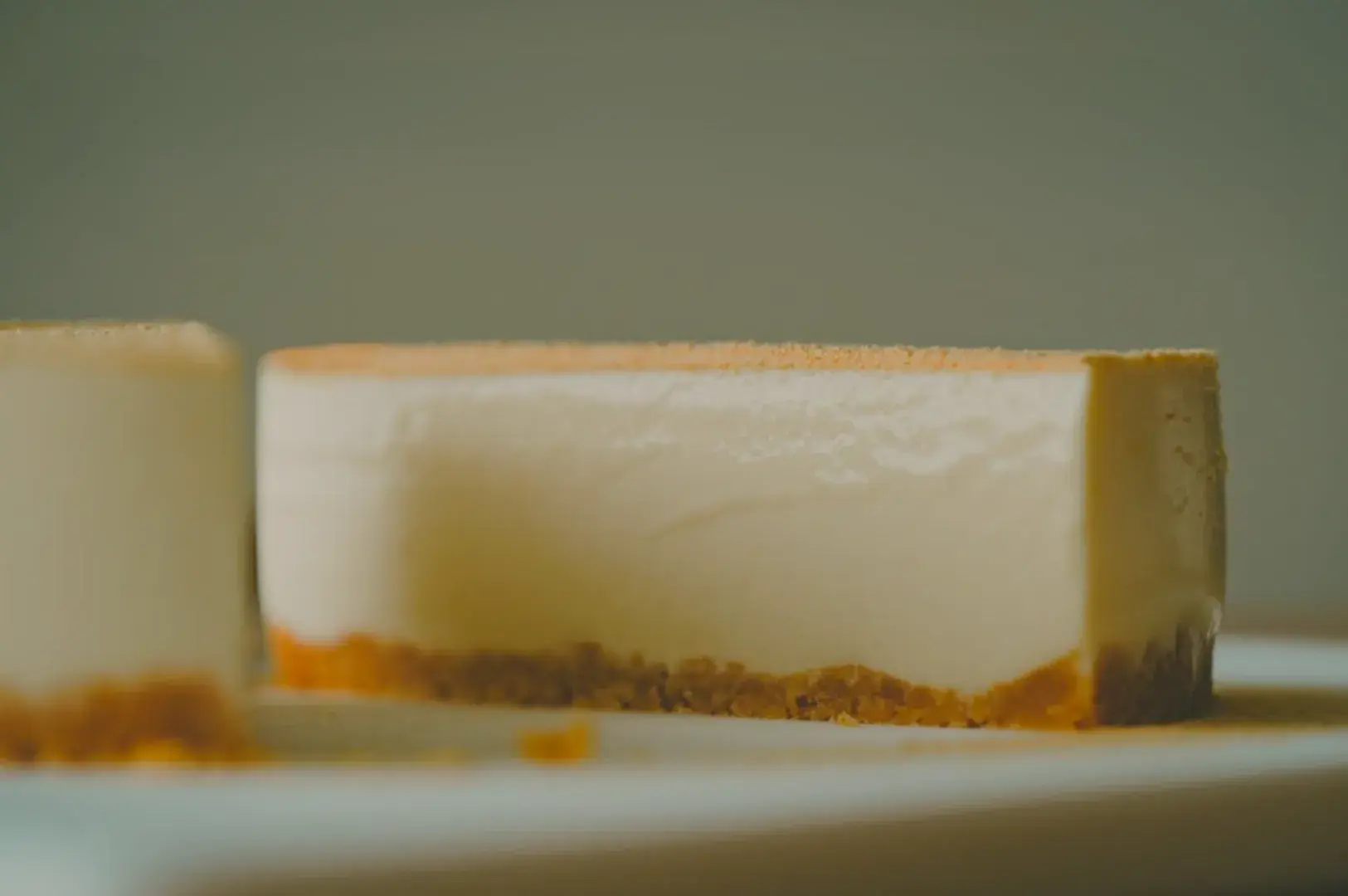
Making the recipe vegan doesn’t require reinventing it. Tofu is already carrying most of the structural work that dairy normally gets credit for, so the swaps are more straightforward than they sound. Vegan cream cheese and vegan sour cream slot in directly, and coconut cream stands in for whipping cream to keep the filling rich.
In the base, vegan butter or coconut oil replaces melted butter without changing how it presses or sets. Coconut sugar can replace granulated sugar too, which nudges the whole dessert toward a faint caramel note. None of this makes for a weaker cheesecake. It’s simply a different version built from a different set of ingredients, one that still lands in the same place.
Why Tofu Cheese Replaces Half the Filling and Nobody Misses It
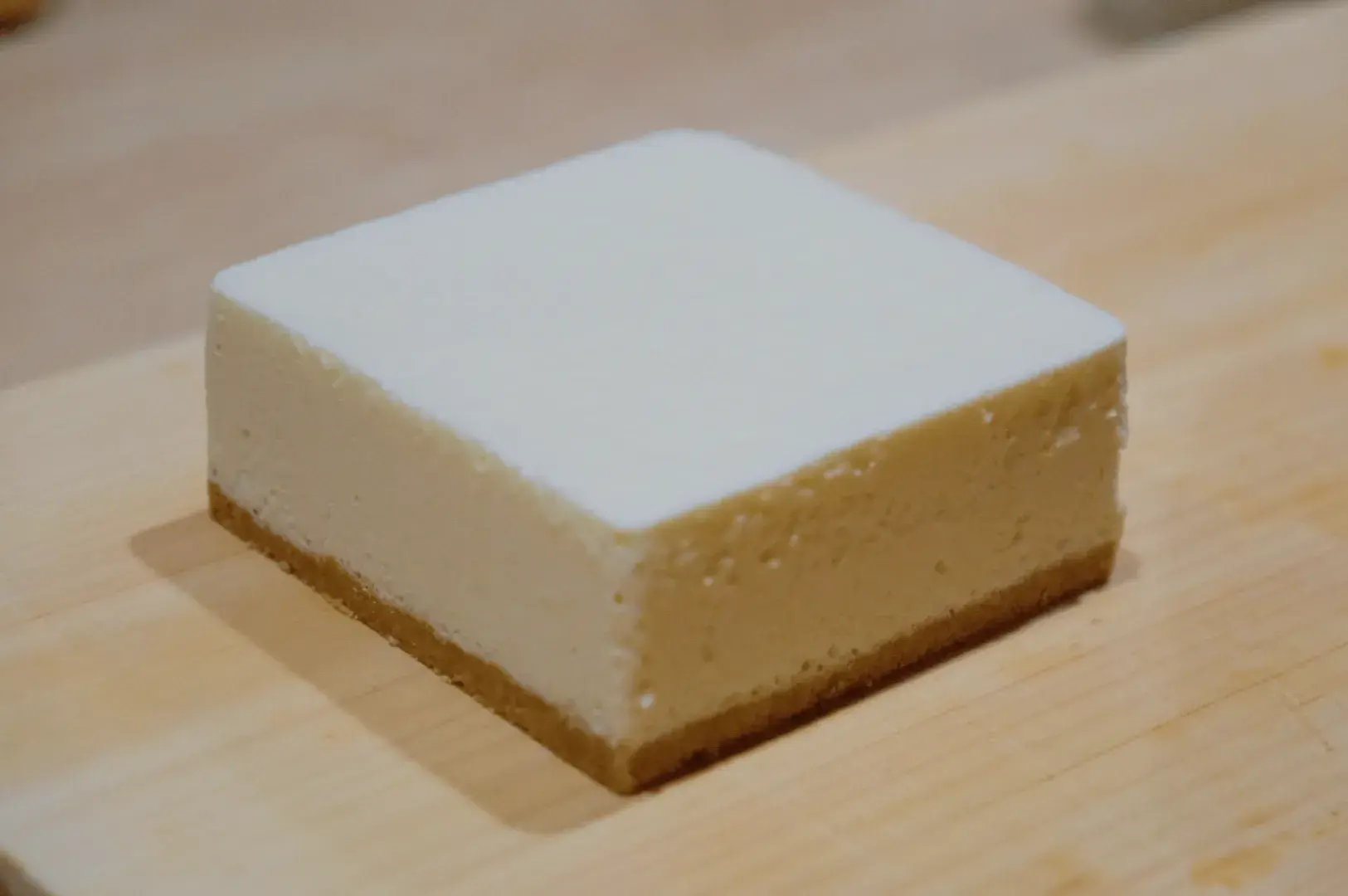
The honest reason tofu cheese works so well is that a regular cheesecake was never really about dairy specifically. It was about protein and fat forming a smooth, stable structure under gentle heat. Tofu cheese brings both, at medium heat and at rest, without the density that sometimes makes a slice feel heavier than intended.
That’s the part that surprises people who love tofu cheese for its blank-canvas reputation elsewhere. Here it isn’t blank at all. It’s doing real work, quietly, in a dessert that still tastes like cheesecake because, structurally, it still is one.
Daizu by Ki-setsu builds on exactly this idea, using soya bean and tofu cheese as the foundation rather than a substitution, finished with fresh fruit or a green tea layer depending on the slice. For anyone who has wondered what a beautiful cheesecake tastes like when soy is treated as an ingredient worth building around instead of working around, it’s a fairly direct answer that is delicious to serve.