A woman at a café counter in Tiong Bahru once stood in front of the drinks menu for a full minute after ordering her cheesecake. The barista eventually asked if she needed a moment. She wasn’t undecided about the cake. She just couldn’t figure out what should go next to it.
That hesitation makes sense. A soy-based slice doesn’t behave like the dense, cream-heavy version most people grew up ordering, and the usual cheesecake pairing instincts (a milky latte, a sugary iced drink) don’t always hold up next to it.
Getting soy-based slice pairings right means understanding what the dessert is actually doing on the plate, not just reaching for the nearest coffee.
Why a Soy-Based Slice Doesn't Play by the Usual Rules
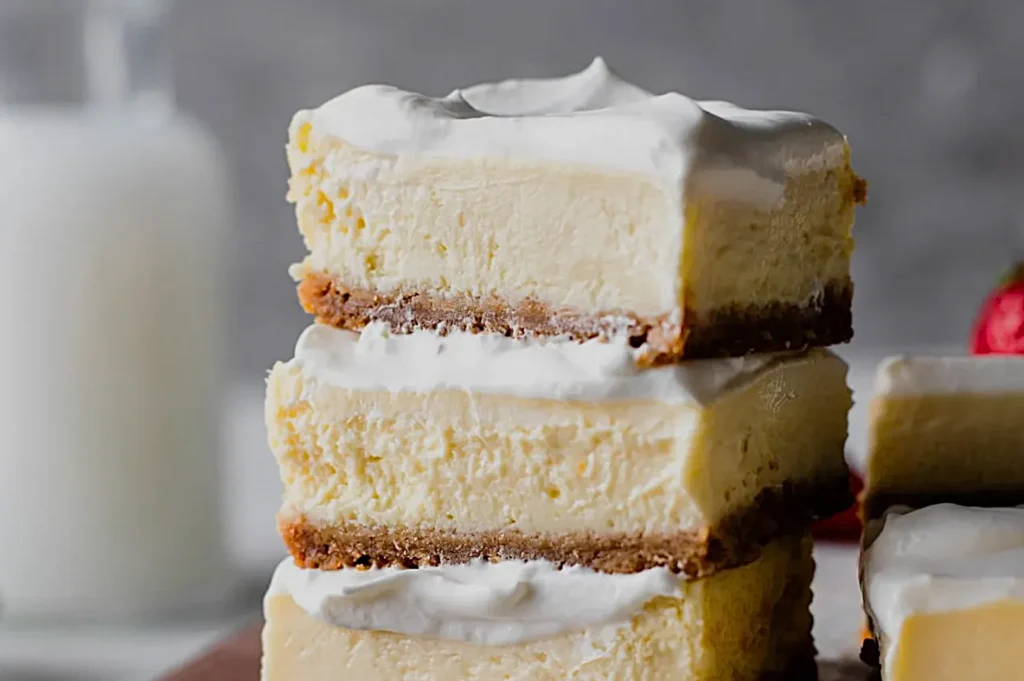
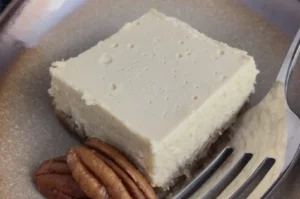
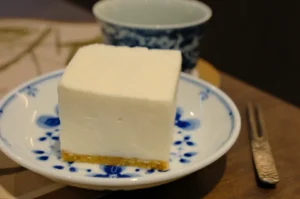
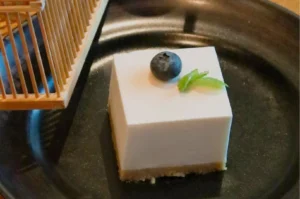
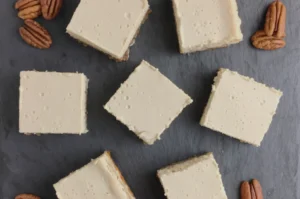
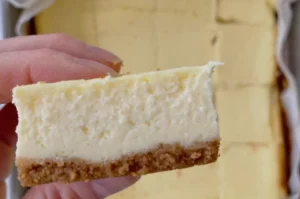
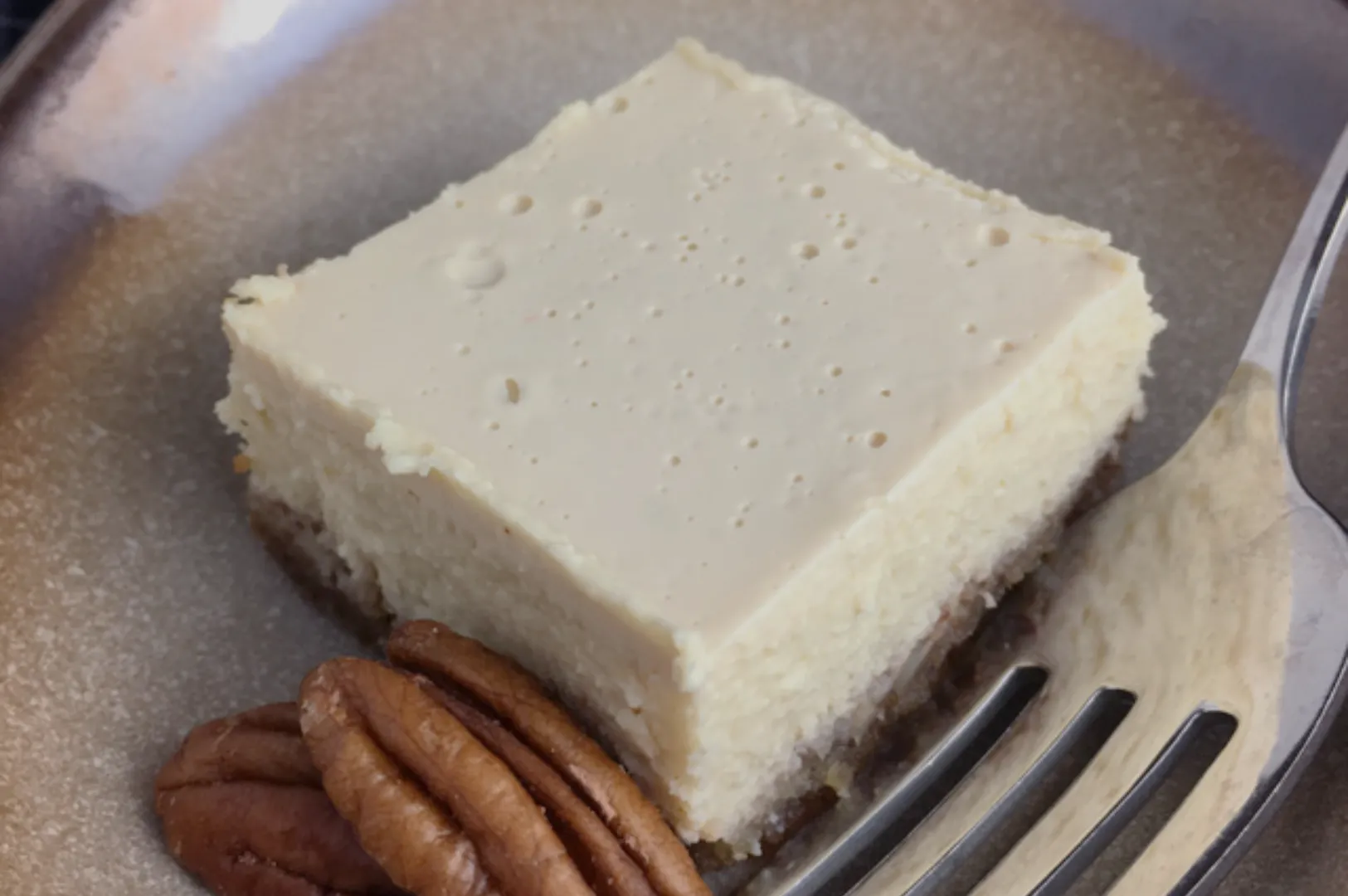
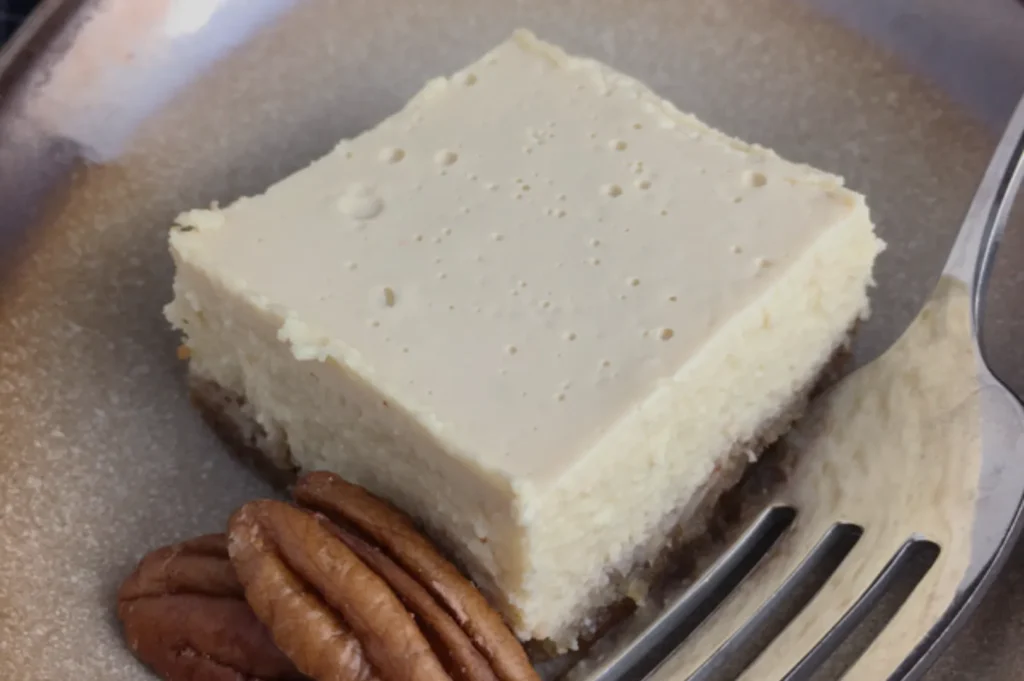
Traditional cheesecake leans on cream cheese, which is heavy, tangy, and built to anchor a dish. Soy-based versions swap much of that in for soy milk or tofu, which changes the texture into something lighter and slightly more delicate.
The flavour follows the same pattern. It’s rounder, a little nuttier, and it doesn’t shout the way a dense New York-style slice does. That matters for pairing, because anything too bold on the plate will simply flatten it.
There’s also the question of weight. A cream cheese-heavy slice sits in the stomach the way a good burger does, satisfying but final. A soy-based slice is lighter on the way down, which is exactly why it leaves room for something on the side instead of demanding the plate to itself. That leftover appetite is the whole reason pairing becomes worth thinking about in the first place.
Building Soy-Based Slice Pairings That Actually Work
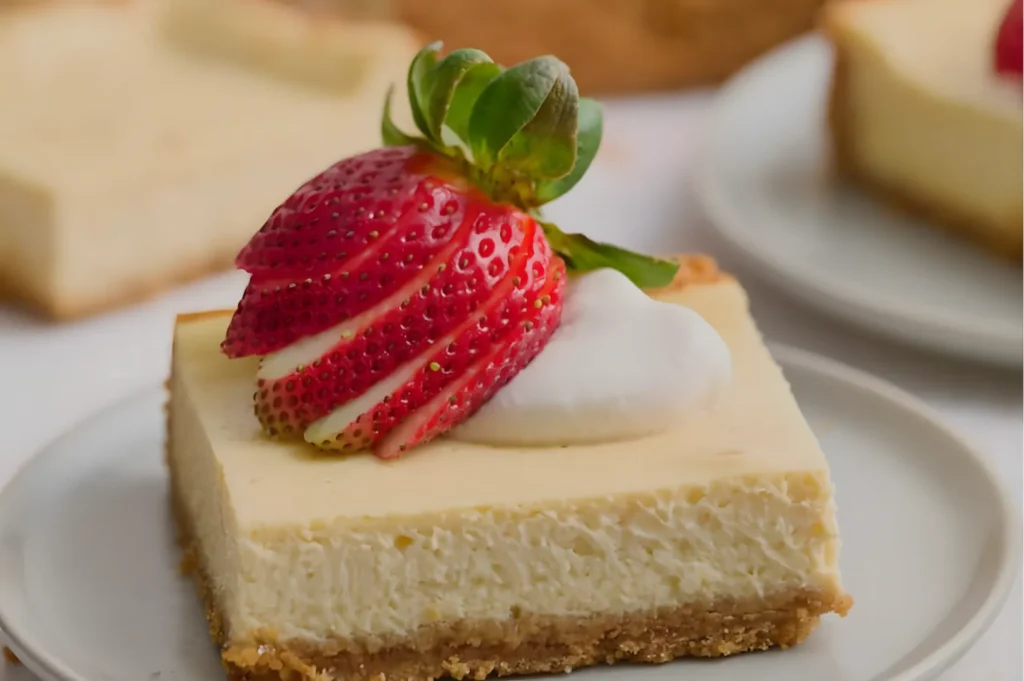
Once the texture makes sense, the pairing logic gets easier. The goal isn’t to add more richness. It’s to add contrast without drowning out what’s already a quiet, well-balanced dessert.
Tea That Doesn’t Compete
Green and roasted teas tend to work best, mostly because they share the same soft, earthy register as the cake itself.
| Tea | Why It Works |
|---|---|
| Hojicha | Roasted, low in bitterness, echoes the toasty edge of soy |
| Genmaicha | Toasted rice adds a savoury note without overpowering |
| Sencha | Slightly grassy, cuts gently through the creaminess |
Steer clear of heavily floral teas like jasmine. They tend to sit on top of the slice instead of working with it.
Coffee, But the Right Kind
Coffee isn’t off the table, it just needs to be the right cup. A light roast pour-over, with its higher acidity, does more for a soy-based slice than a dark, syrupy espresso ever could.
Milk-forward drinks are the trickier call. A flat white can work if the milk is used sparingly, but anything closer to a milkshake will compete with the cake’s own creaminess instead of complementing it.
Fruit as a Supporting Act
Fruit is where a soy-based slice gets to show a bit of range. Something slightly tart, like yuzu, strawberry, or a light citrus compote, gives the palate a break between bites.
- Yuzu curd or zest for brightness
- Fresh strawberries for a clean, simple contrast
- A thin citrus glaze instead of a heavy fruit coulis
The key is restraint. A small amount of something sharp goes further than a generous scoop of something sweet.
Temperature plays a part here too. Fruit served cold, even just chilled berries straight from the fridge, wakes the palate up between bites in a way that room-temperature fruit doesn’t. It’s a small detail, but it’s the difference between a pairing that feels considered and one that feels like an afterthought scattered on top for colour.
The Pairings Worth Skipping
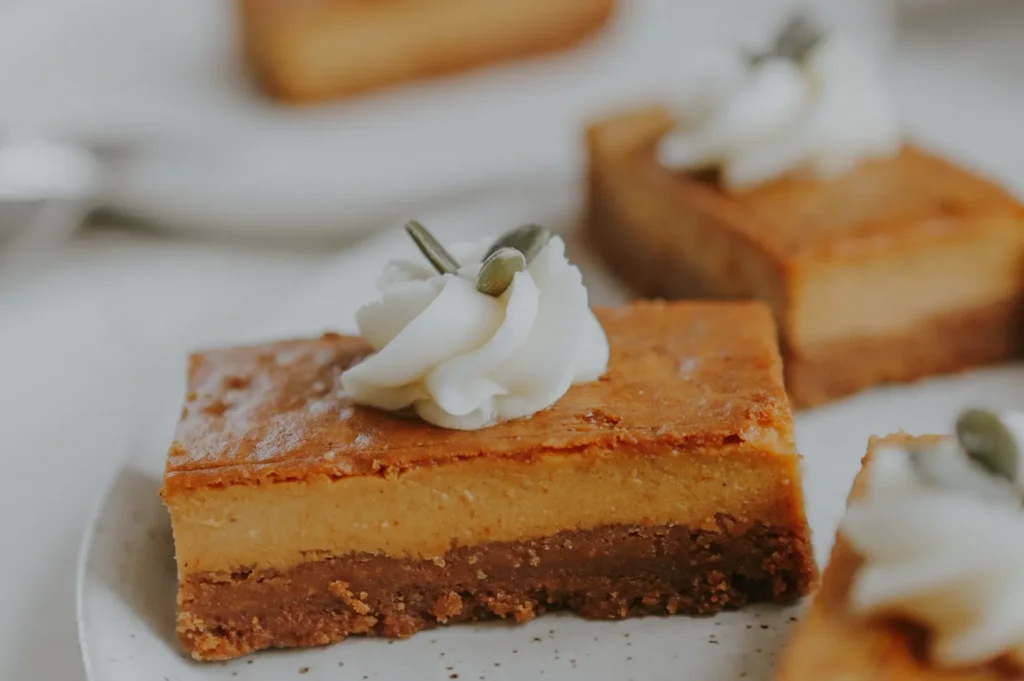
Not everything that goes well with dessert goes well with this particular dessert. A few combinations consistently work against the slice rather than for it.
- Heavily sweetened bubble tea, which buries the soy’s natural nuttiness under sugar
- Dark chocolate anything, which is too assertive for a dessert built on subtlety
- Thick cream-based sauces, which just duplicate the texture already on the plate
None of these are bad on their own. They’re just louder than what a soy-based slice is trying to do.
What a Soy-Based Slice Is Actually Asking For
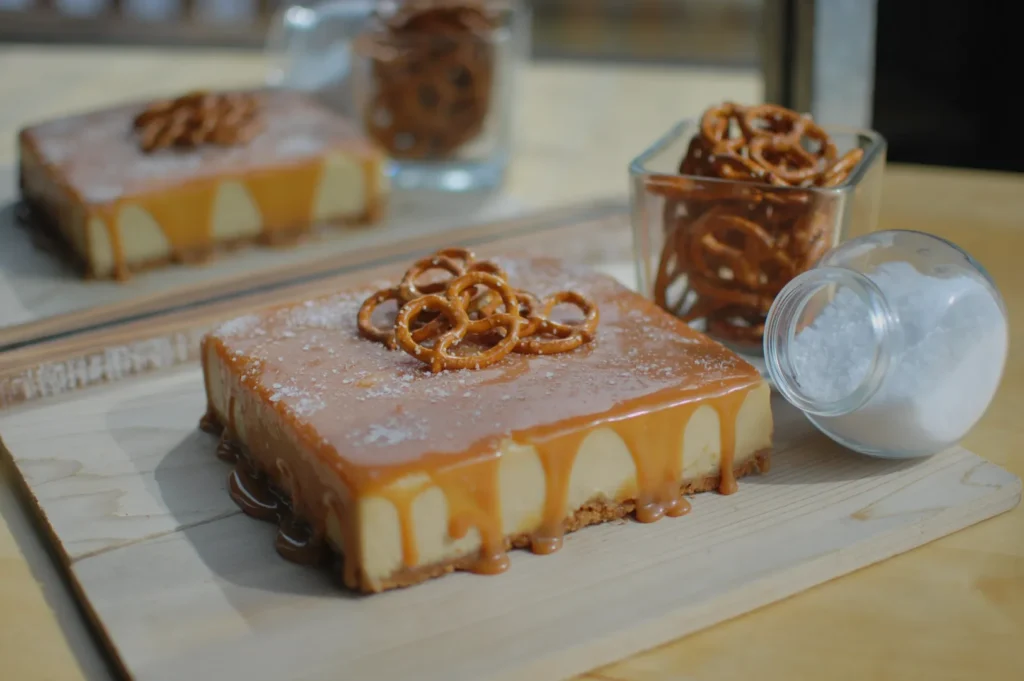
Strip away the trial and error, and the pattern becomes obvious. A soy-based slice wants company that’s calm rather than competitive, something that adds one clear note instead of a chorus of them.
That’s really the whole answer to soy-based slice pairings. Light tea over sweet drinks. A precise pour-over over a heavy latte. A little citrus over a lot of cream. The dessert already did the quiet work of balancing itself, so the pairing’s only job is to not undo it.
This is roughly the thinking behind the approach Daizu by Ki-setsu takes with its own menu, where the cheesecake is left to carry its own flavour and the drinks on offer are chosen to sit alongside it rather than shout over it.