The waiter sets down one dessert menu between two people, and for a second, nobody reaches for it. That pause says more than the entire conversation before it. Somewhere between the main course and the bill, sharing dessert on a date turns into a small, unspoken negotiation about pace, generosity, and how comfortable two people actually are with each other.
It sounds like a stretch to read that much into cake. But second dates are already full of quiet tests neither person admits to running. Whether someone offers the last bite before being asked might just be one of the more honest ones.
Why Dessert Carries More Weight Than the Rest of the Meal
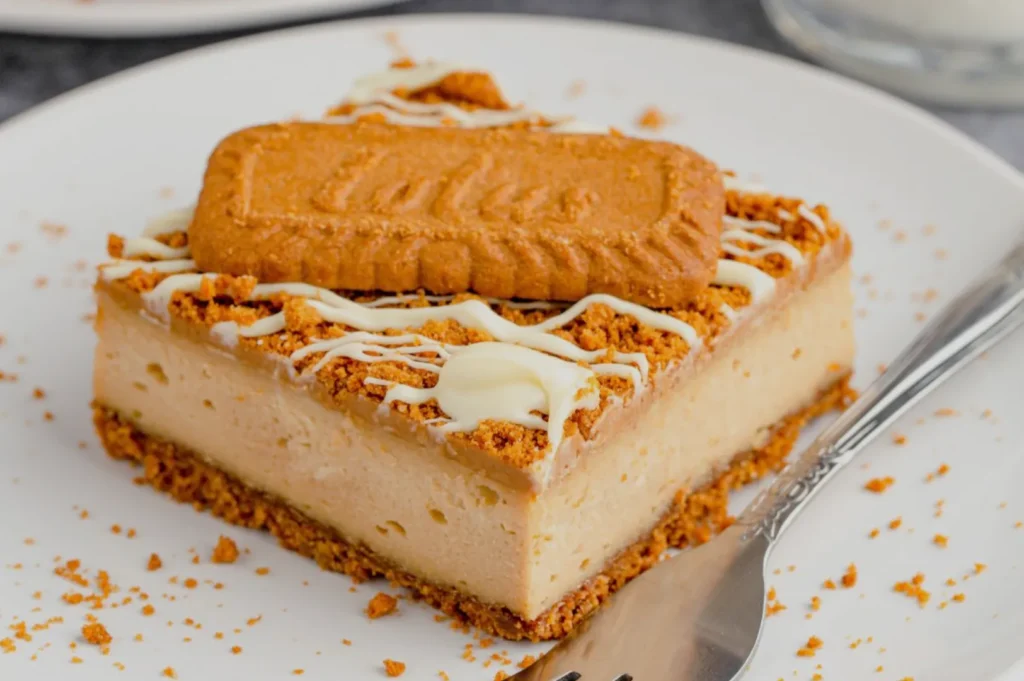
Ordering a starter to share is practical. Two people are hungry, the table is small, and splitting a plate of something salty rarely feels loaded. Dessert works differently because nobody actually needs it.
That’s what makes it revealing. A shared appetizer is about efficiency. A shared slice of cake is about wanting to extend the evening a little longer than it strictly needs to go.
There’s also the matter of restraint. Most people watch their reactions carefully in the first few dates, and dessert is where that restraint tends to slip first, since sugar has a documented link to self-control that goes beyond just having a sweet tooth.
What Sharing Dessert on a Second Date Actually Reveals
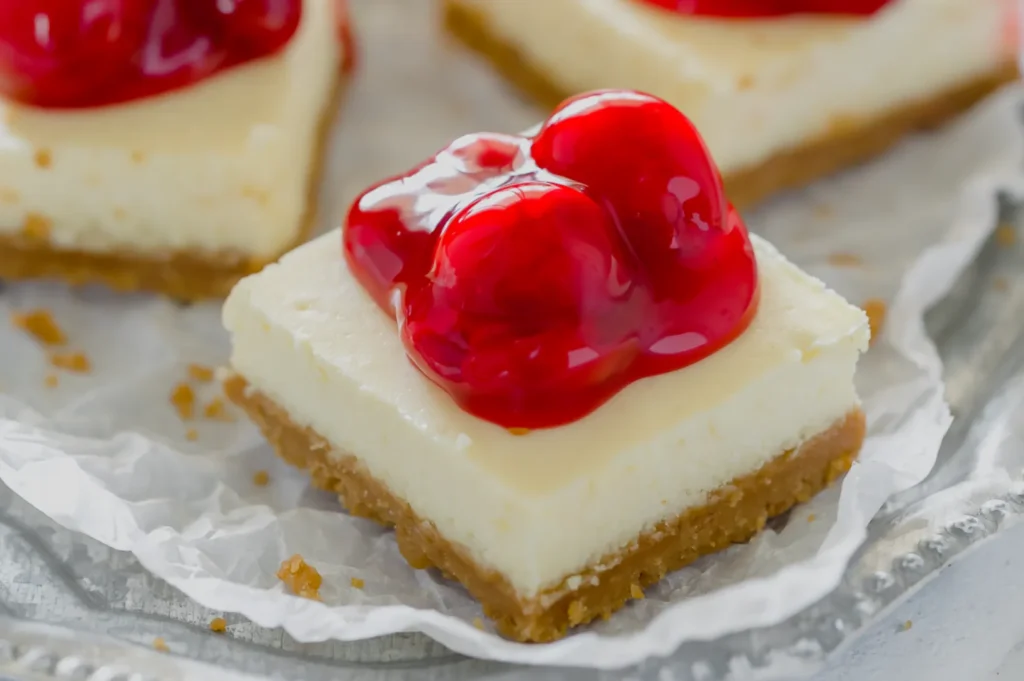
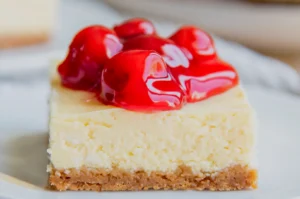
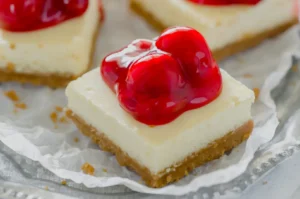
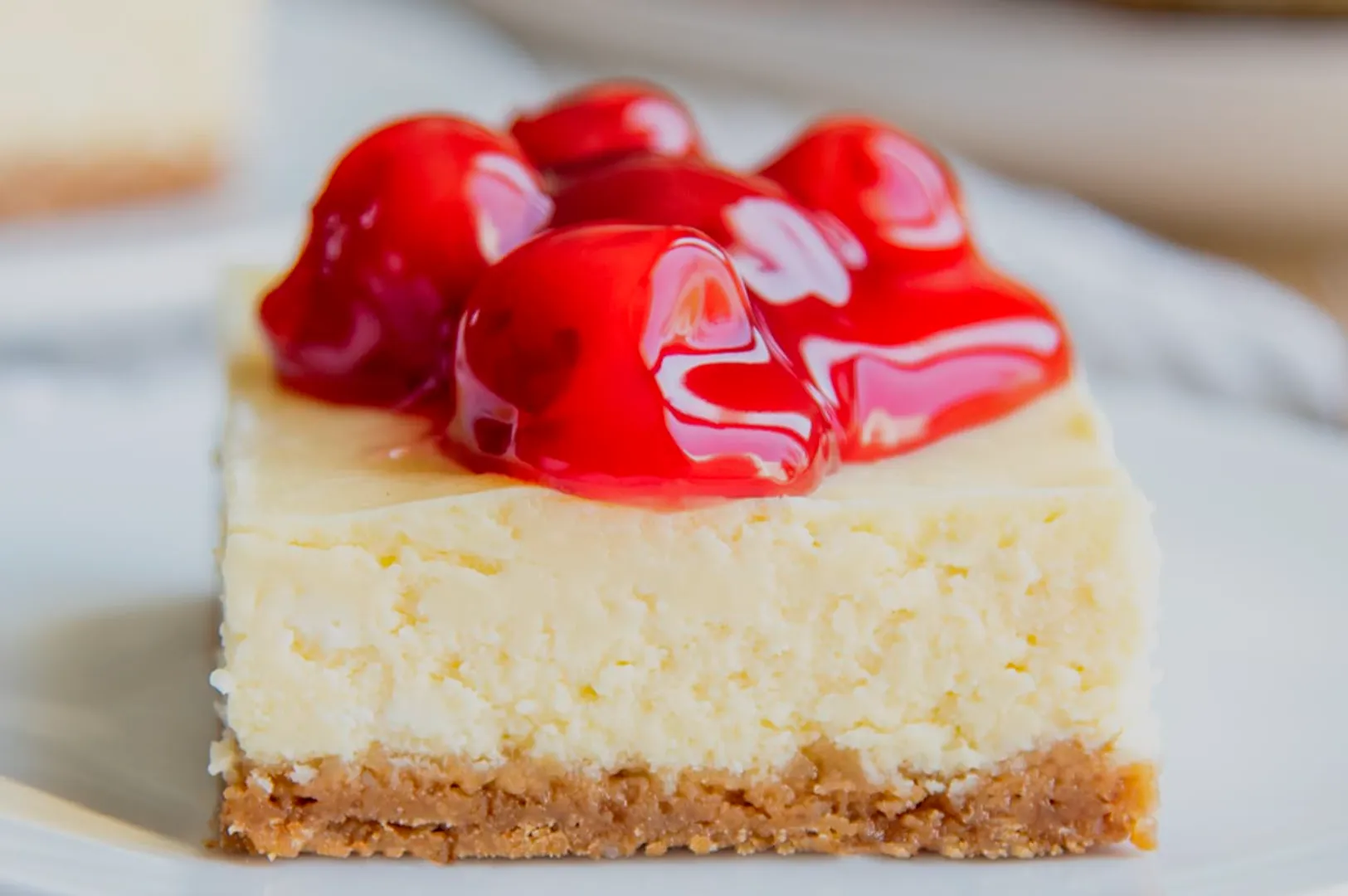
Nobody sits down on date night planning to read someone through a plate of cheesecake. It happens anyway, in small details that are easy to miss if the conversation is going well.
Who Reaches for the Fork First
There’s a difference between someone who dives in immediately and someone who waits to see what the other person does. Neither is wrong, but the gap between the two says something about how each person handles shared space in general, not just shared dessert.
Whether They Ask Before They Take a Bite
“Mind if I try that?” is a small sentence that does a lot of work. It signals that the other person’s plate still belongs to them, even mid-date. Skipping the question entirely isn’t necessarily rude, but it does say the asker feels comfortable enough not to bother.
How the Last Piece Gets Handled
The final bite is where most of the actual information sits. Some people push it toward the other person without a word. Some people eat it without thinking twice. Some people cut it in half before anyone has to decide.
| Behaviour at the last bite | What it tends to suggest |
|---|---|
| Pushes it toward the other person | Comfortable being generous, reads the moment |
| Eats it without comment | Relaxed, not overthinking the gesture |
| Offers to split it evenly | Careful, values fairness even in small things |
| Asks “you want this?” first | Considerate but still checking, not fully at ease yet |
None of these are verdicts. They’re just data points, the kind that build a picture slowly across an entire evening rather than deciding anything on their own.
The Cases Where Sharing Dessert Means Nothing At All
It’s worth saying plainly that some people just don’t share food, on any date, with anyone, for reasons that have nothing to do with how they feel about the person across the table. Texture preferences, portion control, or simply not liking to eat off someone else’s fork are all completely ordinary.
Reading too much into a declined offer is where this whole idea falls apart. The test only works as a loose signal, not a rulebook, and it works best when both people are already inclined to share in the first place.
A few situations where it’s genuinely not a reflection of the date itself:
- One person has dietary restrictions that make sharing impractical
- Someone simply doesn’t enjoy the specific dessert on offer
- The portion is already small enough that splitting feels awkward rather than generous
- One person just prefers eating their own full portion, on every date, with everyone.
So, Is Sharing a Slice the Real Test of a Second Date?

Not a test in the pass-or-fail sense. It’s closer to a small, low-stakes rehearsal for how two people might handle the hundred other small negotiations that come with actually being together. Who offers first. Who notices what the other person liked. Who’s paying attention past the conversation itself.
A second date rarely hinges on a single moment, and cake is not a personality test. But the way two people move around one shared plate does tend to echo the way they’ll move around bigger things later on, which is probably why the moment sticks in memory longer than most of the small talk that surrounded it.
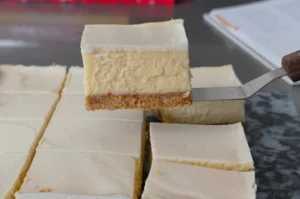
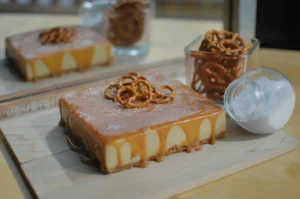
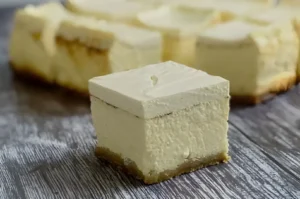
For anyone looking to actually put this to the test, a slice worth arguing over helps. The soy cheesecakes at Daizu by Ki-setsu are light enough that finishing one alone feels almost like a waste, which tends to nudge even the more reserved daters into offering the other person a bite before they have to ask.