A home oven can feel like an unpredictable partner during a weekend baking session. ****One corner runs hotter than the rest, the display temperature rarely matches the actual environment inside, and the heat fluctuates every time the door cracks open. When a delicate batter is resting on the center rack, these small variations turn into real structural challenges. To have your oven and cheesecake perfect, too, requires moving past rigid recipe timers and focusing on how heat actually moves through a pan.
Baking is fundamentally a balancing act between time and energy. A cake that spends too long under direct heat loses its moisture, while an under-baked center collapses as soon as it hits the cooling rack. Managing this environment is the secret to achieving a flawless texture.
Finding the Sweet Spot in an Unpredictable Oven
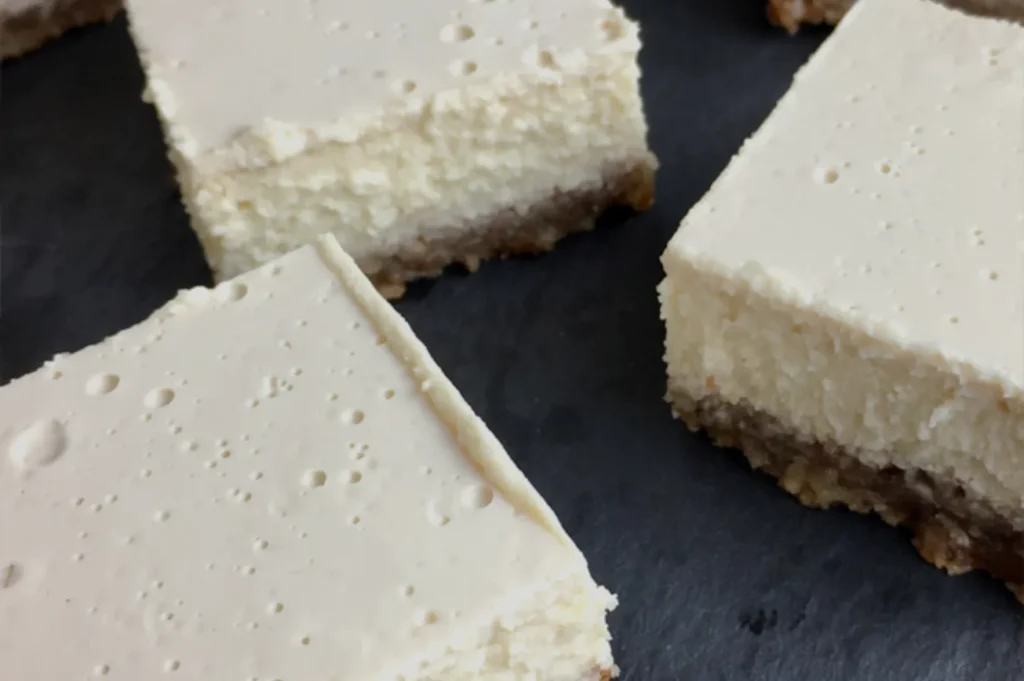
Every oven has its own personality, and standard dial settings are often a rough estimate at best. Relying purely on the numbers printed on the knob can lead to a surface that browns too quickly while the internal proteins remain completely unset. A simple freestanding thermometer placed right next to the baking pan reveals the true conditions inside the chamber.
Positioning matters just as much as the overall temperature. The middle rack provides the most consistent air circulation, keeping the pan away from the intense radiant heat at the very bottom or top of the appliance. This placement helps the heat penetrate the batter uniformly from all sides.
Why a Gentle Water Bath Protects the Crust
Direct, dry air can be incredibly harsh on a dairy-heavy batter. As moisture evaporates from the surface, the outer layer dries out and stiffens before the center has a chance to expand. This tension is what typically causes deep fissures across the top of the cake.
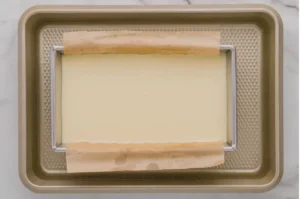
Surrounding the springform pan with a shallow pool of hot water changes the entire dynamic. The water caps the ambient temperature immediately around the cake at boiling point, creating a humid cushion. This moisture keeps the surface supple, allowing the entire structure to rise at a shared, steady pace.
The Problem With Opening the Door Too Early
Curiosity is the enemy of a steady bake. Peeking into the oven releases a massive rush of hot air, causing the internal temperature to plummet instantly. For a rising cake, this sudden chill alters the setting process and can cause the delicate center to sink.
It is better to rely on the oven light until the final minutes of the recommended window. When it is finally time to check, a quick, gentle nudge of the pan tells the whole story. A perfectly baked cake should wobble slightly in the very center like set gelatin, while the perimeter remains firm and stable.
Cooling Down Is Part of the Baking Process
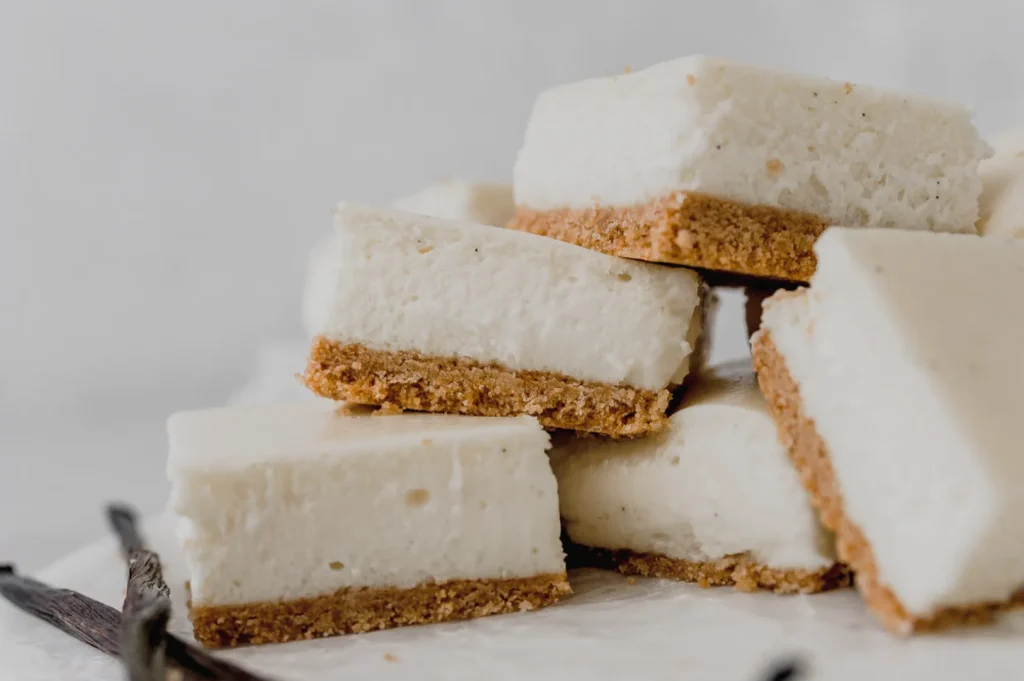
Turning off the heating element does not mean the preparation is finished. The residual heat trapped inside the heavy batter continues to cook the center for quite some time after the timer stops. Rushing a cake directly from a hot oven to a cold counter shocks the structure, forcing a rapid contraction that splits the surface.
Leaving the door cracked slightly with the power off allows the temperature to drop in a slow, controlled curve. This transitional period lets the set proteins adjust gradually to the changing environment. The slow cooling process ensures the delicate internal network remains perfectly intact.
Setting the Final Structure in the Cold
Once the pan reaches room temperature, the refrigerator handles the final stage of structural development. Solid fats and proteins require several hours of cold immersion to fully lock together and develop a clean, sliceable density. Skipping this step results in a texture that feels loose and heavy on the fork.
A thorough chill also consolidates the flavor profile, allowing the subtle tang of the cheese to integrate thoroughly. This patient resting window transforms a soft, baked custard into a professional dessert.
How Modern Makers Have Their Oven and Cheesecake Perfect, Too
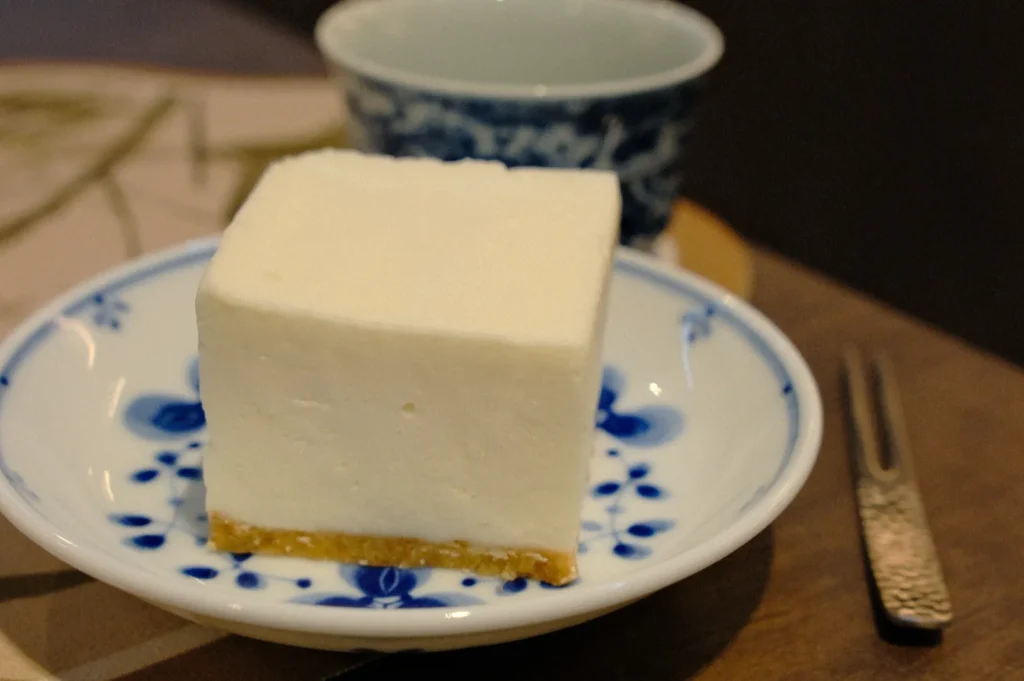
Achieving a flawless result becomes significantly easier when the recipe itself is built for structural resilience. Traditional formulations depend entirely on heavy, dense animal fats that react dramatically to slight temperature swings inside the oven. Modern baking looks toward lighter, functional elements to create a more forgiving batter.
At Daizu by Ki-setsu, the kitchen addresses these environmental challenges by mindfully blending premium soy milk and smooth silken tofu into the traditional cream cheese base. This thoughtful combination creates a Japanese soy cheesecake that handles heat shifts with complete elegance, ensuring a stable, velvety consistency and a remarkably clean finish every single time.