Someone orders a slice at a cafe, takes a bite, and immediately asks the server whether it came from the fridge or the freezer. It sounds like a strange thing to fixate on. But the answer changes almost everything about the bite, from the texture to how long the flavor lingers.
The frozen vs chilled cheesecake question turns out to be less trivial than it looks, and dessert lovers have strong, sometimes surprising, opinions about it, especially anyone who has gone looking for the best cheesecake in Singapore and noticed the answer keeps changing depending on how the slice was stored.
Why the Same Cake Tastes Different Depending on Where It Was Stored
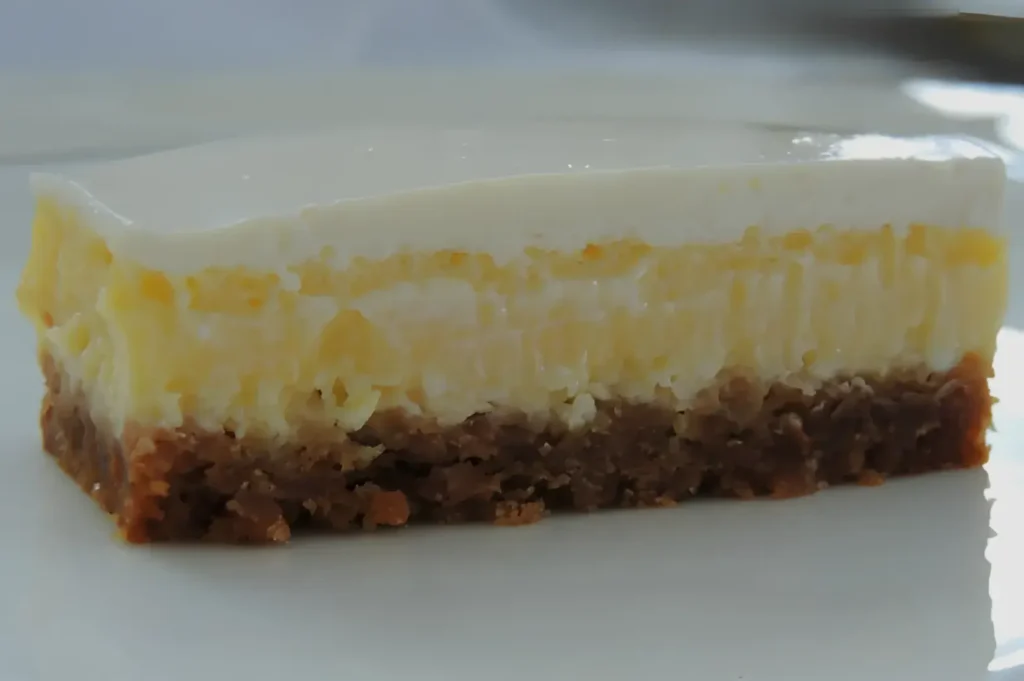
A cheesecake is mostly cream cheese, sugar, and eggs, sometimes flavored with vanilla, sometimes baked, sometimes not. That base is stable enough to survive both refrigerated and frozen storage without spoiling. What changes is how the fat behaves at different temperatures.
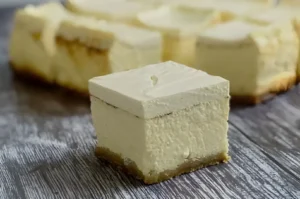
Chilled cheesecake, kept in the refrigerator, keeps its full creaminess and stays soft enough for a fork to glide through cleanly. Frozen cheesecake firms up considerably, and the ice crystals that form inside the structure change how the cake feels in the mouth. Neither is wrong. They are just different experiences built from the same batter.
Baked Cheesecake and No Bake Cheesecake Don't Freeze the Same Way
Not every cheesecake reacts to cold the same way, and a lot of the disagreement around frozen vs chilled cheesecake actually comes down to which type is being discussed.
Baked cheesecake, for example, goes into the oven, which sets the eggs and gives the cake a denser, more custard-like body. That structure holds up reasonably well in the freezer because there is real protein scaffolding to keep it together.
No bake cheesecake relies on gelatin or whipped cream to hold its shape instead of heat. It is lighter, closer to a mousse, and far more sensitive to freezing. Ice crystals can break down that delicate structure, leaving a grainy or watery result once thawed.
Type | Freezer performance | Texture after thawing |
|---|---|---|
Baked cheesecake | Holds up well | Dense, close to original |
No bake cheesecake | More fragile | Can turn slightly grainy |
What Actually Happens Inside a Frozen Cheesecake
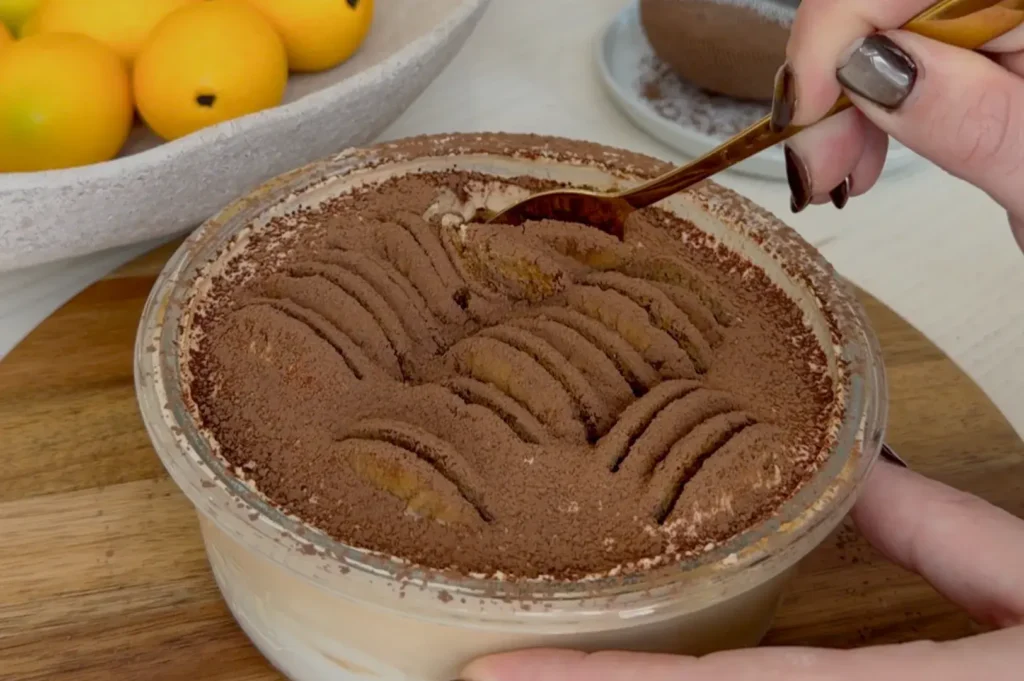
Freezing does not damage flavor the way people sometimes assume. What it basically does is slow down the movement of water inside the cake, forming small ice crystals throughout the mixture.
Those crystals are the reason a frozen slice feels firmer and slightly denser on the fork. Once the cake thaws, most of that water redistributes back into the structure, which is why properly thawed cheesecake often tastes nearly identical to a freshly chilled one. The catch is in the word properly.
The Freezer Burn Problem Nobody Warns You About
Freezer burn is the real villain in this story, not the cold itself. It happens when moisture escapes the surface of the cake and is replaced by air, a slow drying process that leaves behind dry, discolored patches tasting faintly stale.
The fix is almost entirely about how the cake is prepared. A whole cheesecake should be wrapped tightly in plastic wrap, then a layer of foil, before going into an airtight container. That double layer is what actually stands between a cake that tastes fine in three weeks and one that smells slightly off the moment it is unwrapped, and it can extend the cake’s shelf life by weeks.
A few tips help prevent freezer burn without much extra effort, and following them means there is no need to worry about what happens to the texture later:
Wrap the cake while it is fully cool, never warm
Press the wrap directly against the surface to remove trapped air
Use a proper airtight container rather than relying on wrap alone
Label the container with the date, since freshness fades faster than most people expect
Worth keeping this checklist open in a browser tab while wrapping, since it is easy to skip a step
None of this takes more than a few extra minutes, and it is the difference between a cake that survives freezing tasting like itself weeks later and one that needs to be quietly thrown out.
How Long Cheesecake Can Actually Sit in the Freezer
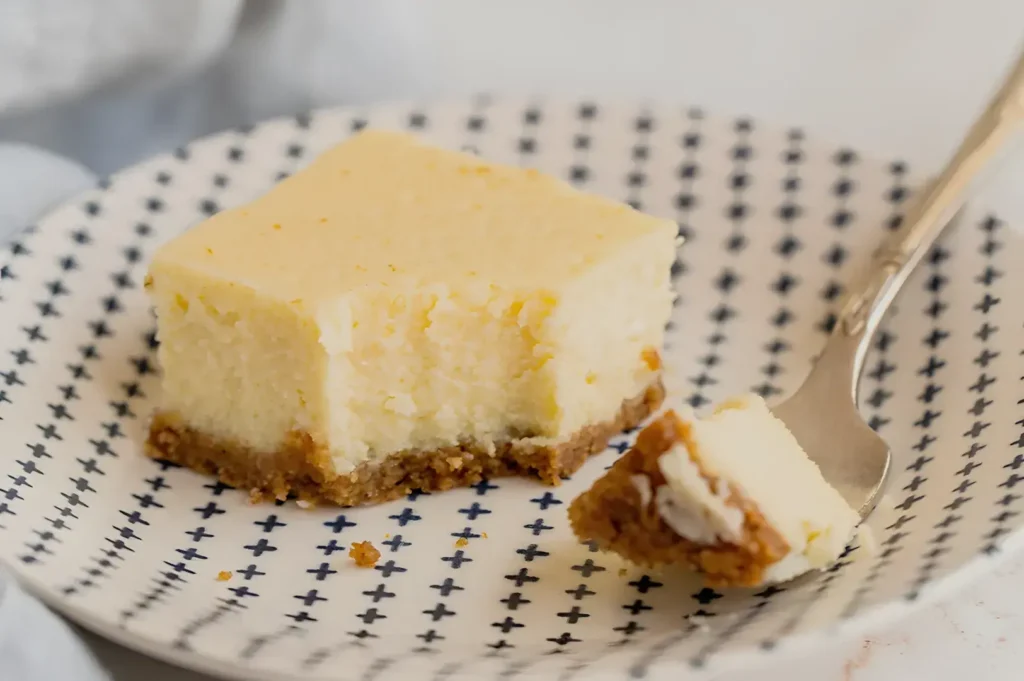
There is a wide gap between how long frozen cheesecake stays technically safe to eat and how long it stays genuinely good. The first has a lot more room in it than most people assume, which is exactly why the second number matters more day to day.
Most whole cheesecakes hold their quality for around one to two months in the freezer when wrapped well. After that, the texture and flavor start to drift, even if nothing is unsafe about eating it.
Slices behave a little differently than a whole cake. Individually wrapped portions tend to thaw more evenly and are easier to portion out for guests without defrosting the entire dessert at once, which also makes leftover cake easier to consume one serving at a time instead of all at once.
The Right Way to Thaw Without Ruining the Texture
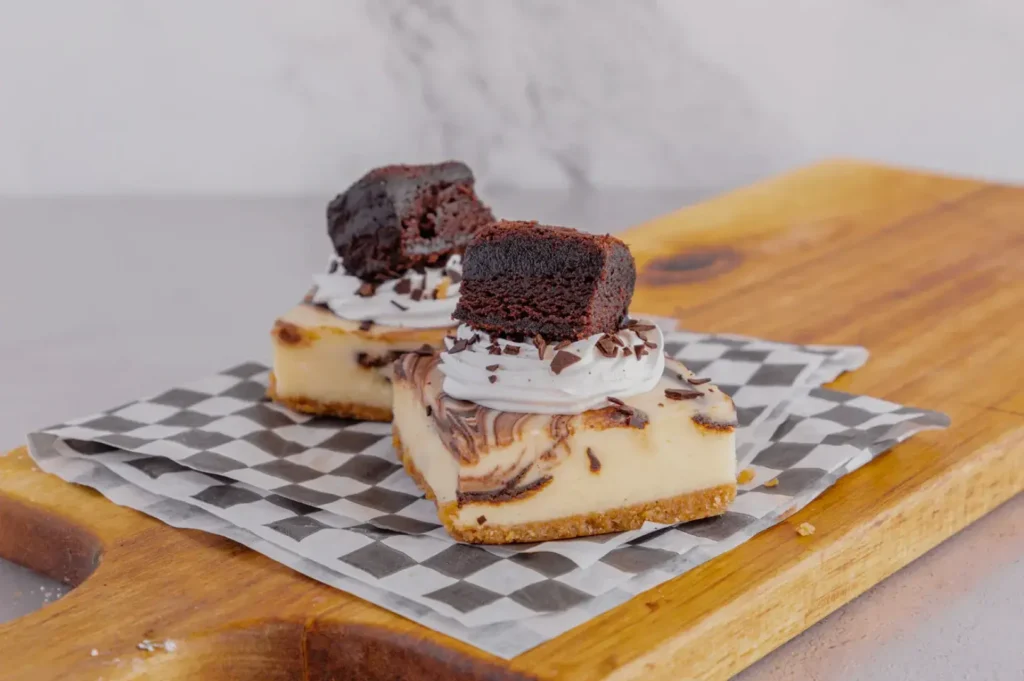
This is where a lot of frozen cheesecakes lose their appeal, not because the freezing was done wrong, but because the thawing was rushed. Unlike letting a cake stand out on the counter, defrosting slowly in the fridge gives the texture time to rest and turn smooth again. The tips in this post apply whether it is a whole cake or a single slice.
A whole cake usually needs several hours, sometimes overnight, resting covered in the refrigerator before it reaches the right texture. A single slice can be ready in a few hours. Leaving it out on the counter to speed things up invites condensation, which makes the crust soggy and throws off the balance between the biscuit base and the filling.
Toppings, Fruit, and Chocolate Complicate Things Further
Fresh fruit toppings rarely survive freezing well. The water inside fruit expands and breaks down cell walls, so a cheesecake finished with fresh berries or citrus is better topped after thawing, not before.
Chocolate shavings, ganache, and firmer toppings tend to freeze and thaw without much issue. Anything with a mousse-like consistency, on the other hand, is closer to no bake cheesecake in how it behaves and deserves the same caution.
So, Frozen or Chilled: Which One Actually Wins
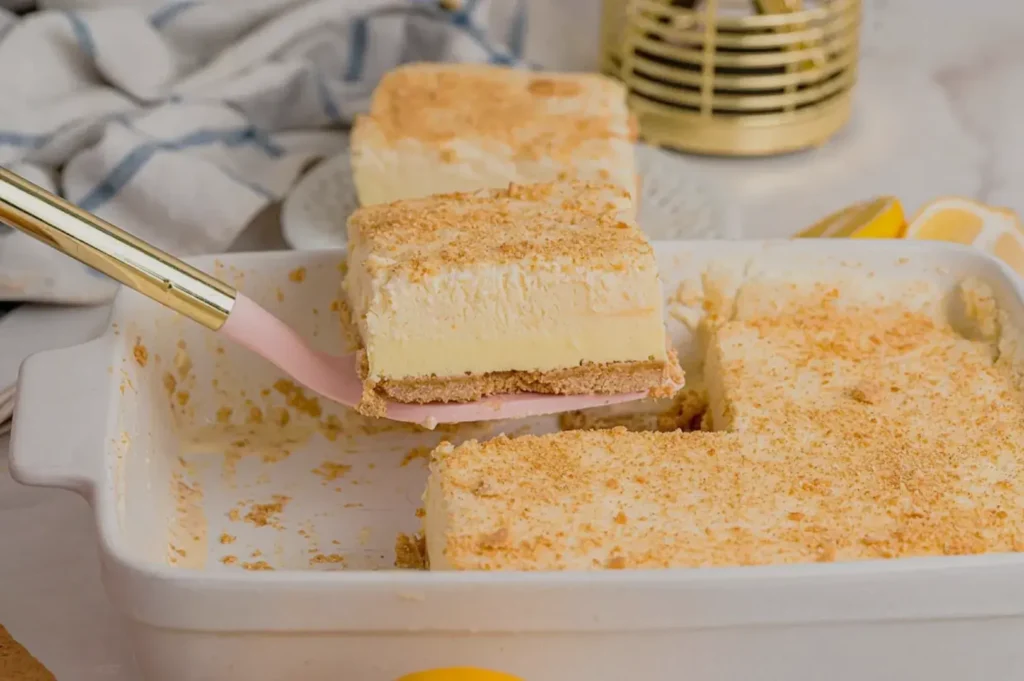
There is no universal answer here, and that is probably why the debate keeps going. A chilled cheesecake, fresh and never frozen, tends to have the smoothest, most consistent texture, which is why it is often considered the benchmark for the best cheesecake experience.
But frozen cheesecake earns its place for a different reason entirely: convenience without much compromise. A well-wrapped, properly thawed frozen cheesecake can sit remarkably close to fresh, especially for baked styles built to handle the cold. The real divide is not about quality. It is about what the moment calls for, a spontaneous slice tonight or a properly planned dessert for later.
Cheesecake recipes built with the freezer in mind tend to lean on that fine line between structure and softness, which is exactly the kind of detail Daizu by Ki-setsu pays attention to in every soy cheesecake made in Singapore, whether ordered through the website or picked up chilled from the store. Whether a cake is meant to be eaten the same day or set aside to enjoy later, the care in how it is prepared and stored ends up shaping the whole experience.