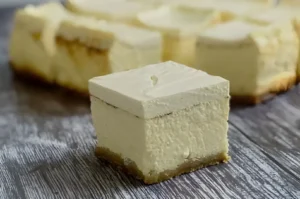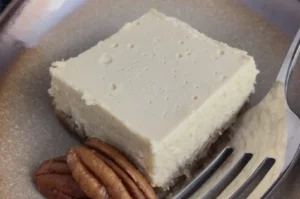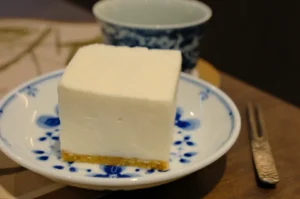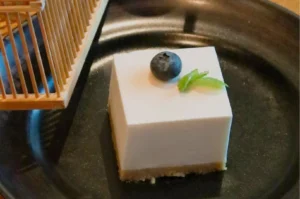
There’s a specific moment that happens after a dinner party or a birthday. Half a cheesecake sits in the fridge, still on its cardboard round, and nobody wants to be the one to finish off the leftover cheesecake just to avoid waste, especially if it took some scrolling through lists of the best cheesecake in Singapore to track it down in the first place. The instinct is always the same: freeze it and deal with it later.
That instinct is correct. Cheesecake freezes well, better than most desserts actually, whatever recipe it started from. The part that trips people up isn’t the freezing at all. It’s everything that happens before and after, which is what this post is really about.
What Actually Happens When You Freeze Cheesecake
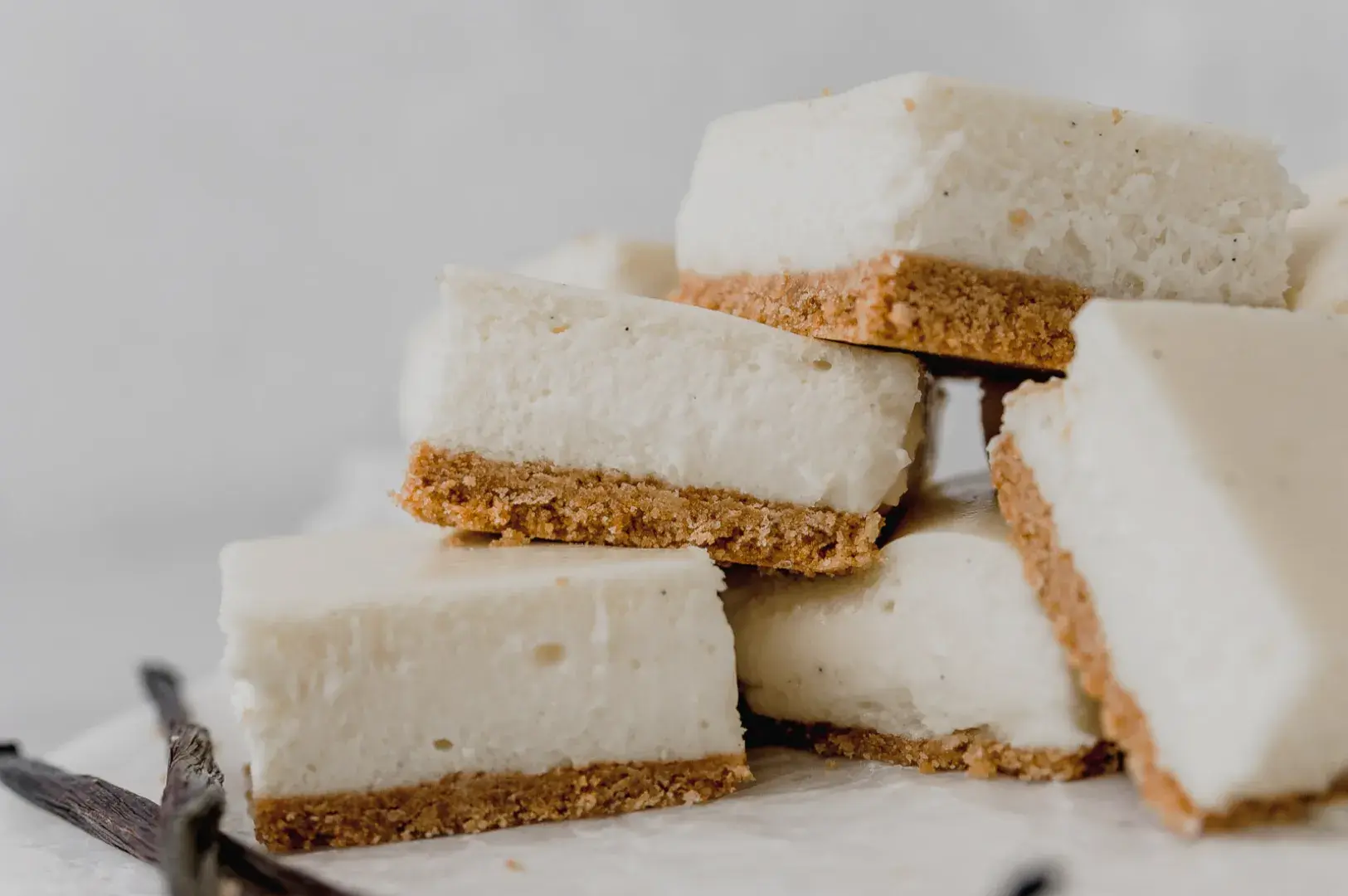
Cheesecake is mostly cream cheese, eggs, and sugar, which means it’s low in water compared to something like a fruit tart. Low water content is exactly why it holds up in the freezer. There’s less liquid to form ice crystals, and ice crystals are the thing that ruins texture and, over time, causes freezer burn.
That doesn’t mean nothing changes. The structure firms up slightly once thawed, and the surface can turn a touch grainy if it wasn’t wrapped properly. None of this is dramatic, but it explains why some people swear cheesecake freezes fine and others say it never tastes the same. A slow, steady cheesecake freeze protects the texture far better than a rushed one, and labelling the wrap with a date makes it easier to keep track of how long it’s actually been in there.
The Freezing Cheesecake Change That Catches People Off Guard
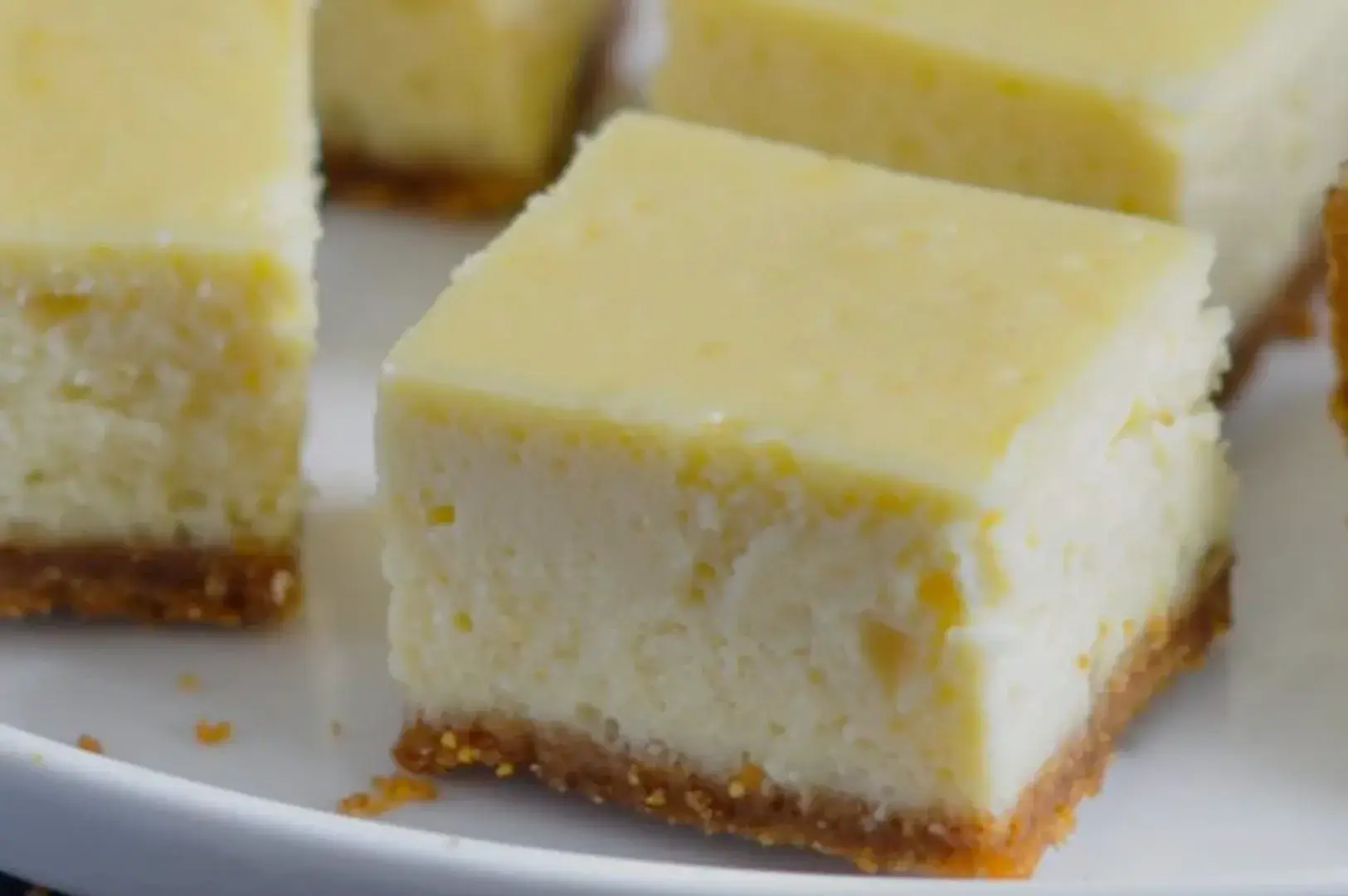
The freezing cheesecake change most people notice isn’t in the base or the filling. It’s in the toppings. Fruit compotes go watery, chocolate shavings lose their snap, and anything with gelatin can turn slightly rubbery.
The filling itself, left plain, comes through the freezer close to how it went in. This is why bakers and food stylists so often freeze the cake bare and add everything decorative after it’s thawed, not before. Freezing leftovers well generally comes down to that same idea: keep the parts that spoil fastest separate from the parts that don’t.
Cream Cheese and Why Texture Is the First Thing to Go
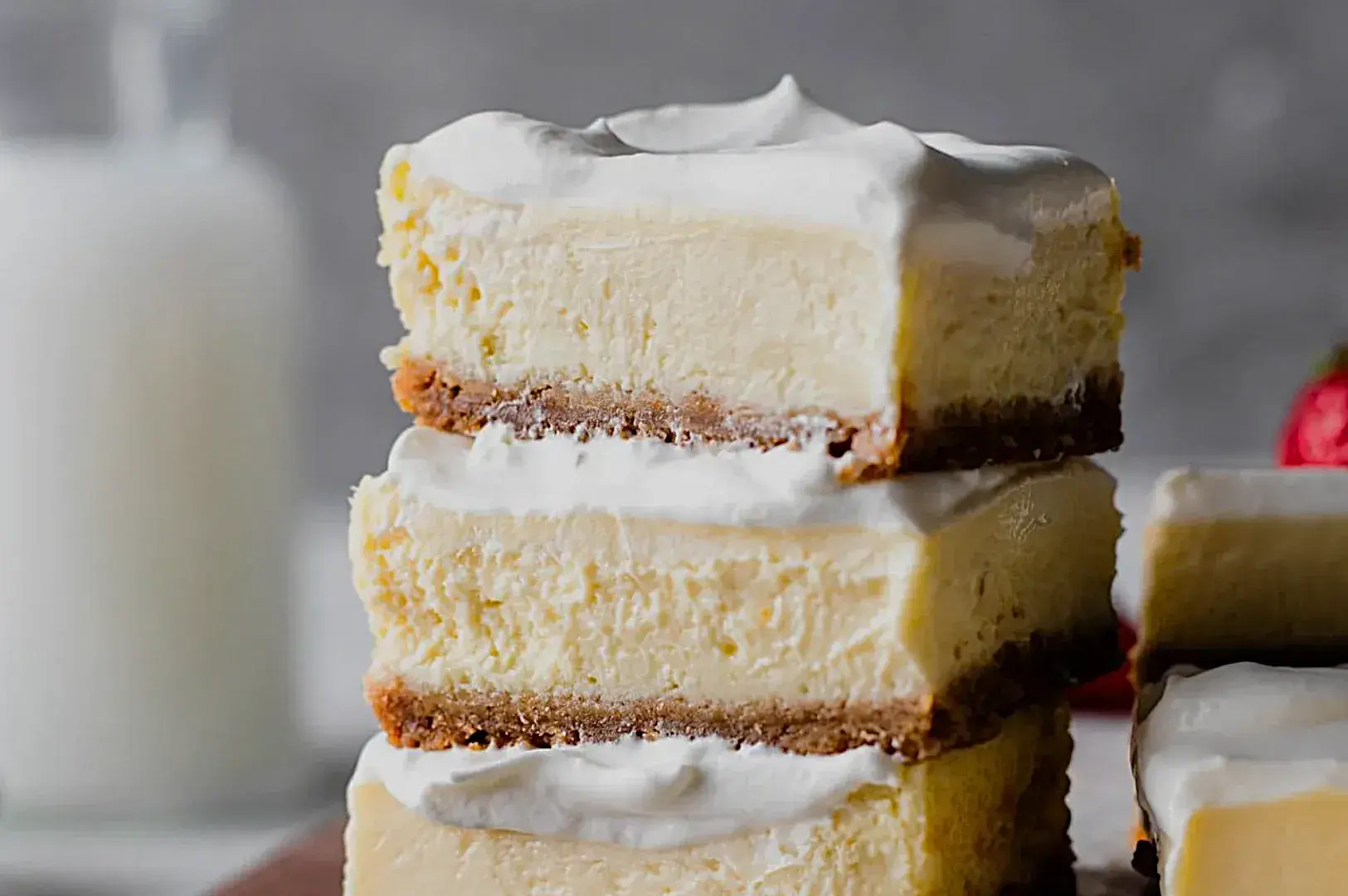
Cream cheese behaves differently at different temperatures, and that’s the whole story of why cheesecake texture shifts in the freezer. Cold, it’s dense and holds its shape. Frozen and thawed too quickly, the fat and water can separate slightly, leaving a texture that feels looser than it should.
This is a moisture problem more than a flavour one. The taste barely moves, and done right, the cake stays just as moist as the day it was baked. What people are actually reacting to when they say a thawed cheesecake feels “off” is usually a texture issue caused by how it was frozen or thawed, not the freezing itself.
Cool Completely Before Wrapping Anything
Before any of that matters, the cake needs to cool completely. Wrapping a warm cheesecake traps steam, and that steam becomes ice once it hits the freezer, which then melts back into the cake as extra moisture during thawing. Give it time to chill undisturbed rather than rushing it into the freezer while it’s still faintly warm.
A few hours on the counter, or a stretch in the fridge overnight, is enough. Once it’s properly cool, it’s fine to cover it and pop it straight into the freezer. Rushing this step is one of the more common reasons a frozen cheesecake ends up soggy on one side.
Whipped Cream and Toppings That Should Stay Behind
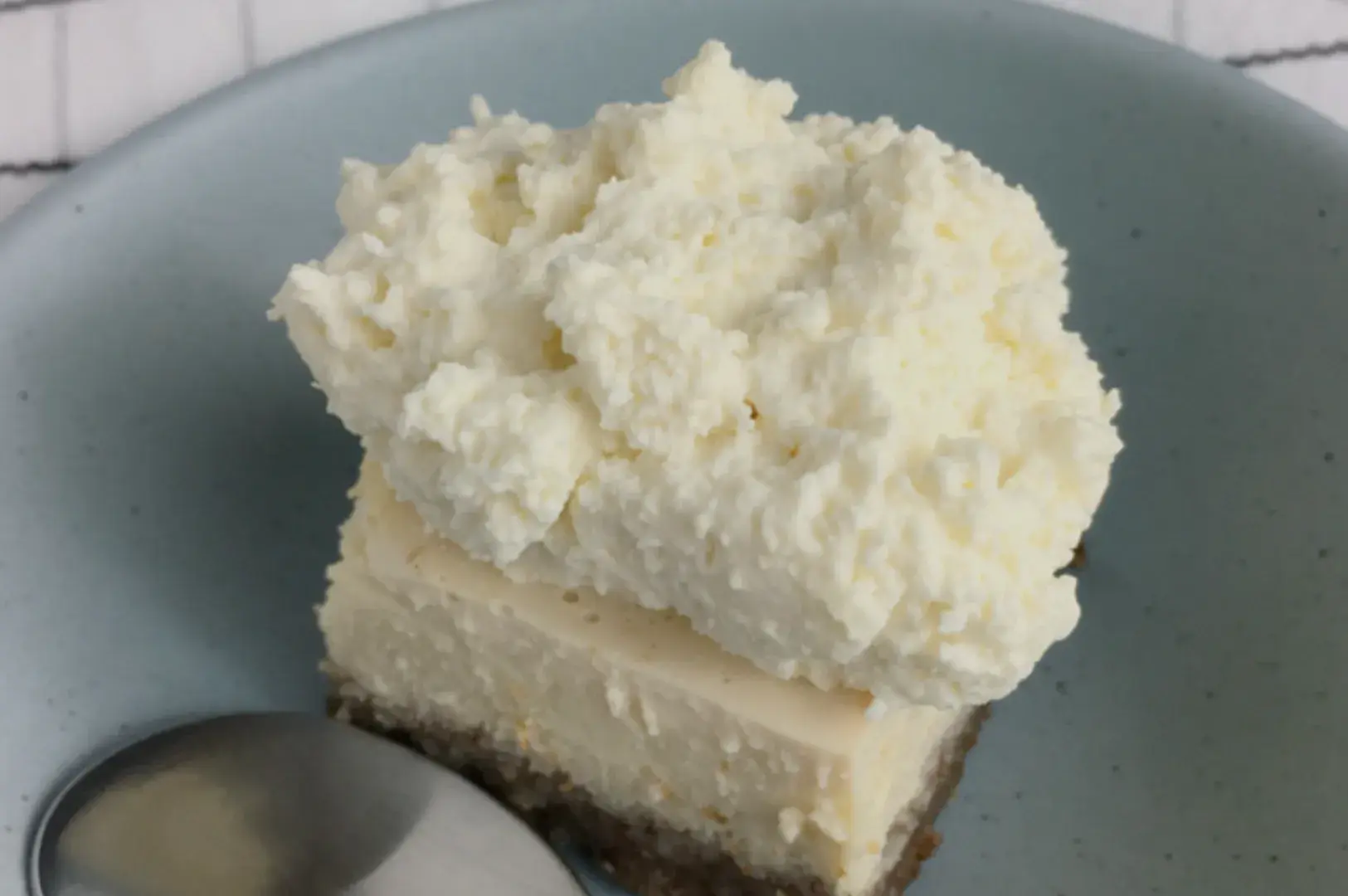
Whipped cream and freezing were never going to be friends. It loses its structure almost immediately, turning icy and then watery the moment it thaws. Fresh fruit does something similar, softening past the point of being pleasant to eat.
The simple fix is to leave all of it off before freezing. Whipped cream, glazes, fruit, anything delicate goes on after the cake has thawed, not before it goes into the freezer.
The Double Wrap Method Worth Bothering With
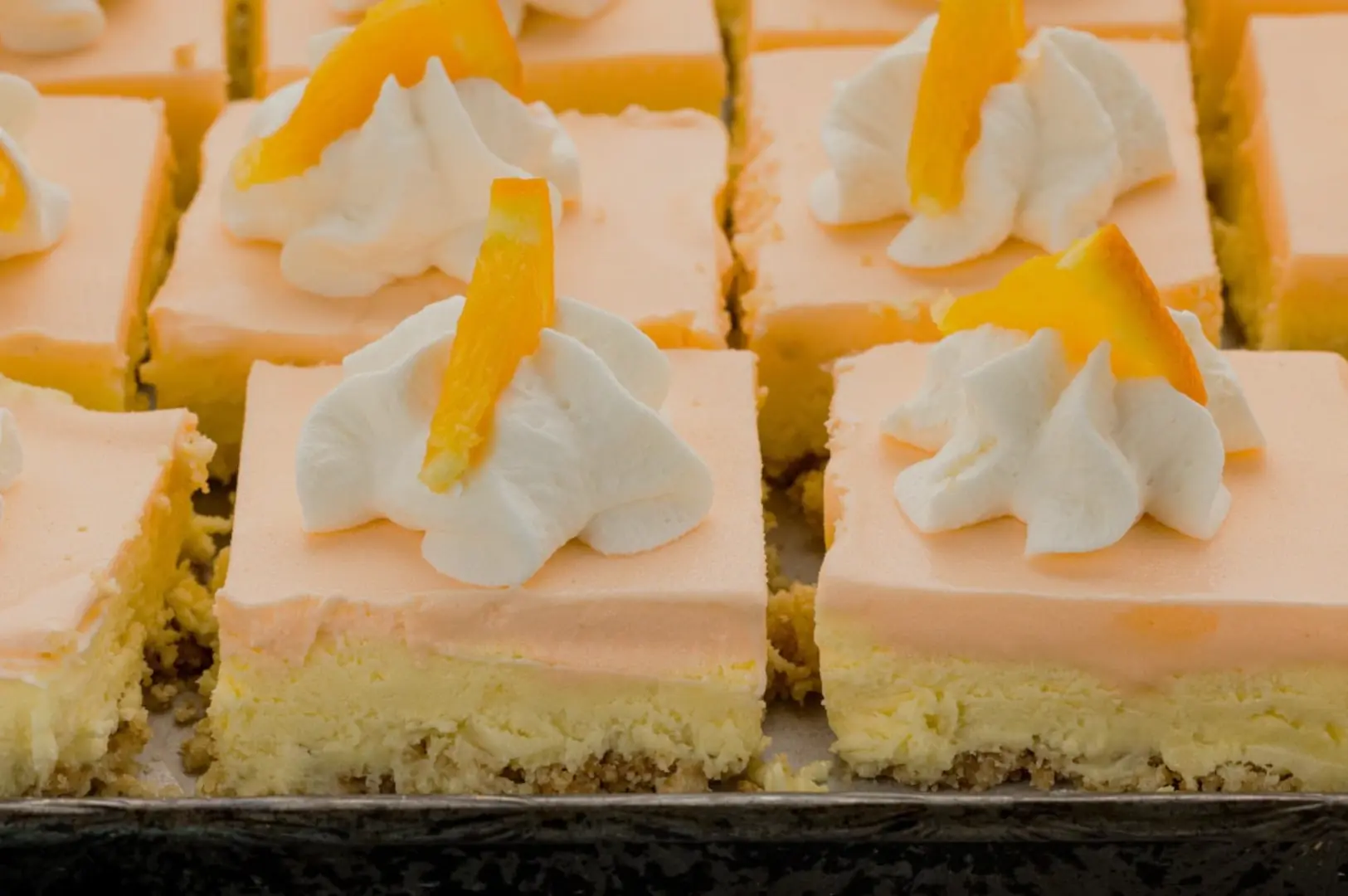
Keeping air out is the main priority here, more than any specific material. A single layer of plastic wrap isn’t enough on its own, since it’s thin enough to let some air through and doesn’t fully block freezer odours either.
The double wrap approach solves both problems. Plastic wrap goes on first, pressed close to the surface, followed by a layer of aluminum foil over the top. If the cake is still sitting in its springform pan, taking it out of the pan before wrapping makes the whole process easier. For a whole cheesecake still on its cardboard round, wrapping the whole thing, round included, keeps it easier to store and handle later.
It’s also worth choosing to freeze individual slices from the start rather than committing to a whole cake at once. Wrap each slice on its own, ideally with a small piece of parchment paper between the cake and the wrap so it doesn’t stick, then group the slices in a freezer bag once wrapped. This makes it possible to pull out individual portions one at a time instead of defrosting the whole cake for a single serving.
No Bake Cheesecake Freezes on Its Own Terms
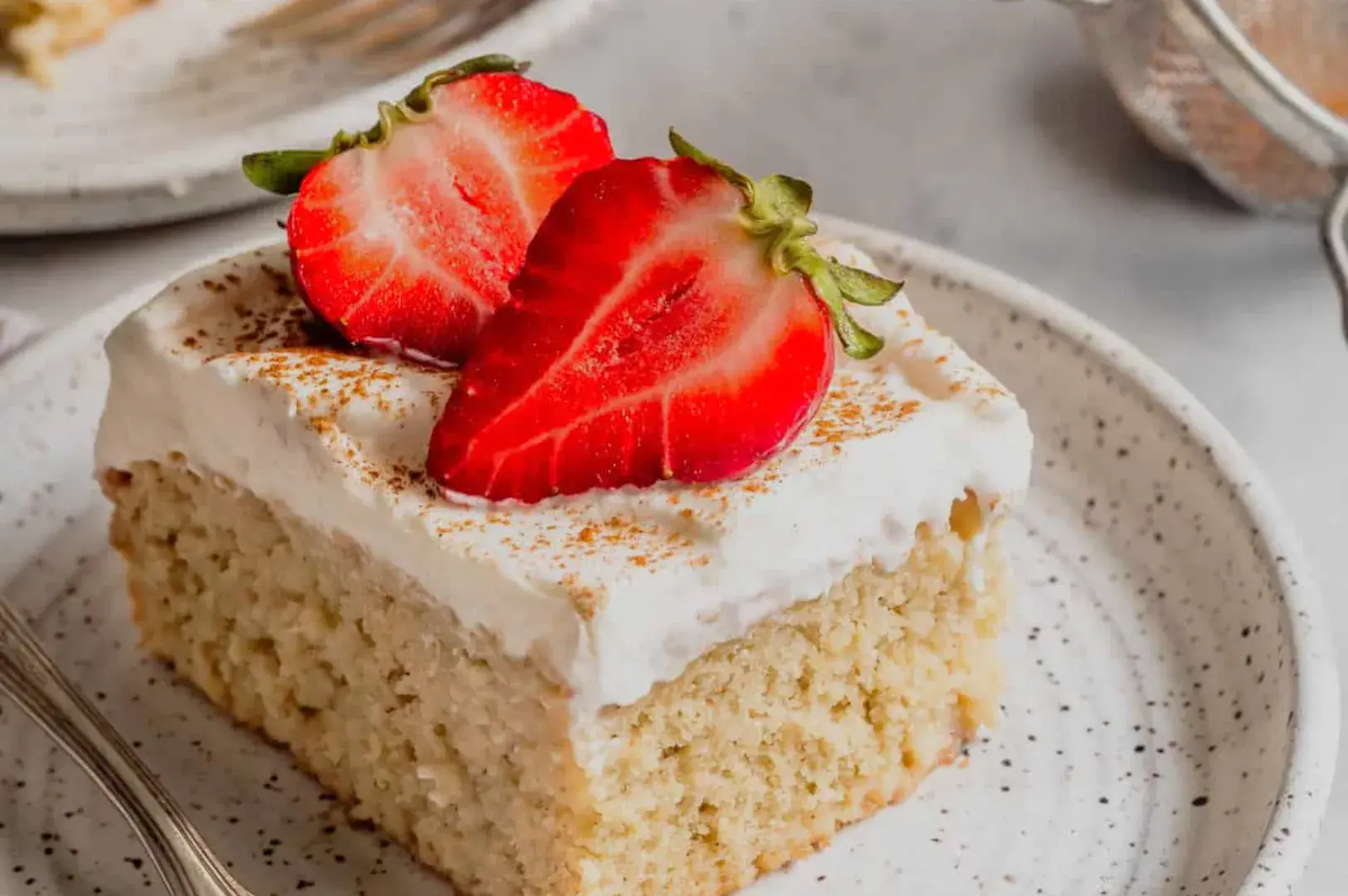
No bake cheesecake follows slightly different rules because it relies on gelatin or chilling alone to set, rather than egg proteins firming up in the oven. It freezes well, but it’s a little more sensitive to slow, gentle thawing since the set is softer to begin with.
The wrapping method stays the same, plastic wrap first and foil over that. The difference shows up mainly at the thawing stage, where a no bake cheesecake benefits from extra patience so the structure has time to firm back up in the fridge rather than collapsing at room temperature.
The Best Way to Thaw Frozen Cheesecake
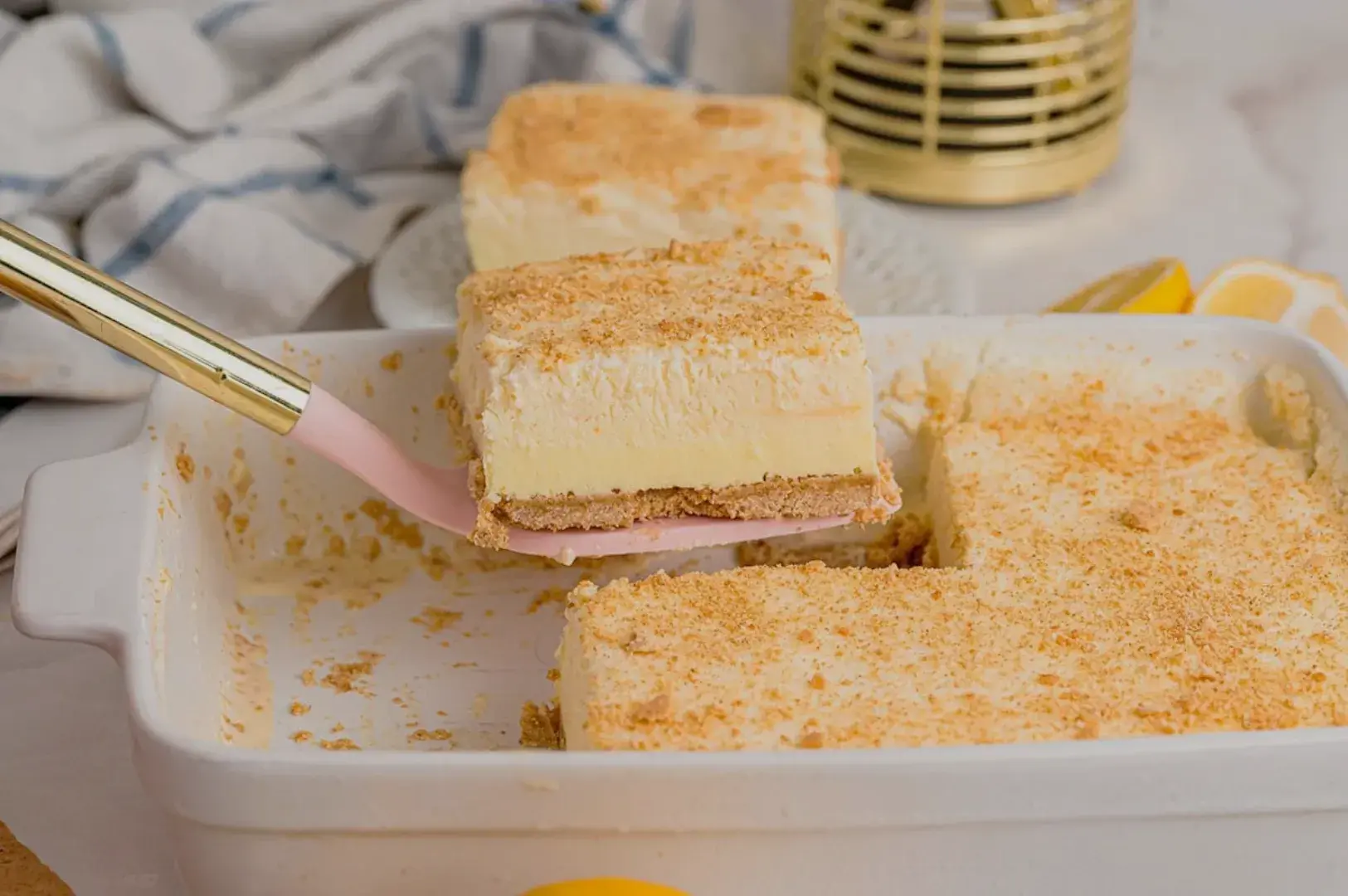
The best way to thaw frozen cheesecake is also the least exciting one: slowly, in the refrigerator, with the wrapping still on. A whole cheesecake usually needs the better part of a day. Individual slices can be ready in a few hours.
Keeping the wrap on during this stage matters more than people expect. It slows the temperature change and stops condensation from forming directly on the cake’s surface, which is what leads to a wet, slightly soggy top layer. Skipping straight to the microwave is tempting when time is short, but it warms unevenly and tends to melt the edges before the center has caught up.
Why Defrosting Frozen Cheesecake at Room Temperature Goes Wrong
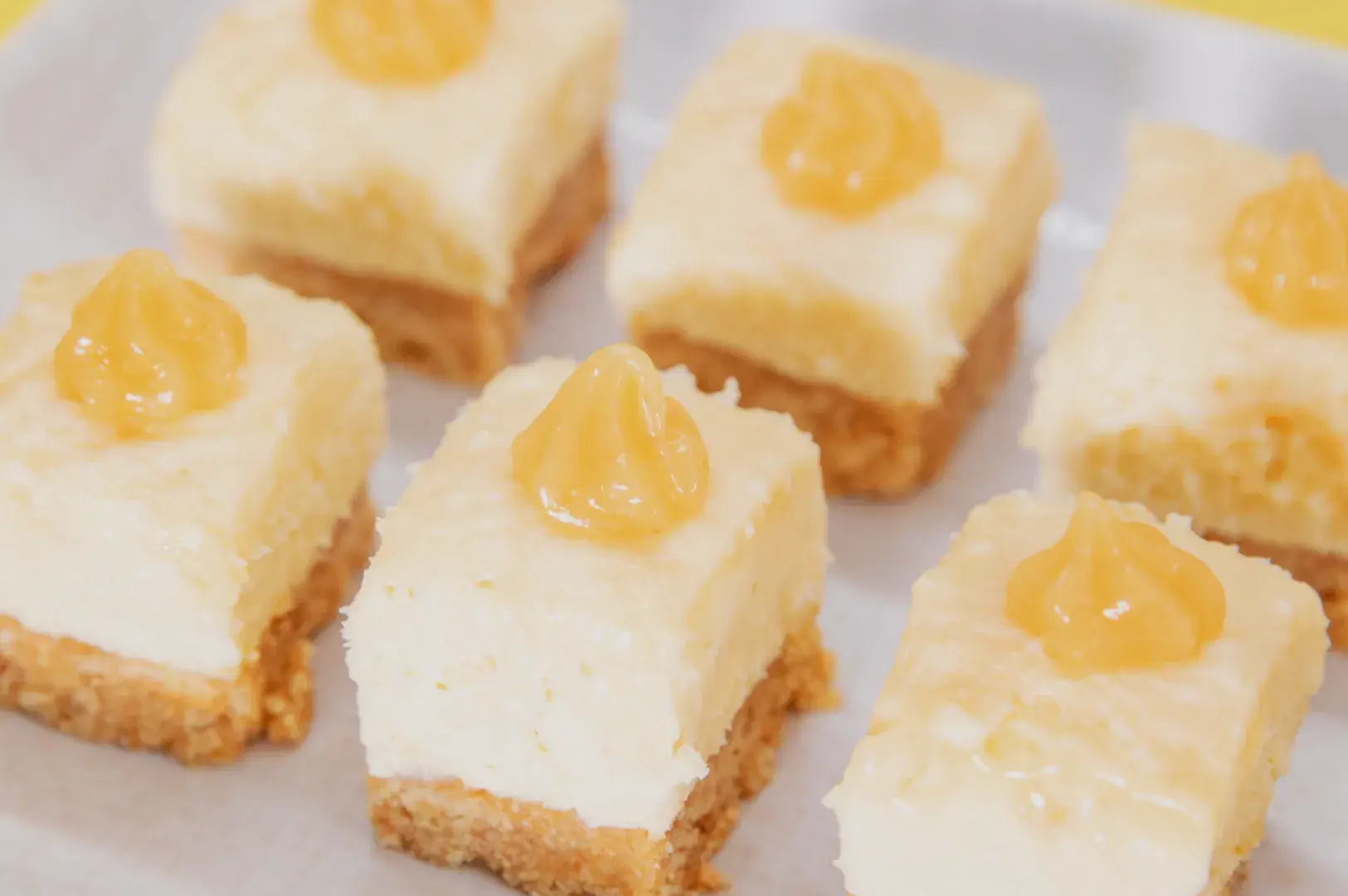
Here’s the part that actually explains the title. Defrosting frozen cheesecake at room temperature feels faster and more convenient, so it’s the default move for a lot of people. It’s also the reason so many home-frozen cheesecakes come out watery, soft in the wrong places, or oddly separated.
Room temperature thawing happens unevenly. The outside warms and softens well before the center catches up, which means by the time the middle is ready, the edges have already gone past the point of holding their shape. Moisture that should have stayed locked into the cream cheese ends up pooling instead.
Give It Back Its Time in the Fridge, and the Rest Sorts Itself Out
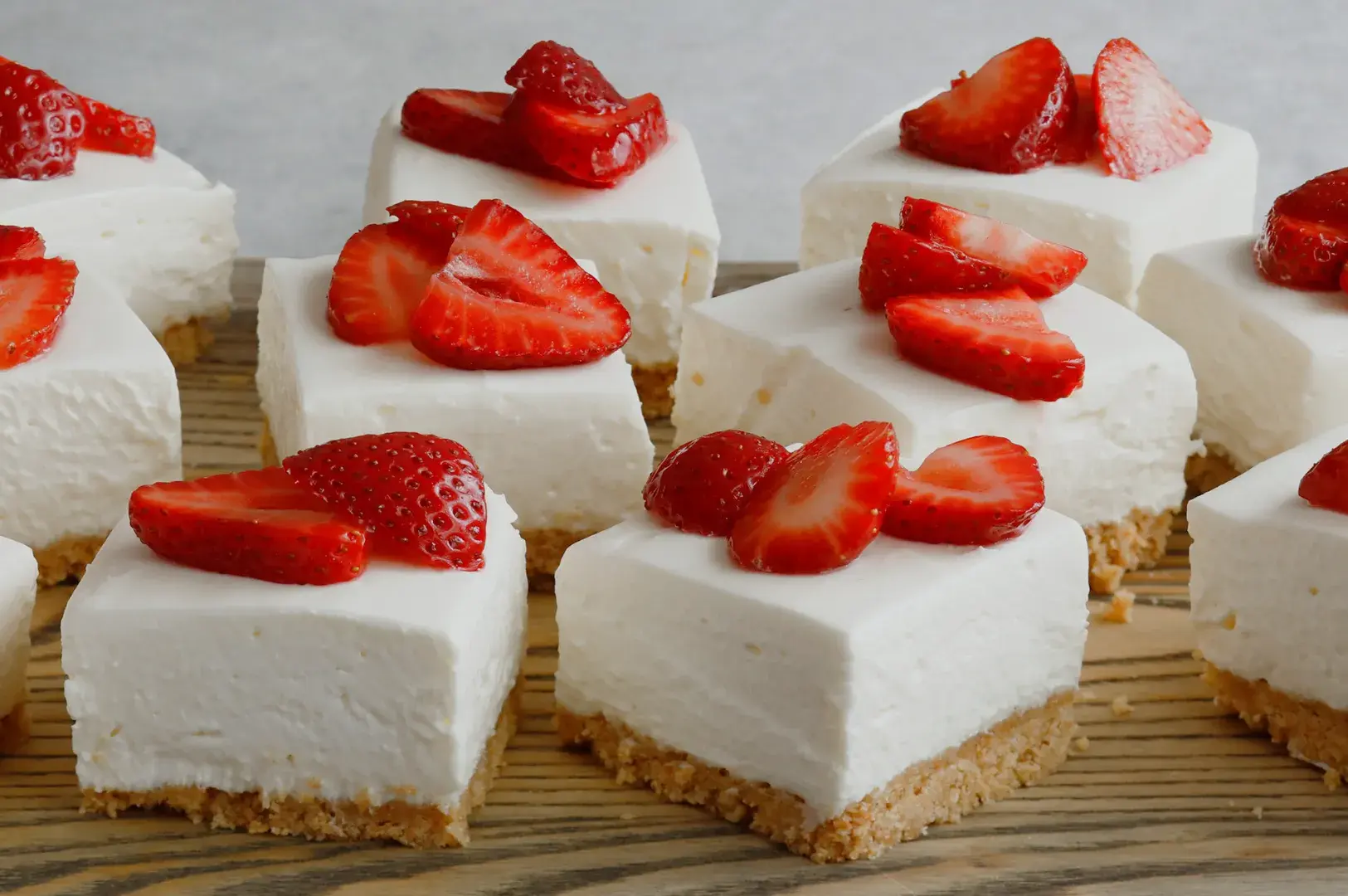
The fix isn’t complicated, just less convenient. Move the cake from freezer to fridge the night before, thaw overnight or through most of a day, and let it finish coming up to serving temperature on the counter for the last twenty minutes or so. Whether it gets called thawing overnight or defrosting overnight, the process is identical, and it’s the whole reason freezing works so well for planning ahead, whether that means a slice saved for later or a whole cake made in advance of an event. That last short stretch at room temperature is fine. It’s the hours before that need to happen somewhere cold.
Getting this right is really just a matter of sequencing, and a few tips carry more weight than any elaborate technique. Cool completely, wrap it properly, freeze it plain, and give it back its time in the fridge before anyone tries to serve it. The flavor holds up fine on its own. It’s the texture that needs the help, and there’s no reason to skip dessert now just to indulge in it properly later.
At Daizu by Ki-setsu, the soy-based cheesecakes are made with that same patience in mind, which is worth carrying through at home too if a slice is going back into the freezer for later.