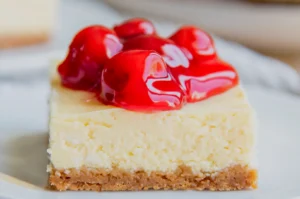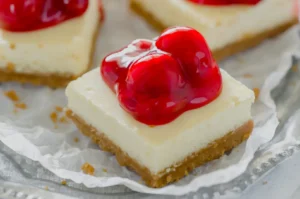
A slice comes straight out of the fridge and gets eaten standing at the counter, before it even makes it to a plate. Cold, straight from the shelf, gone in four bites. Ten minutes later, a second slice sits untouched nearby, and it tastes like a completely different dessert. Same cake, same fork, same afternoon. So what actually happened in those ten minutes?
Cheesecake Serving Temperature Is Doing More Work Than It Gets Credit For
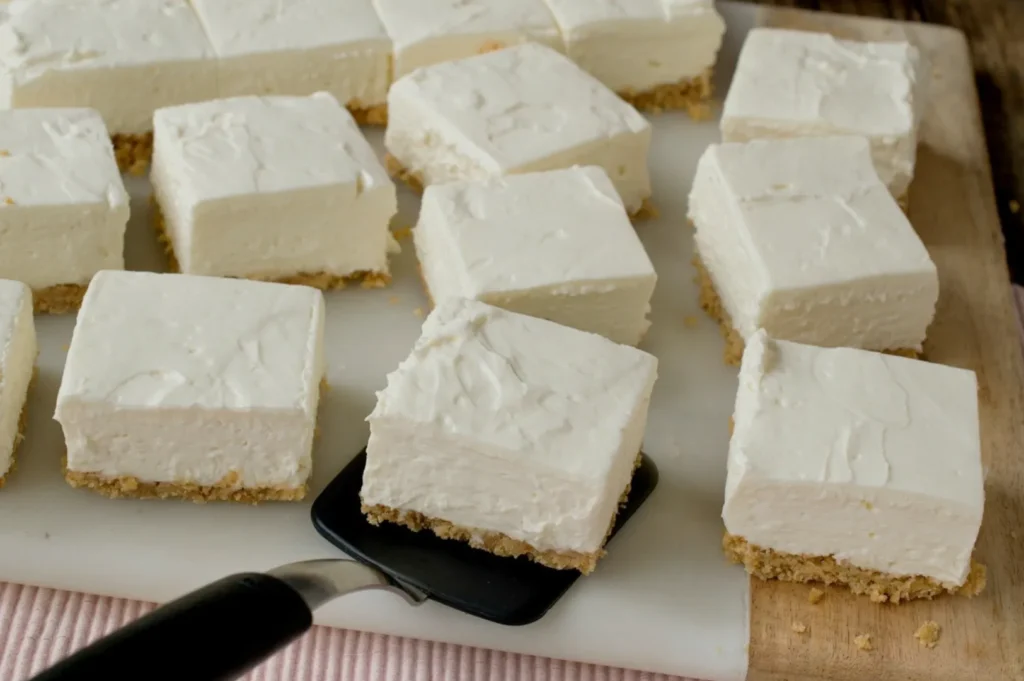
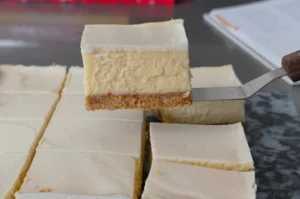
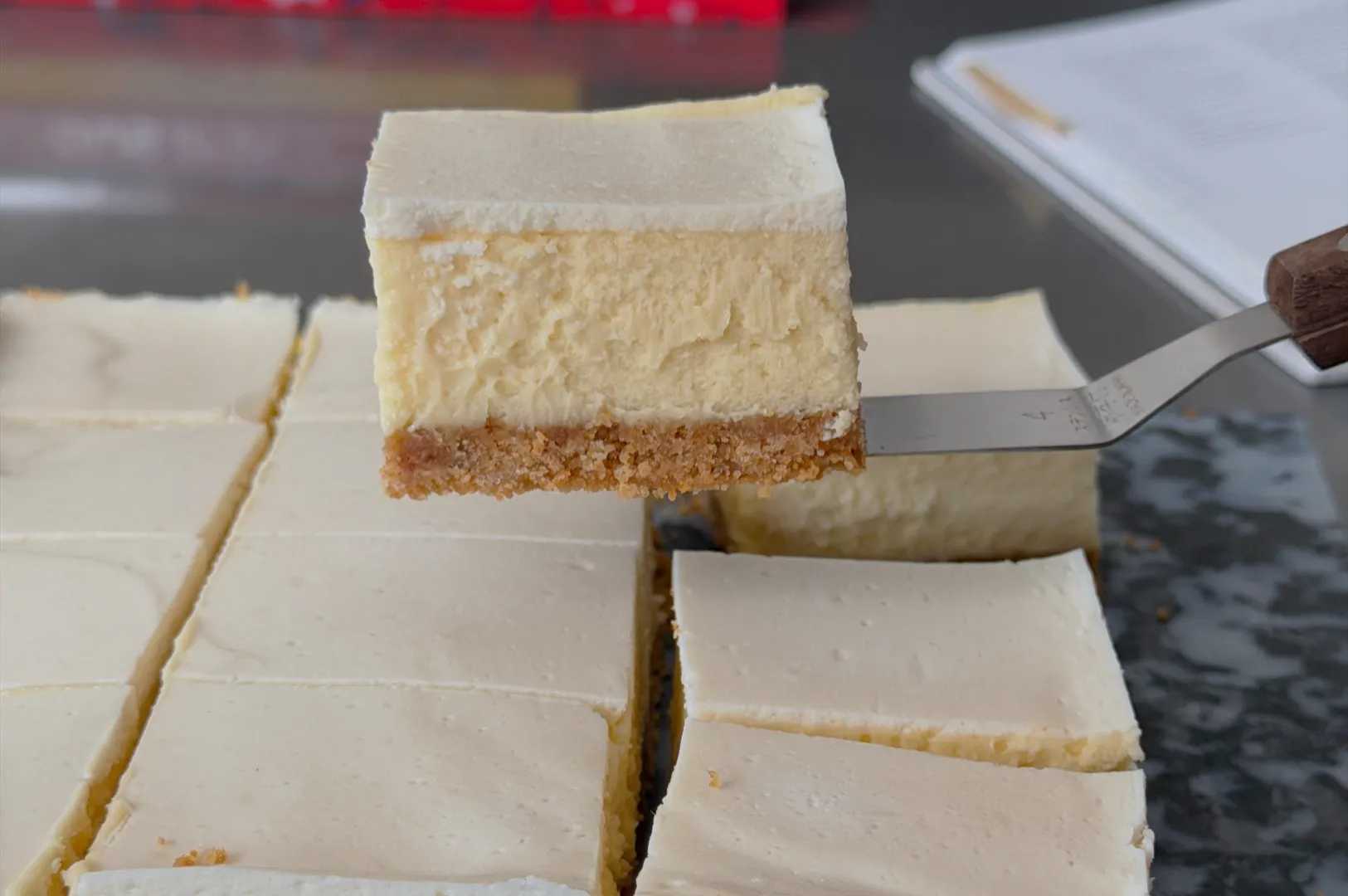
Cheesecake is one of the few desserts where temperature changes the entire experience, not just the comfort of eating it. Fat is temperature sensitive. When cheesecake comes straight from the fridge, the fat inside it is firm and somewhat locked in place, which is part of why a cold slice feels dense and holds a clean edge when cut.
As the slice warms, that fat begins to soften. The texture that felt tight and structured turns looser and closer to what most people would call creamy. This is not really about the cheesecake changing. It is about the fat inside it becoming more relaxed, and the whole structure following its lead.
Cheesecake serving temperature is rarely mentioned on packaging or in recipes, yet it quietly decides whether a slice reads as firm and clean or soft and rich. Ten minutes is often the exact window where that shift becomes noticeable without the cake losing its shape entirely.
What Ten Minutes Actually Does to the Slice
Flavor is not just about taste buds. Aroma compounds need warmth to become airborne, and a cold dessert simply does not release much of them. That vanilla note, the faint tang from the cheese, the buttery base underneath, most of it stays muted at fridge temperature.
Here is roughly what happens as a slice sits out:
| Time on Counter | Texture | Flavor Perception |
|---|---|---|
| Straight from fridge | Firm, dense, clean cut | Muted, mostly sweetness |
| 5 minutes | Slightly softened edges | Aromas starting to lift |
| 10 minutes | Noticeably creamier | Tang and richness more distinct |
| 20+ minutes | Soft, may lose structure | Very open, but texture can slump |
Ten minutes tends to sit in a useful middle zone between fridge cold and fully soft. Long enough for the fat to loosen and the aroma to open up, short enough that the cake still holds its shape on the fork.
Why Room Temperature Cheesecake Tastes Different, Not Just Softer
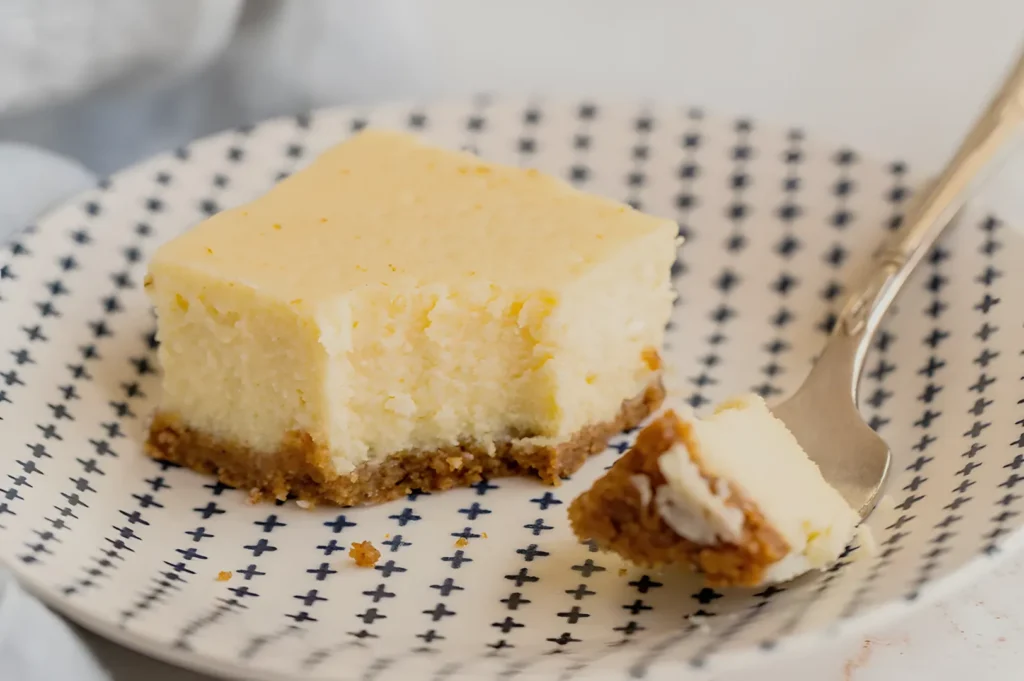
It would be easy to assume the only change is texture, but the tang most people associate with cheesecake becomes more pronounced as it warms. Acidity is perceived more strongly at warmer temperatures, which is part of why a fridge cold slice can taste flatter and sweeter, while the same slice at room temperature tastes rounder and slightly sharper.
There is also the matter of mouthfeel. Cold fat coats the tongue less effectively than softened fat, which changes how long flavors seem to linger after each bite. A slice eaten cold can taste like it disappears quickly. The same slice ten minutes later tends to sit with the palate a little longer.
Does This Apply the Same Way to Every Style of Cheesecake?
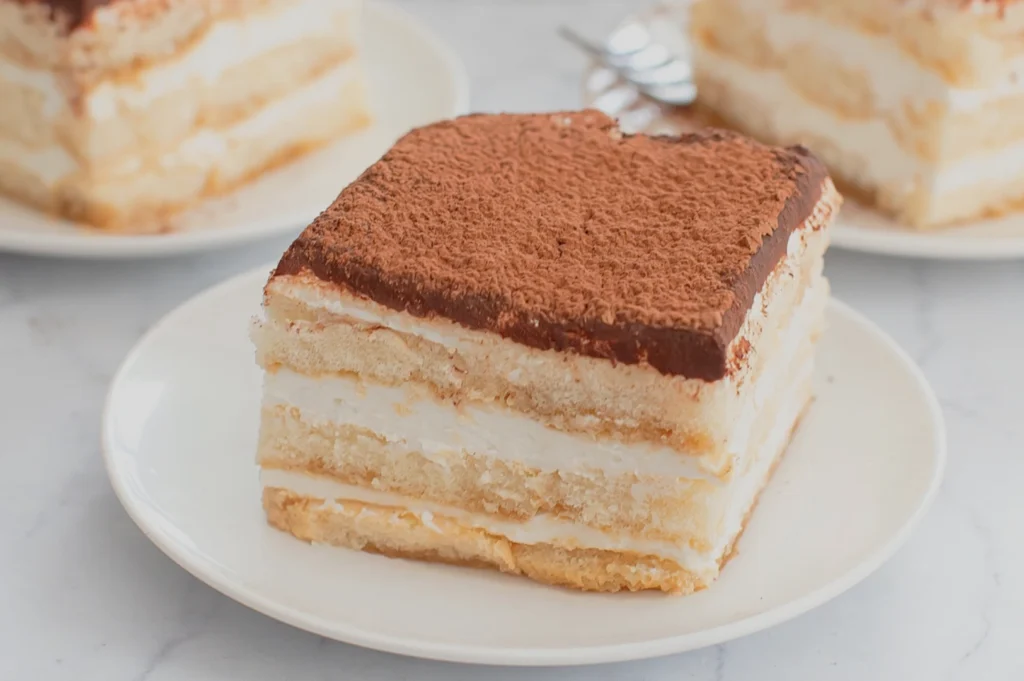
Not quite. Dense, baked New York style cheesecakes are built on a heavier fat and cream cheese ratio, so the shift from cold to room temperature tends to be dramatic, sometimes almost like eating two different desserts.
Lighter, souffle style cheesecakes, the kind built around whipped egg whites and a higher proportion of air, respond differently. They are already soft and airy at fridge temperature, so ten minutes on the counter softens them further without the same dramatic before and after. The change is real, just quieter.
- Dense, cream cheese heavy cakes: expect a bigger shift
- Light, souffle style cakes: expect a subtler, smoother shift
- Cakes with a firmer biscuit base: base texture changes less than the filling
Knowing which category a cheesecake falls into is a reasonable way to guess how much ten minutes will actually matter before cutting into it.
Is Ten Minutes a Rule, or Just a Convenient Number?
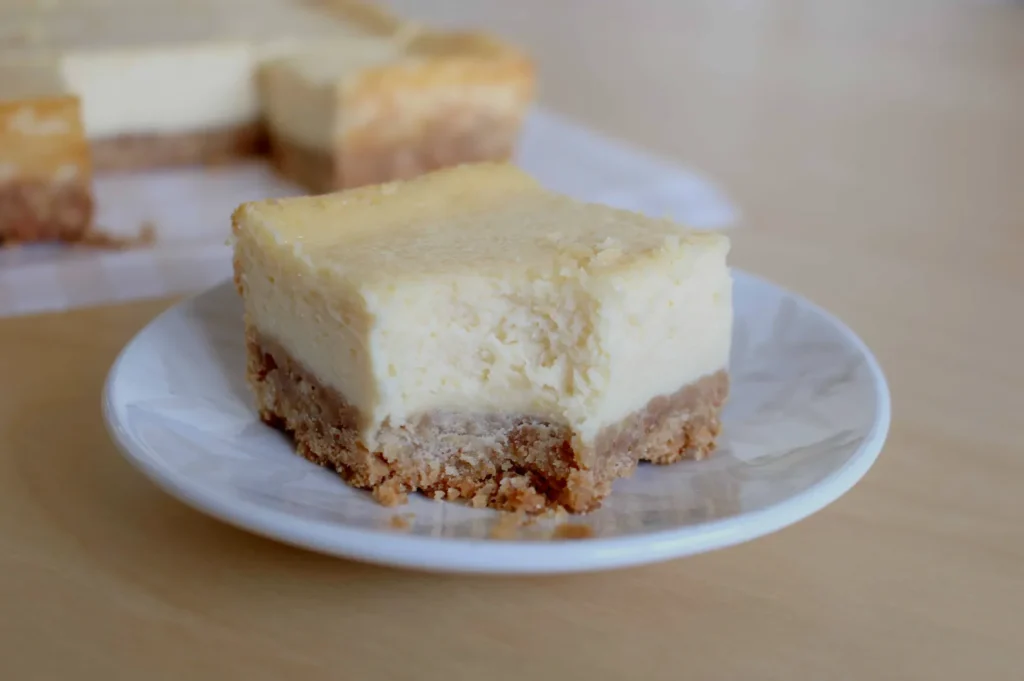
Ten minutes is not a scientific threshold. It is closer to a convenient shorthand that happens to line up with how long fat generally needs to soften without the structure giving out. Some cakes are ready in five minutes. Denser, colder slices from a deep fridge might need closer to fifteen.
The more useful habit is paying attention rather than watching the clock. A slice that still resists slightly under the fork usually needs more time. One that starts to look glossy at the edges has probably gone past the ideal point and is heading toward too soft.
So, Does Ten Minutes Really Change That Much?
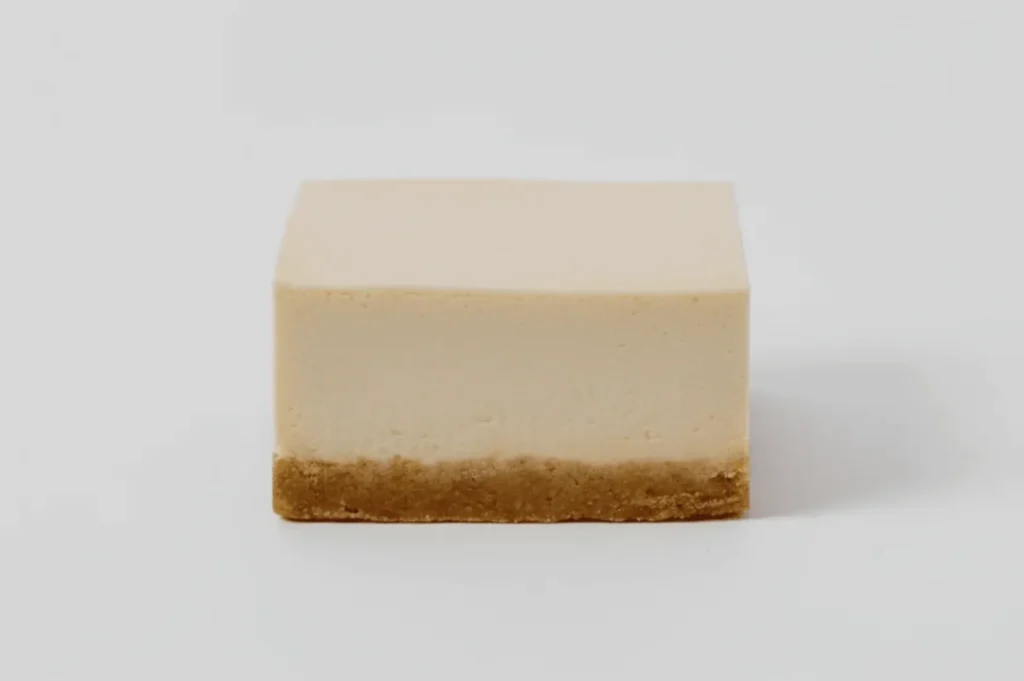
The honest answer is yes, though not because the cheesecake itself changes. What changes is how accessible it becomes. The same fat, sugar, and cheese are there the entire time, but ten minutes off the fridge lets the fat relax and the aroma finally do its job. It is less a transformation and more a matter of the cake finally being allowed to taste like itself.
For anyone who has assumed a slightly warmer slice would just be a softer version of the same thing, this is usually where the surprise happens. It is not softer so much as more itself.
This is part of what makes Daizu by Ki-setsu worth paying attention to at the table rather than eating straight out of the box. Its soy based, lighter style cheesecake already leans toward a gentler, airier texture, and giving it those same few quiet minutes on the counter tends to bring out the soy’s natural nuttiness in a way the fridge simply keeps locked away.