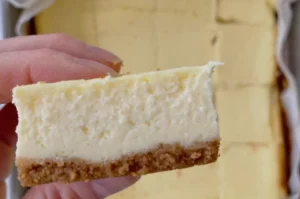
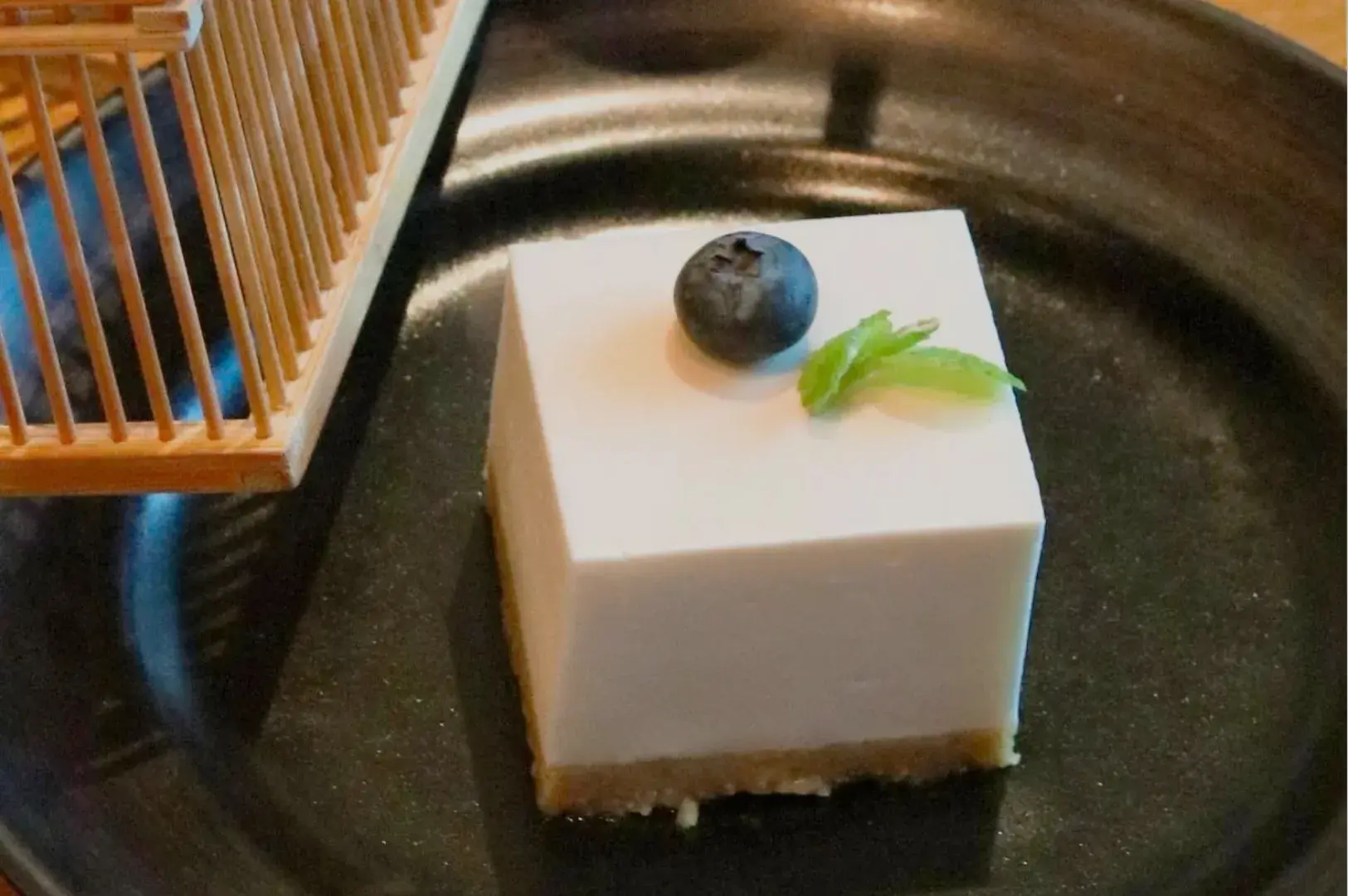
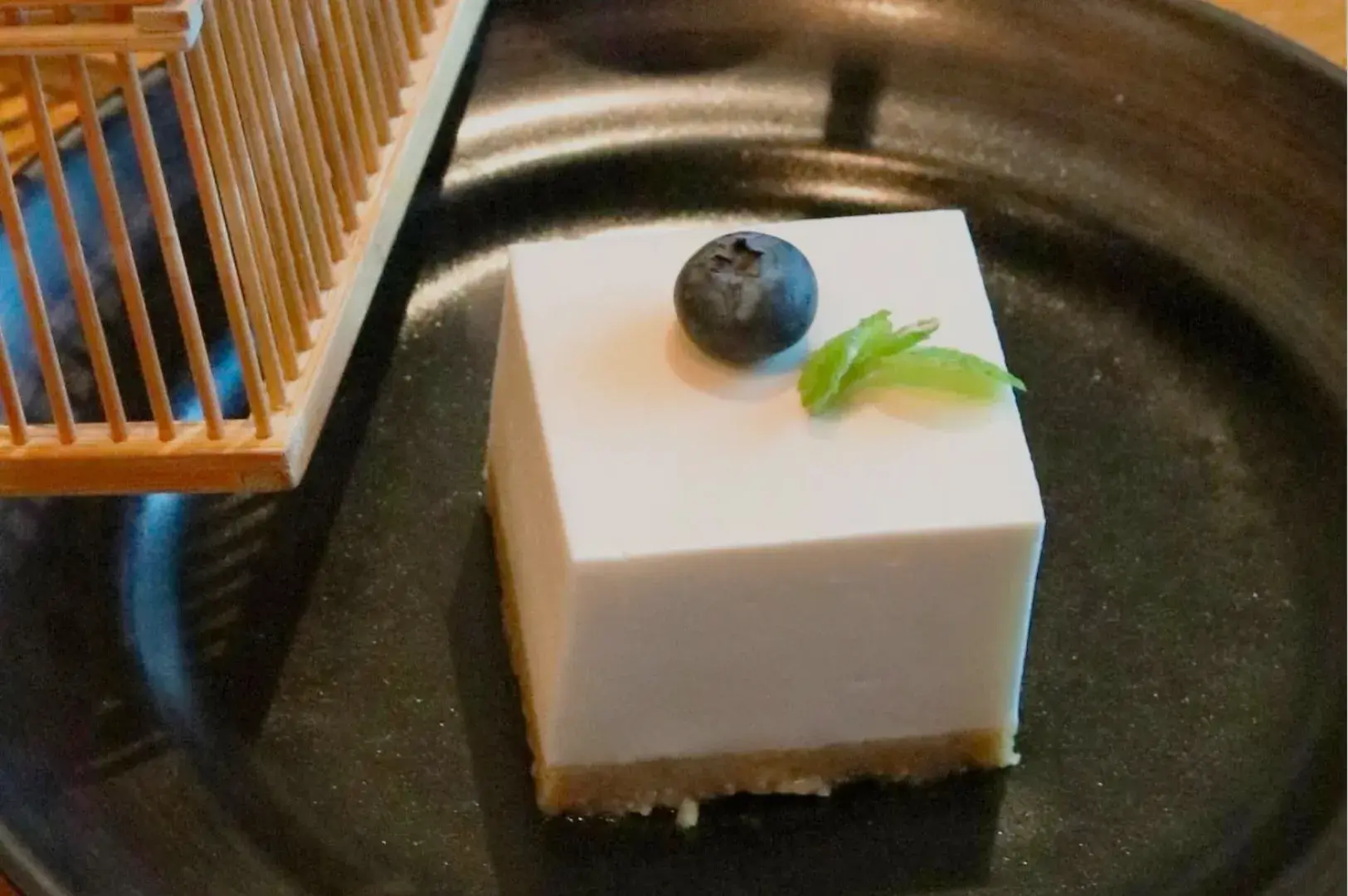
There’s always that moment after a slice is cut. The rest of the cake sits there on the counter, half covered in foil, and someone in the kitchen asks the question out loud: does this need to go in the fridge right now, or can it wait until after dinner? It seems like a small thing. It isn’t, not when dairy and eggs are involved.
Getting cheesecake storage right is less about fussiness and more about protecting the texture, the flavor, and the safety of something that took real effort to make. This is especially true for cheesecake in Singapore, where the warm climate makes proper storage even more critical.
Why the Counter Feels Right, Even When Room Temp Works Against It
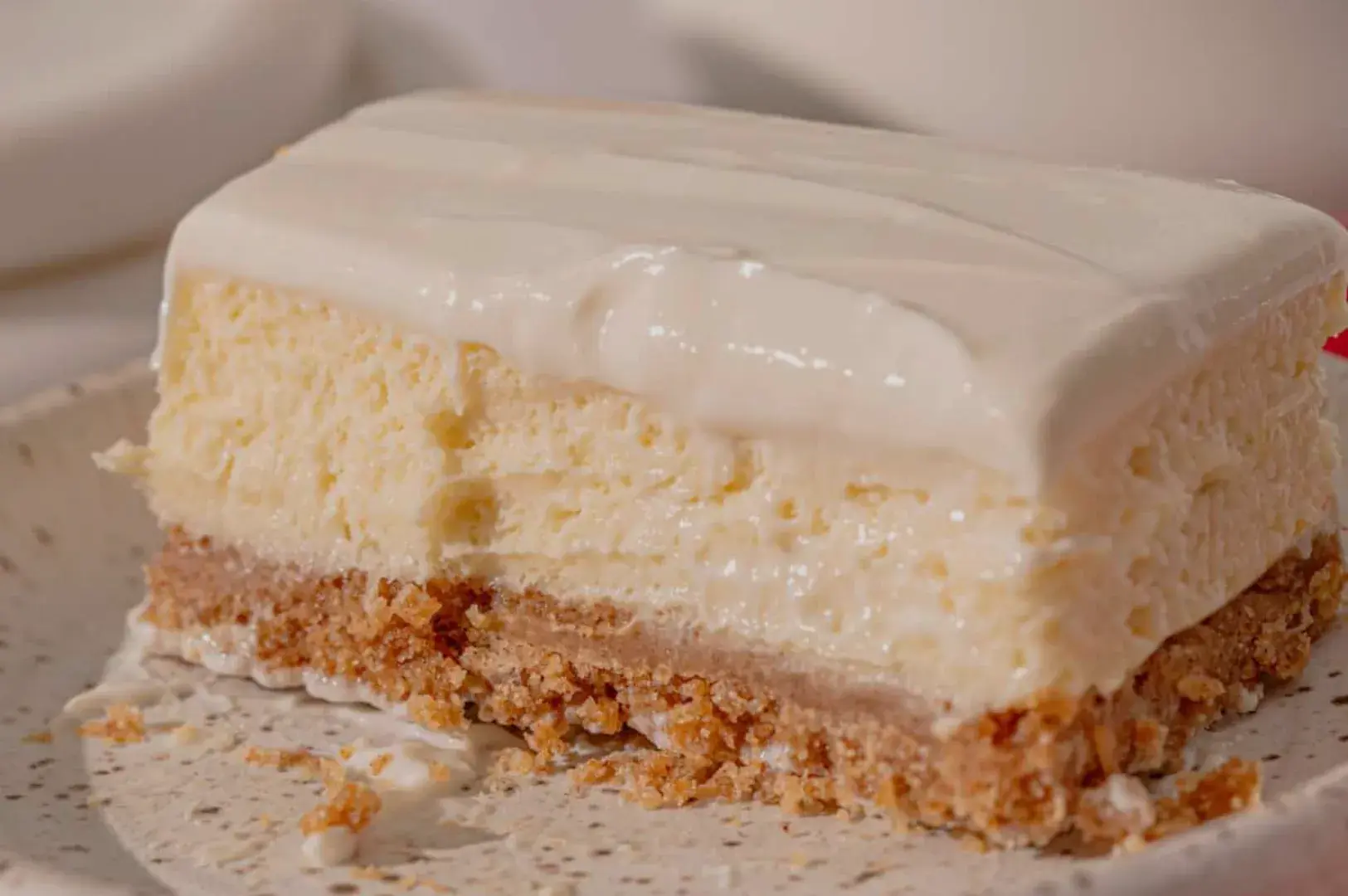
Leaving a cake out feels natural. Most baked goods are fine at room temp for a day or two. Cheesecake is different because of what’s actually in it.
Cream cheese, eggs, and often a layer of sour cream or yoghurt make this a dairy-heavy dessert, and dairy doesn’t hold up well outside the fridge. The USDA guidance on perishable foods is blunt about it: anything with dairy or eggs shouldn’t sit at room temperature for more than two hours. Push past that window and bacterial growth becomes a real risk, not a theoretical one.
A slice is fine sitting out for several hours during a dinner party without issue, as long as it’s kept away from direct sun or a warm kitchen. A whole cheesecake left uncovered on the counter overnight, though, has crossed from “resting” into “spoilage risk,” even if nothing looks wrong on the surface.
A cheesecake left out after a birthday party, for example, might still look perfectly fine the next morning. It’s the part that can’t be seen, the bacterial activity below the surface, that makes it worth erring on the side of caution. A helpful rule to ensure safety is simple: if it’s been out longer than the length of a meal, it belongs in the fridge, not back on the table.
What Actually Happens to a Baked Cheesecake Inside the Fridge
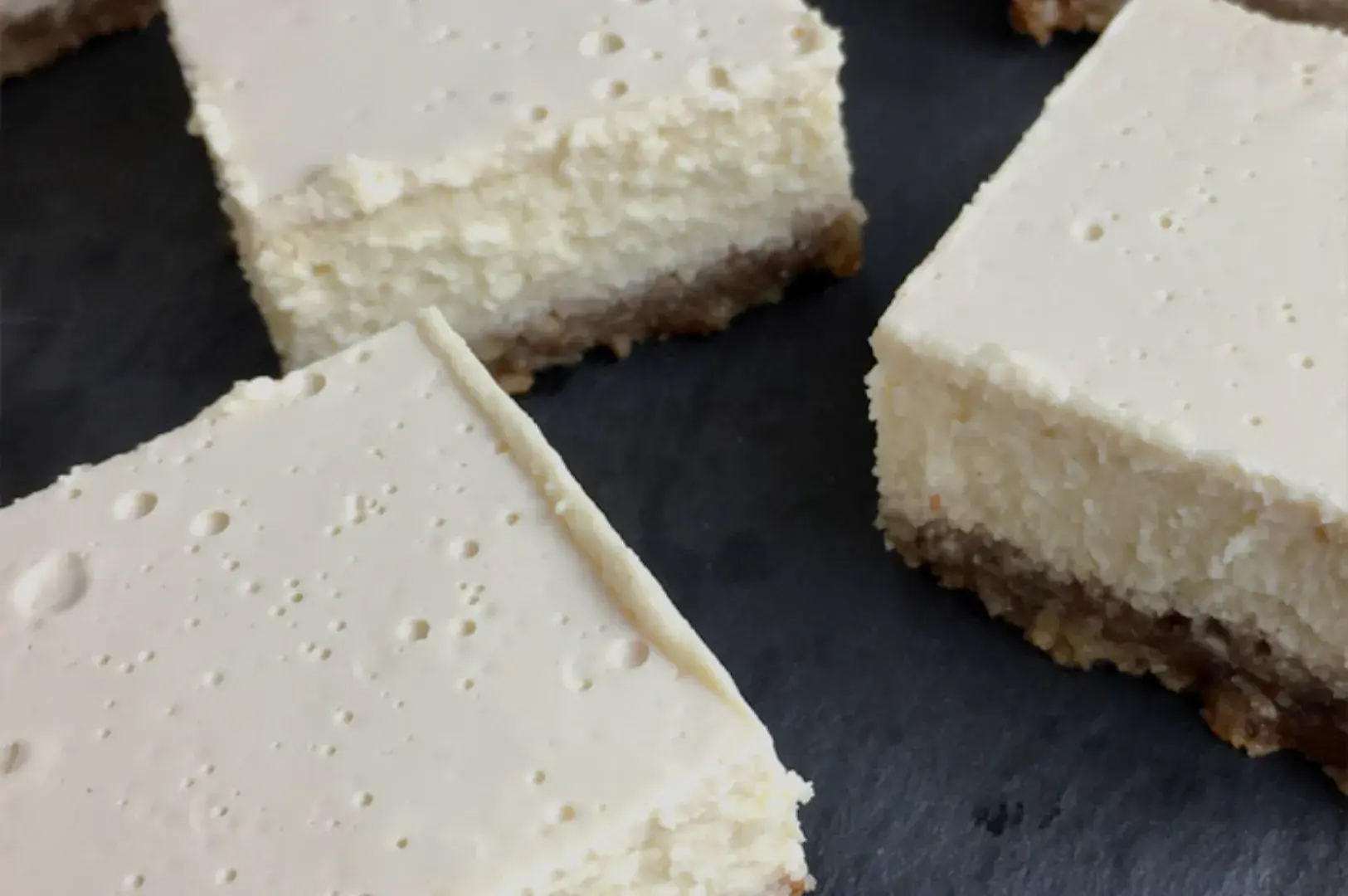
Refrigeration slows things down rather than stopping them. A baked cheesecake, properly wrapped and refrigerated, stays good for about a week. The cold keeps bacteria from multiplying at the rate they would on the counter, and it also keeps the texture from turning soft and sliding toward warm cheesecake territory, which nobody actually wants once it’s been cut.
The catch is that the fridge is a noisy environment, flavor-wise. Cheese absorbs other odors with impressive efficiency, which is why a cheesecake stored next to last night’s garlic naan can come out tasting faintly, mysteriously wrong.
A refrigerator is also a shared surface, in a sense. Storing a cheesecake uncovered near raw meat or unwashed produce doesn’t just risk odor absorption, it raises the odds of actual contamination, which is a separate and more serious problem than a slightly off taste.
Why a Warm Cheesecake Needs to Cool Before the Plastic Wrap Goes On
The first rule, before wrap or containers even come into it: let the cheesecake cool fully. Sealing in a warm cheesecake traps steam, and that steam turns into condensation, which turns into a soggy crust by morning.
Once it’s cooled, this is where plastic wrap earns its keep. A cheesecake should be wrapped directly against the surface, snug enough that air isn’t trapped underneath, before it goes into an airtight container. The plastic wrap handles moisture and surface contact. The container handles everything else: smells, drying out, and the general chaos of a full fridge shelf.
Skipping the wrap and just covering the container loosely invites two problems at once. The top layer can dry out and crack, and the cake picks up whatever else is nearby. Foil works in a pinch, but it doesn’t cling the way plastic wrap does, so there’s more room for air to sneak in.
When It Actually Makes Sense to Freeze Cheesecake
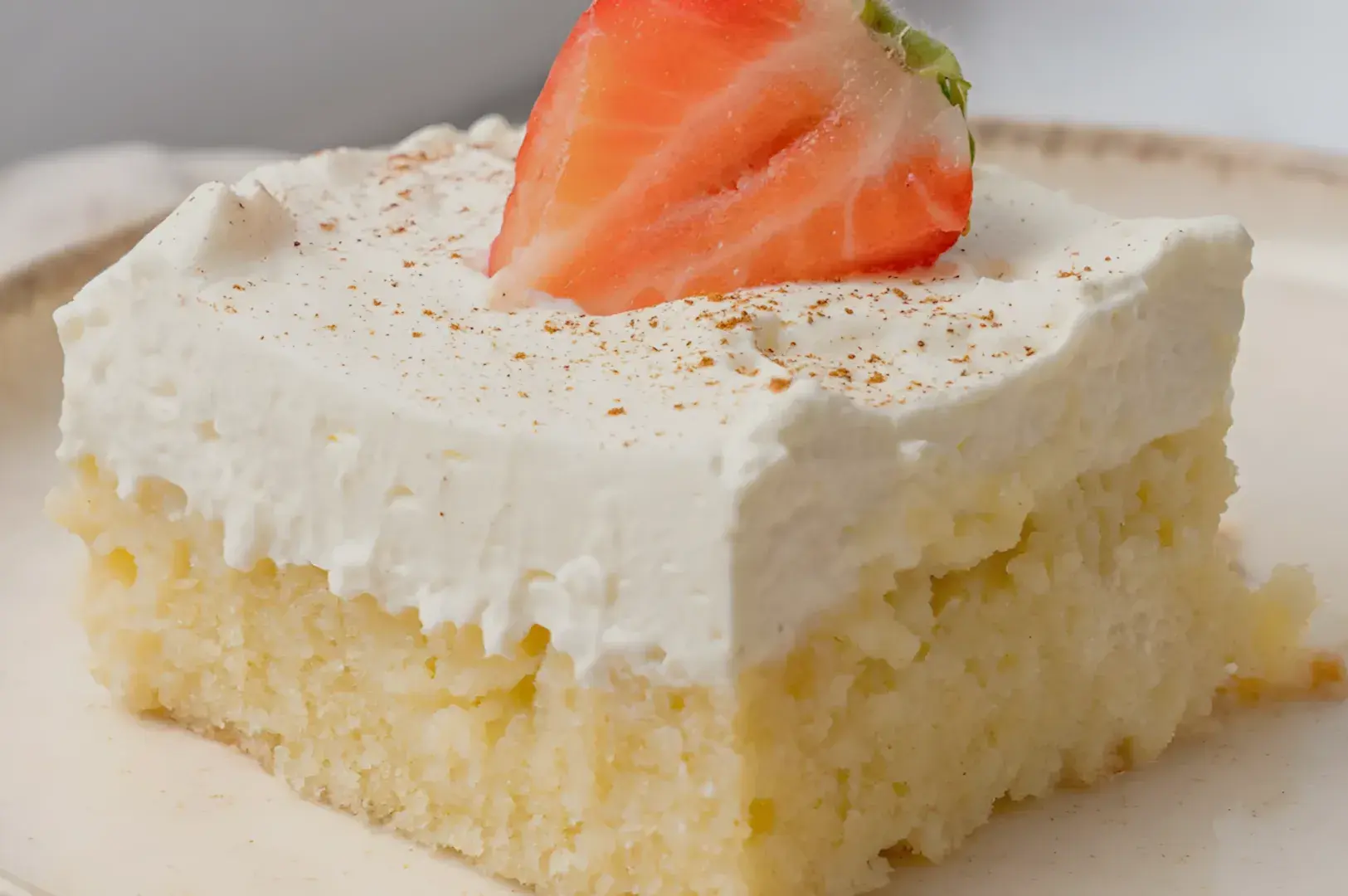
Freezing sounds drastic for something this delicate, but a classic baked cheesecake freezes surprisingly well. This is useful for anyone who wants to prepare a dessert in advance, or who simply made more cake than one week of eating can reasonably handle.
The move is to freeze cheesecake in individual slices rather than as a whole cake. Slice first, wrap each piece tightly in plastic wrap, then transfer to a freezer-safe bag or container. This does two things: it protects the cake from freezer burn, and it means only the exact amount needed has to thaw at any given time, instead of defrosting the whole thing for one serving.
Read: Whole Cheesecake or Slices: The Math Nobody Does Before Ordering
Cheesecake can sit in the freezer for a month or two without a noticeable drop in quality, as long as it’s sealed well. Past that, texture starts to suffer even if the taste holds up.
Why Some Cheesecakes Freeze Better Than Others
Not every recipe behaves the same way in the cold. Denser, richer recipes with a higher sugar and fat content tend to hold their structure better, since both slow down how quickly ice crystals form inside the batter. A lighter, airier cheesecake, by contrast, can come out slightly grainy after a stint in the freezer, simply because there’s less fat to buffer the moisture as it freezes and thaws.
This is also where a properly cooked filling matters. If the custard was fully set before cooling, meaning the center was cooked through rather than left underbaked and jiggly, it freezes far more predictably. An underbaked cheesecake was unstable to begin with, so freezing it just locks that instability in place.
Thawing a Frozen Cheesecake Without Losing the Texture
The freezer preserves a cheesecake. The thaw is where it can quietly fall apart, texturally speaking. The safest route is moving a slice from the freezer to the fridge and letting it thaw slowly overnight. It’s not fast, but it keeps the structure intact.
Skipping straight to the counter or, worse, the microwave tends to backfire. Rapid warming breaks down the smooth set that took hours to bake in the first place, leaving something closer to a loose, slightly grainy version of the cake it used to be.
What About the Crust and the Toppings?
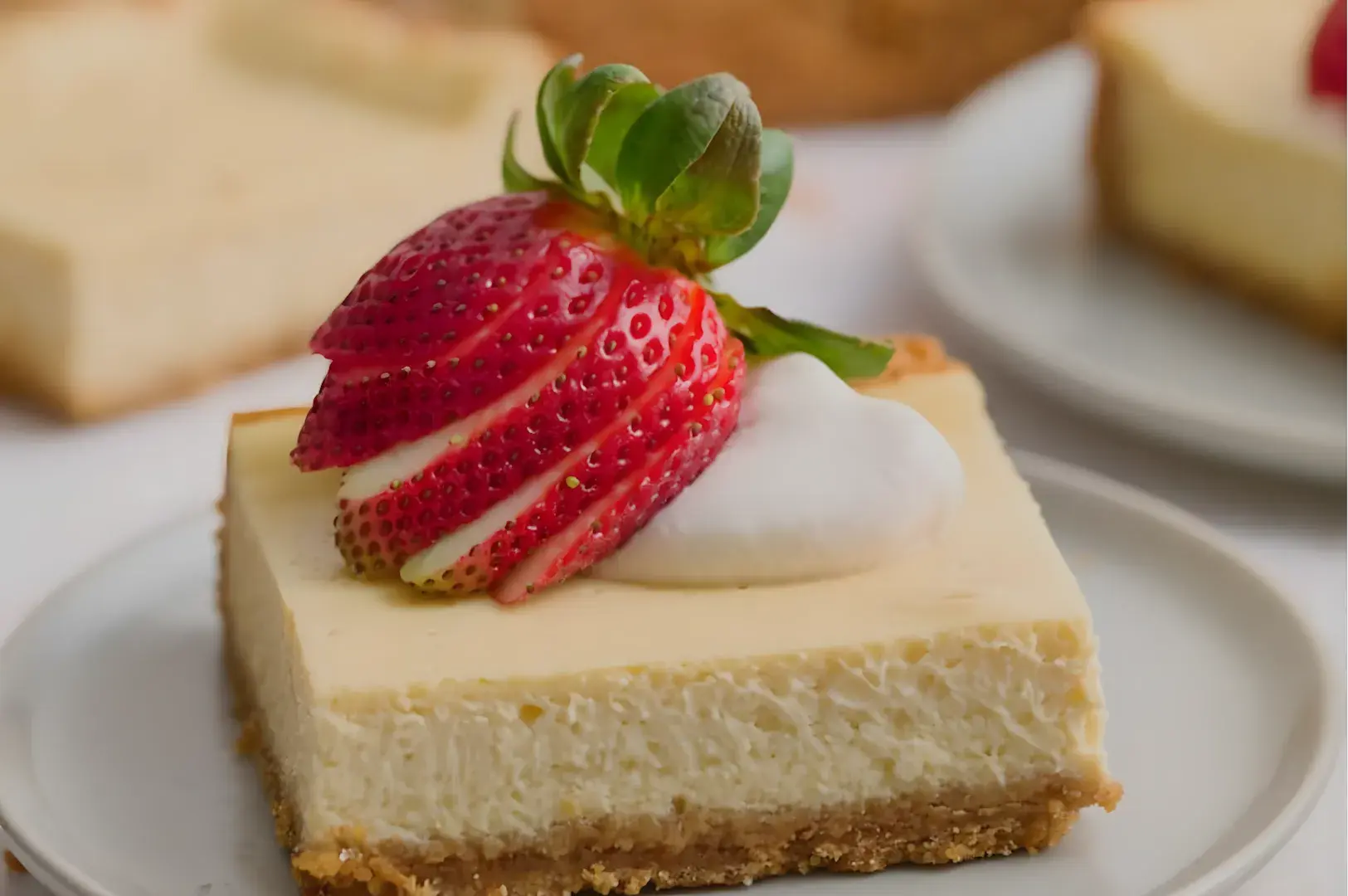
Fruit toppings, sauces, and anything fresh added after baking don’t always belong in the freezer with the rest of the cake. Fresh fruit in particular tends to go watery and limp once thawed, which undercuts the effort that went into topping the cake nicely in the first place.
The more reliable approach is storing the base cheesecake and any topping separately, then combining them right before serving. It adds one extra step, but it means the crust stays crisp and the topping still looks like it was added five minutes ago rather than five days ago.
So, Fridge, Counter, or Freezer? The Cheesecake Storage Cheat Sheet, Simplified
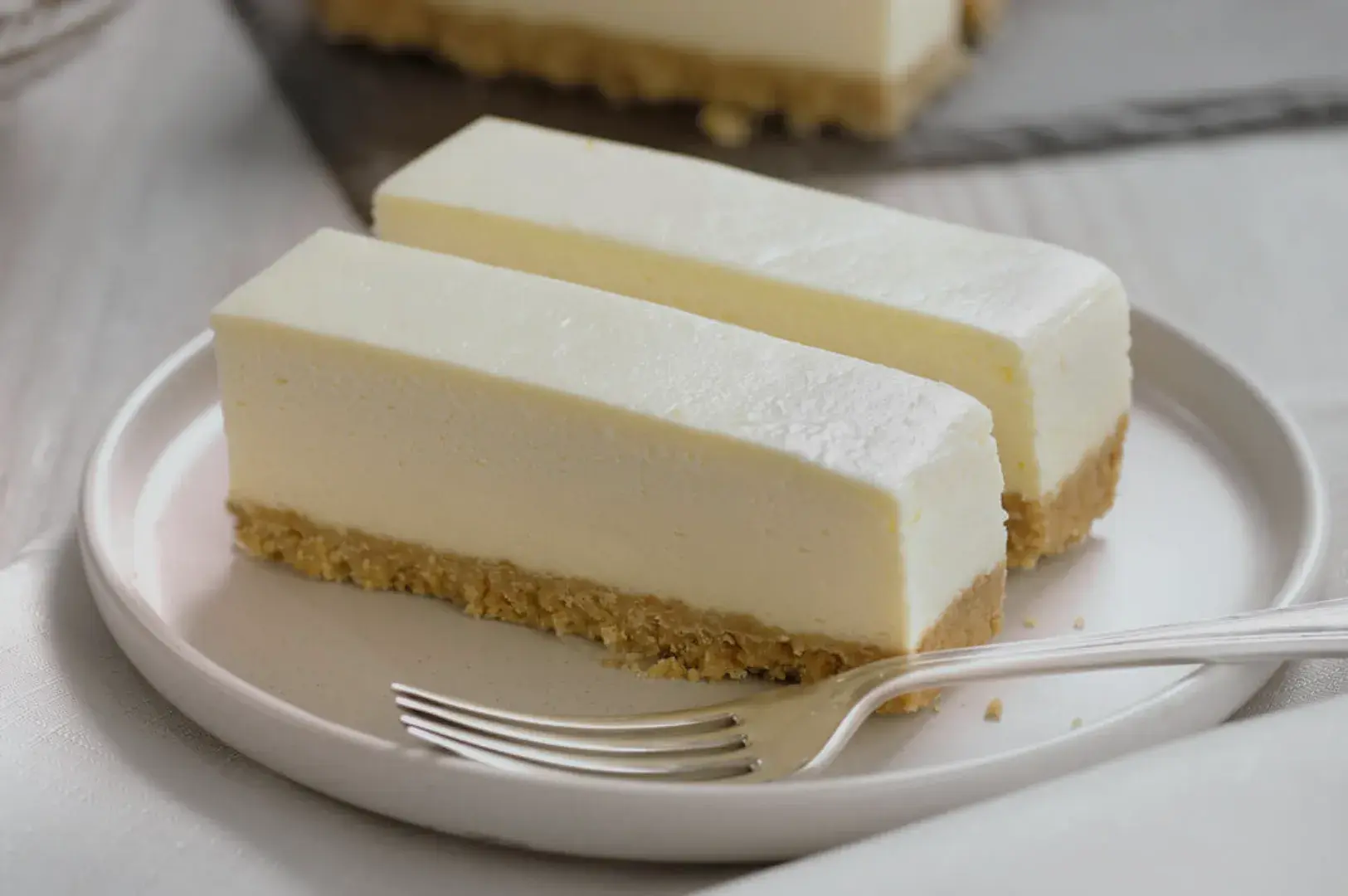
The short version: the counter is for the length of a single sitting, the fridge is for the week ahead, and the freezer is for anything further out than that. Good cheesecake storage isn’t complicated once the reasoning behind it is clear. It’s really just about matching the method to how soon the cake is actually going to be eaten.
It’s easy to forget these details in the middle of a busy week, especially once the cake itself is long gone from memory but a second batch is in the oven. Bookmarking this article, or scrolling back down the page to the storage cheat sheet above, is a reasonable way to keep the timing straight next time the question comes up. Anyone with a specific storage question a recipe here didn’t cover is welcome to leave a comment below.
For anyone who’d rather skip the wrapping and timing altogether, Daizu by Ki-setsu makes its Japanese soy cheesecakes in individual portions to begin with, which sidesteps most of this decision from the outset. One slice, properly chilled, ready when it’s wanted.