Two people, one menu, and a dessert section with too many good options. It usually ends the same way: both order something different, both take three bites of their own, and both spend the rest of the meal reaching across the table for the other person’s plate anyway. At that point, someone always says the same thing, usually while eyeing the cheesecake in Singapore they should have just ordered and shared from the start.
Cheesecake for date night solves this before it becomes a problem. It is rich enough to feel like an event, easy to split evenly, and specific enough in flavour that neither person feels like they settled. Here is why it holds up better than the usual two-dessert routine, and what actually goes into a slice worth ordering in the first place.
The Two-Dessert Habit Nobody Actually Enjoys
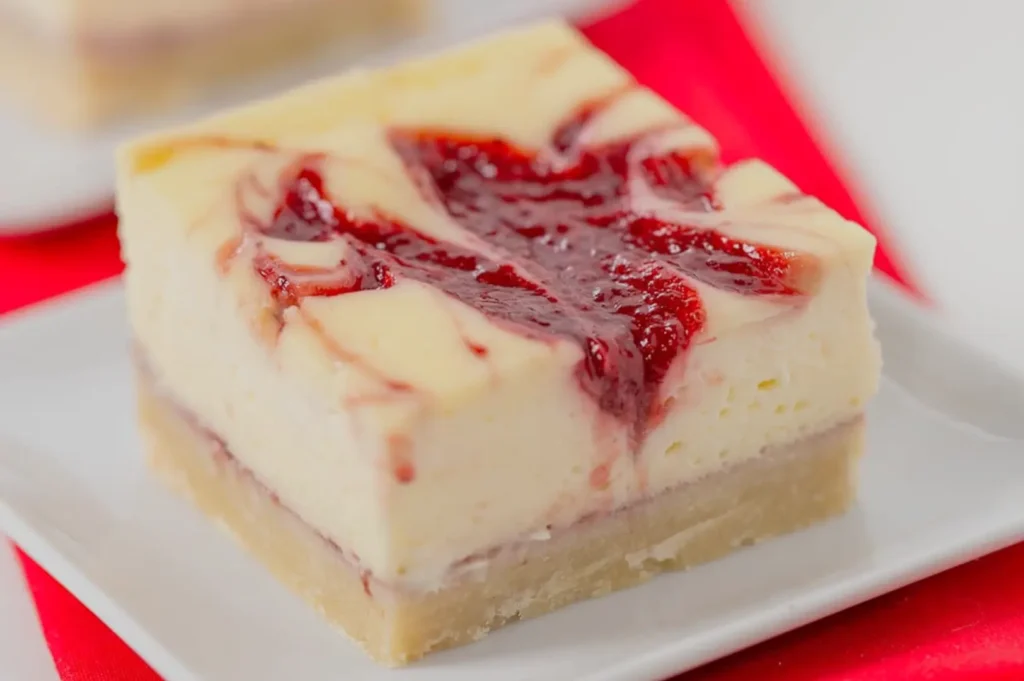
Ordering two desserts feels generous in theory. In practice, it usually means two half-finished plates and a slightly too-full table. Nobody wants to admit they are stuffed, so the second dessert just sits there, going slightly warm, slightly sad.
There is also the comparison problem. The moment two plates land, both people start rating them against each other instead of just enjoying what is in front of them. A single shared dessert removes that entirely. There is nothing to compare. There is only the one thing, and the conversation about it.
Why Cheesecake for Date Night Actually Works
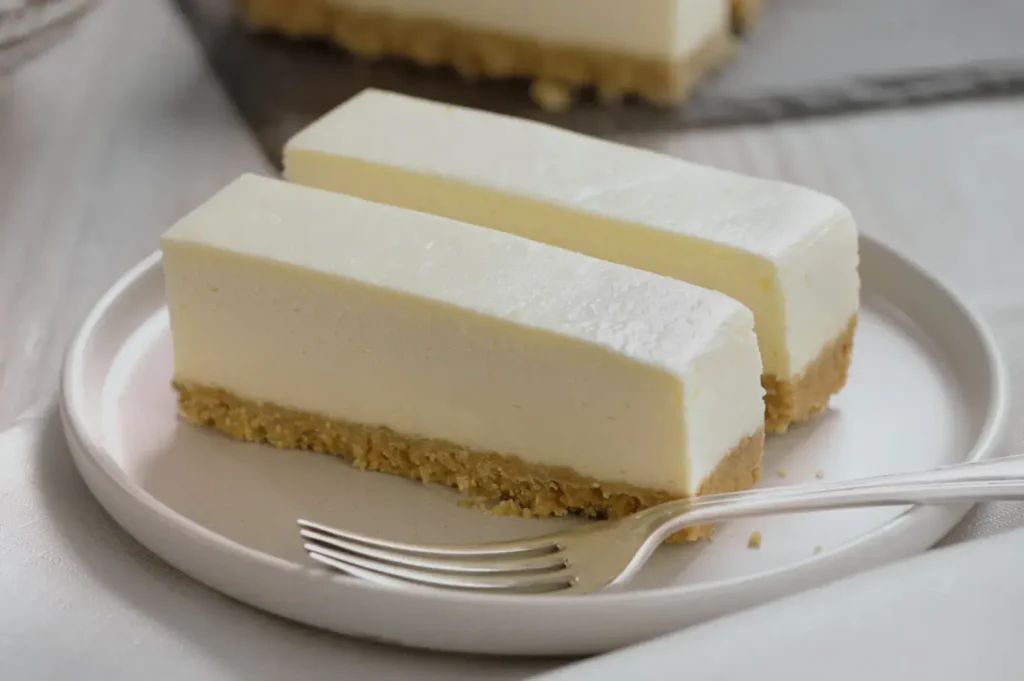
Cheesecake sits in a strange, useful middle ground. It is not too sweet to finish, not too light to feel like a proper dessert, and dense enough that a modest slice satisfies two people without either one feeling like they missed out.
It also plates well for sharing. A wedge, two forks, one plate between two people is a natural gesture, the kind that happens without anyone announcing it. Compare that to trying to split a molten lava cake evenly, or fighting over the last spoonful of tiramisu that has gone slightly soggy in the middle.
One Plate, No Compromise
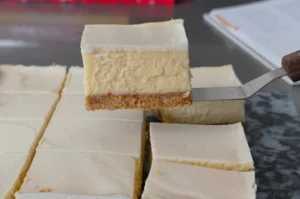
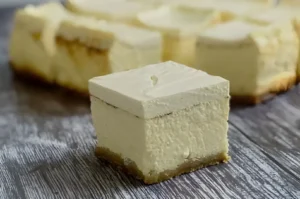
The texture does a lot of the work here. A well-made cheesecake is thick, smooth, and holds its shape long enough for two forks to take turns without it collapsing into a mess. That is not true of most other desserts built for one person.
What Actually Makes a Classic Cheesecake Worth Ordering
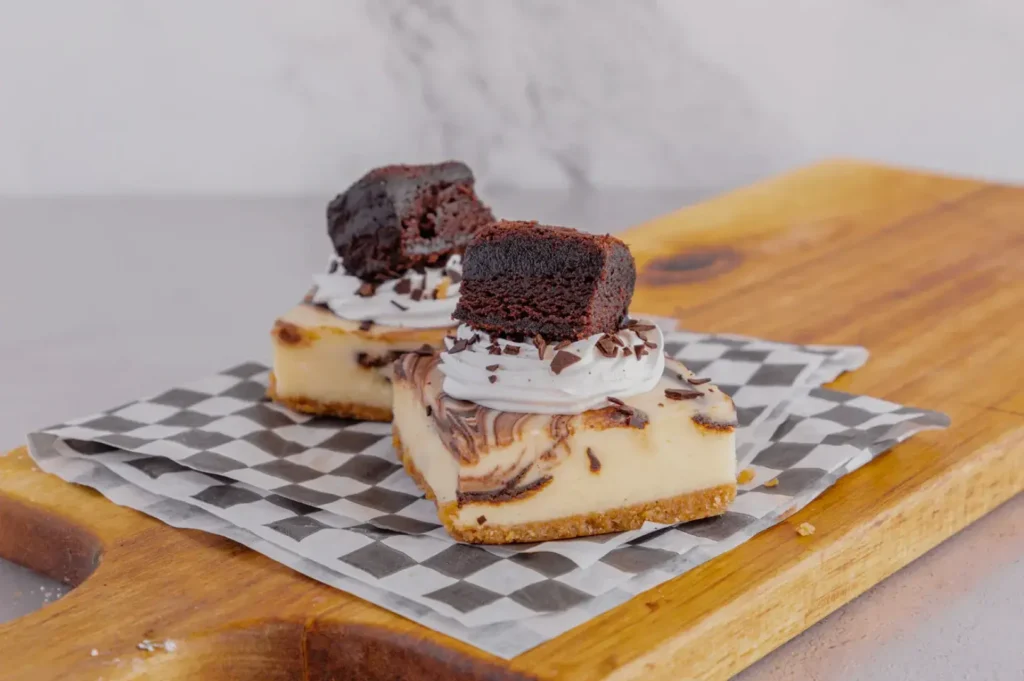
Not all cheesecake is created equal, and the difference usually comes down to a few decisions made long before it reaches the table. Understanding what separates a forgettable slice from something closer to the best cheesecake anyone at the table has had makes the choice easier.
It helps to review a recipe fully before starting, rather than halfway through. Cheesecake does not forgive last-minute substitutions, and laying out all the ingredients in advance, measured and ready, keeps the process from stalling once the mixer is running.
Cream cheese is doing more work than people think. The quality and ratio of cream cheese in the cheesecake mixture determines almost everything about the final texture. Beat cream cheese too little and the batter stays lumpy. Beat it too long at the wrong speed and too much air gets incorporated, which can cause cracking later in the oven.
A genuinely creamy cheesecake recipe usually adds sugar gradually rather than all at once, letting it dissolve fully into the cream cheese instead of sitting grainy at the bottom of the bowl. A small pinch of salt, easy to forget, is what keeps the whole thing from tasting one-note sweet.
The Building Blocks of a Classic Cheesecake Recipe
Most classic cheesecake recipes lean on a few consistent building blocks:
Component | What It Does |
|---|---|
Cream cheese | Base of the filling, gives structure and tang |
Sour cream | Adds moisture and a slight sharpness that balances the sweetness |
Granulated sugar | Sweetens without overpowering the cream cheese flavour |
Eggs | Bind everything together, help the filling set |
Vanilla | Rounds out the flavor so it does not taste flat |
Salt | A small amount sharpens the other flavors instead of letting sweetness dominate |
Dry ingredients like graham cracker crumbs typically get mixed in a small bowl first, while the wet ingredients come together separately in a large bowl or the bowl of a stand mixer. Once combined, an electric mixer on low speed is usually enough to blend and mix the filling until it is smooth and fully combined, without overworking it. The goal is a smooth, creamy batter with no lumps, not a batter full of air bubbles, and a taste that leans rich rather than flat.
The Cheesecake Crust Sets the Mood Before the First Bite
The crust matters more than people give it credit for. Graham crackers, pulsed in a food processor and stirred with melted butter, pressed firmly into a springform pan lined with baking paper, is the standard for a reason. It gives a slight crunch and a buttery contrast to the soft filling above it.
Some versions swap in chocolate crumbs, a scattering of chocolate chips, or a mix of biscuits for a different flavor angle, but the principle stays the same. The crust should hold together, not crumble the second a fork touches it.
The Water Bath Nobody Talks About but Everyone Should
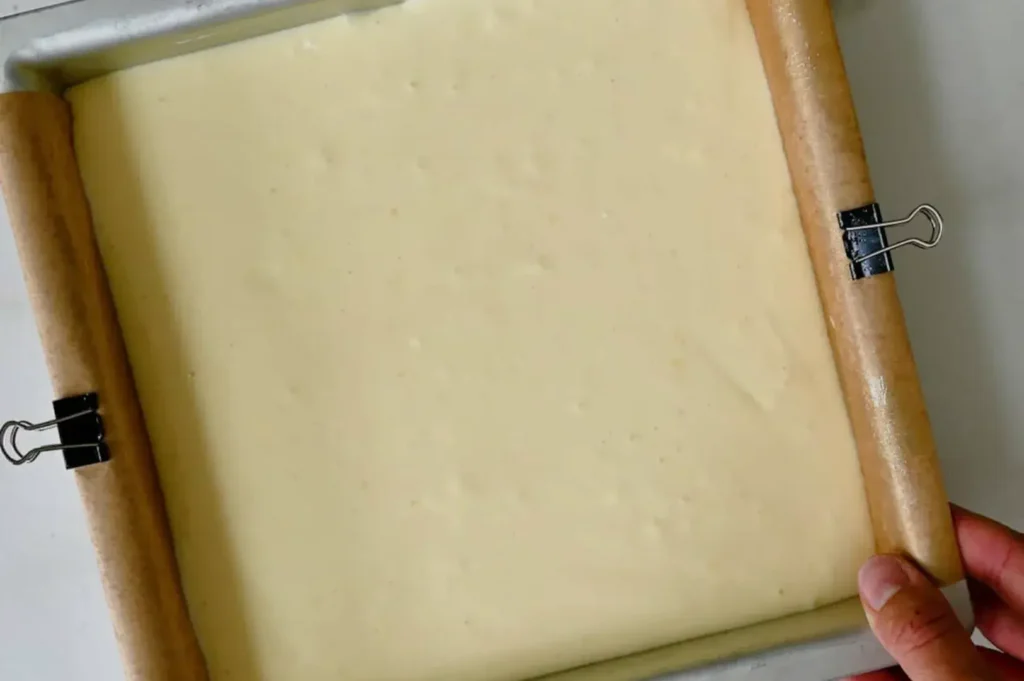
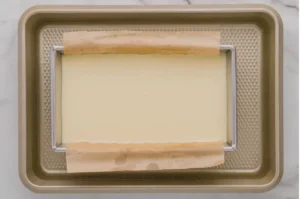
This is the part that separates a good home baker from someone still figuring it out. A water bath, essentially a dish holding the springform pan wrapped in foil, sitting in a larger pan filled with hot water, keeps the oven’s heat gentle and even.
Pour hot water into the larger dish before sliding it into a preheated oven at medium heat, and the surrounding steam keeps the top of the cheesecake from cracking under dry heat. Skip this step, and even a good cheesecake filling can dry out at the edges while the center stays undercooked.
A few things matter here:
Preheat the oven fully before the pan goes in, so the temperature does not fluctuate early on
Keep the oven door shut as much as possible while baking, since opening it lets heat escape unevenly
Let the cheesecake cool gradually rather than pulling it straight from the oven into the fridge
Bake for close to 1 hour, then let it rest before chilling overnight. That resting period is what gives the filling its final creamy, fully incorporated texture. Cutting into it too early usually ends in a slice that falls apart instead of holding its shape.
So What Should Two People Actually Order
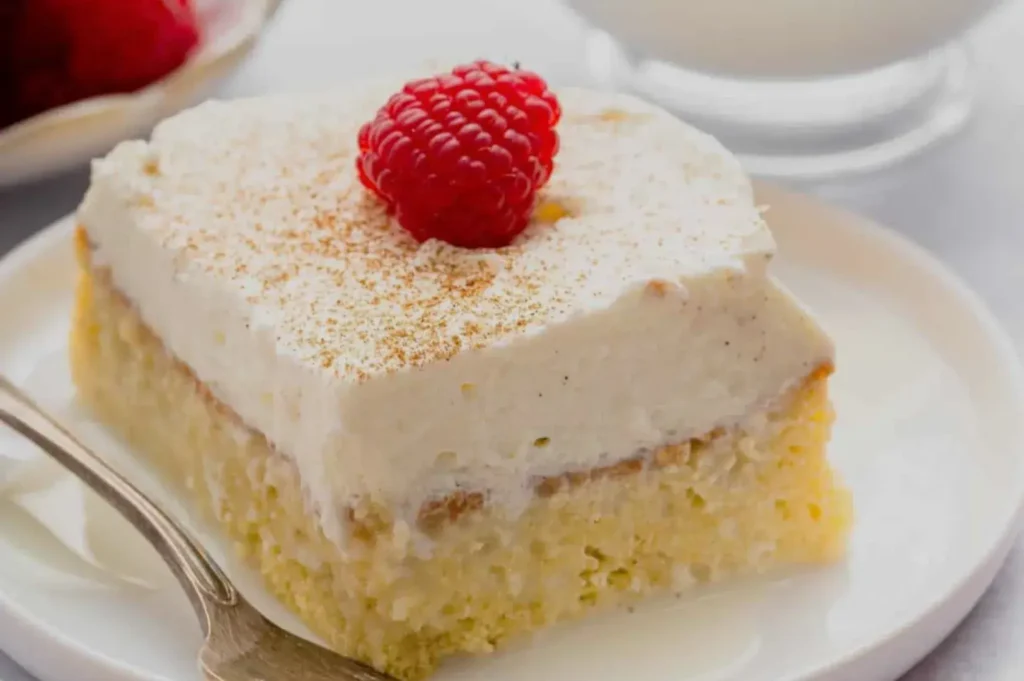
The case for cheesecake on date night is not really about avoiding a second dessert. It is about ordering something that feels considered rather than convenient, something dense enough to be worth the calories and simple enough not to overcomplicate a good evening.
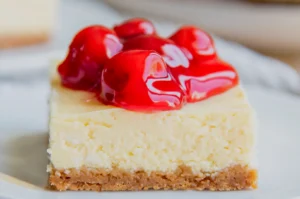
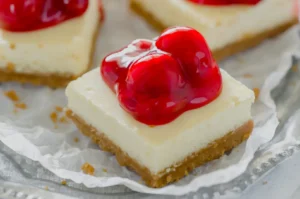
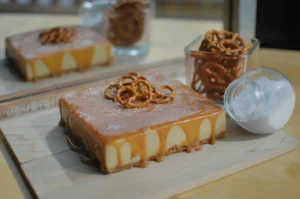
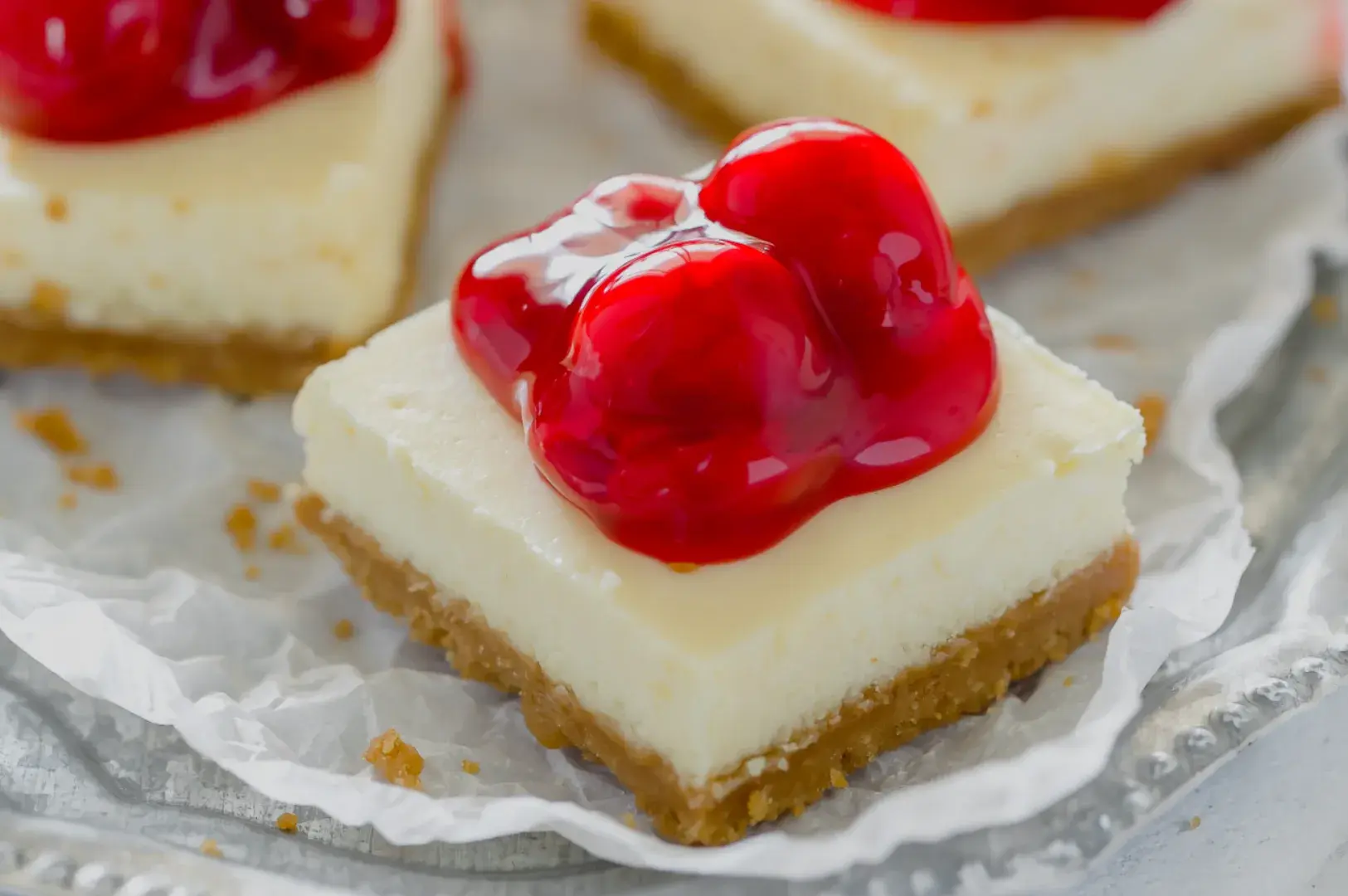
A slice topped with strawberries or raspberries adds a bit of brightness against the richness. Some menus even lean into a date caramel drizzle instead of fresh fruit, which pairs oddly well with the tang of the cream cheese. A plain classic cheesecake, left alone, lets the flavor speak for itself, no gimmicks needed to make it delicious.
Whichever way it is cooked and served, one plate and two forks tends to say more than two separate desserts ever could. Any extra slices, if a table is disciplined enough to leave some, freeze well for another night entirely.
For anyone in Singapore looking to put this to the test, Daizu by Ki-setsu makes soy-based cheesecakes that lean lighter than the typical dense, cream-heavy slice without losing that same rich, smooth texture. It is worth ordering one, splitting it, and seeing whether the two-dessert habit is really necessary at all.