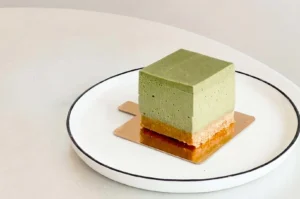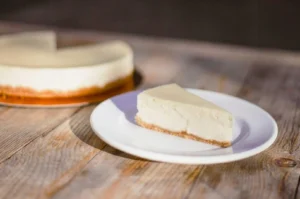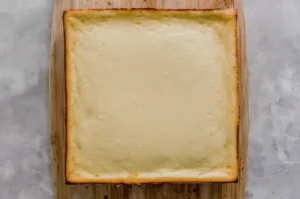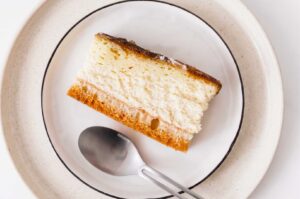
The first bite of a good matcha cheesecake tends to go the same way. Sweetness shows up first, then something grassy and slightly sharp lingers behind it, and the slice suddenly tastes like more than sugar and cream. Plenty of people read that edge as a flaw. It is actually the whole point.
Most disappointing versions of this dessert, shop-bought or homemade, are not too bitter. They are too timid. The tea gets buried under so much sugar that the green colour is the only evidence it was ever there. That is worth keeping in mind when browsing for the best cheesecake Singapore has to offer.
Why Matcha Cheesecake Needs a Little Bite
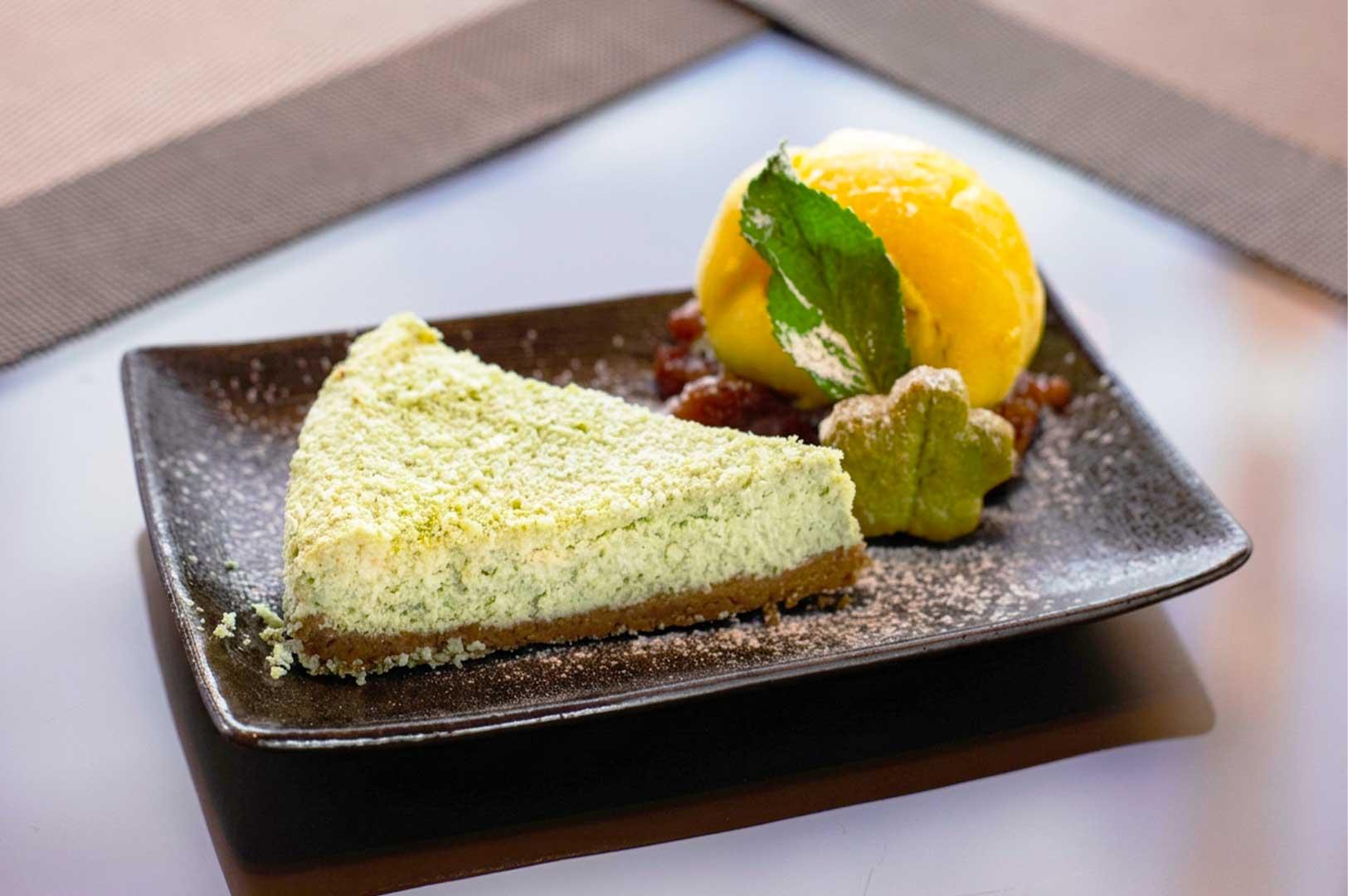
Cream cheese is rich, tangy and fairly heavy. Add a sweet crust and a sweet filling, and a cheesecake can start to feel one-note halfway through the slice.
Bitterness fixes that. It cuts through the fat, resets the palate and makes the next forkful taste as good as the first. Dark chocolate and coffee do the same job in other desserts, and matcha does it with a fresher, greener note.
The trick is balance. A small amount of sugar and a good amount of cream cheese soften the edge without erasing it. A dollop of whipped cream on the side works the same way for anyone still easing into matcha.
Choosing Matcha Powder That Tastes Like Something
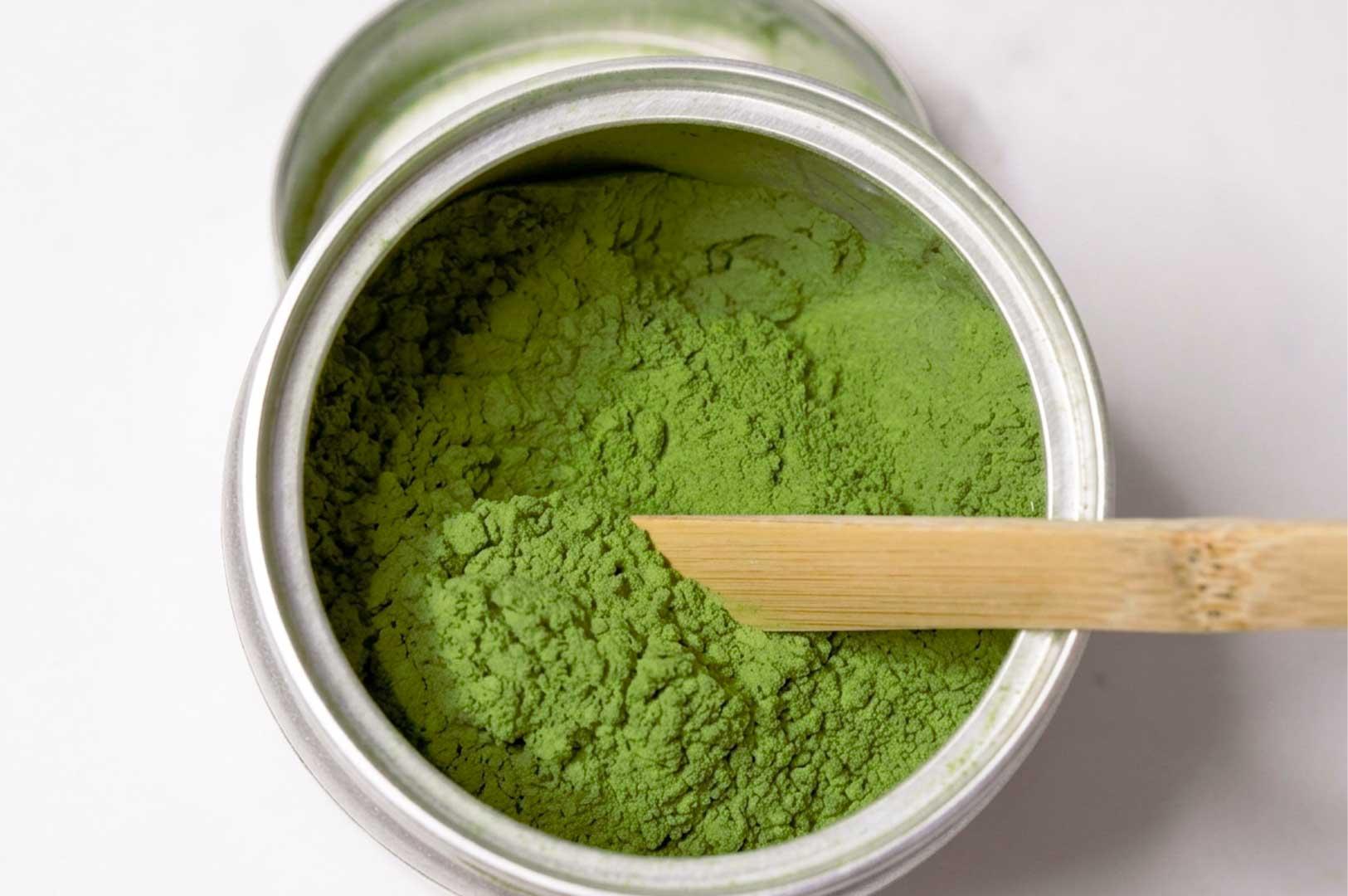
Not all matcha powder is the same product. Culinary grades are made for lattes and baking, and they run darker, sharper and a little muddy. Ceremonial grade matcha is brighter, smoother and sweeter, with a gentle savoury quality that tea people call umami.
For cheesecake, a good ceremonial grade matcha makes sense, because the filling is mostly dairy and the tea has nothing to hide behind. A cheap, flat powder will come out dull and dusty. A fresh one gives a clean green flavour and a colour that does not turn khaki in the oven.
Store it in the fridge once opened. Matcha fades quickly when it meets light and air.
What to Look for in a Matcha Cheesecake Recipe
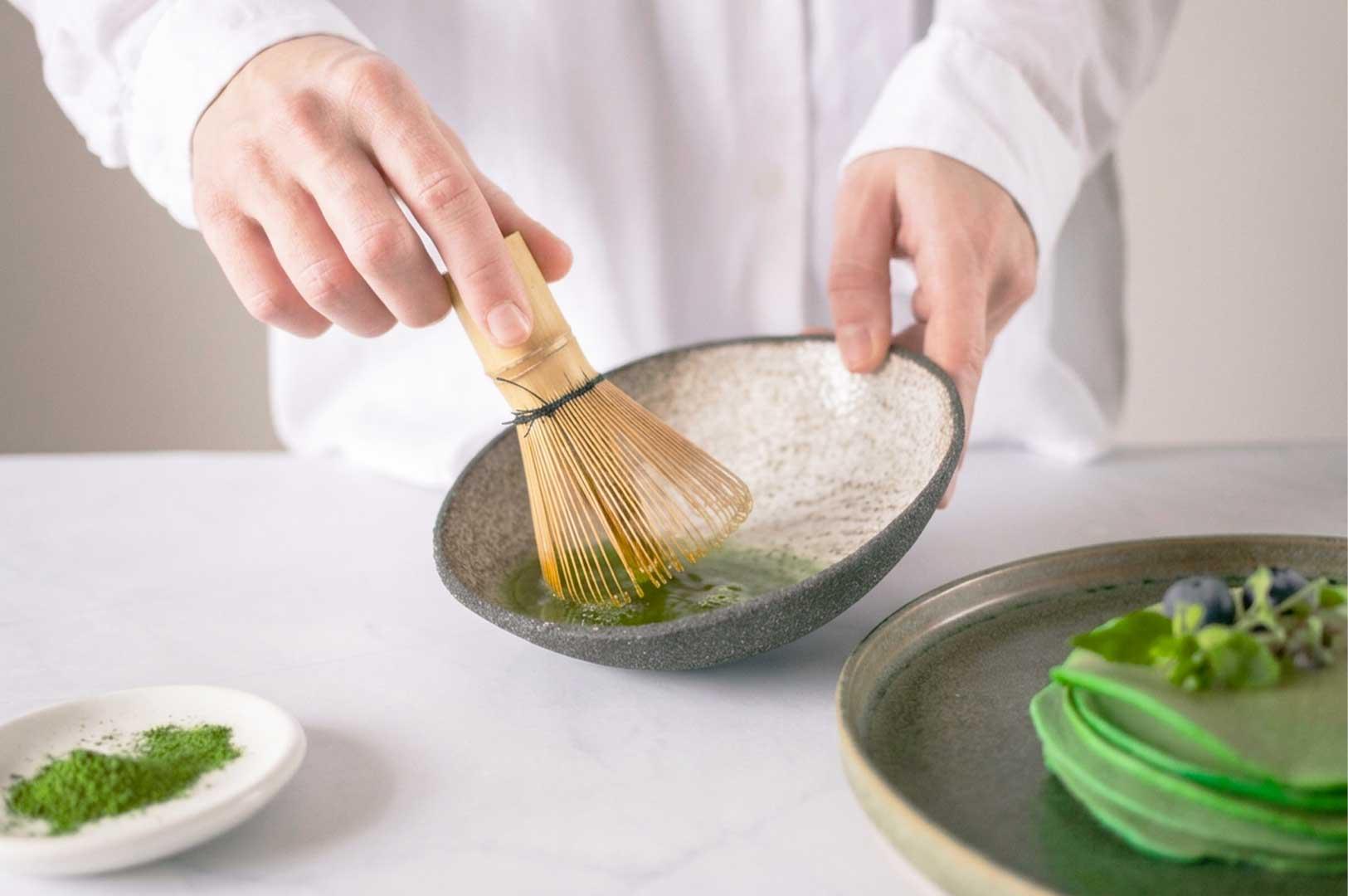
Matcha cheesecake recipes vary a lot, and a few details show whether the result will taste of tea or just look green. The first is the ratio. Matcha needs enough weight to stand up to the cream cheese, which usually means a couple of tablespoons for a standard 20 cm cake. Much less and the flavour disappears. Much more and the bitterness turns chalky.
The second is how much sugar goes in. A good recipe keeps it modest, since the crust is already sweet and the bitter edge is the whole reason for using matcha. Heavy cream and eggs then do the work of making the filling soft and rich, so sugar does not have to. A pinch of salt helps too, since it sharpens the tea and stops the sweetness from tasting flat.
The third is how the powder is handled. Matcha clumps stubbornly, so a recipe worth following sifts it first, whisks it with a little of the batter, then folds that mixture back in with a spatula until fully incorporated. A mixer on low speed is plenty for the cream cheese, because fast mixing whips in air bubbles, and those lead to cracks. A gentle tap of the pan on the work surface after the batter is poured helps release any that remain.
The crust matters too, though it gets less attention. Graham crackers blitzed in a food processor make fine graham cracker crumbs, which are tossed with melted butter in a large mixing bowl. Line the tin with baking paper, then press firmly so the crumbs are packed tight and hold together when sliced. The base needs to cool completely before the filling goes in, or the layers turn soggy.
Cheesecake Recipe Tips That Matter More Than the Ingredients
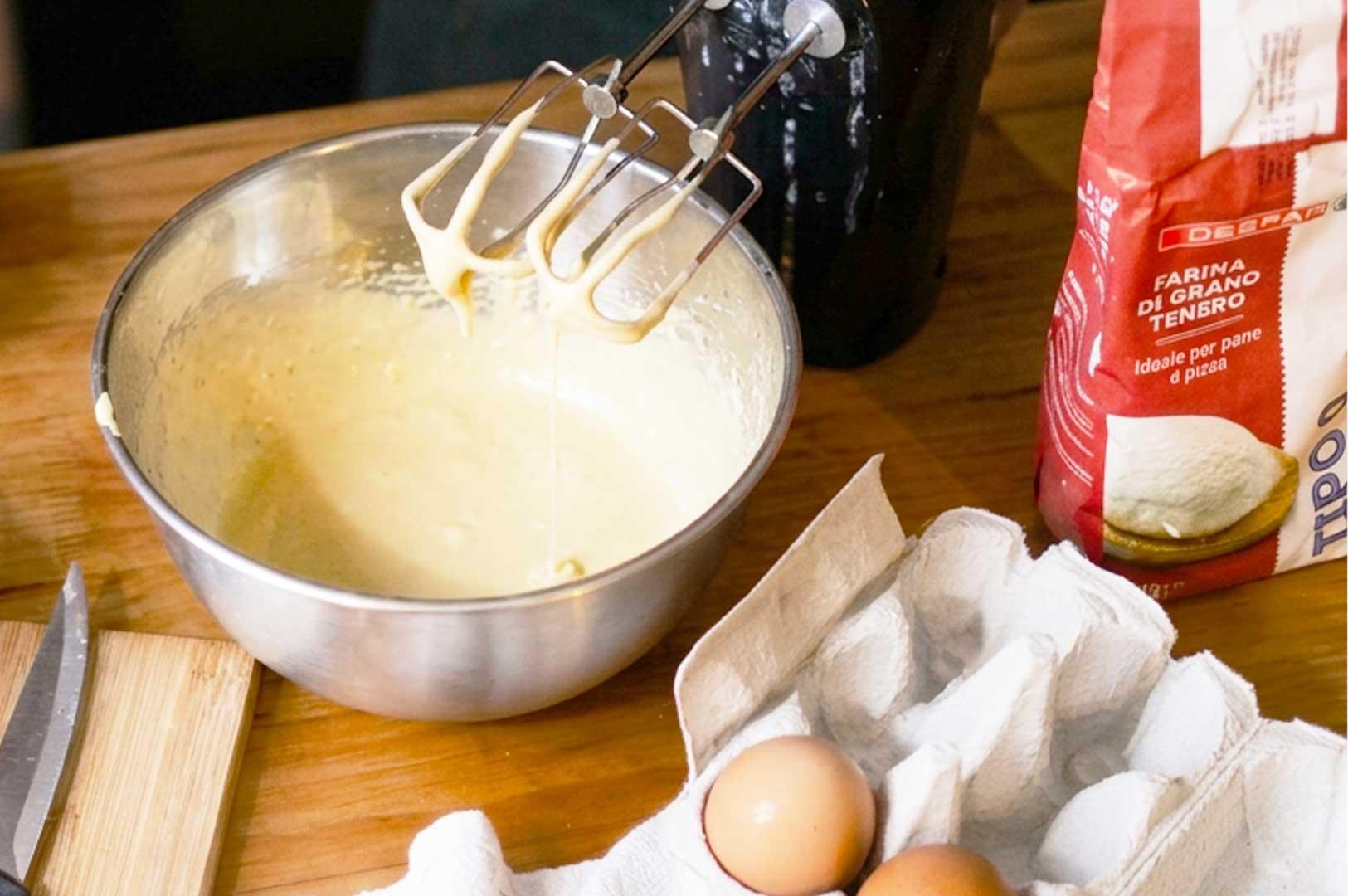
A cheesecake recipe is mostly a set of small habits. A few of them decide whether the result is silky or cracked.
Room temperature ingredients are the first, and for best results the cream cheese and eggs should come out of the fridge an hour ahead. Cold cream cheese leaves lumps that no amount of beating will fully remove, and over-beating is exactly what causes trouble later.
The second is patience in the oven. Bake until the edges look set and slightly puffed, then stop. A cheesecake keeps cooking from residual heat, so pulling it with a slight wobble in the centre is correct, and nothing to worry about. Waiting for it to look firm all the way through leads to a dry, grainy texture.
The third is the overnight chill. Let the cake rest until it reaches room temperature, then cover it and move it to the refrigerator. Straight from the oven, the flavour is muted and the texture is soft. After a night in the fridge, the matcha tastes rounder and the slices cut cleanly, ready to serve.
A Word on Vanilla Extract
Vanilla extract has a supporting role here. A teaspoon rounds off the dairy and softens the sharper edges without competing with the tea.
Using more is tempting, but it pushes the flavour towards a generic vanilla cake. The goal is for the matcha to lead and the vanilla to stay in the background.
Serving Matcha Cheesecake So the Bitterness Shows
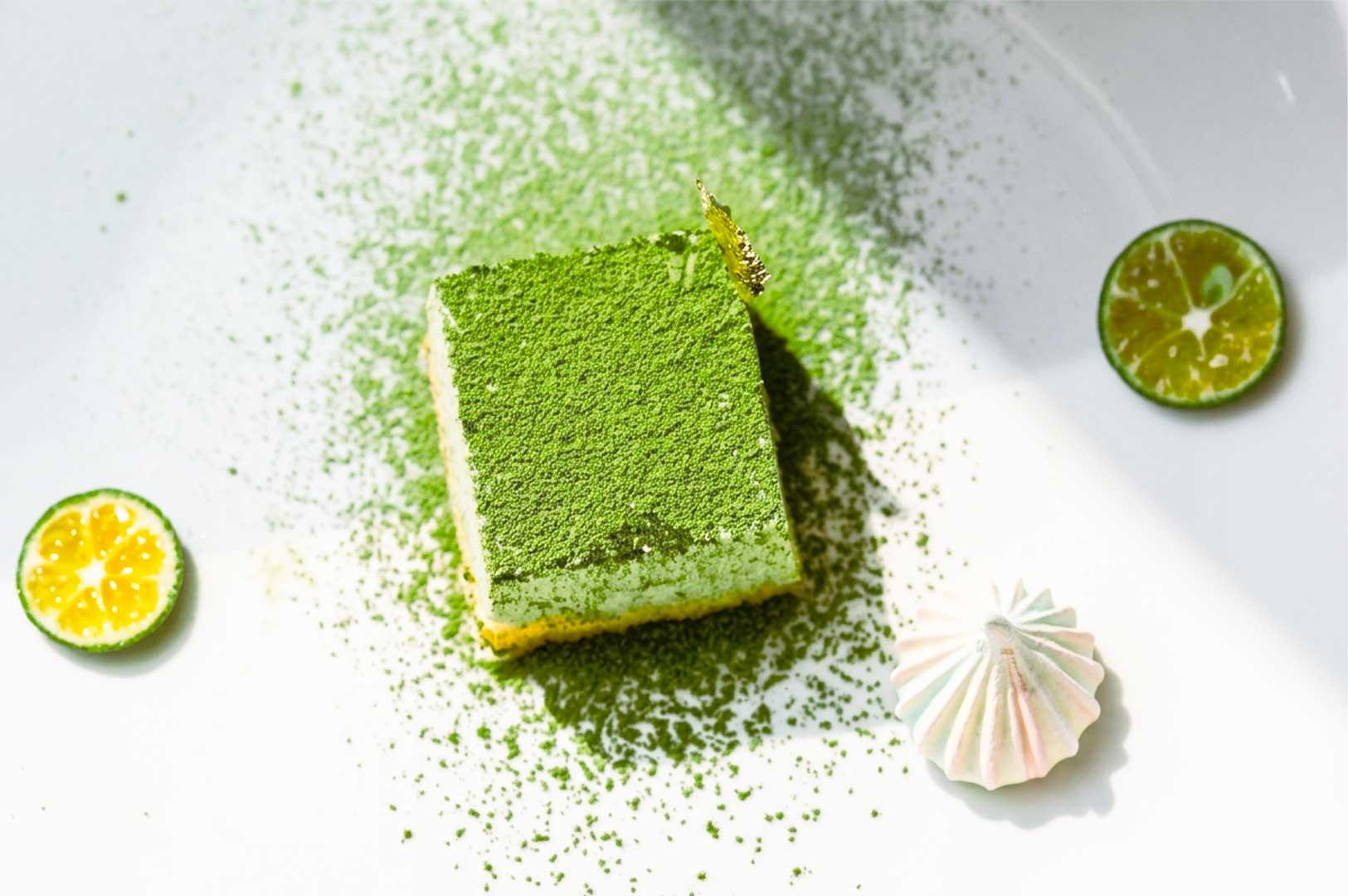
How a slice is served changes how much of the tea comes through. Temperature and whatever shares the plate both play a part.
Slice It Cold, Eat It Slightly Cool
Straight from the refrigerator, the filling is firm and the matcha tastes muted. Ten to fifteen minutes on the counter softens the texture and lets the grassy notes open up.
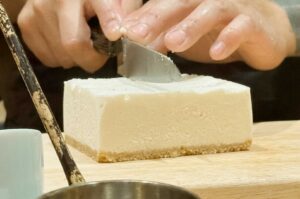
Wiping the knife clean between cuts keeps the edges of each slice neat and the green colour even.
What to Drink and Add on the Side
Plain, unsweetened tea is matcha’s easiest partner, since it leaves the matcha to do the talking. Roasted green tea or black coffee also work, because they echo the bitter edge rather than compete with it.
A few fresh berries on the side add a bit of tartness without drowning the tea.
Why the Bitterness Is the Part Worth Keeping
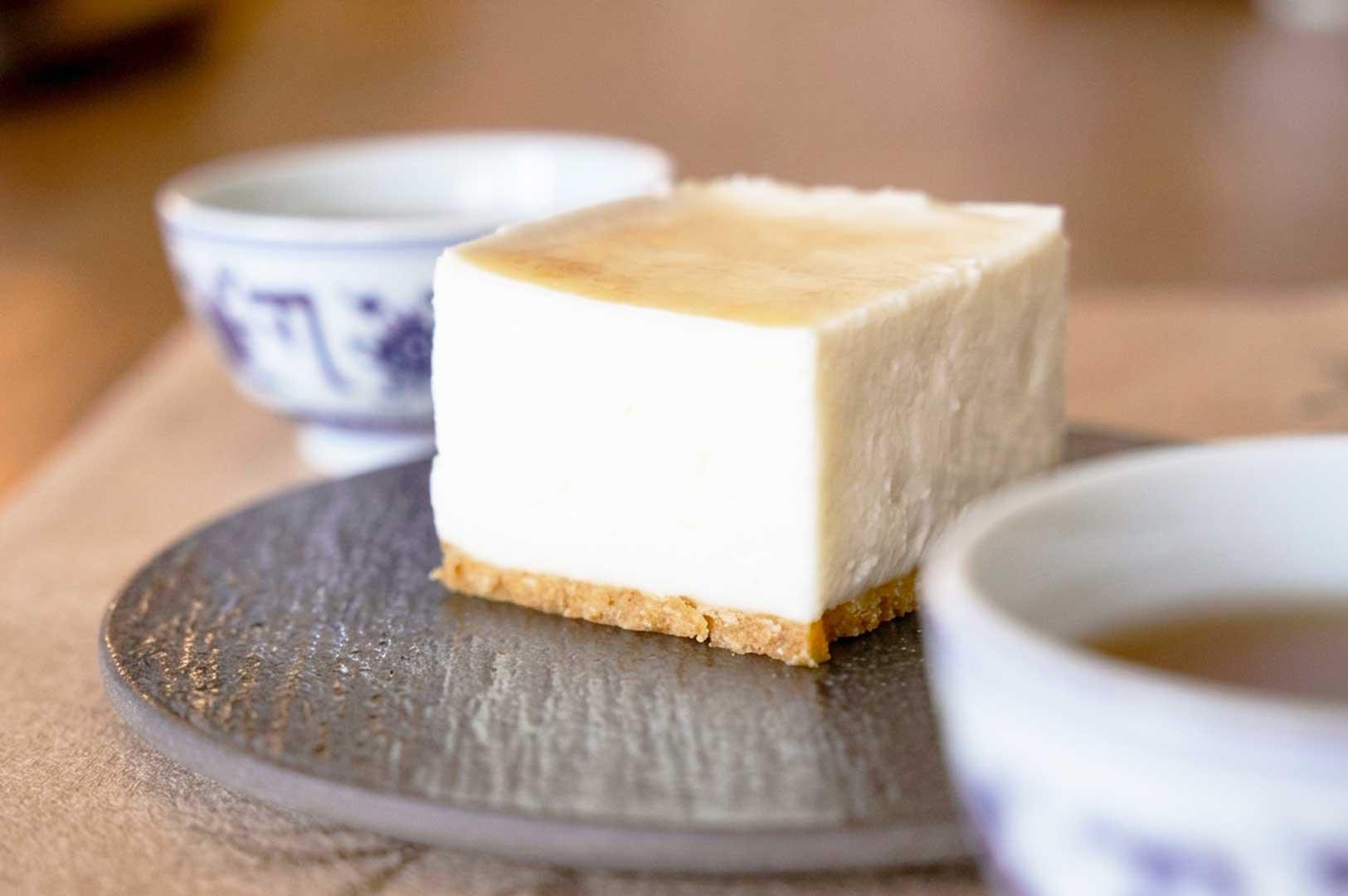
Taste a slice after the cake chills overnight and the logic becomes clear. The sweet crust and creamy filling come first, and the bitter finish arrives last. It sharpens everything that came before it, and it makes the next bite as interesting as the first.
Without it, a matcha cheesecake is just a green cheesecake. With it, the slice has a beginning, a middle and an end.
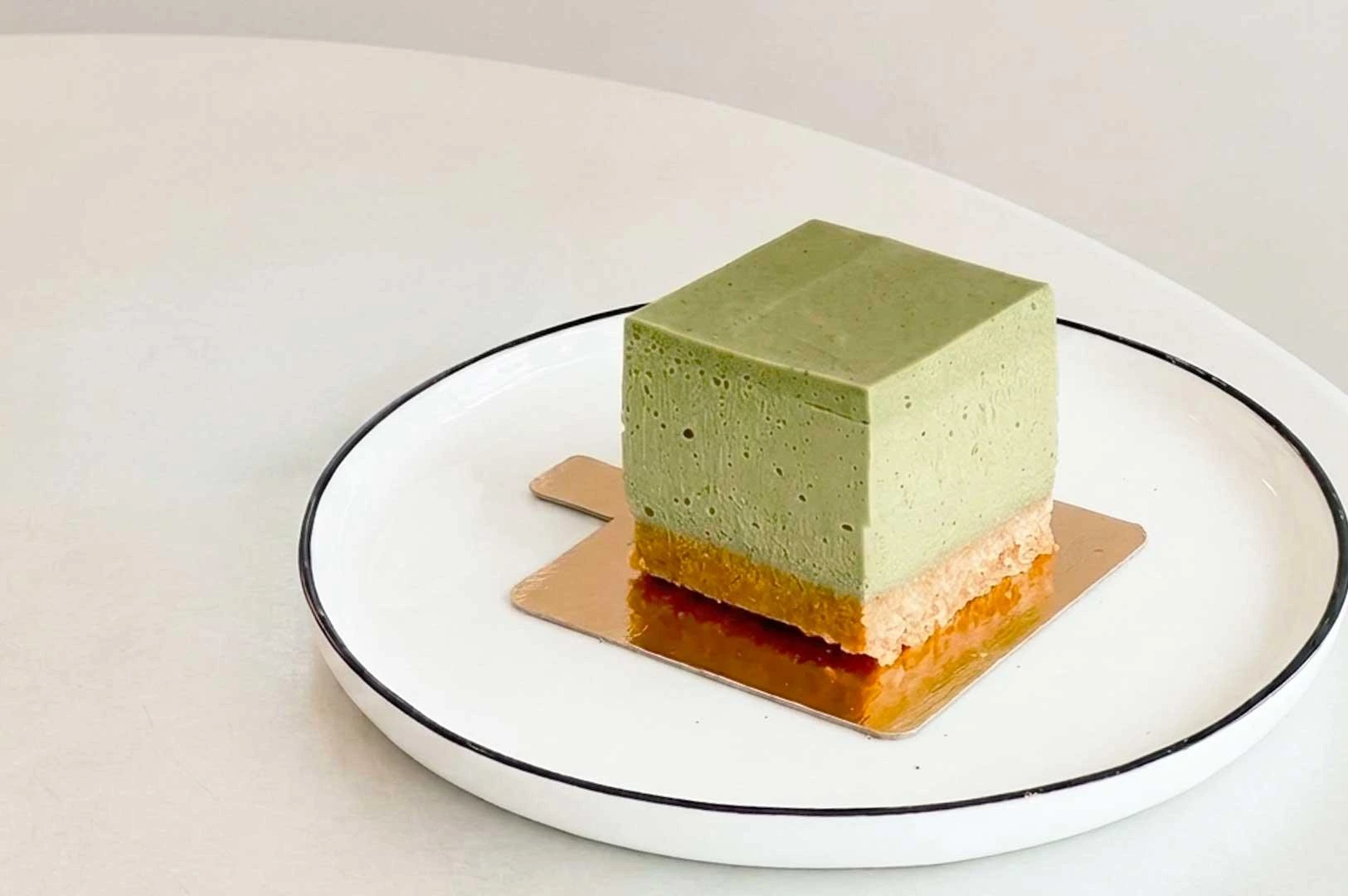
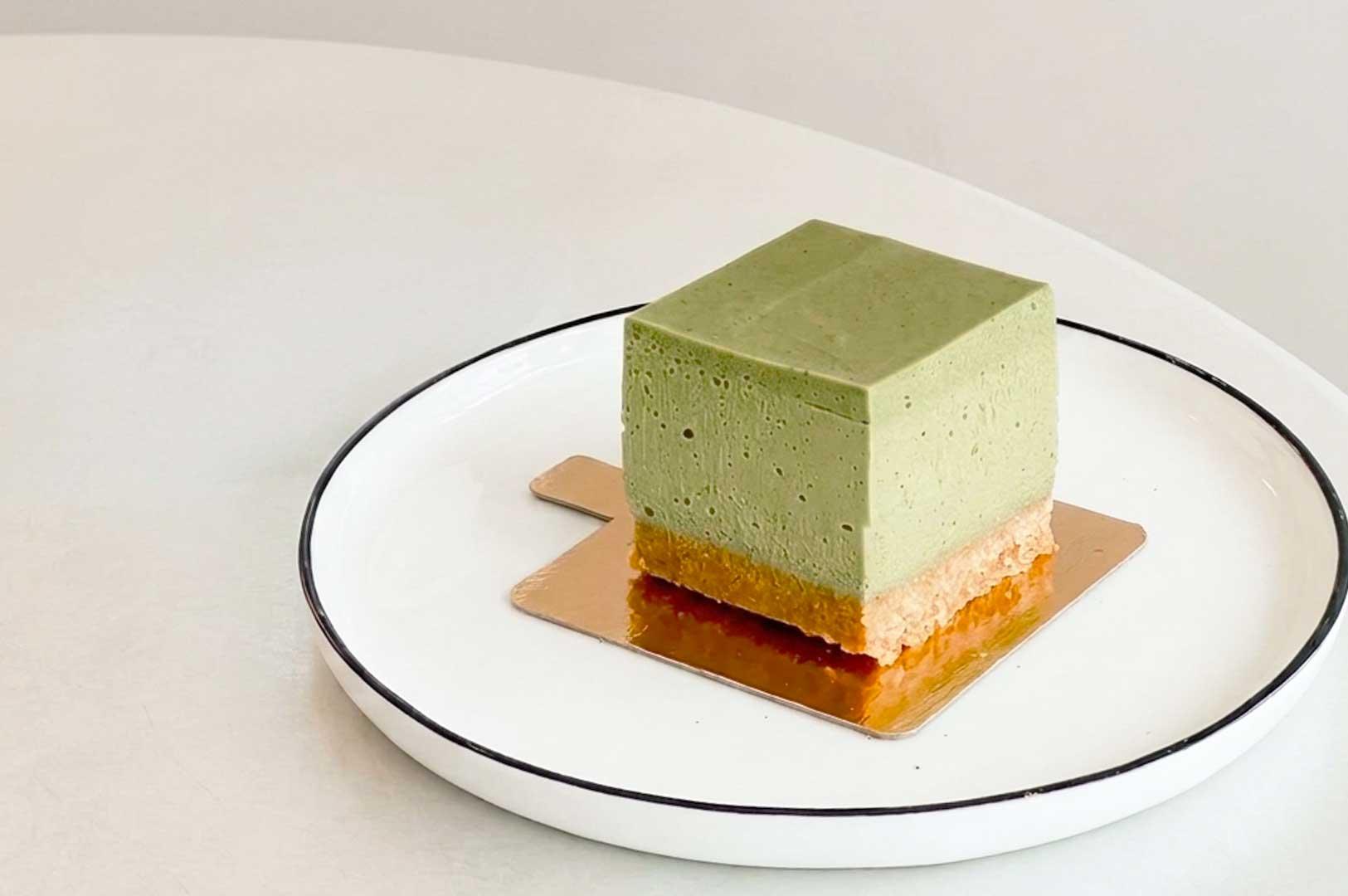
For anyone who would rather taste the result than make it, we make a soy-based matcha cheesecake at Daizu by Ki-setsu. The lighter, nutty base leaves plenty of room for the tea to be the loudest flavour in the slice, bitter edge included.