A convenience store shelf in Tokyo can change colour overnight. One week it is all reds and greens, the next it is pink, with cherry blossom printed on everything from biscuits to bottled tea. Nobody there finds this strange. The same logic reaches the dessert counter, where a seasonal cheesecake is less of a novelty and more of an expected arrival, like the first warm evening after winter.
It is a different way of thinking about flavour. Instead of a fixed menu with the occasional limited edition, the menu itself moves with the year. It also changes what the best cheesecake in Singapore might look like, since the answer starts to depend on the month.
Why Seasonal Cheesecake Follows the Calendar in Japan
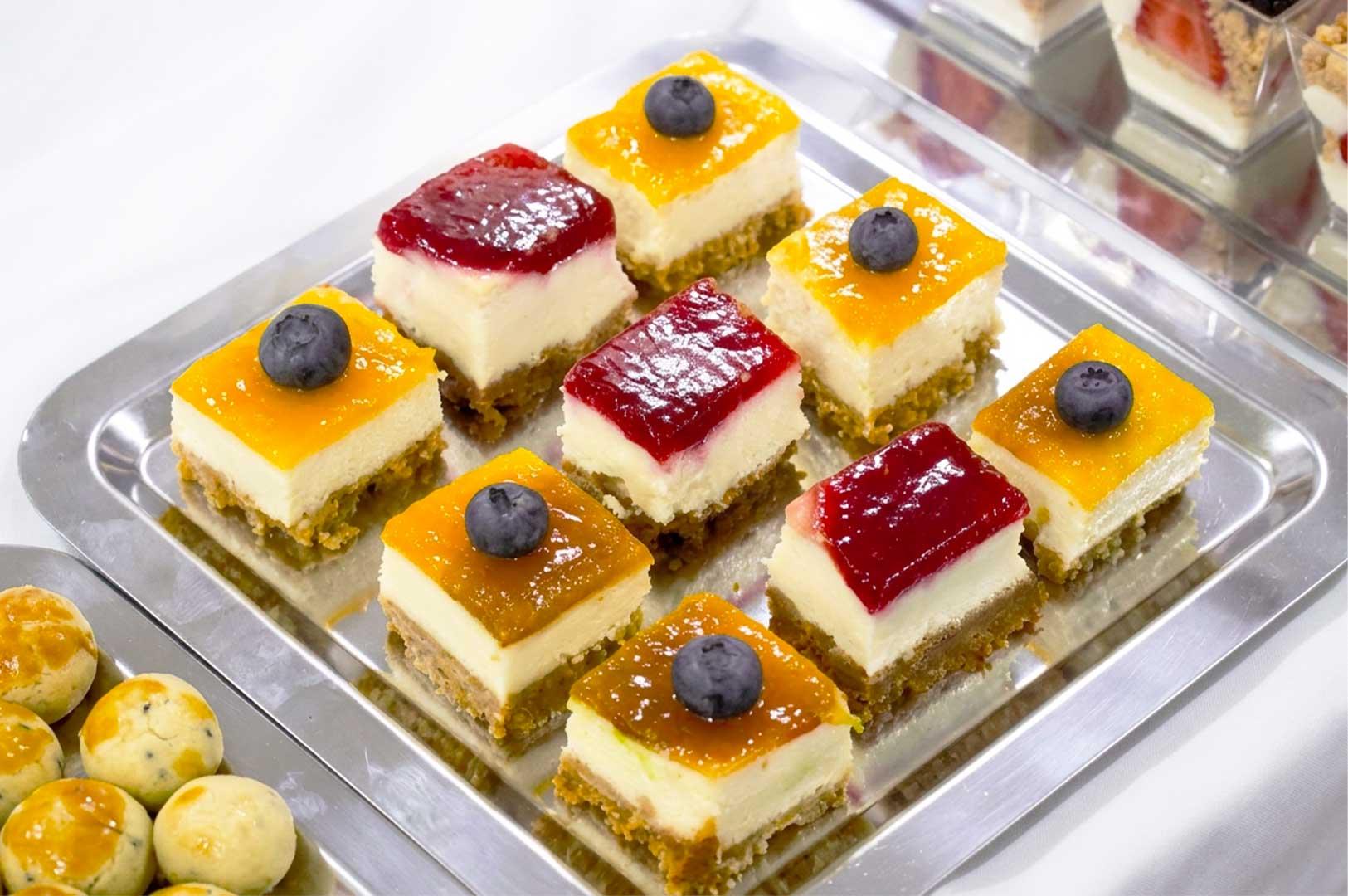
The idea behind it is called shun, which roughly means an ingredient at its peak. Strawberries in Japan are a winter and early spring fruit, not a summer one. Chestnuts belong to autumn. Yuzu belongs to the coldest months. Eating something outside its moment is possible, but it feels a little like wearing a coat in July.
Traditional Japanese confectionery took this further, with sweets shaped and coloured to match not just the season but a particular week within it. Some calendars slice the year into 72 tiny seasons, each a few days long. Cheesecake, a relatively recent arrival, simply slotted into the same habit.
The result is that a cheesecake is rarely just a cheesecake. It is also a quiet comment on what the weather is doing.
A Cheesecake Recipe Built Around Delicate Sweetness
Japanese desserts have a reputation for restraint, and it is earned. Sugar is usually there to support the main flavour, not to bury it. That is the idea behind delicate sweetness, where a cake finishes clean instead of leaving a sugary film behind.
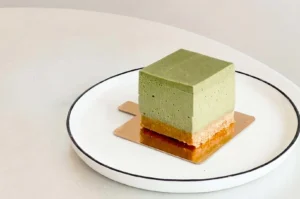
A typical Japanese-style cheesecake recipe calls for less sugar than a classic cheesecake recipe from the West. The creamy filling is lighter too, with a texture closer to a soft sponge than a dense wedge. That restraint is what makes seasonal flavours work, since a subtle ingredient like cherry blossom or green tea would disappear under a heavy, sweet base.
Spring Flavours: Strawberries First, Then Lychee Rose, Before the Season Slips Away
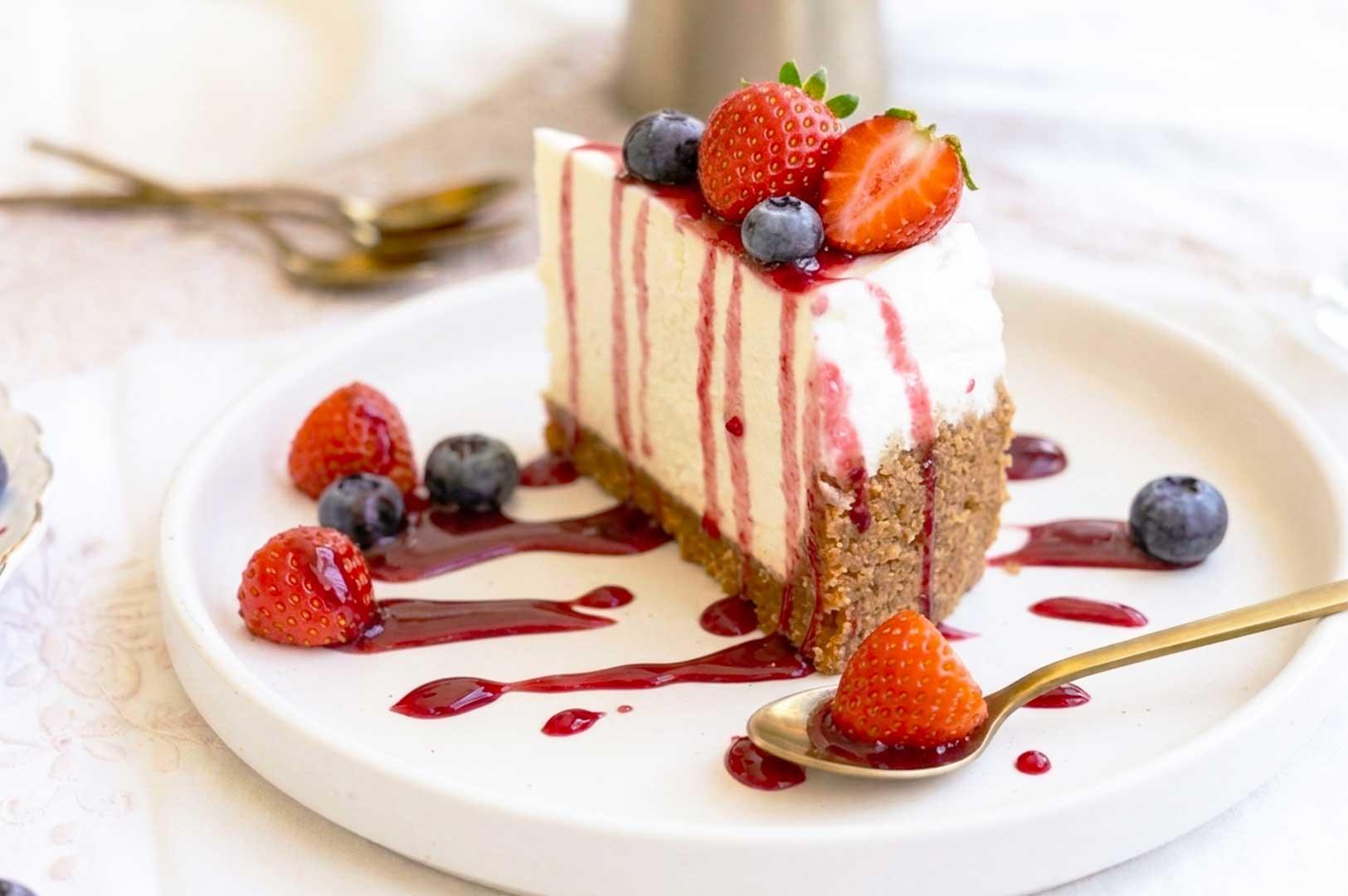
Strawberry is the headline act. A strawberry cheesecake topped with fresh strawberries is a staple in Japan from winter into spring, when the fruit is at its peak.
Floral flavours follow as the weather warms. Lychee rose is a good example. The fruit is juicy and slightly perfumed, the rose adds a soft floral note, and together they taste like early summer without being loud about it.
The trick is moderation. Too much rose and the cake tastes like soap. Done well, it is a hint rather than a statement. It rarely shows up on the first taste, and tends to register on the second bite.
Spring flavours are the shortest-lived of the year, which is part of the appeal. Having them at all feels like catching something before it leaves.
Lemon Cheesecake and No Bake Cheesecake for the Hot Months
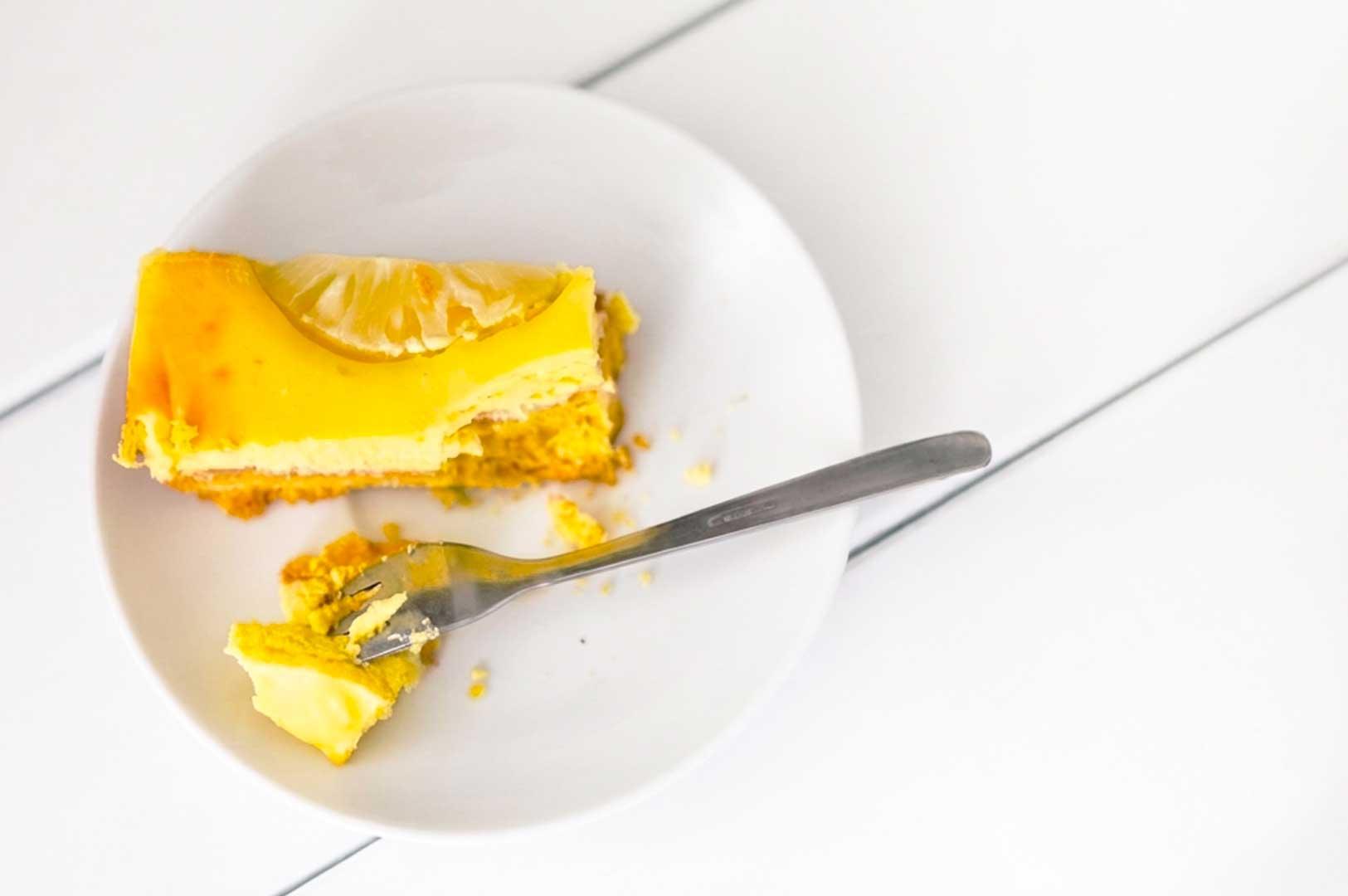
Summer changes the brief completely. Nobody wants something heavy when the air is thick and humid, so the flavours turn bright and the textures turn cool.
Why Lemon Cheesecake Works When It Is Hot
Citrus does the cleaning that rich desserts usually need. A lemon cheesecake, especially one finished with lemon curd, often has two layers: a creamy base and a bright, tart top. That contrast cuts through the richness and keeps each slice feeling light.
Peaches and blueberries suit the same months. A raspberry cheesecake, or just a spoonful of raspberry sauce on the side, adds a sharper edge for anyone who wants it.
No Bake Cheesecake and the Appeal of Keeping the Oven Off
A no bake cheesecake is the obvious summer format. There is no water bath, no worrying about cracks, and no heating the kitchen to oven temperature. The filling sets in the fridge, usually with the help of gelatin, and the finished cake is cool and soft with a lighter bite.
It also happens to suit lighter flavours. Fruit, citrus and whipped cream all sit comfortably on a no bake base without competing with it.
Apple Pie Flavours and Chocolate Cheesecake as the Weather Turns
Autumn is when the mood shifts. Flavours get warmer, rounder and a little more serious. Cinnamon appears. So do pecans, roasted chestnuts and sweet potato.
When Apple Pie Gets Folded Into the Filling
Apple pie is one of the most dependable autumn references. Spiced apples, swirls of cinnamon and a crumbly top turn a familiar dessert into something cake-shaped. Pumpkin cheesecake works on the same principle, with pumpkin spice doing the seasonal heavy lifting.
Pumpkin is more of a Western fall habit, though Japan has its own version in kabocha, a sweeter, denser squash that makes a very good filling.
Chocolate Cheesecake for the Colder Weeks
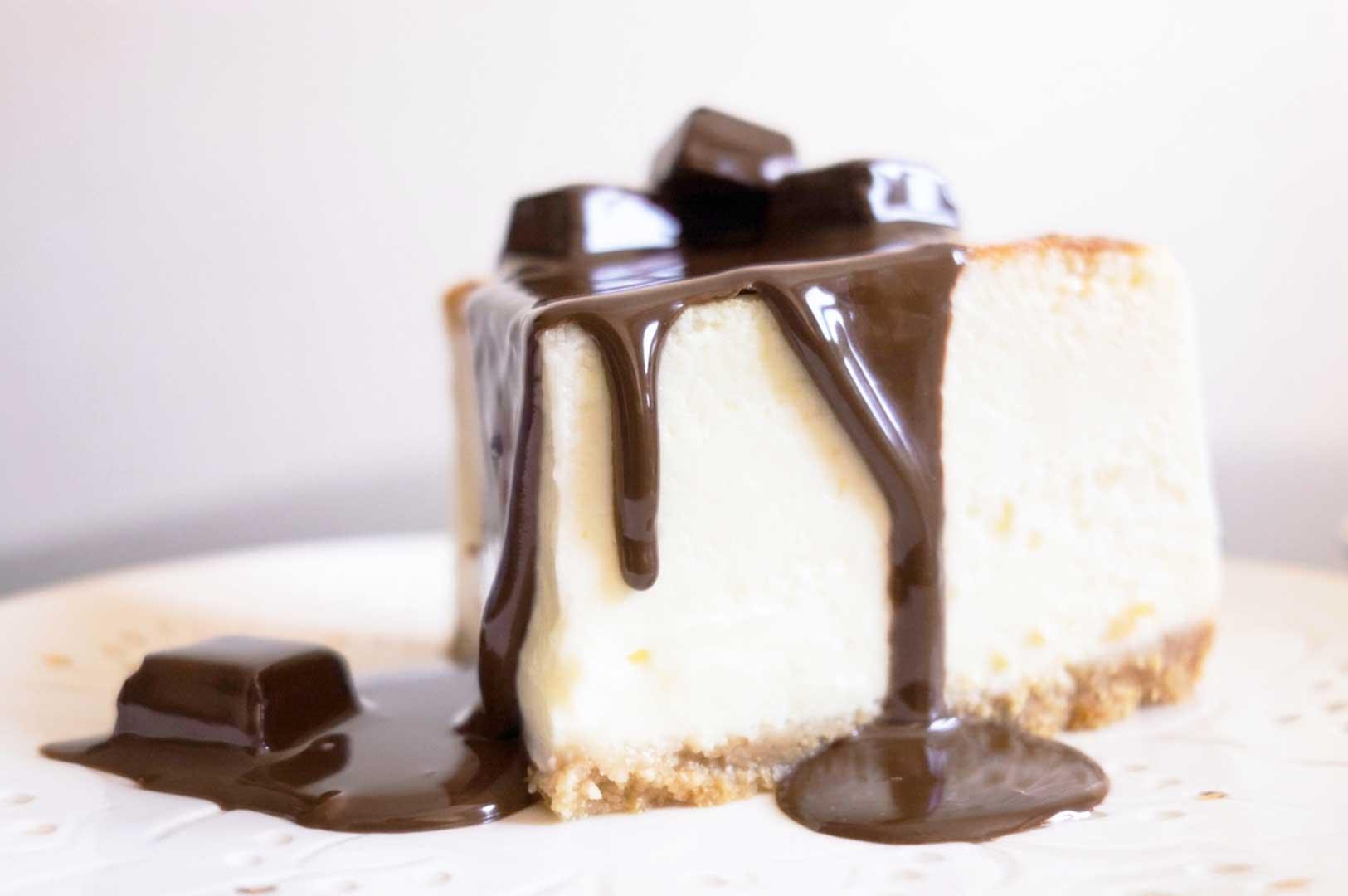
Chocolate belongs to the cooler end of the year. A chocolate cheesecake, finished with a glossy chocolate ganache, is richer and deeply chocolatey, which suits the shorter days. A salted caramel cheesecake plays a similar role, with a savoury edge that balances the sweetness. Either one is a small indulgence for a cold evening.
Basque Cheesecake and the Comfort of a Burnt Top
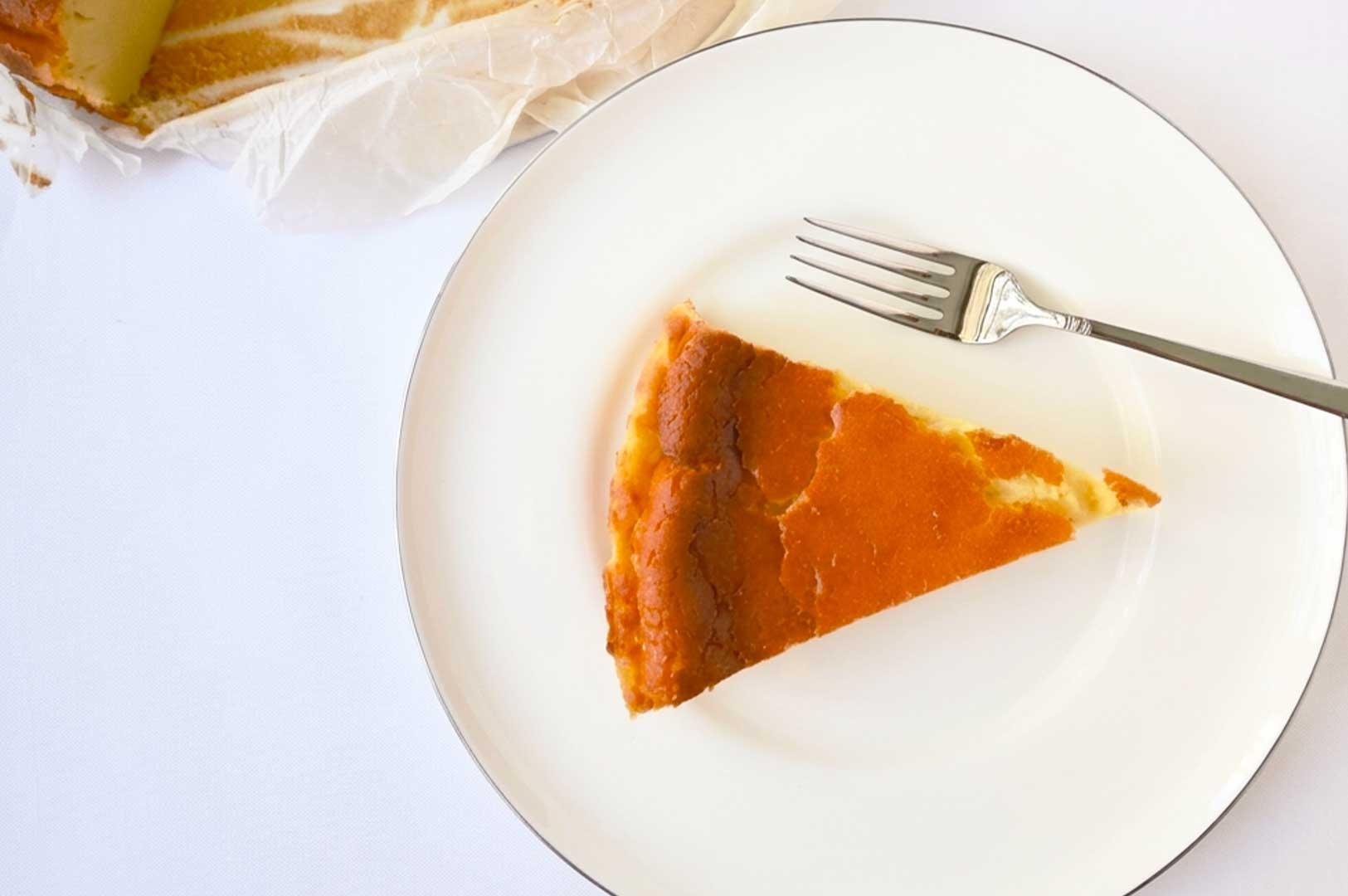
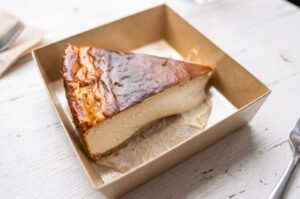
Winter calls for something closer to comfort food, and few styles fit better than a Basque cheesecake. It is made with little more than cream cheese, eggs, sugar and cream, plus a touch of vanilla.
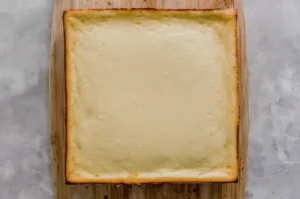
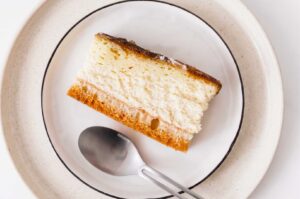
It is baked hot, so the top turns deep brown and slightly bitter, while the inside stays soft and almost custard-like. There is no crust to speak of, just a creamy texture that wobbles when the plate is moved.
That contrast between caramelised outside and tender centre feels right when it is cold. It is simple, a little rustic, and happy to be eaten warm or straight from the fridge.
Mini Cheesecakes and Why Small Portions Suit a Changing Menu
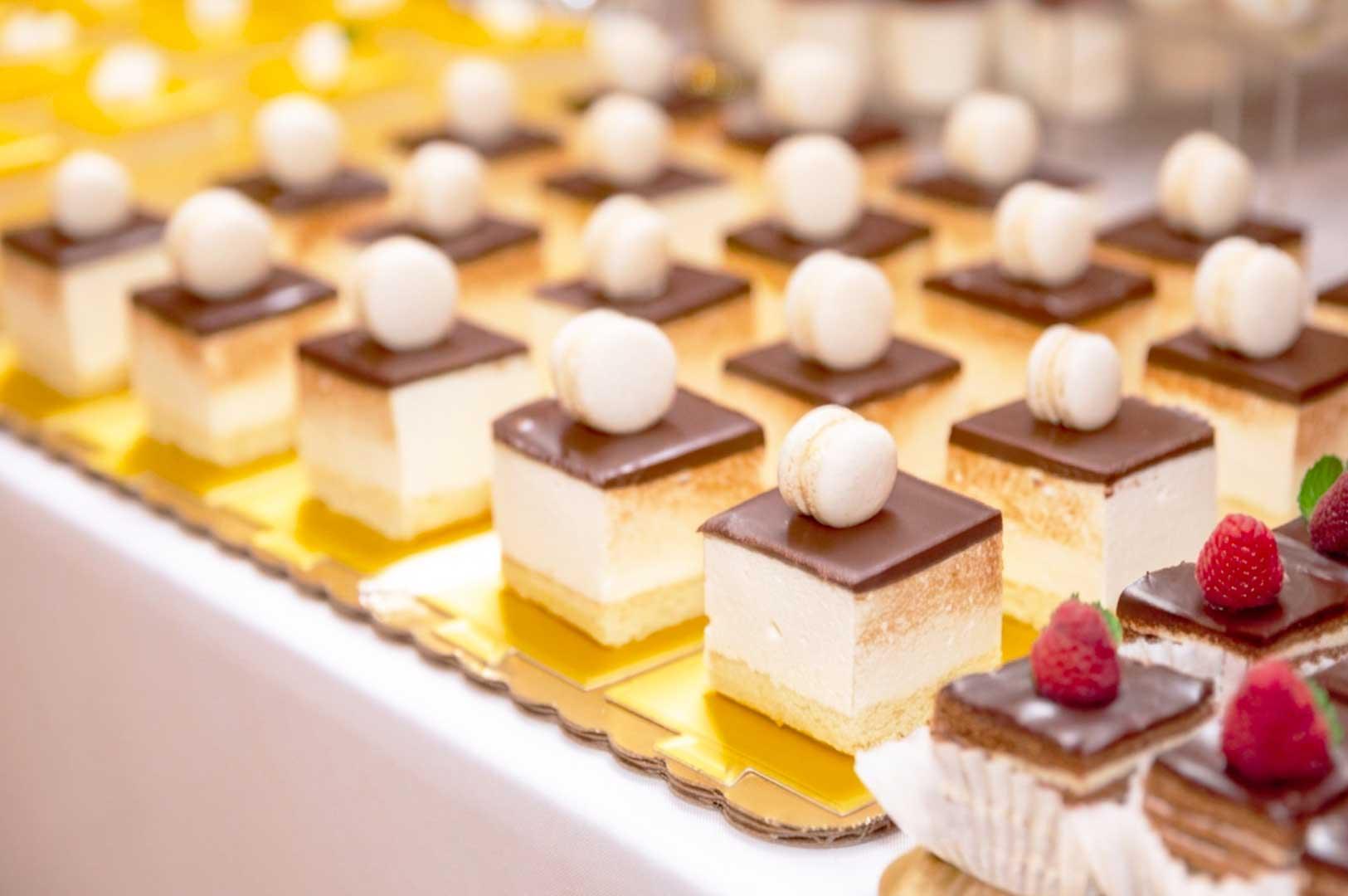
There is a practical reason seasonal desserts often come in small formats. Mini cheesecakes let a bakery rotate flavours quickly, and they let a customer try a mix of flavours in one sitting. Petite cheesecakes are also easier to serve on a dessert table, where variety matters more than slice size.
A small format suits seasonal experimenting. If a flavour does not land, it is only a few bites. If it does, it becomes the one people wait for next year. It also keeps things fun, and makes it easy to find out what is tasty before committing to a whole cake.
What Stays the Same: Cream Cheese and a Buttery Biscuit Base
For all the movement, some things hold still. A cream cheesecake needs cream cheese with enough tang to carry whatever layers sit on top. That tang is the anchor, whether the cake is topped with lychee, lemon or caramel.
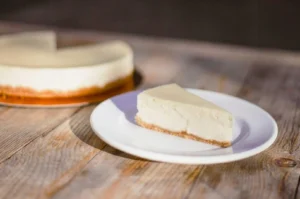
The same goes for the crust. A classic cheesecake is baked atop a graham cracker crust, made from crushed graham crackers and butter, and a shortbread crust does a similar job. Either way, a buttery biscuit base gives a bit of crunch and a toasty flavour that plays well with almost any filling. Change the top, keep the foundation, and the cake still feels like itself.
So What Are the Best Cheesecakes? The Ones That Match the Month
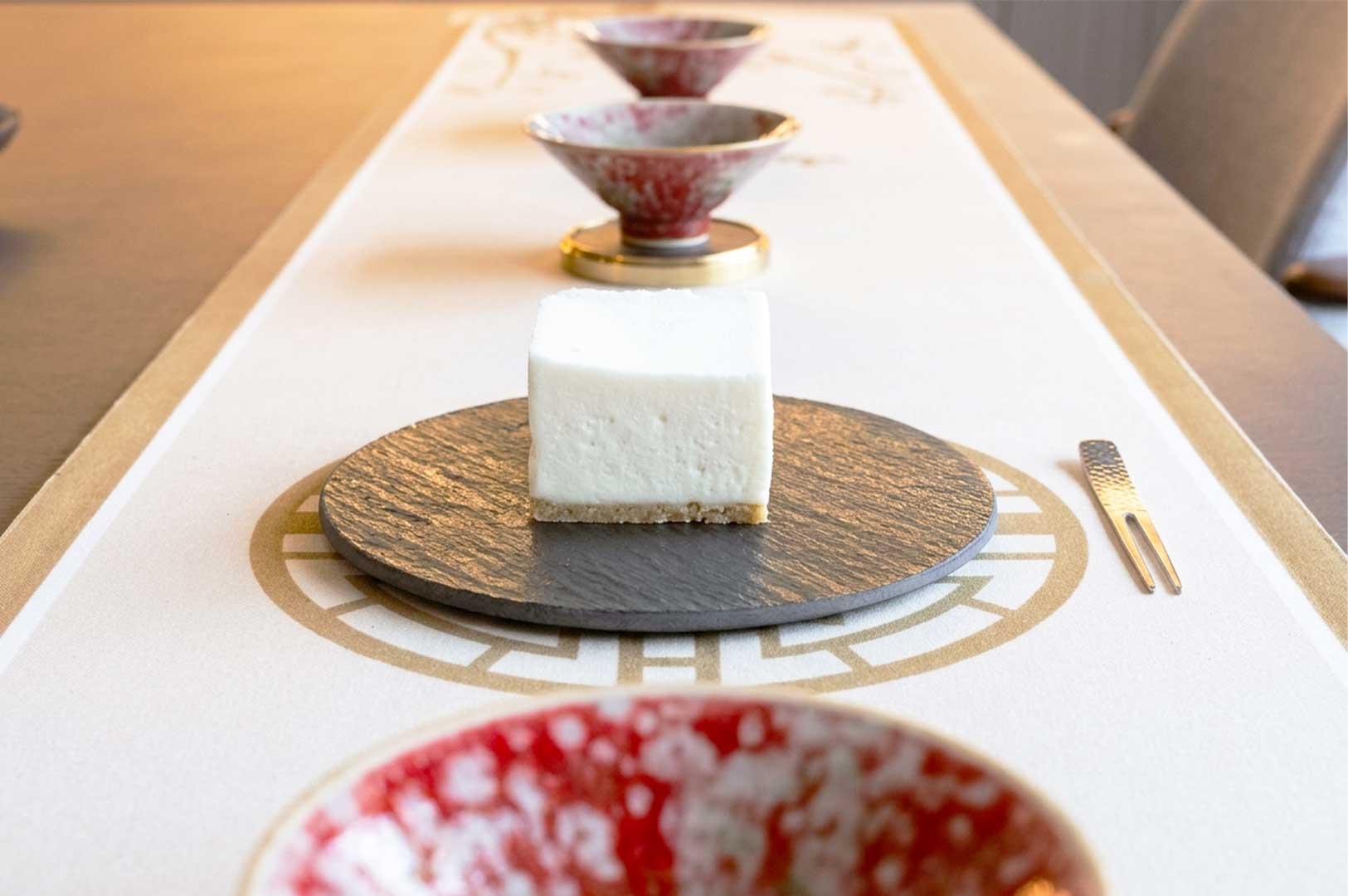
Japan’s answer to the question is practical rather than competitive. The best cheesecakes are not the richest or the most elaborate, but the ones that taste right for the moment they are eaten. A bright lemon slice in a heatwave and a dark Basque in the middle of winter can both be the right answer, just not in the same week.
That is the real appeal of a seasonal cheesecake. It gives a reason to pay attention to the calendar, and to notice what is actually at its peak.
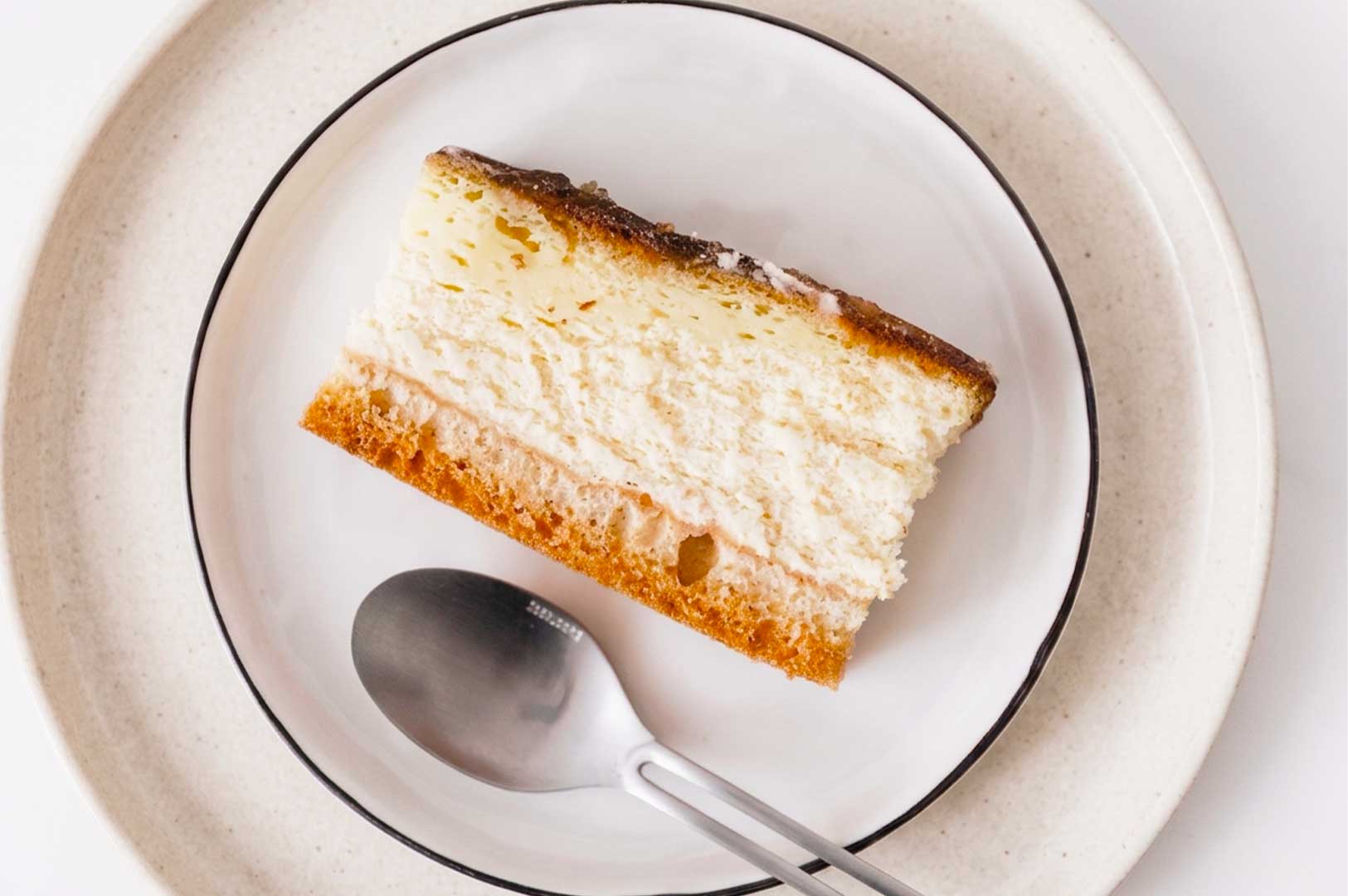
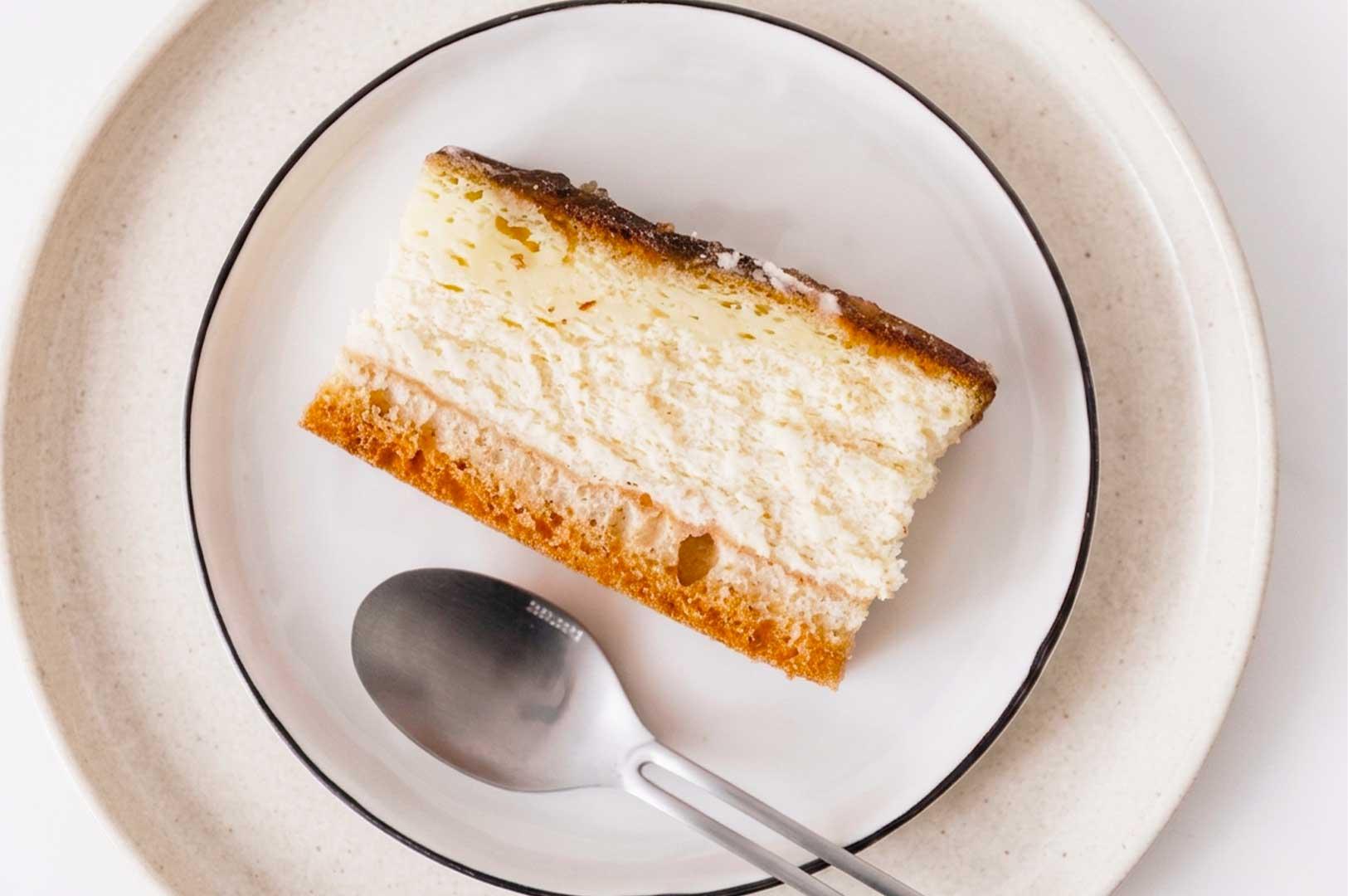
At Daizu by Ki-setsu, we make soy cheesecakes, so we think about this too. The soft, lighter texture of a soy-based filling leaves plenty of room for a flavour to stand out, which makes it a natural fit for ingredients that come and go with the seasons.