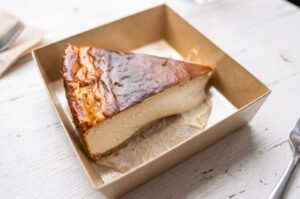
There was a stretch when every café seemed to sell the same cheesecake: dark on top, cracked on purpose, photographed from above. Then the jiggly ones arrived. Then came the ones piled with cereal, or drowned in sauce, or topped with a scoop of something that had no business being there.
Each had its moment, and most of those moments passed. What stayed was a quieter question. Once the novelty wears off, what makes good cheesecake worth ordering?
Why There's a New "It" Cheesecake Every Few Months
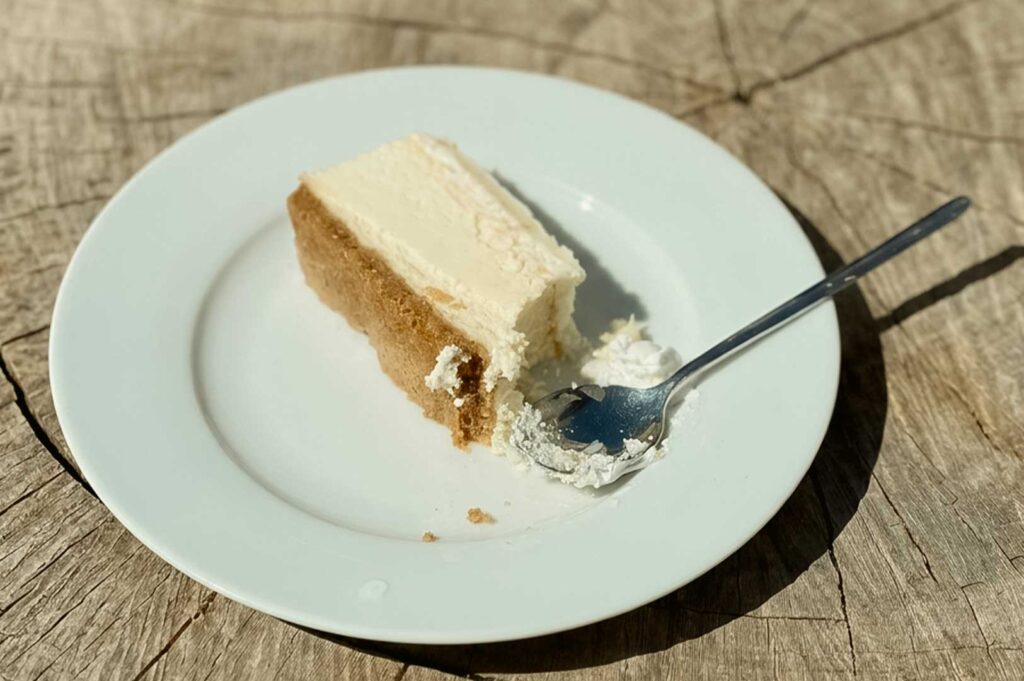
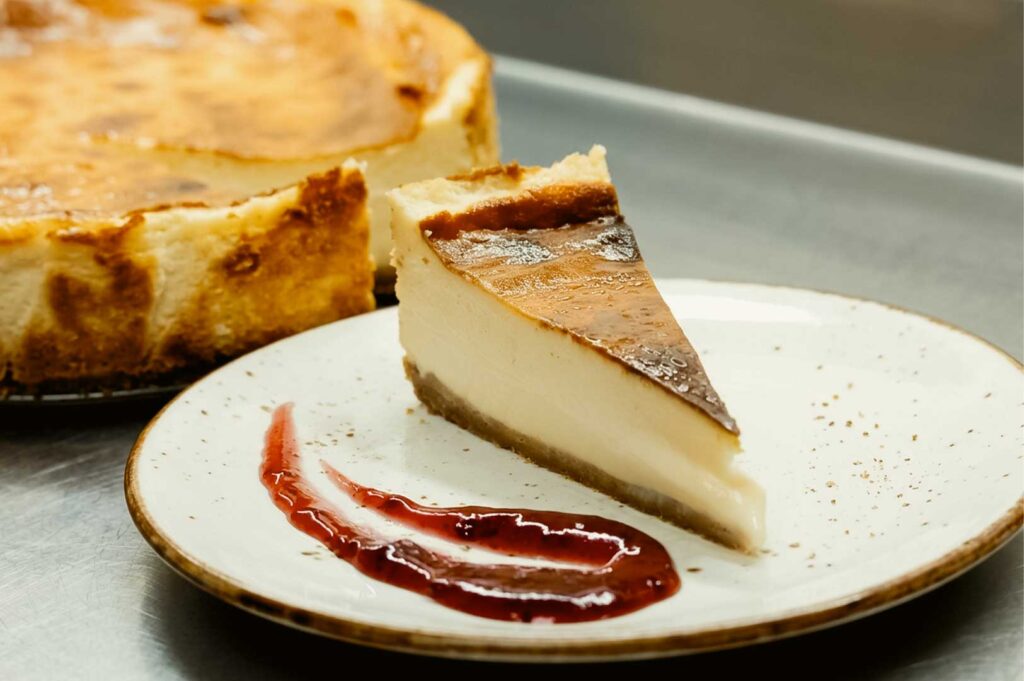
Dessert trends travel fast because they’re built to be seen. A burnt top, a wobbling slice, or a towering garnish all look striking in a photo. That’s useful for a menu, but it says very little about how the thing tastes on the fifth bite.
Social feeds also reward the new. A cheesecake that looks like last season’s has a hard time getting attention, even if it’s well made. So cafés and bakeries feel pressure to change the look, the flavour, or the format, sometimes all three.
Most of this is harmless fun. Trying the thing everyone’s talking about is part of enjoying food. The trouble starts when novelty becomes the only measure of whether a dessert is any good.
What Trendy Cheesecakes Tend to Have in Common
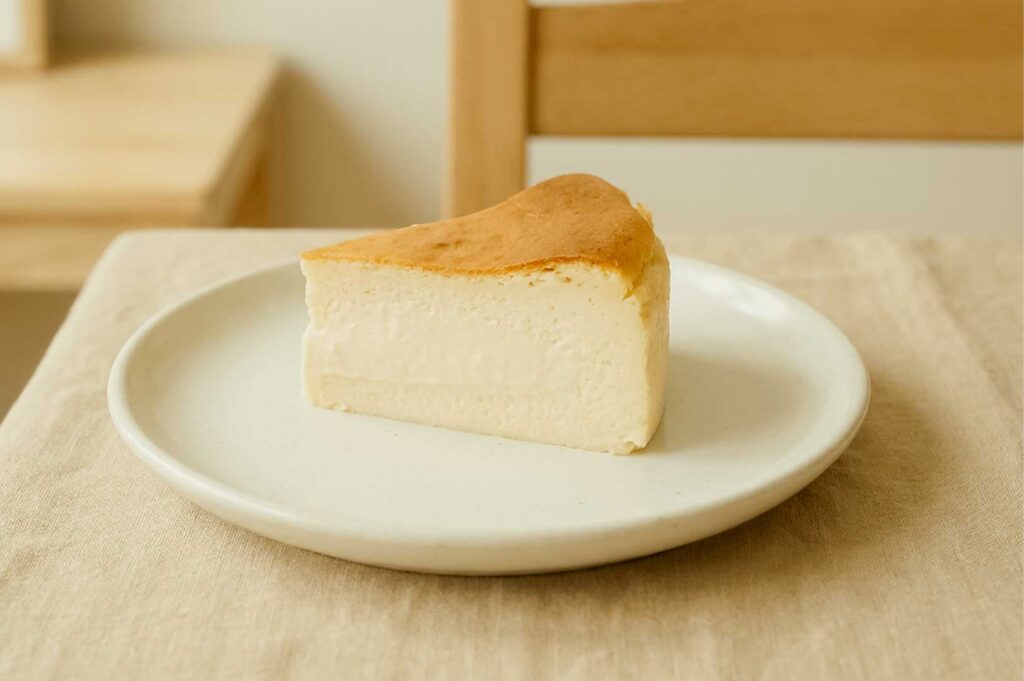
Look closely at the ones that blew up and a pattern shows up. The change is usually on the outside: colour, shape, toppings, a dramatic finish. The cake underneath is often a fairly ordinary base with a new coat of paint.
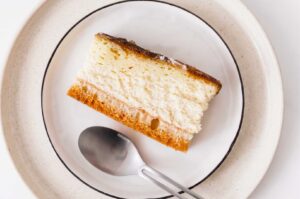
That isn’t a criticism. Some of those changes do work. A deeply caramelised top adds a bitter edge that balances the richness. A softer set makes the whole slice feel lighter.
But the ones that fade are usually the ones where the gimmick did all the work. Take the topping away and there’s not much left to talk about. A cheesecake like that is hard to want a second time.
What Makes Good Cheesecake Good, Whatever Year It Is
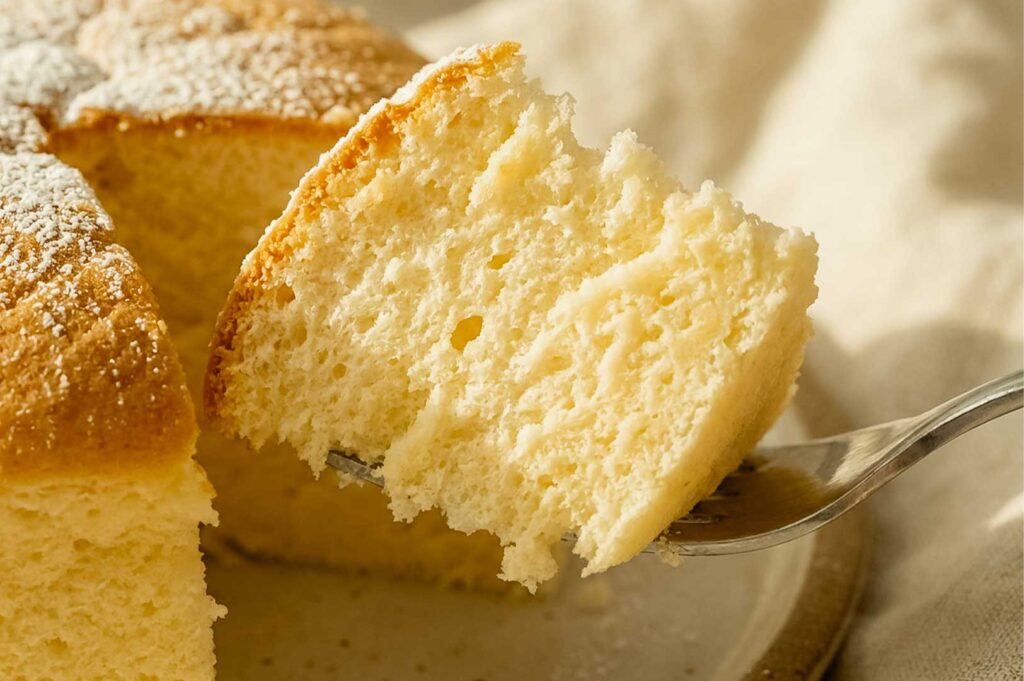
Strip away the fashion and the same few things decide whether a slice is worth finishing.
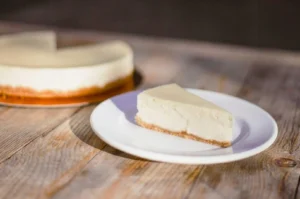
Texture. Smooth, even, and set just enough to hold its shape. Grainy or rubbery is a problem no garnish can fix.
Balance. Sweet, tangy, and rich should be in proportion. When one dominates, the slice gets tiring after a few forkfuls.
Restraint. The best slices don’t need much help. A good base and a well-judged bake leave little room for hiding behind toppings.
None of this goes out of date. A person who liked a smooth, balanced cheesecake ten years ago will like one today, and probably ten years from now.
Why a Lighter Cheesecake Keeps People Coming Back
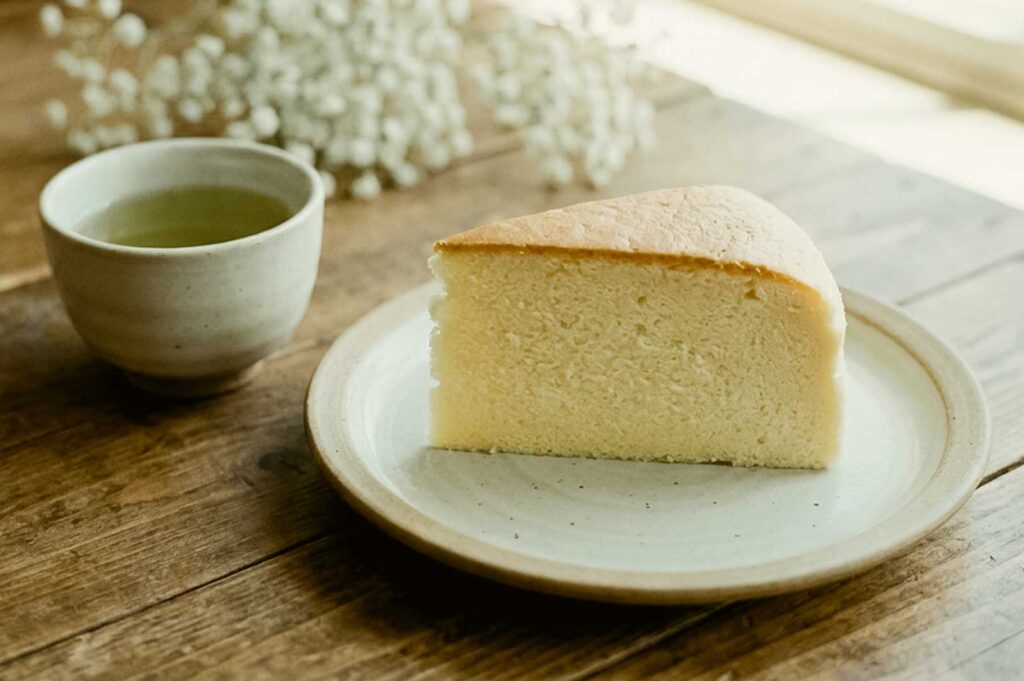
Heaviness is where a lot of cheesecakes lose people. The first few bites are lovely. By the end, the slice feels like a commitment.
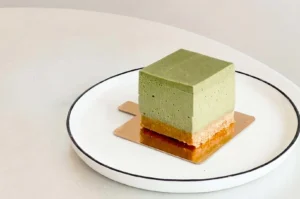
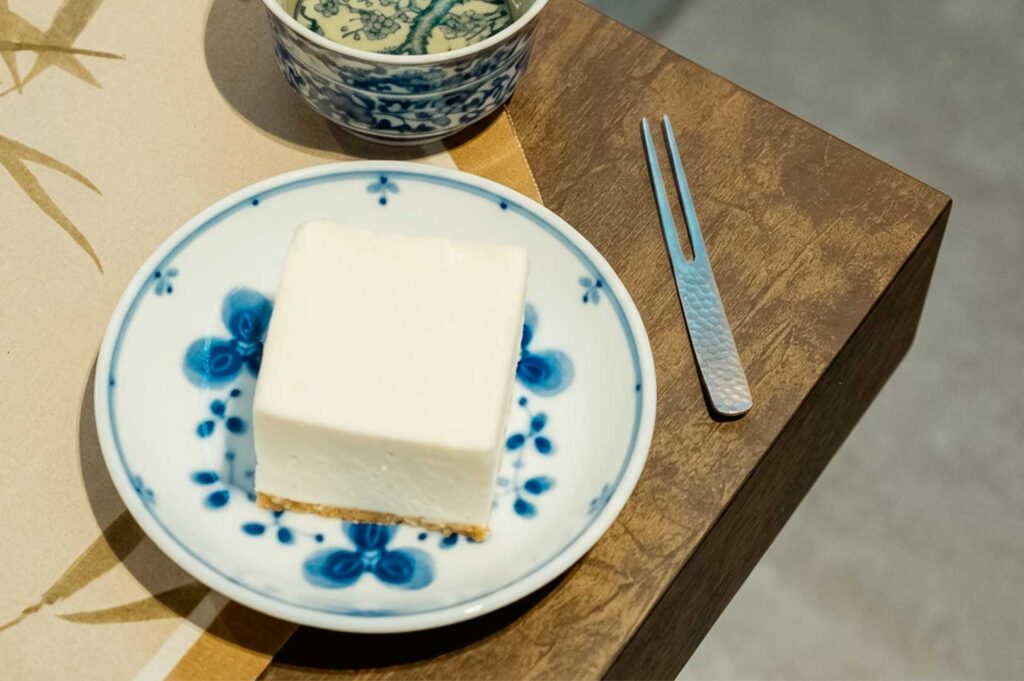
That’s one reason Japanese-style cheesecakes have kept a loyal following through every trend wave. The texture leans soft and airy rather than dense, and the sweetness tends to sit lower. It’s the kind of dessert that works after a full meal, not just as a treat to plan around.
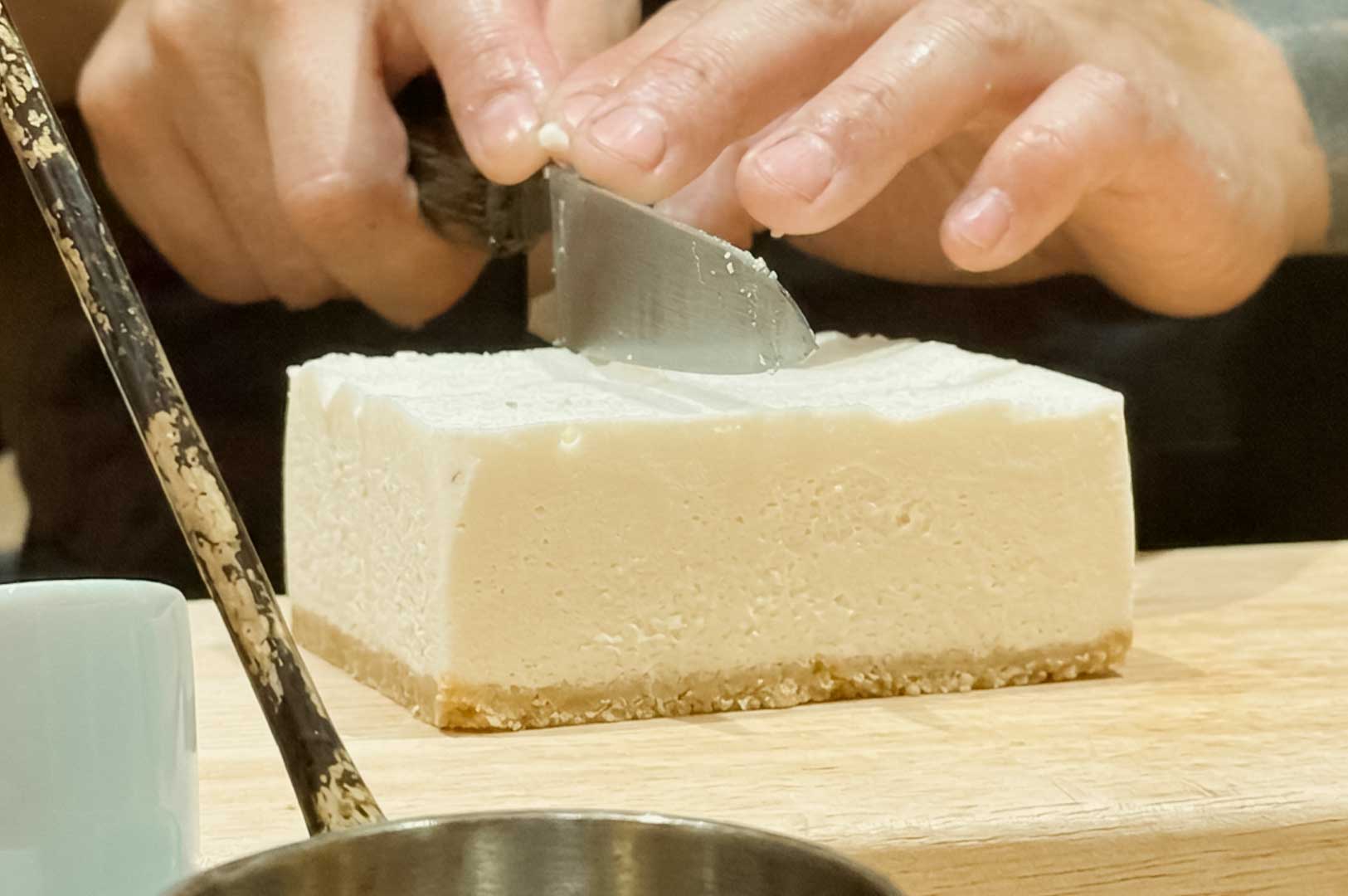
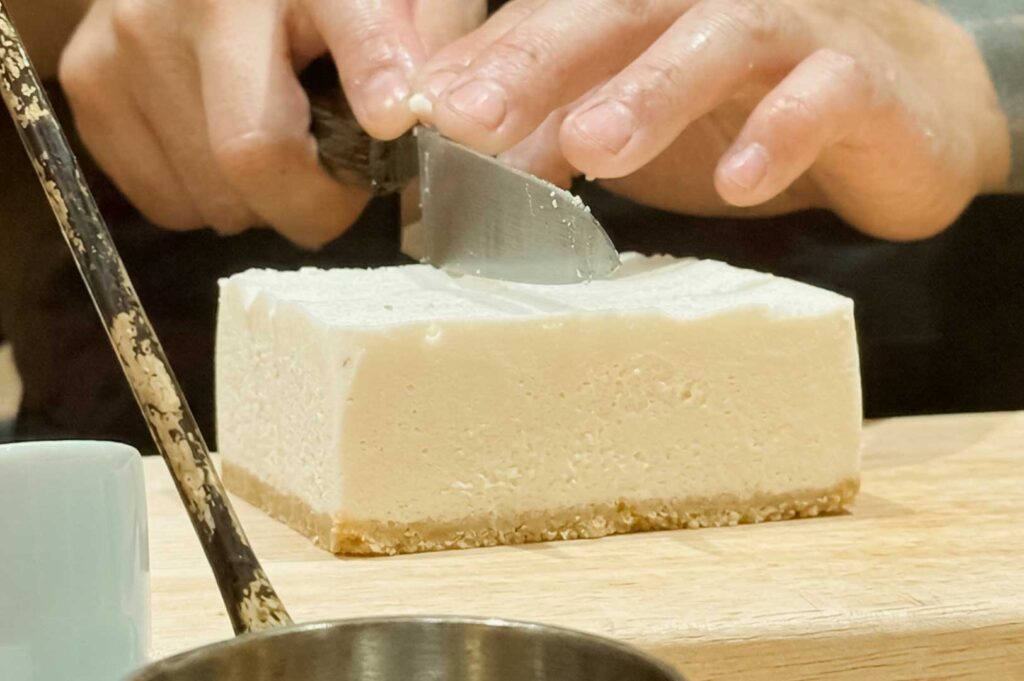
Soy cheesecake follows the same logic. Soy gives the cake a gentler, rounder flavour than heavy cream cheese, so the finish is cleaner and the slice feels easier to enjoy. It doesn’t compete for attention, which is part of the appeal.
Doesn't a Cheesecake That Never Changes Get Boring?
t’s a fair question. Constant variety does keep things interesting, and a menu that never moves can feel stale.
But there’s a difference between a dessert that stays the same and one that stays reliable. Reliability means a slice that tastes the way a person remembers it. That’s rarer than it sounds, and it’s why people return to the same bakery for years.
There’s also room for change without chasing trends. A seasonal flavour, a small adjustment to sweetness, or a new pairing can all keep things fresh while the core stays put. The base is what people trust, and the variations are a bonus.
Why the Cheesecake Worth Keeping Is Rarely the One Everyone's Posting About
The loudest cheesecake of any given month is usually the one built to be noticed. The one that lasts is built to be eaten, and then eaten again.
Trends are fun to follow, but a slice that depends on one to stay relevant has a short shelf life. The cheesecakes people mention years later tend to be the ones that got the basics right: a smooth texture, a balanced sweetness, and a finish that makes another bite sound like a good idea.
At Daizu by Ki-setsu, we make Japanese soy cheesecake with that in mind. It’s soft, light, and made to be enjoyed slowly rather than photographed first. For anyone who wants good cheesecake without needing it to be the next big thing, it’s a quiet option worth trying.