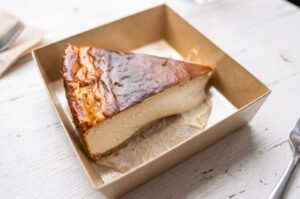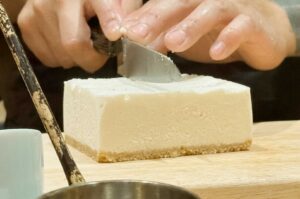
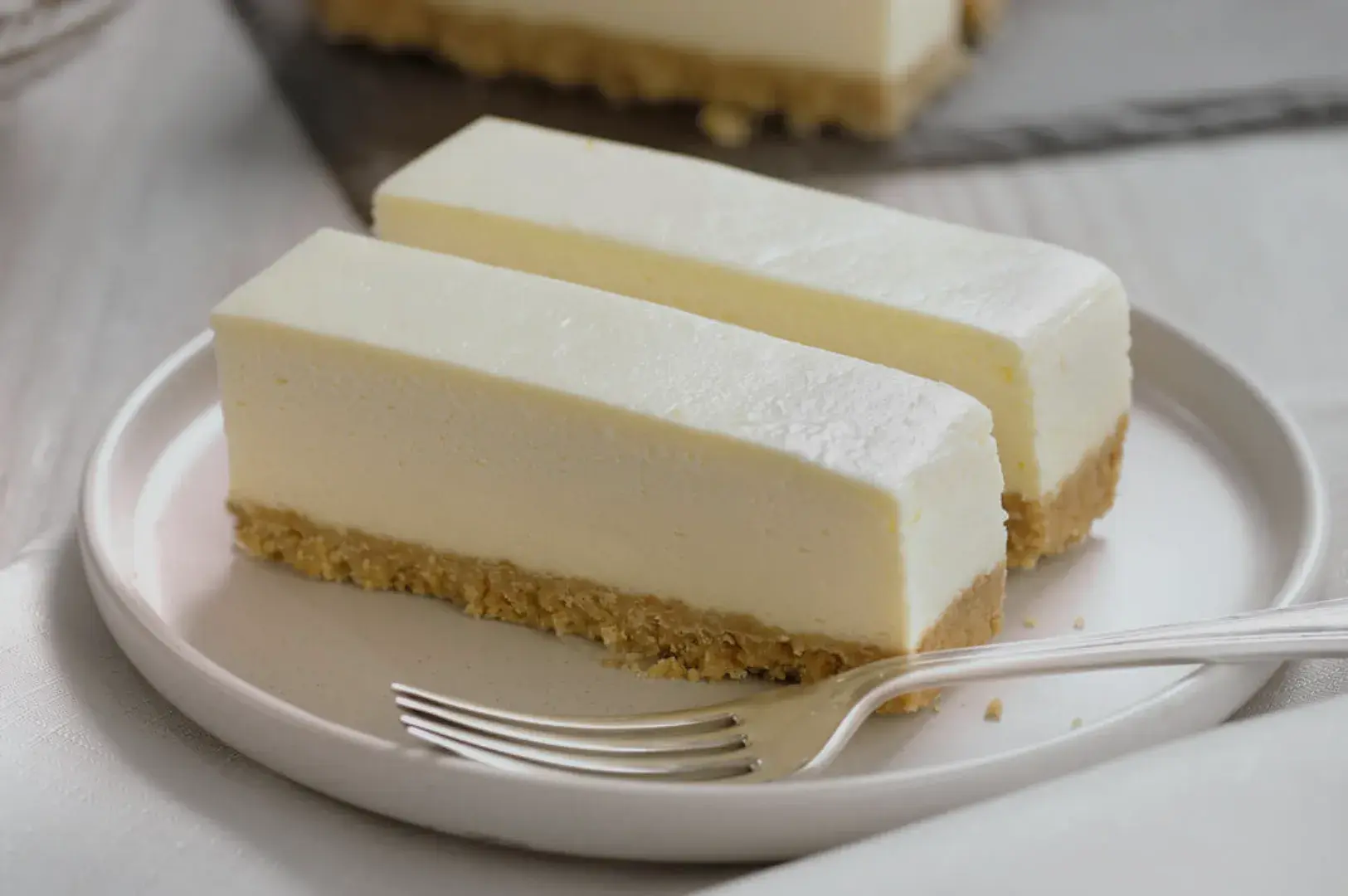
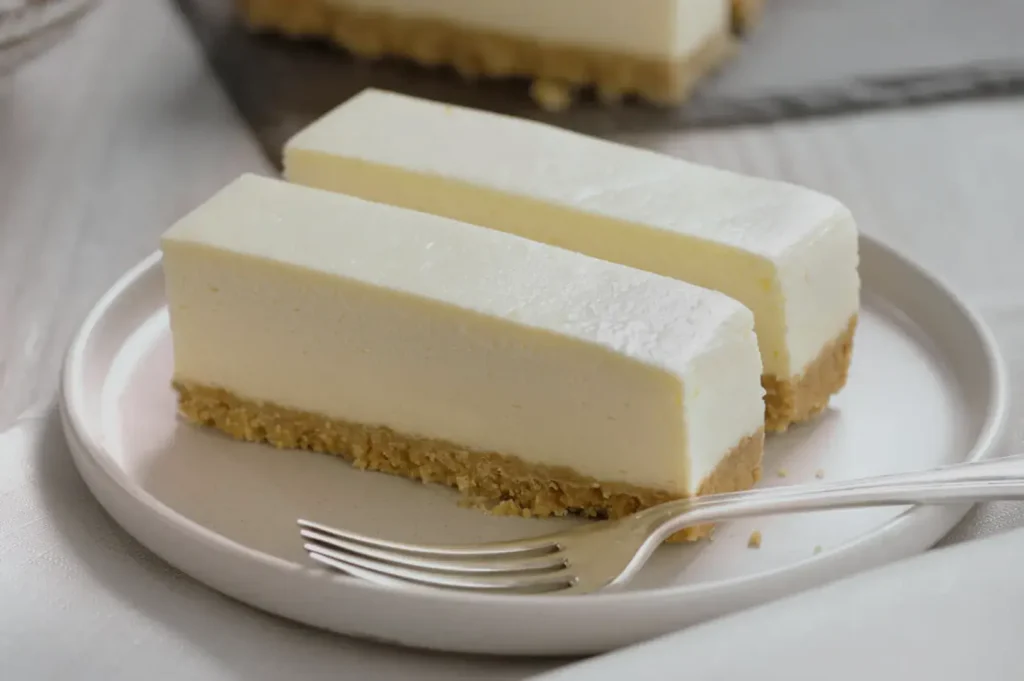
Two cakes sit side by side in a shop display case. One is labelled “artisanal,” the other is from the bakery next door, and the price gap is about six dollars. Most people glance at both, shrug, and wonder what that extra money is actually buying.
It’s a fair question, and it comes up often when picking out a cheesecake in Singapore, where the word “artisanal” gets stuck on everything from crackers to candles. It’s easy to assume it’s just a fancy label. Sometimes it is. But when the word is earned, there are real differences in how a cake gets made, what goes into it, and how it tastes.
Artisanal vs Bakery Cakes: Where the Lines Actually Sit
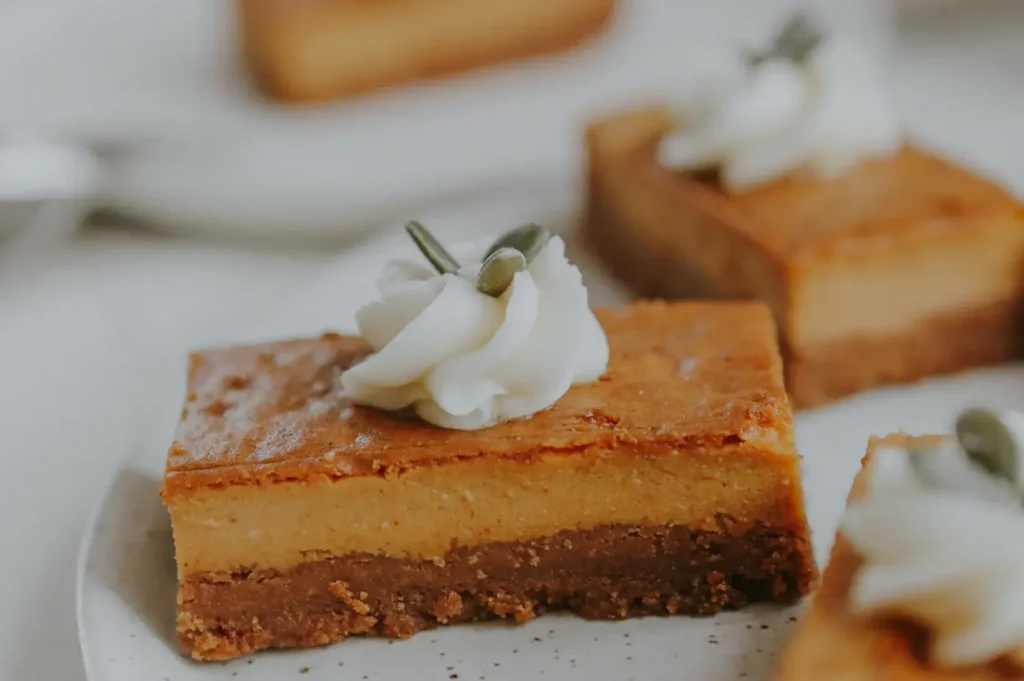
Start with the obvious problem: neither term has a legal definition. Anyone can call their cake artisanal, and plenty of perfectly good bakeries never bother to.
In practice, the difference comes down to scale and attention. A regular bakery usually operates on volume and consistency. It needs to fill a counter every morning, so recipes are built to be repeatable, quick, and forgiving. That’s not a flaw. It’s just a different job.
An artisan bakery works the other way around. The batches are smaller, the recipes are fussier, and the emphasis is on getting each step right. The goal isn’t making more. It’s to create each cake properly.
What Goes Into the Mix: Premium Ingredients vs Practical Ones
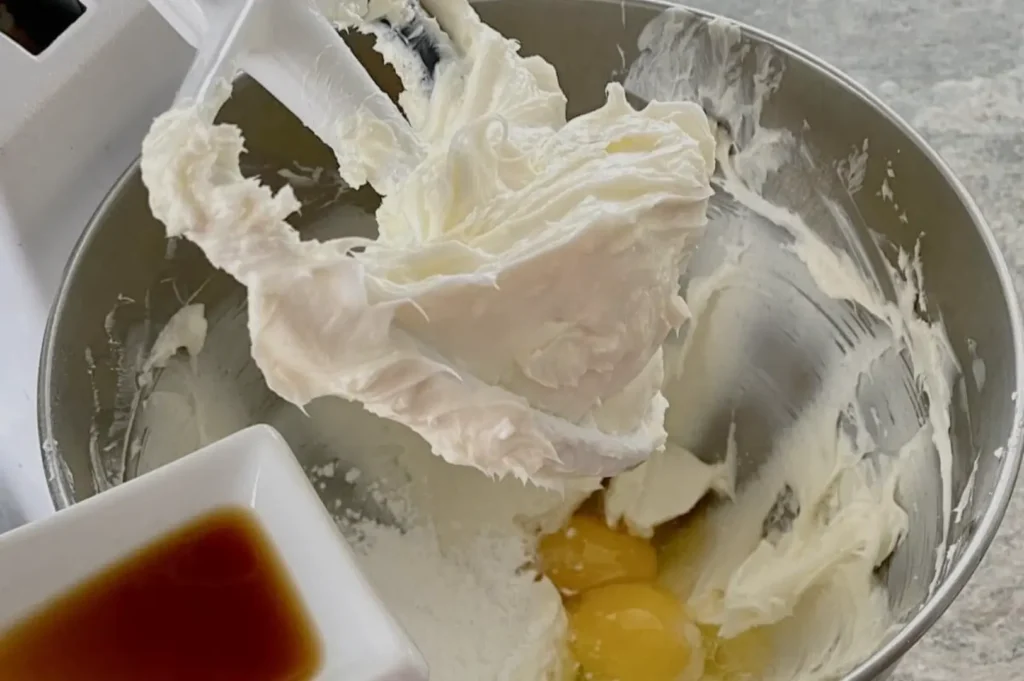
Open the supply cupboard of a high-volume bakery and the priorities show. Shelf-stable fats, stabilisers, and pre-blended mix keep costs low and results predictable. Plenty of baked goods rely on a little help from additives to stay soft for days.
Artisanal bakers tend to go the other way. Real butter instead of a blended spread. Actual vanilla instead of flavouring. Flour chosen for how it behaves, not just what it costs. These premium ingredients cost more, and that cost ends up on the price tag.
The upside is taste. Natural ingredients carry a depth that’s hard to fake. A good vanilla cake should taste like vanilla, not just sugar with a label.
Traditional Baking Techniques and Why They Take So Long
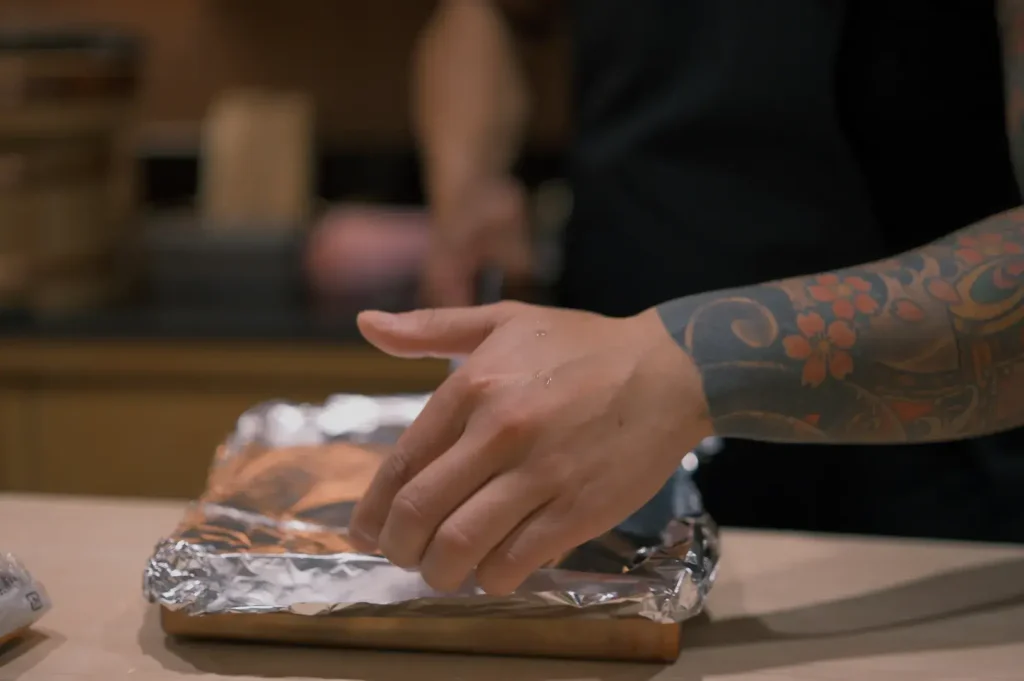
This is where the gap gets wider. Traditional baking techniques are slow by design. Take sourdough bread, which depends on a living starter and hours of patient fermentation before a loaf ever sees the oven. Or a buttery croissant, where layers of butter are folded into dough again and again, with resting time between each fold.
Cakes follow the same logic. Creaming butter and sugar properly, folding in flour gently, letting a batter rest, baking at a lower temperature for longer. Each stage of the baking process adds time, and each one shows up in the texture. Skip them and a cake can still look fine. It just won’t have the same crumb.
Skill matters here too. A head baker who has made the same recipe hundreds of times can tell by sight and feel when something is off. That kind of craft doesn’t come from a machine.
Delectable Artisanal Cakes: What to Look For in the Slice
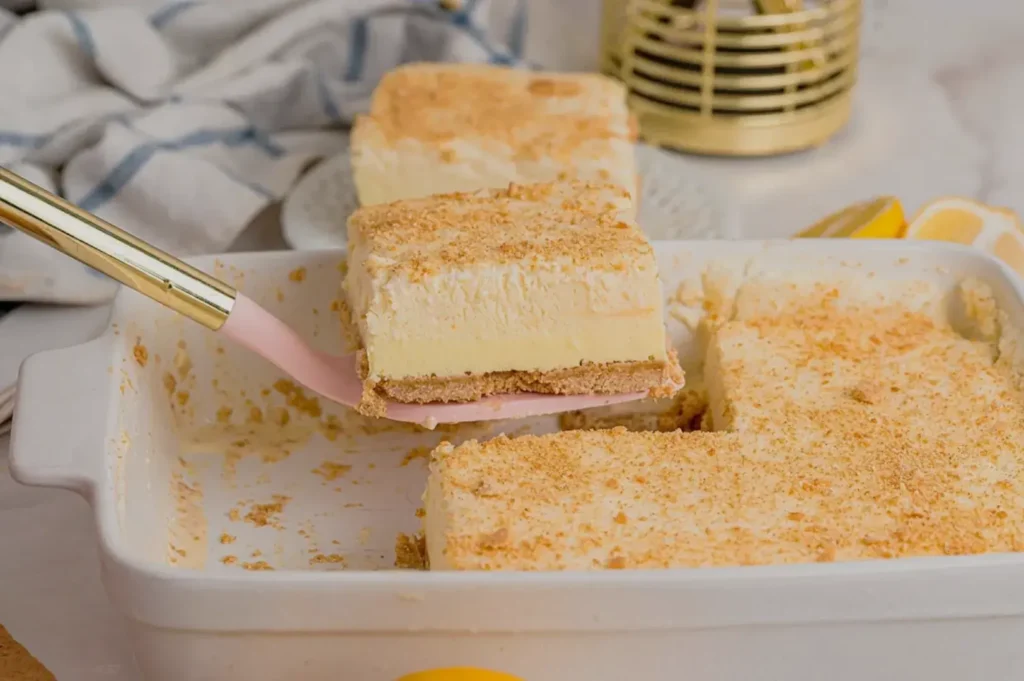
So how can customers tell the difference without a behind-the-scenes tour? A few things give it away.
Texture. A well-made cake has a tender, even crumb. It shouldn’t be gummy or dry, and it shouldn’t feel overly springy.
Flavour. Delectable artisanal cakes tend to have unique flavours that come through clearly. The vanilla, the butter, or the fruit stands out instead of everything blurring into sugar.
Freshness. Small batches don’t sit around. They’re baked close to when they’re sold, so the cake tastes fresh, not just looks it.
Style. Decoration is usually simpler and more rustic. Less glossy, more handcrafted.
A word of caution: a cake that looks great in social media posts isn’t automatically a good one. Plenty of cakes can impress from a distance. The slice is where the detail and quality show.
None of this means a bakery cake is bad. A good one can be a lovely thing. But these are the places where craftsmanship tends to show up.
Artisanal Bakeries Beyond Cakes: Bread, Pastries and Everything Else
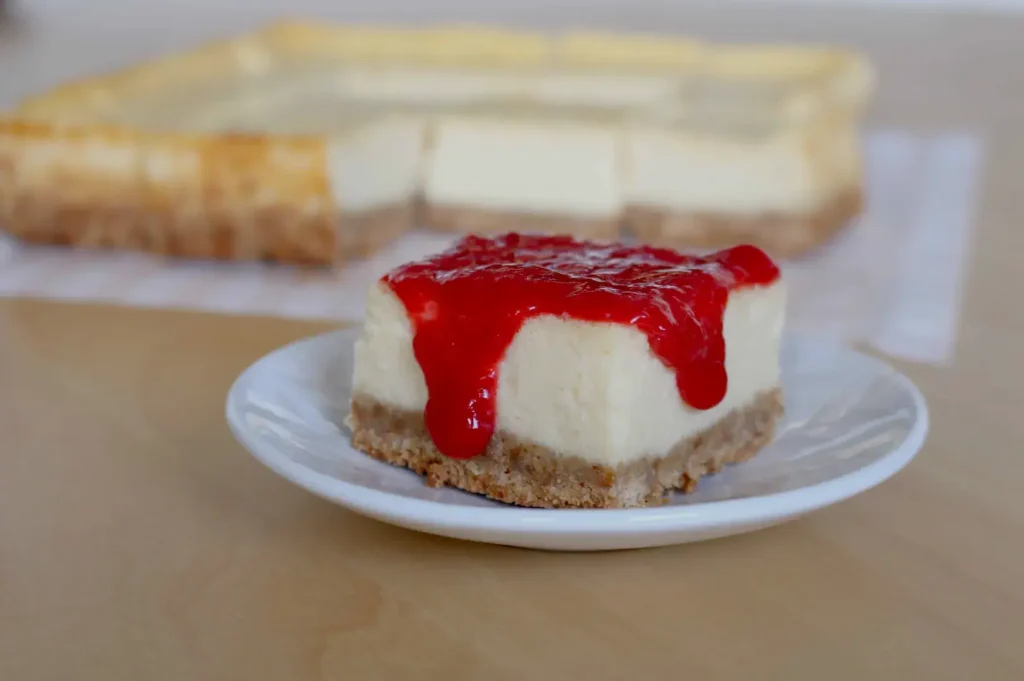
The same thinking runs through the rest of the counter. Artisanal bakeries rarely stop at cake. They’re usually just as particular about baguettes, rustic loaves, morning buns, muffins, pies, and brownies, all made from scratch with the same attention to detail.
France is a handy reference point. A proper French baguette is only flour, water, salt, and yeast, so there’s nowhere to hide. Everything depends on time and technique. Delicate pastries work the same way, where a few good ingredients and careful handling matter more than any trick.
That’s the pattern worth remembering. The fewer shortcuts in the process, the more the final result depends on skill.
So Why the Premium Pricing?
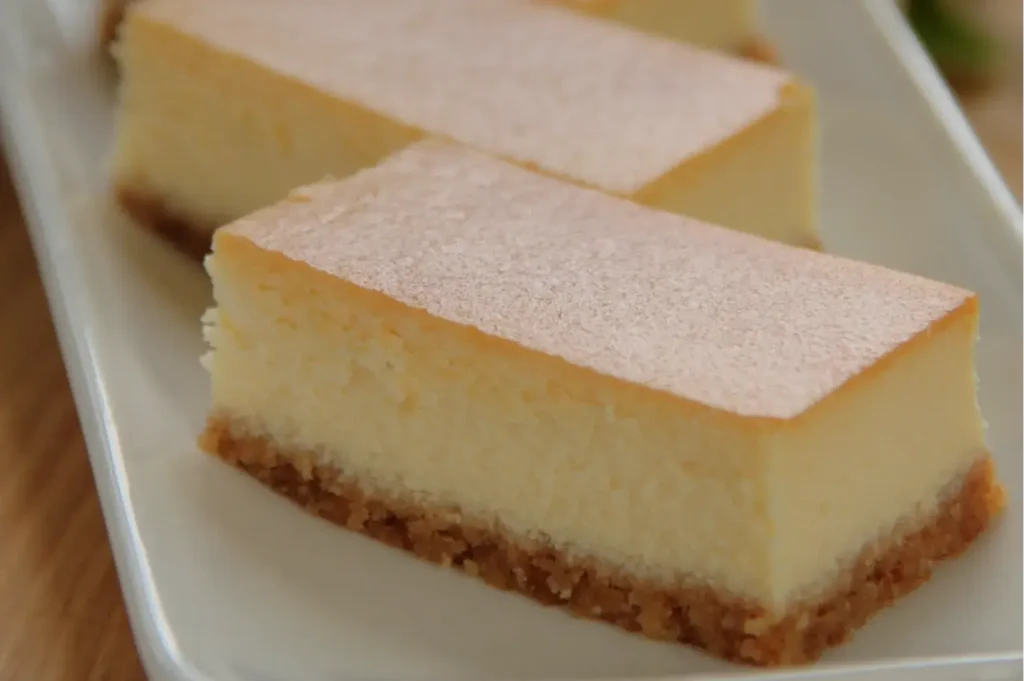
It helps to break down where the money goes. Better ingredients cost more per kilo. Smaller batches mean less efficiency. A longer baking process ties up ovens and people. And handcrafted work simply takes more hours per cake.
Packaging and presentation can add to it as well, especially for gifting. Then there’s the city factor. In Singapore, rent and labour costs push every price up a little.
Premium pricing isn’t automatically a sign of quality, though. It’s worth looking at what’s behind it. If the maker can explain the ingredients and the method without fuss, the price usually makes sense.
The Real Difference, in One Honest Paragraph
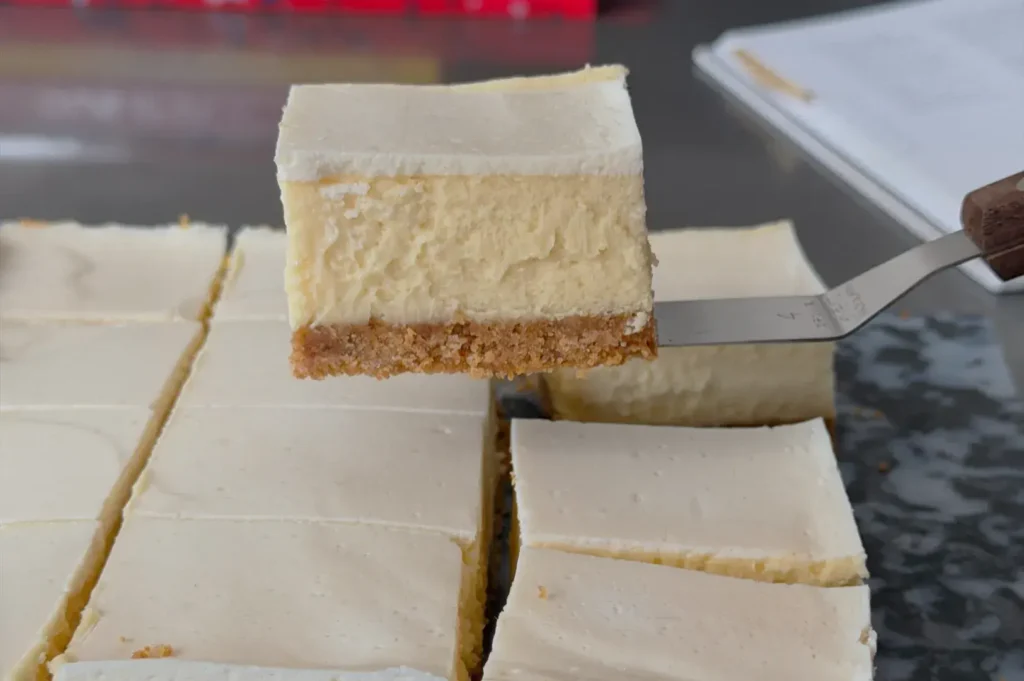
Here’s the short version. A bakery cake is built for convenience and consistency. An artisanal cake is built for flavour and care. Both have their place, and neither is the wrong choice for everyday treats that satisfy a quick craving.
But for a special occasion, a celebration, or one of those moments that deserves a bit more thought, the extra effort tends to be noticeable. It can turn an ordinary cake into the perfect treat. People can usually taste the difference even if they can’t name it.
For anyone weighing up artisanal vs bakery cakes with a celebration in mind, Daizu by Ki-setsu makes soy cheesecakes in small batches with a focus on gentle, natural flavour, which is a good example of what a considered, handcrafted cake can taste like. We think the best way to explore the difference is simply to try a slice and see.